A journal of IEEE and CAA , publishes high-quality papers in English on original theoretical/experimental research and development in all areas of automation

Current Issue

Vol. 13,  No. 9, 2026

Display Method:
PAPERS
A New Parameter Estimation Methodology Using Steady State Yaw Rate Measurements for Lateral Vehicle Dynamics
Zhihong Man, Mingcong Deng, Zenghui Wang, Qing-Long Han
2026, 13(9): 2003-2018. doi: 10.1109/JAS.2025.125366
Abstract(1391) HTML (9) PDF(125)
Abstract:
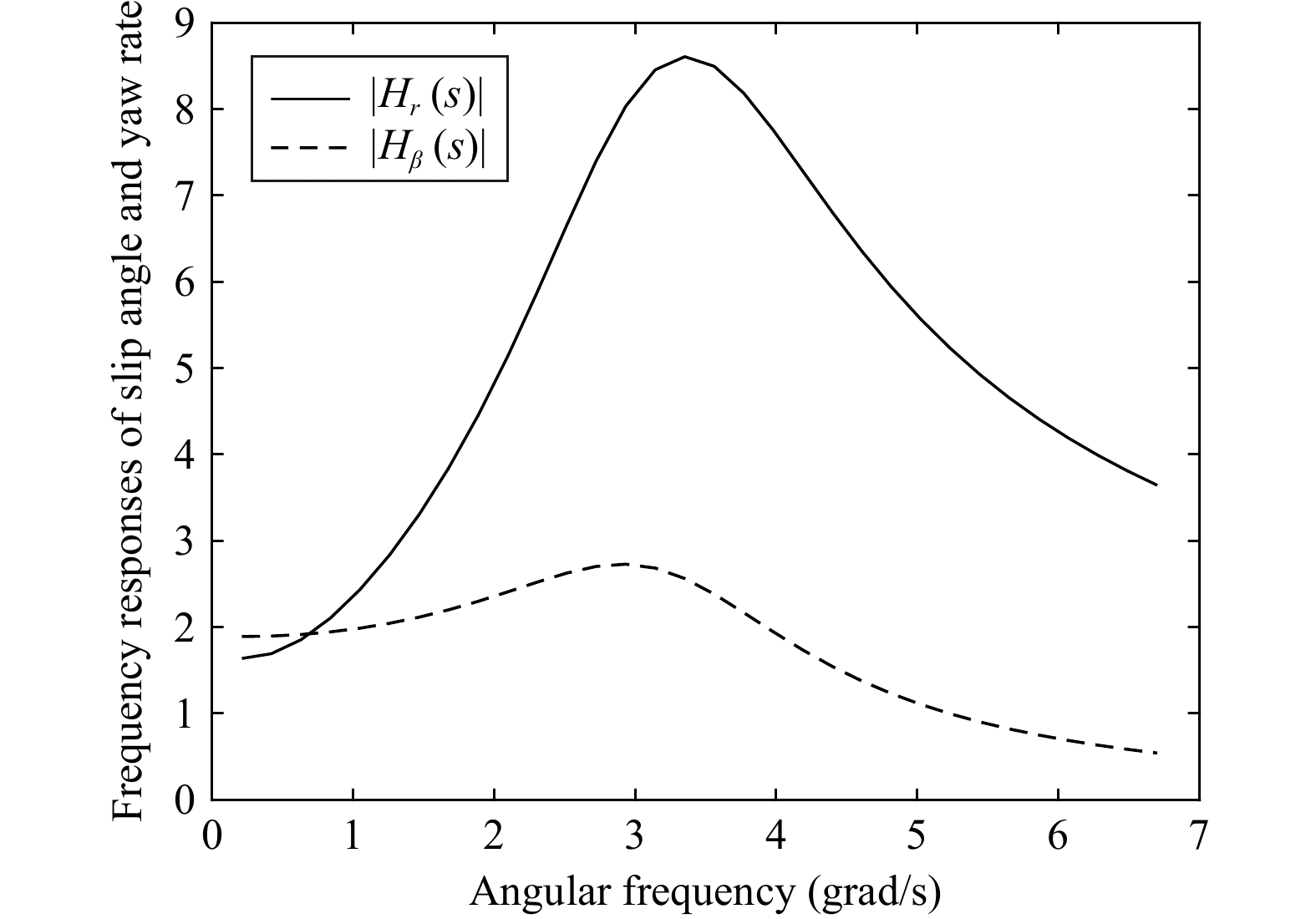
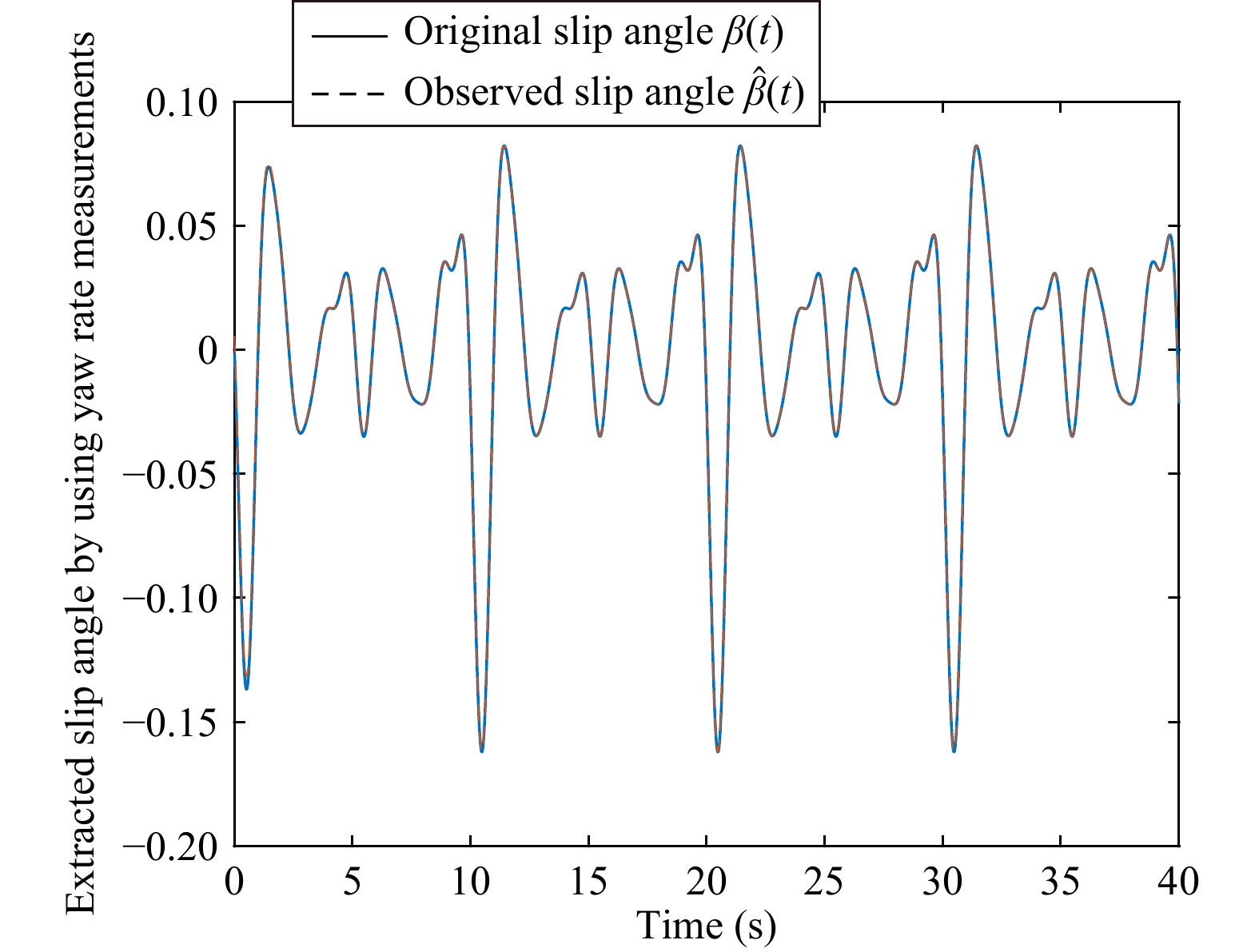
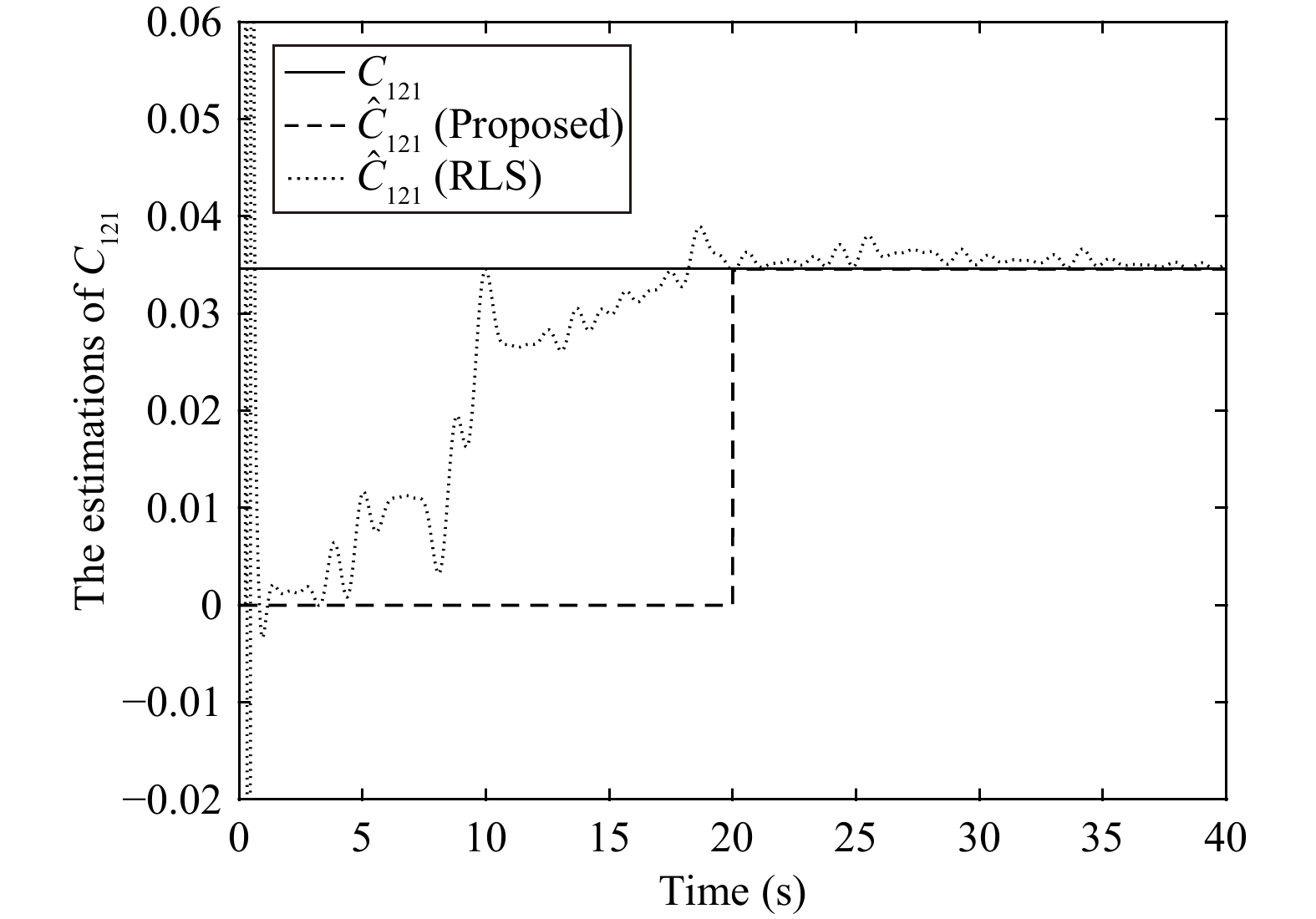
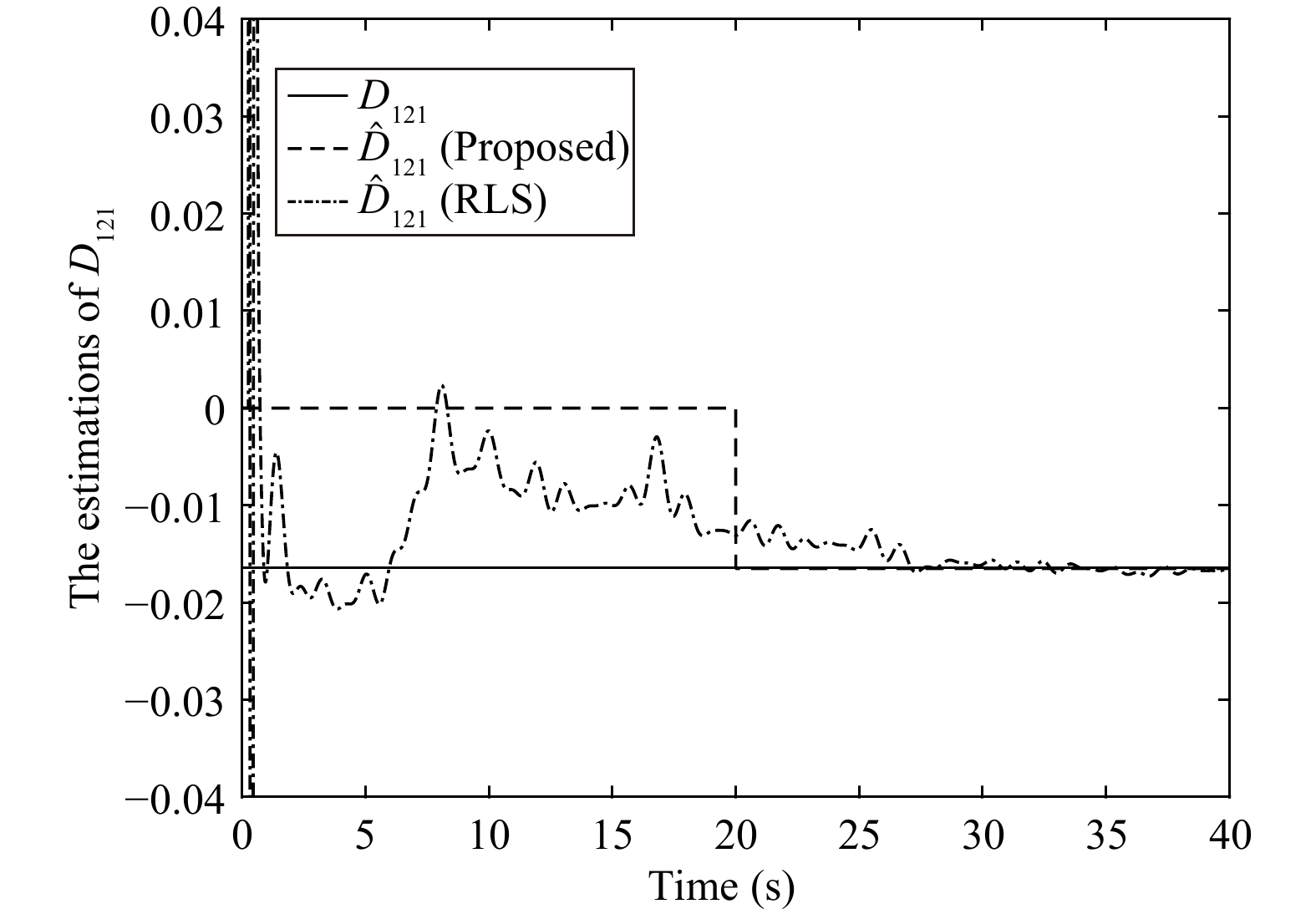
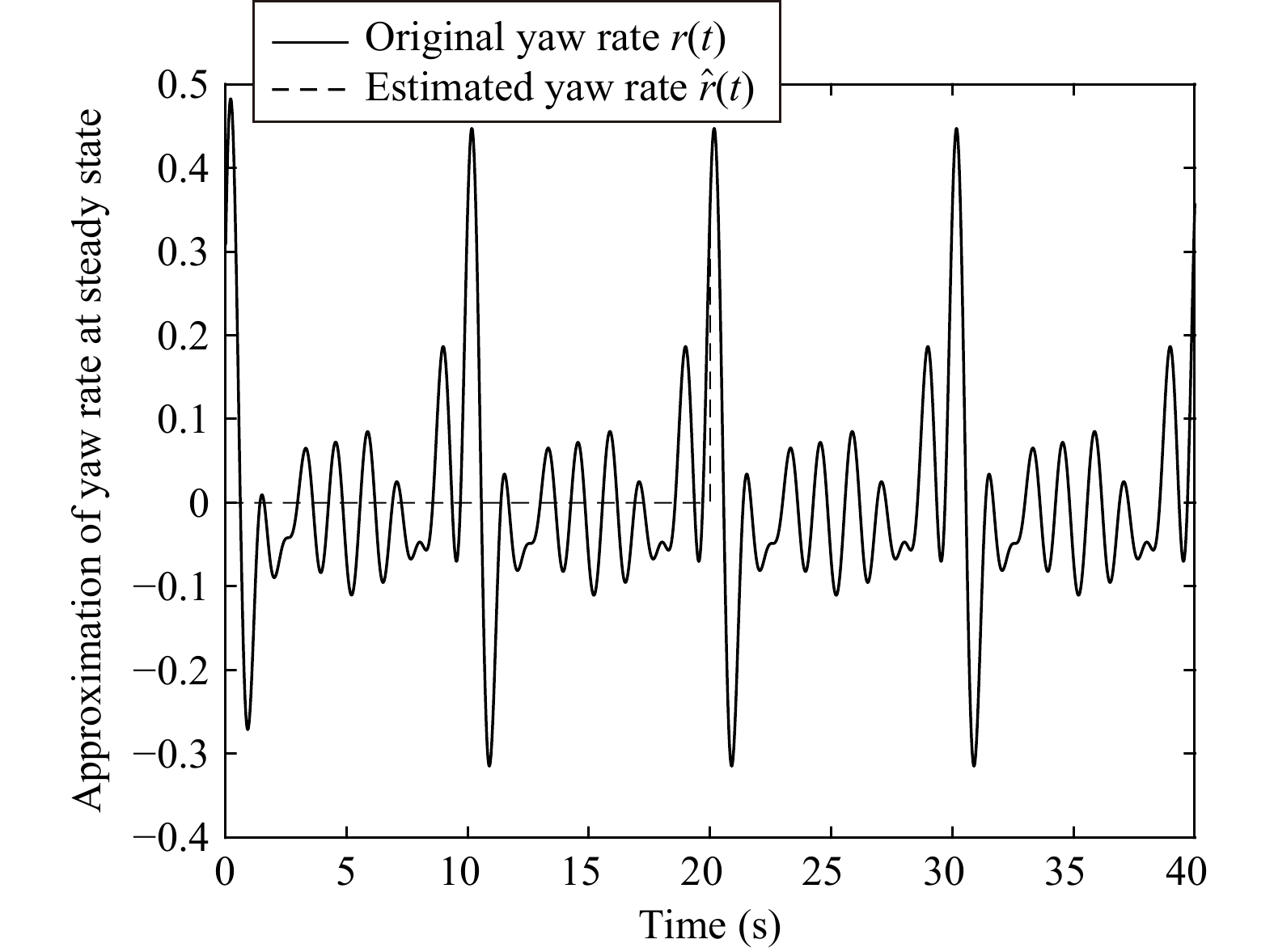
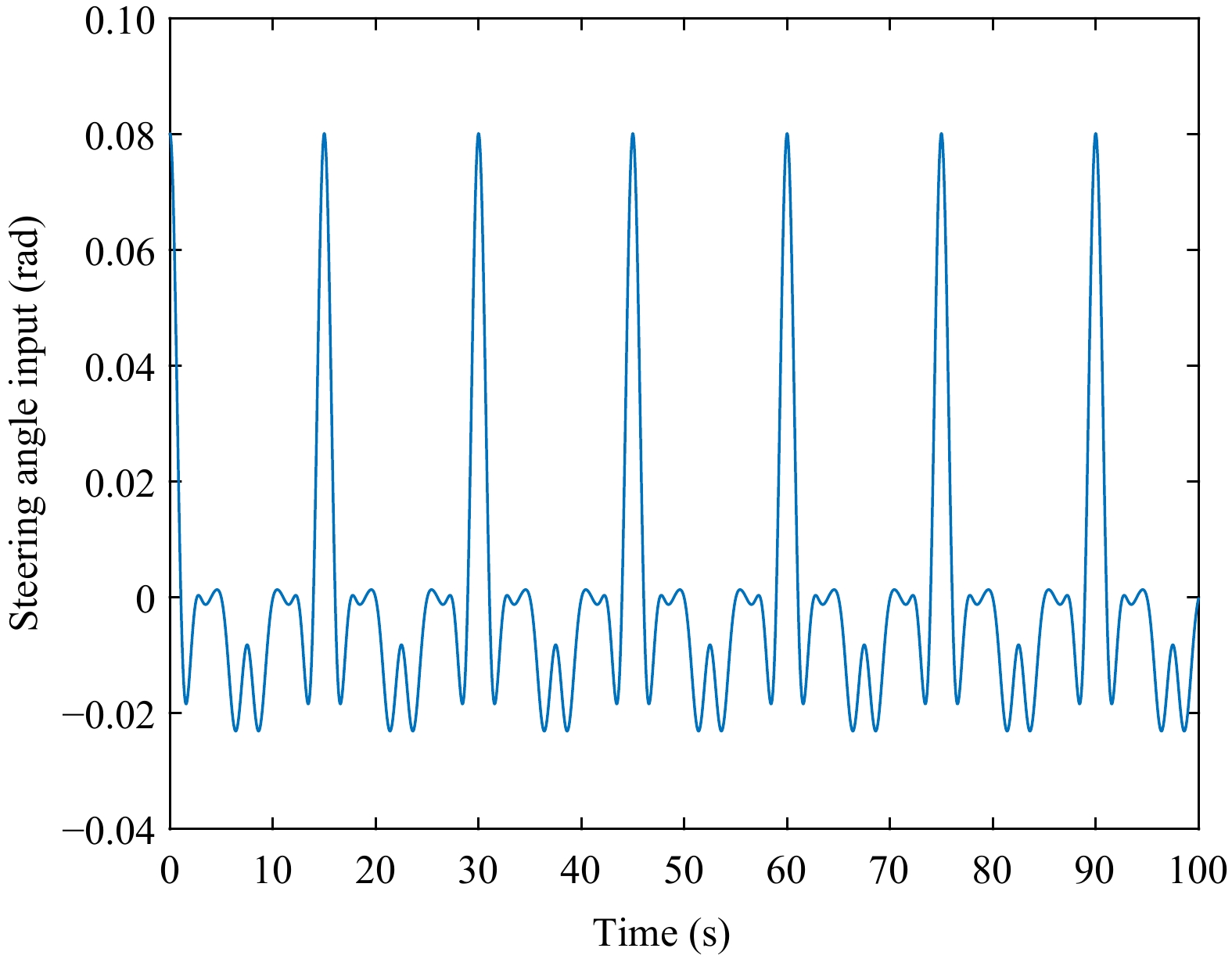
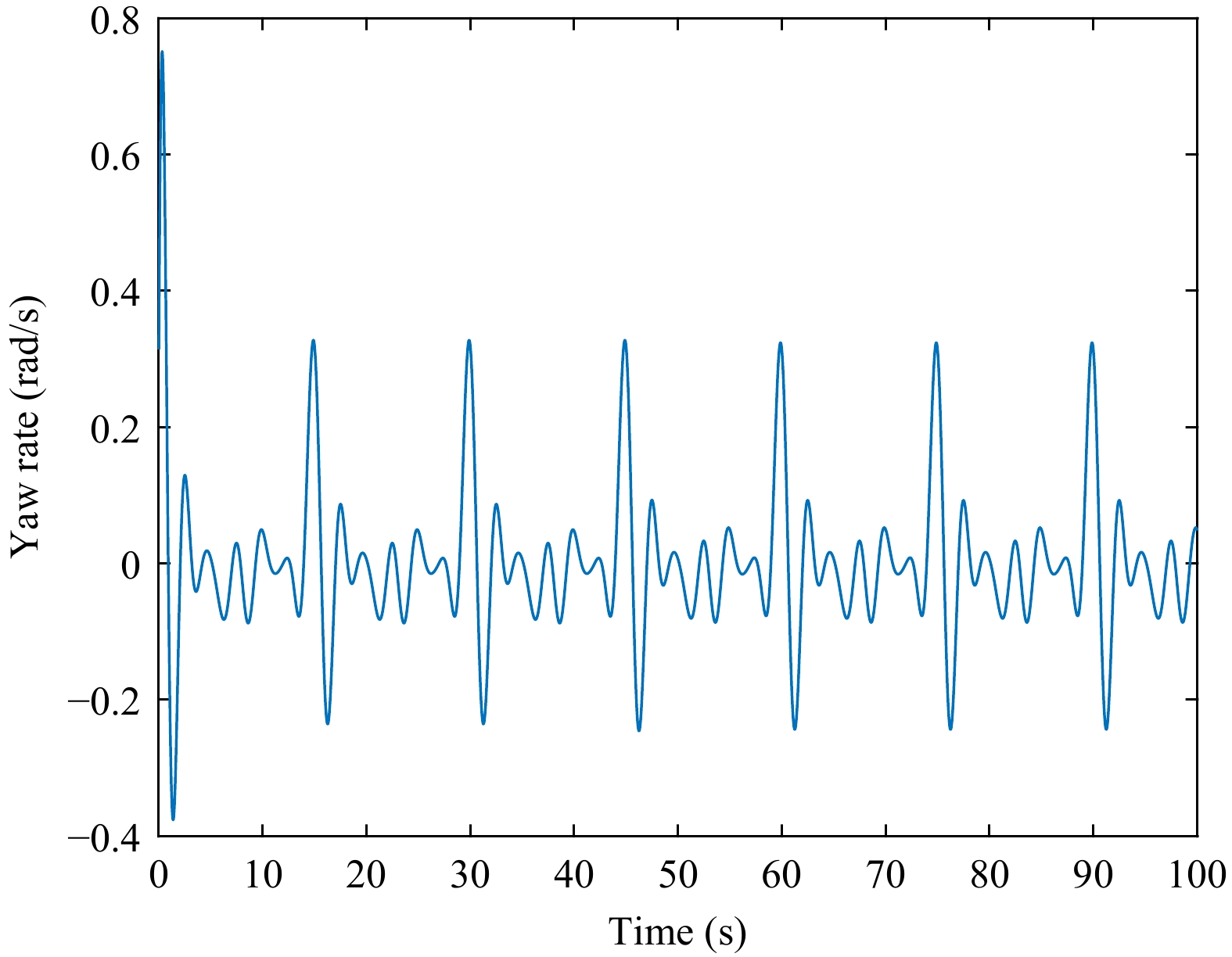
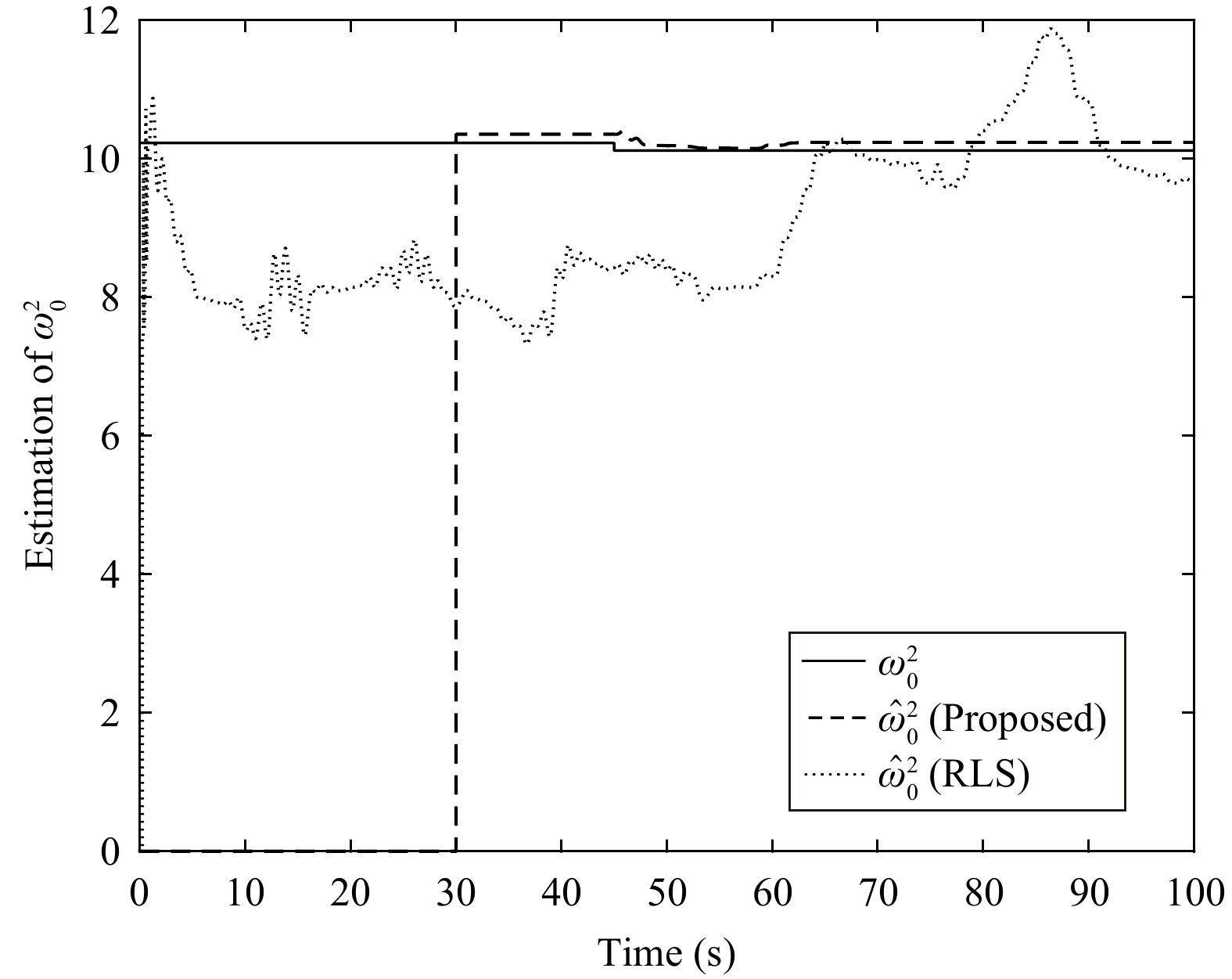
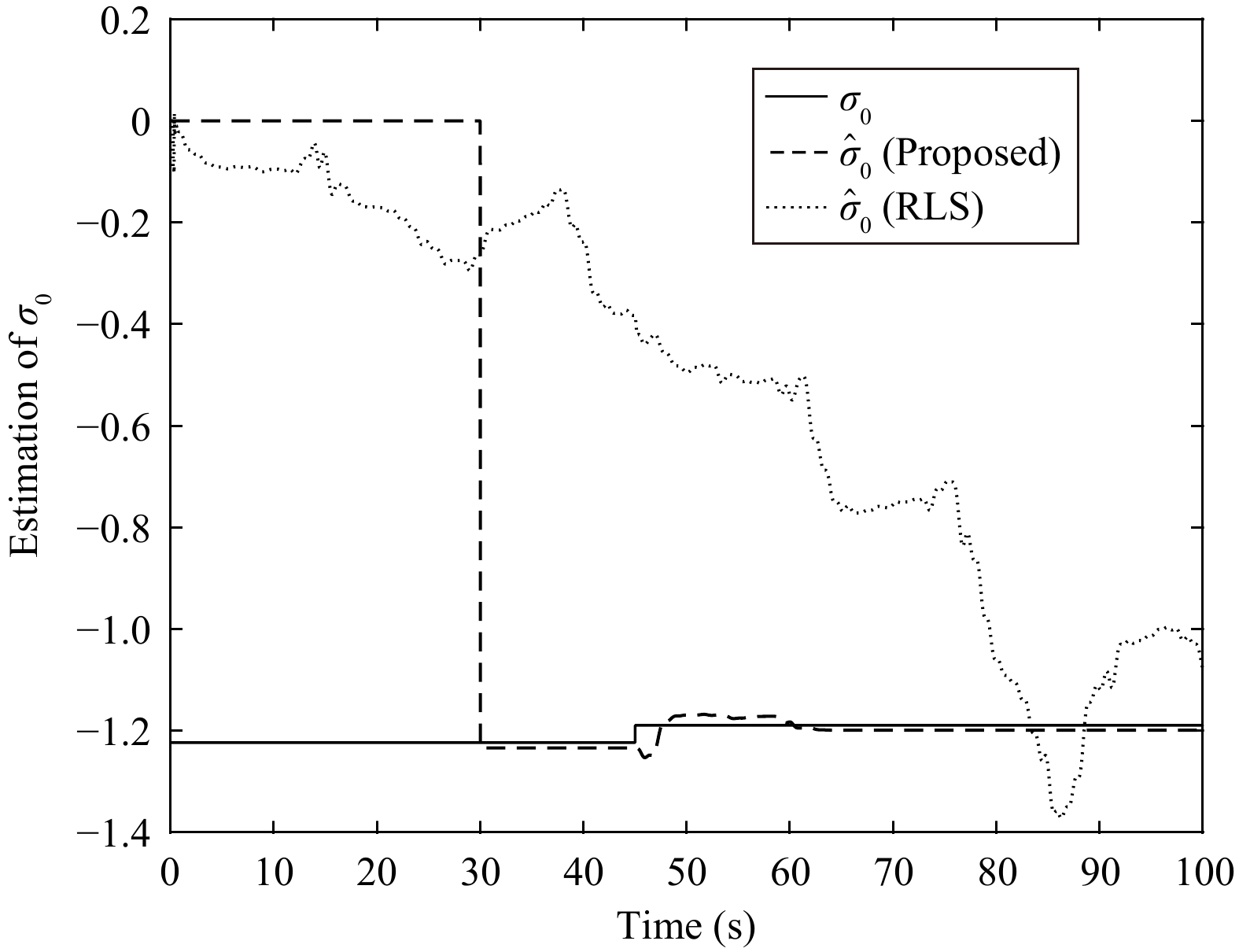
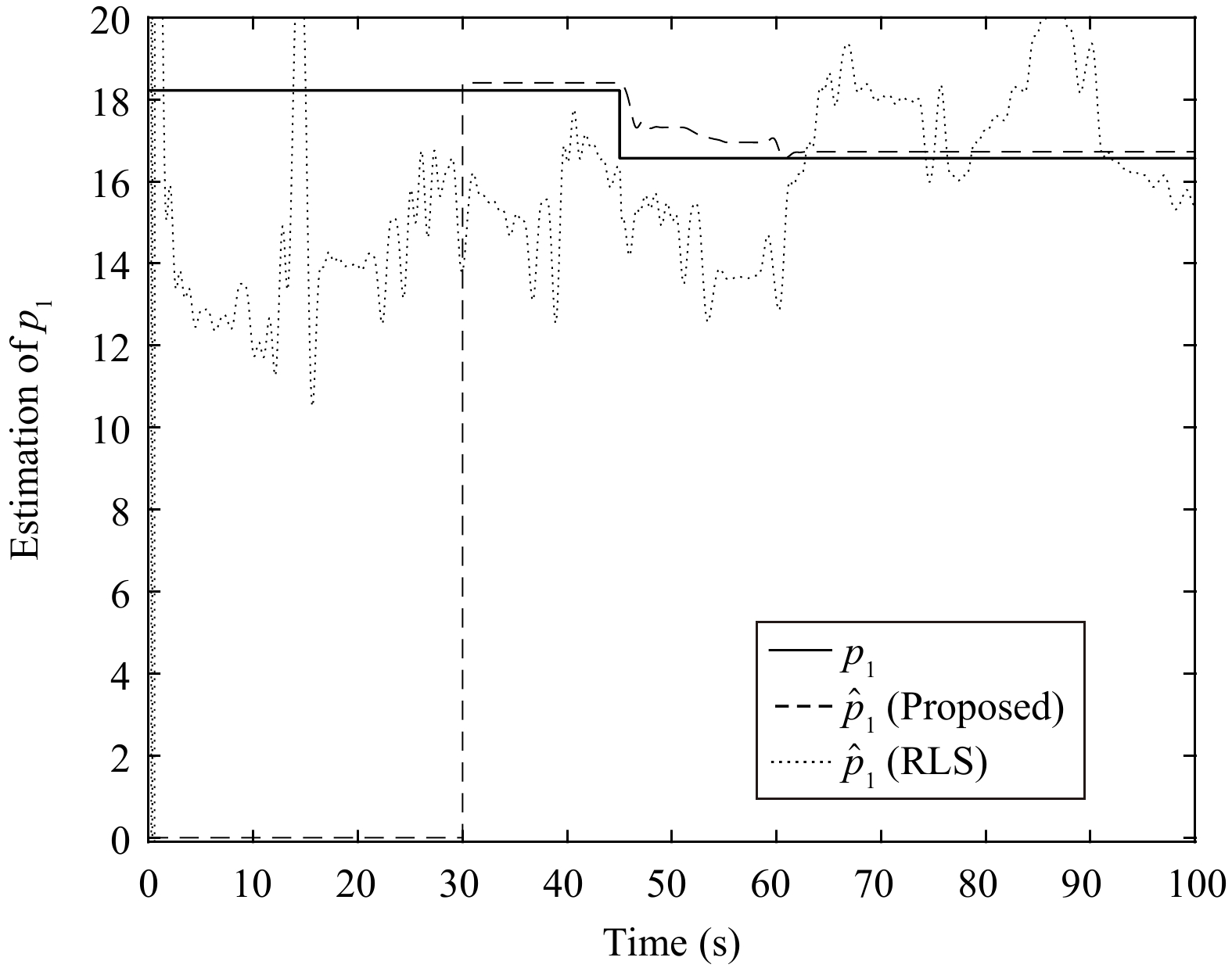
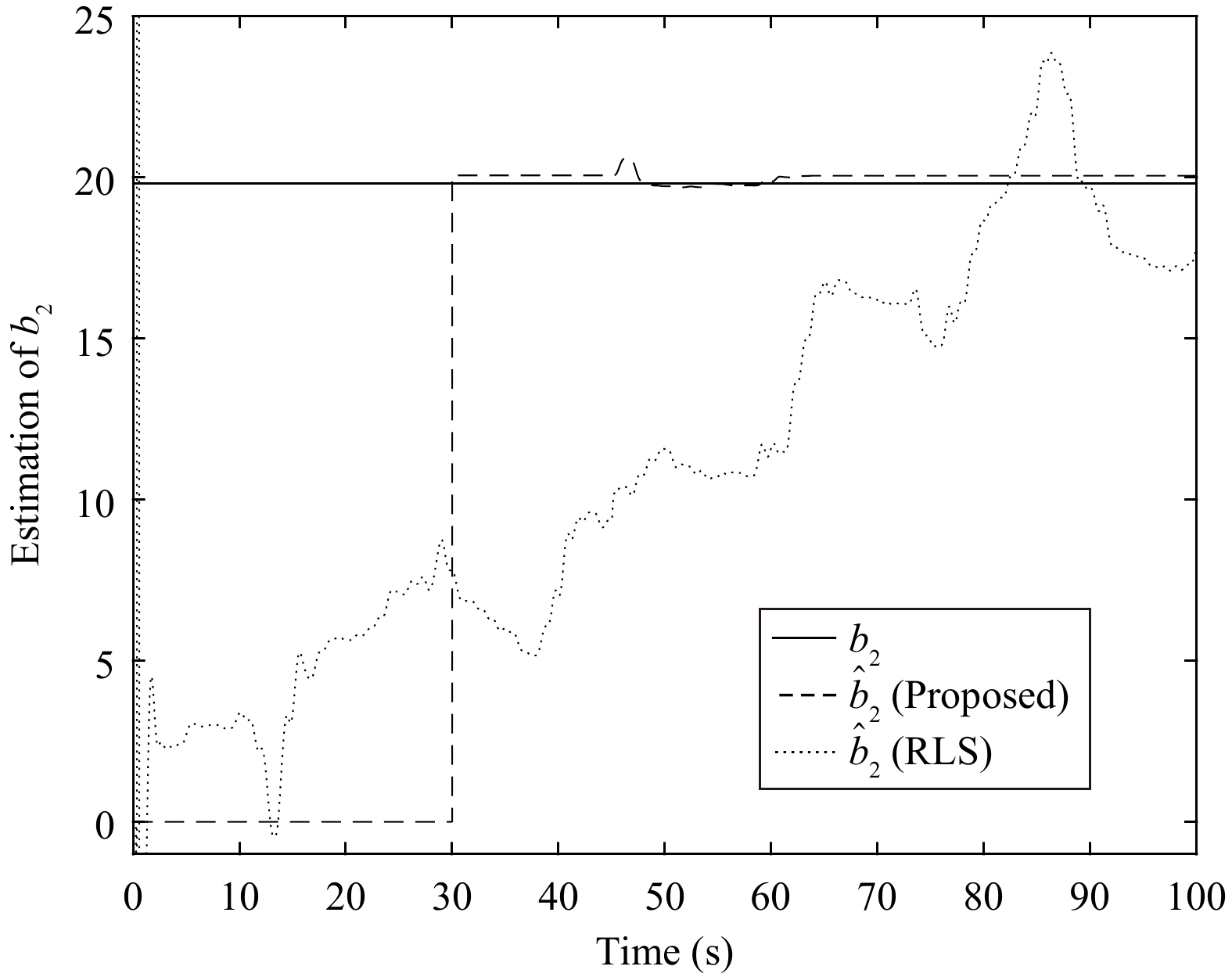
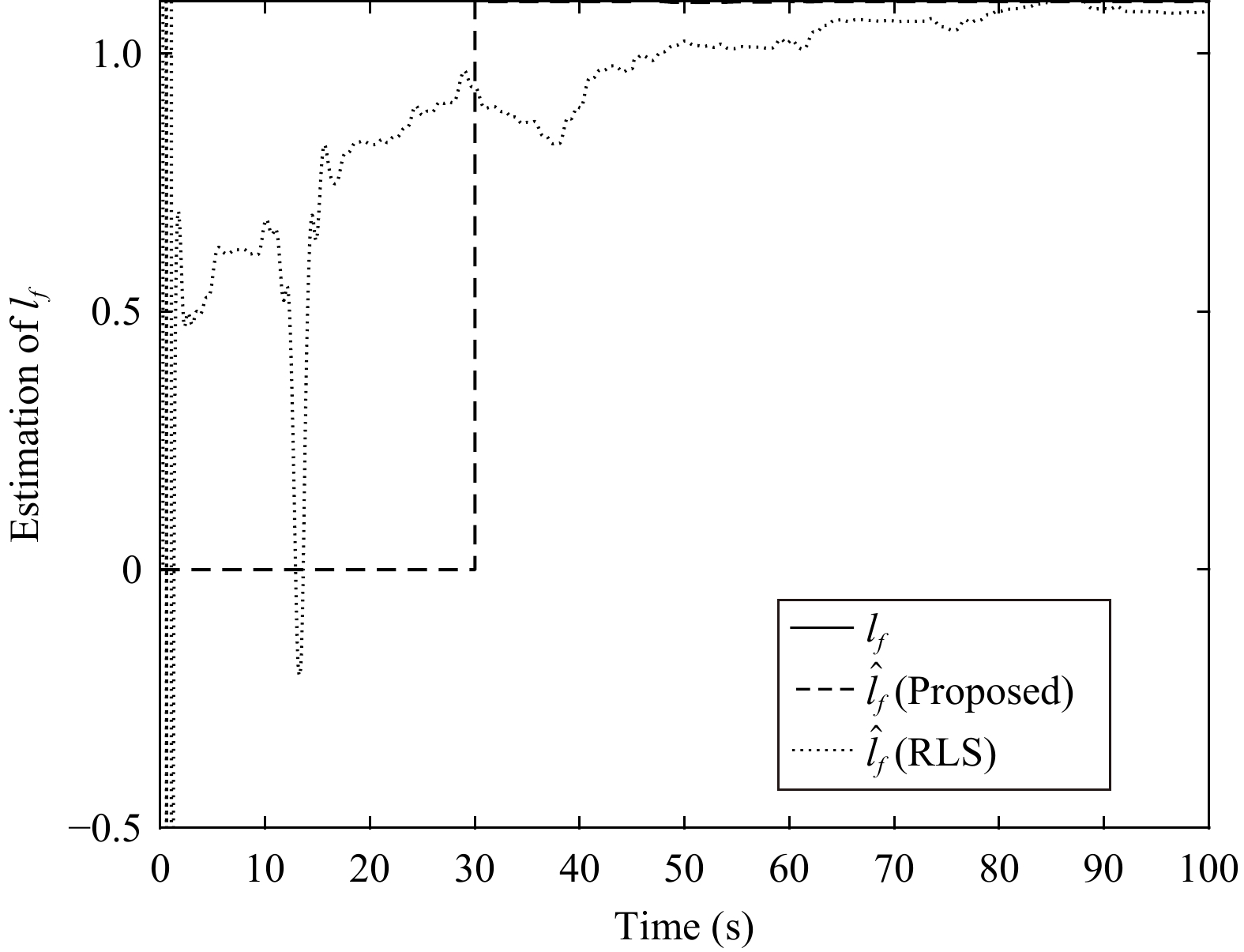
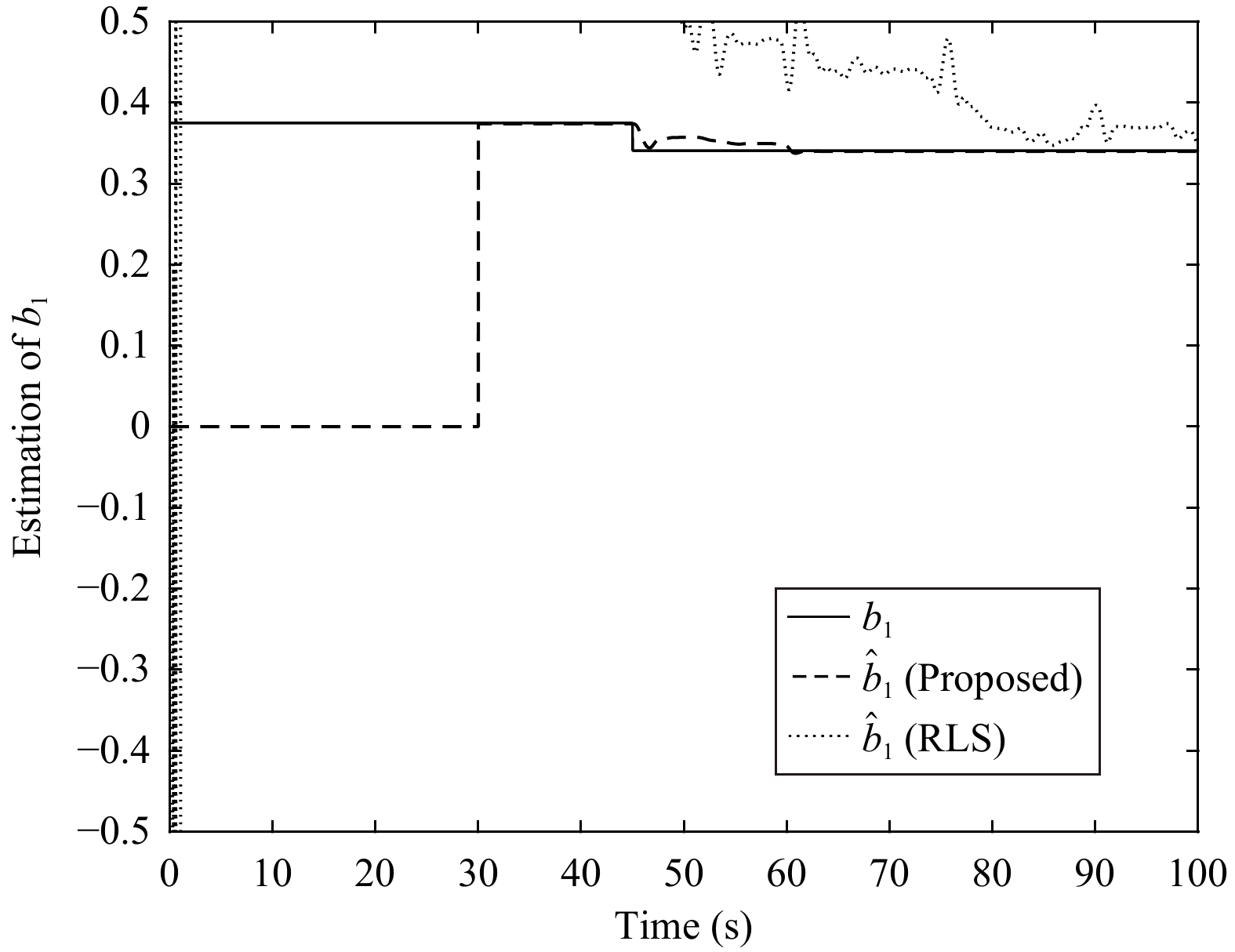
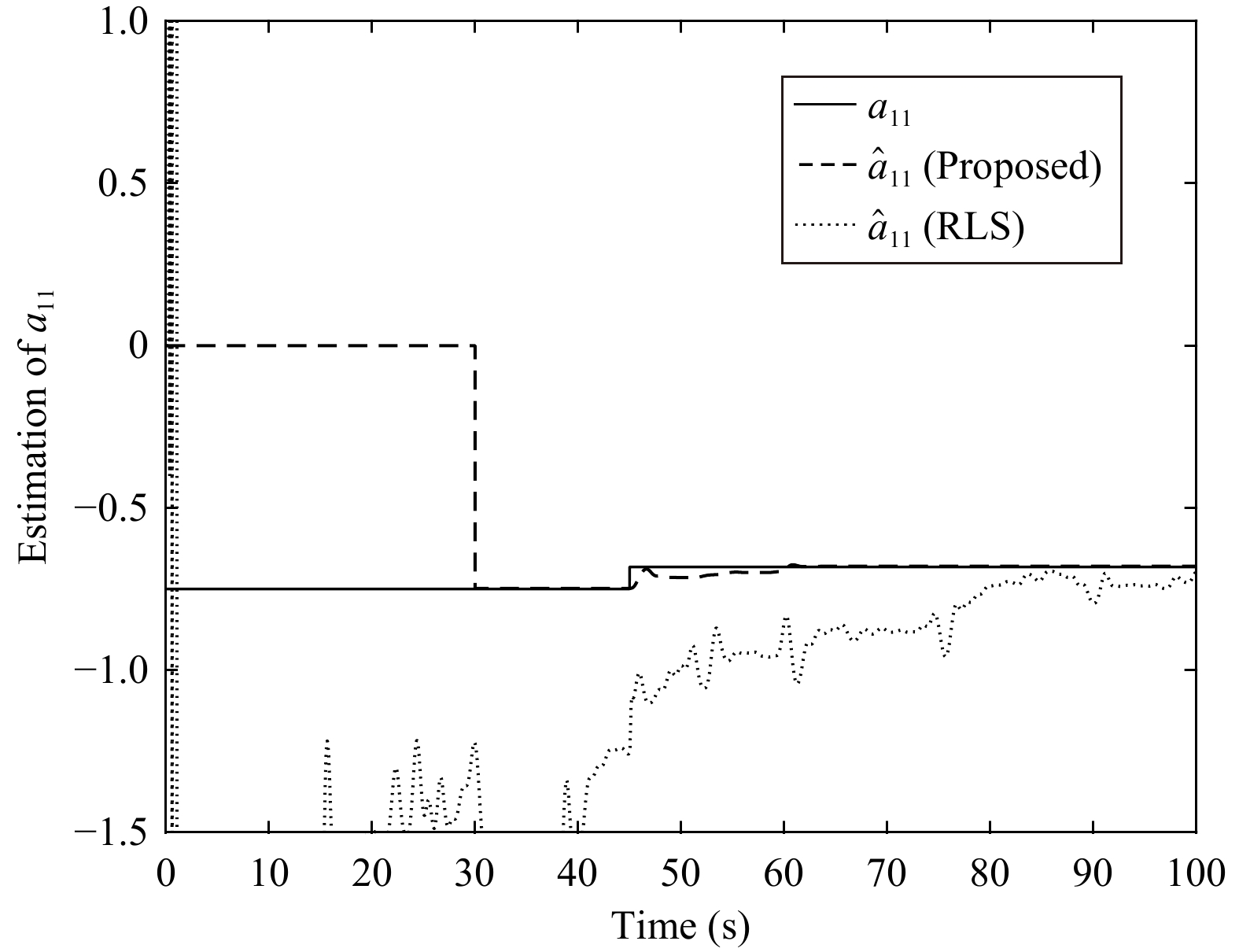
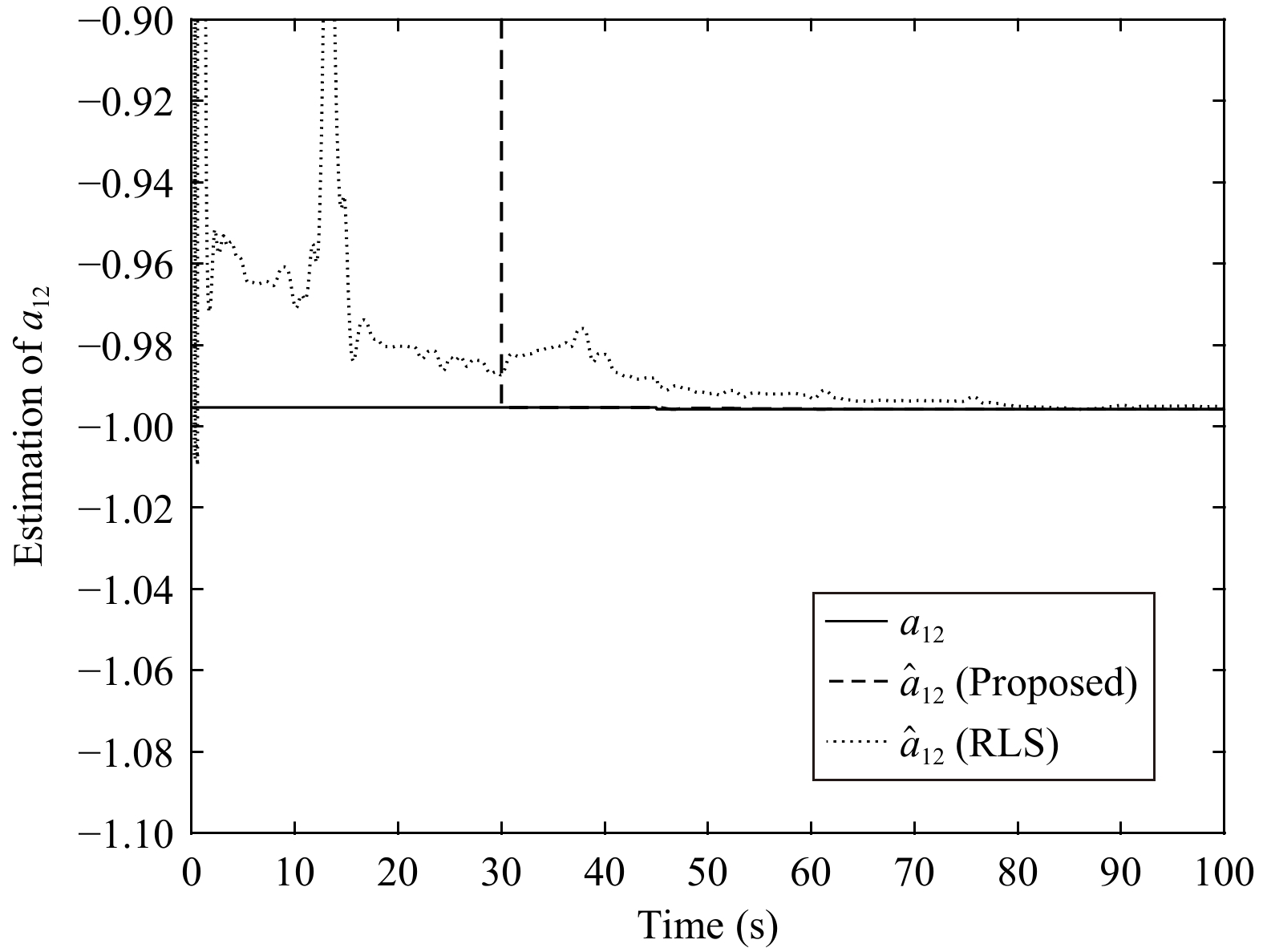
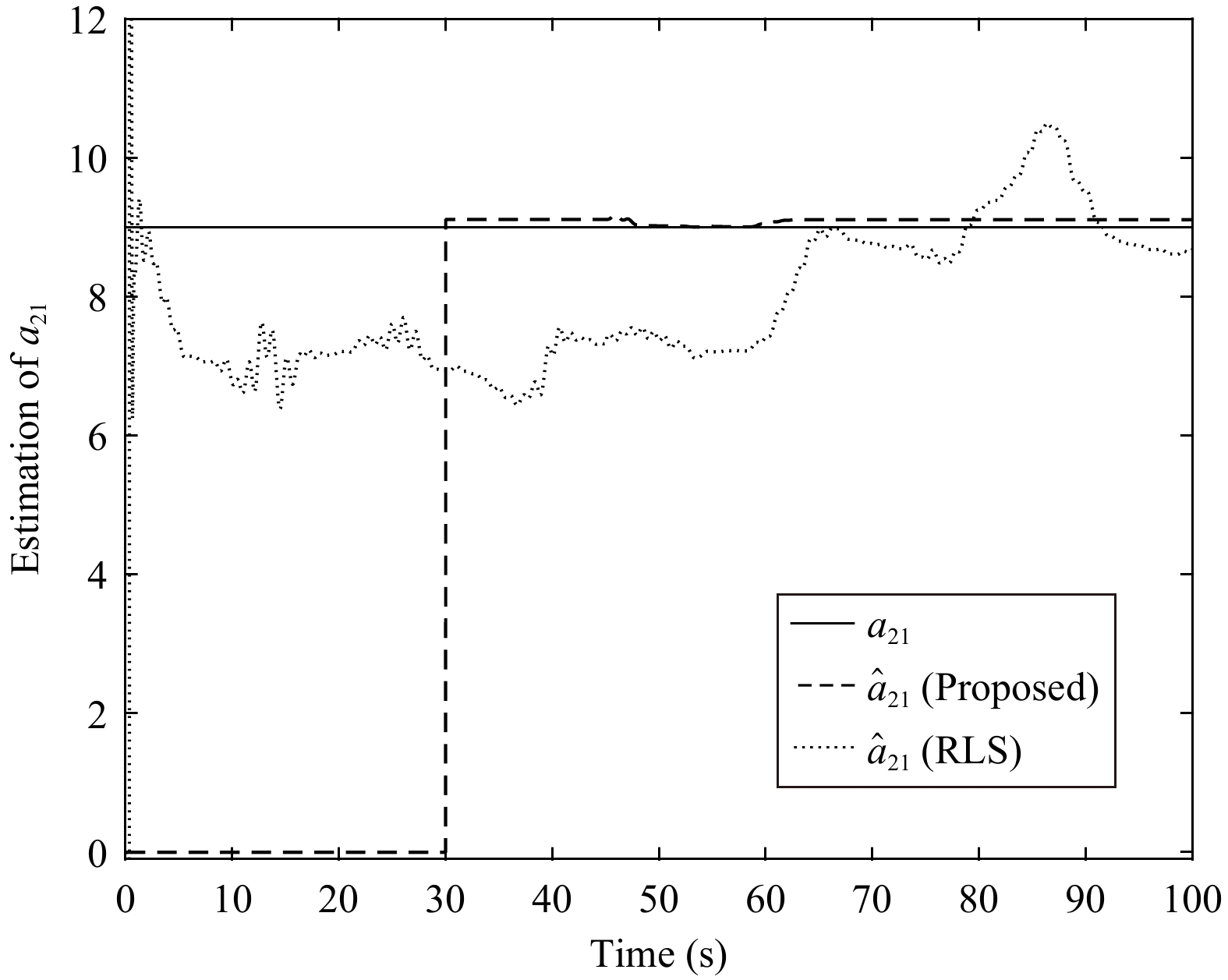
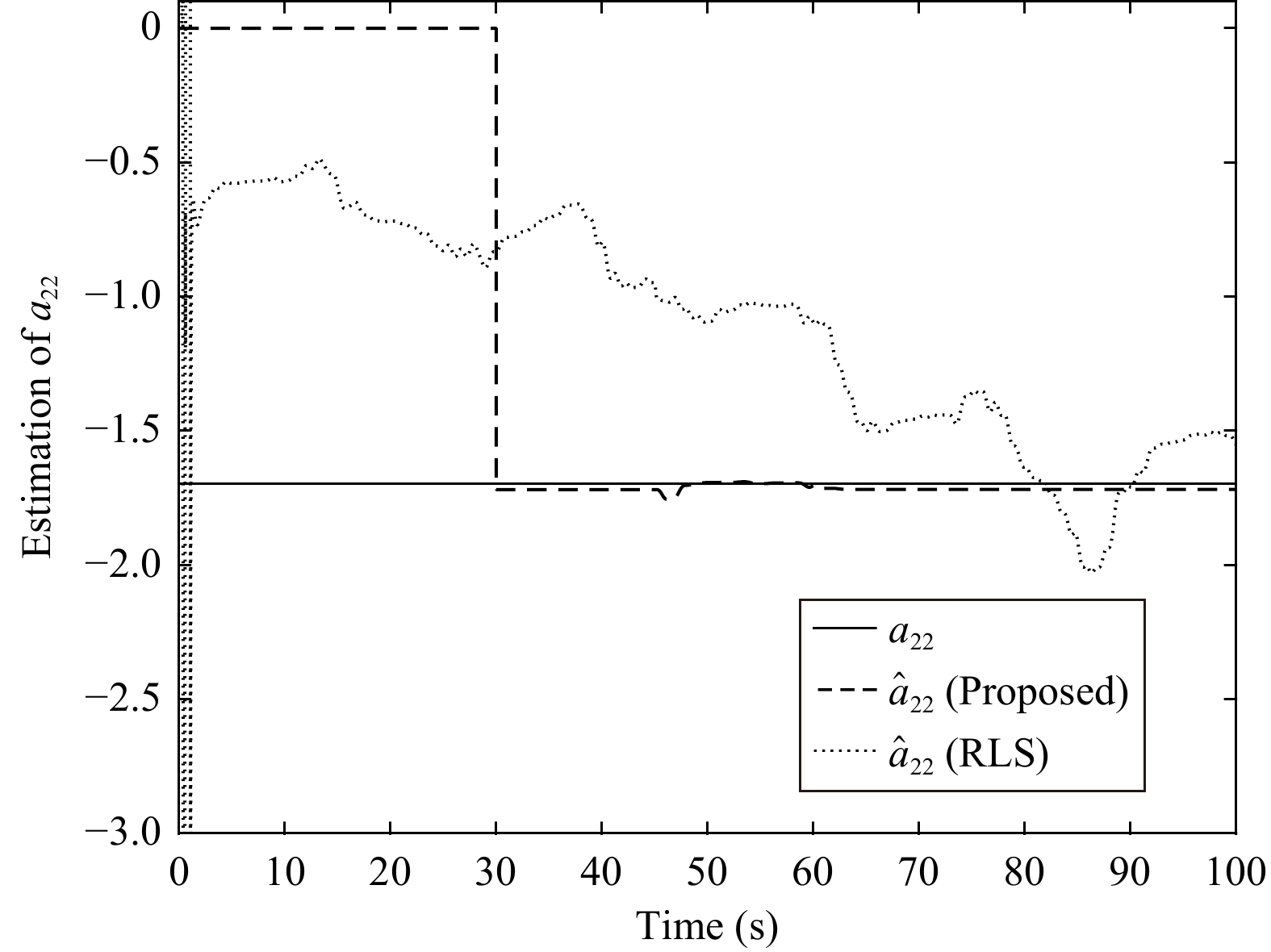
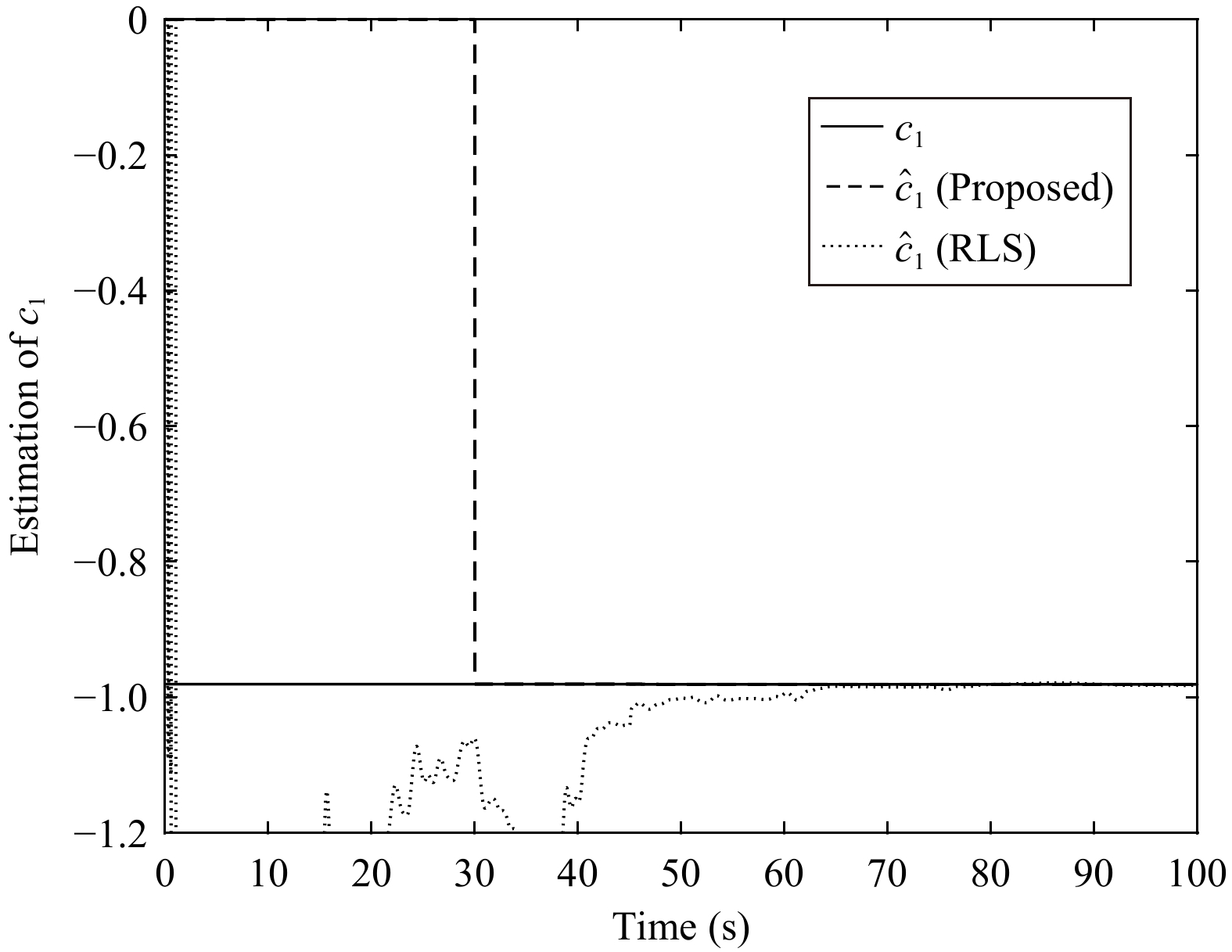
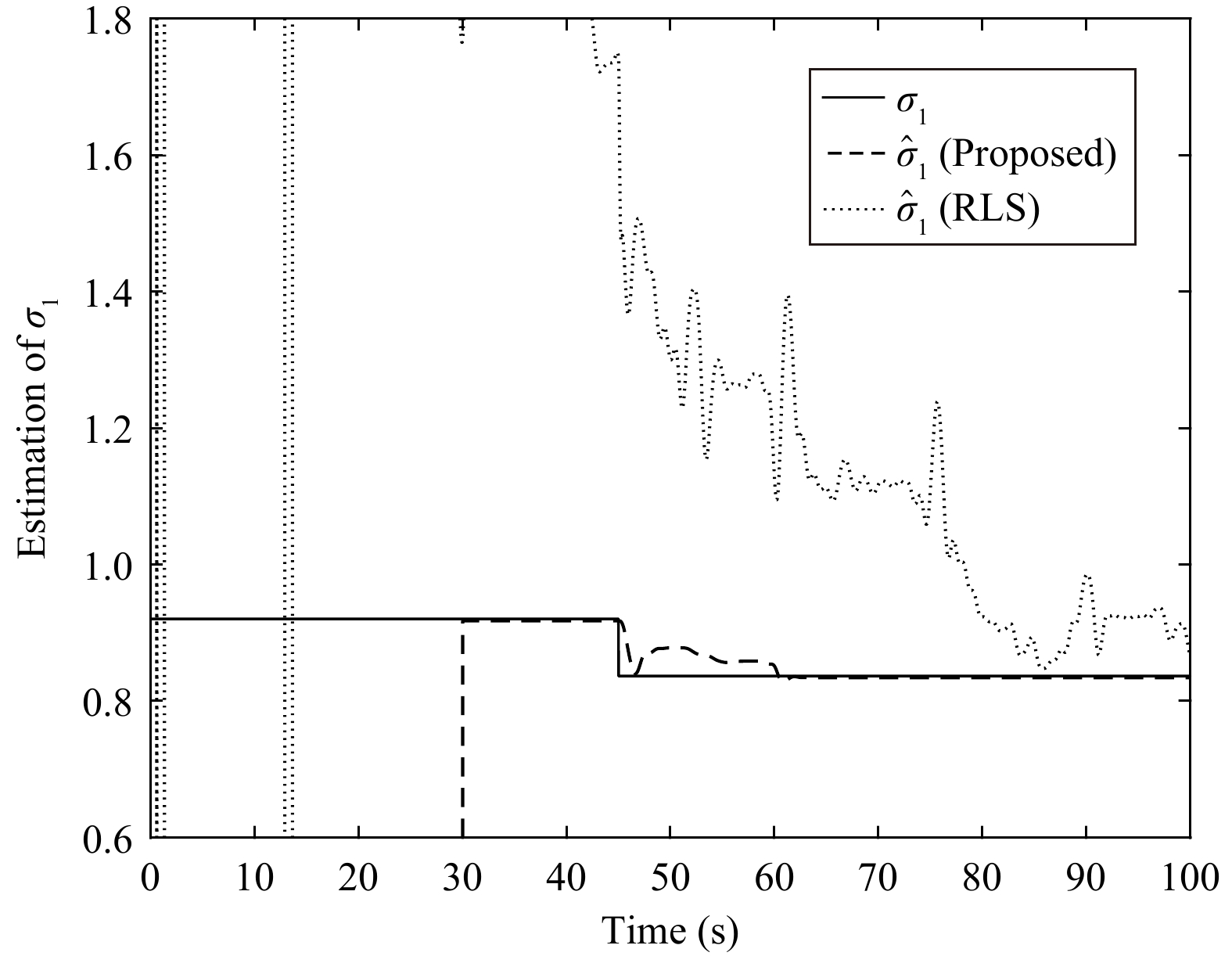
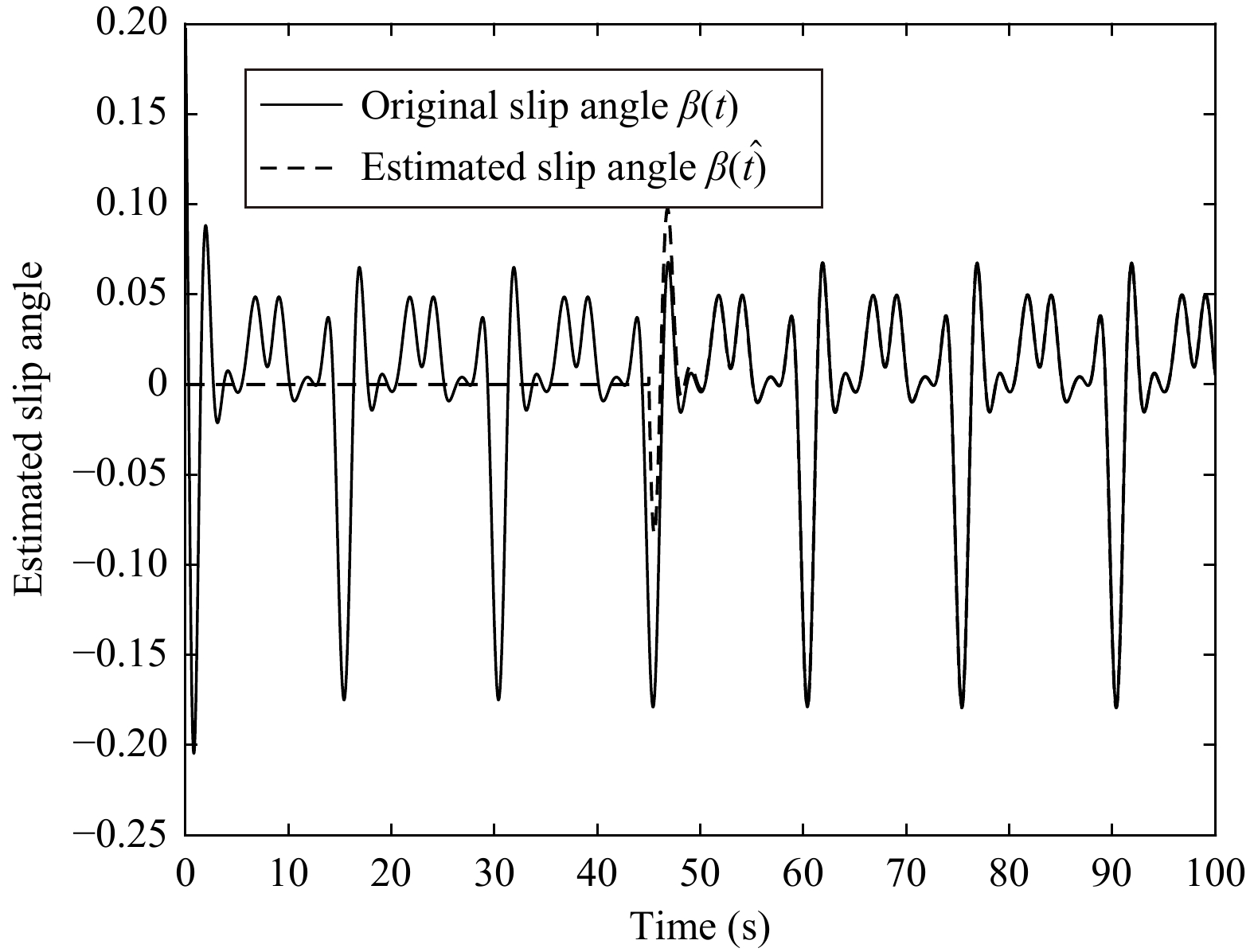
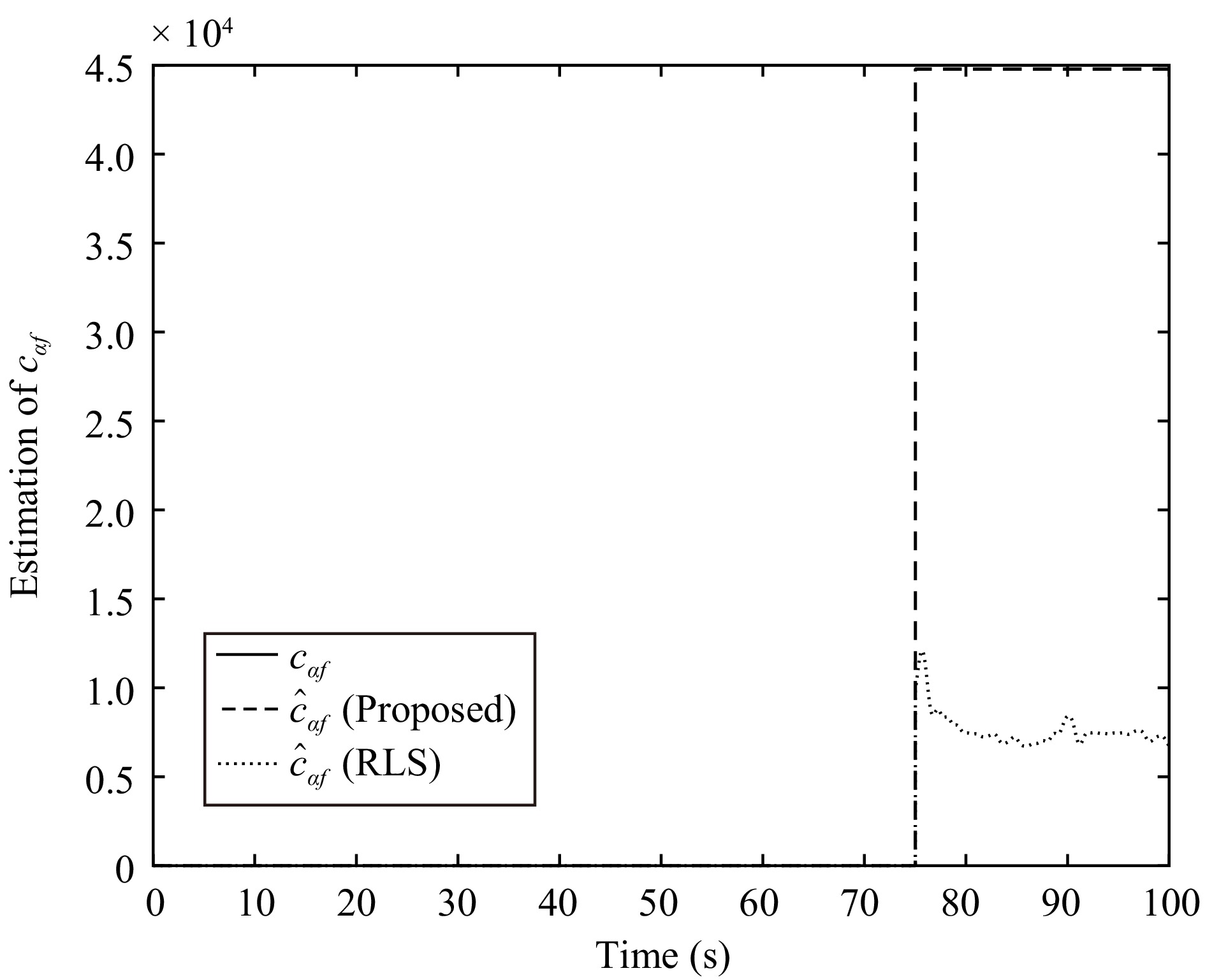
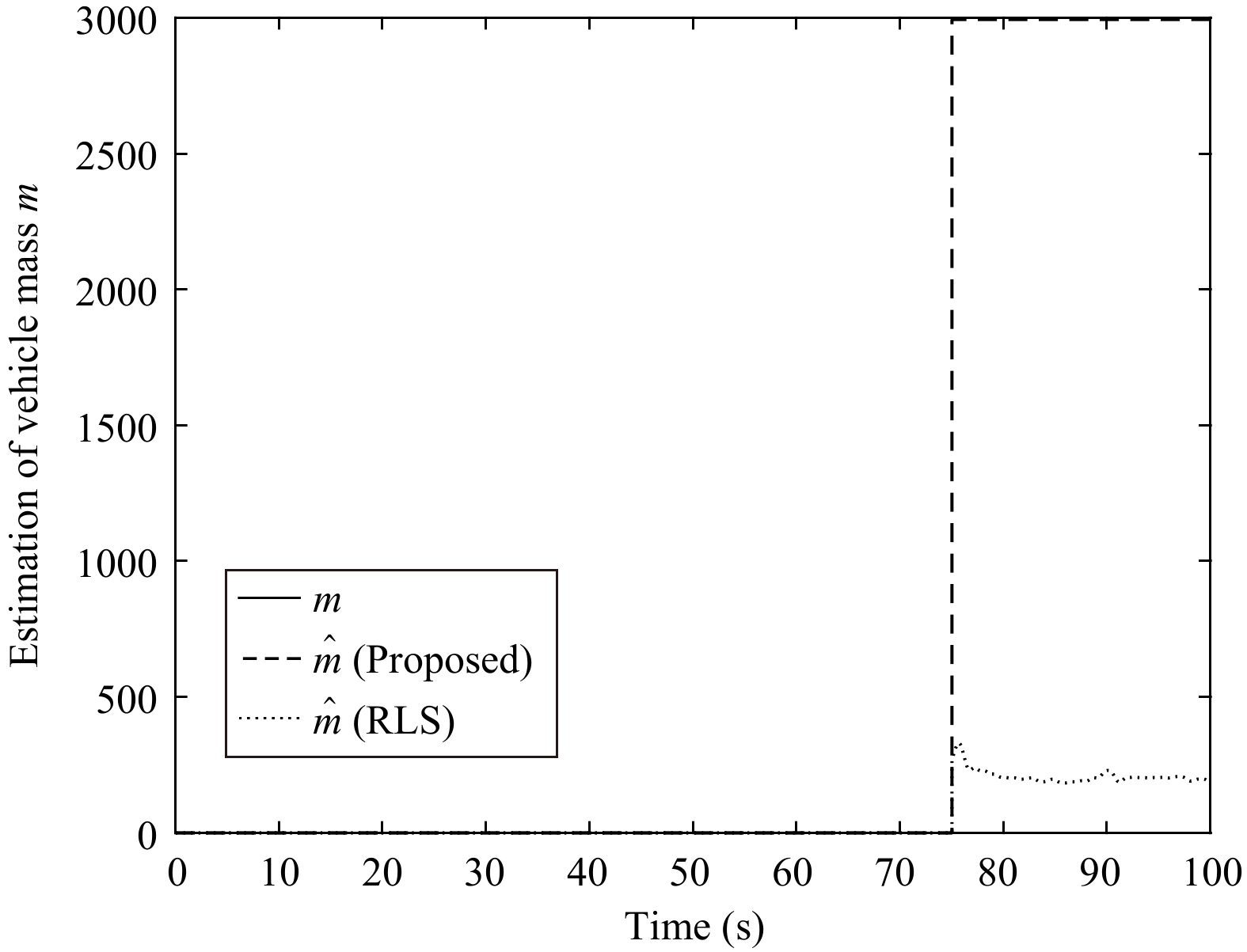
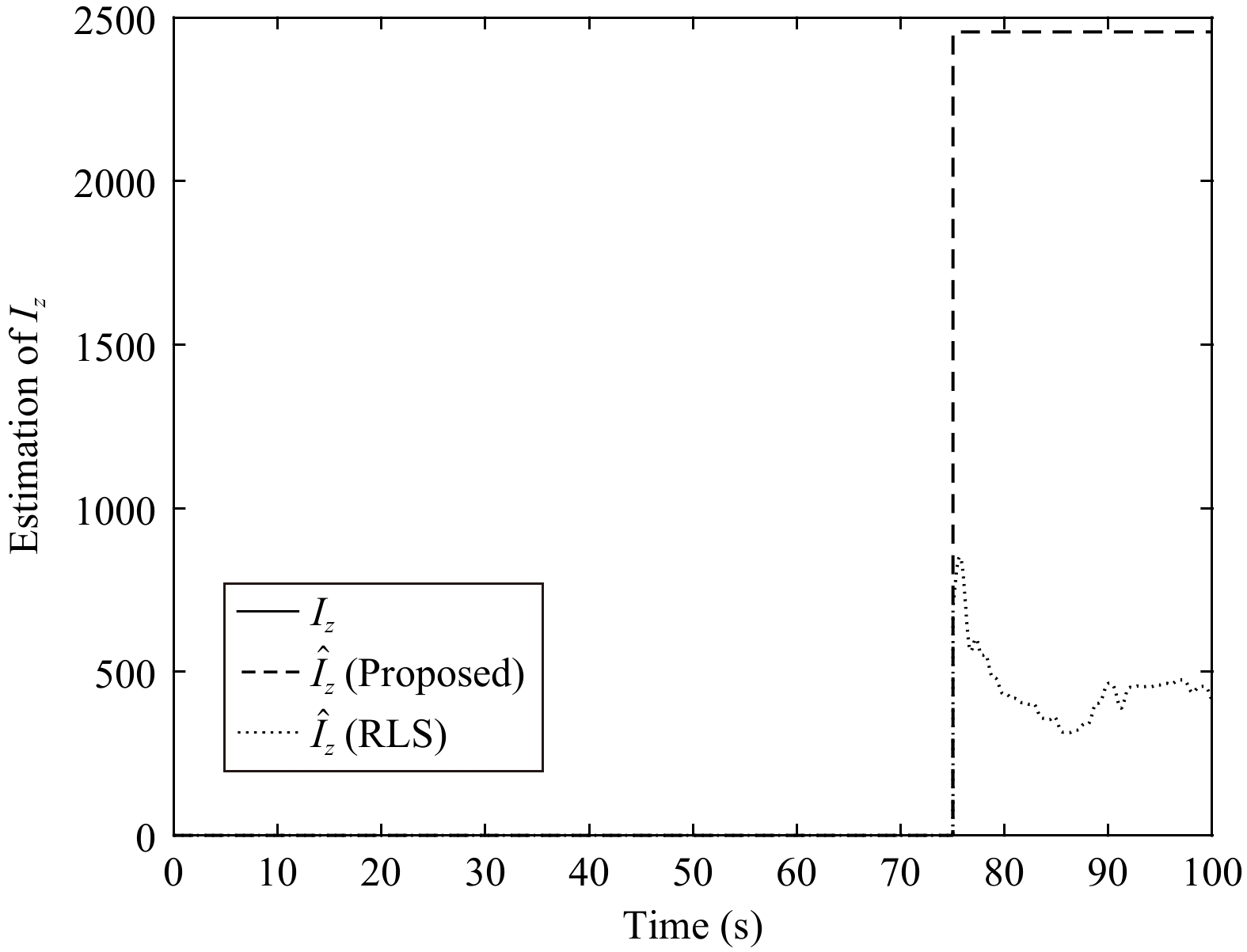
In this paper, the lateral dynamics of road vehicles (LDRV) is further studied from the viewpoint of vehicle informatics. It is seen that LDRV is first decoupled and the vehicle slip angle is proved to be observable from the yaw rate measurements. A new methodology of parameter estimation using steady-state yaw rate measurements (PESYRM) is then developed to accurately estimate the parameters of LDRV. The important characteristics of PESYRM comprise four parts: 1) The steering angle input to LDRV is chosen as the linear combination of sinusoids; 2) Only the steady state information of yaw rate in any fundamental period is required to accurately estimate the unknown parameters of LDRV; 3) Unlike many existing parameter estimation methods, the time consuming computing of the inverse of high-dimensional data matrix is avoided by making full use of the orthogonal properties of trigonometric base functions; 4) All of system information of LDRV is embedded in the measurements of the steady state yaw rate in any fundamental period. A simulation example is carried out to show the advantages and effectiveness of the new research findings for LDRV.
Global Prescribed-Time Control of Nonlinear Uncertain Systems via A Novel Low-Complexity Analysis Framework
Hao Li, Changchun Hua, Kuo Li, Pengju Ning
2026, 13(9): 2019-2027. doi: 10.1109/JAS.2025.125828
Abstract(17) HTML (6) PDF(1)
Abstract:
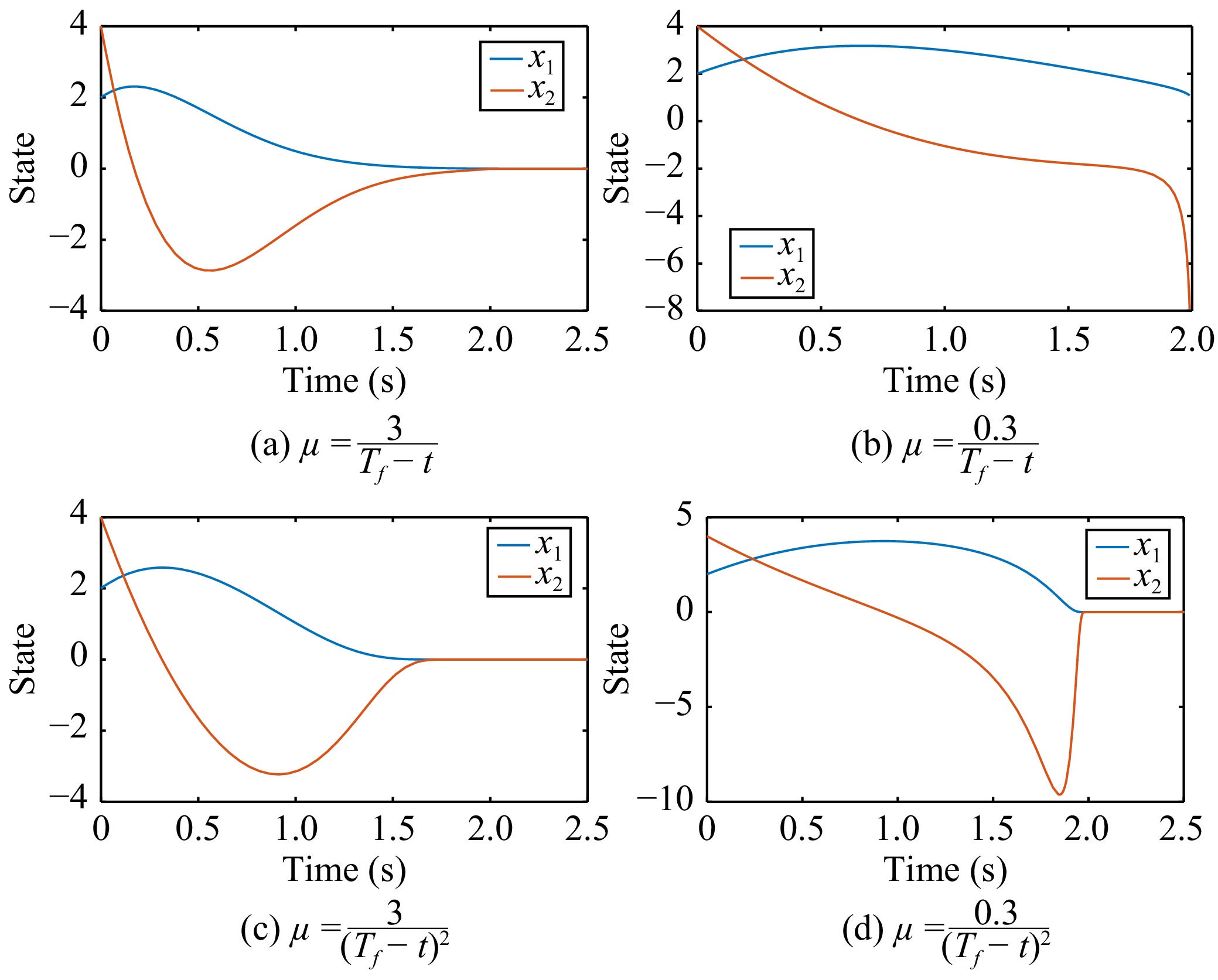
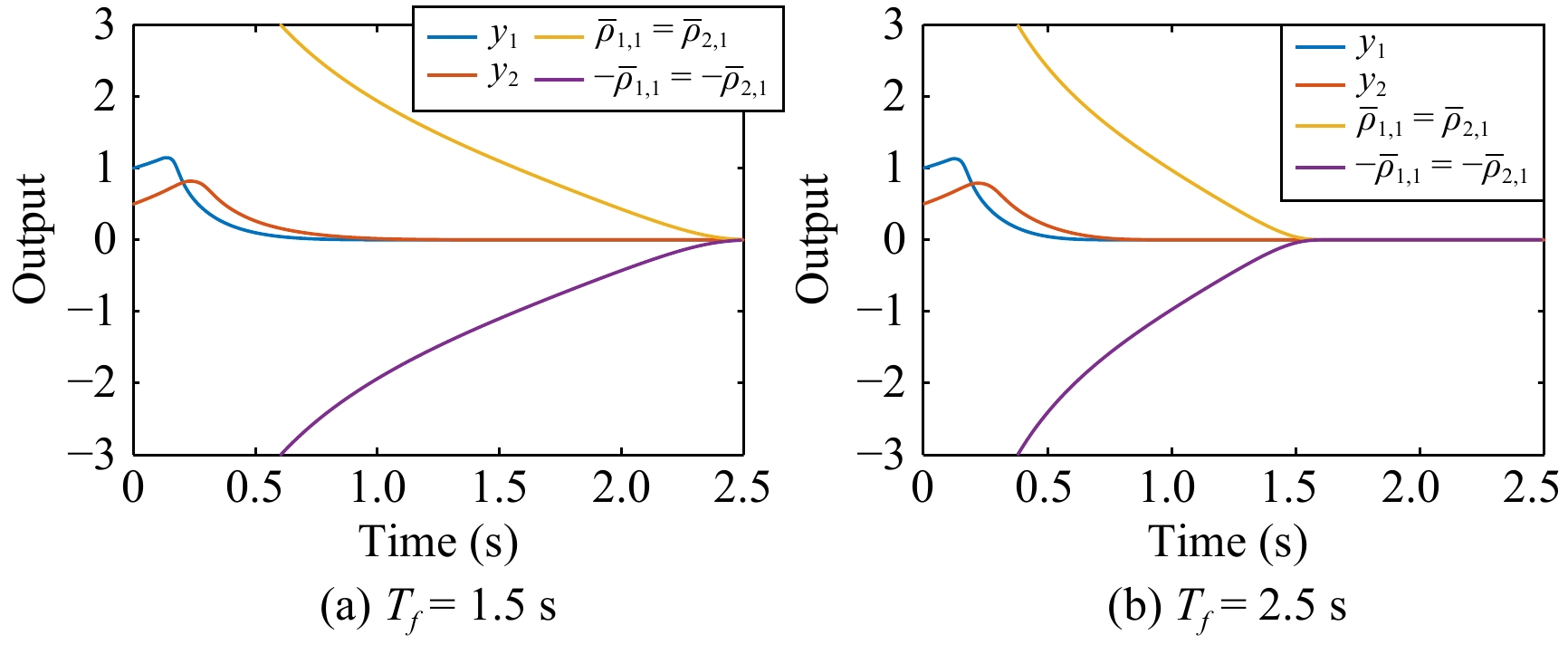
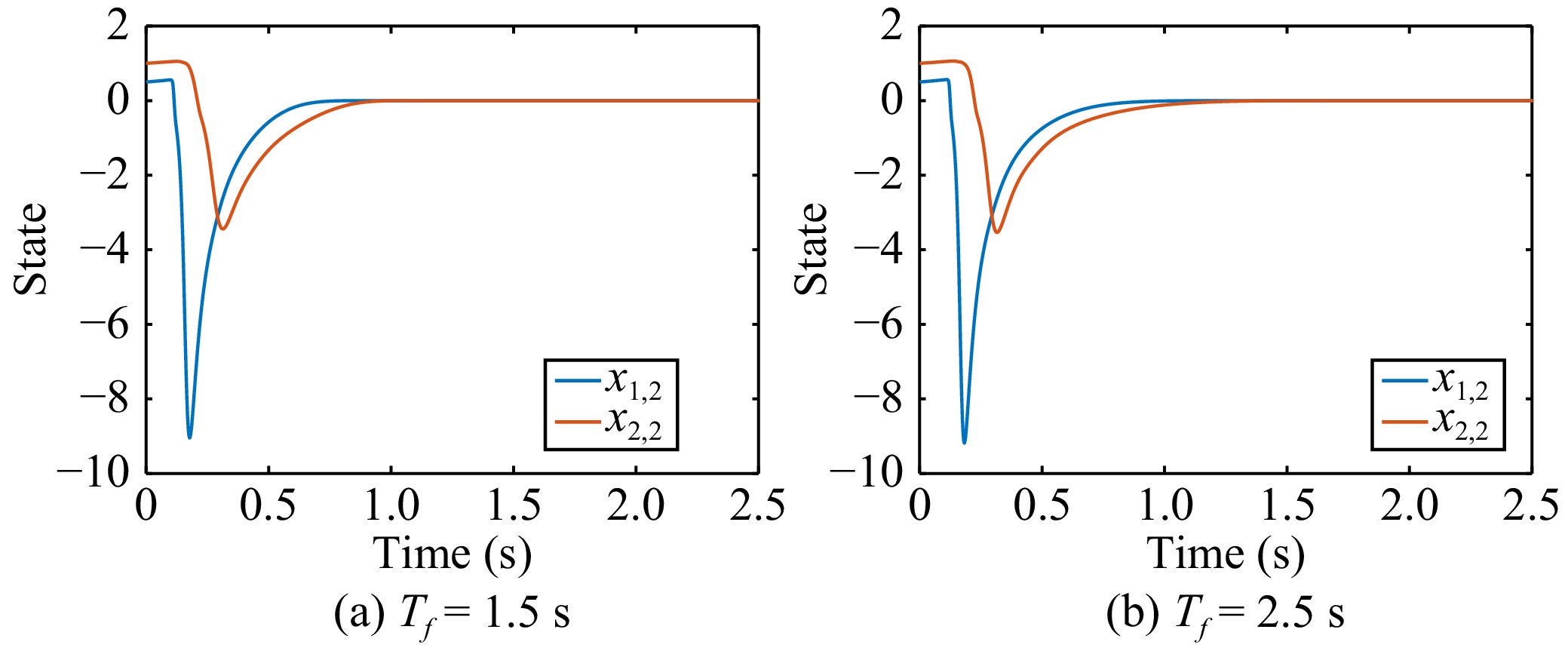
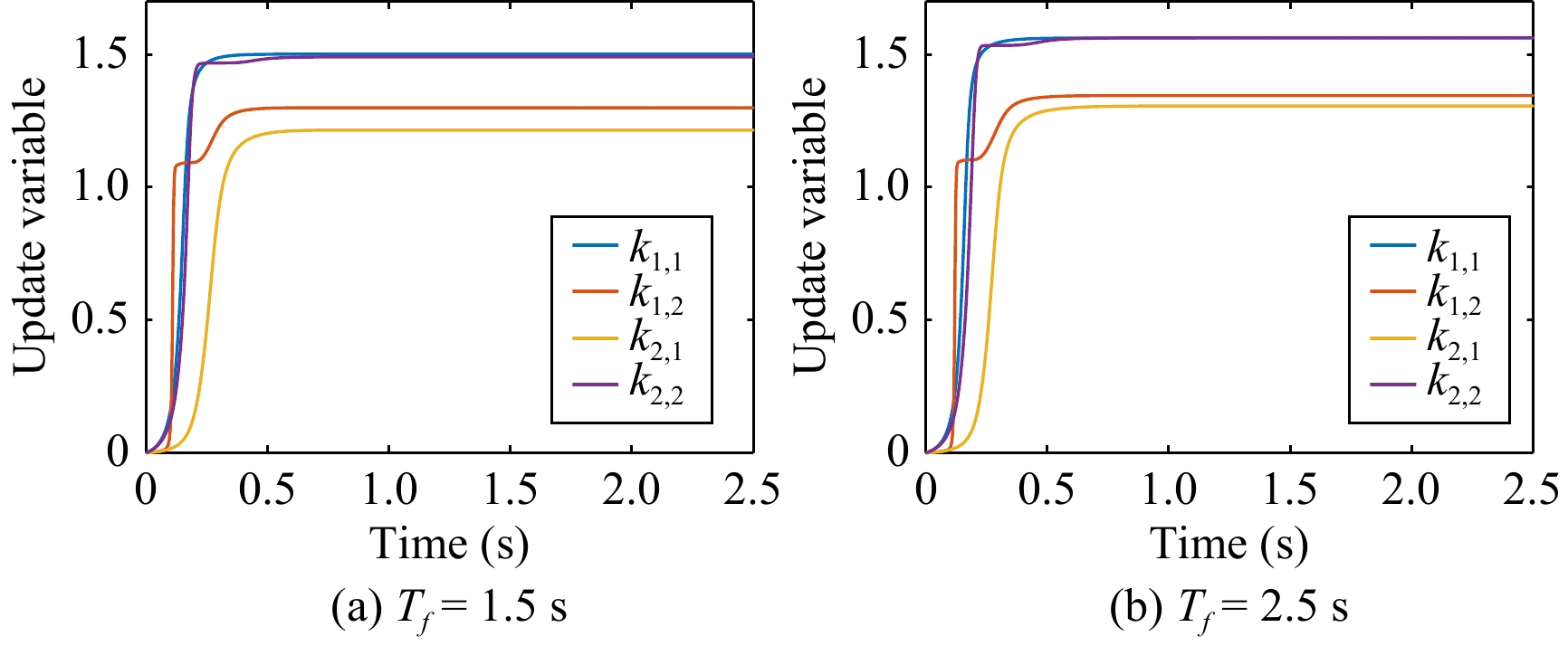
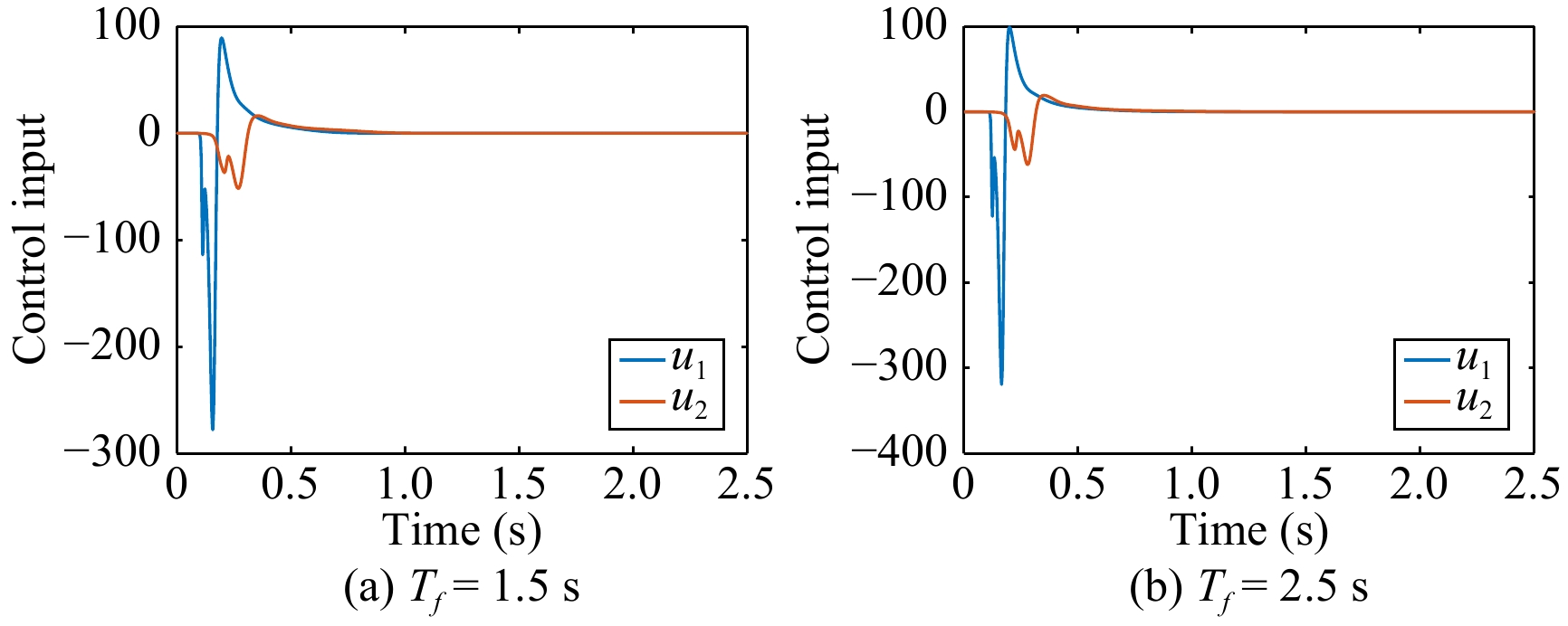
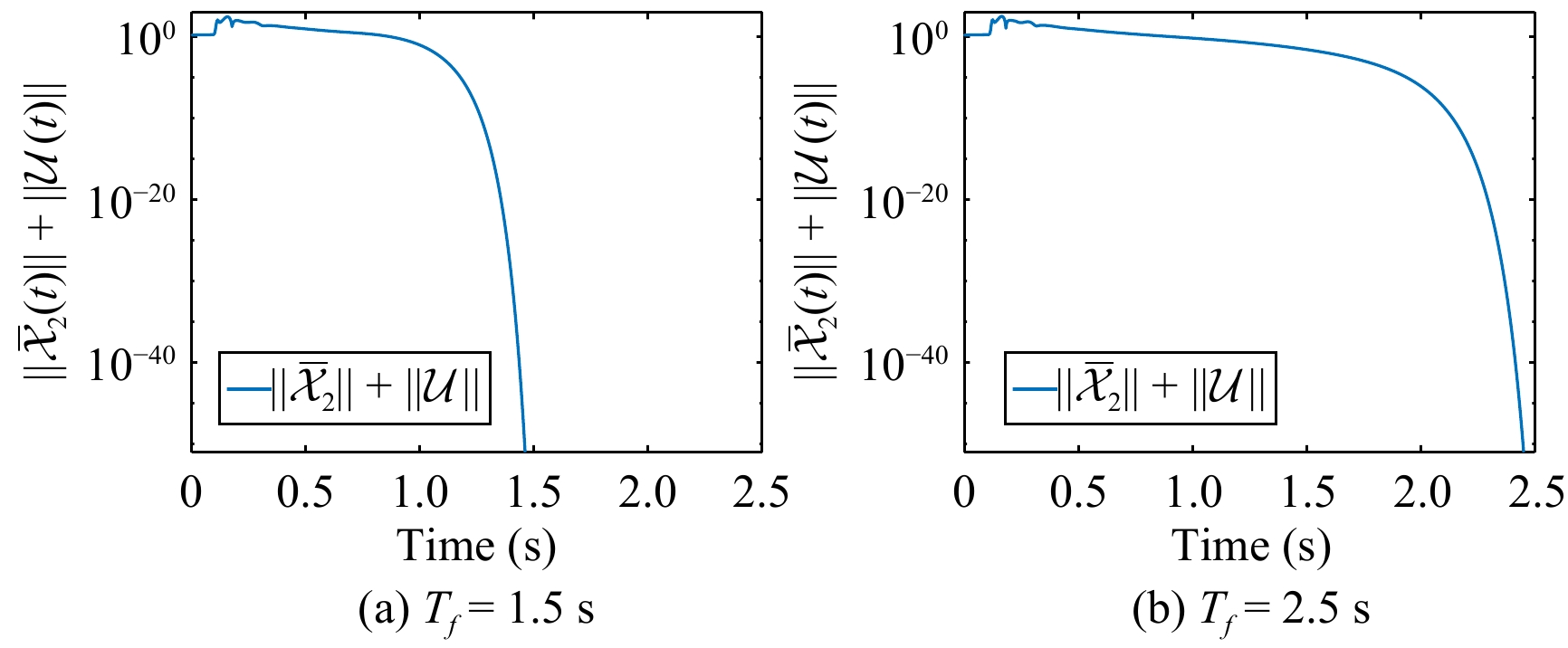
The global prescribed-time stability problem of a class of uncertain systems is investigated. Utilizing the proposed ${\boldsymbol{\gamma}} $-fold convergence function, a novel low-complexity global prescribed-time stability analysis framework is developed. Existing virtual controllers based on time-varying transformation methods usually involve high-order derivative information of time-varying functions, posing significant challenges for stability analysis. We proposed a new stability criterion, which only involves the partial state variable on the right-hand side of the derivative inequality. The key advantage is that it eliminates the need for directly analyzing the boundedness of the virtual control gain coefficients with high-order time-varying functions. Building off this framework, we address the prescribed-time stabilization problem of multi-input multi-output (MIMO) nonlinear systems, where the Nussbaum gain function is extended to prescribed-time control to deal with time-varying sensor errors. Note that due to the infinitely divergent nature of time-varying functions at the terminal, ensuring the boundedness of the variables in the Nussbaum function is a challenge. Finally, we rigorously prove that all signals are bounded and the proposed controllers ensure that all state variables of systems converge to origin within a specified time, while the transient performance (convergence rate and specified overshoot) of the system output is also guaranteed. A simulation example is provided to illustrate the efficiency of the developed control algorithms.
Joint State and Fault Estimation for Complex Dynamical Networks With Sensor Resolution: Handling Amplify-and-Forward Relays
Yamei Ju, Shuai Liu, Guoliang Wei, Ying Sun
2026, 13(9): 2028-2038. doi: 10.1109/JAS.2025.125942
Abstract(18) HTML (9) PDF(2)
Abstract:
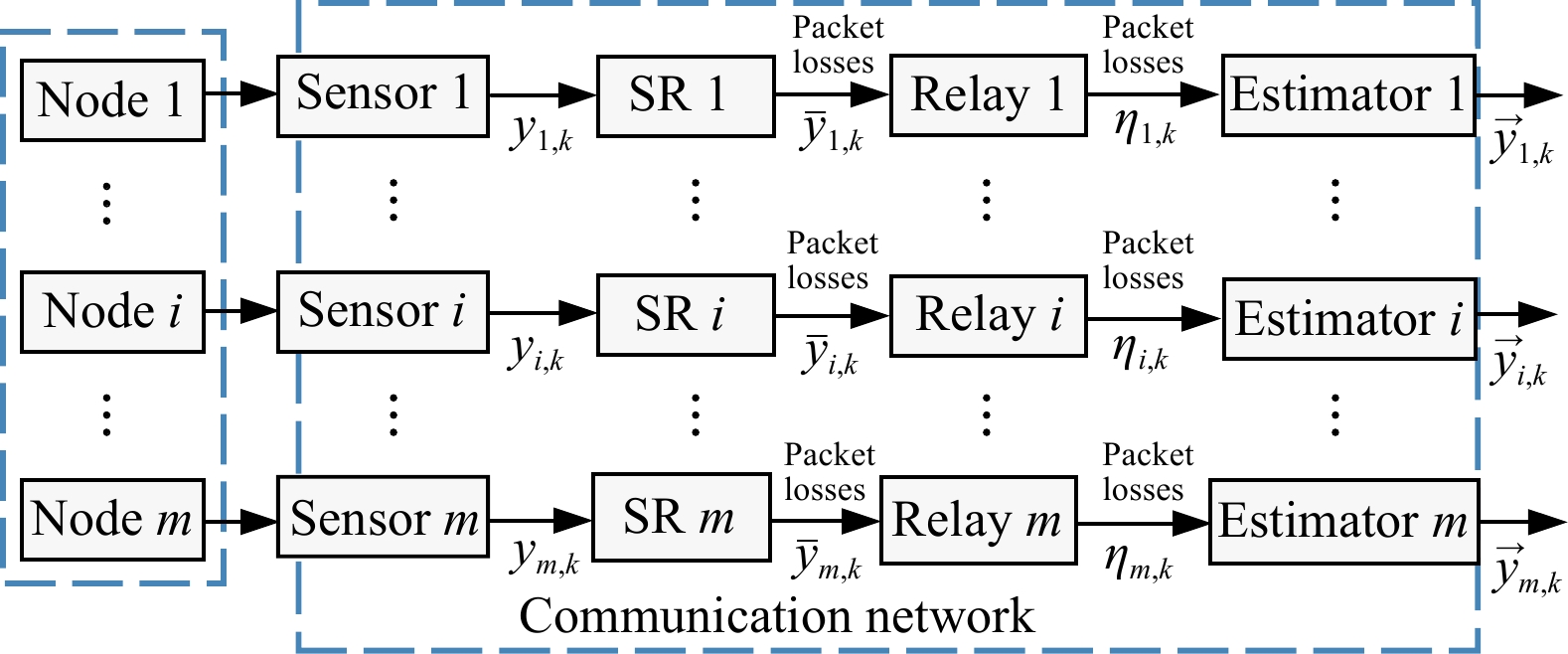
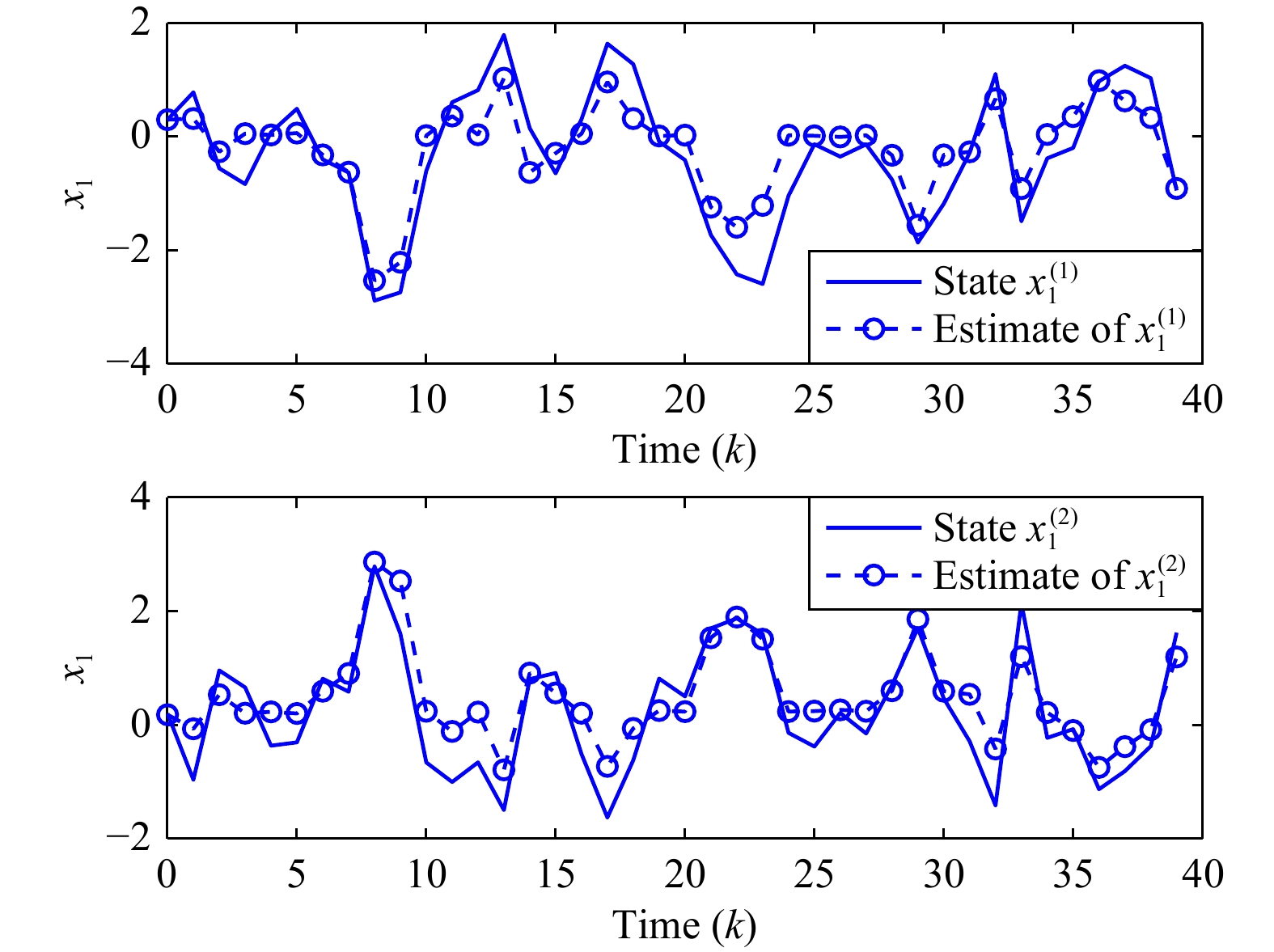
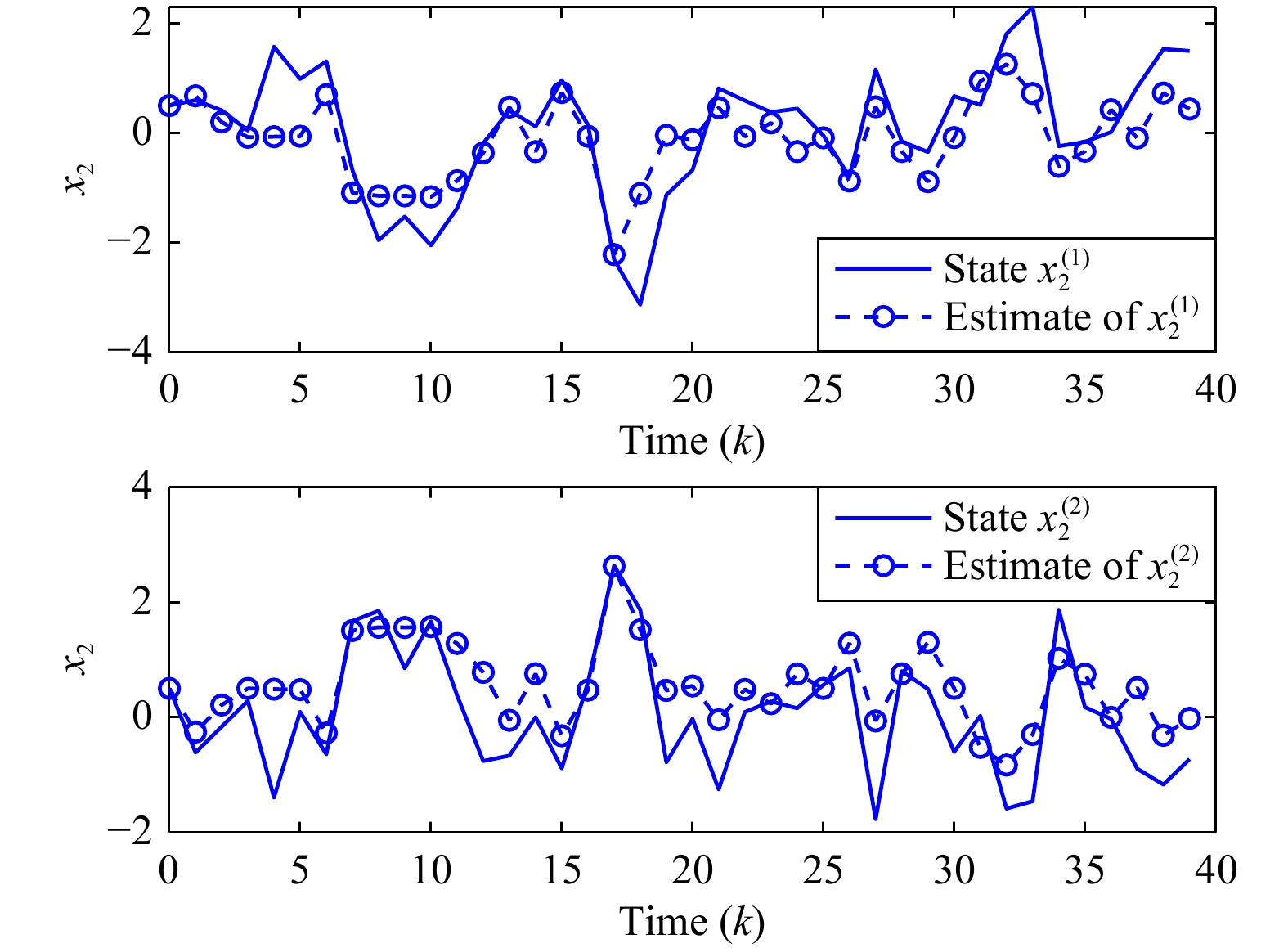
The paper examines the issues of joint state and fault estimation for a class of complex dynamical networks (CDNs) with respect to sensor resolution (SR) and amplify-and-forward (AaF) relay protocols. To comply with engineering practices, the phenomenon of SR is taken into account for sensors, and AaF relay protocols are utilized between sensors and estimators to accommodate signal transmissions. First, a joint estimator of both system states and faults is constructed for CDNs under engineering-oriented complexities, including SR and the AaF relay protocol. Then, an upper bound of update error covariance is deduced and further minimized in matrix trace sense to receive recursively the desired estimator matrix. Furthermore, the boundedness of the update errors in the mean square is extensively discussed, producing a sufficient condition. Besides, monotonicity is conducted regarding the probability of the channel’s packet losses for AaF relay protocols. Finally, a simulation example using RLC circuits is showcased to evidence the theoretical results that have been derived.
Kullback-Leibler Divergence Based Stealthy Deception Attacks Against Multi-Sensor Remote State Estimation Under Limited Resources
Haibin Guo, Lin Li, Zhong-Hua Pang, Honggui Han
2026, 13(9): 2039-2048. doi: 10.1109/JAS.2025.125954
Abstract(15) HTML (10) PDF(0)
Abstract:
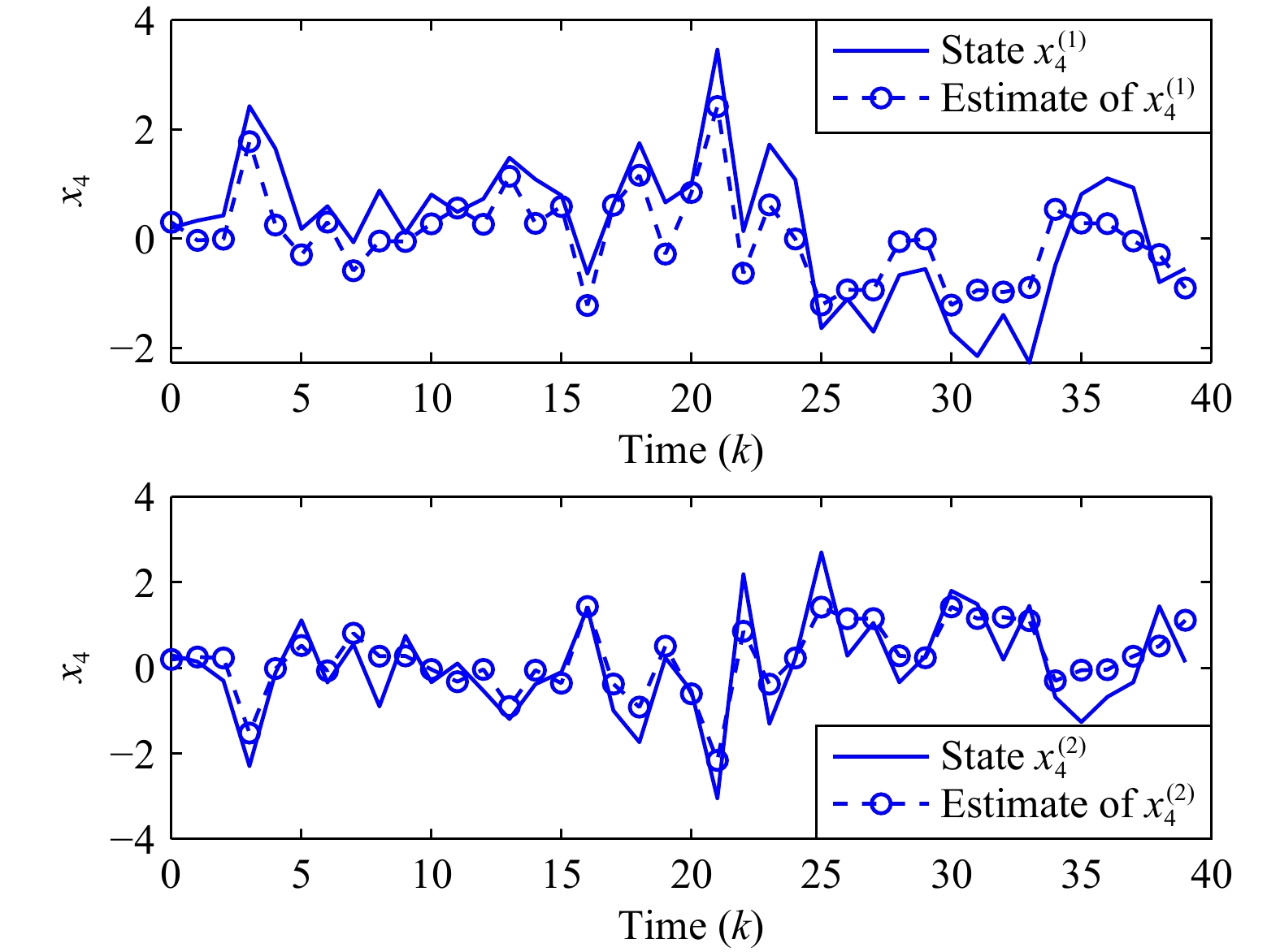
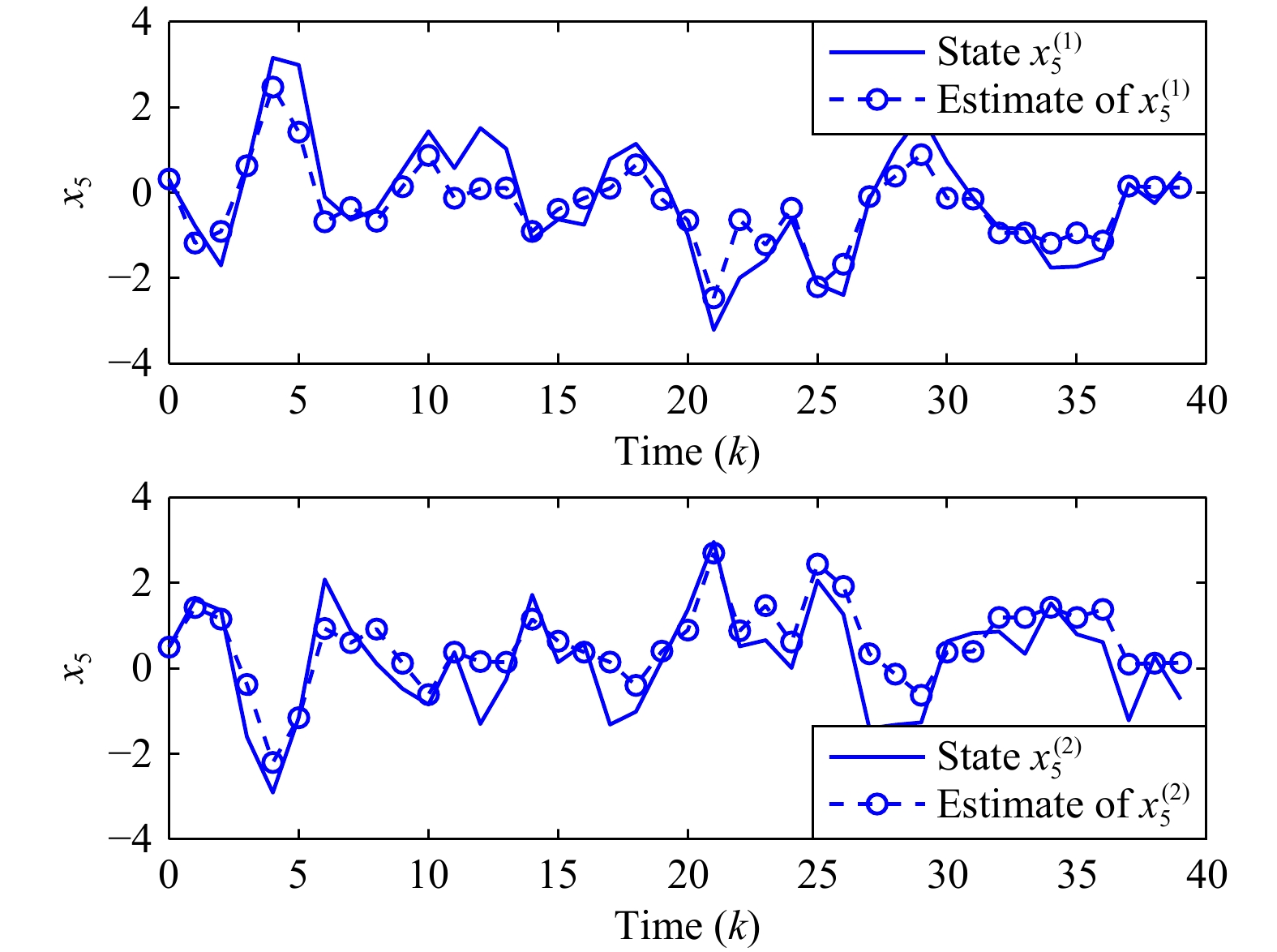
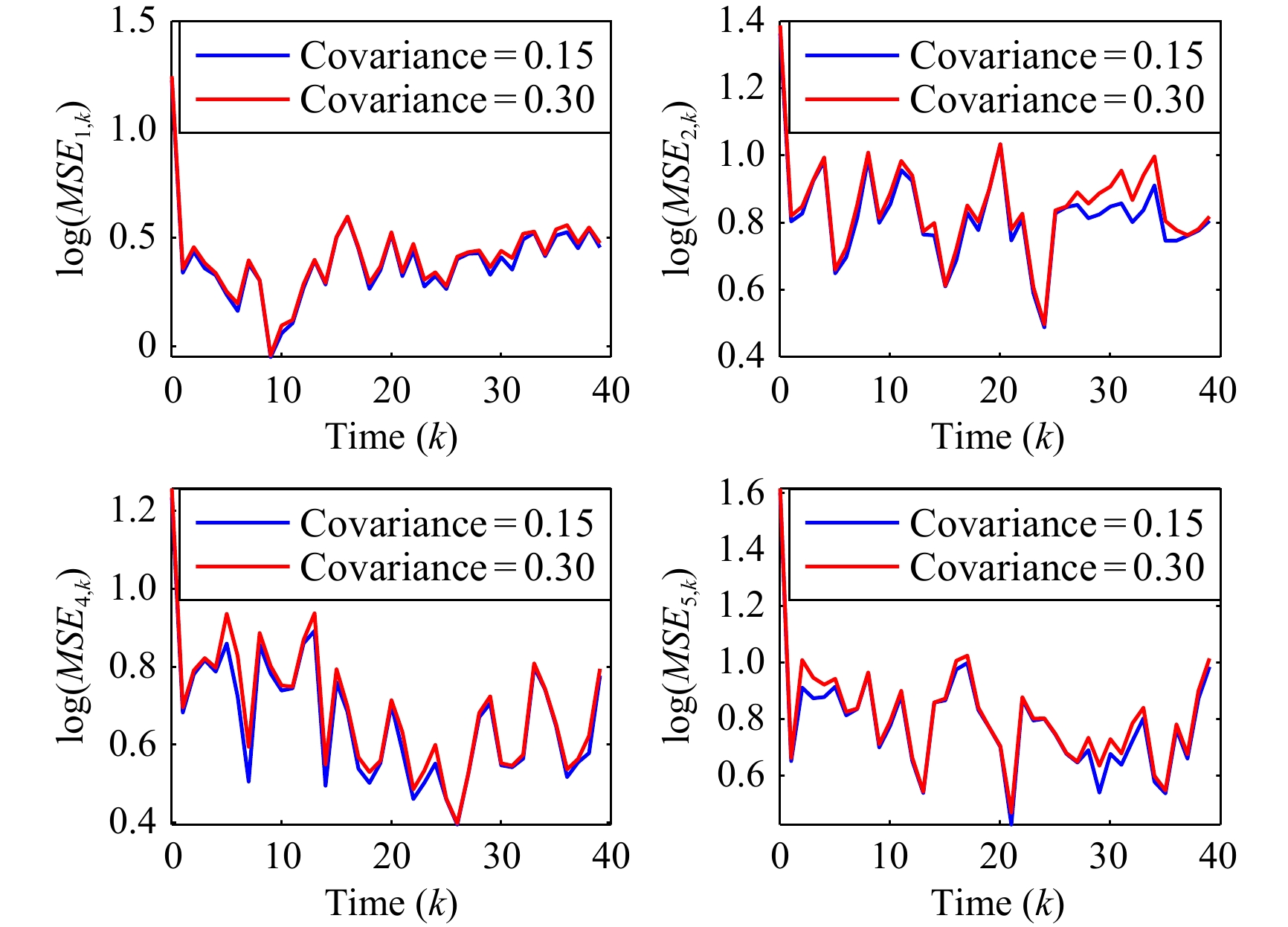
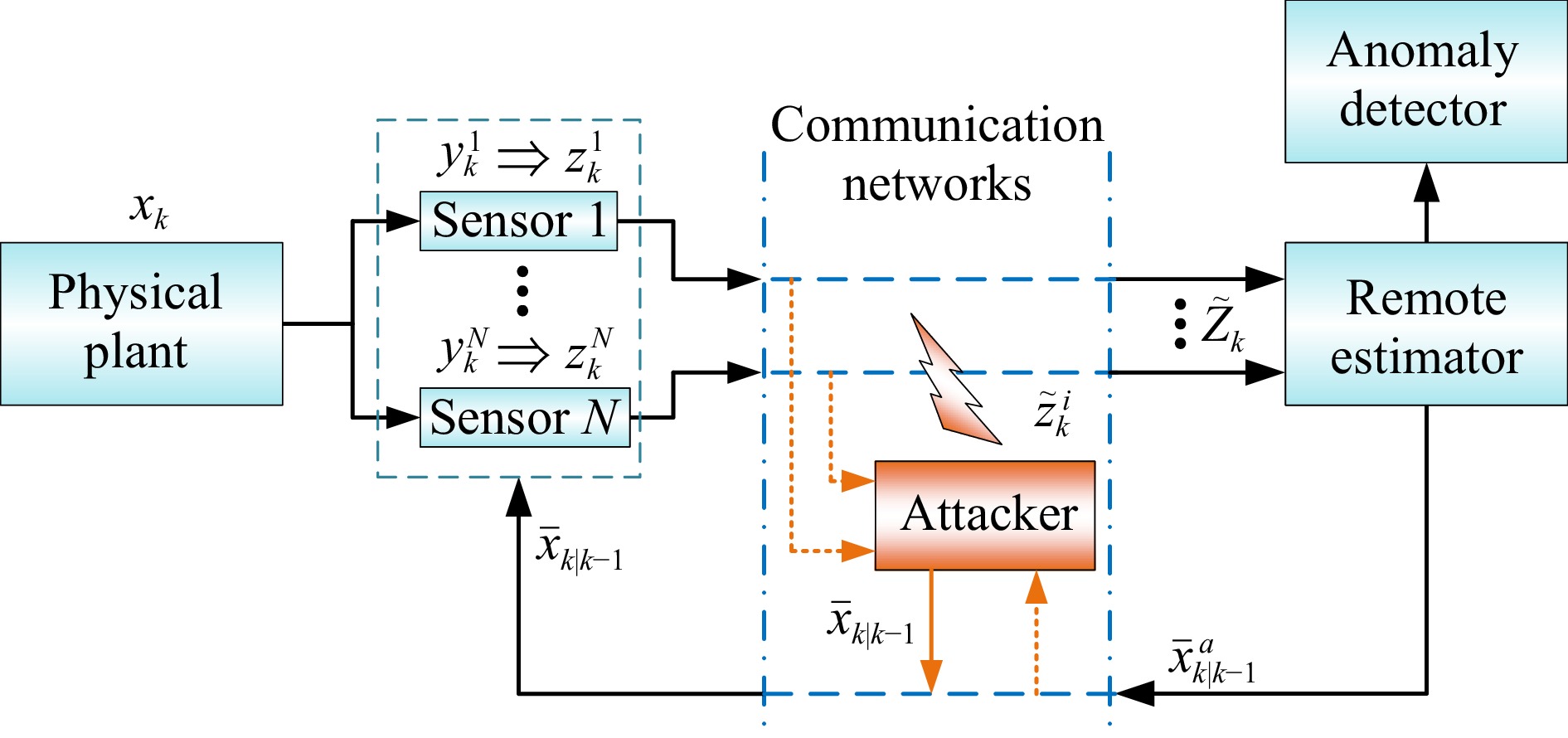
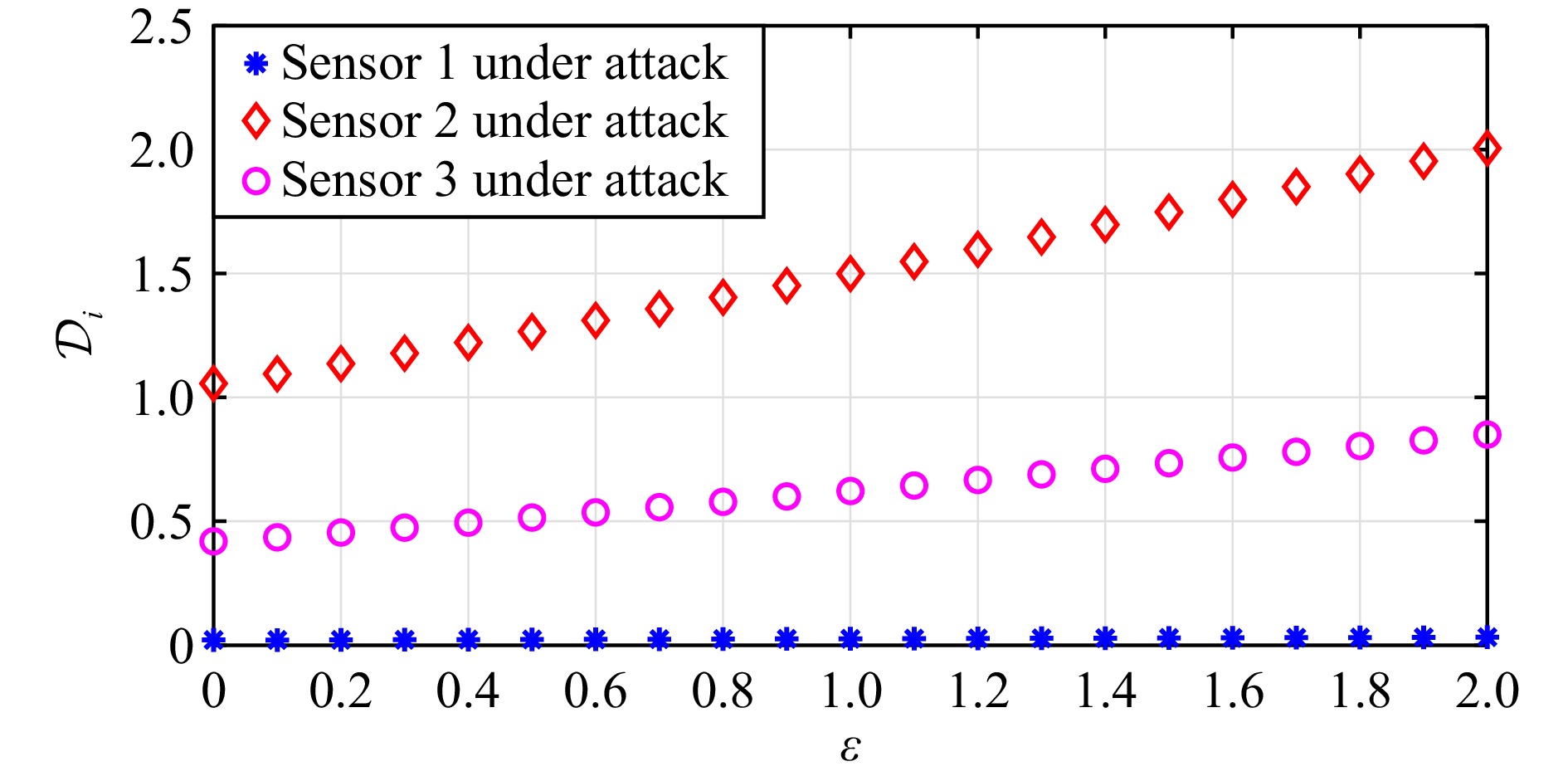
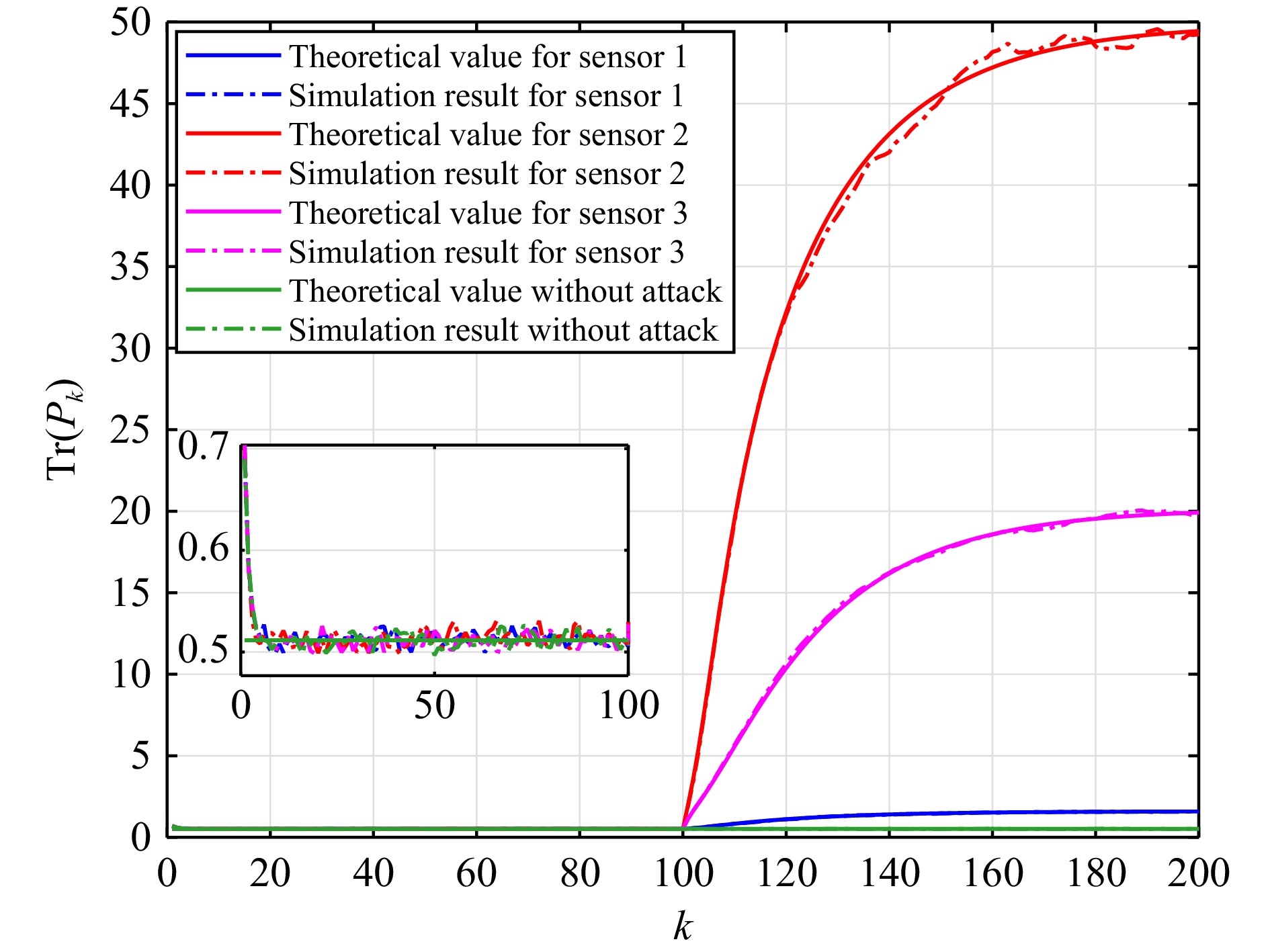
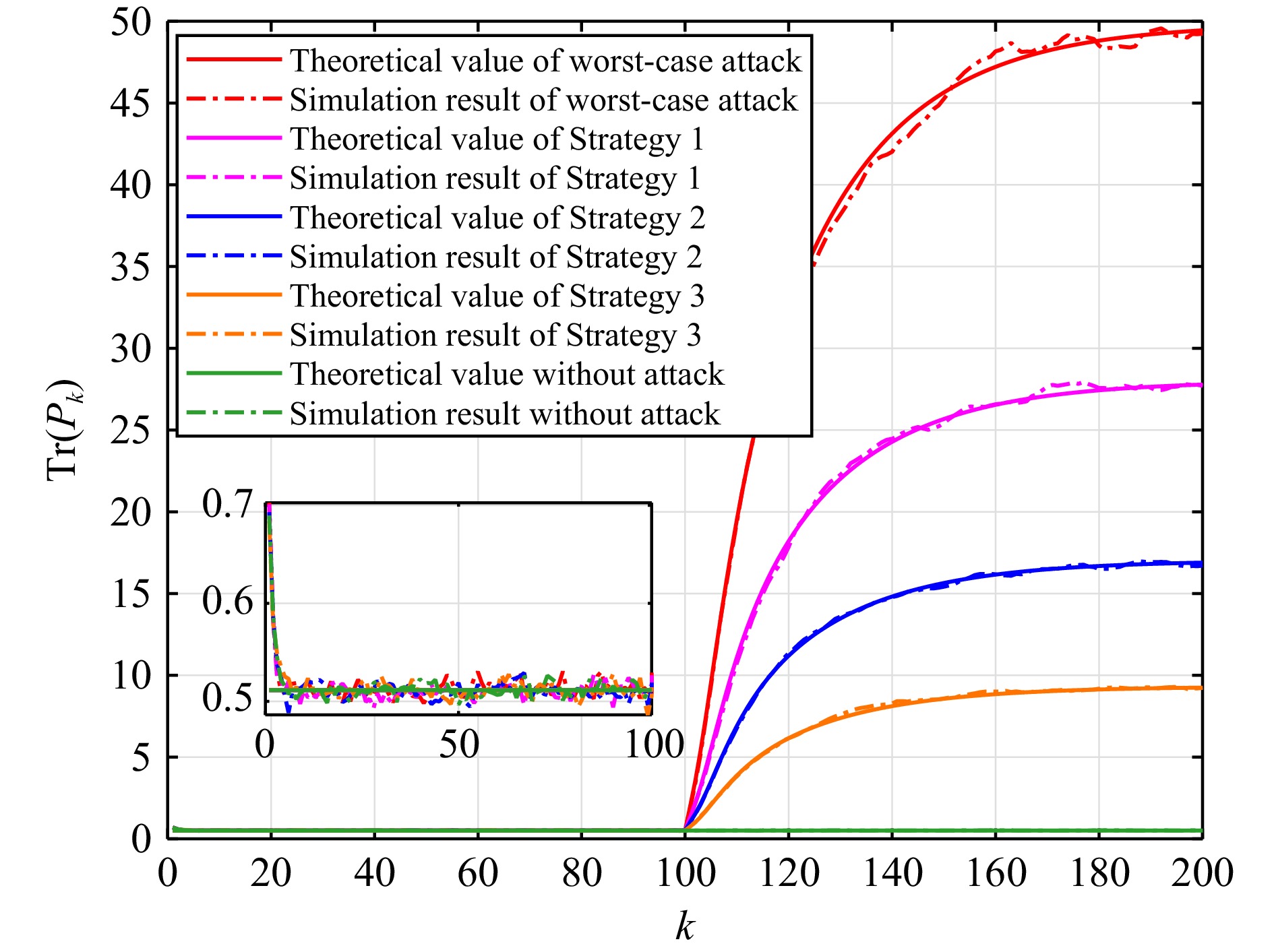
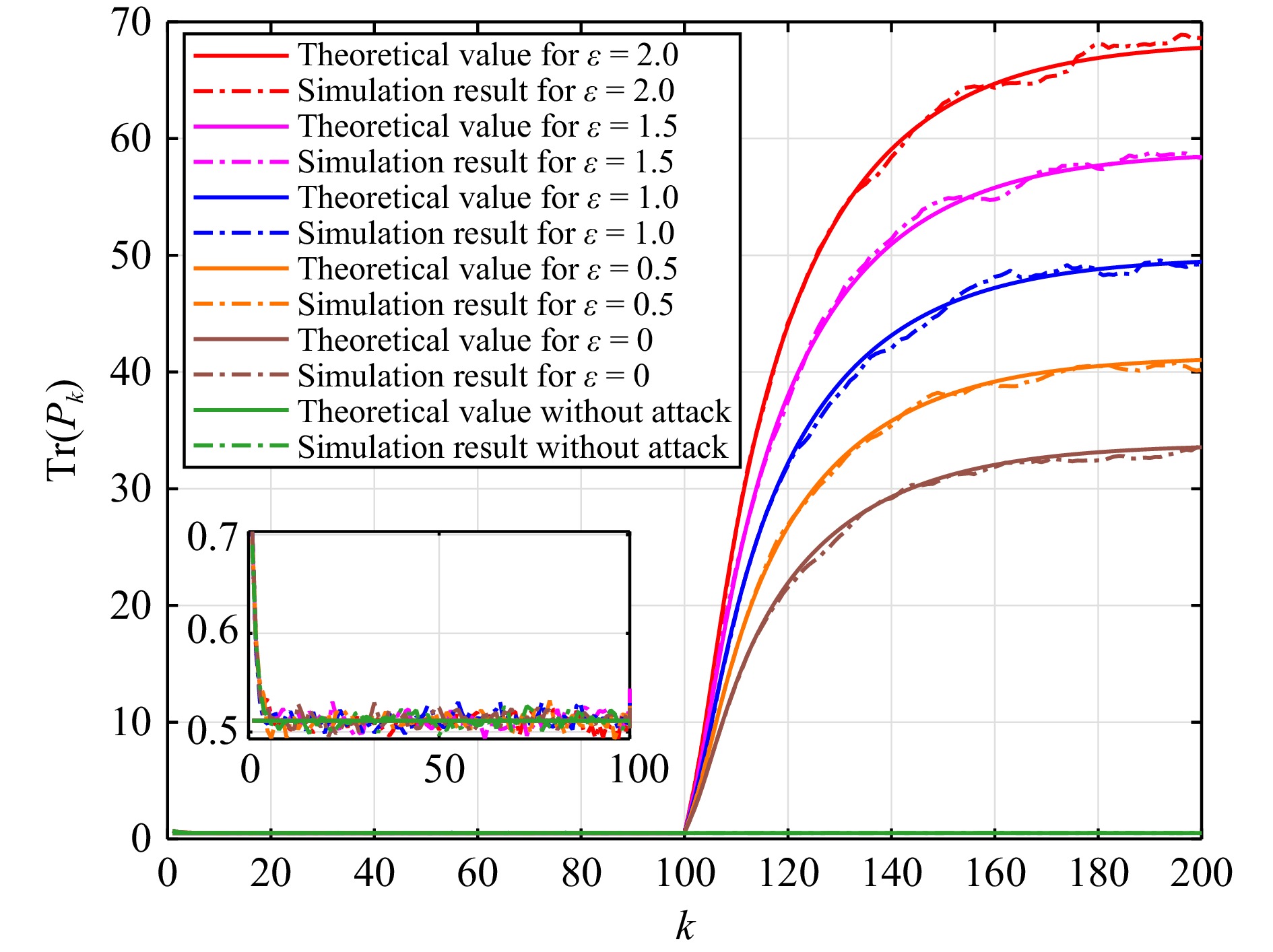
Cyber-physical systems enable the remote monitoring and control of physical plants by seamlessly integrating computation, communication, and control. Unfortunately, security implications posed by deception attacks have become increasingly prominent. Designing deception attacks is fundamental to analyzing system vulnerabilities, yet their impact is constrained by attack stealthiness and limited attack resources. Thus, an ε-stealthy deception attack scheme against multi-sensor remote state estimation is proposed in this paper, where only partial sensor residuals are manipulated under limited attack resources. Kullback-Leibler divergence is used to quantify the ε-stealthiness, and a constraint on the covariance of the compromised residual is established. The estimation error covariance of the compromised system is then derived as the attacked objective. Next, the worst-case covariance of the compromised residual is determined by maximizing the trace of the system estimation error covariance under the residual covariance constraint. Based on this, a constraint optimization problem is formulated to derive a worst-case attack strategy. Finally, simulation results are provided to validate the effectiveness of the proposed attack scheme.
Synchronization of Two-Layer Multi-Weighted Networks by Finite-Time Privacy Protection
Yuhua Xu, Mengna Liu, Wei Xing Zheng, Xiaoqun Wu
2026, 13(9): 2049-2061. doi: 10.1109/JAS.2026.125936
Abstract(21) HTML (8) PDF(1)
Abstract:
Recently, privacy breaches caused by information exchange between networks have received increasing attention. This paper investigates finite-time synchronization (FntS) of a two-layer multi-weight network using privacy preserving (PP) methods. Initially, a novel finite-time (FnT) time-varying vanishing privacy mask function is developed. Secondly, FntS criterion for multi-weight network based on PP are proposed, and the upper bound of privacy level is estimated. Compared with existing FnT controllers, the designed simple controller can achieve FnT control without fractional power terms or even linear parts, and the designed control protocol eliminates the limitation in existing literature that each pair of adjacent nodes cannot have overlapping neighbor sets. In addition, by estimating the control energy consumption, it was found that PP may not increase additional control energy consumption, and the bilateral PP level is stronger than the unilateral PP level. Finally, the effectiveness of the provided control criteria was verified through a simple numerical simulation example.
REMS: A Unified Solution Representation, Problem Modeling and Metaheuristic Algorithm Design for General Combinatorial Optimization Problems
Aijuan Song, Guohua Wu
2026, 13(9): 2062-2077. doi: 10.1109/JAS.2026.125864
Abstract(48) HTML (9) PDF(9)
Abstract:
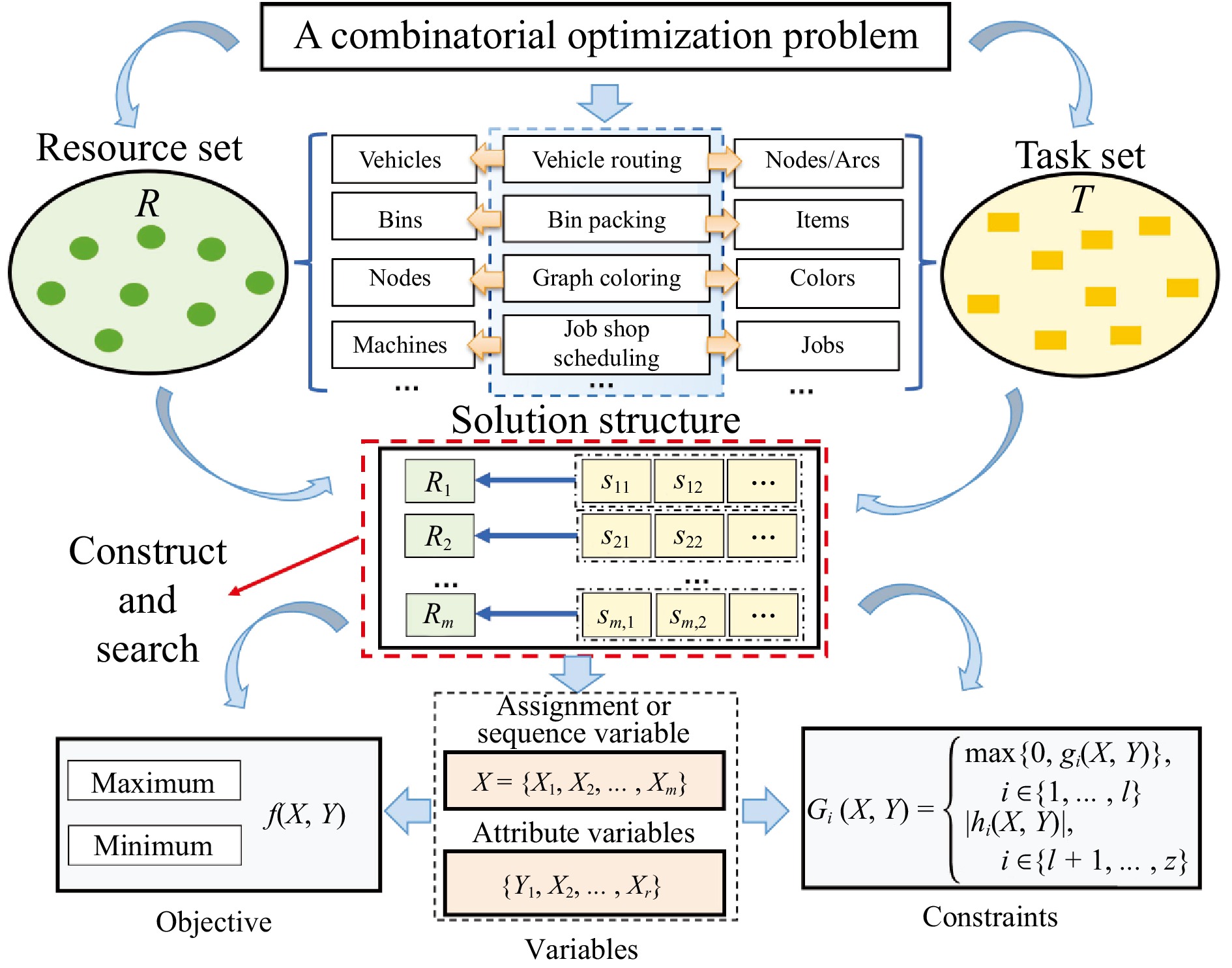
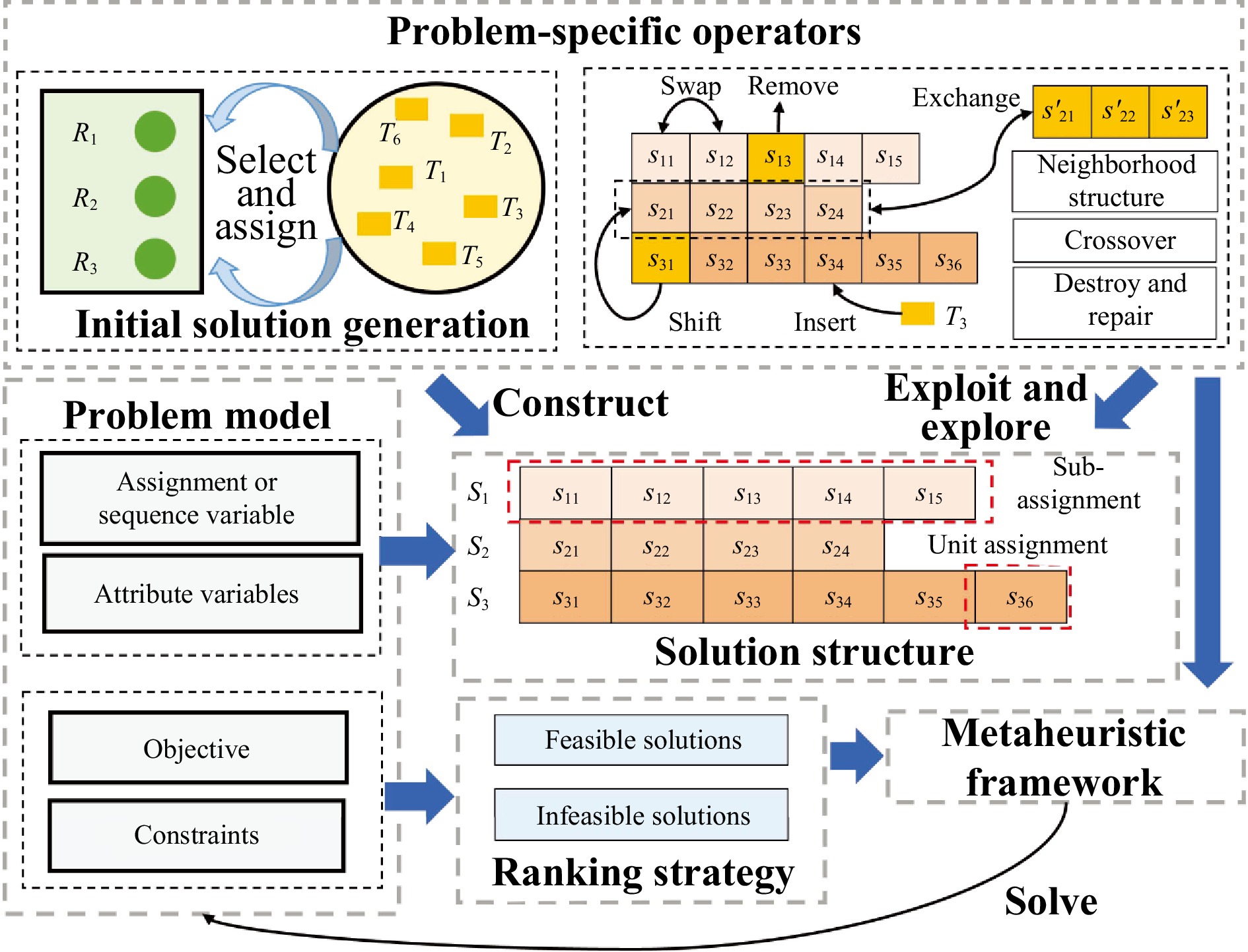
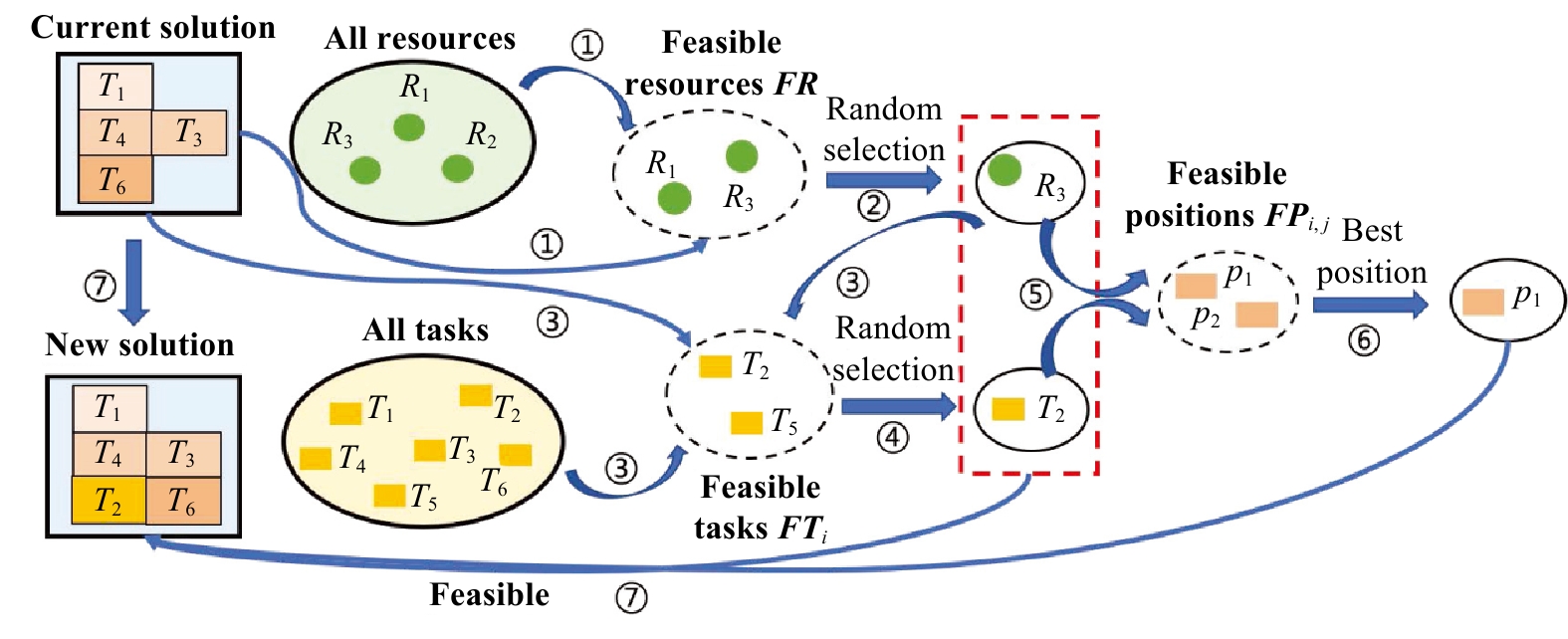
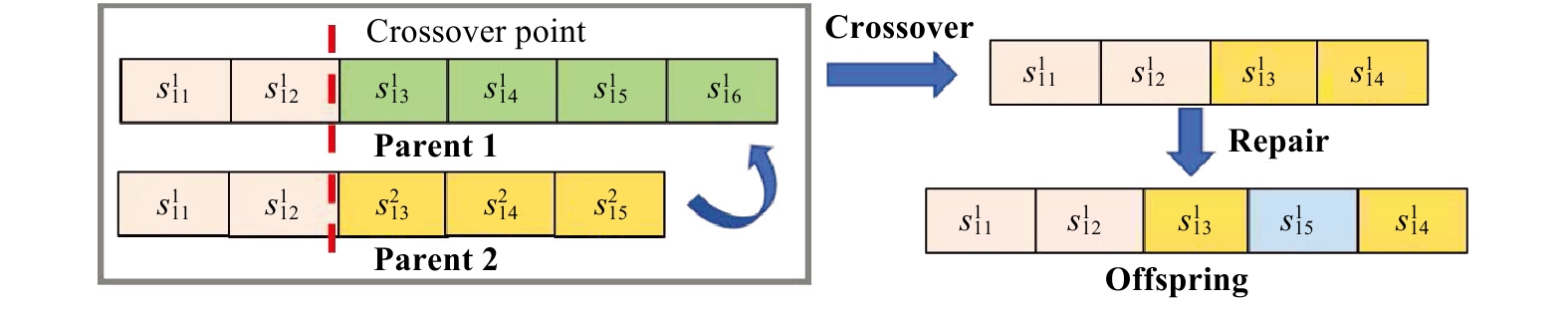
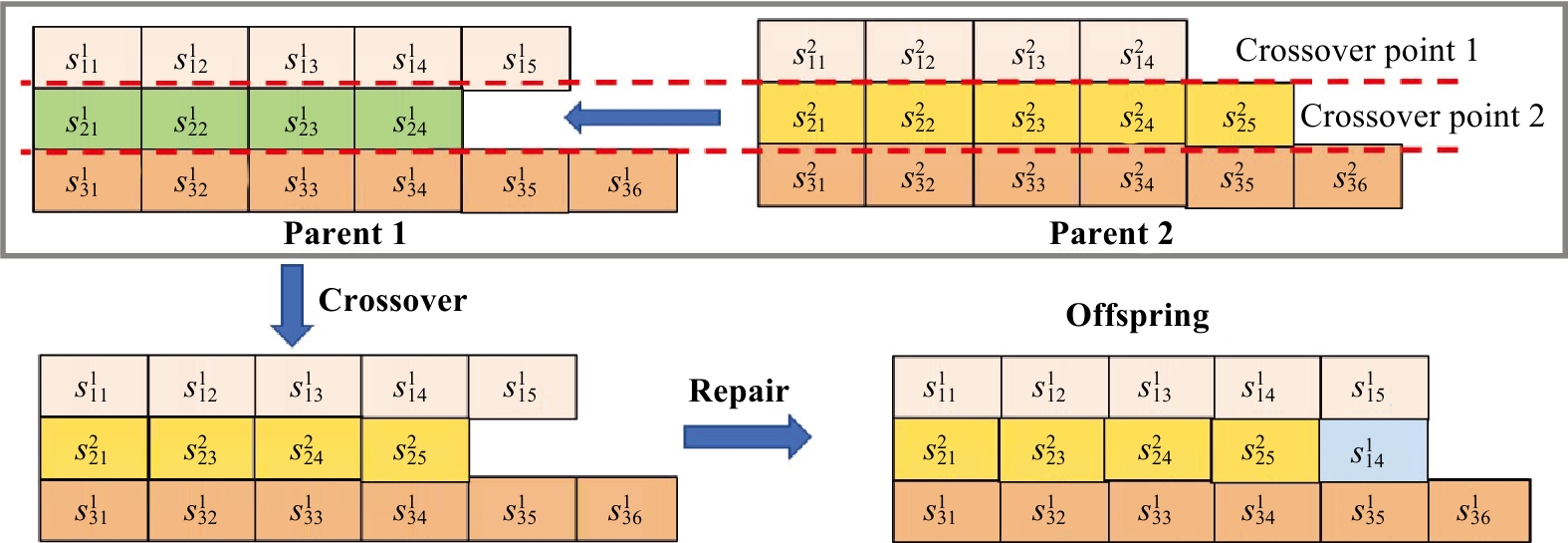
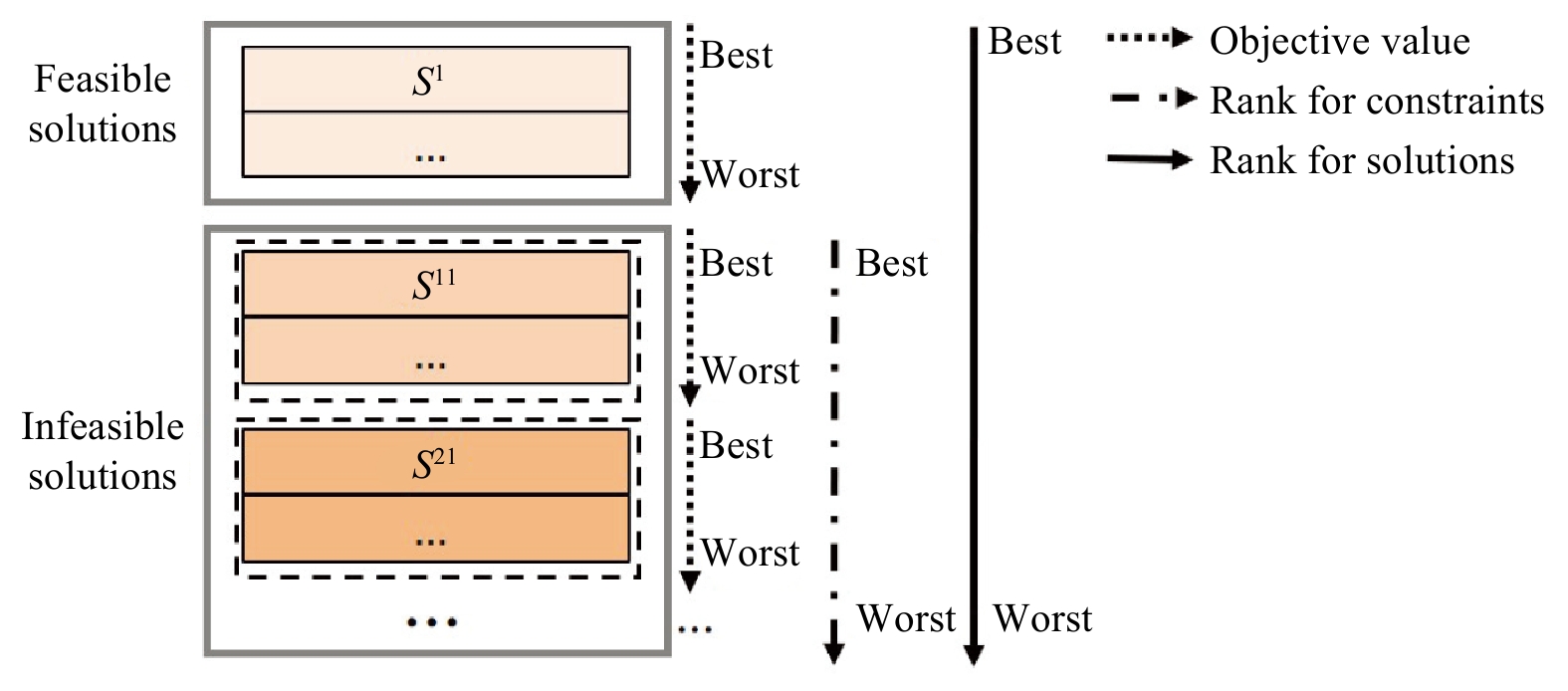
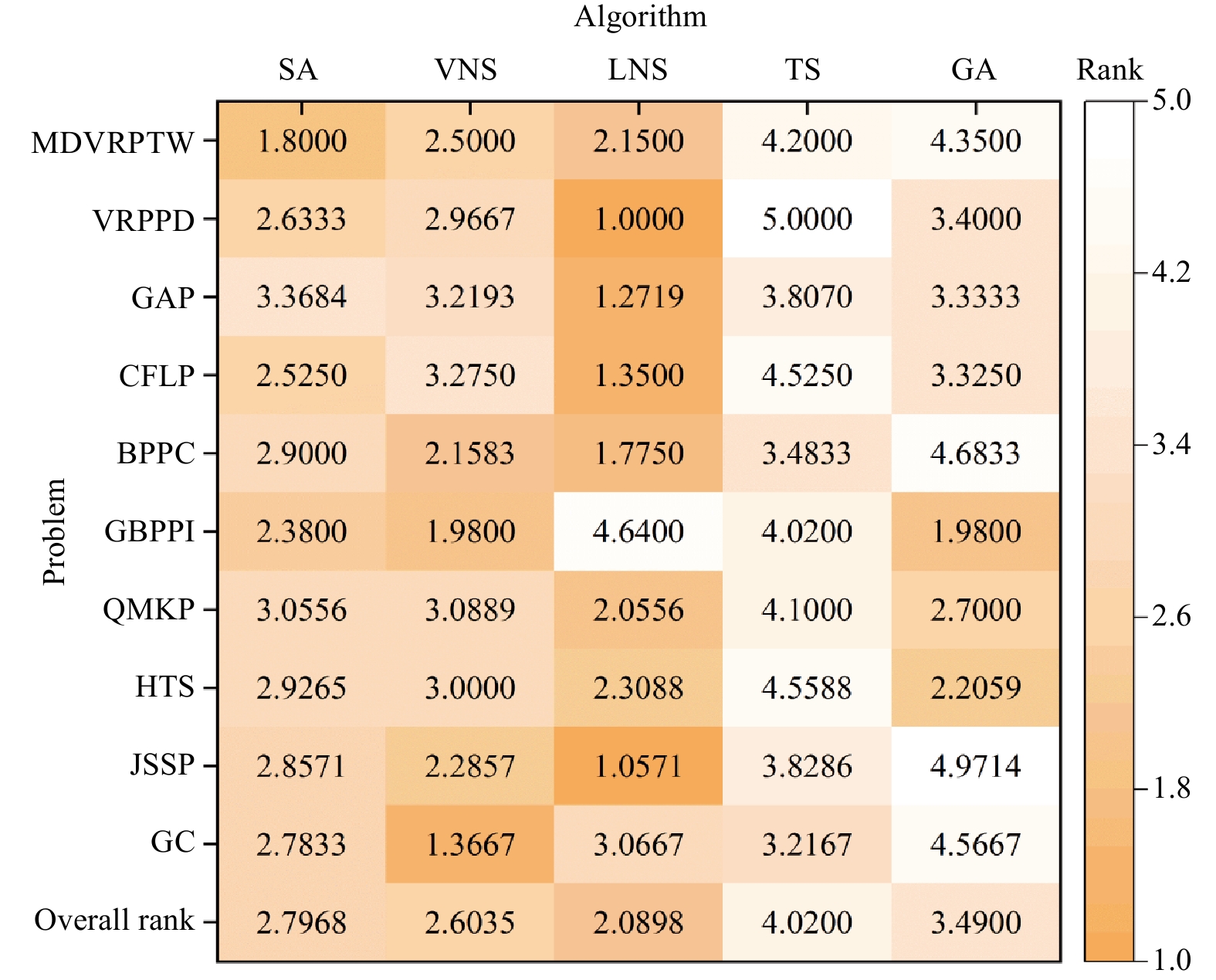
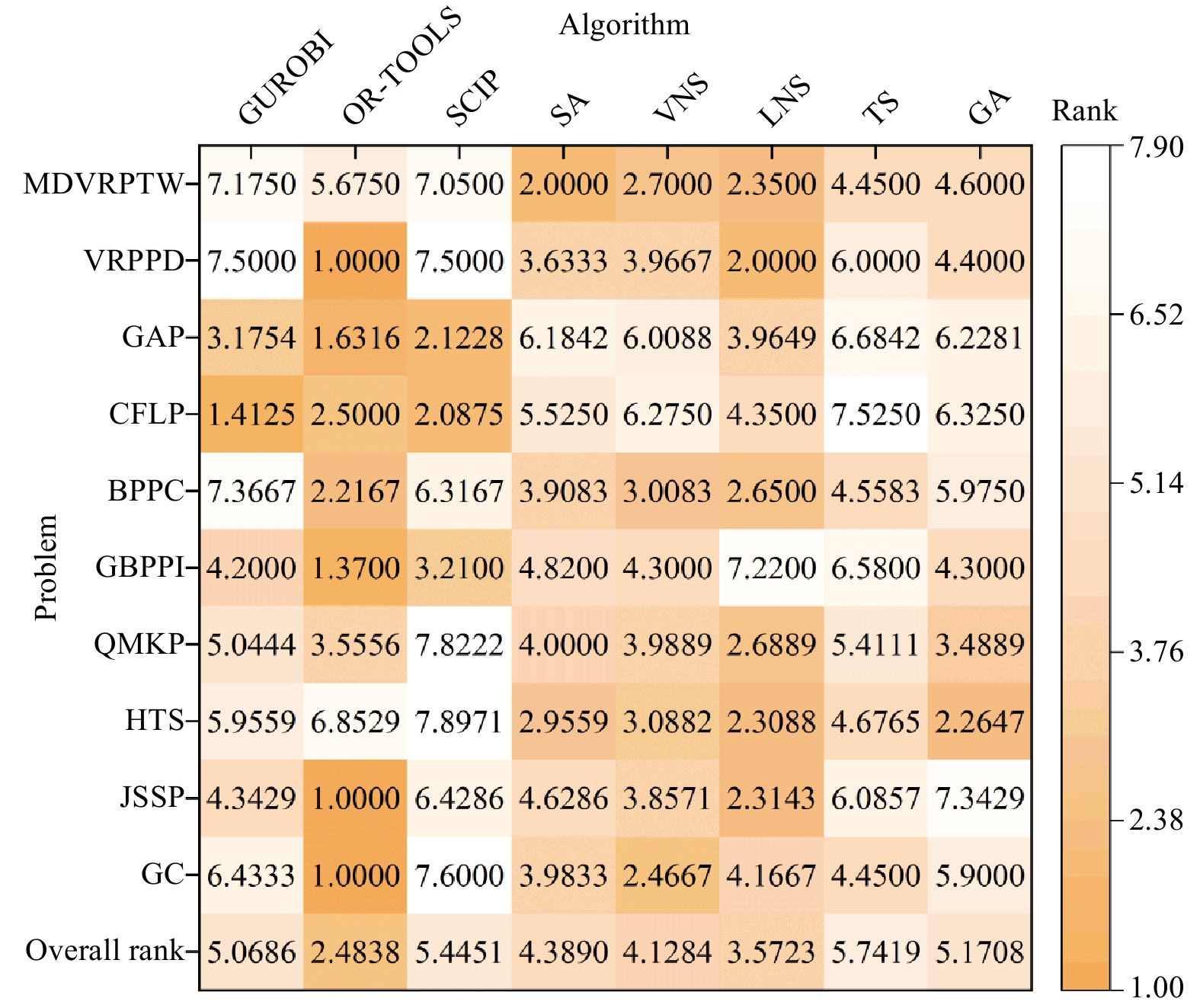
Combinatorial optimization problems (COPs) with discrete variables and finite search spaces are critical across various fields, and solving them in metaheuristic algorithms is popular. However, addressing a specific COP typically requires developing a tailored and handcrafted algorithm. Even minor adjustments, such as constraint changes, may necessitate algorithm redevelopment. Therefore, it is valuable to leverage general problem domain knowledge to establish a framework that formulates diverse COPs into a unified paradigm and supports the design of broadly applicable metaheuristic algorithms. A COP can typically be viewed as the process of giving resources to perform specific tasks, subject to given constraints. Motivated by this, a resource-centered modeling and solving framework (REMS) is introduced. We first extract and define resources and tasks from a COP. Subsequently, given predetermined resources, the solution structure is unified by assigning tasks to resources, from which variables, objectives, and constraints can be derived, thereby constructing the problem model. To solve the COPs, several fundamental operators are designed from the resource-task perspective based on the unified solution structure, including the initial solution, neighborhood structure, destruction and repair, crossover, and ranking. These operators enable the development of various metaheuristic algorithms. Specifically, 4 single-point-based algorithms and 1 population-based algorithm are configured herein. Experiments on 10 COPs, covering routing, location, loading, assignment, scheduling, and graph coloring problems, show that REMS can model these COPs within the unified paradigm and effectively solve them by the algorithms in REMS without any specific design. Furthermore, REMS is more competitive than Gurobi optimizer (GUROBI) and solving constraint integer programs (SCIP) in tackling large-scale instances and complex COPs, and outperforms OR-TOOLS on several challenging COPs.
Model-Free Adaptive Learning Control With Prescribed Performance of Nonlinear Systems
Yong-Sheng Ma, Wei-Wei Che, Zheng-Guang Wu
2026, 13(9): 2078-2087. doi: 10.1109/JAS.2026.125885
Abstract(16) HTML (9) PDF(1)
Abstract:
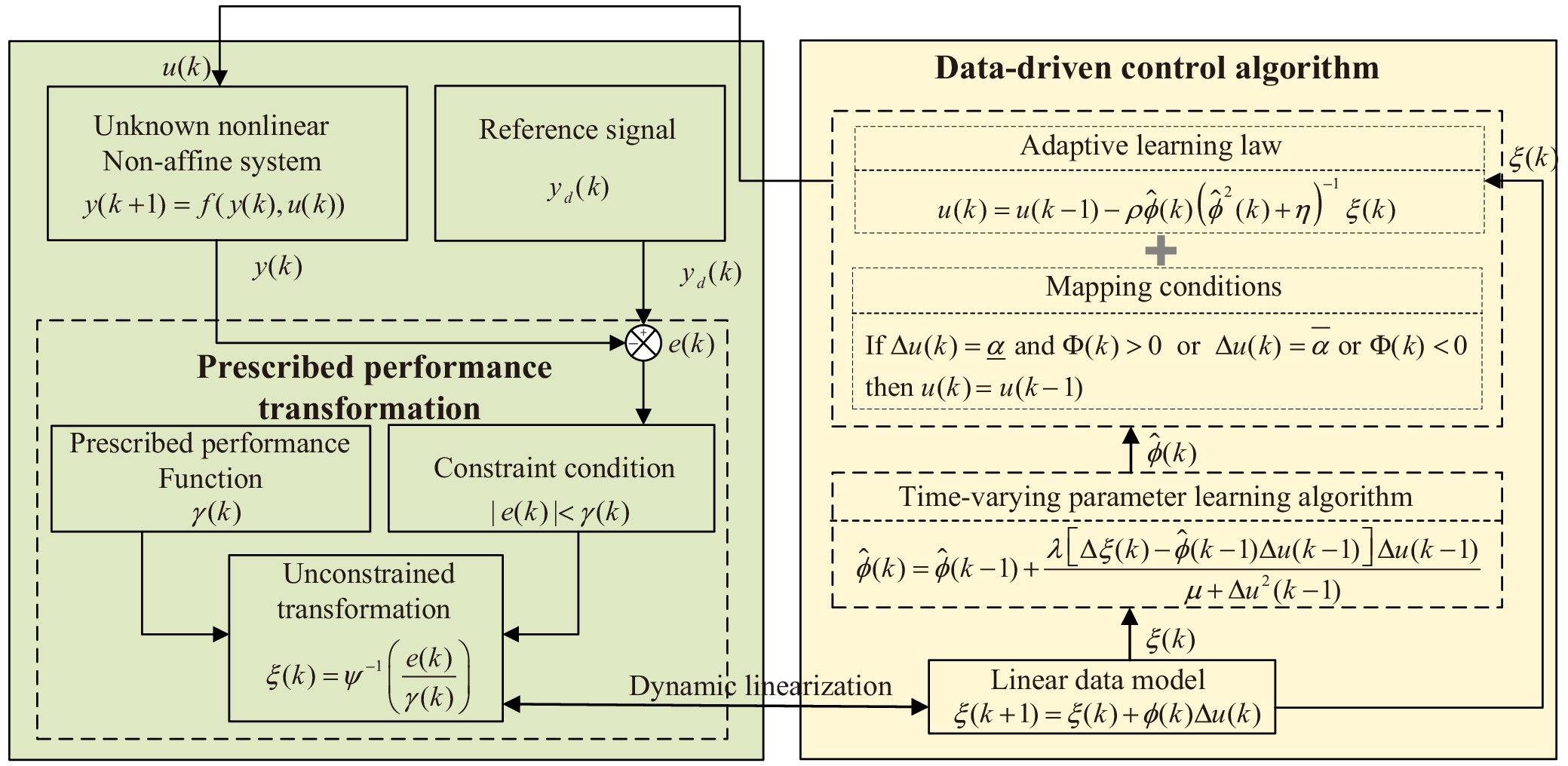
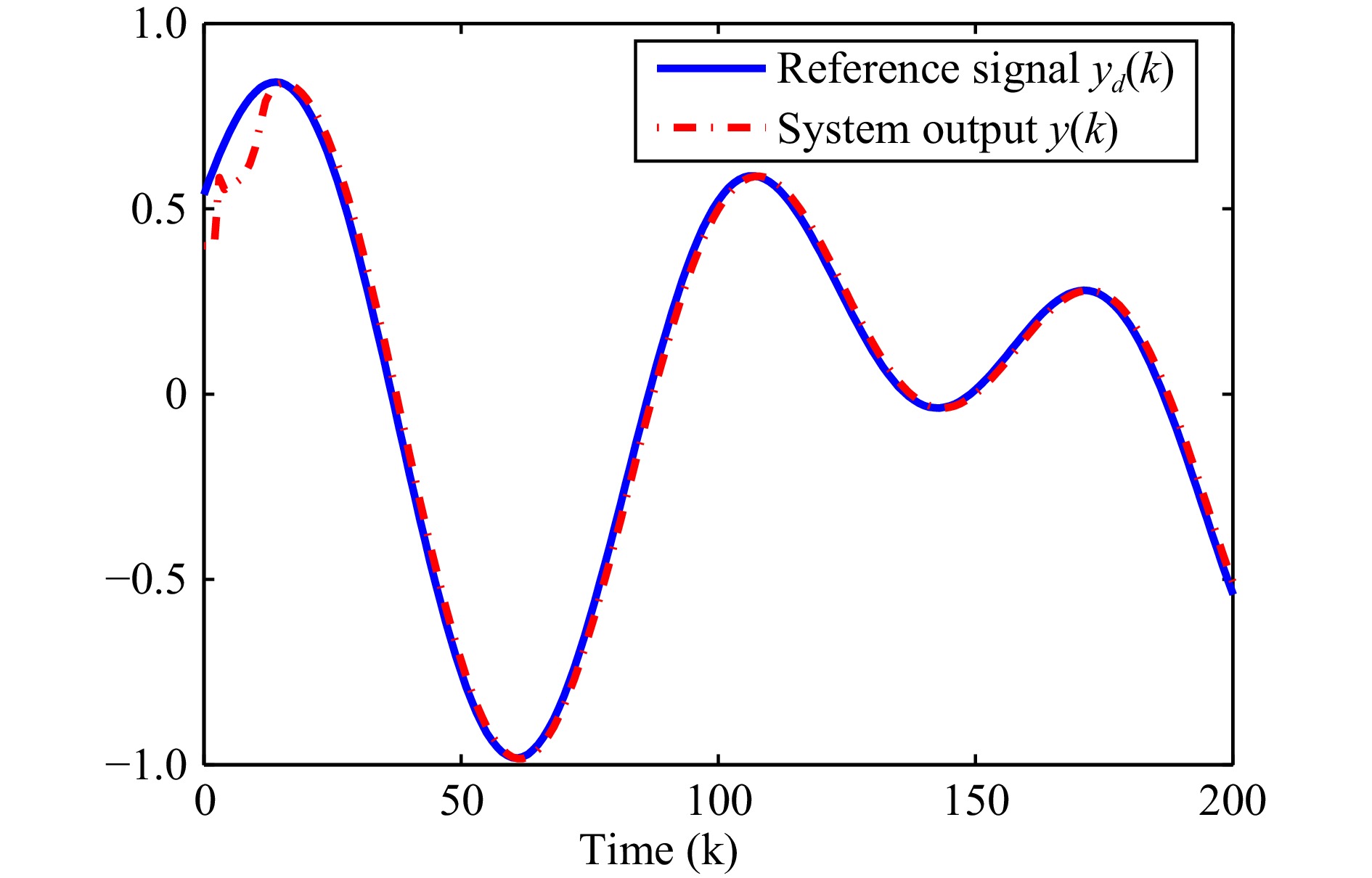
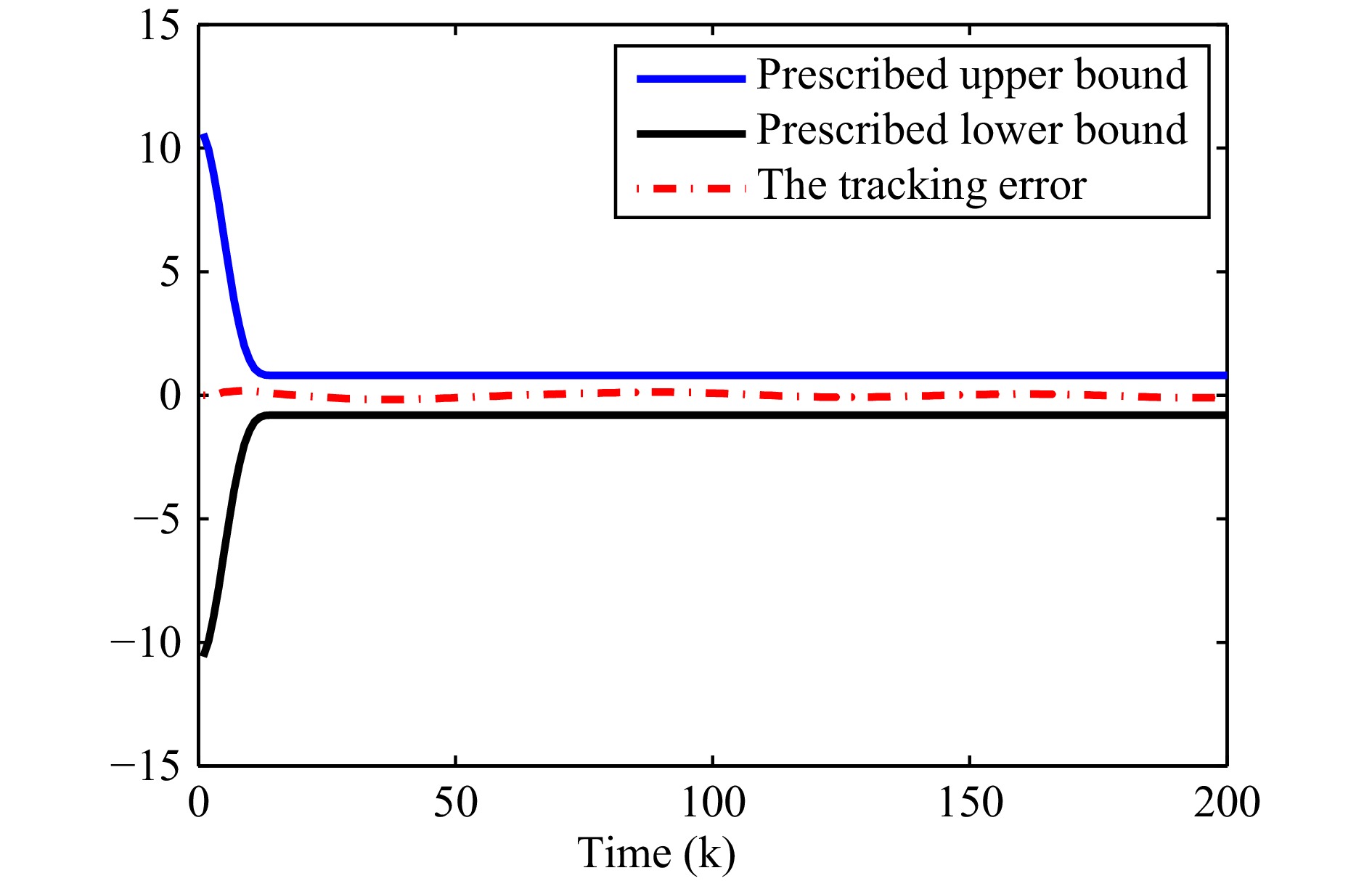
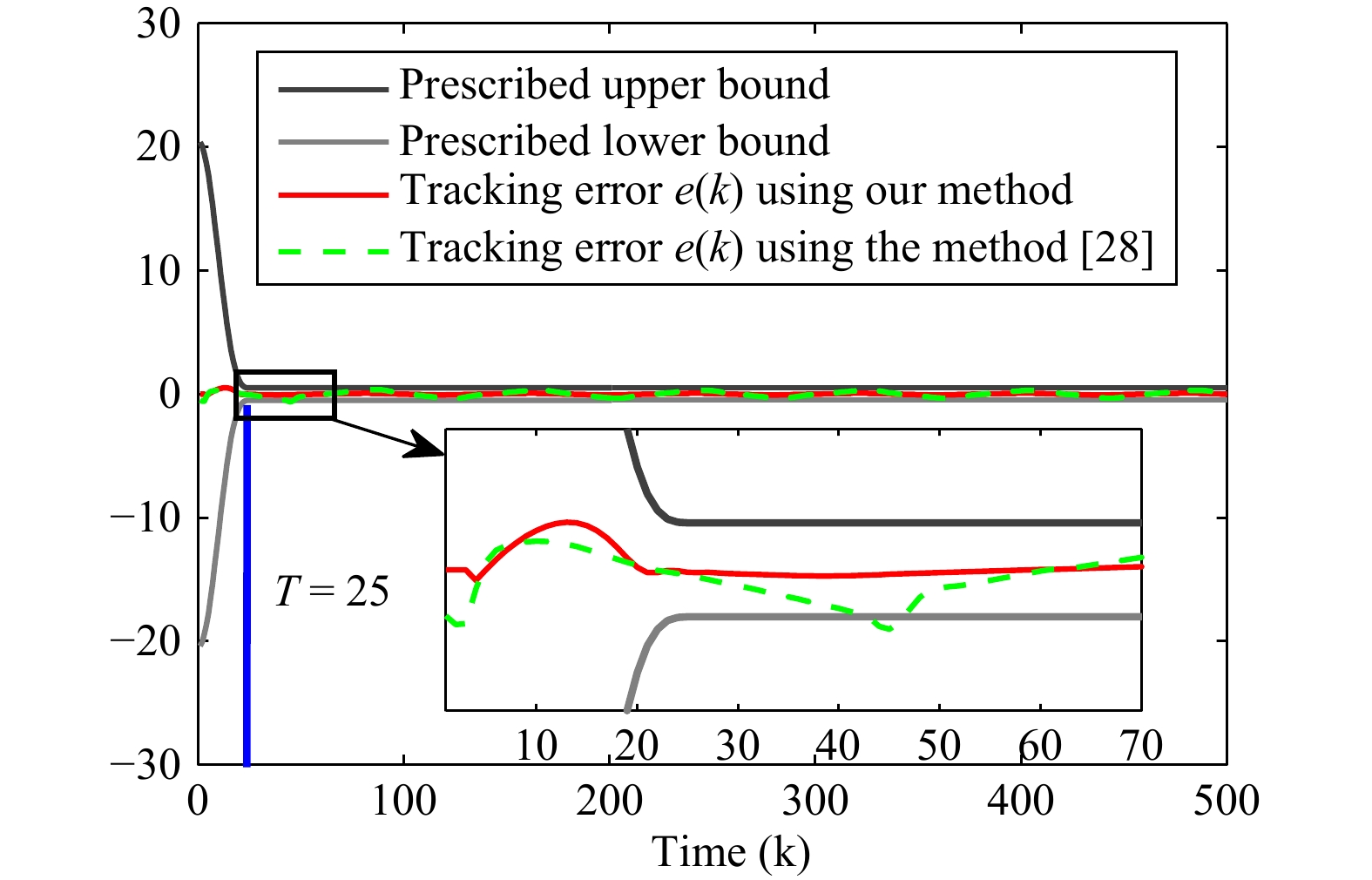
This paper proposes the data-driven prescribed performance adaptive learning control (DPPALC) algorithm to accomplish the prescribed performance control for nonlinear systems, which can ensure that the tracking error converges to the prescribed region in the prescribed time. Considering that system model is unavailable, a novel model learning algorithm is developed to equivalently represent the original system with a data model, in which the dynamic linearization technique is used to achieve this transformation. Then, the DPPALC algorithm is developed by the means of the transformed data equation. Compared with the existing methods, the main superiority of the presented learning algorithm is that the tracking error converges to the prescribed region within a given time by only using the system data. Two simulations are used to exemplify the devised DPPALC algorithm.
A Dynamic Event-Triggered Fuzzy Hi/H Optimization Approach to Fault Detection for T-S Fuzzy Systems
Xiaoqiang Zhu, Linlin Li, Maiying Zhong, Jingzhong Fang, Jiahong Xu
2026, 13(9): 2088-2098. doi: 10.1109/JAS.2026.125891
Abstract(16) HTML (9) PDF(0)
Abstract:
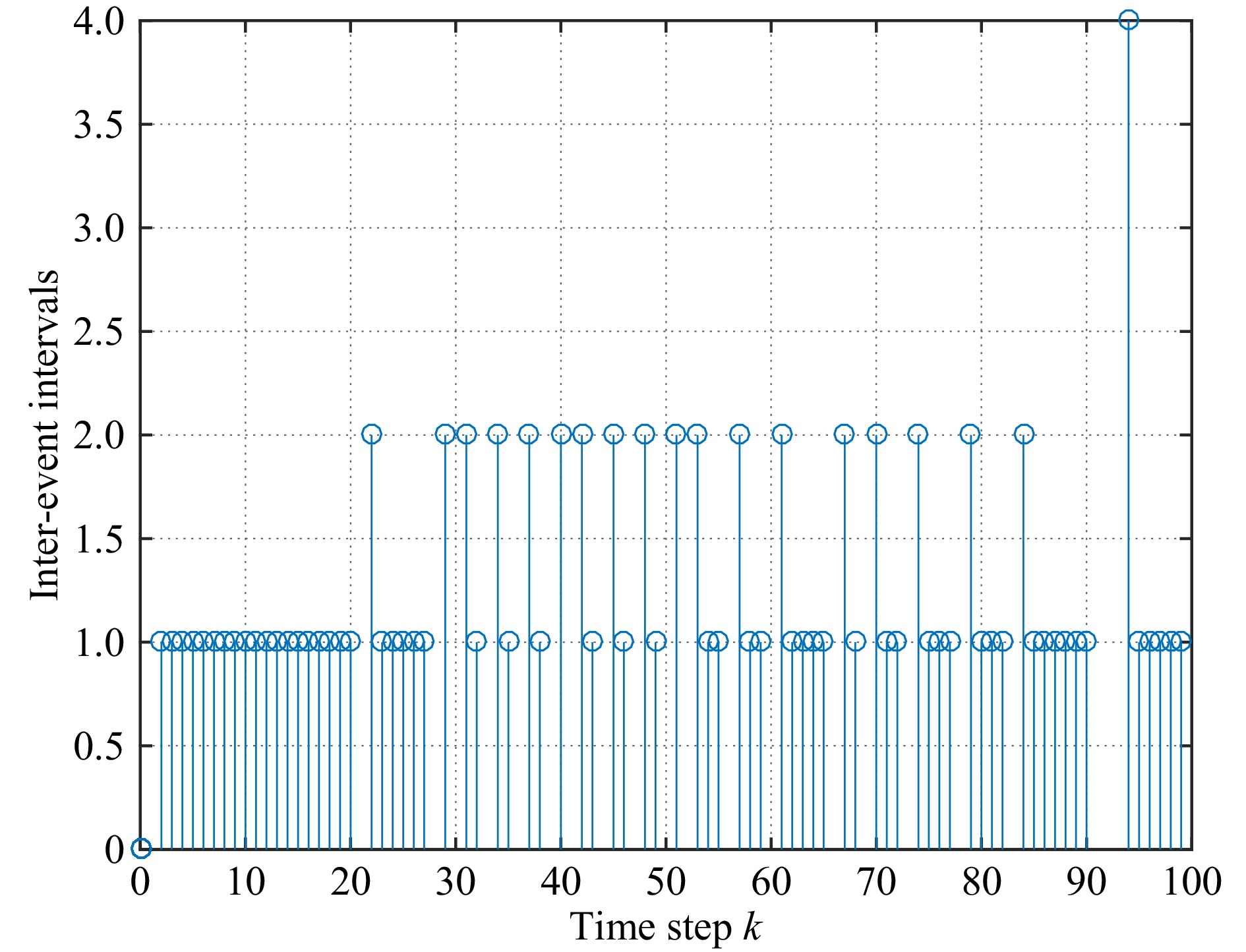
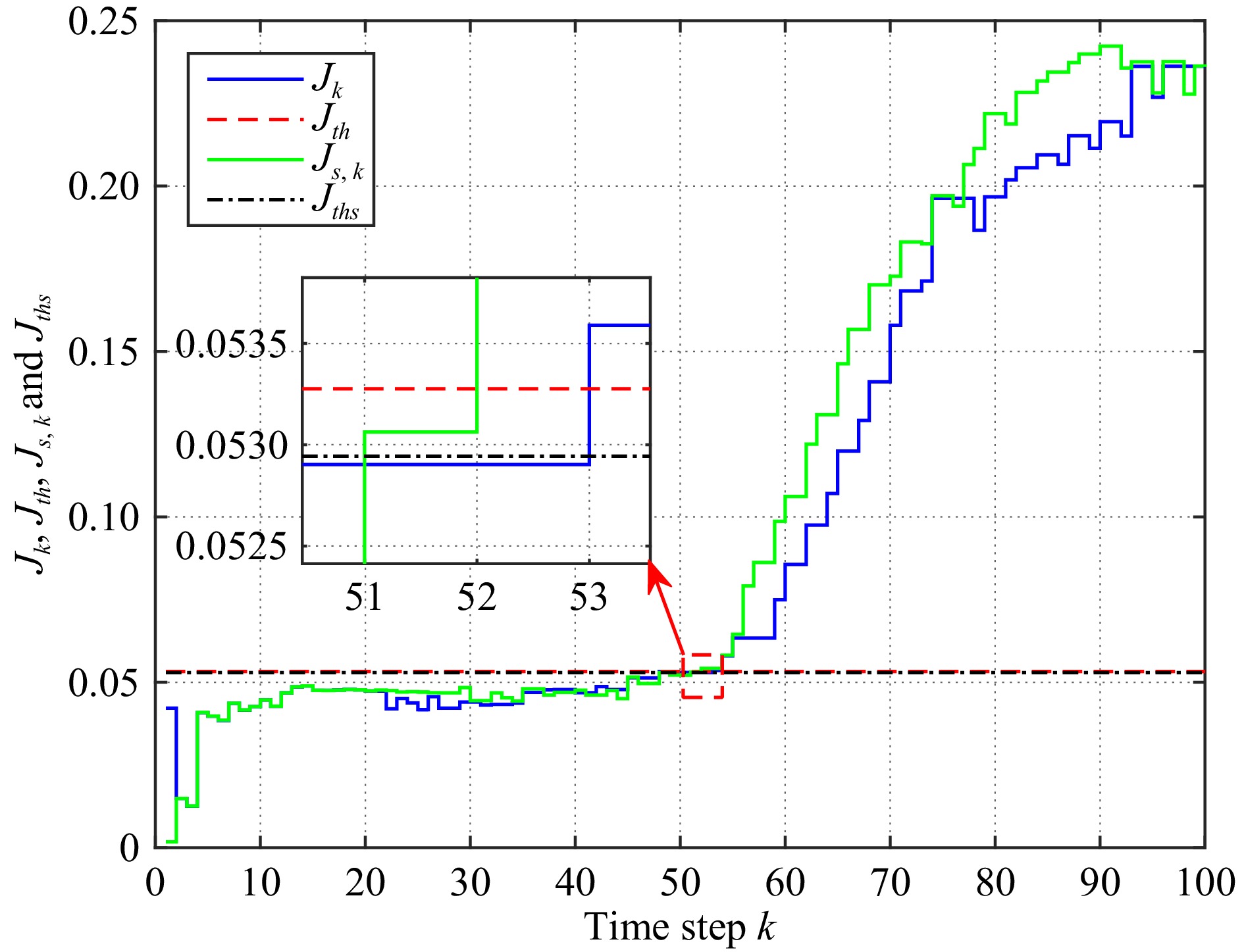
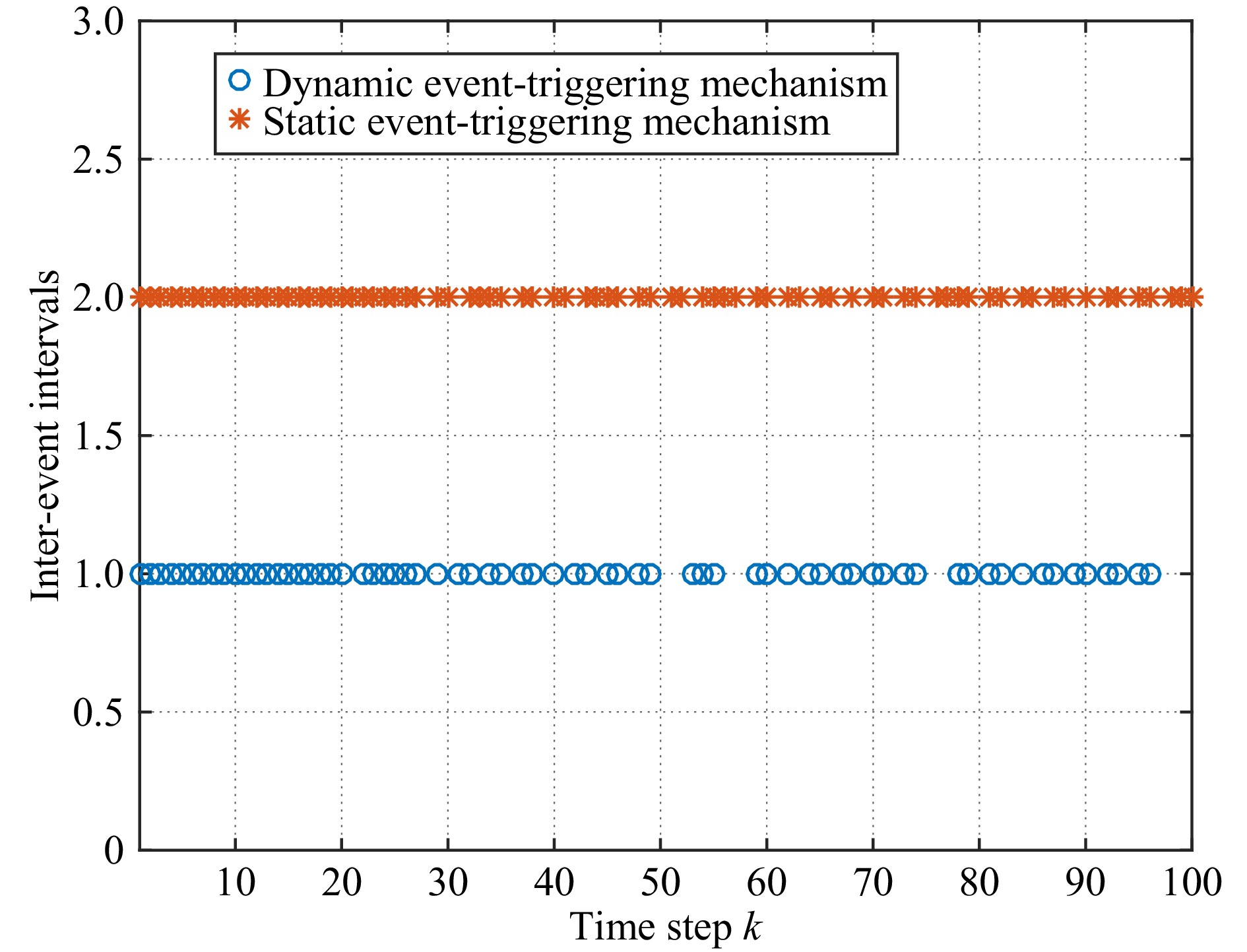
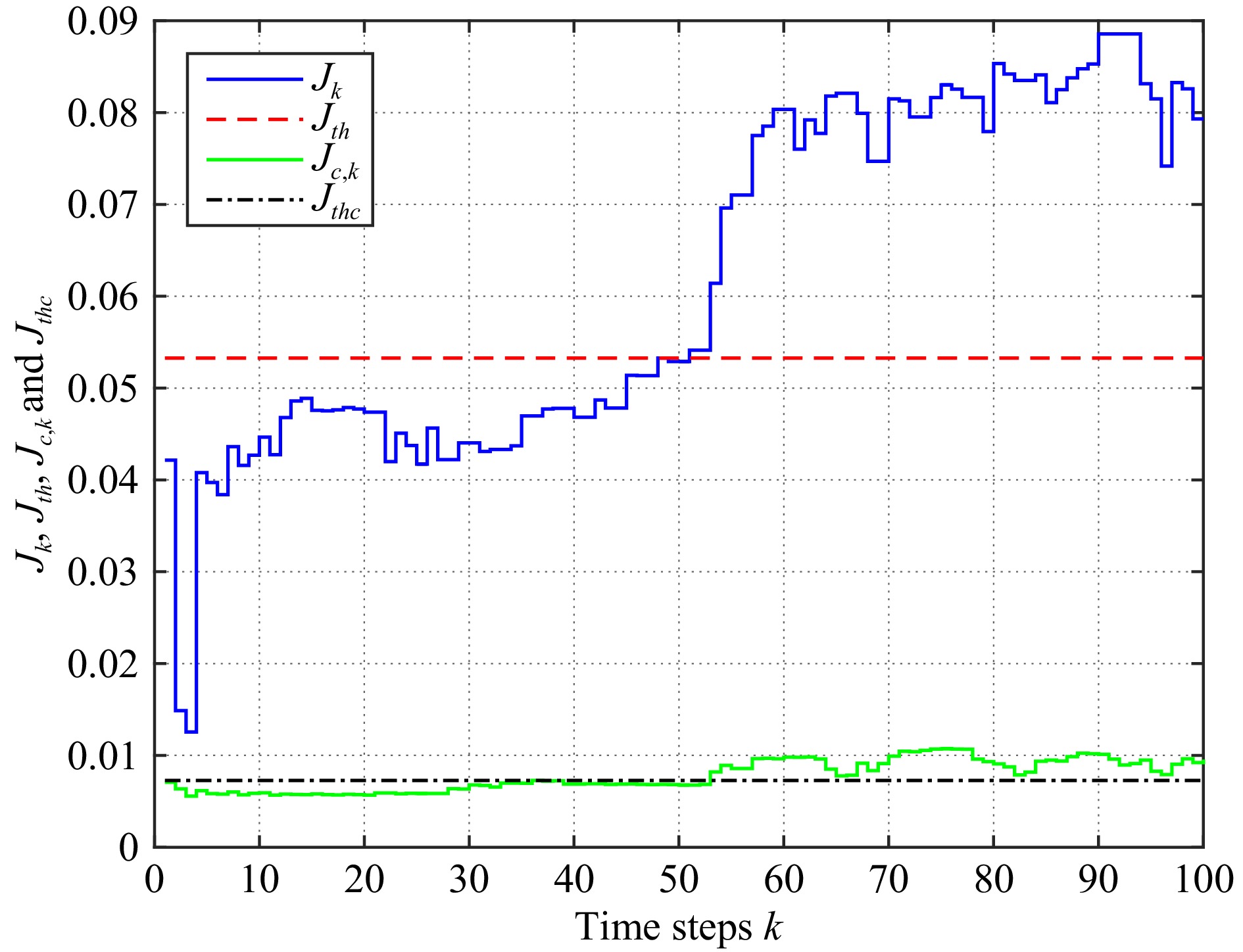
This paper investigates the problem of dynamic event-triggered optimal fault detection (FD) for Takagi-Sugeno (T-S) fuzzy systems. Aiming at conserving limited communication resources, a dynamic event-triggering mechanism is implemented to transmit the system measurement to the remote fault detector. Based on it, a dynamic event-triggered T-S fuzzy fault detection filter (FDF) is constructed so that the generated residual is completely decoupled from the event-triggered transmission error. Subsequently, the design of T-S fuzzy FDF is formulated as an $H_i/H_{\infty}$ optimization problem such that an optimal tradeoff can be achieved between the robustness against unknown input and the sensitivity to fault. Different from existing linear matrix inequality-based event-triggered FD approaches for T-S fuzzy systems, the optimal solution is obtained by recursively computing the Riccati equations, allowing for the independent implementation of the event generator and the $H_i/H_{\infty}$-FDF. A three-phase induction motor system is employed to illustrate the effectiveness of the proposed method.
Necessary and/or Sufficient Conditions of Controllability of Networked Sampled-Data Systems With Nonequidistant Sampling
Zhaofei Li, Fei Hao
2026, 13(9): 2099-2108. doi: 10.1109/JAS.2026.125906
Abstract(12) HTML (9) PDF(0)
Abstract:
The assumption of equidistant sampling is usually not valid in many networked systems. Controllability is the prerequisite for analyzing networked systems. Then, in this article, the controllability of networked systems with nonequidistant sampling is investigated. Some necessary and/or sufficient conditions for verifying the controllability of networked systems with non-uniform sampling are presented. It is found that the network structure, inner-coupling, and node system collectively determine the controllability of the whole networked sampled-data systems. The networked systems with special structures are more easily controlled after sampling. Besides, if the nodes are one-dimensional, it is demonstrated that the controllability can be preserved after nonequidistant sampling in this paper. The feasibility and simplicity of these criteria are verified by some numerical examples.
Output Consensus for Heterogeneous Two-Time-Scale Multiagent Systems Under DoS Attacks: A Multi-Index Case
Ying Zhang, Linna Zhou, Lei Ma, Chunyu Yang, Guoqing Wang, Wei Dai
2026, 13(9): 2109-2118. doi: 10.1109/JAS.2026.125912
Abstract(14) HTML (7) PDF(0)
Abstract:
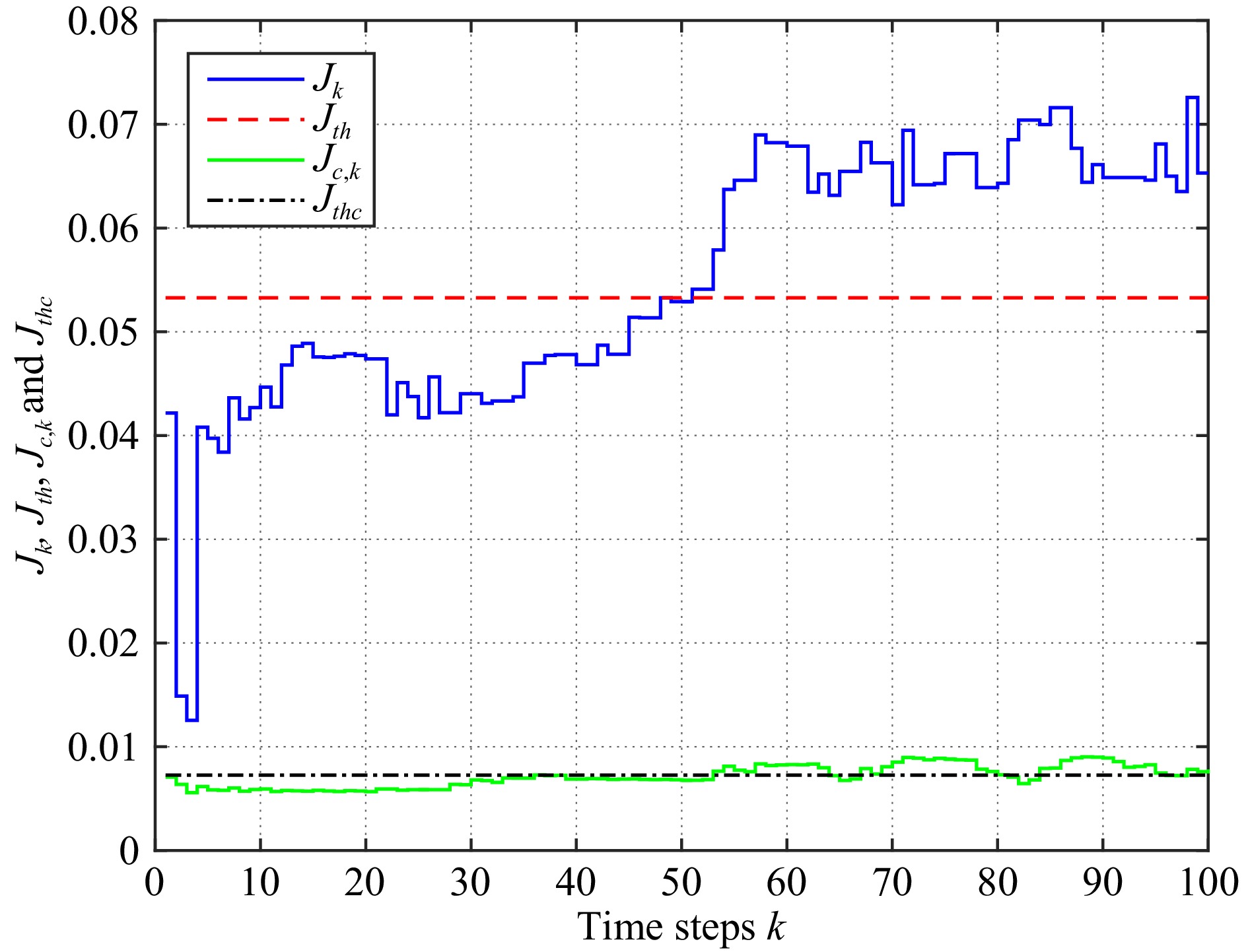
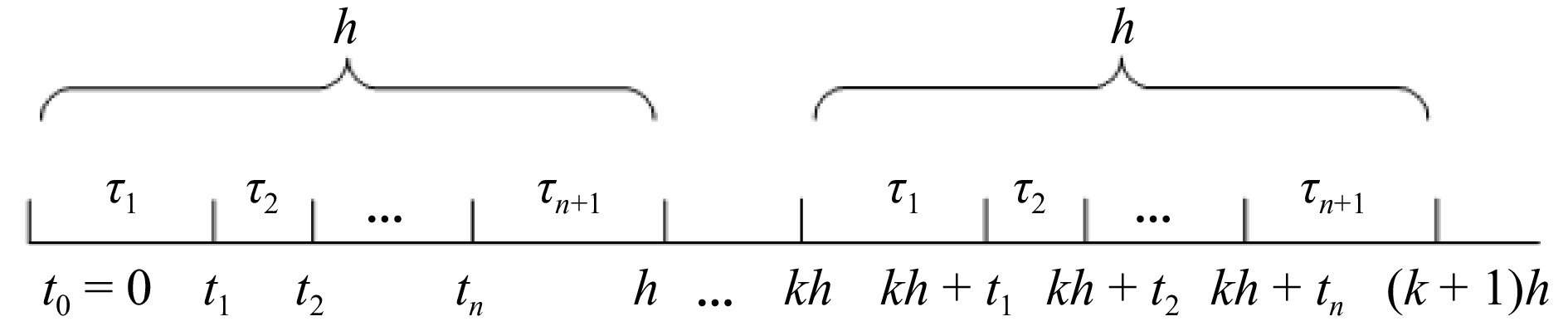
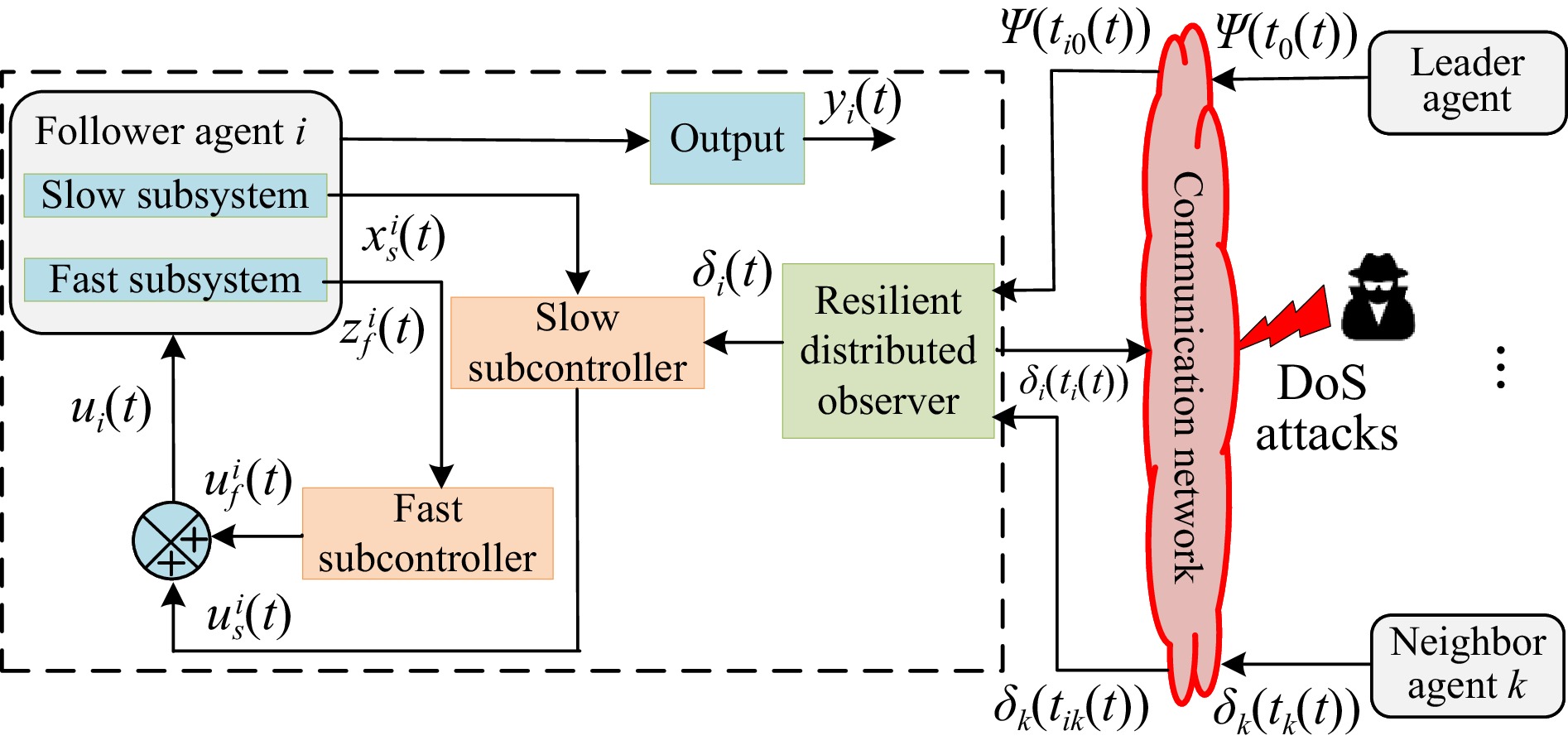
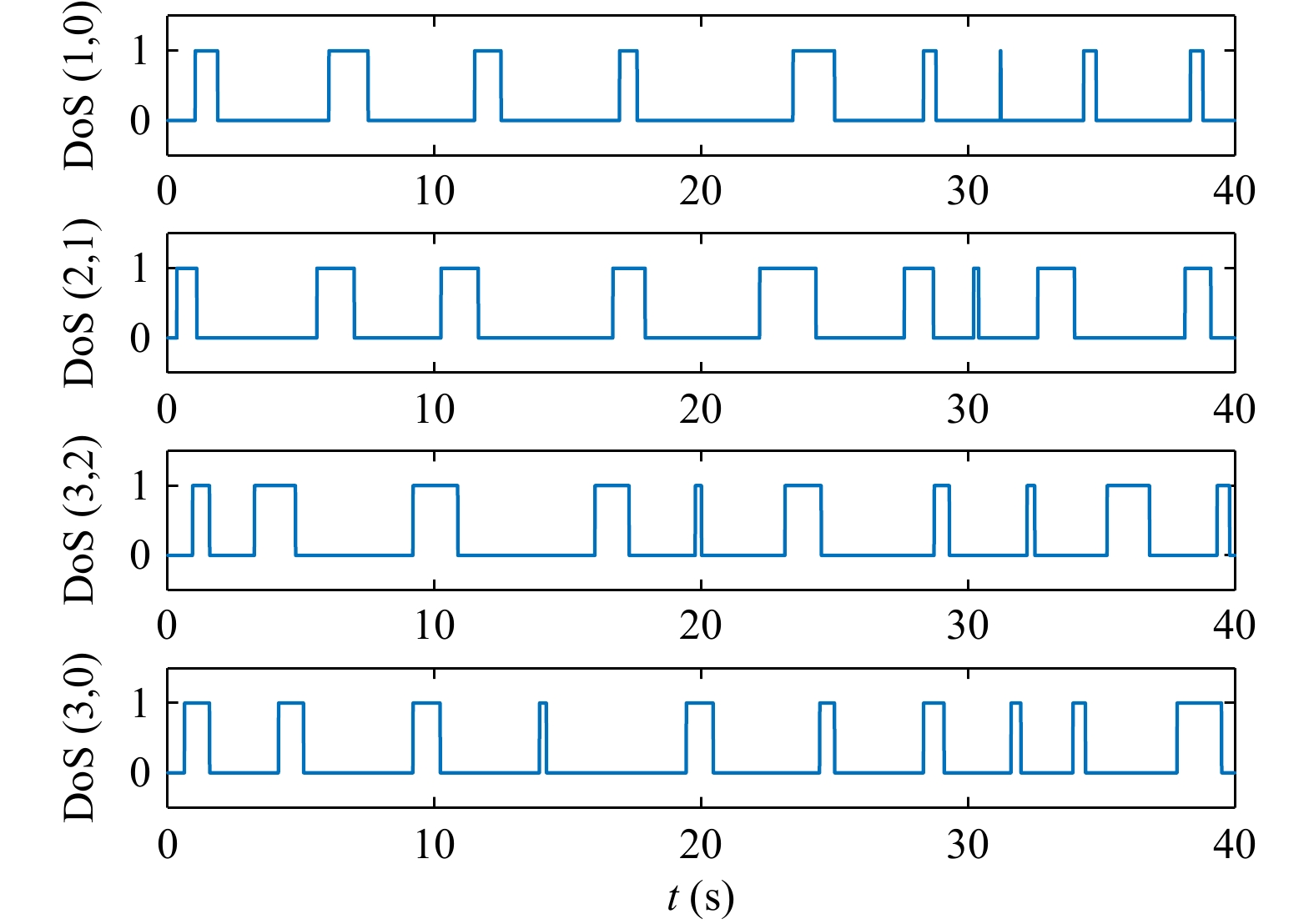
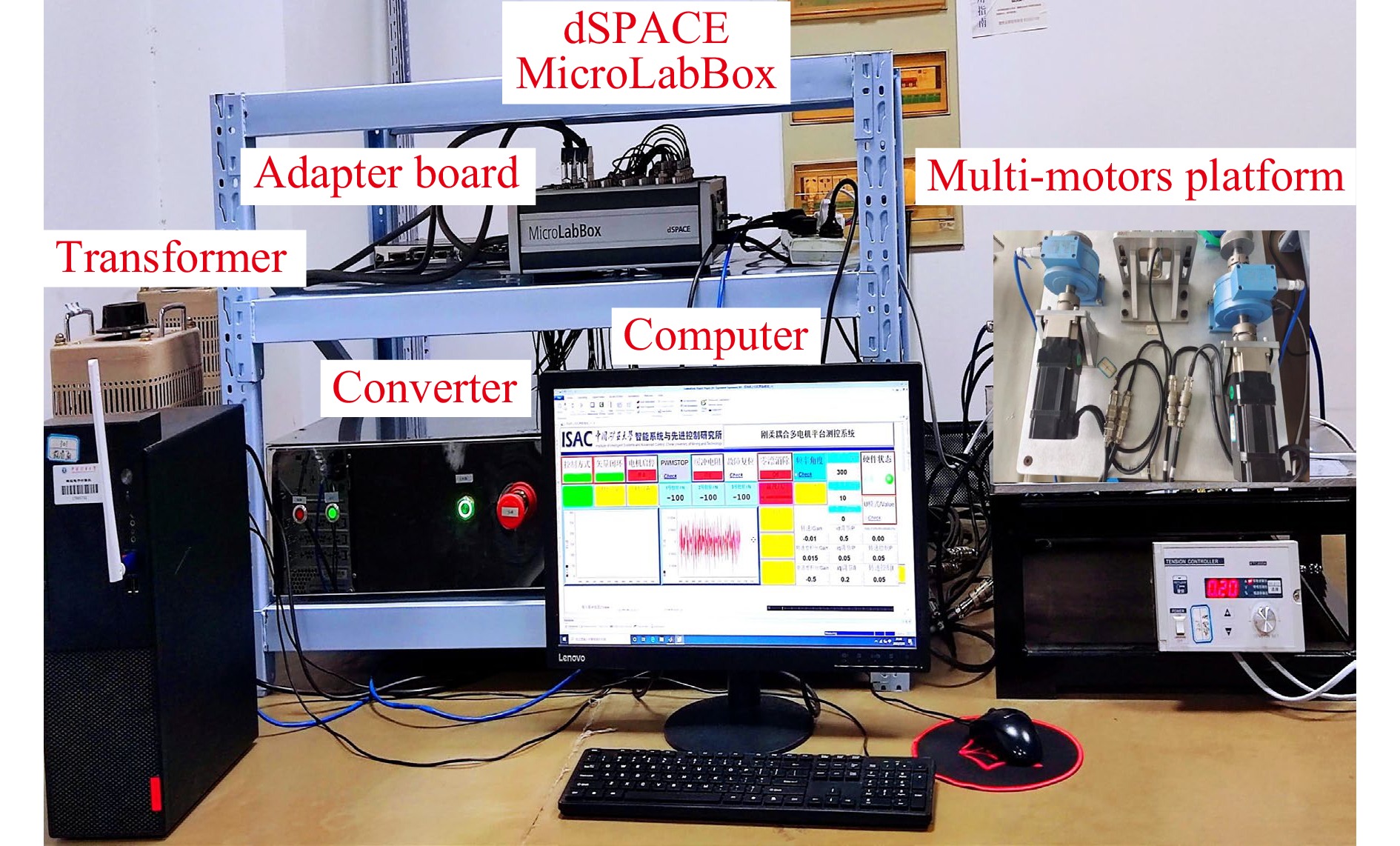
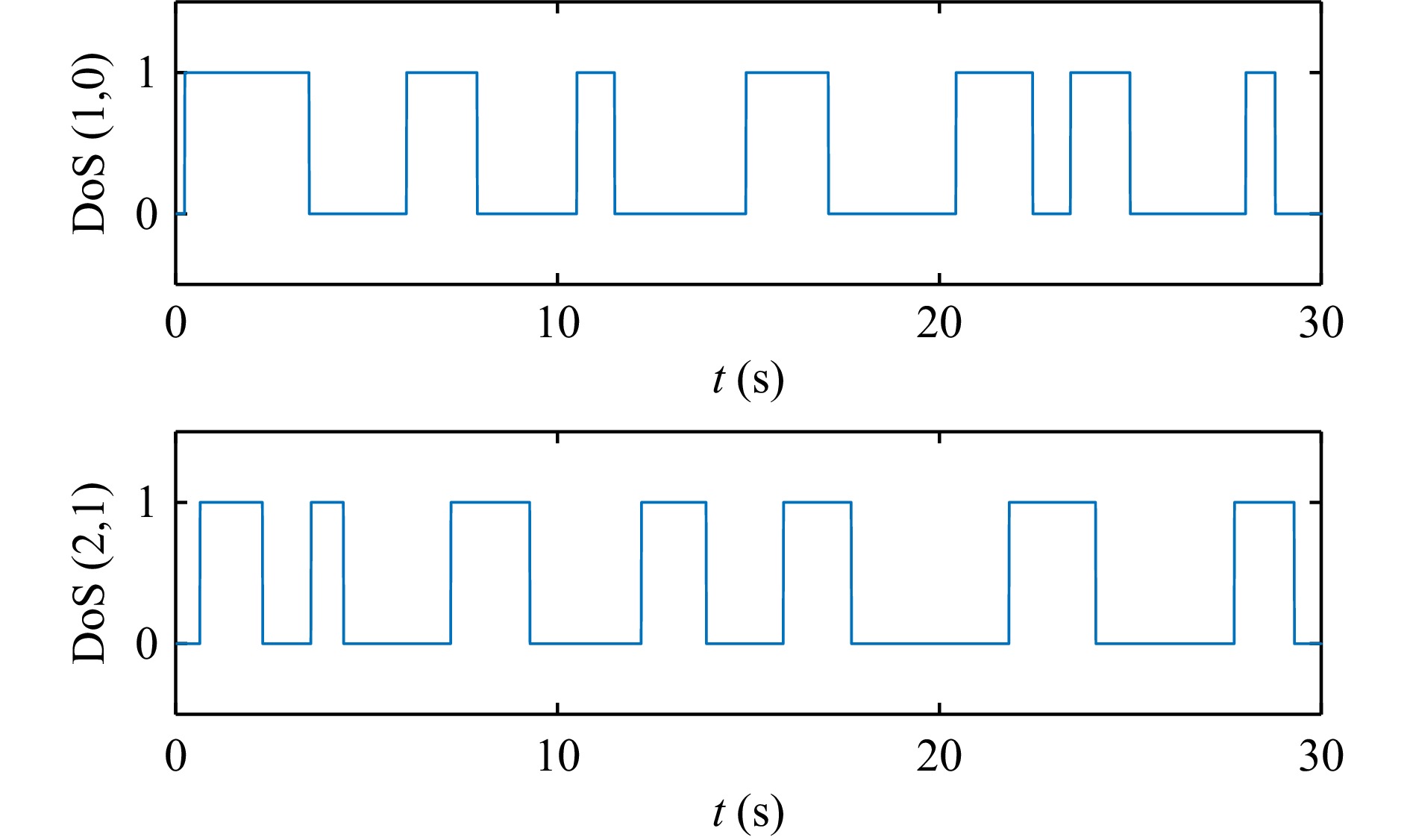
This article studies the output consensus issue for a class of heterogeneous two-time-scale multiagent systems (HTTSMASs) under denial-of-service (DoS) attacks. A novel output consensus control framework, integrating a resilient distributed observer and a composite controller, is built as the first attempt for HTTSMASs. By establishing a DoS attack impact interval for each communication channel, the resilient distributed observer based on asynchronous sampling is designed to resist DoS attacks. Given the inherent two-time-scale characteristics, solving the regulator equations (REs) of original HTTSMASs often leads to ill-conditioned numerical issues. To overcome this challenge, singular perturbation theory is employed to decouple the output consensus problem into a multi-index control problem for slow and fast subsystems. Specifically, a slow sub-controller is designed to achieve output tracking based on the solution of the slow subsystem’s REs, while a fast sub-controller is designed to guarantee the fast subsystem’s stability. Finally, a numerical example and an application involving a permanent magnet synchronous motor are presented to verify the effectiveness of the designed method.
Event-Based Human-in-the-Loop Optimal Bipartite Consensus Control for Multiagent Systems Under False Data Injection Attacks
Zongsheng Huang, Tieshan Li, Lu Liu, Hongjing Liang
2026, 13(9): 2119-2131. doi: 10.1109/JAS.2026.125918
Abstract(19) HTML (9) PDF(0)
Abstract:
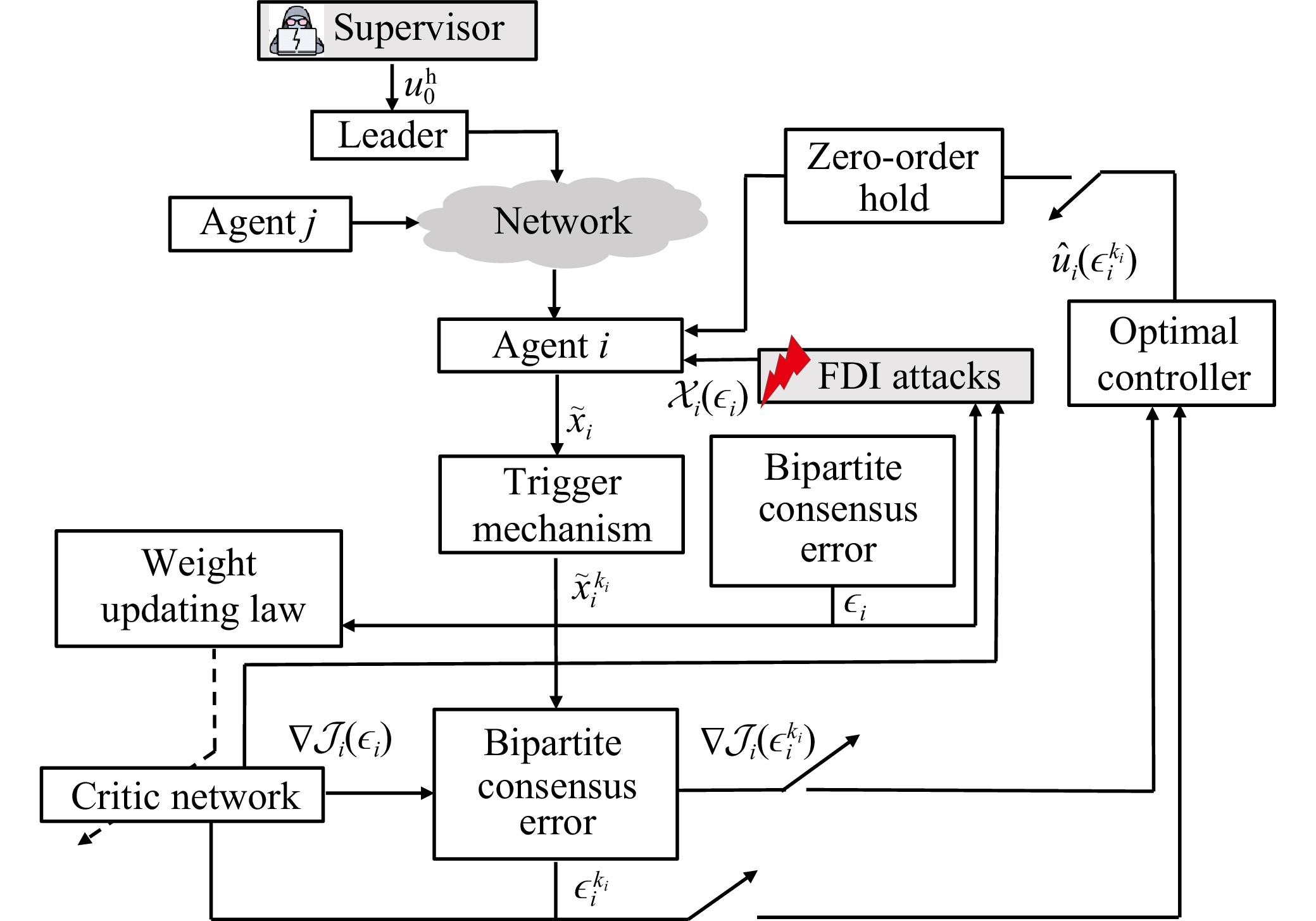
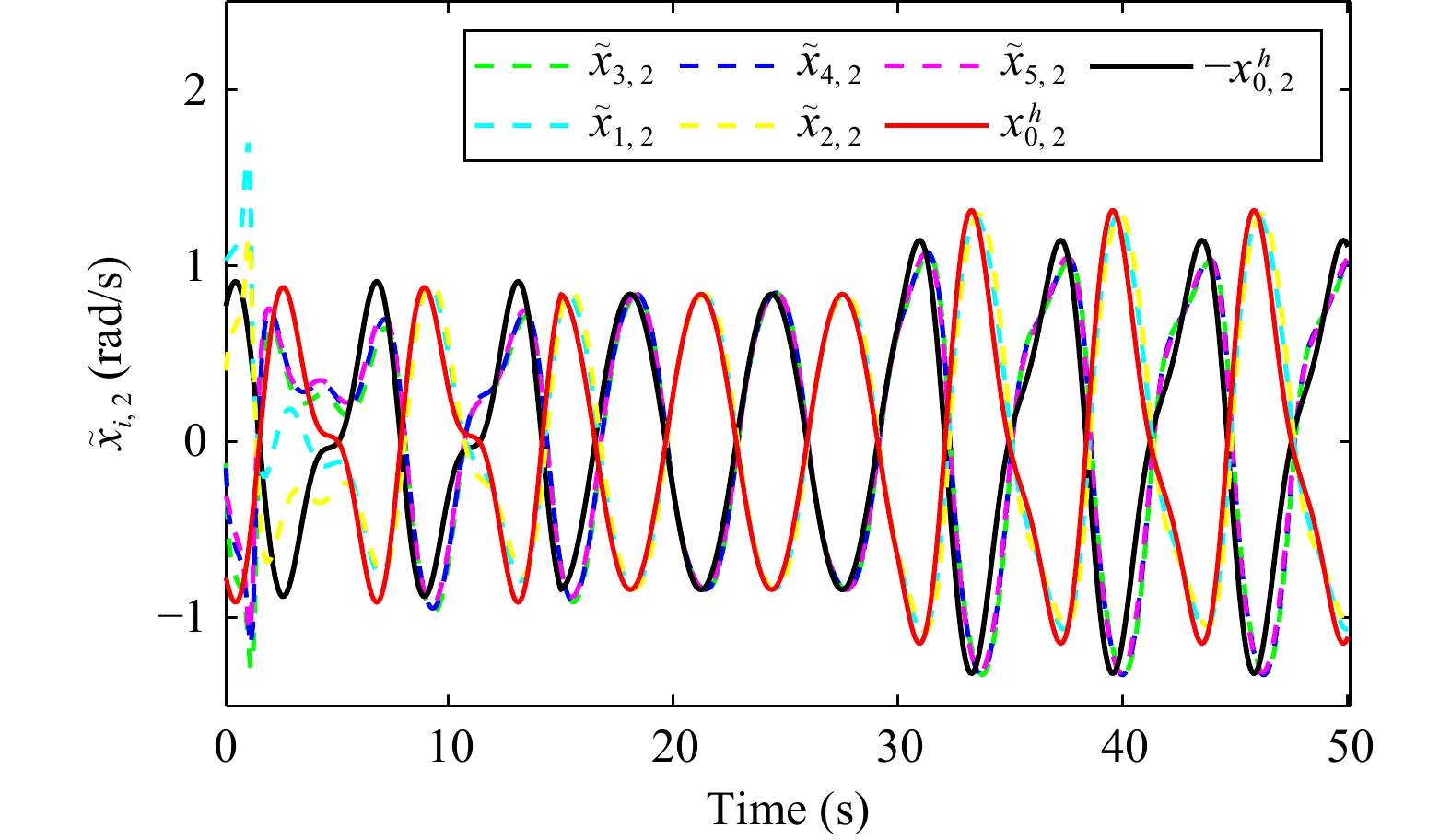
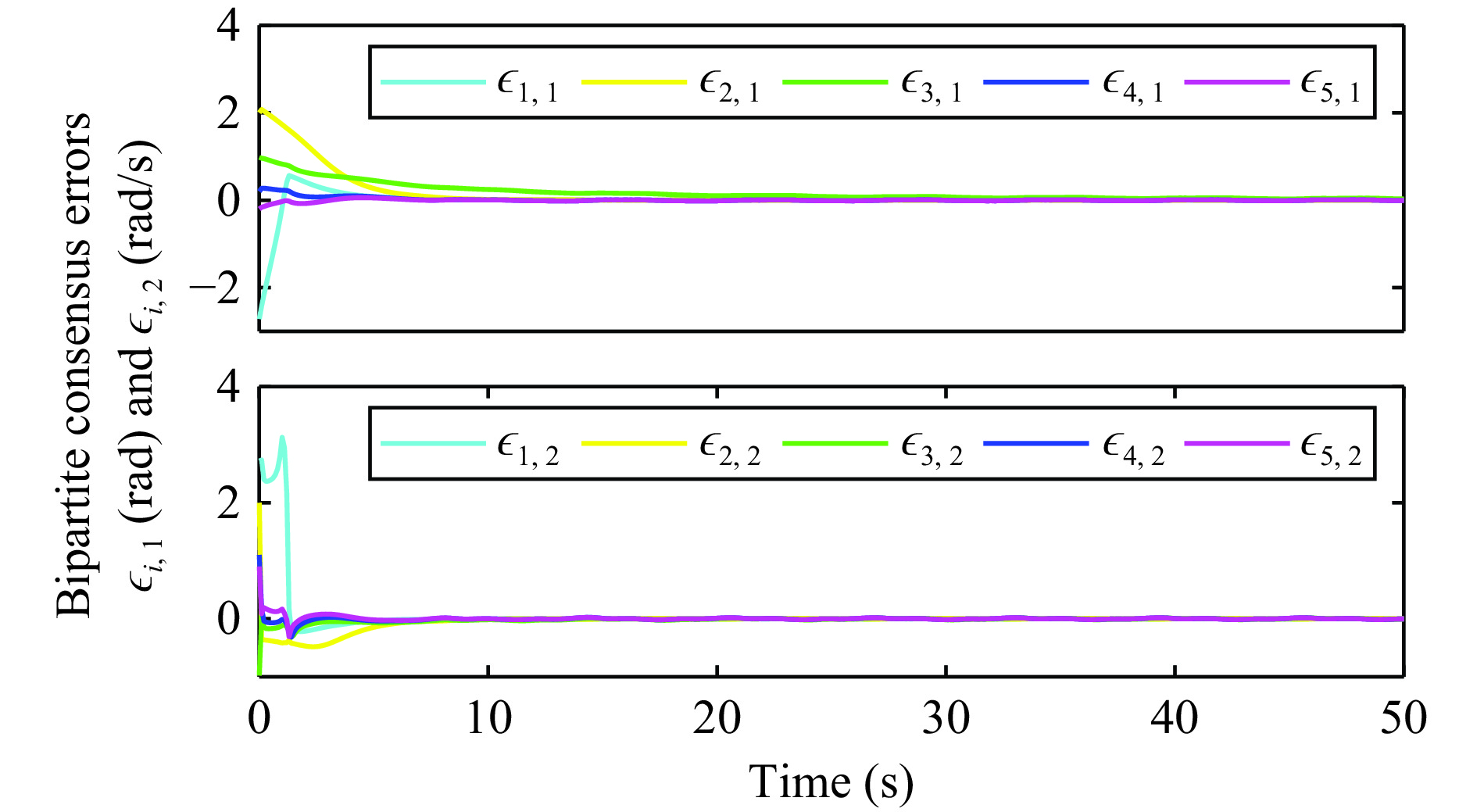
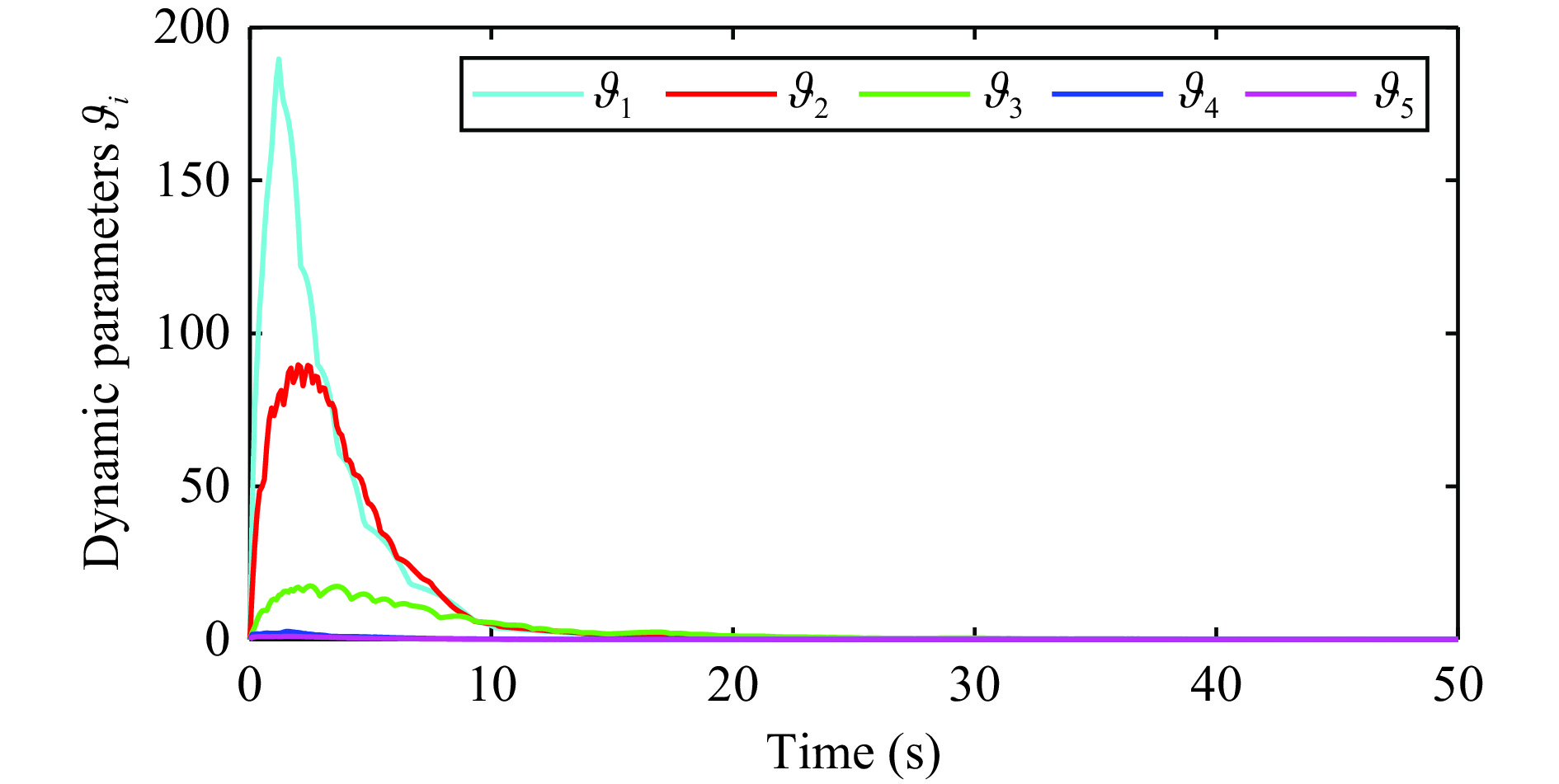
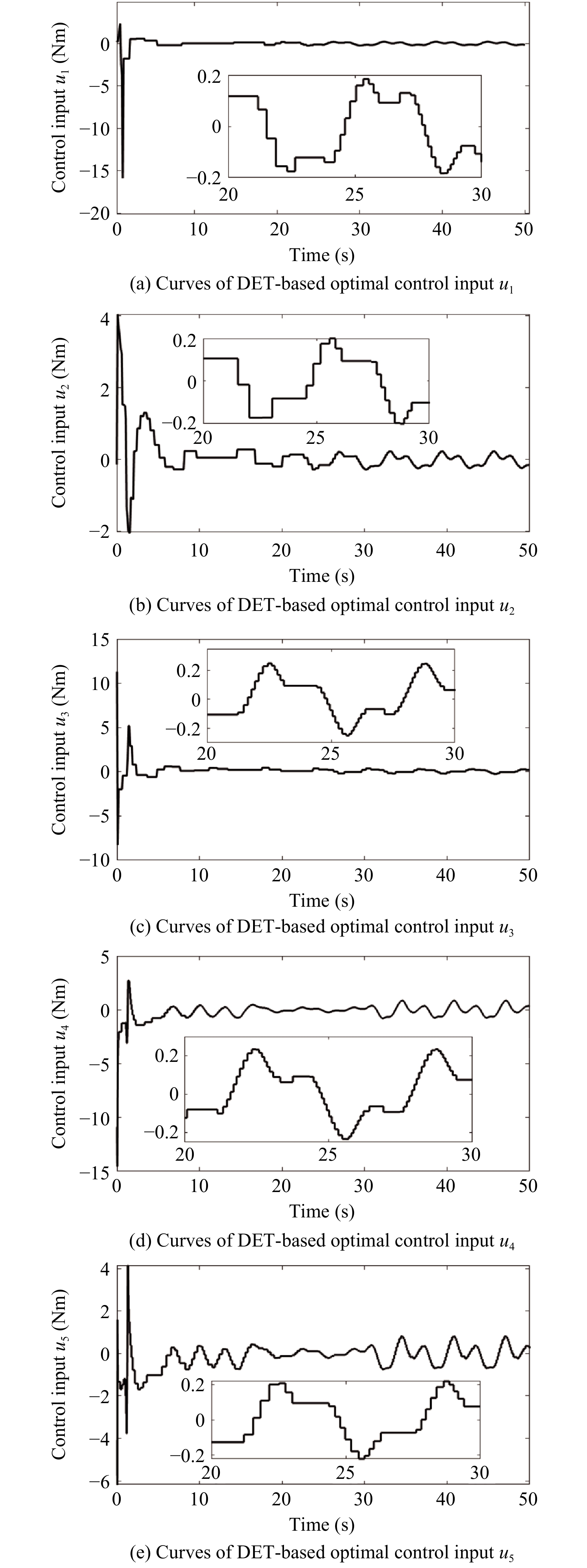
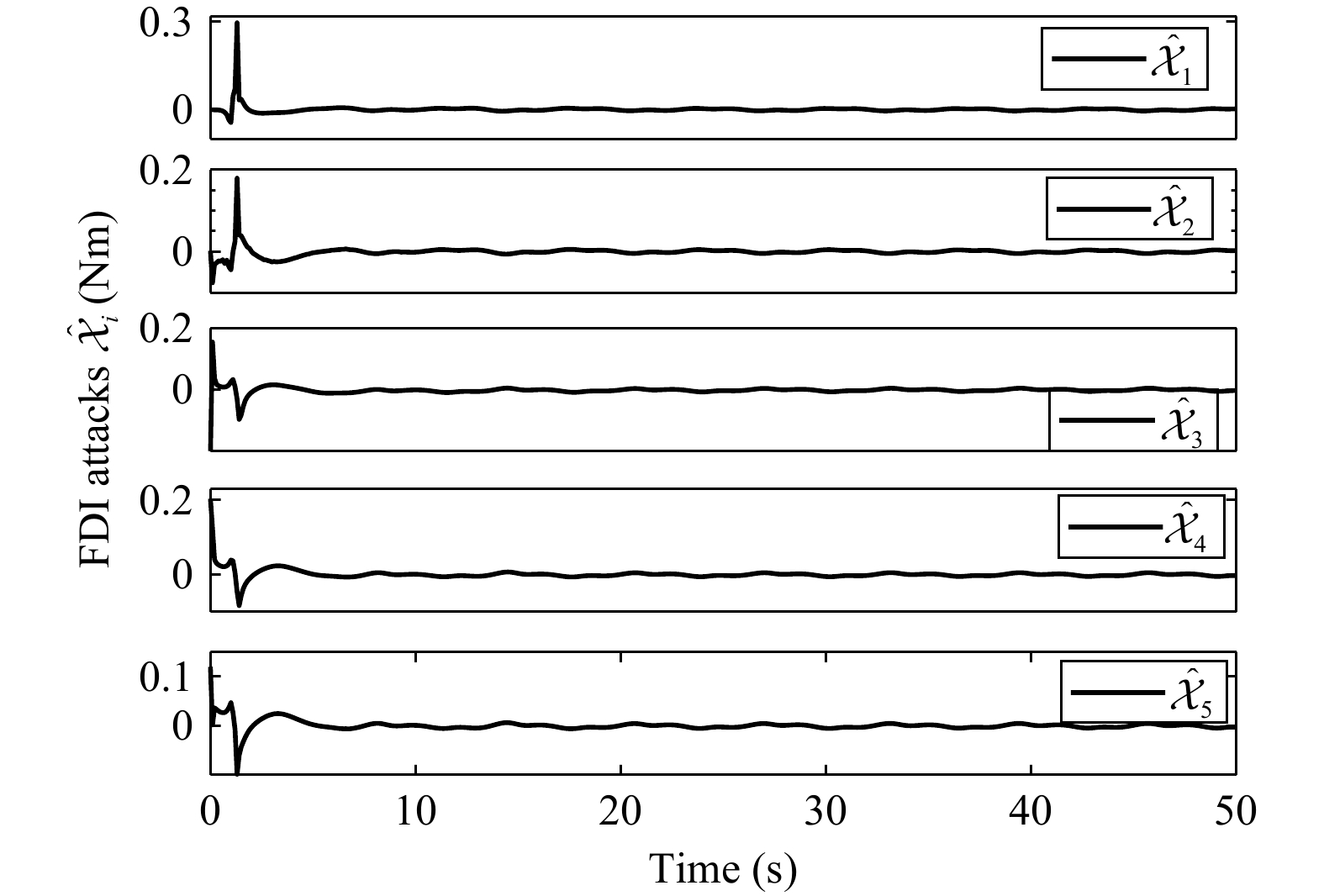
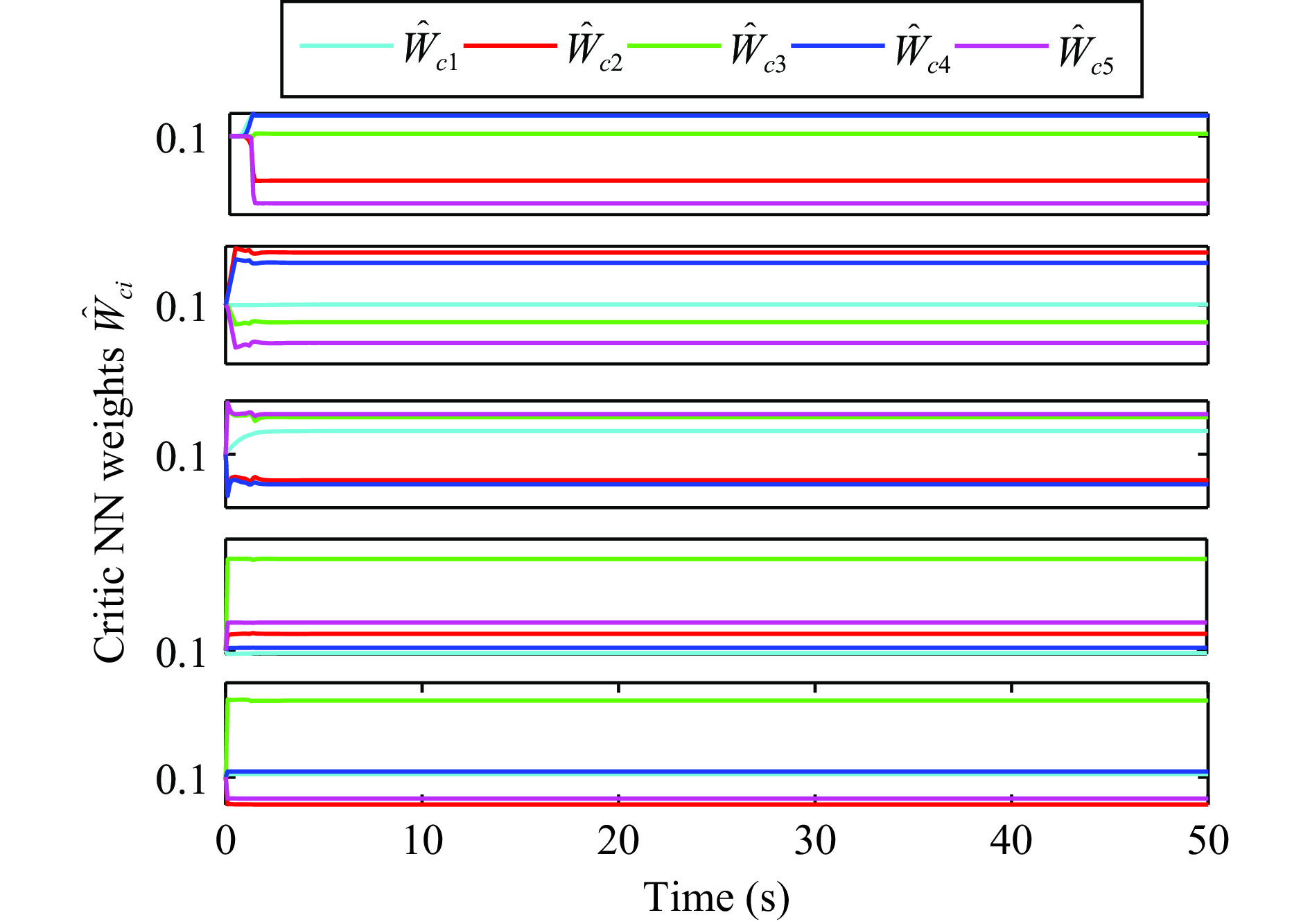
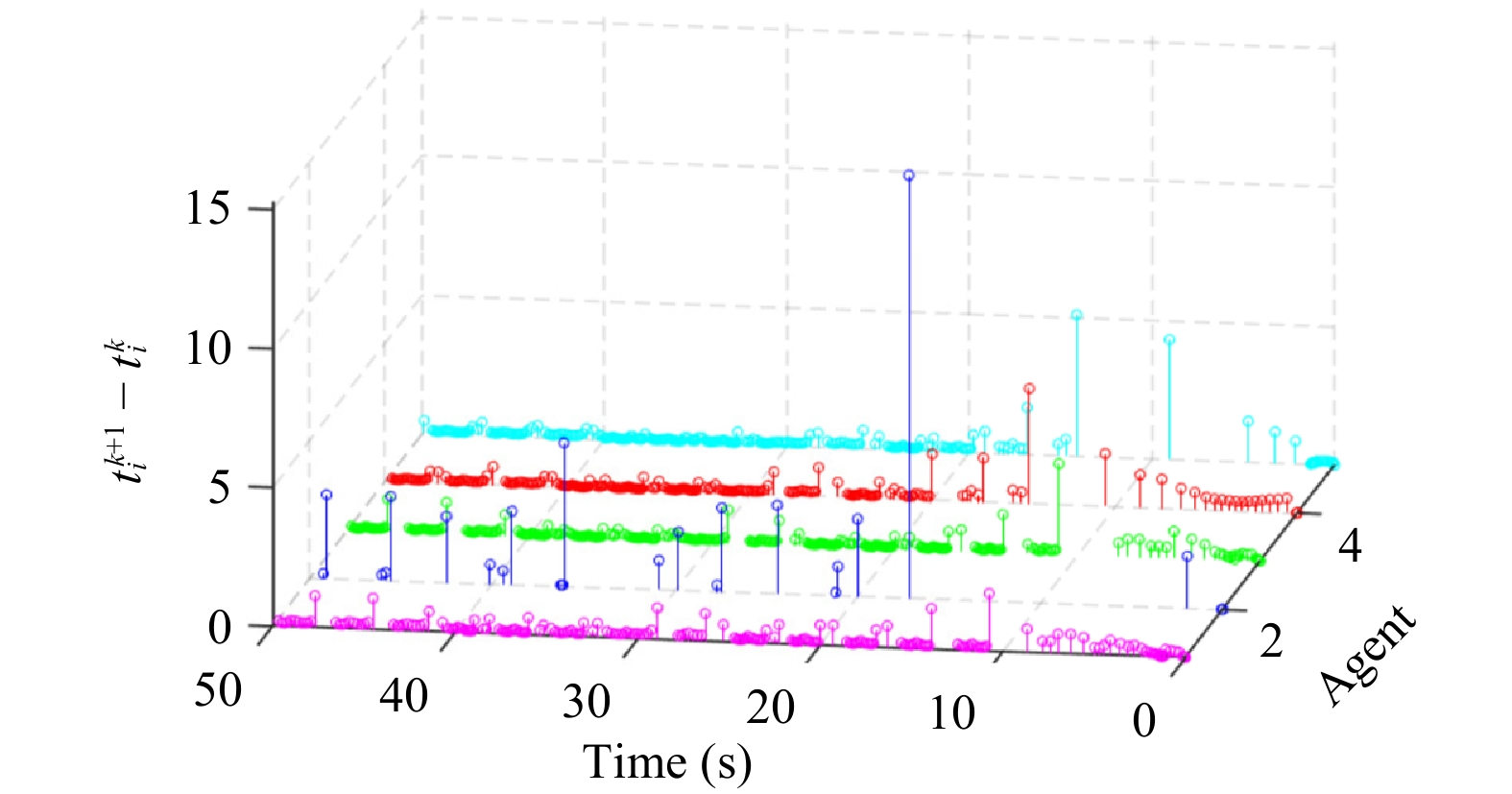
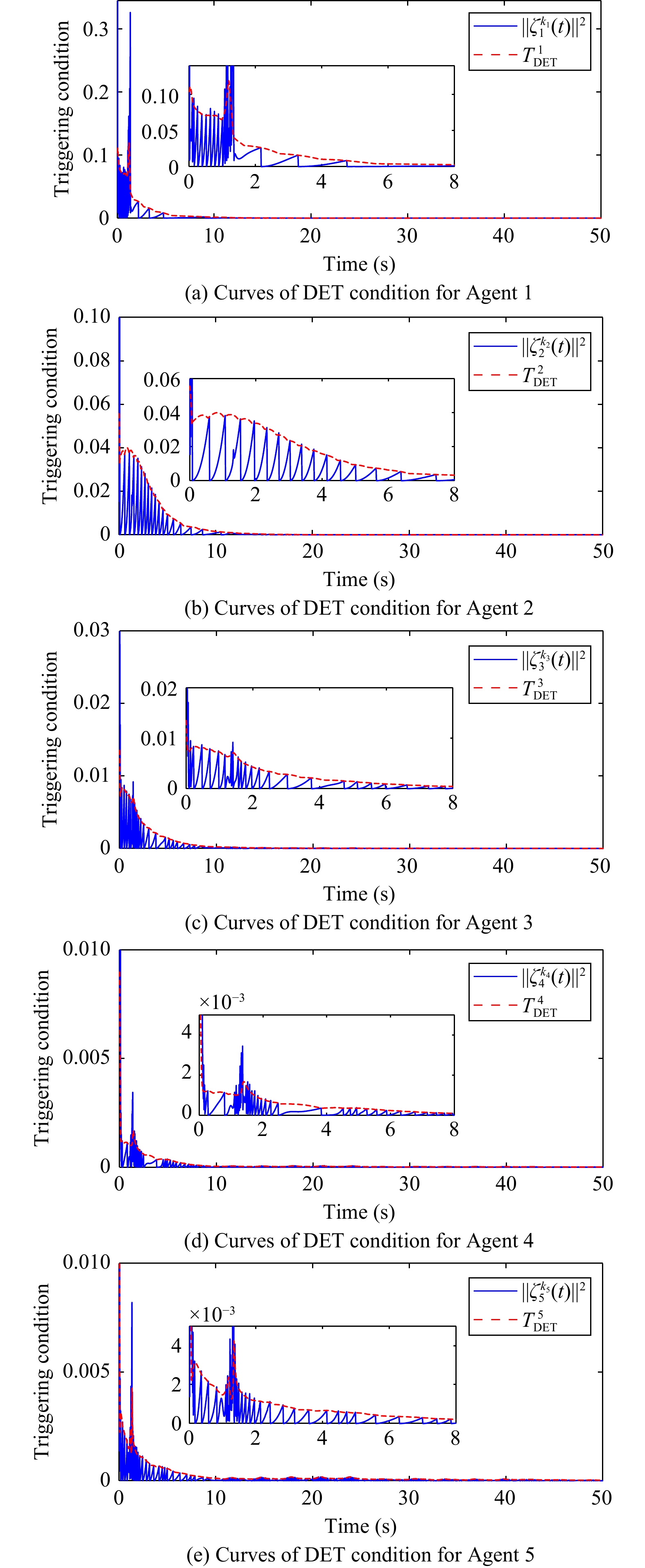
This work primarily addresses the dynamic event-triggered human-in-the-loop (HiTL) optimal bipartite consensus control problem for nonlinear multiagent systems (MASs) under false data injection attacks. First, a supervisor is introduced to monitor the MASs, sending commands to leader to avoid emergencies. A zero-sum game model is then developed, where the attacker and the defender are treated as adversaries. Within the unified structure of zero-sum game theory, a cost function is defined to facilitate the determination of a Nash equilibrium. Furthermore, to reduce computational resources, a dynamic event-triggered Hamilton-Jacobi-Isaacs (HJI) equation is derived, along with a dynamic event-triggered mechanism. The solution to the HJI equation is learned using the critic neural network. The boundedness of all signals in the closed-loop systems is demonstrated. Additionally, the minimal inter-event time is proven to have a lower bound, thereby excluding Zeno behavior. Finally, the simulation results confirm the validity of the proposed approach.
Towards Efficient Intrusion Detection: A Bayesian Nonparametric Model With Gamma Distributions
Yuping Lai, Zidong Wang, Jiahan Dong, Yongcai Xiao, Zihao Li, Qing Ye
2026, 13(9): 2132-2145. doi: 10.1109/JAS.2026.125927
Abstract(17) HTML (7) PDF(1)
Abstract:
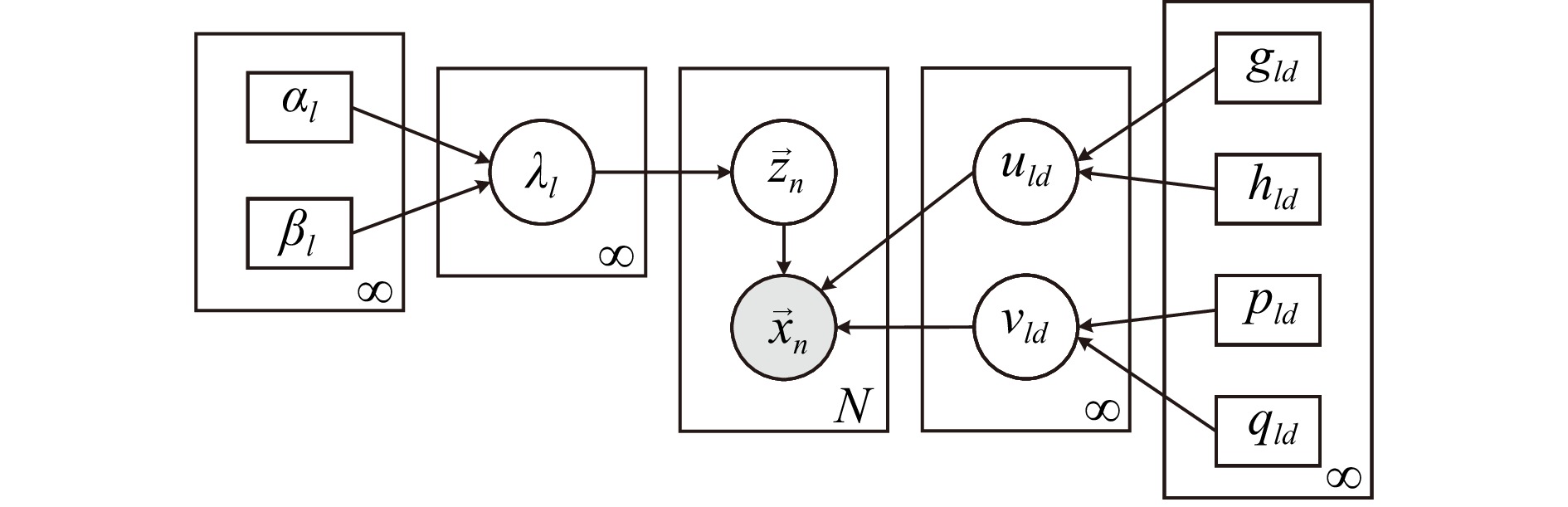
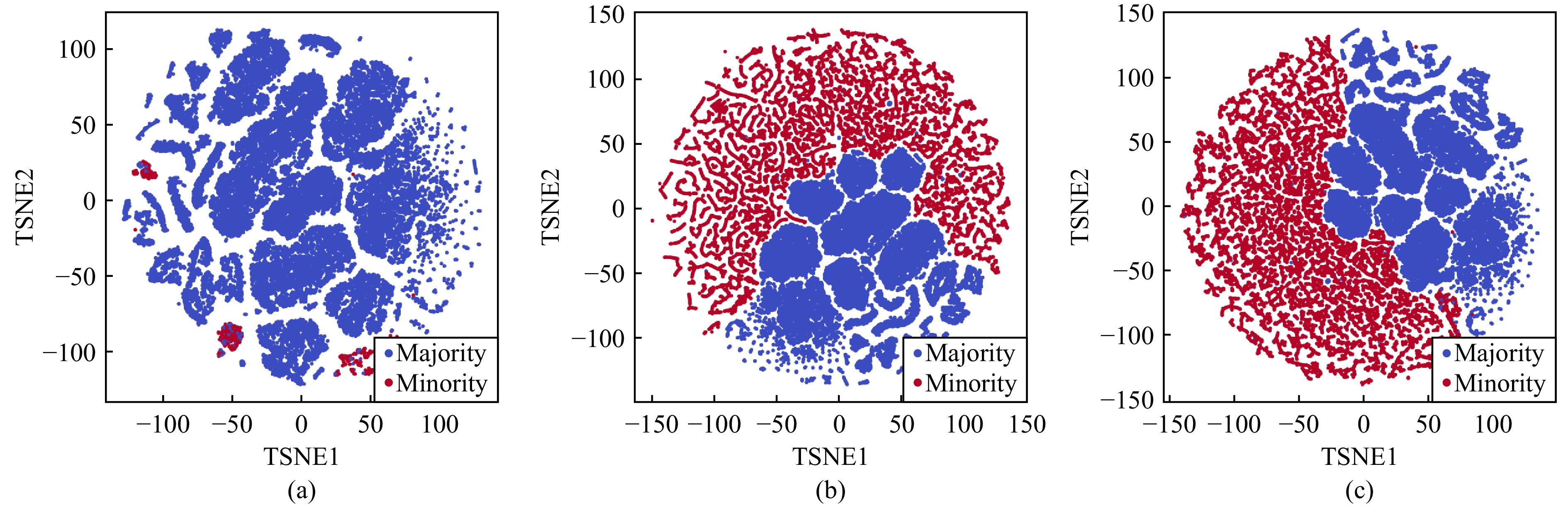
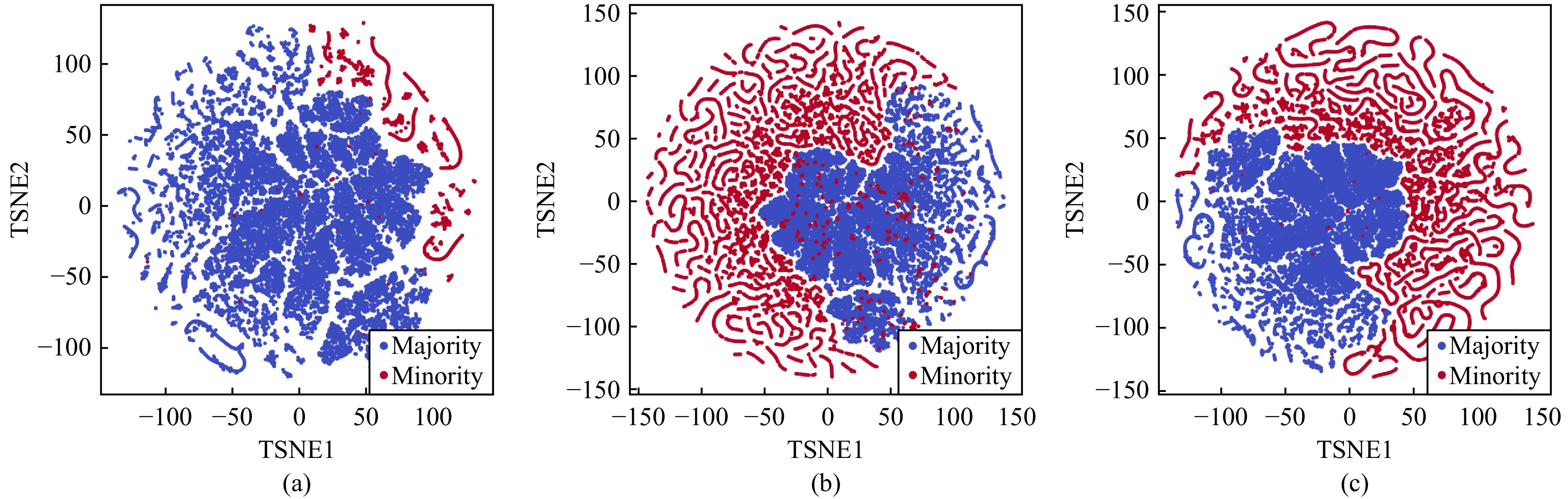
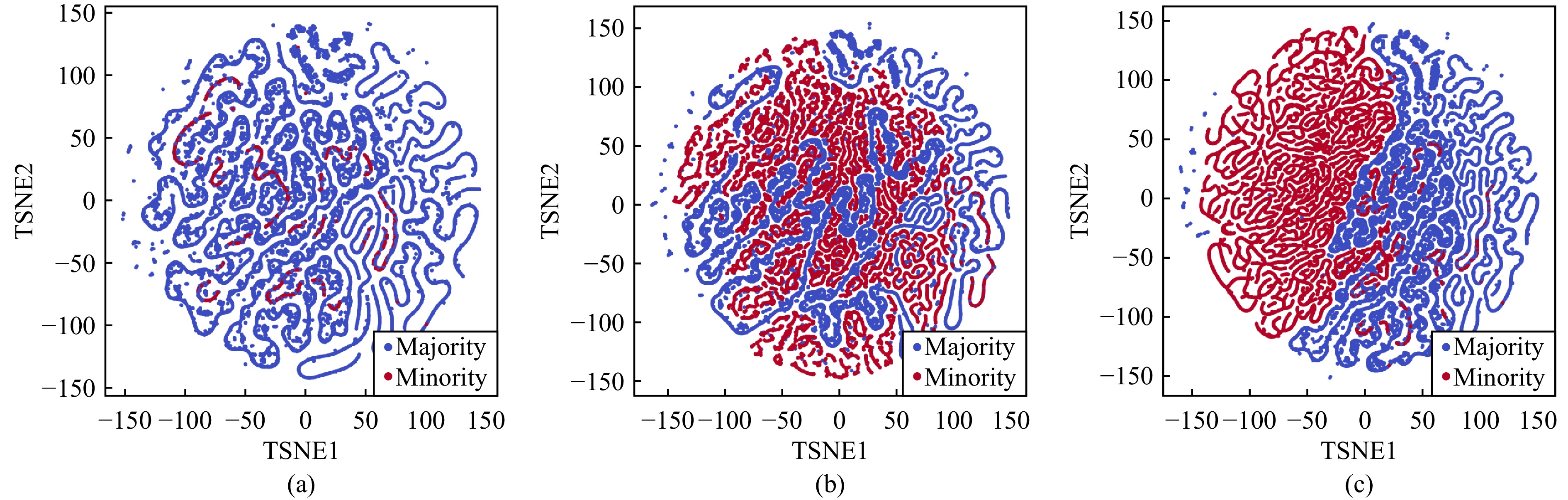
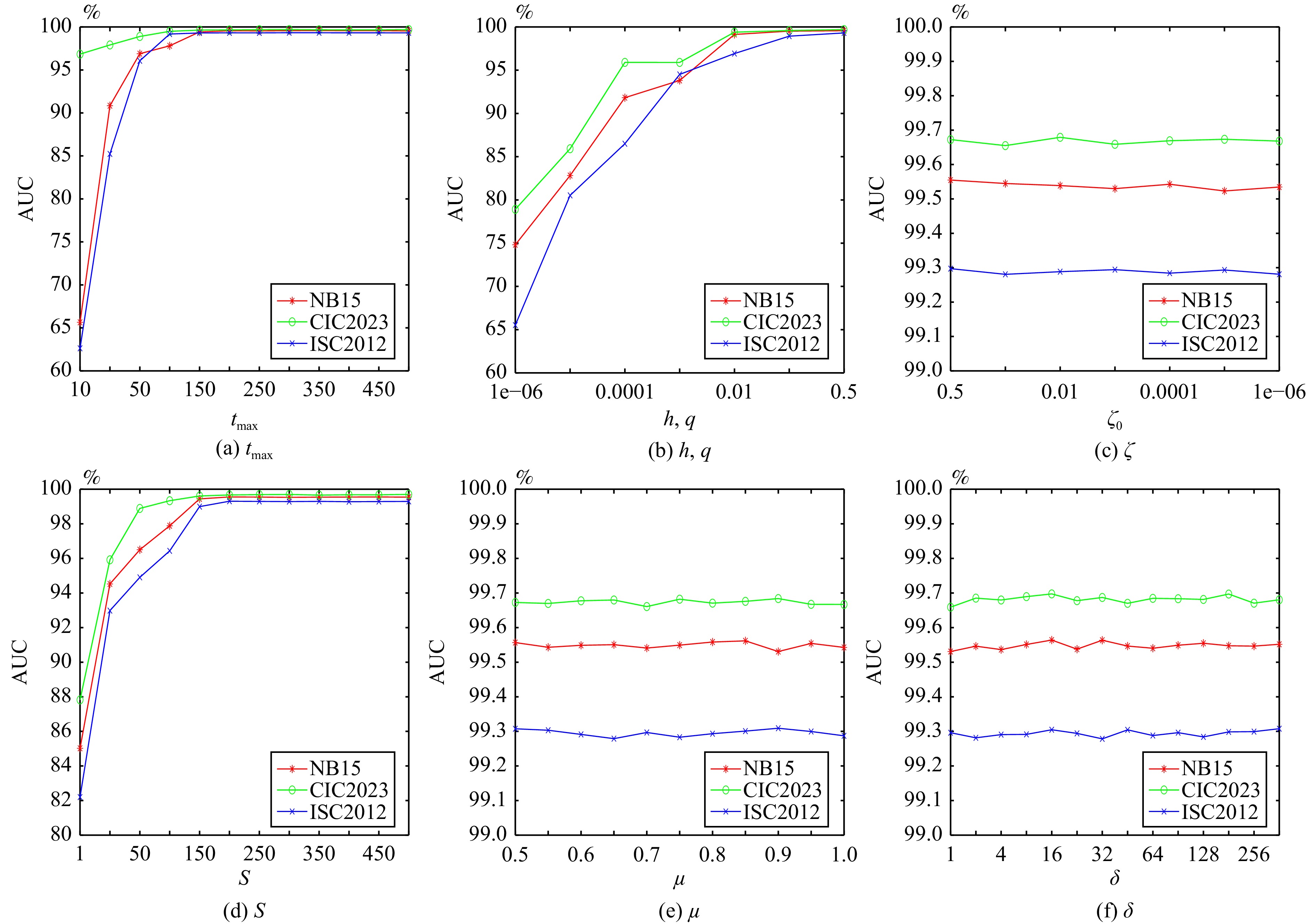
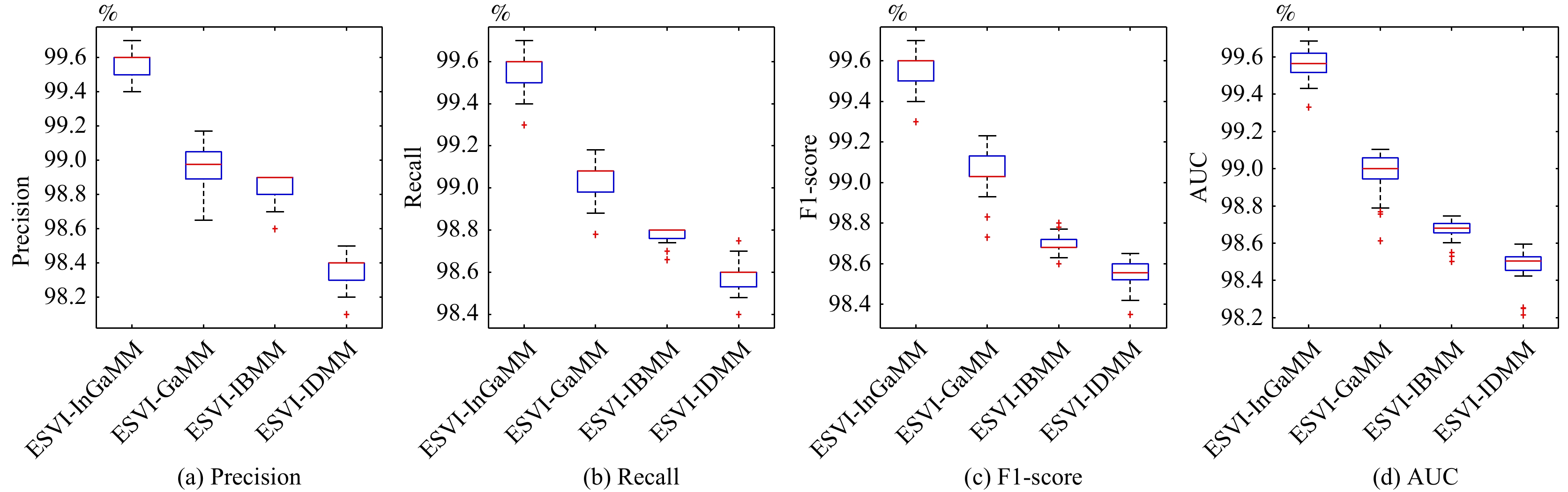
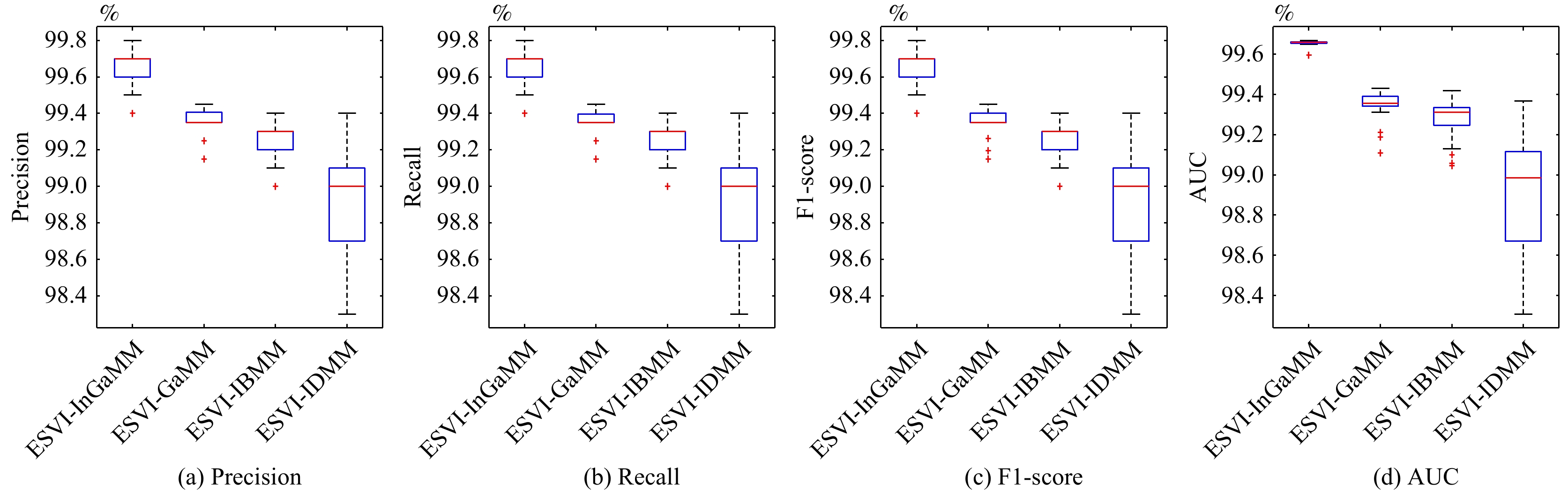
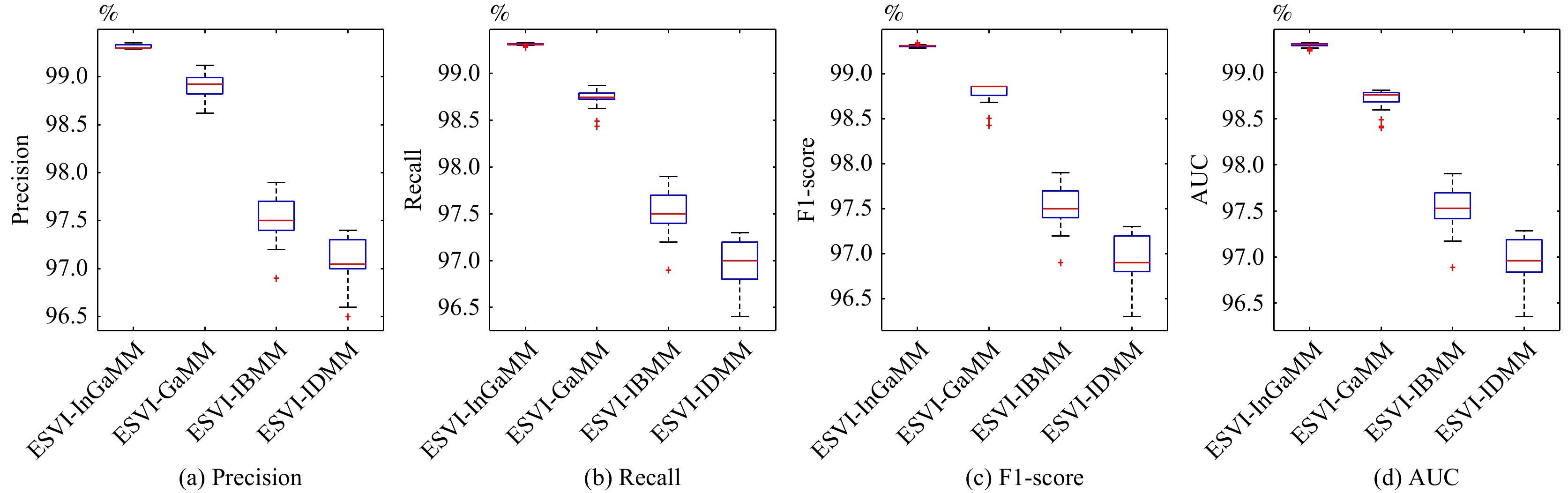
With the continuous development and widespread application of internet technology, network security issues have become increasingly complex and dynamic. To address these challenges, intrusion detection technology has emerged as a research hotspot in cyberspace security. Finite mixture models have been widely adopted for network intrusion detection; however, existing studies have predominantly focused on parameter estimation, while often neglecting the effects of model selection and data imbalance, which can lead to suboptimal detection performance. To address this limitation, in this paper, we first employ oversampling approaches to generate a rebalanced training set. Subsequently, a Dirichlet process mixture of gamma distributions based on a stick-breaking representation is utilized to model the underlying distributions of normal and suspicious activities. The proposed model is then trained using the extended stochastic variational inference framework, through which an analytically tractable solution for Bayesian estimation is developed. This learning strategy enables the simultaneous estimation of model complexity and parameters within a unified Bayesian framework. The effectiveness and performance of the proposed method are validated on three publicly available datasets, namely, UNSW-NB 15, CICIoT2023, and ISCX-IDS-2012. In comparison with several well-established finite mixture models, as well as machine learning and deep learning algorithms, the proposed approach not only achieves comparable or superior detection performance in terms of precision, recall, F1 score, and AUC values, but also significantly reduces training and detection time.
LSTM Networks-Based Data-Driven Secure Synchronization of Interconnected Systems With Malicious Subsystems
Xuan Jia, Junfeng Zhang, Baozhu Du, Haoyue Yang, Uzair Aslam Bhatti
2026, 13(9): 2146-2162. doi: 10.1109/JAS.2026.125933
Abstract(17) HTML (10) PDF(2)
Abstract:
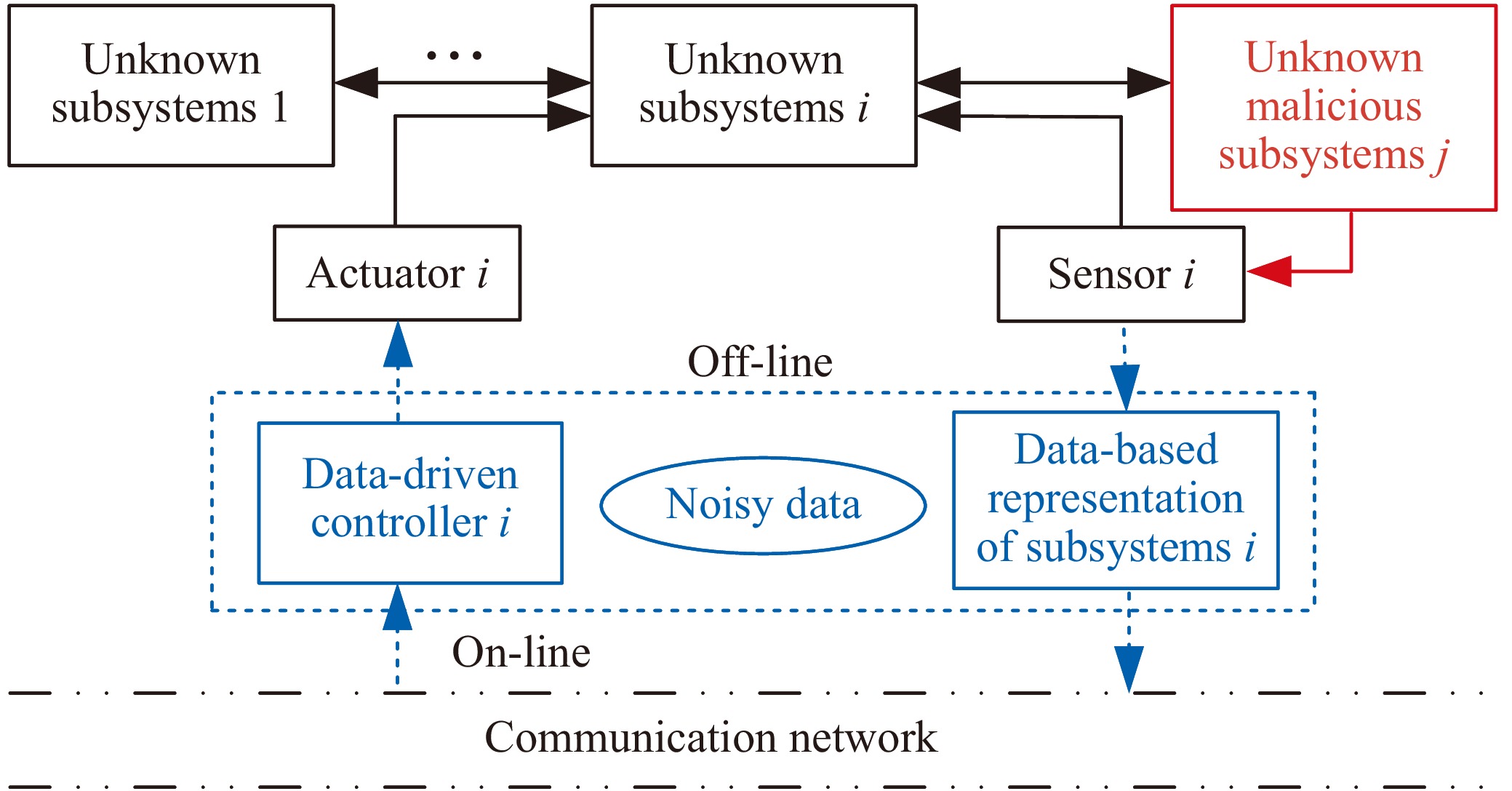
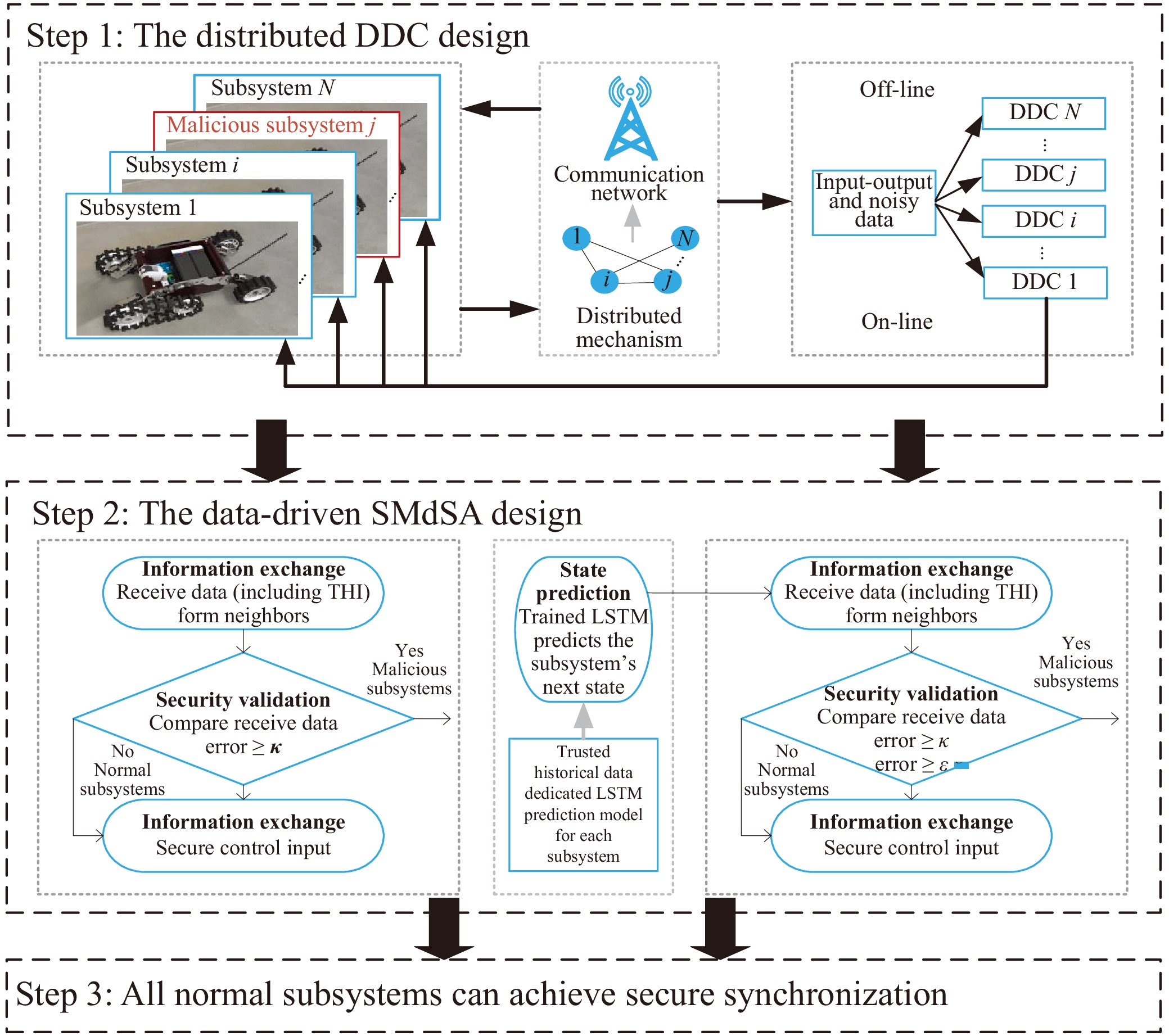
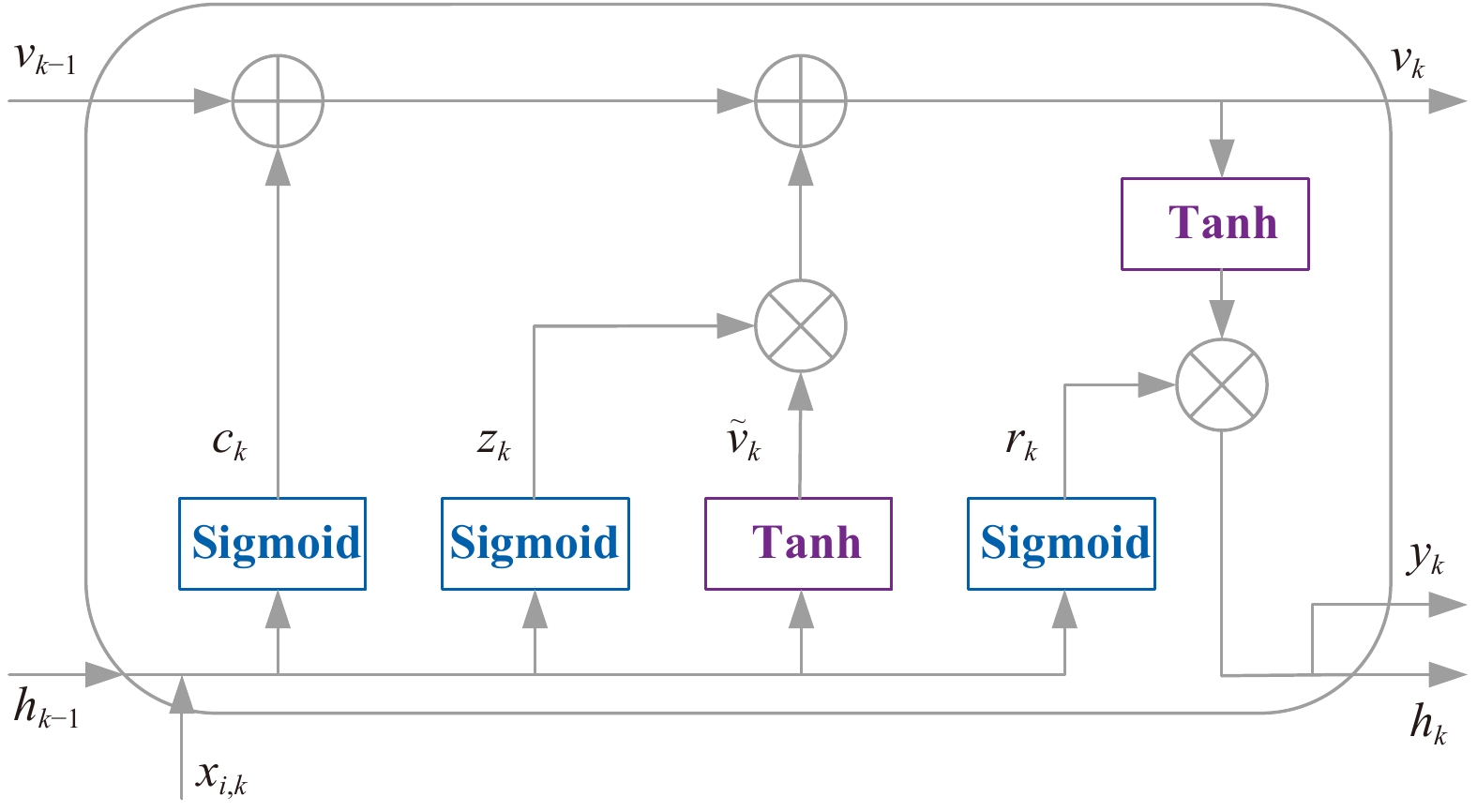
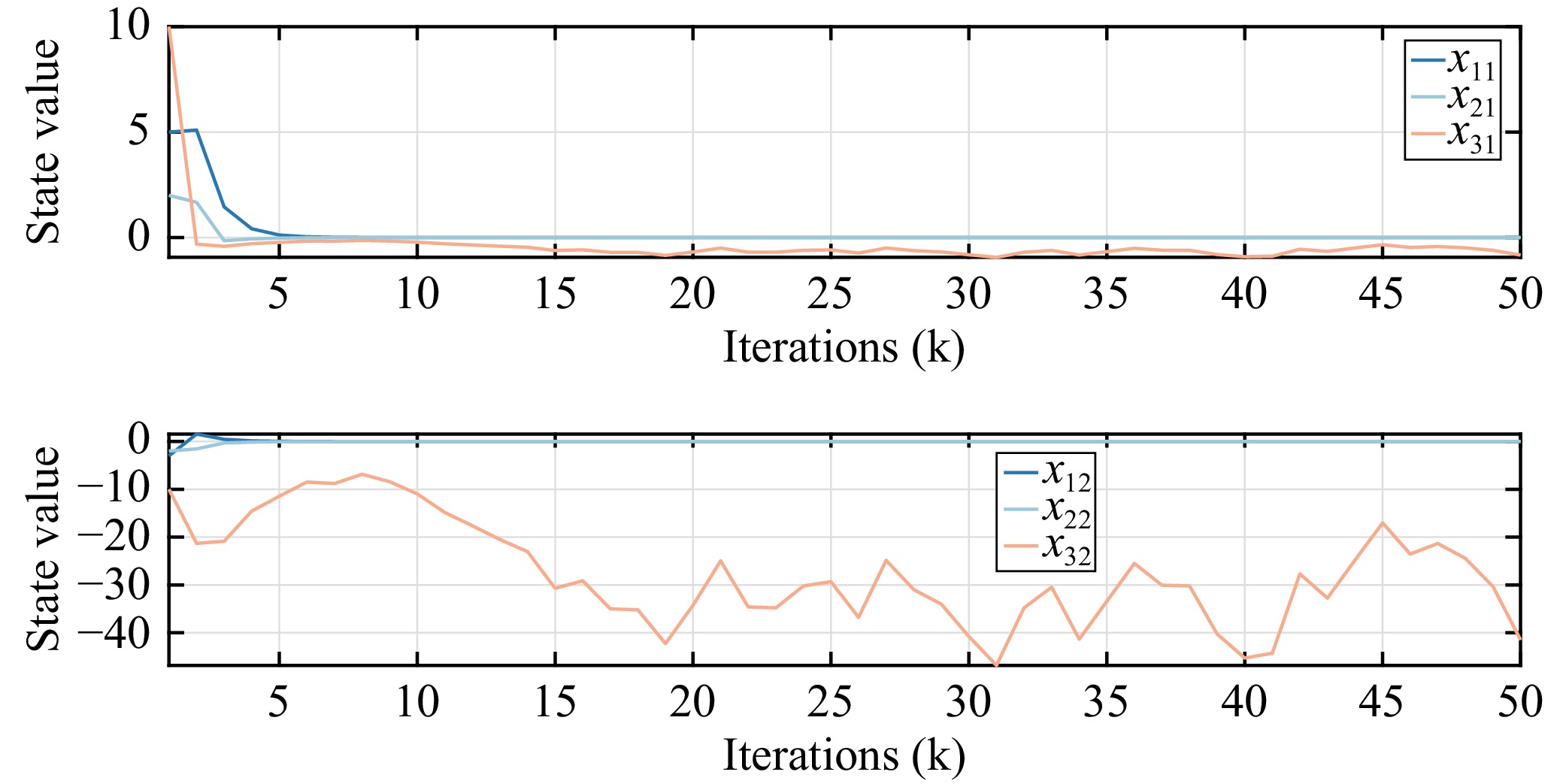
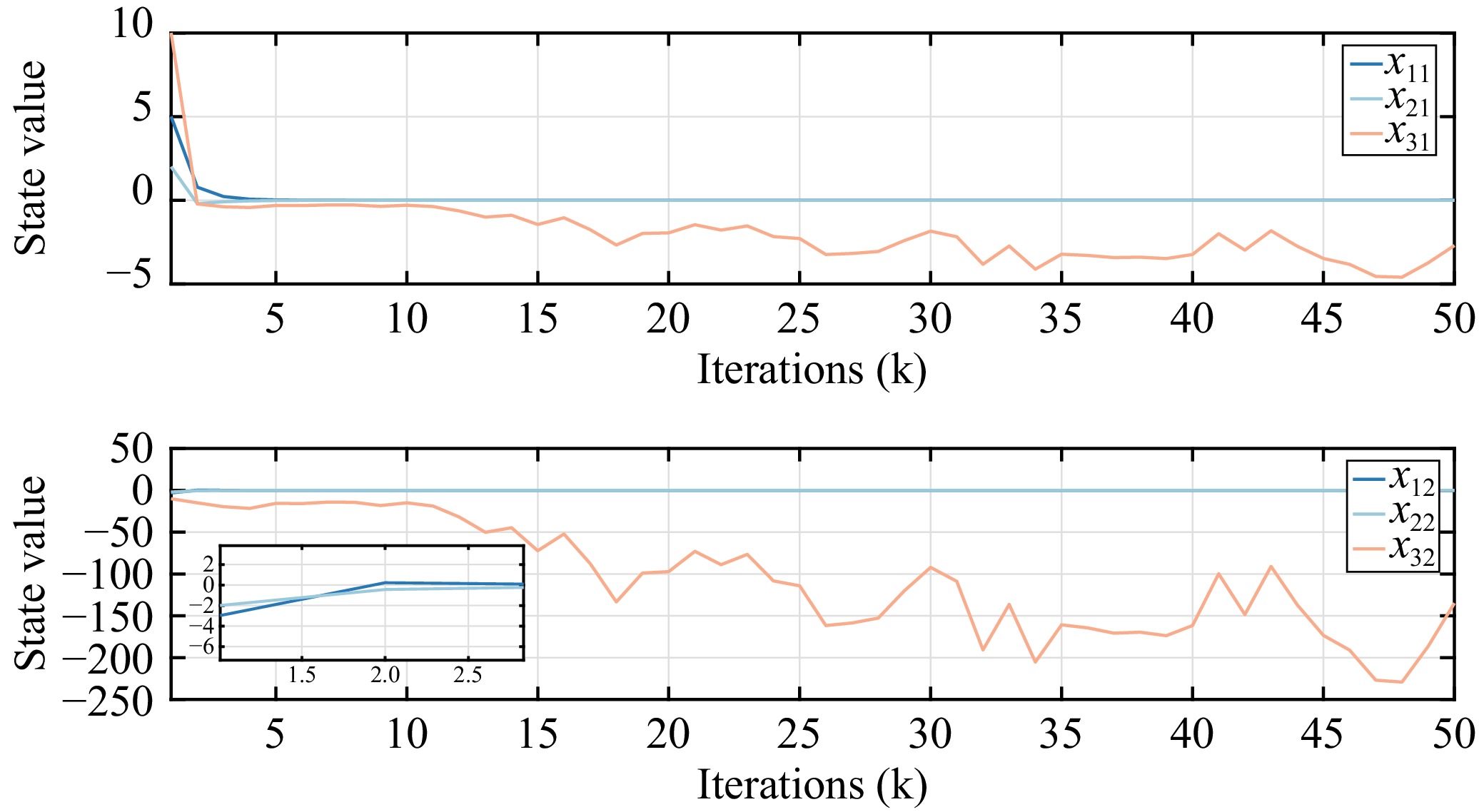
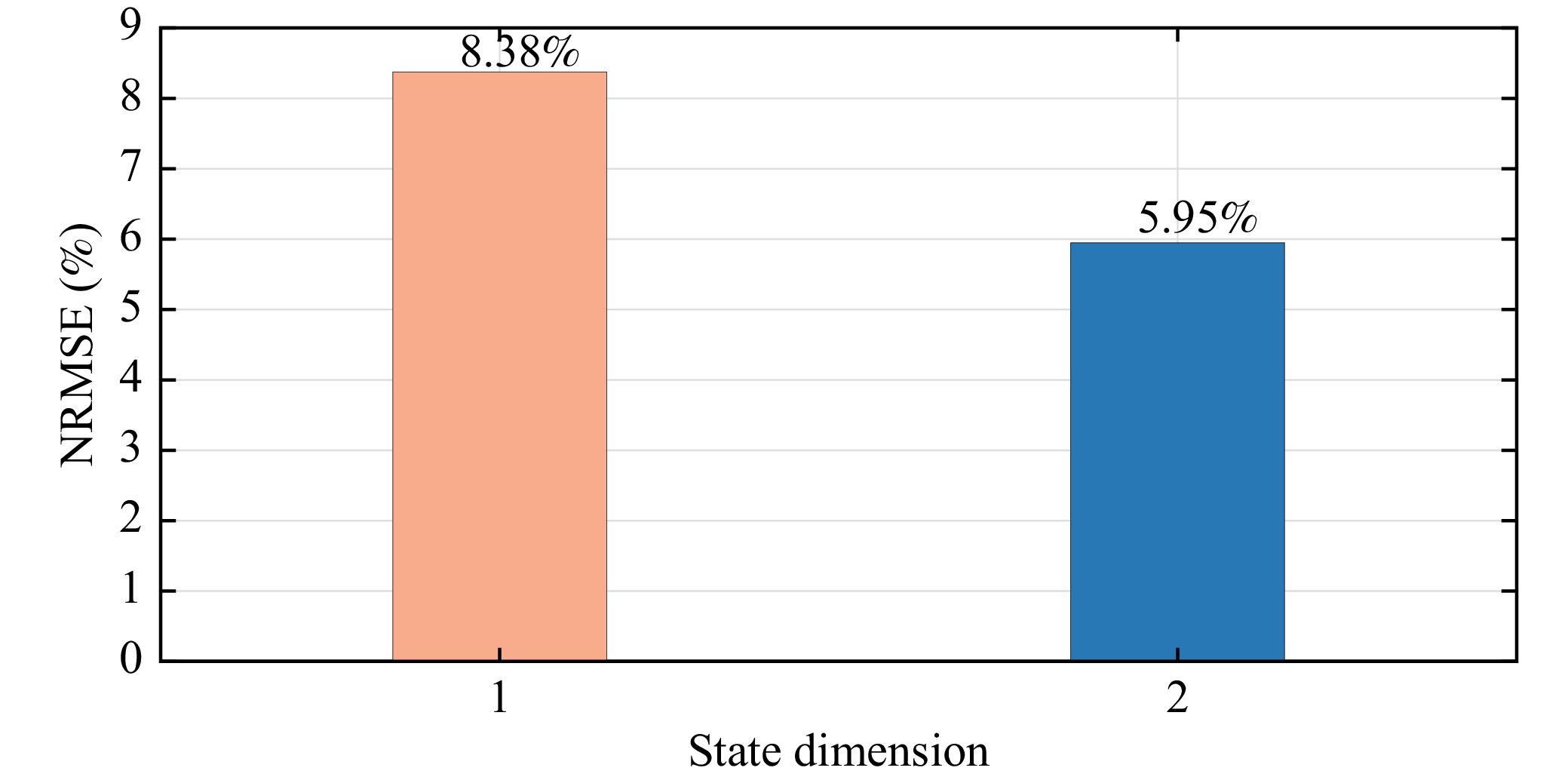
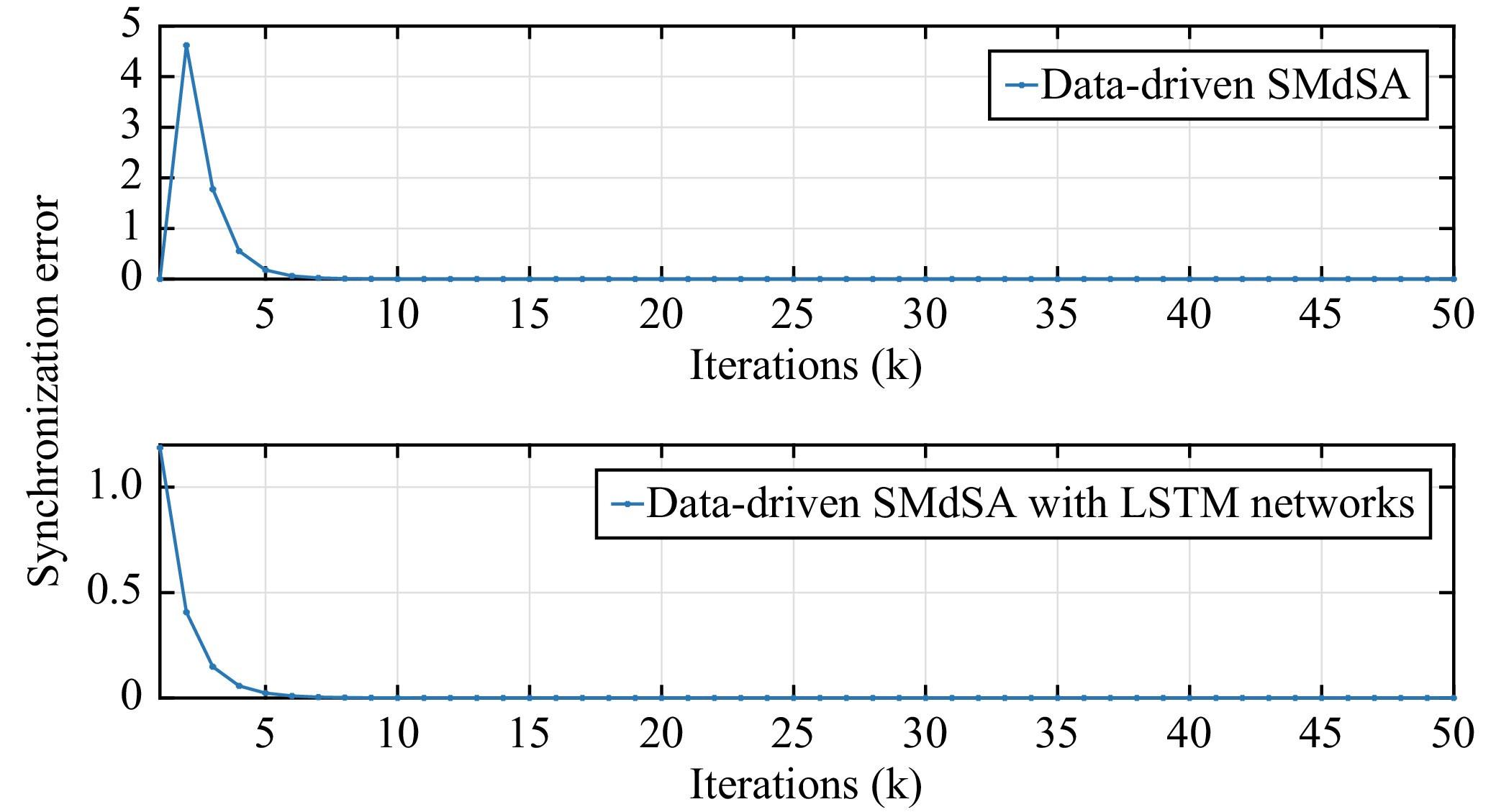
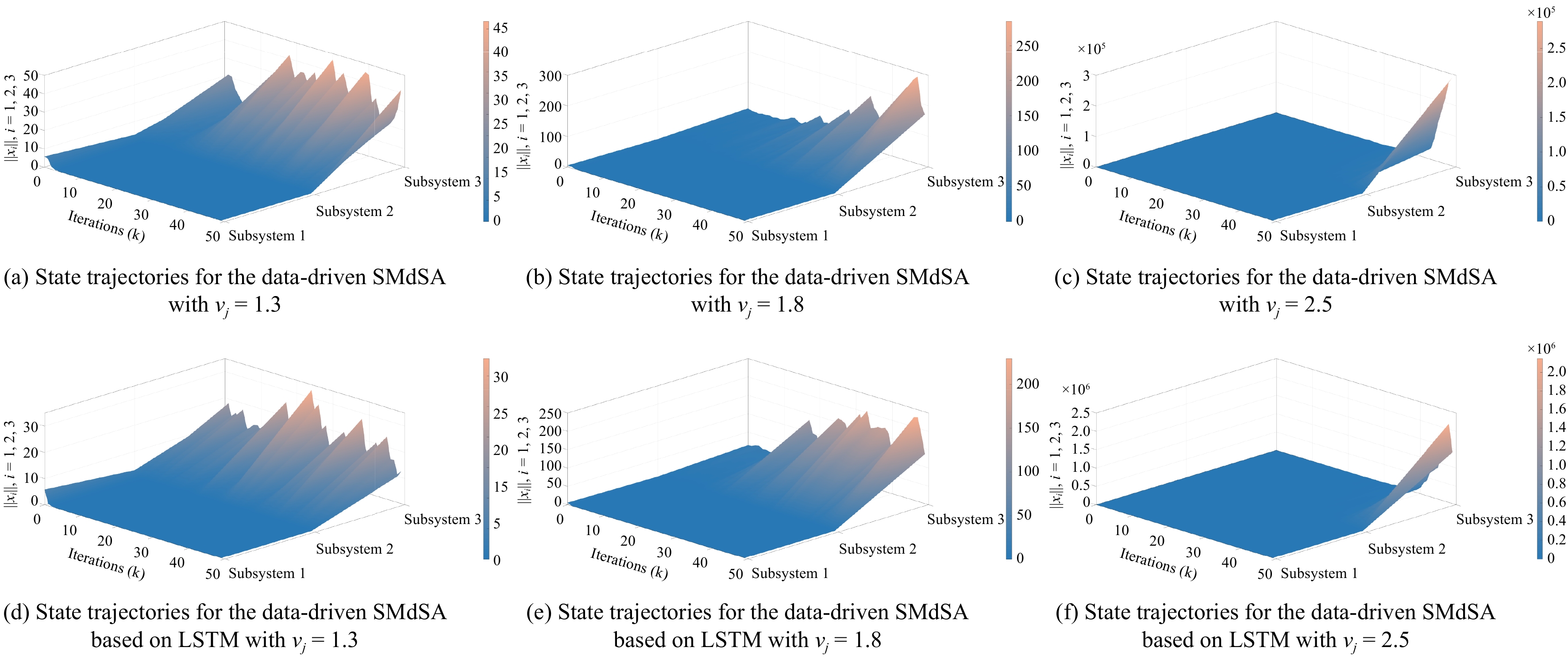
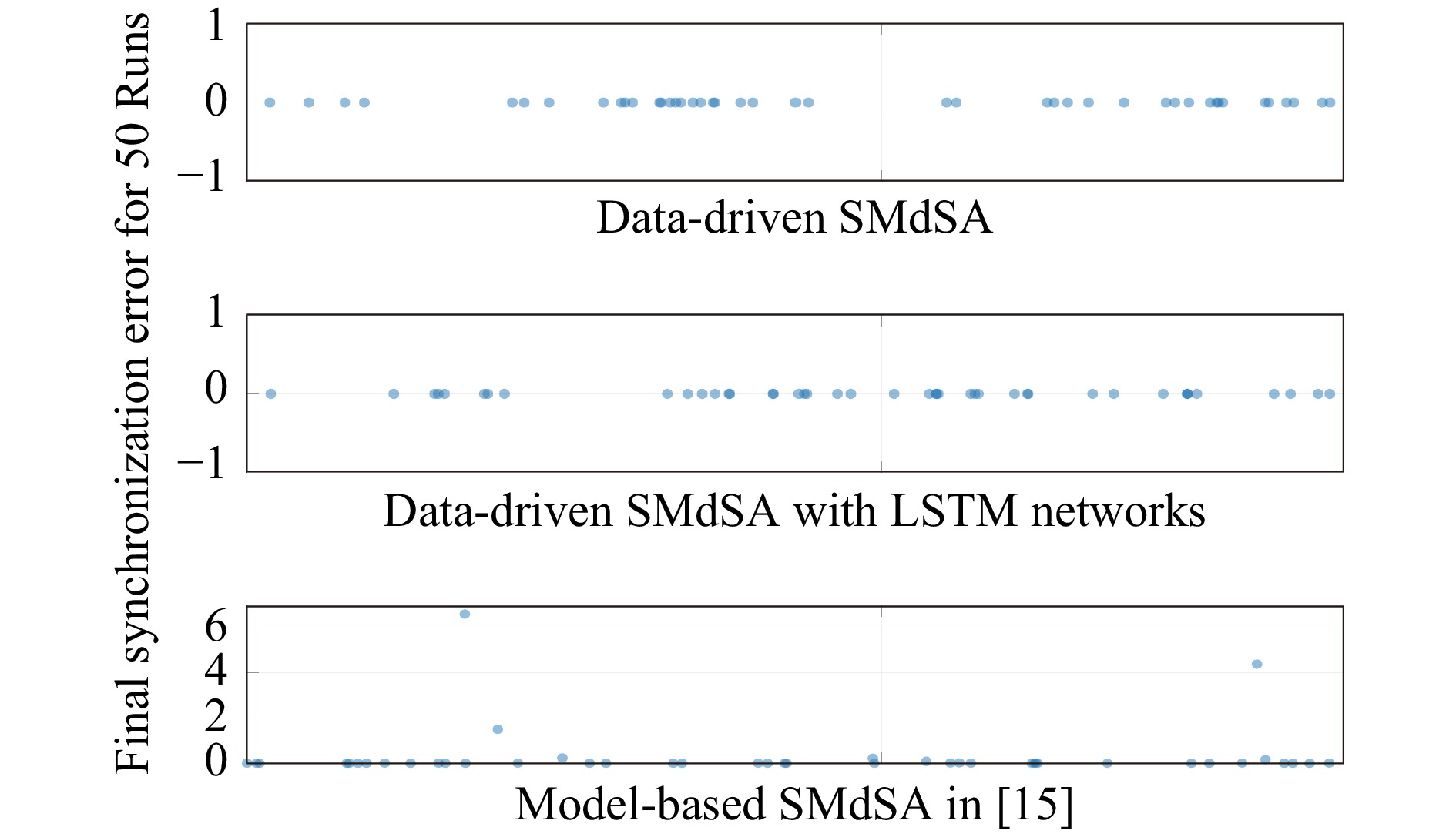
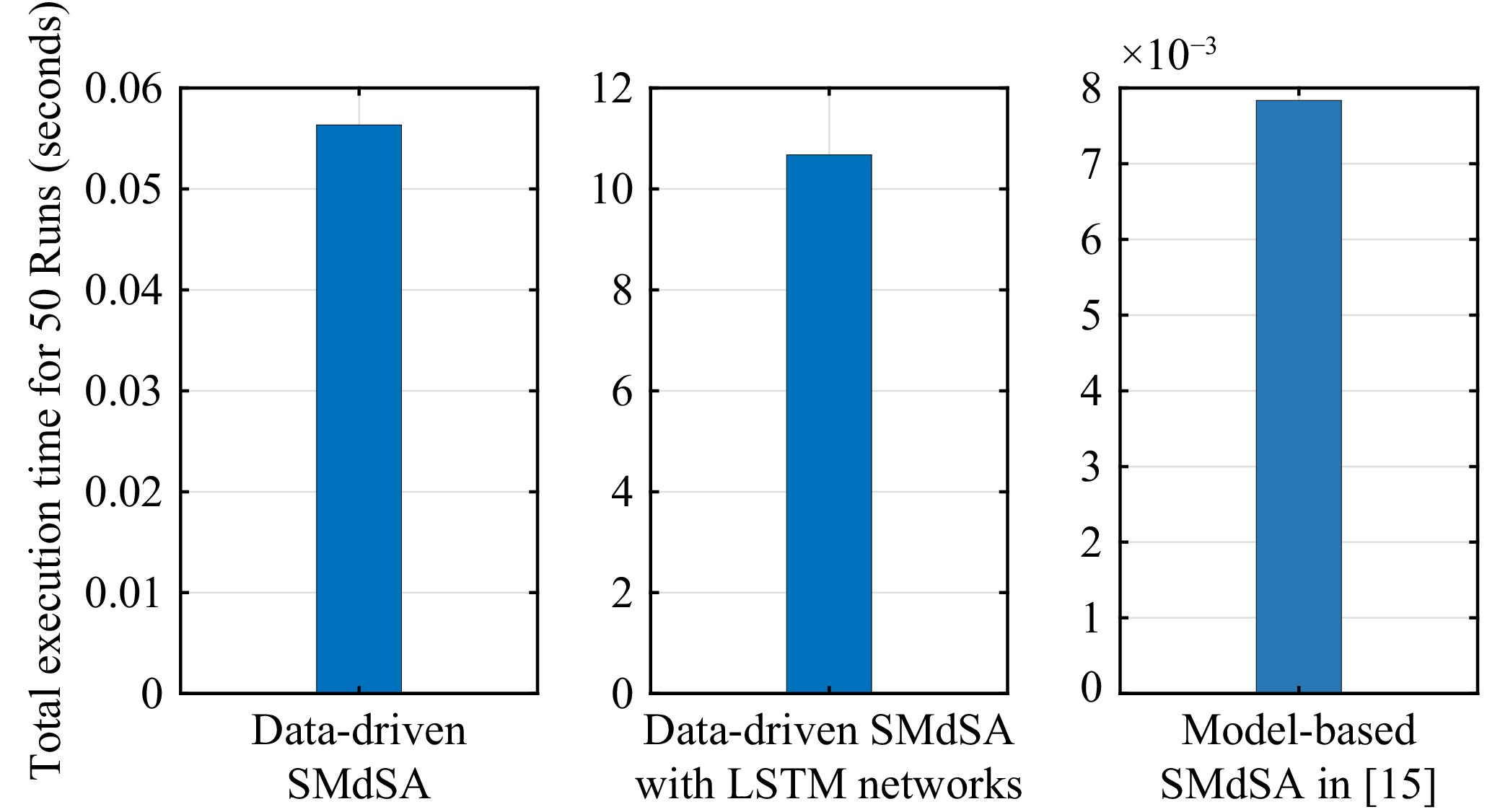
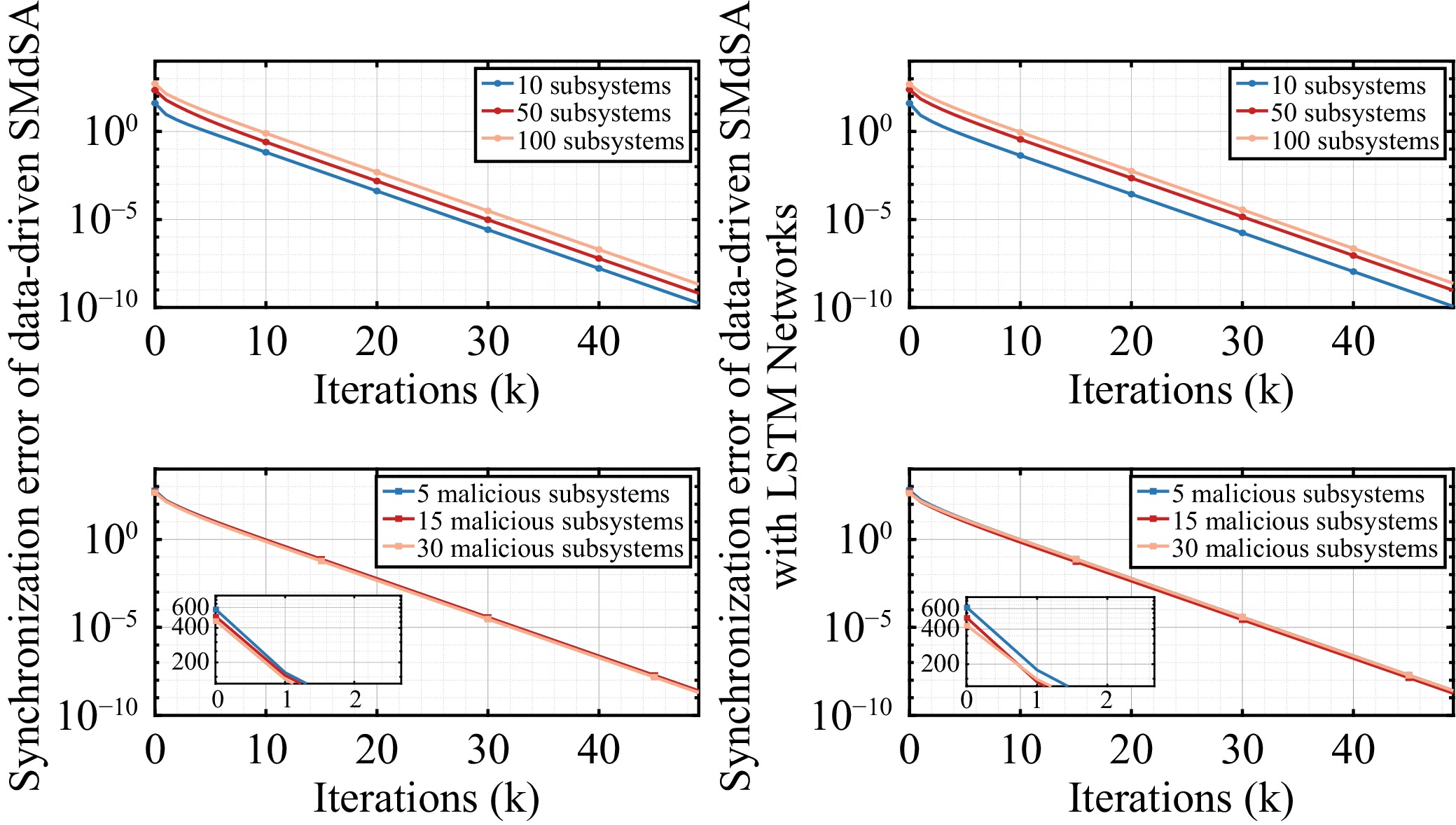
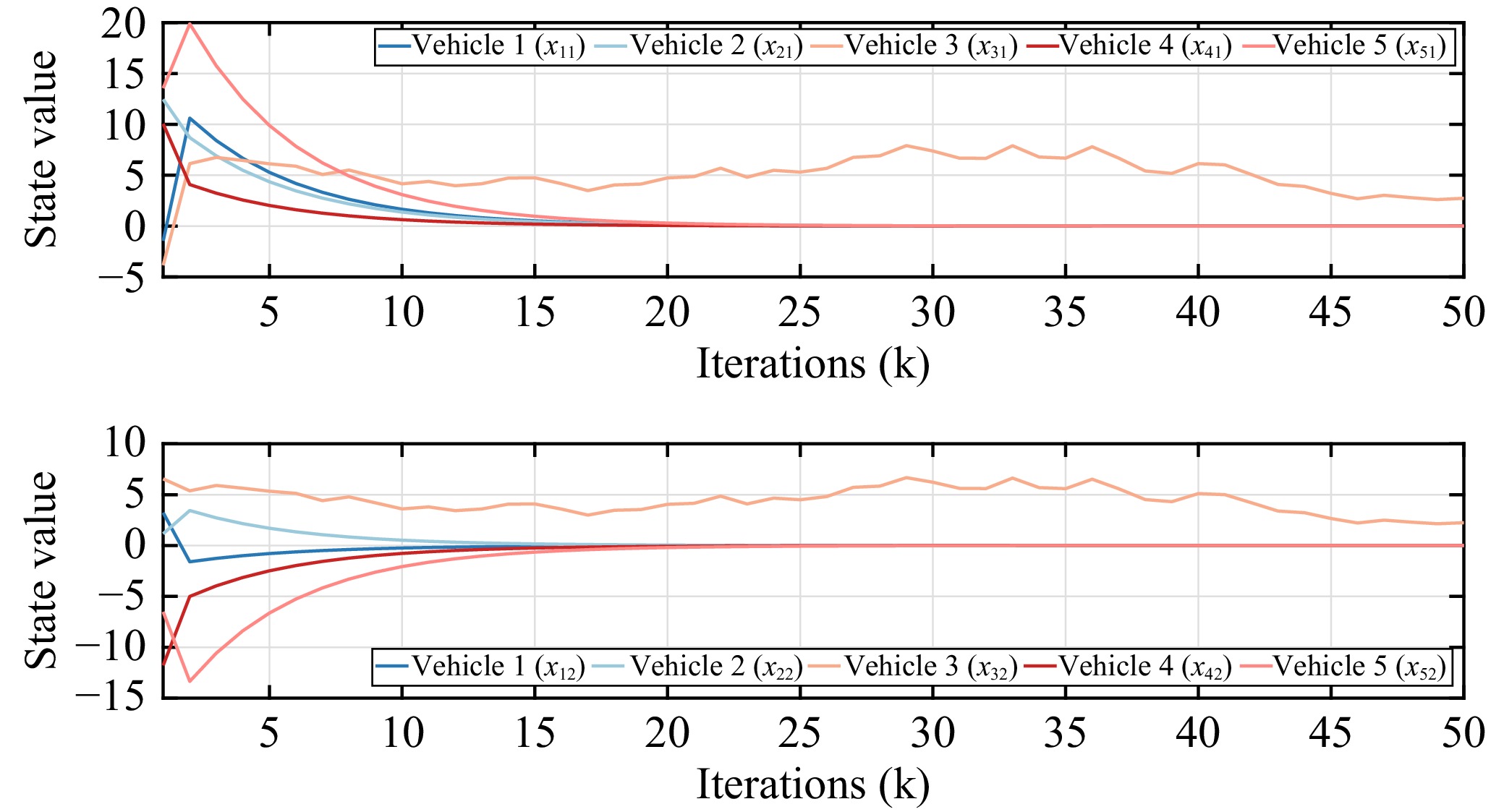
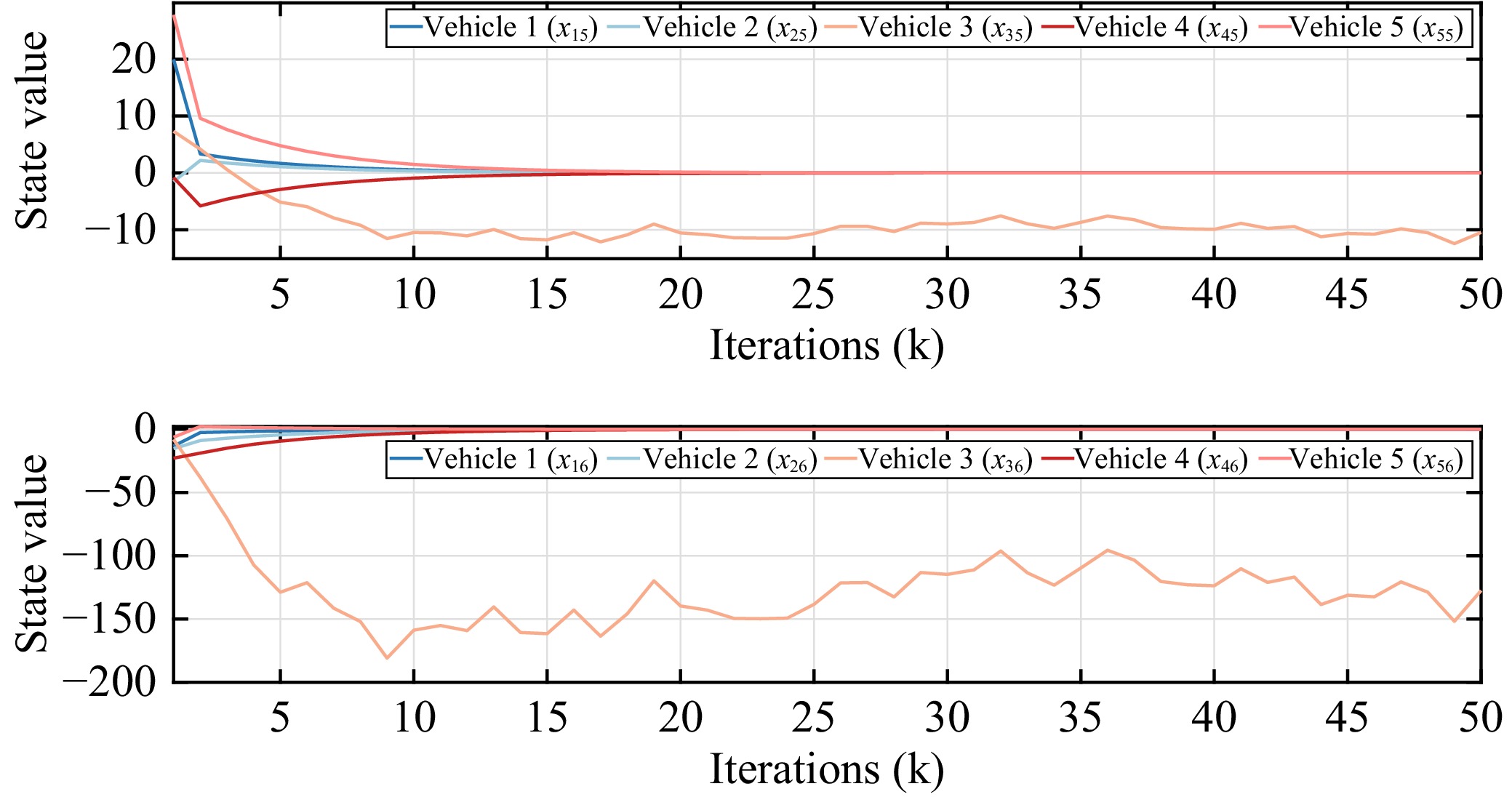
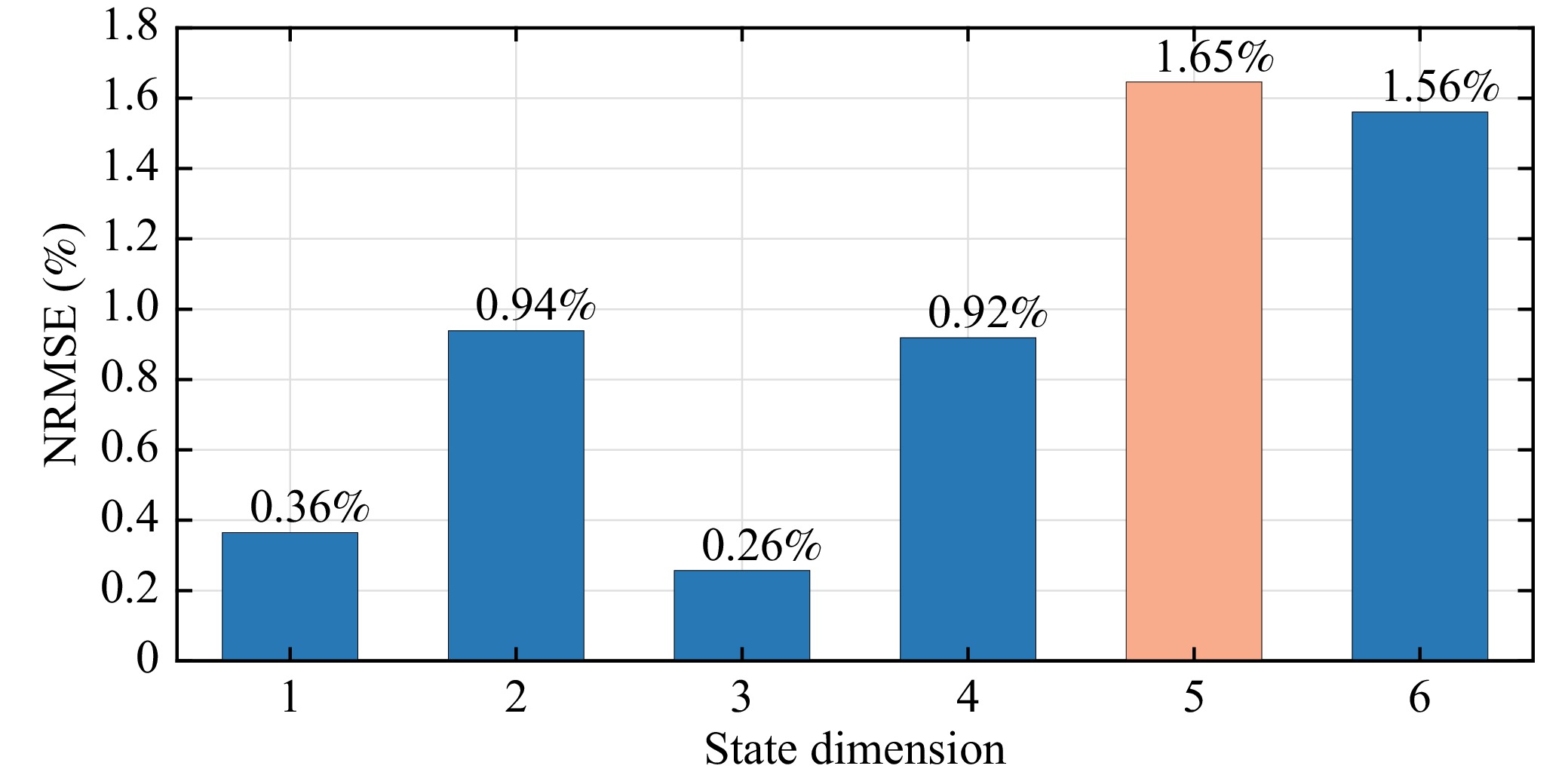
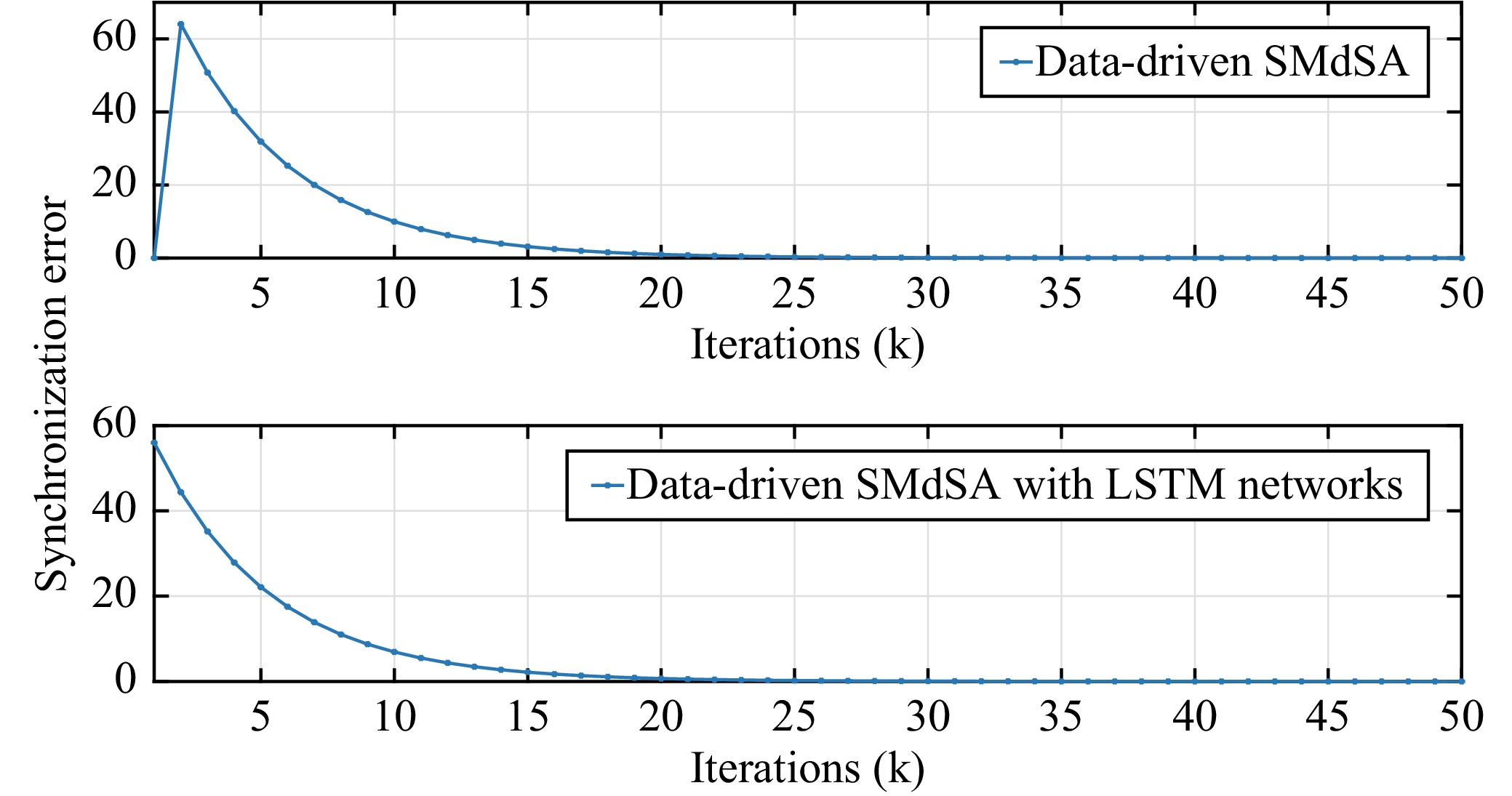
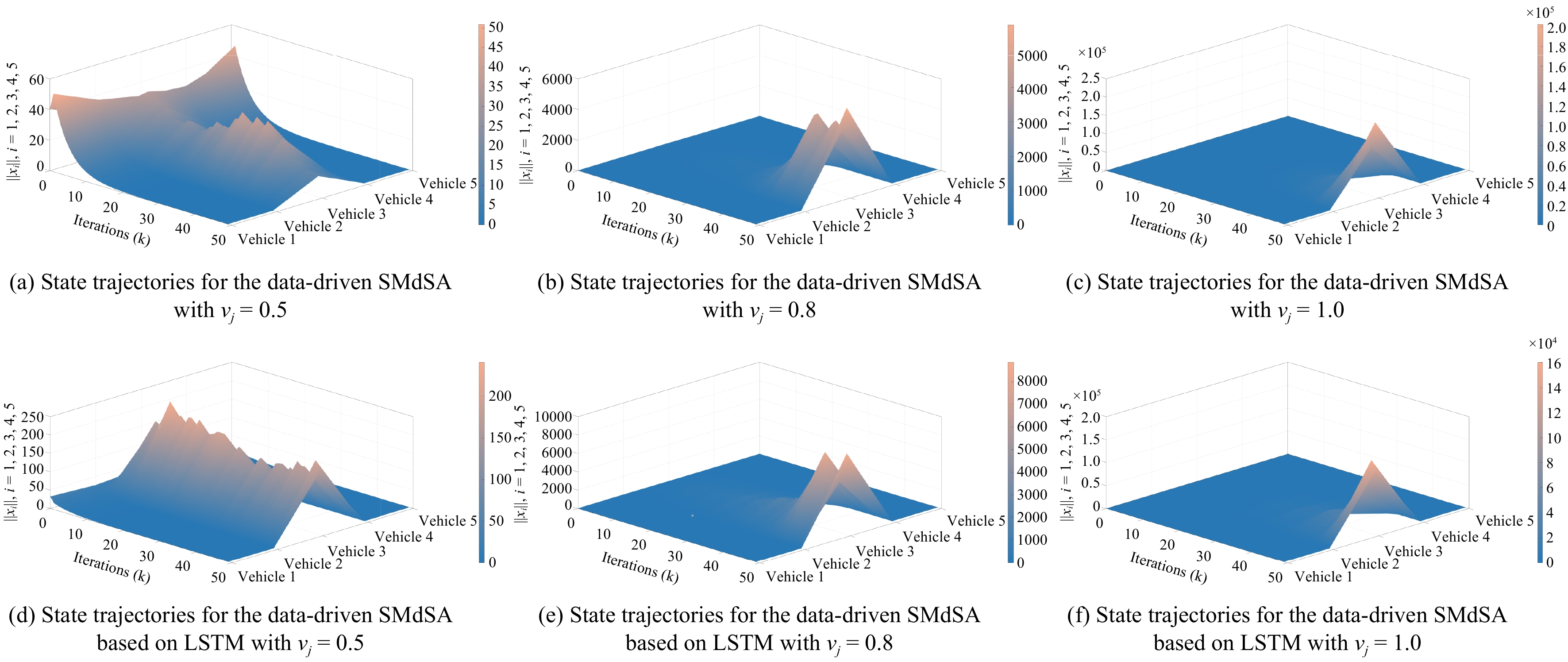
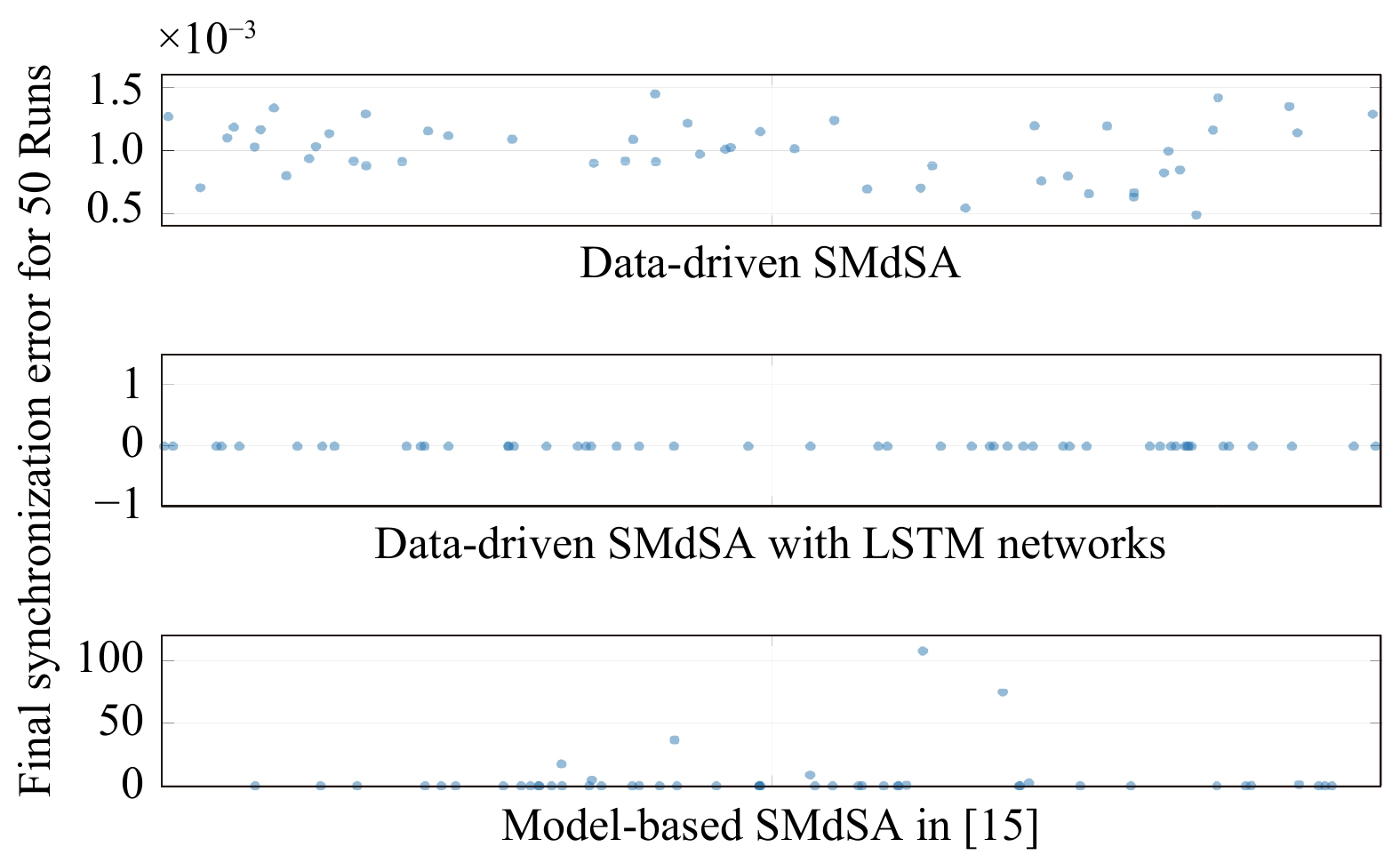
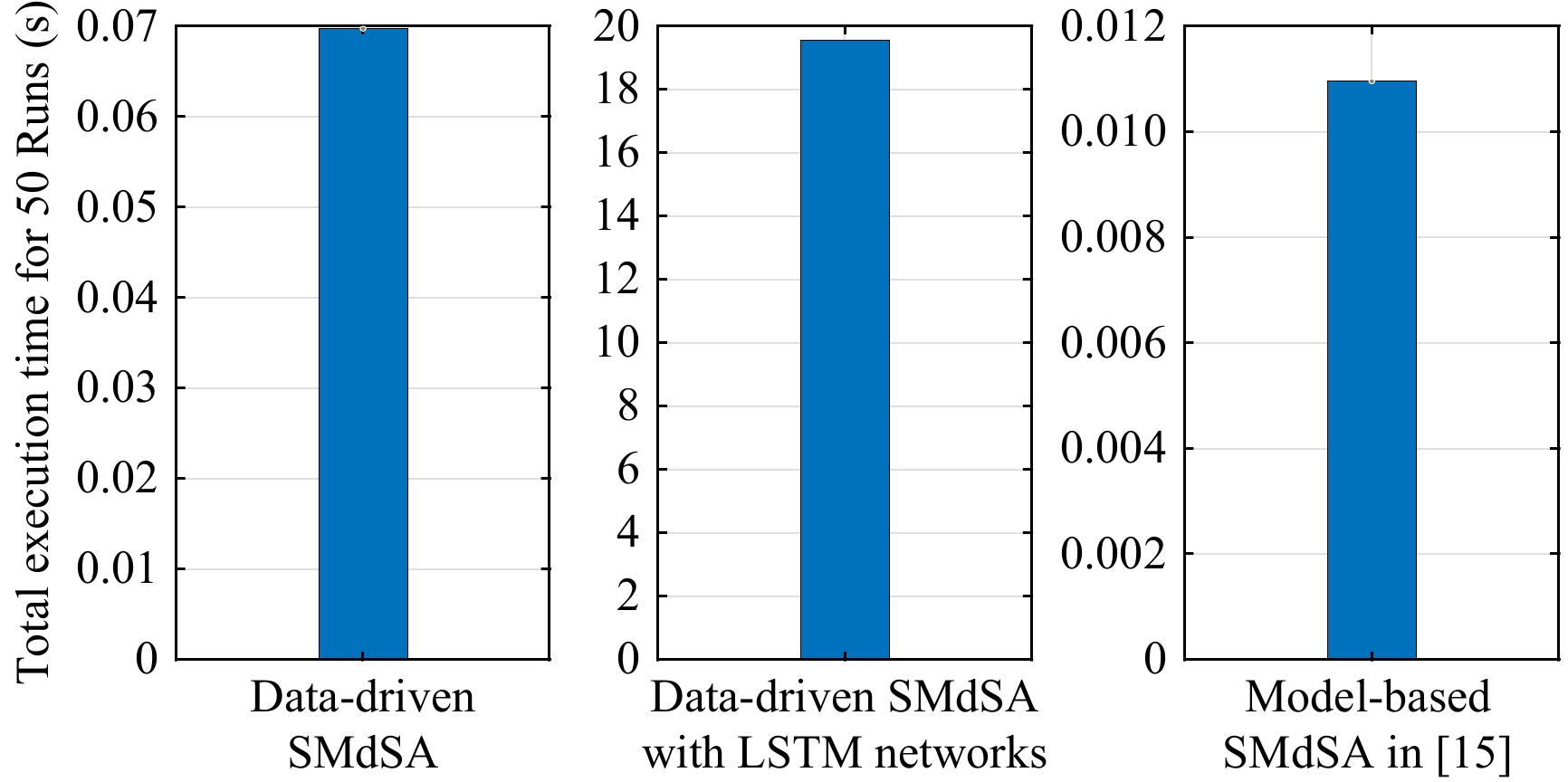
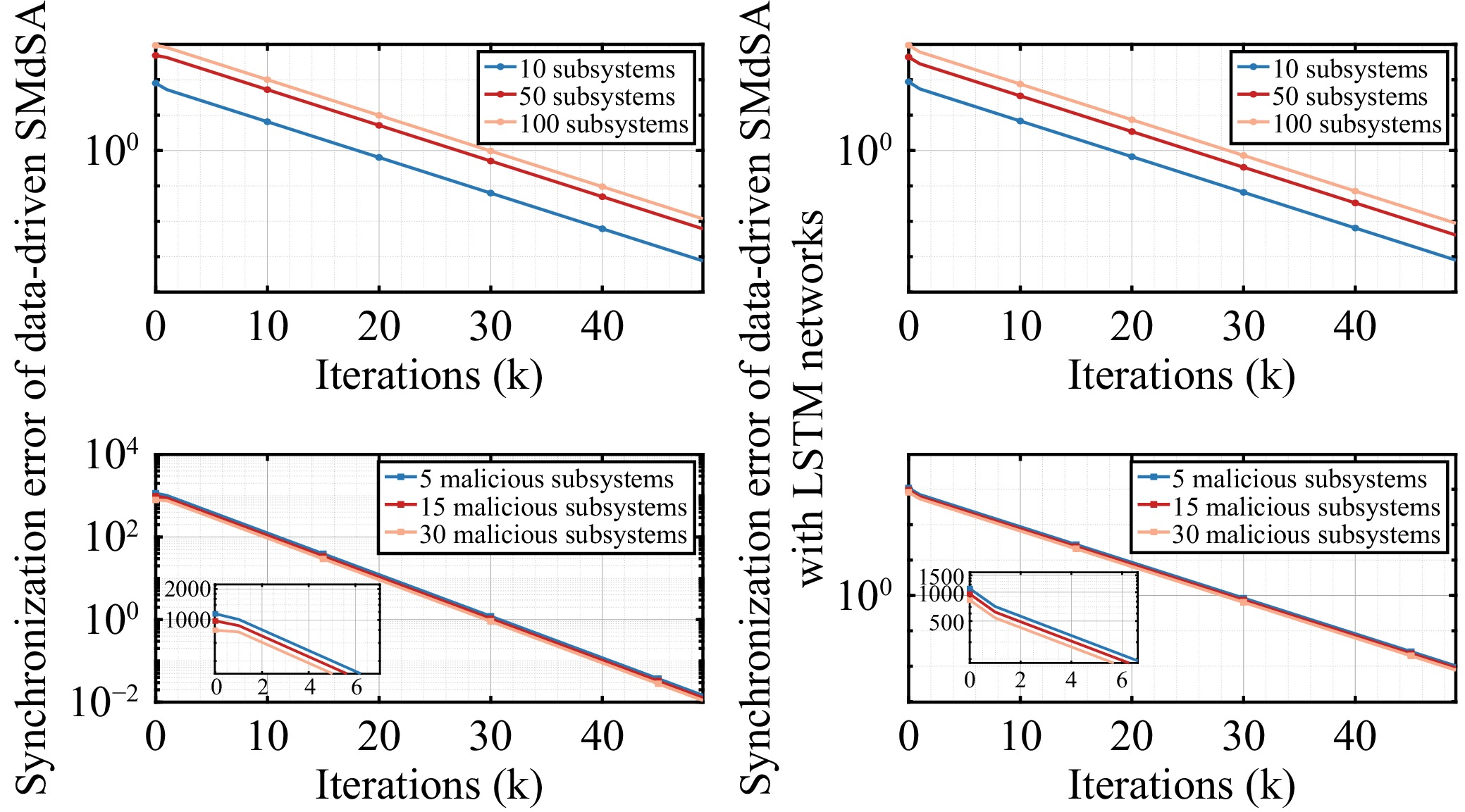
This paper presents a data-driven multi-dimensional synchronization for unknown interconnected systems with malicious subsystems. Data-driven two-hop information and long short-term memory networks are utilized to check the information of neighboring subsystems. The corresponding data representation is constructed for unknown systems with malicious subsystems. A distributed controller is designed using distributed noisy data. Then, a secure multi-dimensional synchronization algorithm with long short-term memory networks is addressed. Necessary and sufficient conditions are derived for all normal subsystems to achieve exponential synchronization. Moreover, the presented approach is extended to the design of the data-driven secure multi-dimensional synchronization algorithm. Finally, two examples of Caltech multi-vehicle wireless testbed vehicles and the non-isothermal continuous stirred tank reactor system are provided to verify the effectiveness of the obtained results.
LETTERS
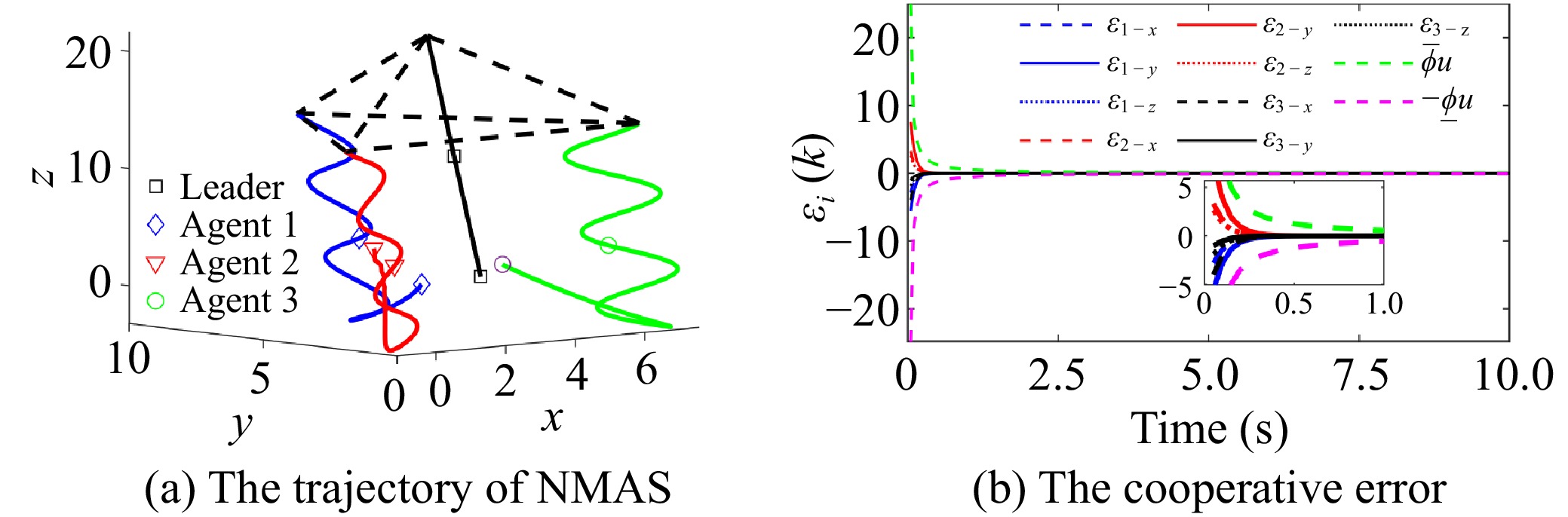
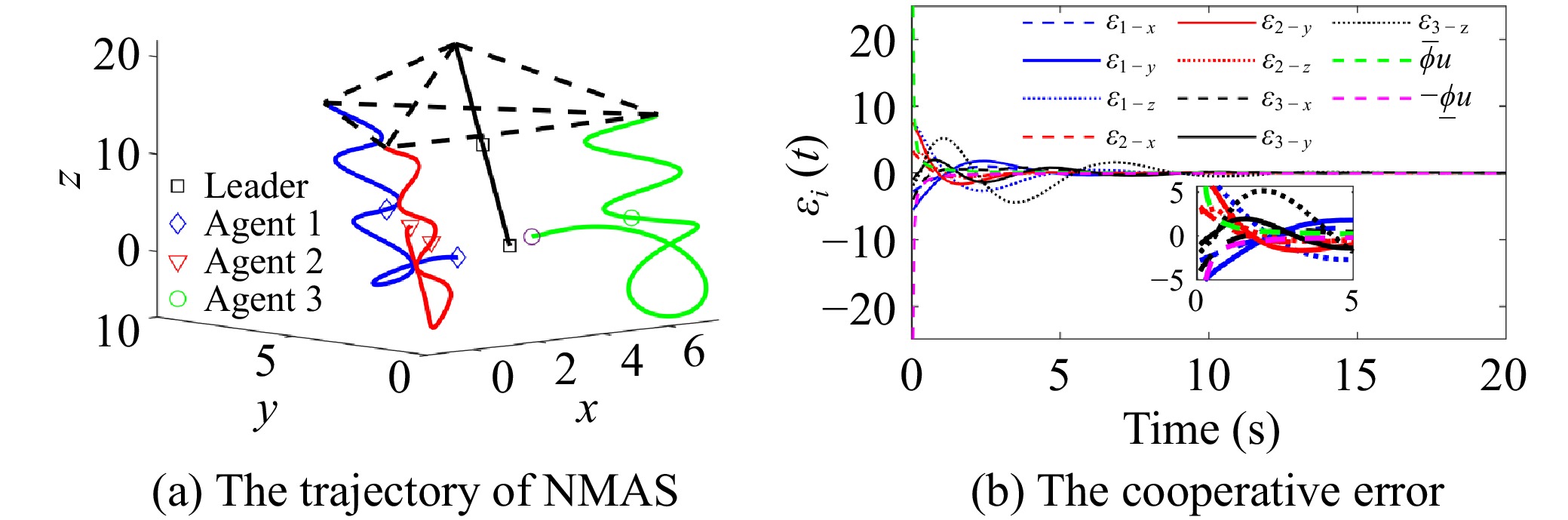
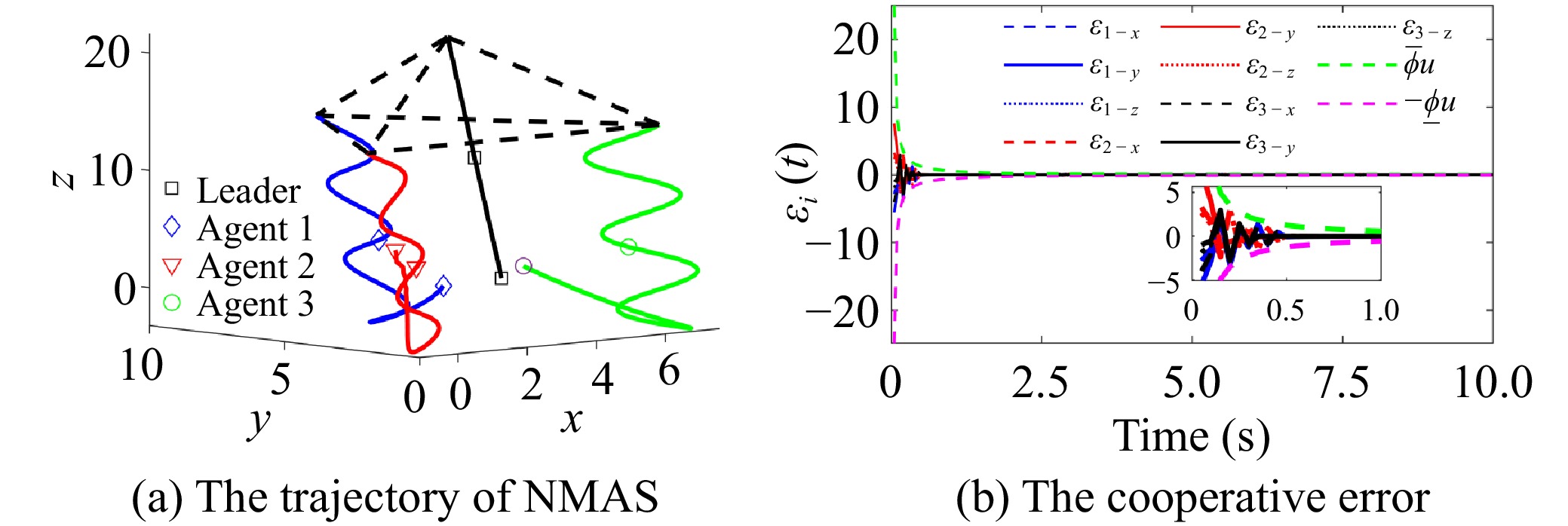
Cloud-Based Formation Tracking Control of Networked Multi-Agent Systems With Network Delay Compensation and Prescribed Performance Guarantee
Rui-Min Zhou, Yingying Pang, Chang-Bing Zheng, Lina Yao
2026, 13(9): 2163-2165. doi: 10.1109/JAS.2025.125645
Abstract(12) HTML (8) PDF(0)
Abstract:
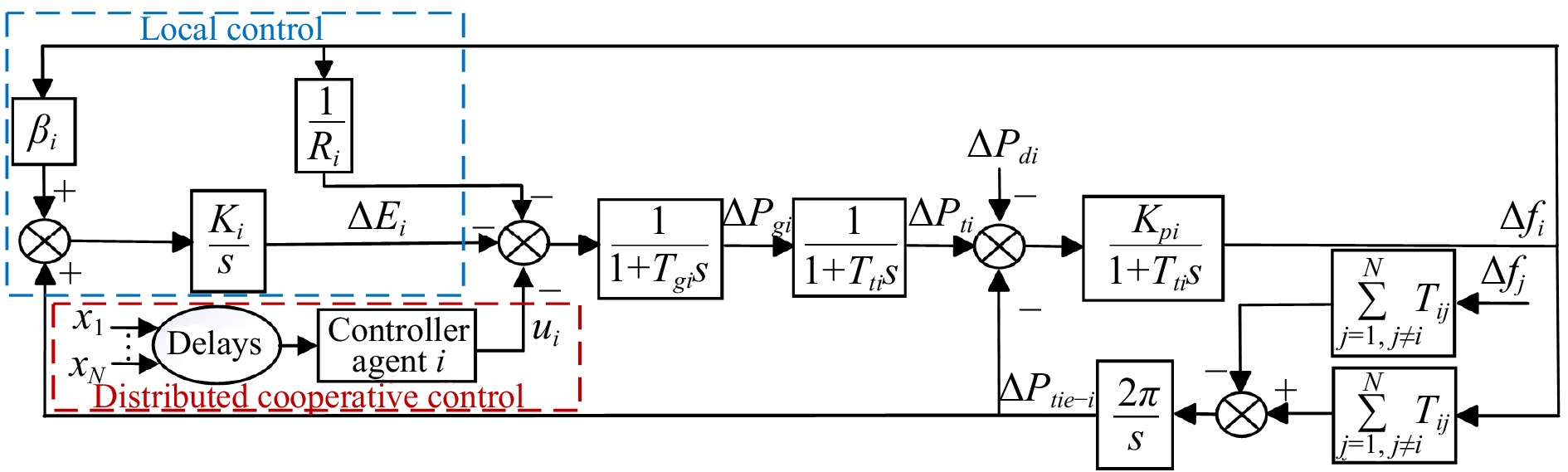
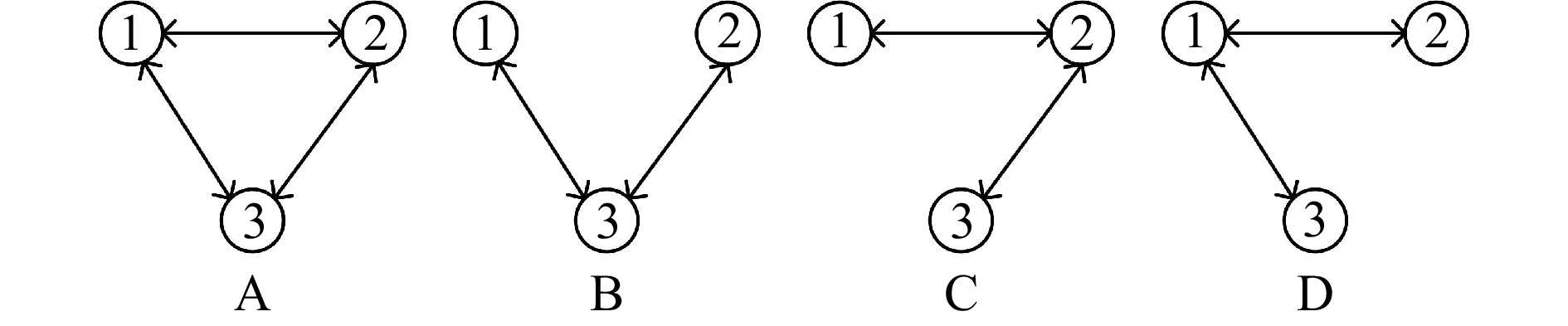
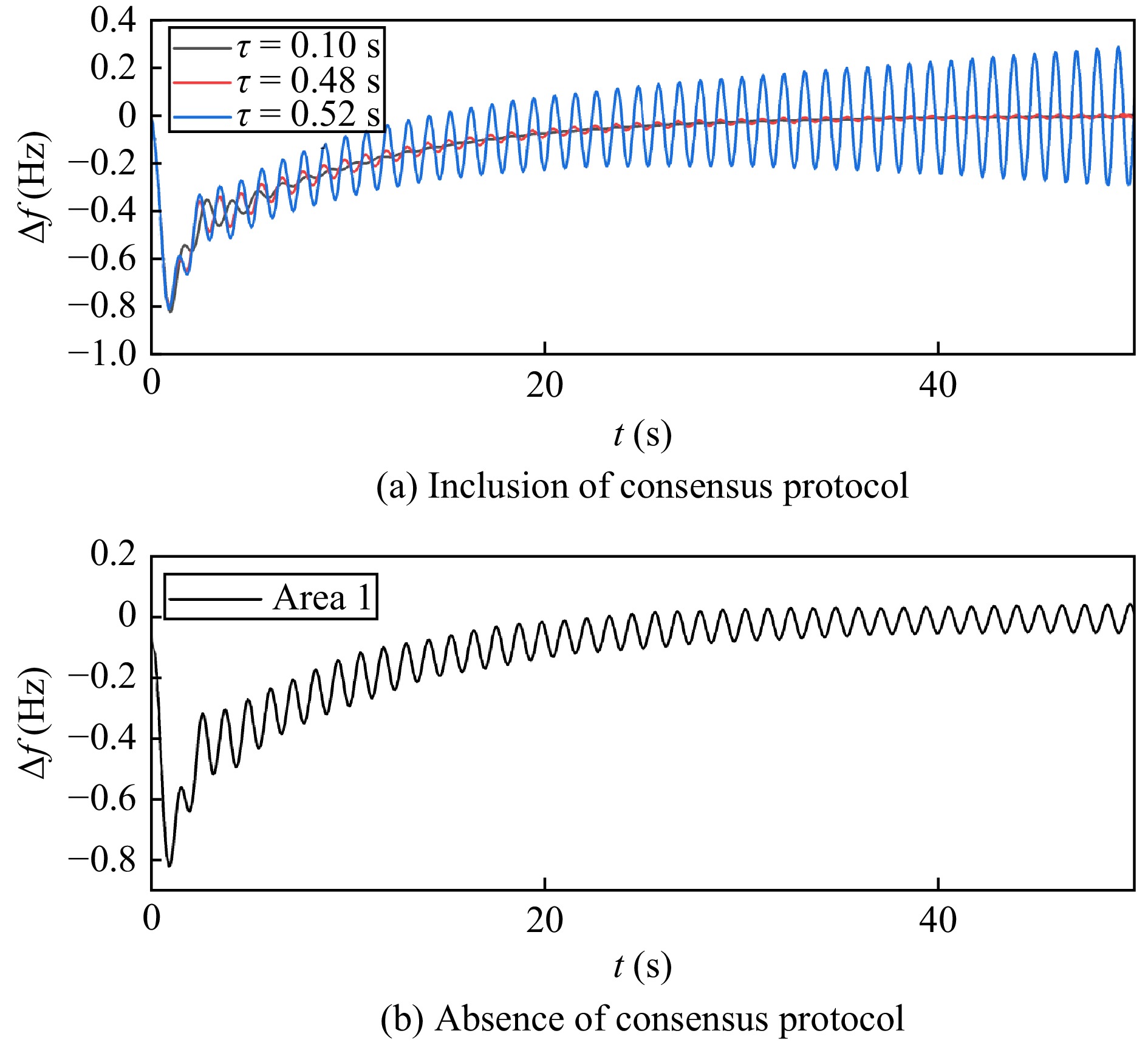
Consensus Evaluation of Multi-Agent-Based Distributed Load Frequency Control with Time-Varying Delays and Communication Topologies
Xing-Chen Shangguan, Jia-Ju Shen, Yong He, Chuan-Ke Zhang
2026, 13(9): 2166-2168. doi: 10.1109/JAS.2025.125651
Abstract(29) HTML (10) PDF(9)
Abstract:
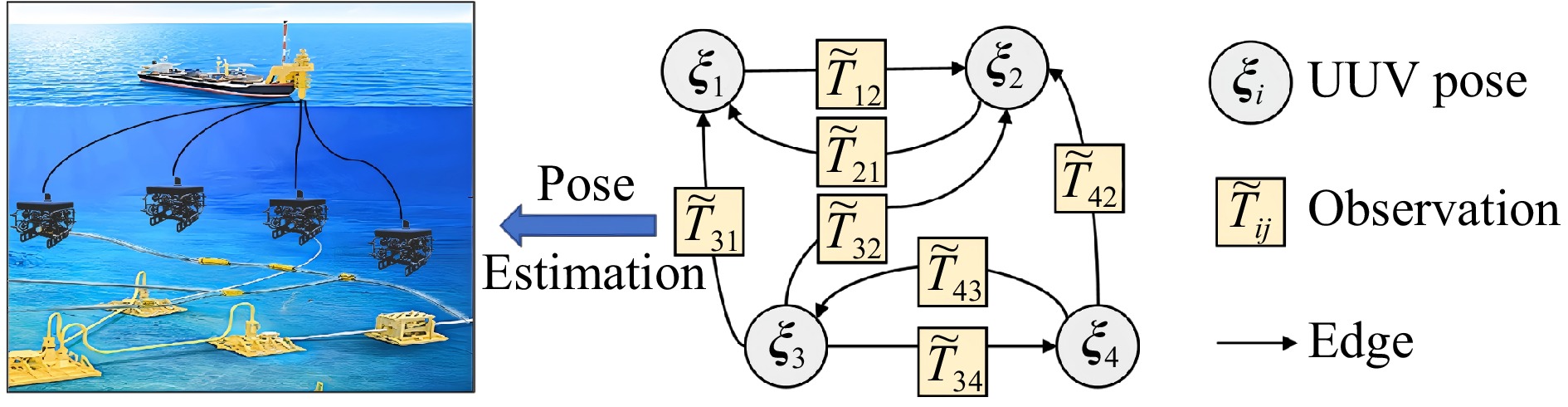
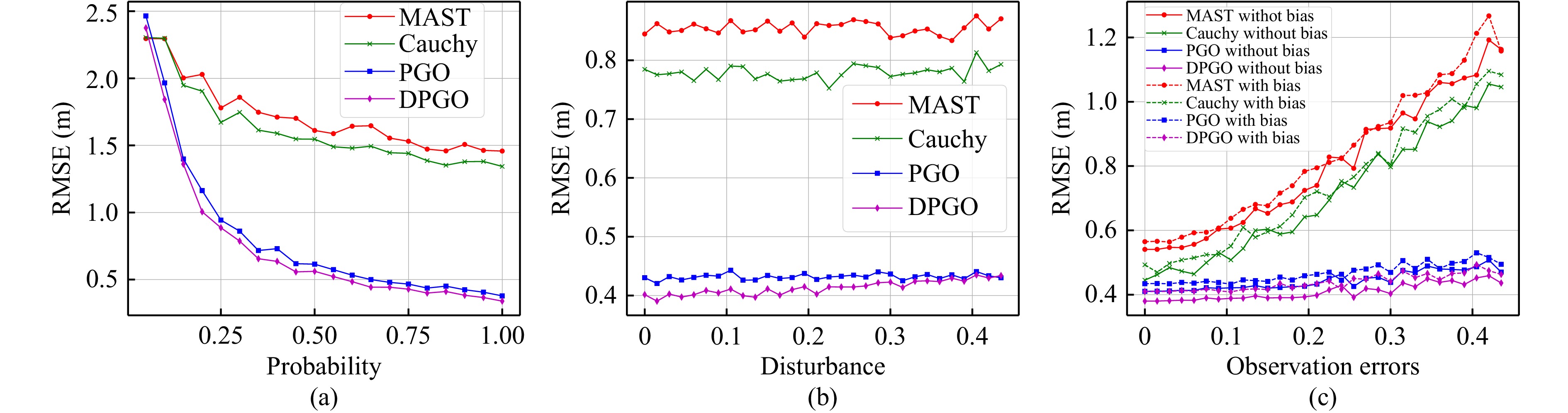
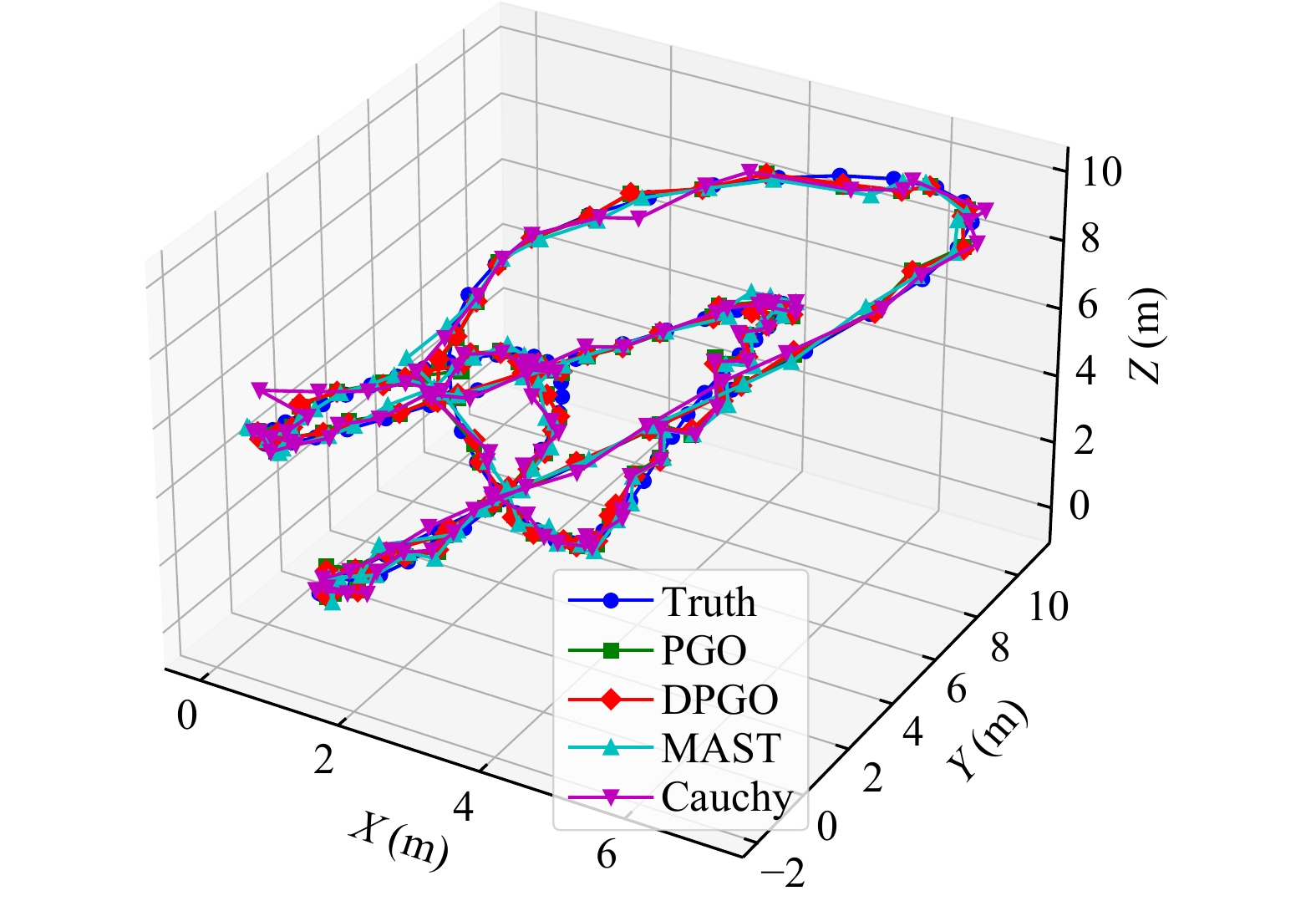
Depth Information Integrated Pose Graph Optimization for Multiple UUVs
Zhikun Zhu, Yichen Li, Wenbin Yu, Cailian Chen, Xinping Guan
2026, 13(9): 2169-2171. doi: 10.1109/JAS.2025.125654
Abstract(11) HTML (7) PDF(0)
Abstract:
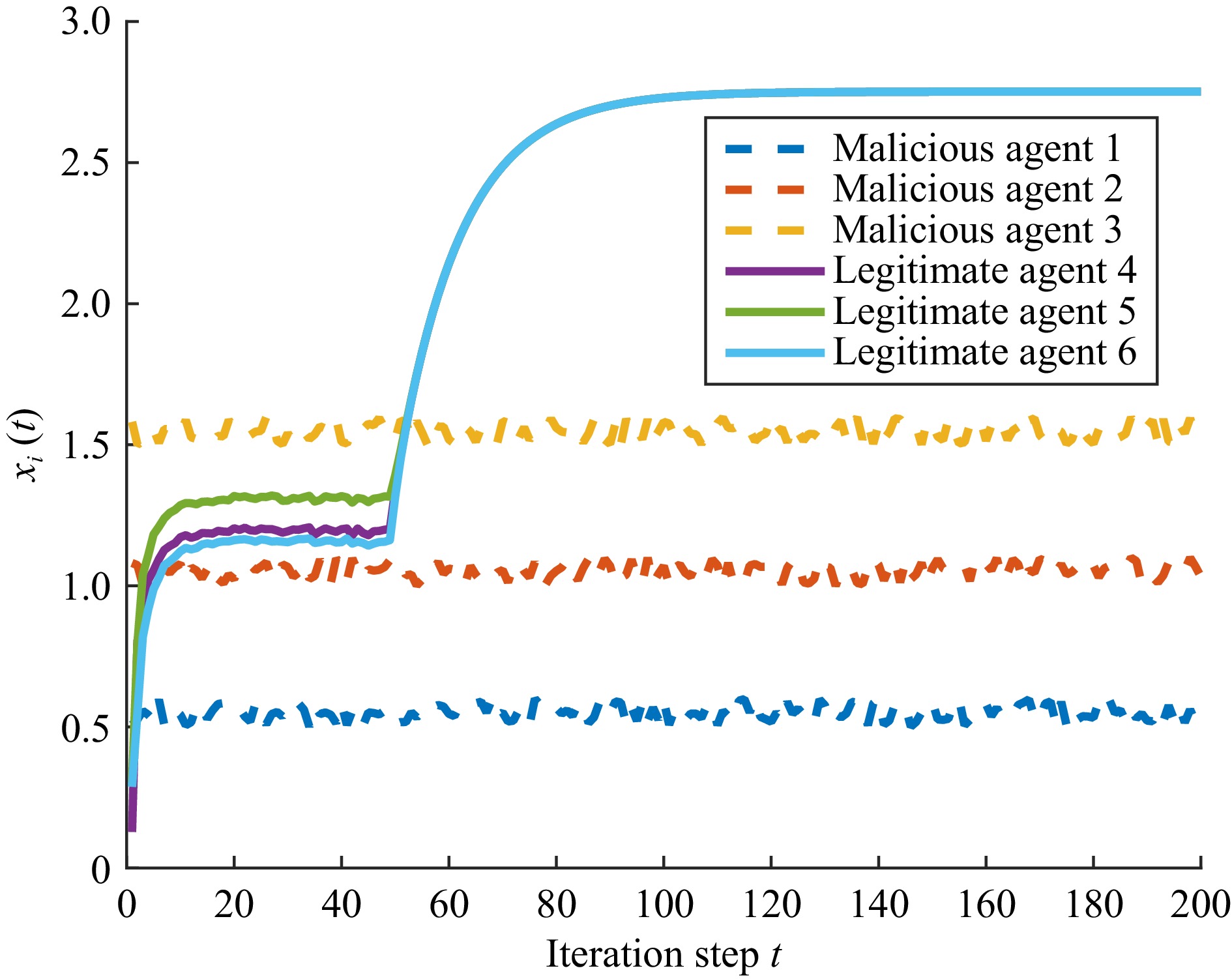
Resilient Distributed Optimization With Trust Opinion Dynamics for Cyber-Physical Systems Over Directed Graphs
Yifan Wang, Chengze Zhang, Xianghui Cao
2026, 13(9): 2172-2174. doi: 10.1109/JAS.2025.125657
Abstract(14) HTML (6) PDF(0)
Abstract:
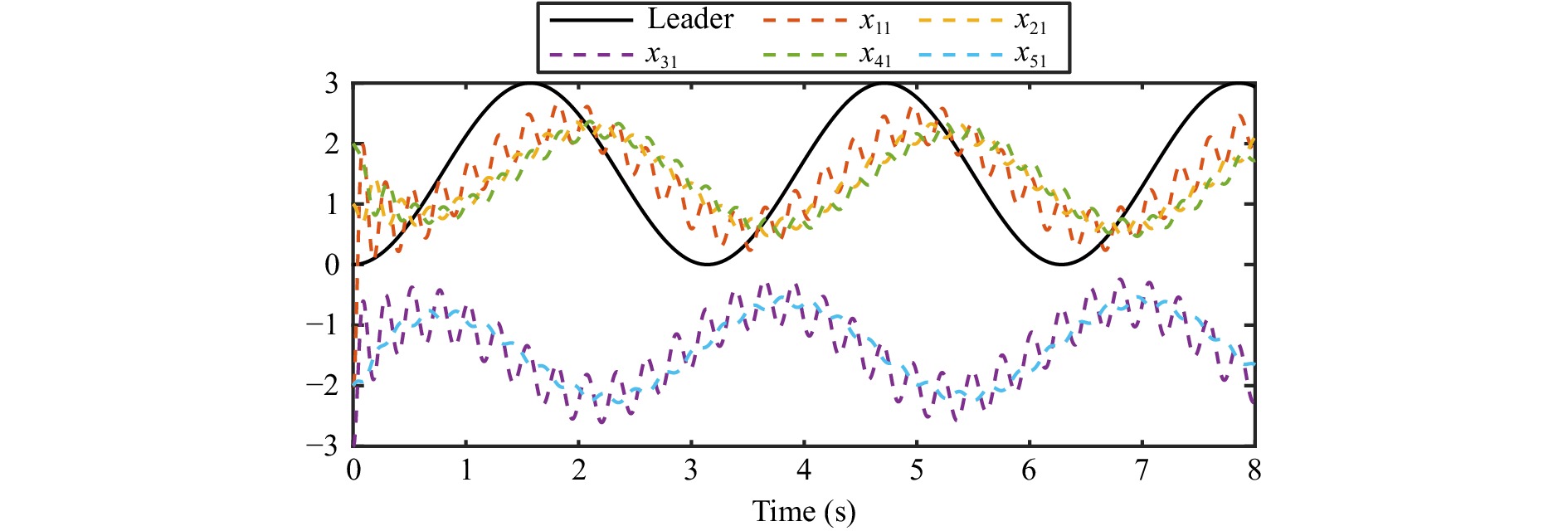
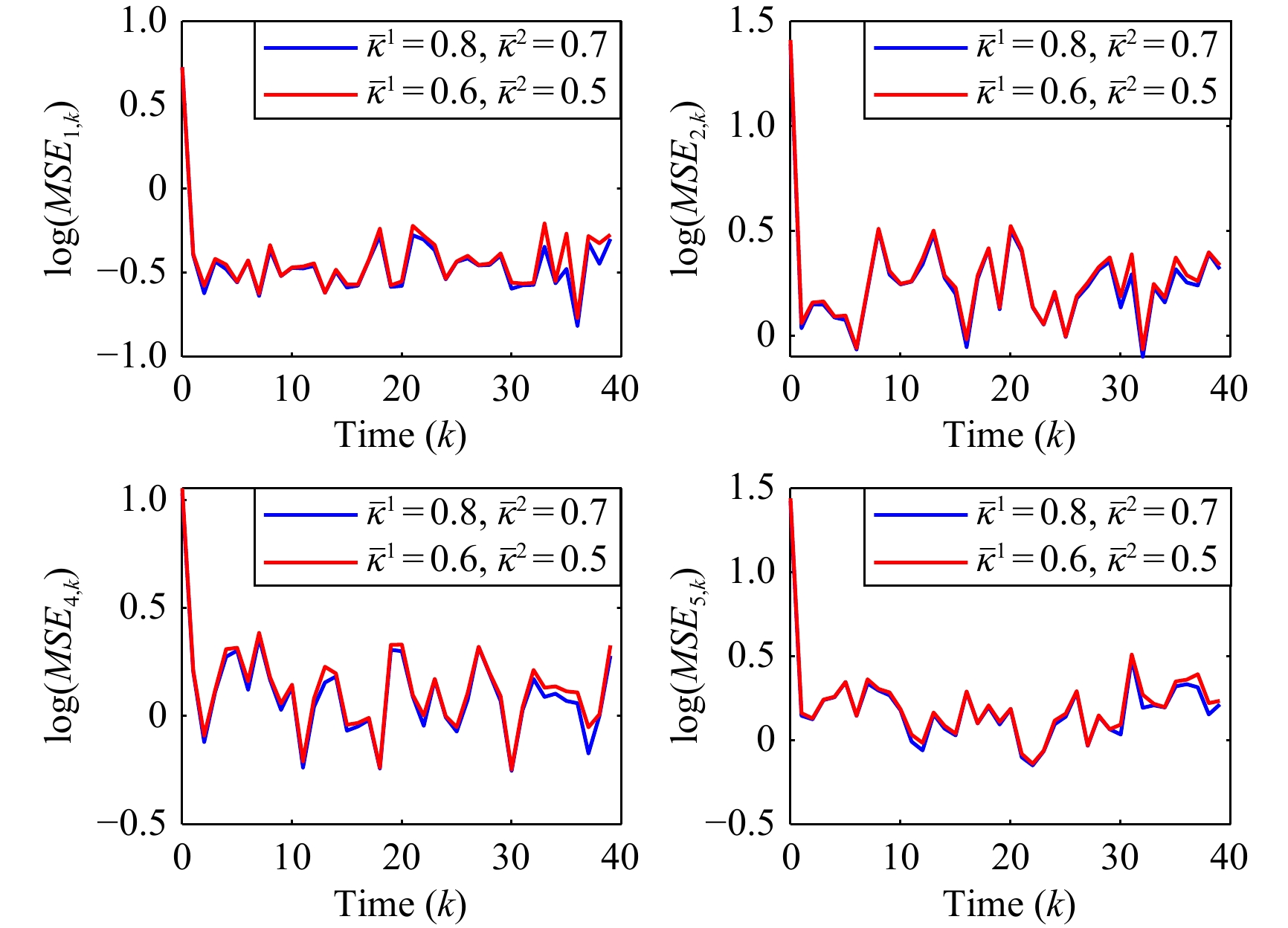
Reinforcement Learning-Based Predefined-Time Optimal Bipartite Consensus of High-Order Multiagent Systems
Lu Fan, Xiaoyang Liu, Wenwu Yu
2026, 13(9): 2175-2177. doi: 10.1109/JAS.2025.125675
Abstract(14) HTML (8) PDF(0)
Abstract:
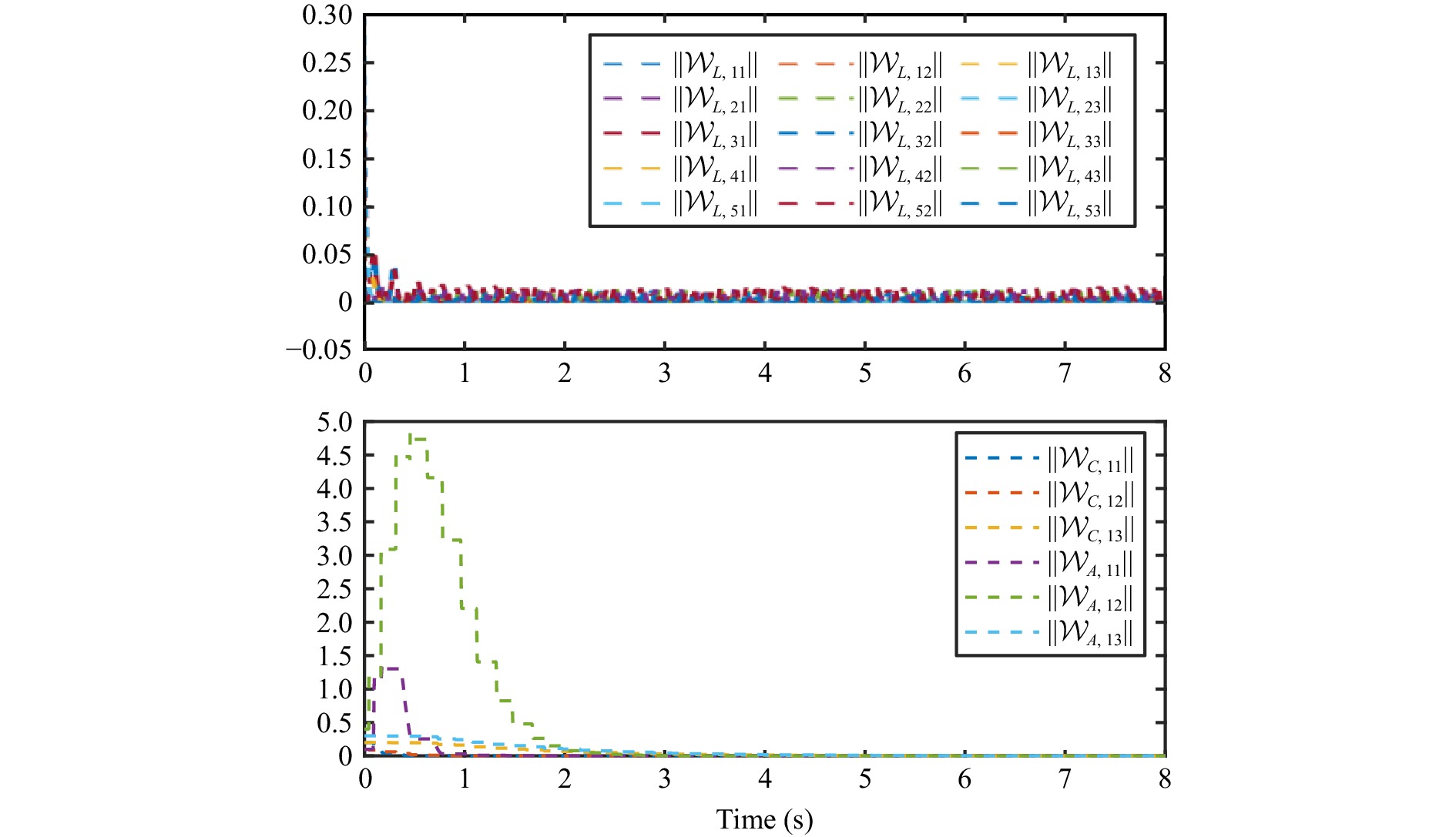
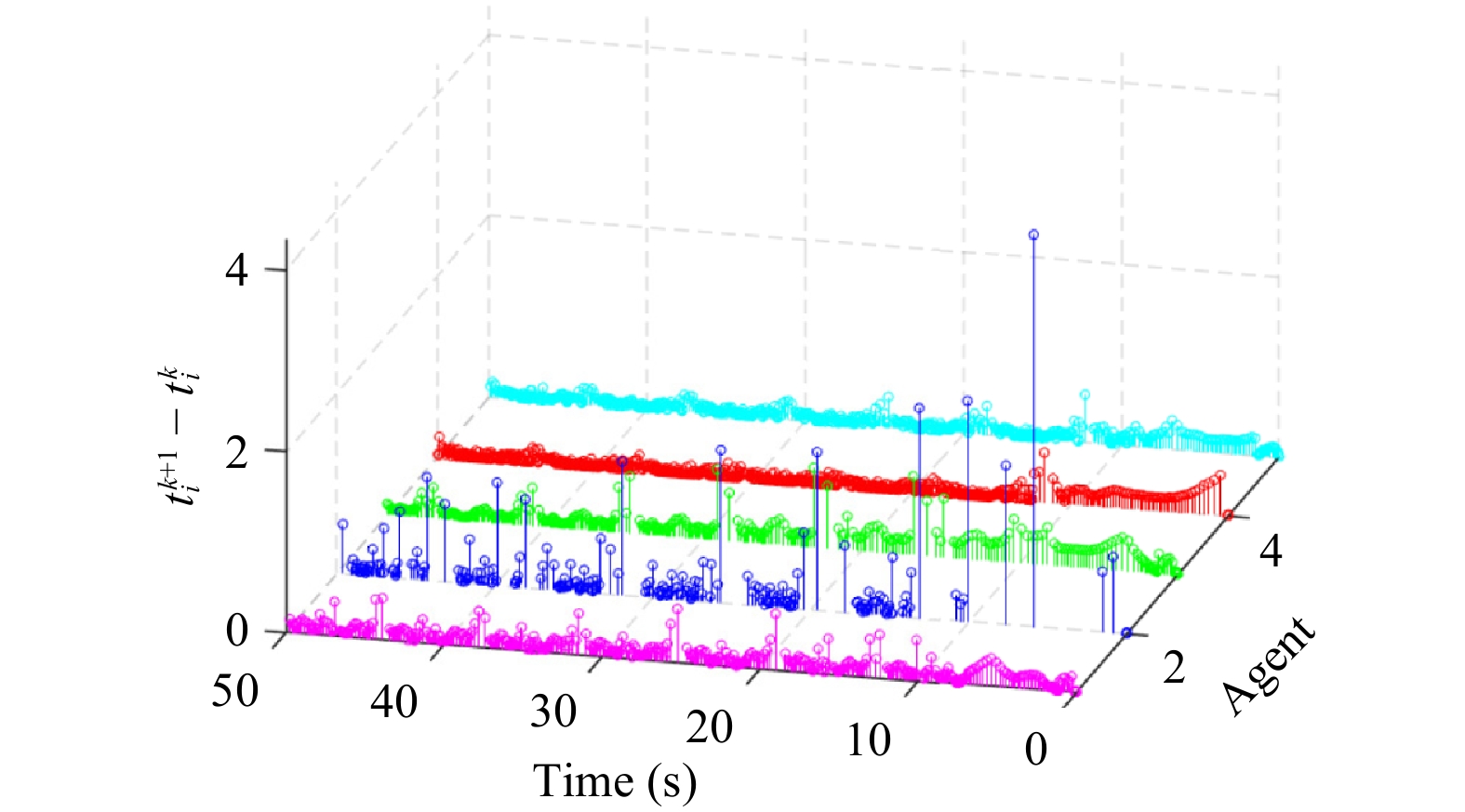
Optimal Control of Nonlinear Systems via Predefined-Time Convergent Reinforcement Learning
Cong Zhang, Feng Xiao, Xiaodan Zhang, Bo Wei, Pin Liu
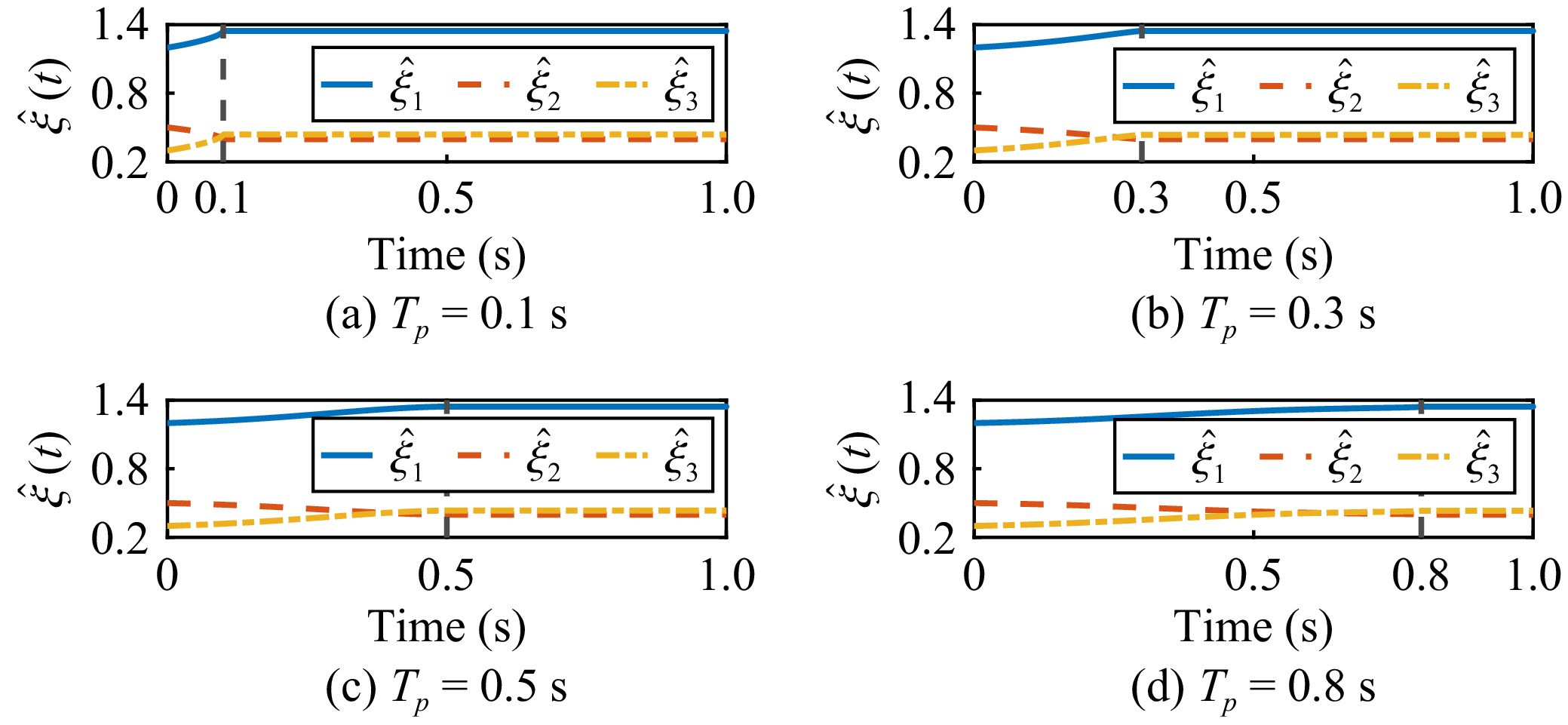
2026, 13(9): 2178-2180. doi: 10.1109/JAS.2025.125699
Abstract(12) HTML (7) PDF(0)
Abstract:
Reconstructing Community-Bridge Networks From Heterogeneous and Outlier-Contaminated Datasets
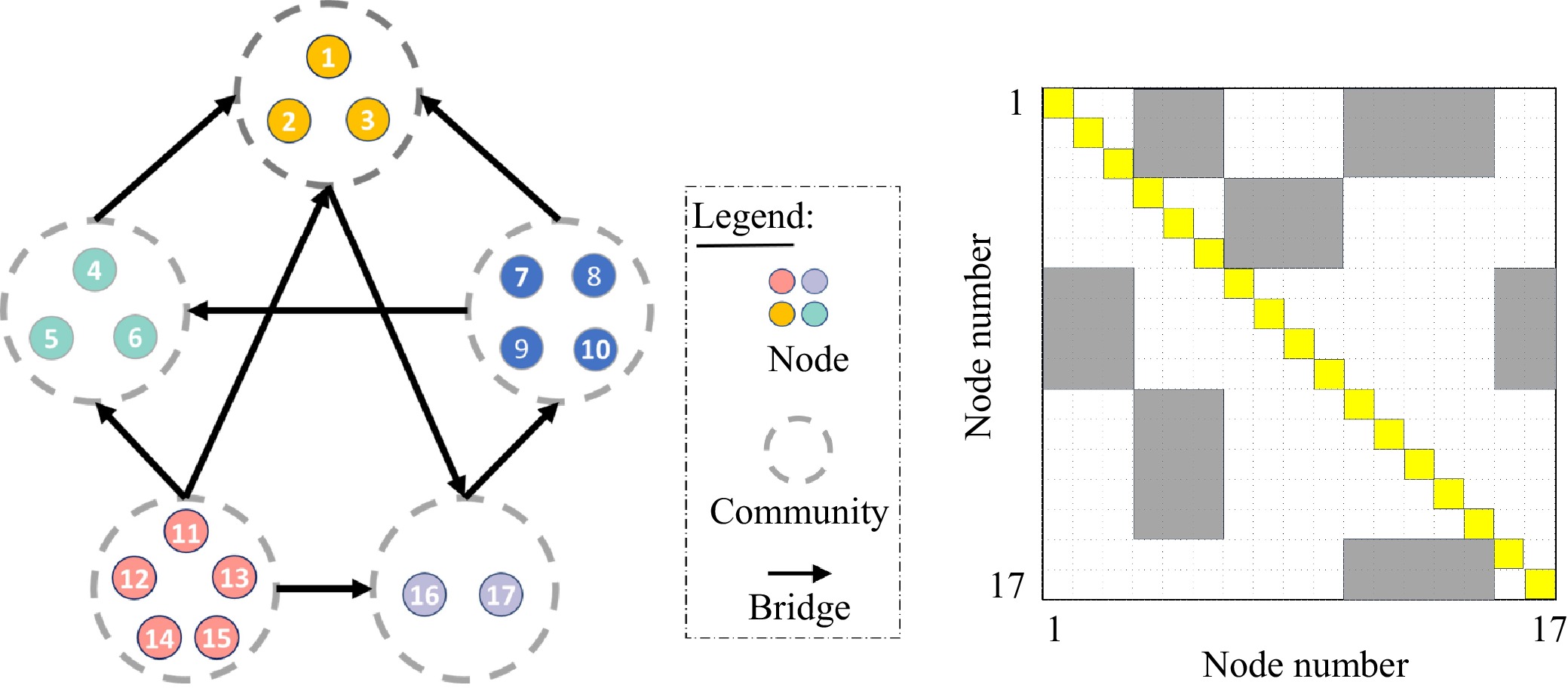
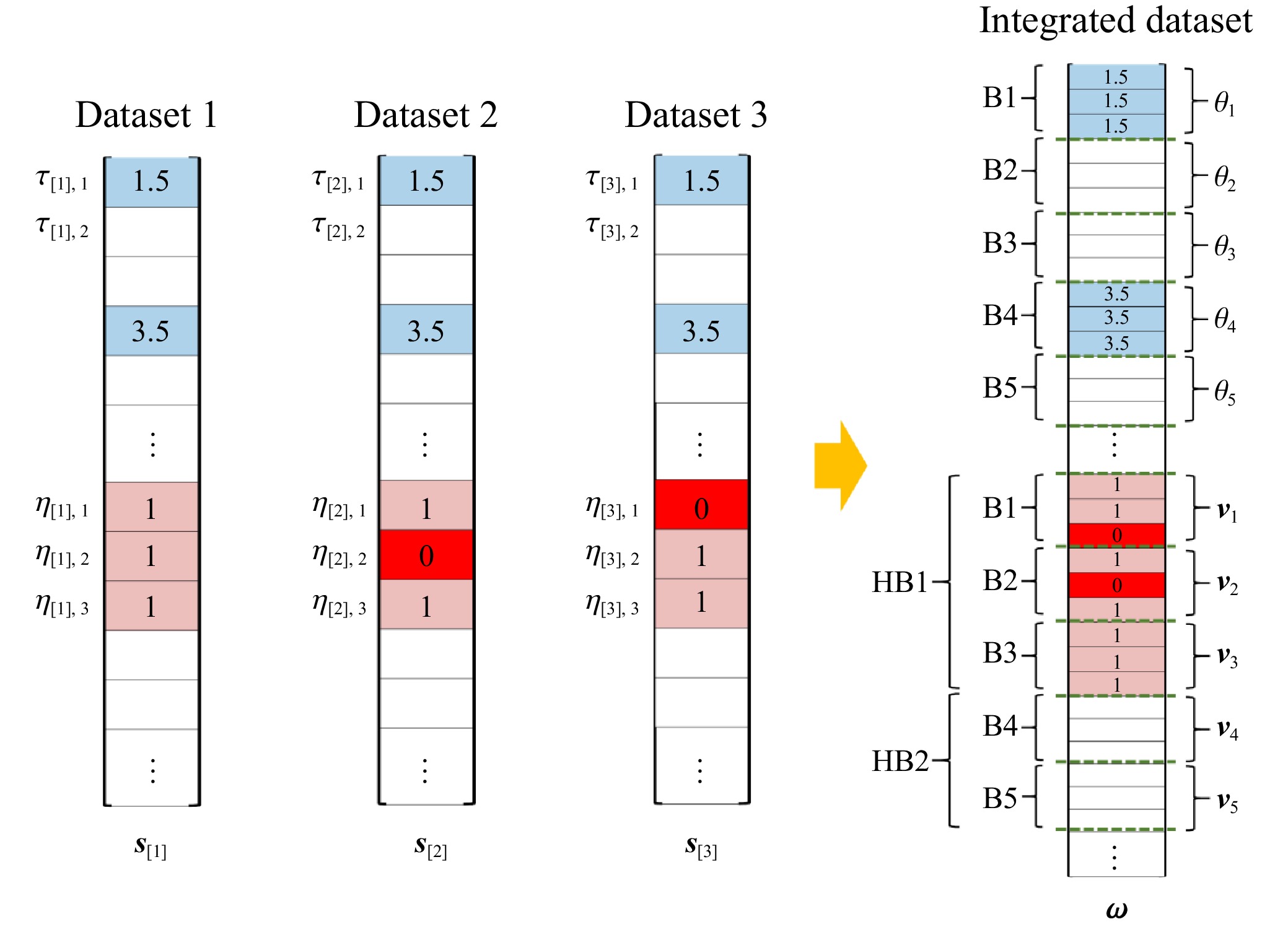
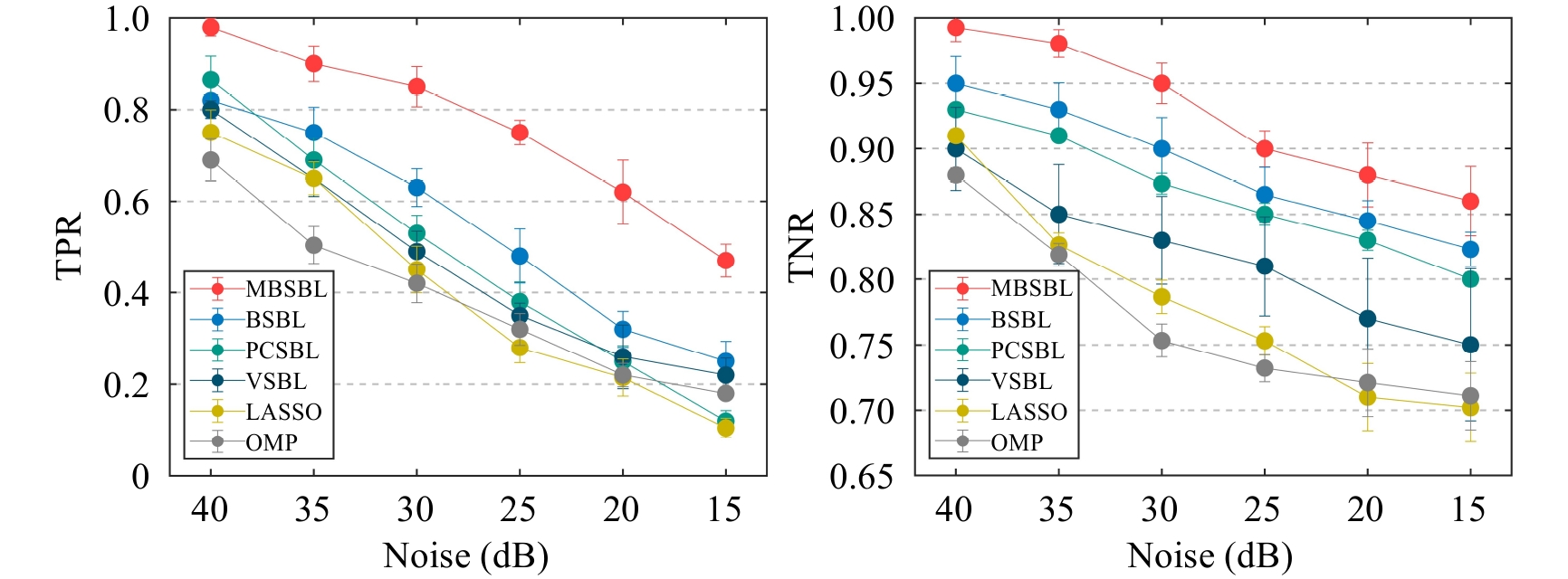
Yaozhong Zheng, Hai-Tao Zhang
2026, 13(9): 2181-2183. doi: 10.1109/JAS.2026.125771
Abstract(13) HTML (8) PDF(0)
Abstract:
Damping-Enhanced Zero-Effort-Miss Guidance for 3D Engagement: Strengthened Parallel Approach With Maneuvering Target Robustness
Wushuai Cui, Yuan Yuan
2026, 13(9): 2184-2186. doi: 10.1109/JAS.2025.125855
Abstract(10) HTML (6) PDF(0)
Abstract:
Iterative Learning Secure Control for Linear Cyber-Physical Systems With Denial-of-Service Attacks
Ai-Guo Wu, Xiu-Juan Zhao, Bao-Wen Chen
2026, 13(9): 2187-2189. doi: 10.1109/JAS.2025.125729
Abstract(12) HTML (9) PDF(1)
Abstract:
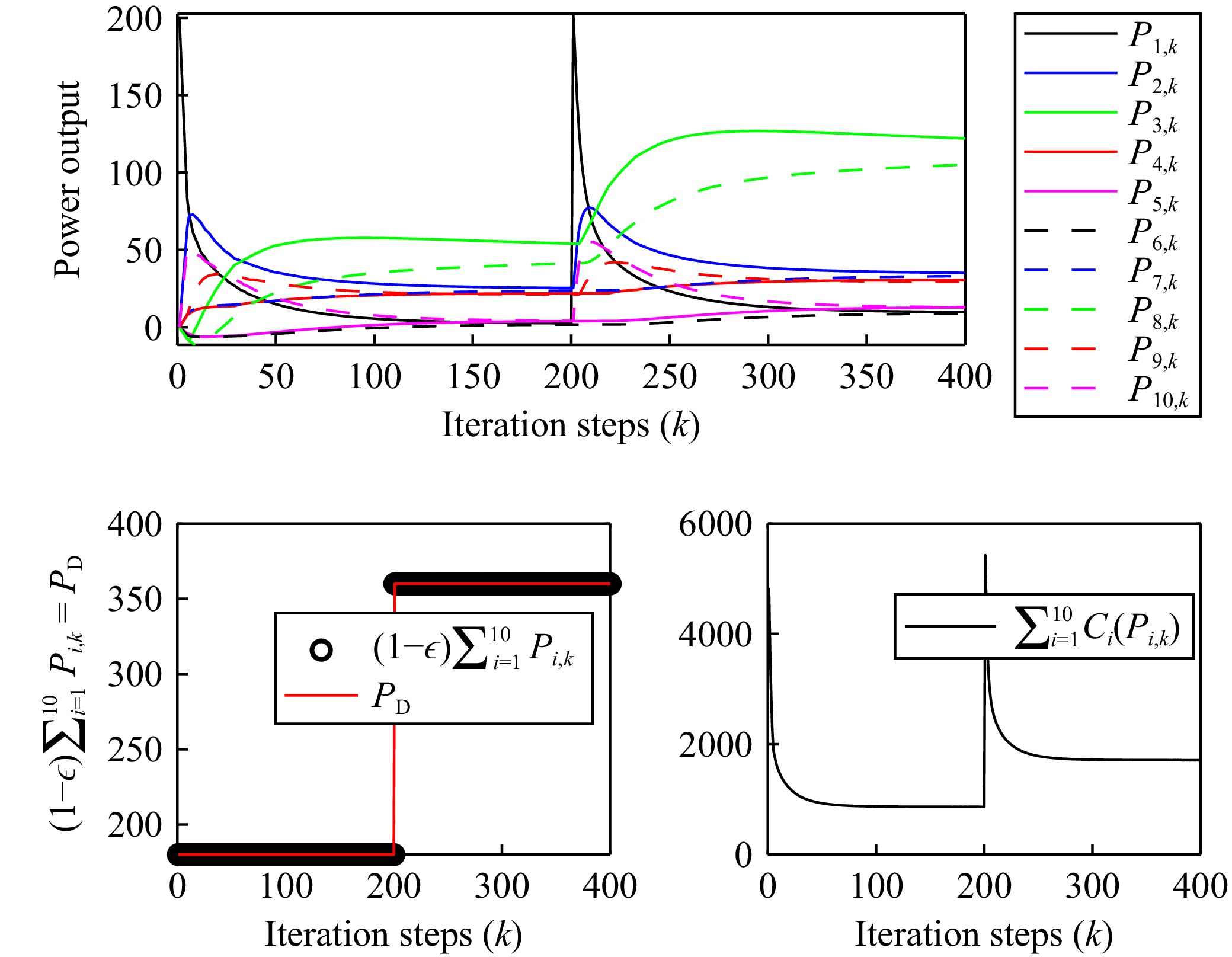
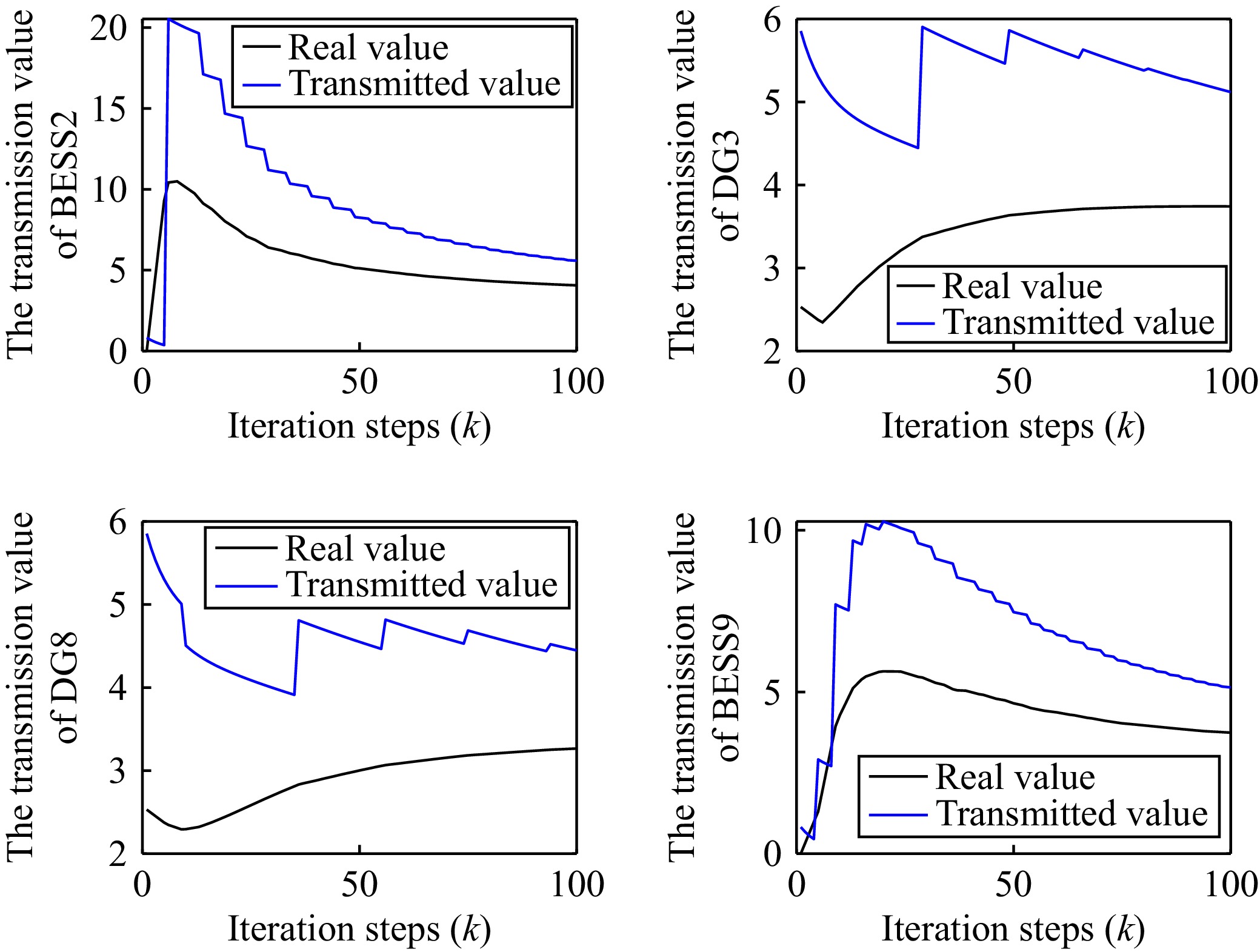
Privacy-Preserving Distributed Optimization for Economic Dispatch With Event-Triggered Mechanisms: A Linear Time-Varying Transformation Approach
Lei Sun, Ying Sun
2026, 13(9): 2190-2192. doi: 10.1109/JAS.2025.125696
Abstract(12) HTML (5) PDF(0)
Abstract: