A journal of IEEE and CAA , publishes high-quality papers in English on original theoretical/experimental research and development in all areas of automation

Current Issue

Vol. 13,  No. 10, 2026

Display Method:
REVIEW
A Survey on Optimal Coalition Structures Among Autonomous Agents
Min Meng, Xiuxian Li, Yiguang Hong, Jie Chen
2026, 13(10): 2193-2209. doi: 10.1109/JAS.2026.125921
Abstract(20) HTML (12) PDF(4)
Abstract:
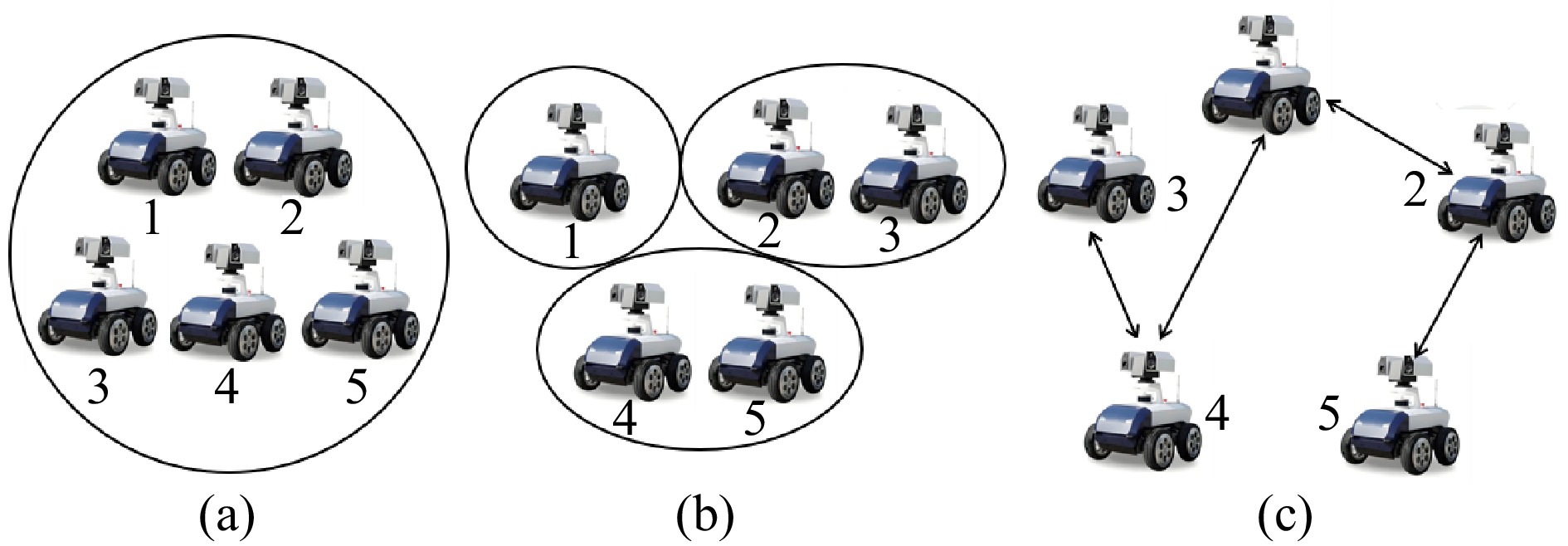
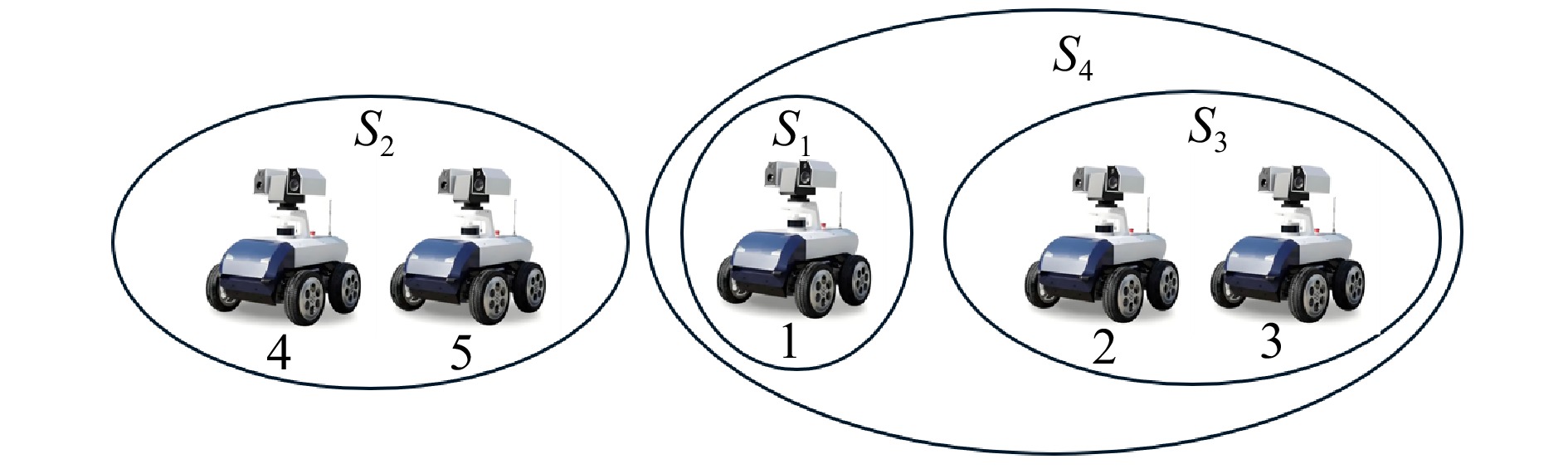
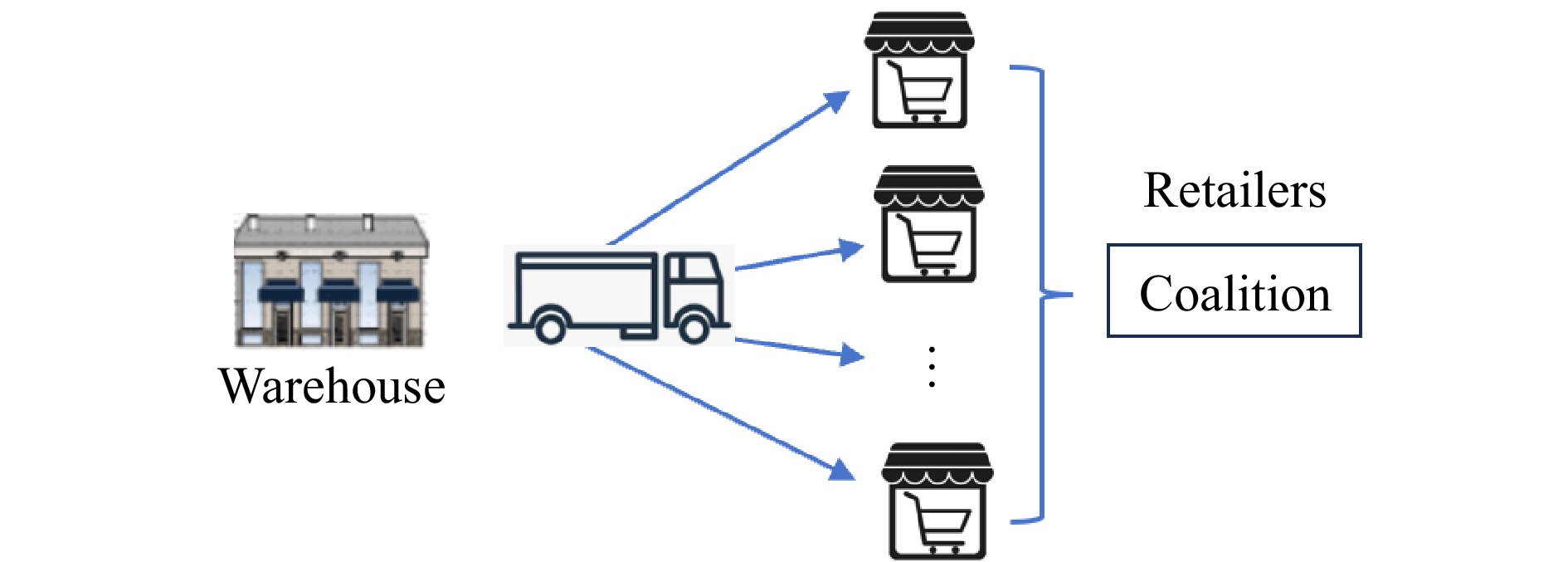
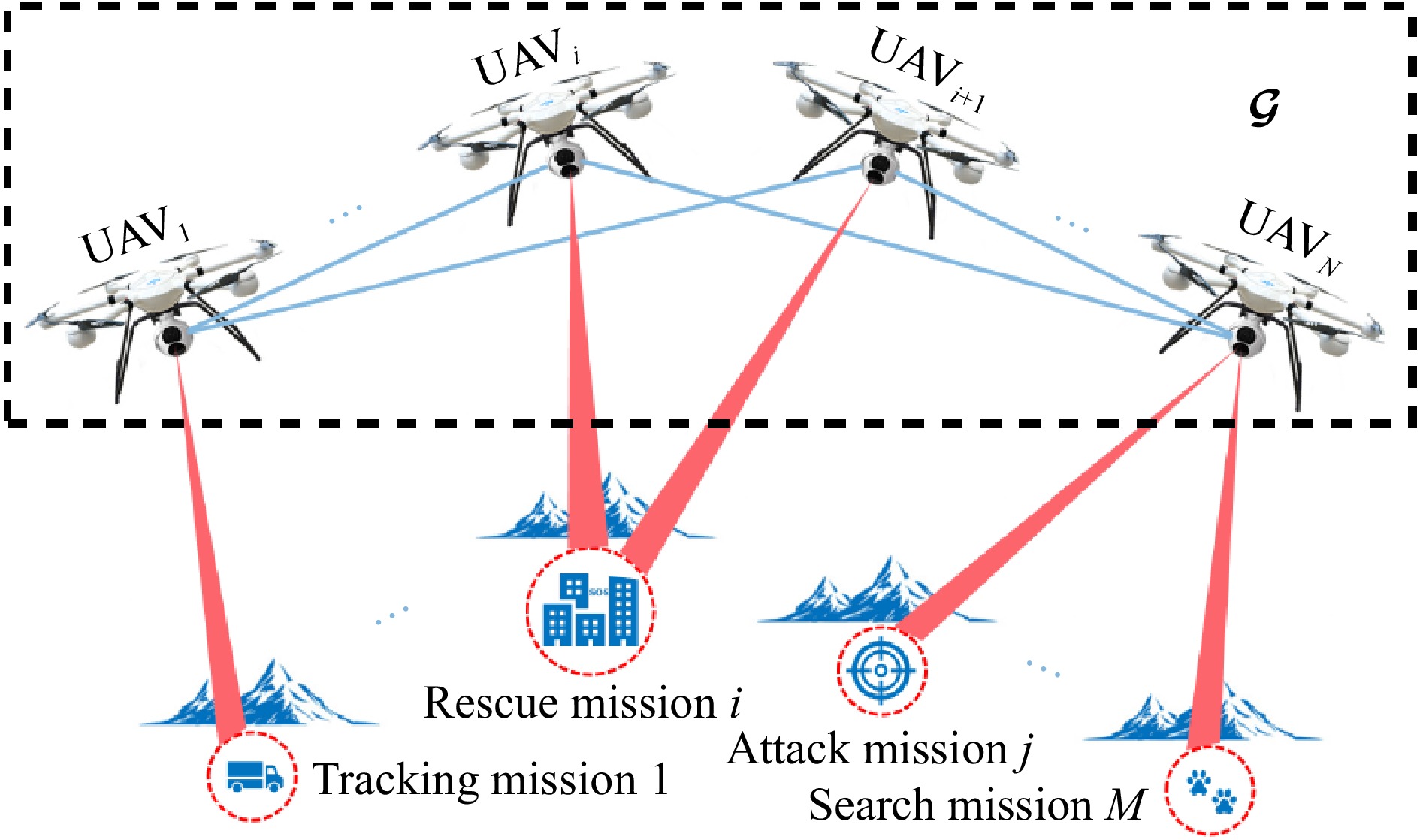
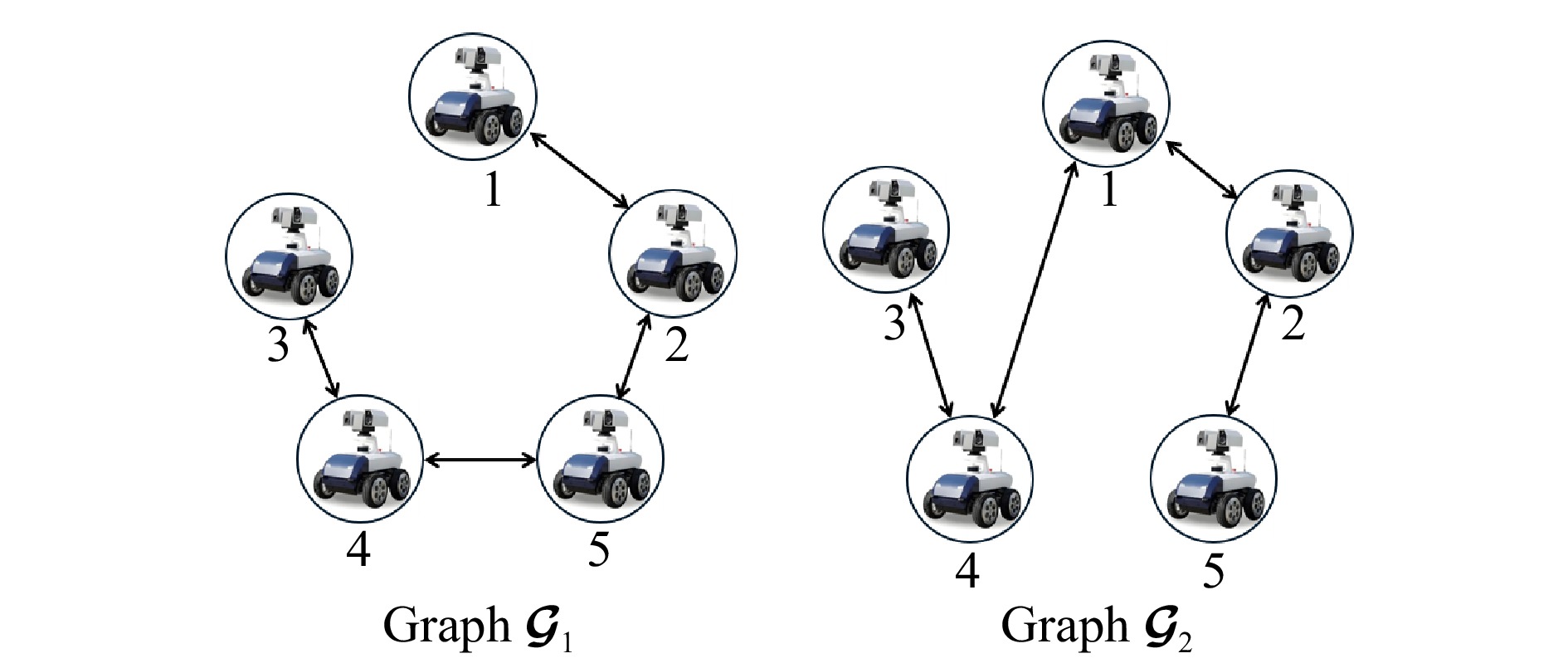
Autonomous agents designed to achieve multiple goals or tasks can work more effectively by forming coalitions than working individually. Generating coalition structures involves two significant and challenging issues: 1) which coalitions to form and 2) how to allocate the value of a coalition among its members. Such issues are often referred to as the coalition structure generation problem within coalitional games, which is widely encountered across various fields. This paper aims to provide a survey on optimal coalition structures through the lens of three scenarios: the grand coalition, multiple coalitions and graph-restricted coalitions, covering basic concepts and methodologies. Additionally, this paper delves into summarizing and discussing recent popular algorithms/methods for seeking optimal coalition structures and value allocation schemes, along with their challenges and limitations, to invoke possible future directions.
PAPERS
A Causal Learning-Based Virtual Population Framework for Chronic Disease Analysis
Wenrui Li
2026, 13(10): 2210-2221. doi: 10.1109/JAS.2026.126455
Abstract(16) HTML (9) PDF(2)
Abstract:
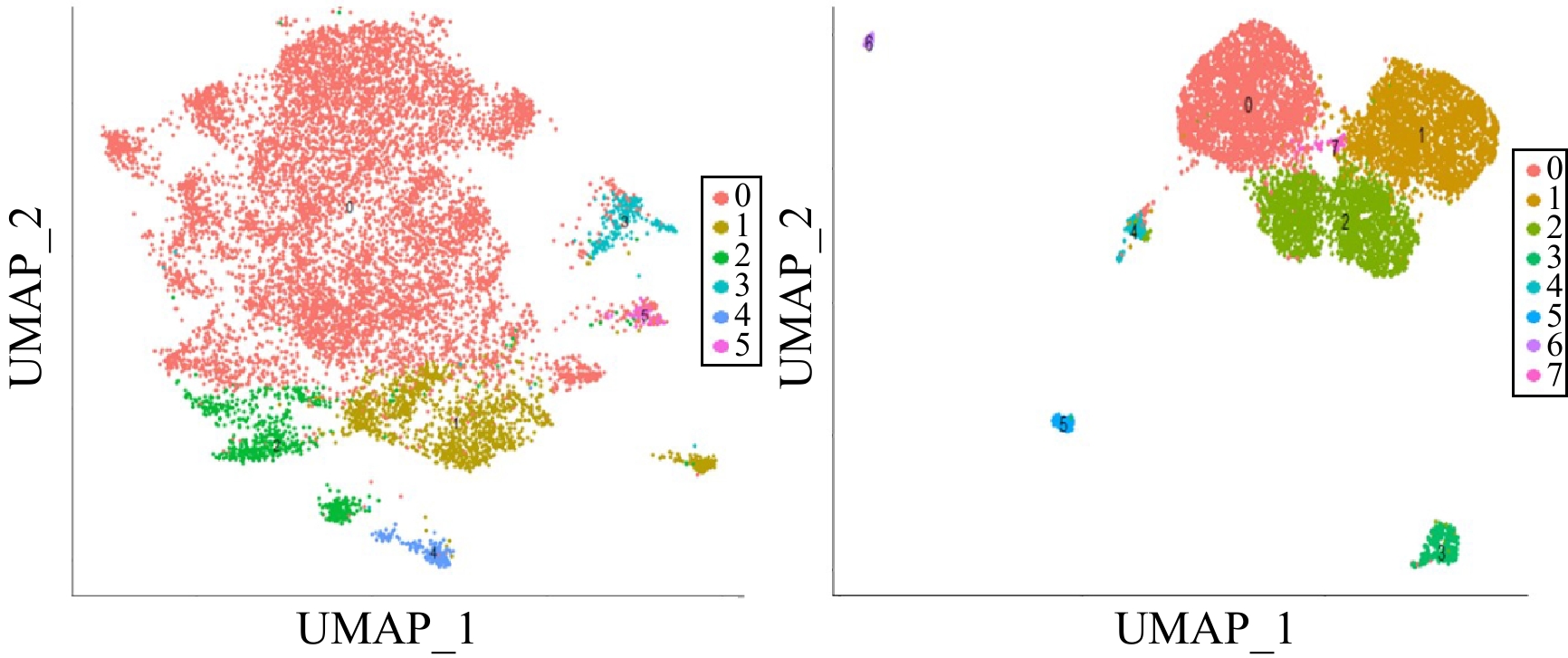
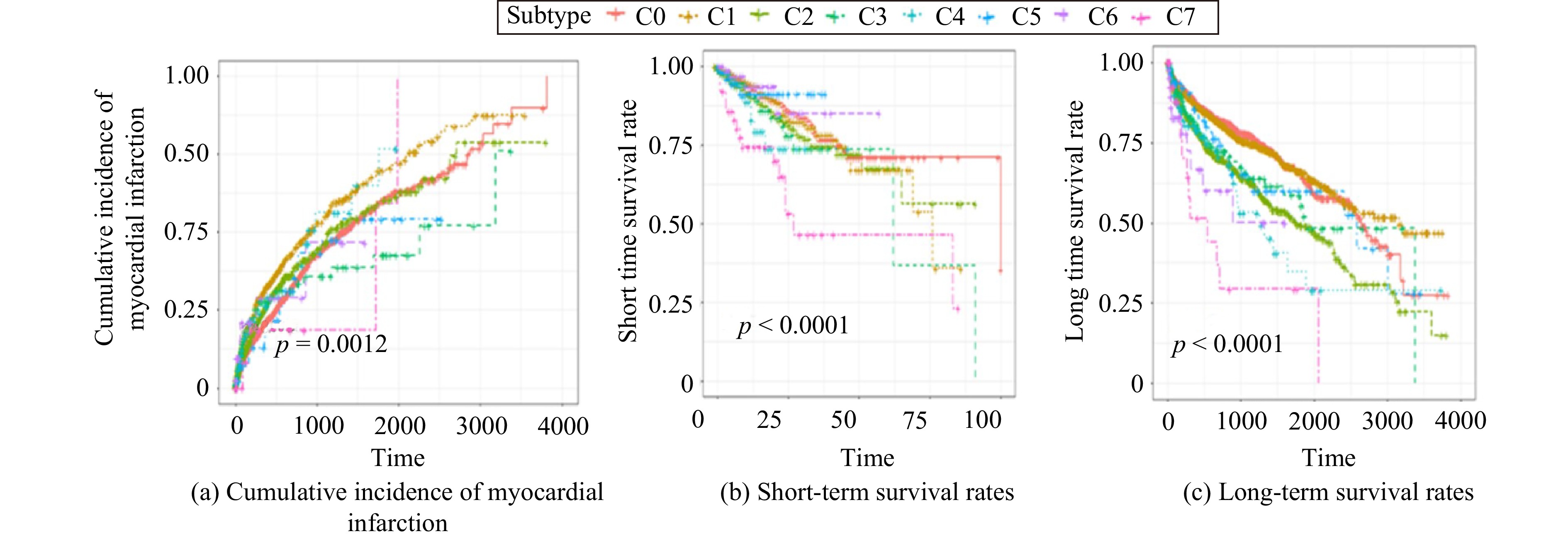
Causal analysis is essential for precise chronic disease management. Chronic diseases are characterized by complex risk-factor interactions, substantial patient heterogeneity, and frequent missingness and measurement uncertainty in real-world medical data. Existing heterogeneity analyses are still largely phenotype-driven, whereas most machine learning methods are correlation-based and lack interpretable mechanism modeling. As a result, mechanism-aware patient stratification remains insufficiently addressed. Methodologically, to uncover more comprehensive causal mechanisms, a causal learning-based virtual population modeling framework is proposed for chronic disease heterogeneity analysis. A biomedical causal prior graph over risk factors is first incorporated to construct patient-level virtual phenotypic profiles, by which each patient is represented relative to a clinically meaningful causal reference. To improve robustness to incomplete and noisy electronic health record data, medically plausible perturbed views are generated through feature masking, random dropout, and mild observation perturbation, and stable patient representations are further learned by contrastive refinement. On this basis, a virtual population is formed in the learned phenotypic space for hidden subgroup discovery. To characterize disease heterogeneity mechanistically, subgroup-specific disease mechanisms are modeled as deviations from a standard pattern, so that common pathophysiological regularities and subgroup-dependent variations can be jointly captured. In the hypertension case study, a new heterogeneity model and novel subtypes are identified, and prognostic relevance, biomarker predictive value, distinct mechanistic patterns, and potential intervention implications are demonstrated. These results suggest that causal virtual population modeling can provide a useful framework for precision chronic disease analysis.
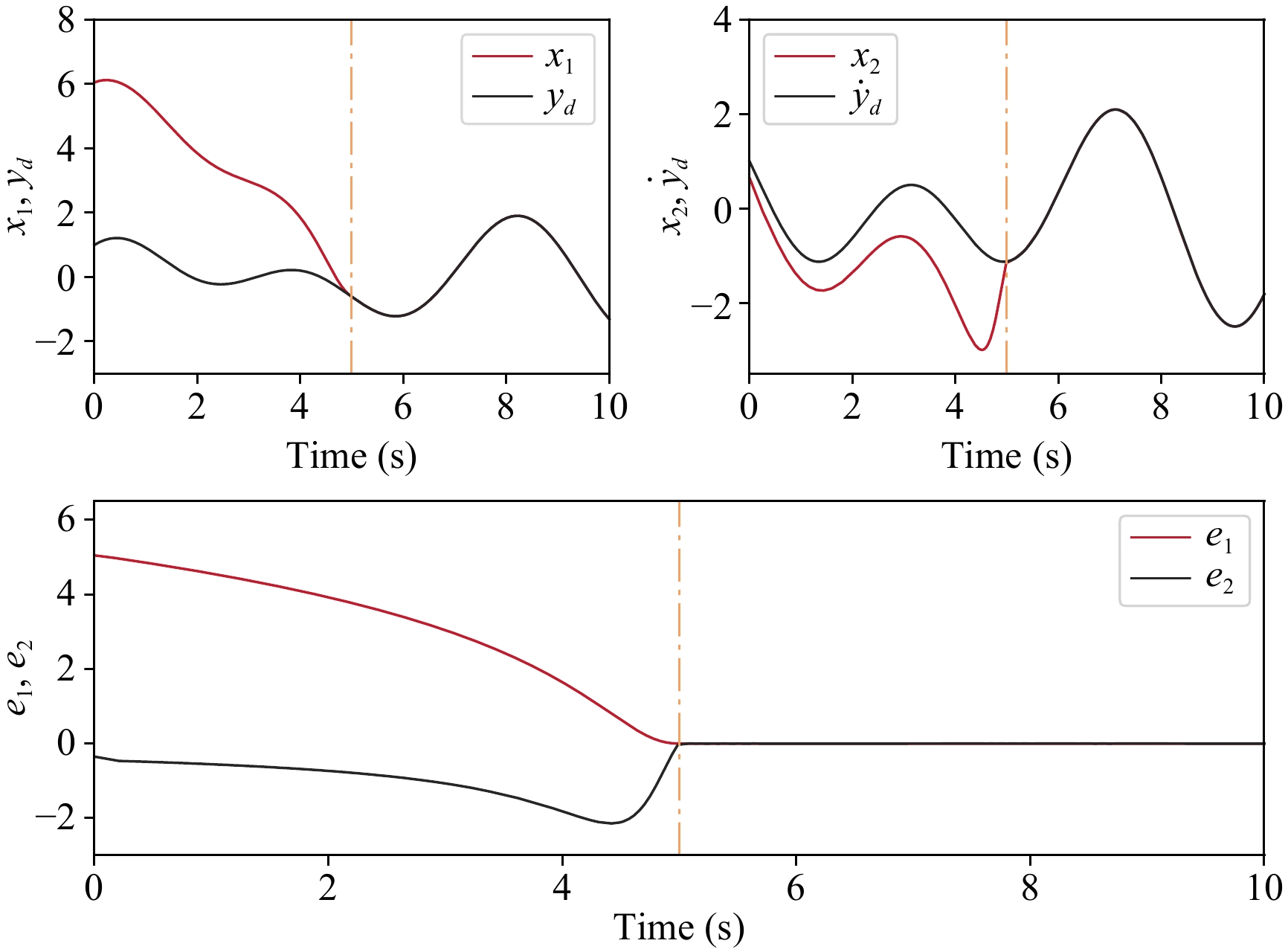
Cartesian Space Control and Joint Tracking Control for a Robotic Arm System With Explicit-Time Proportional Convergence
Wen Yan, Tao Zhao, Ben Niu, Zhiyi Shi, Edmond Q. Wu
2026, 13(10): 2222-2236. doi: 10.1109/JAS.2026.125963
Abstract(1055) HTML (20) PDF(114)
Abstract:
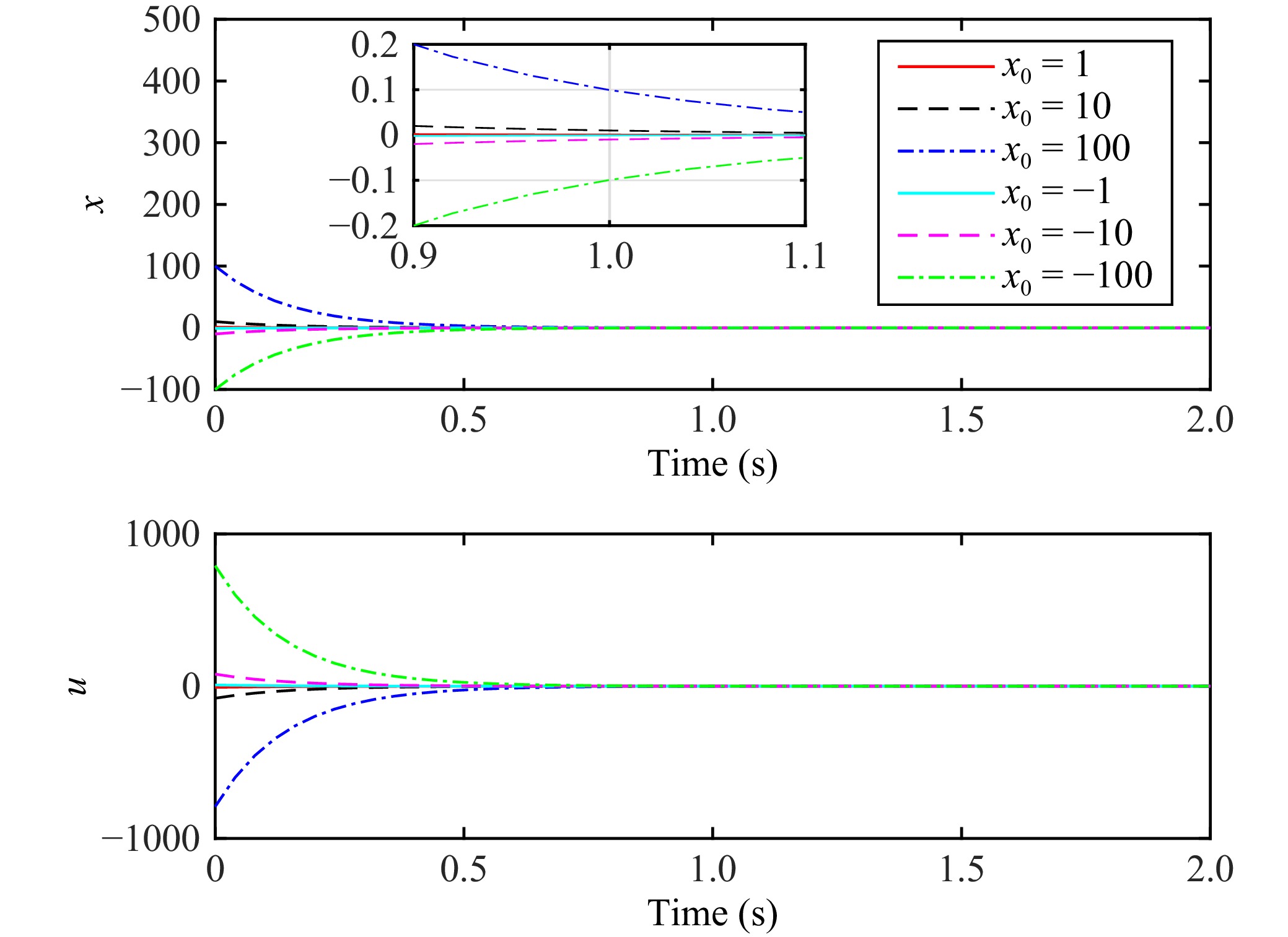
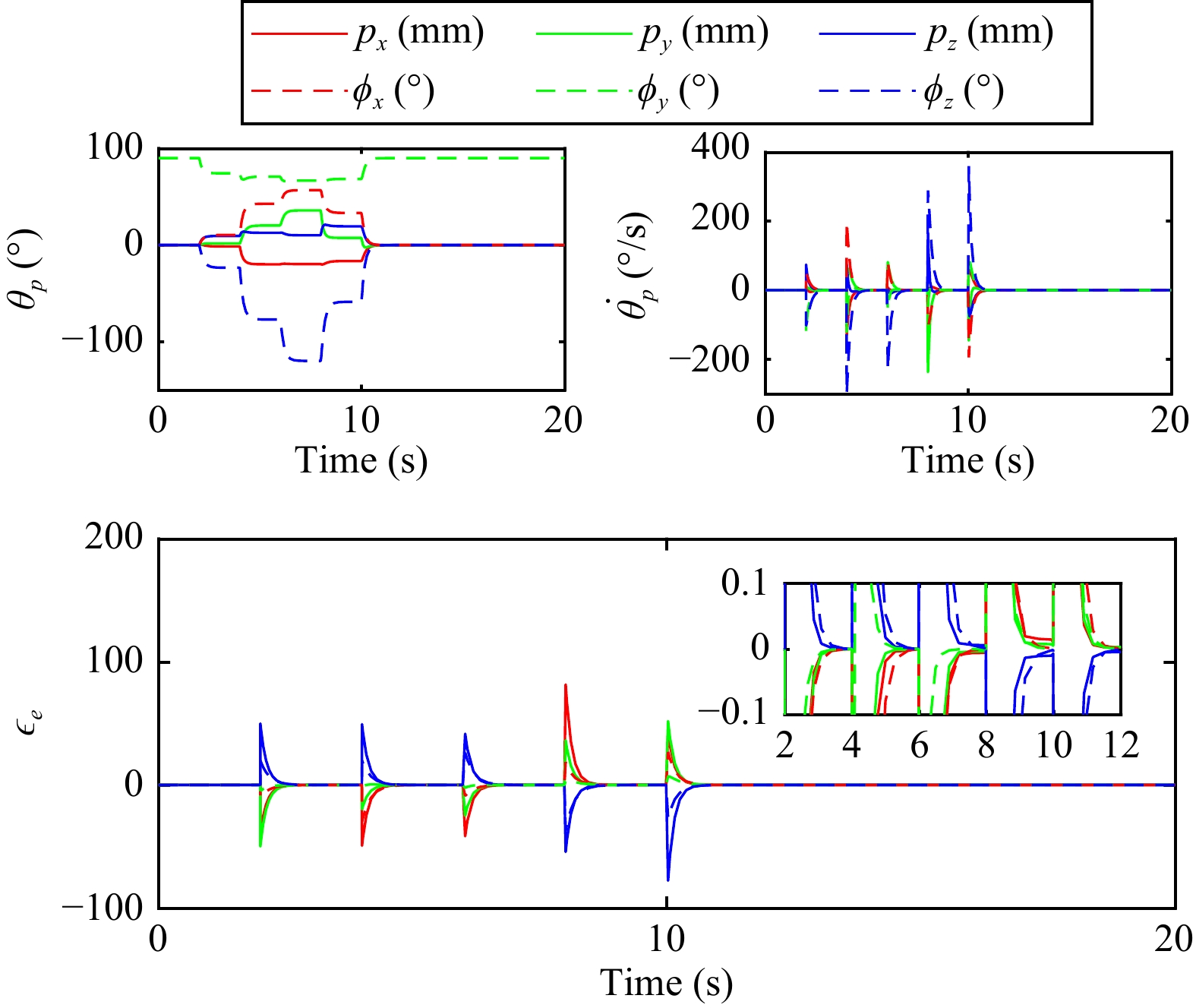
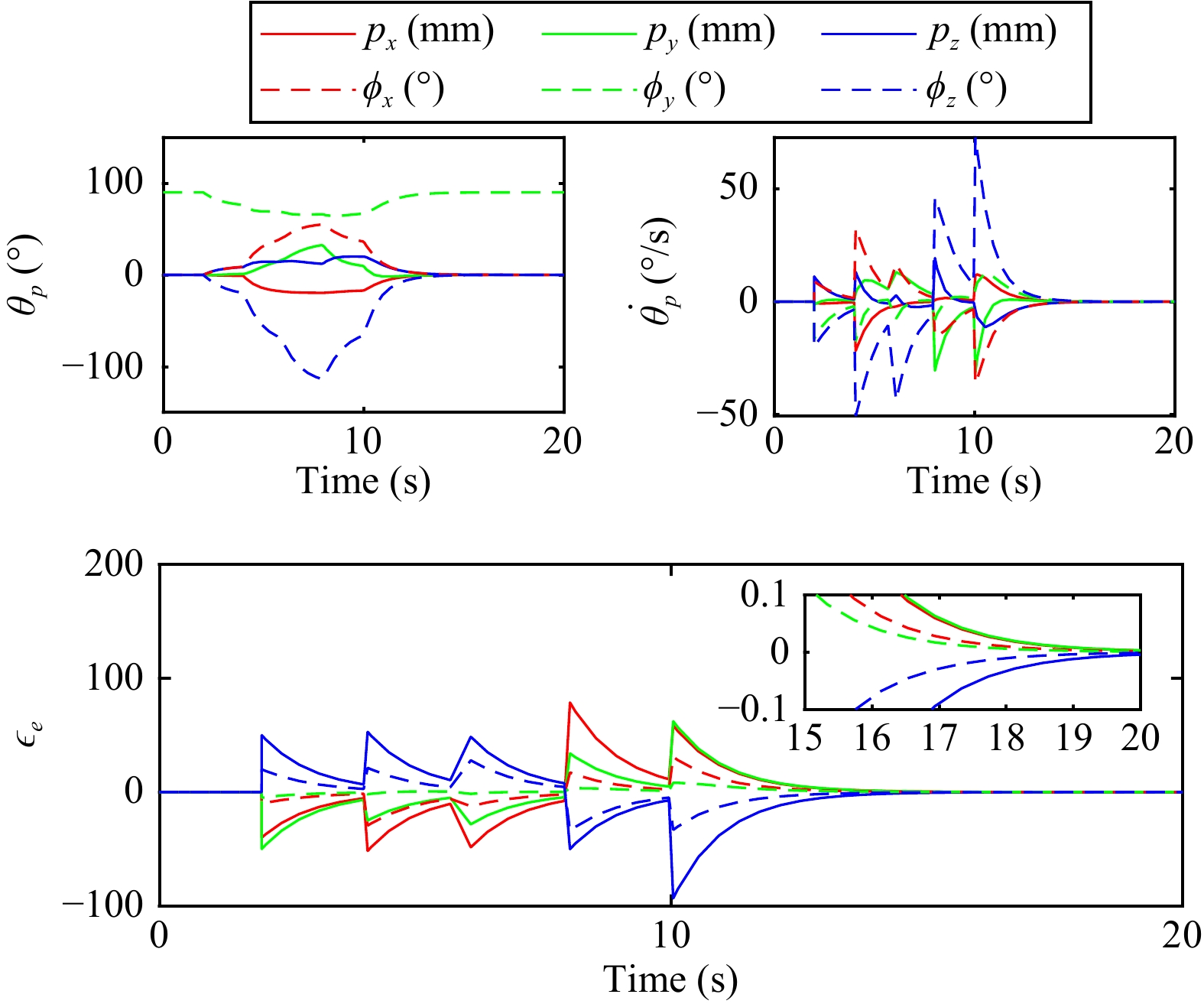
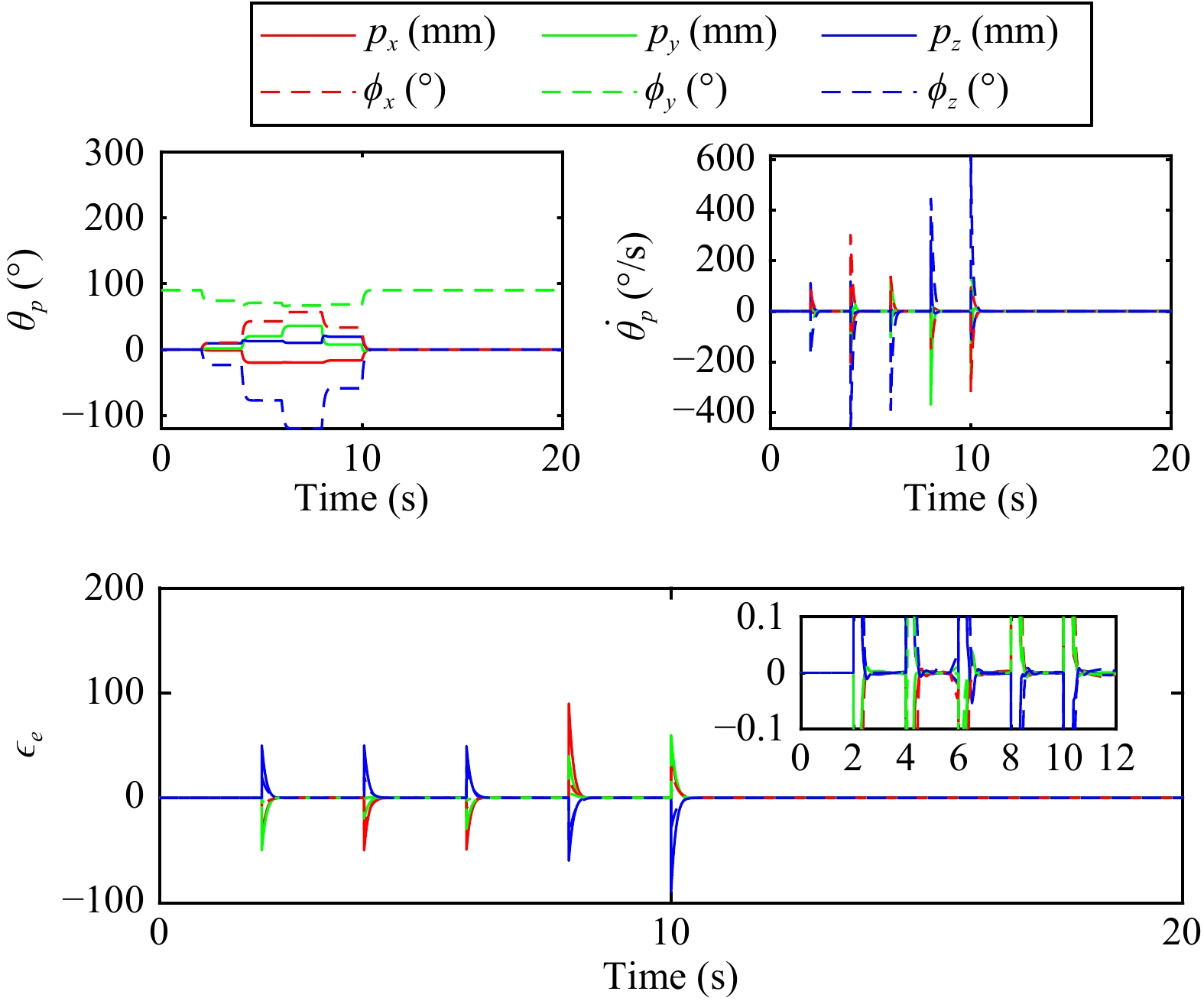
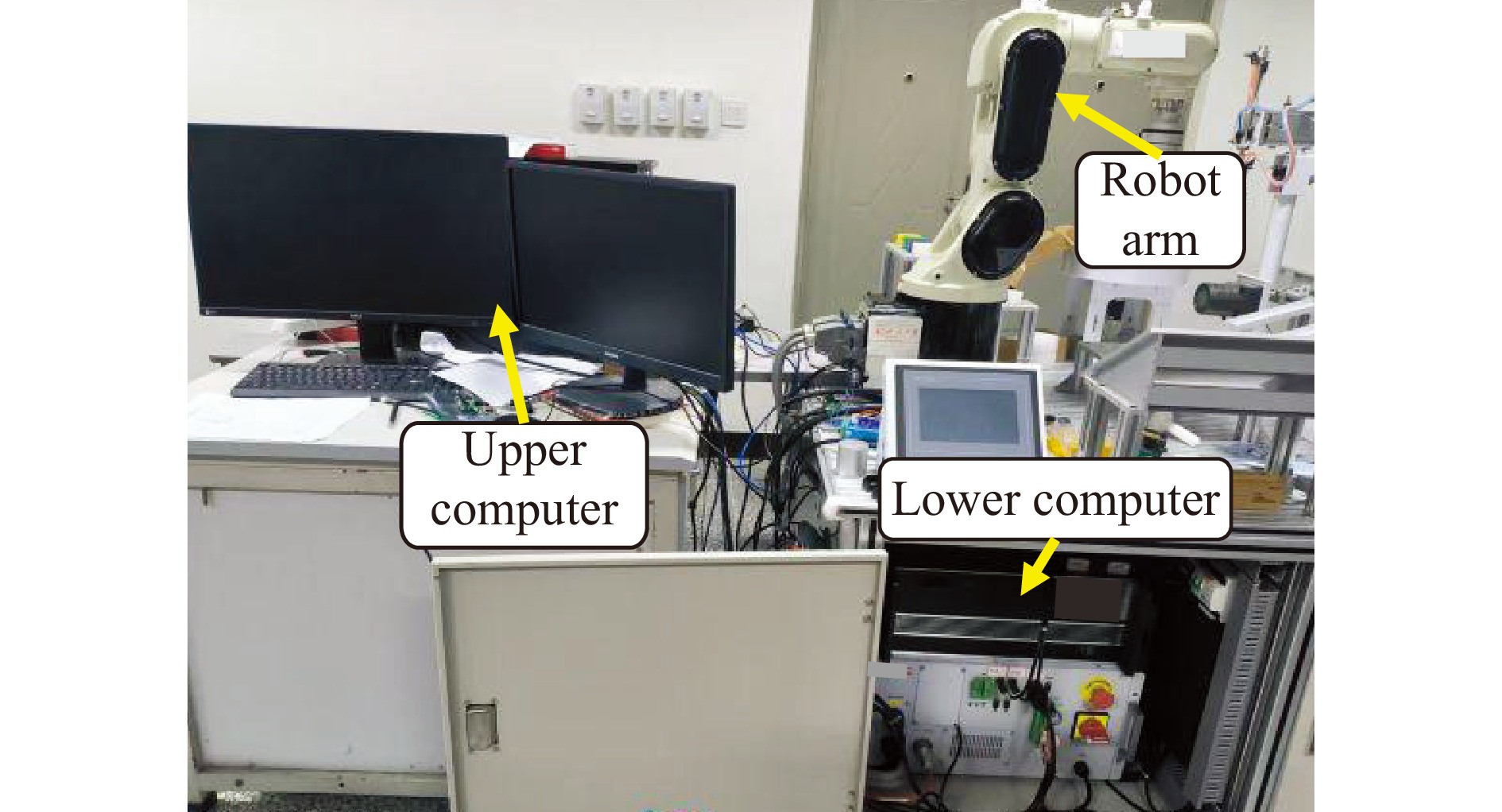
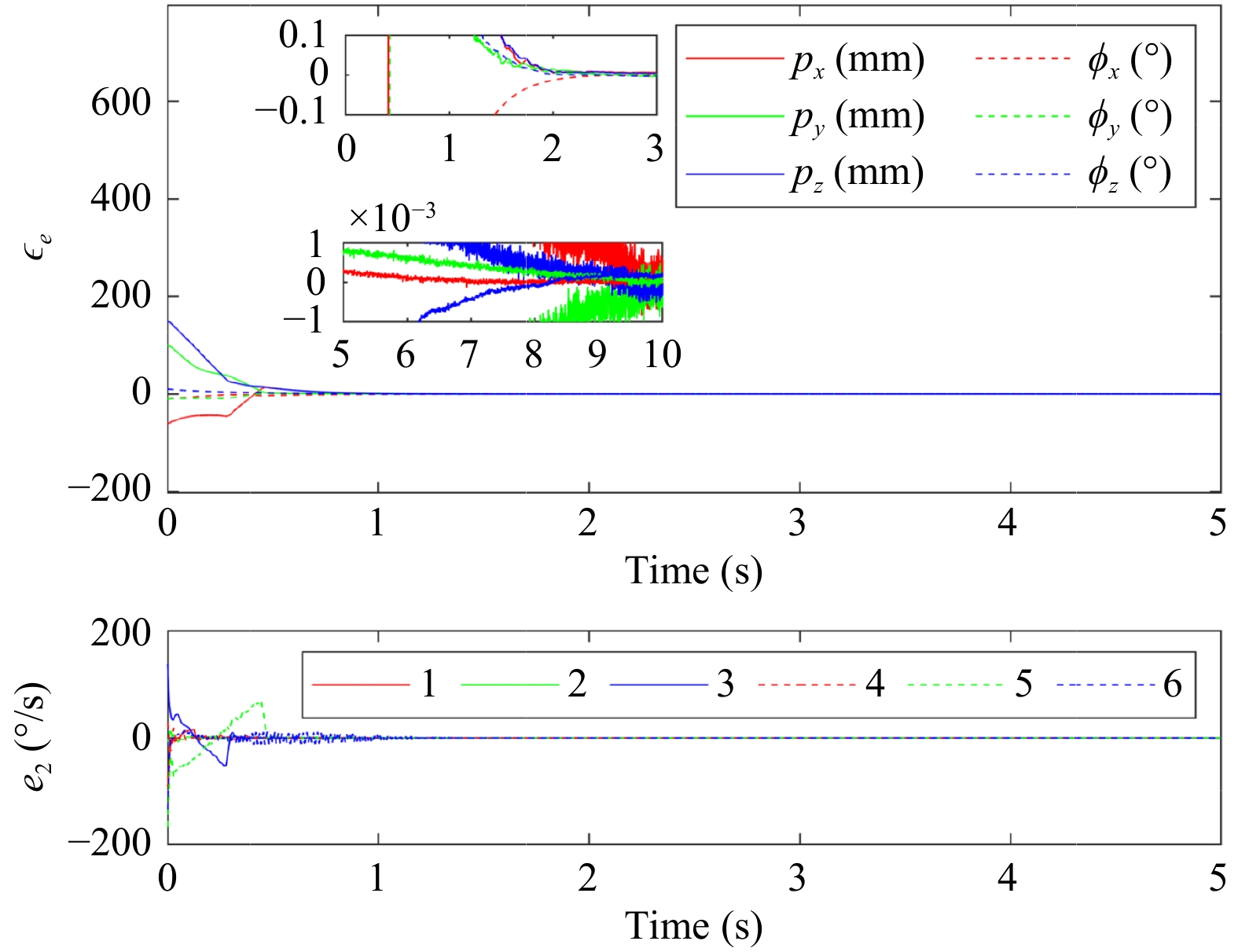
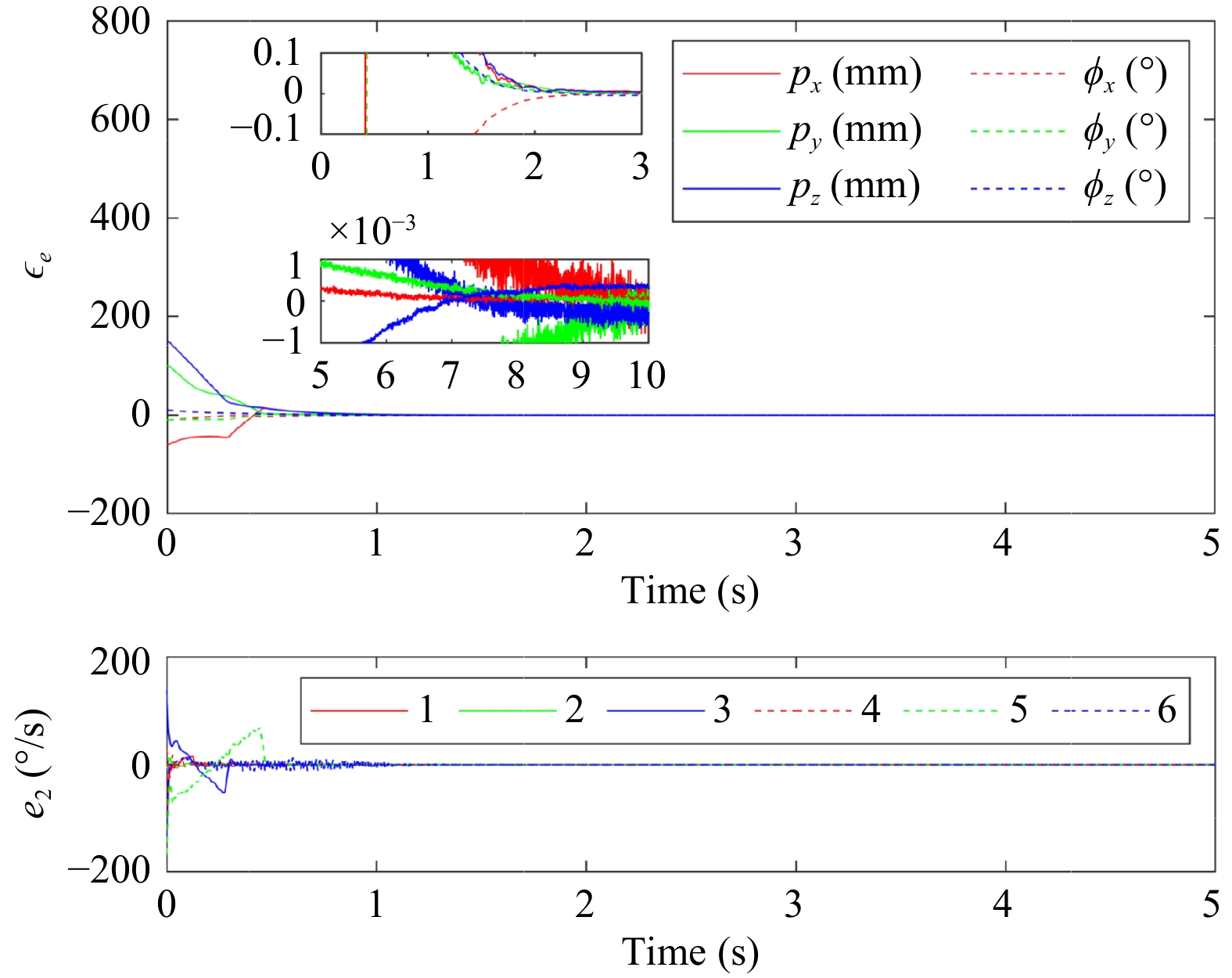
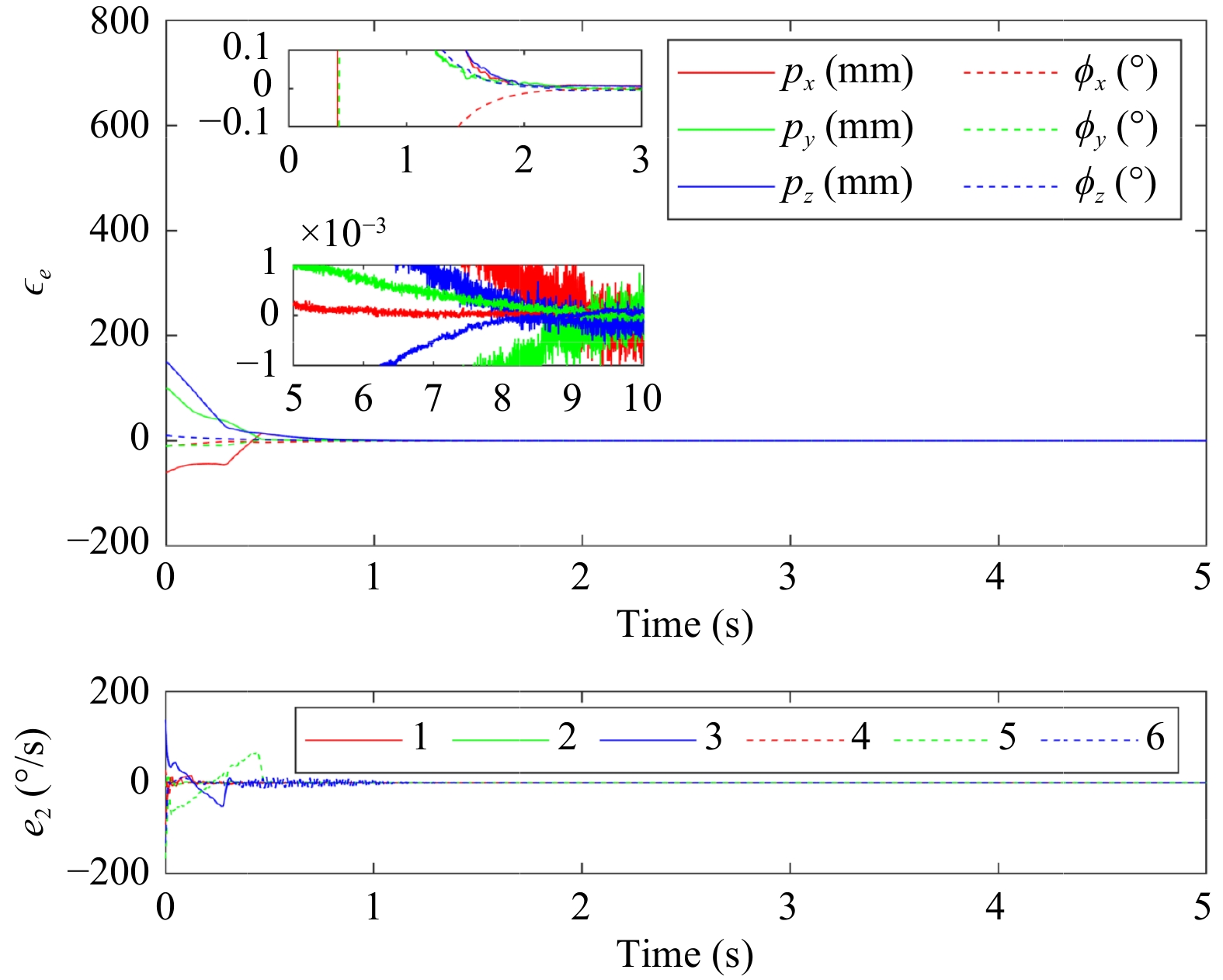
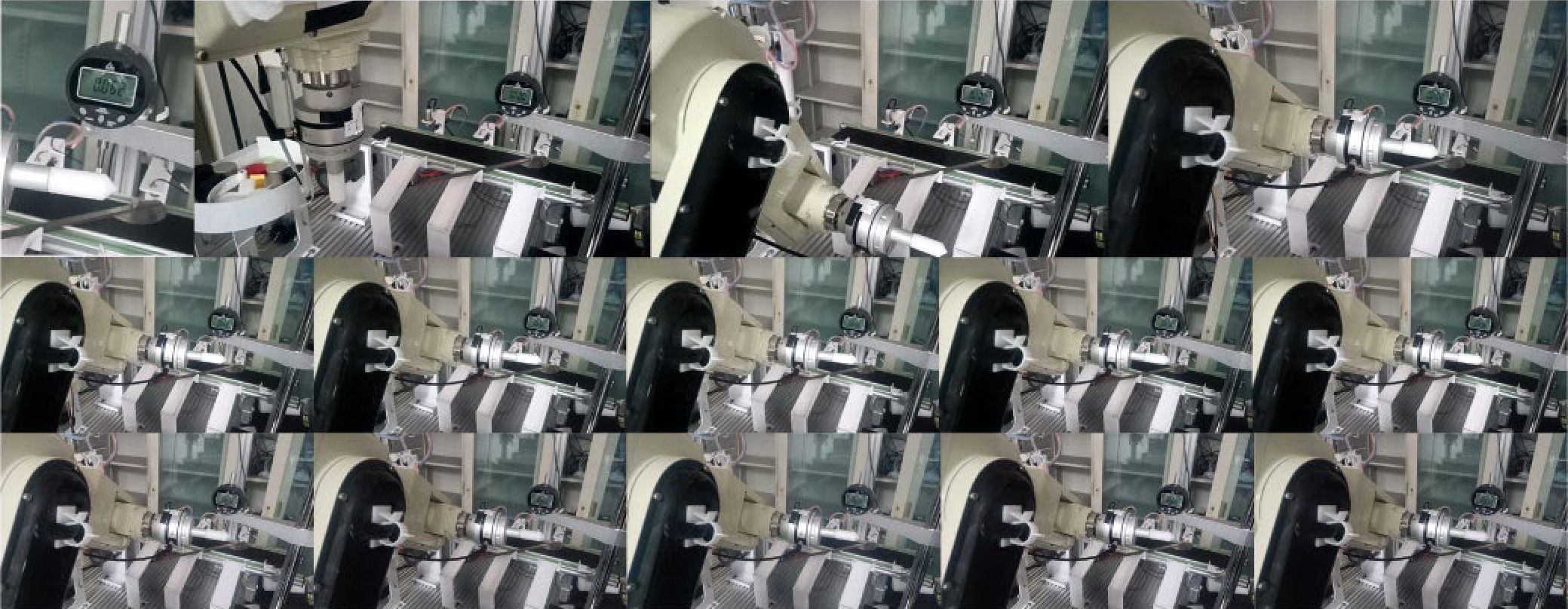
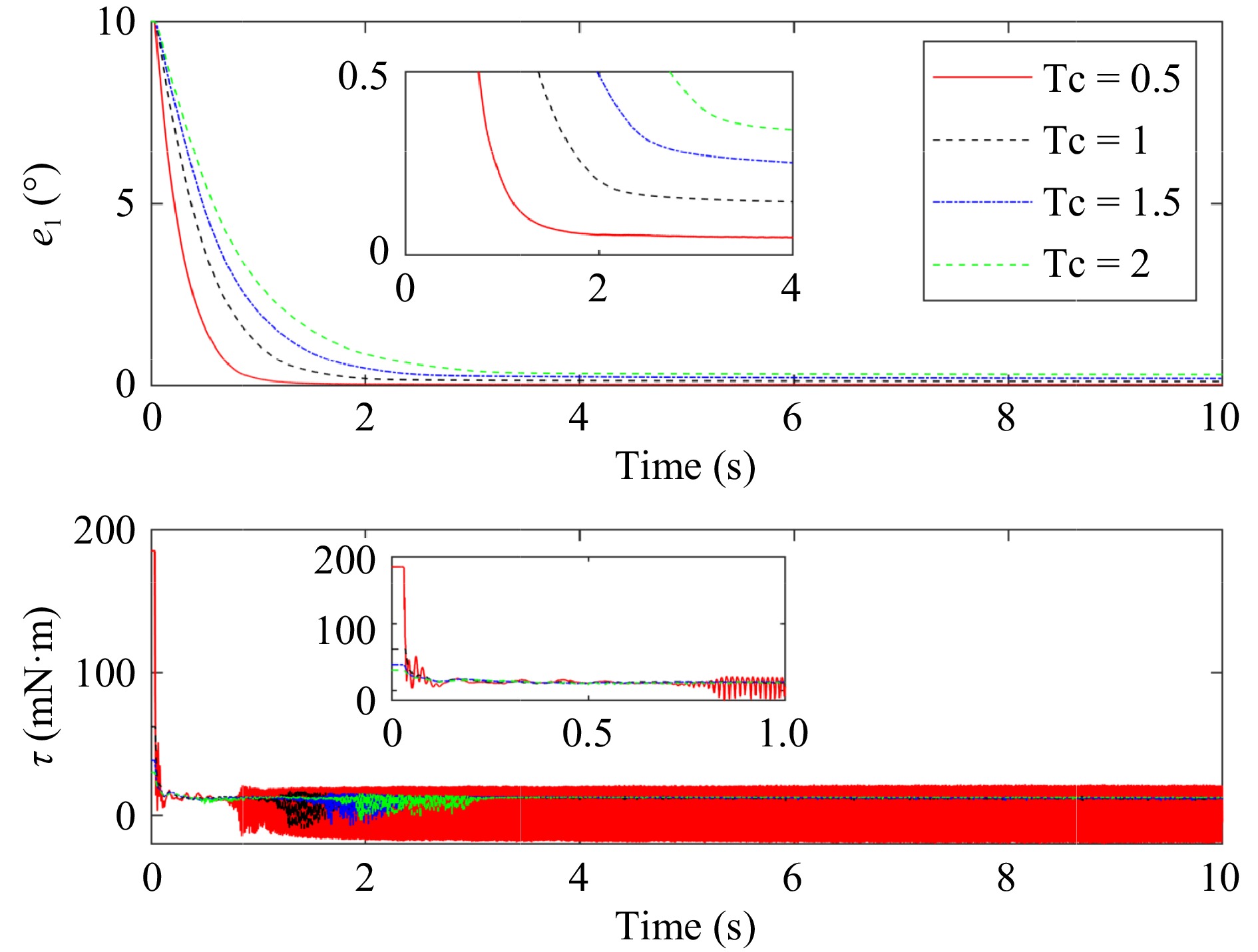
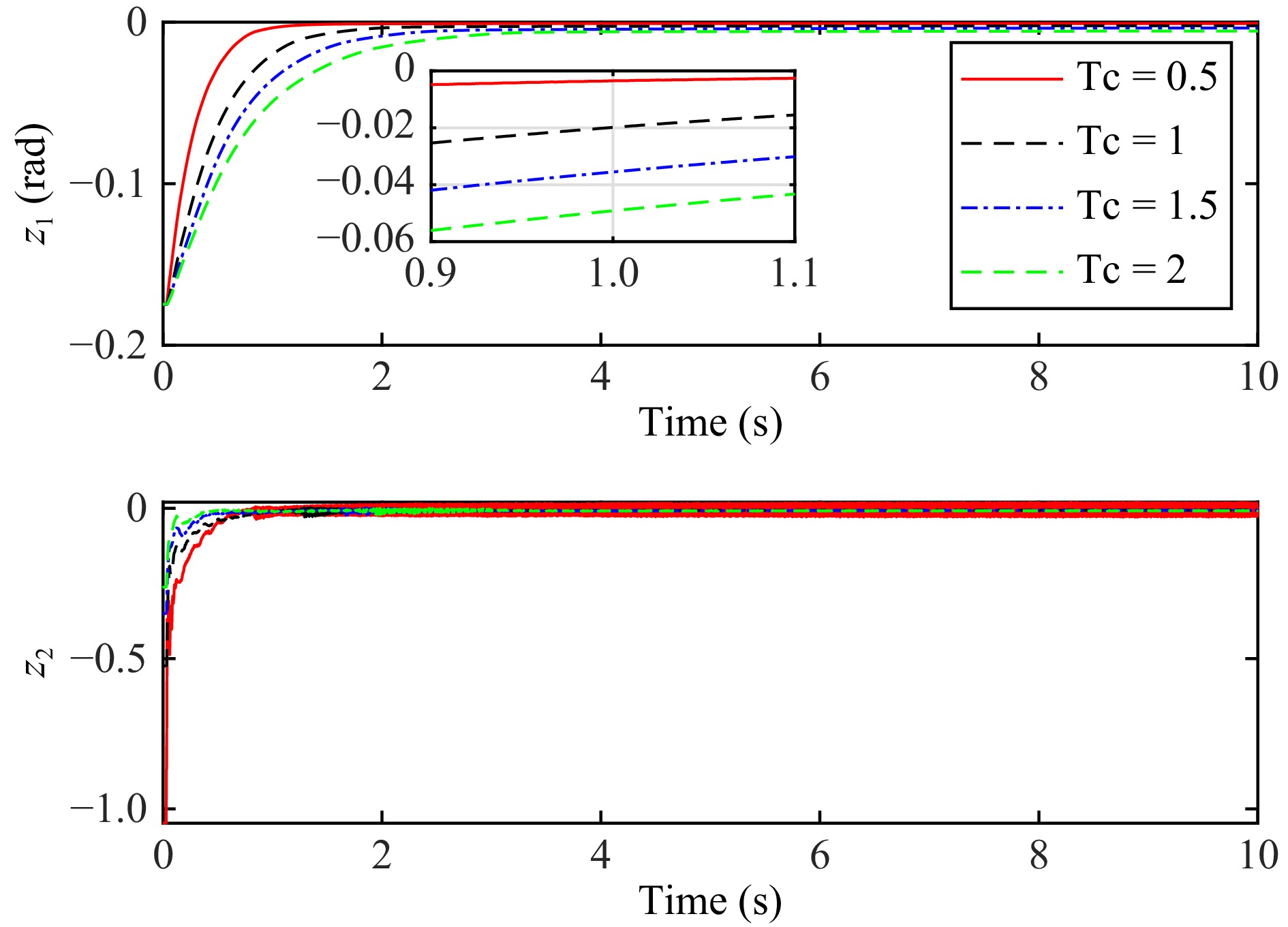
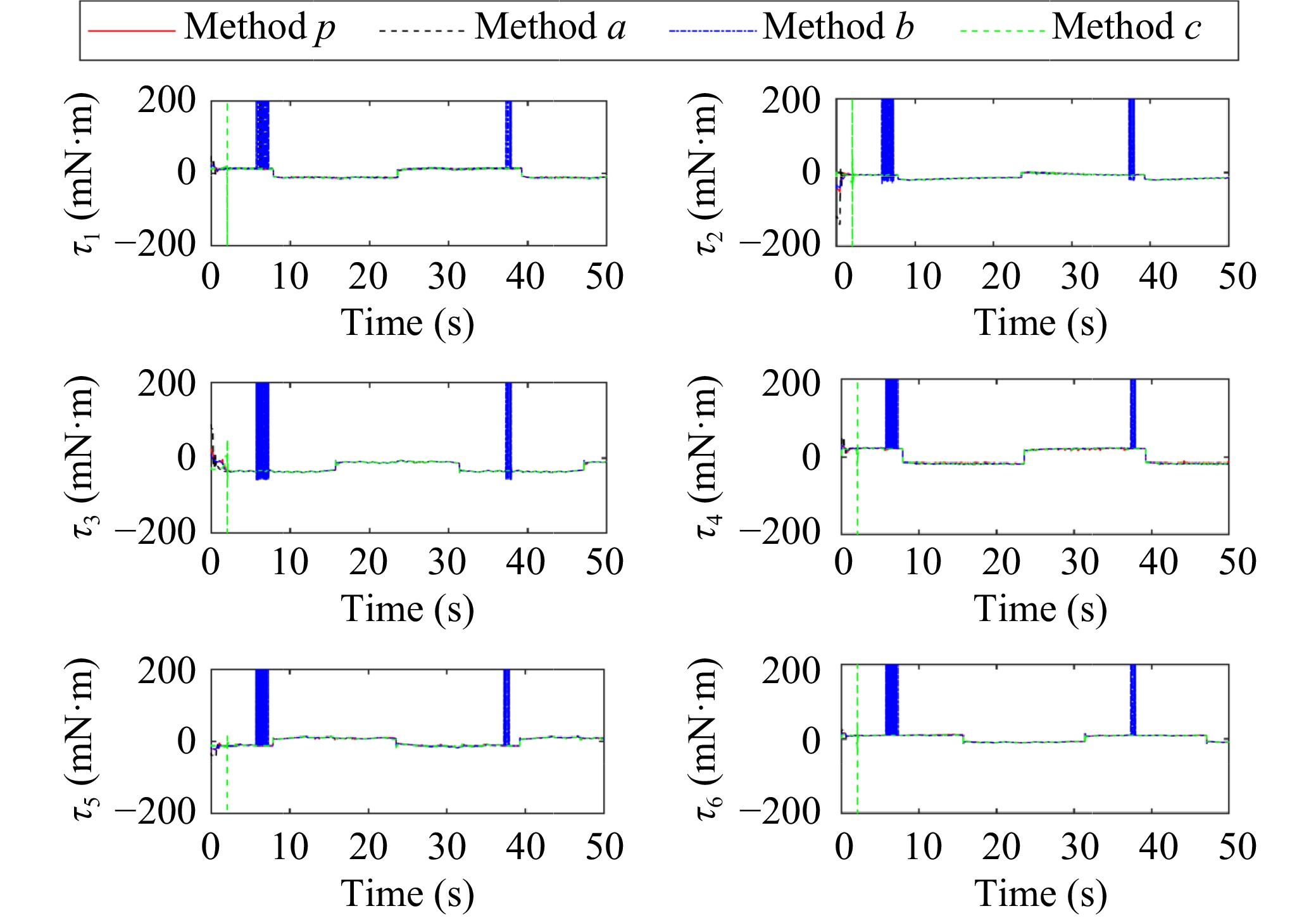
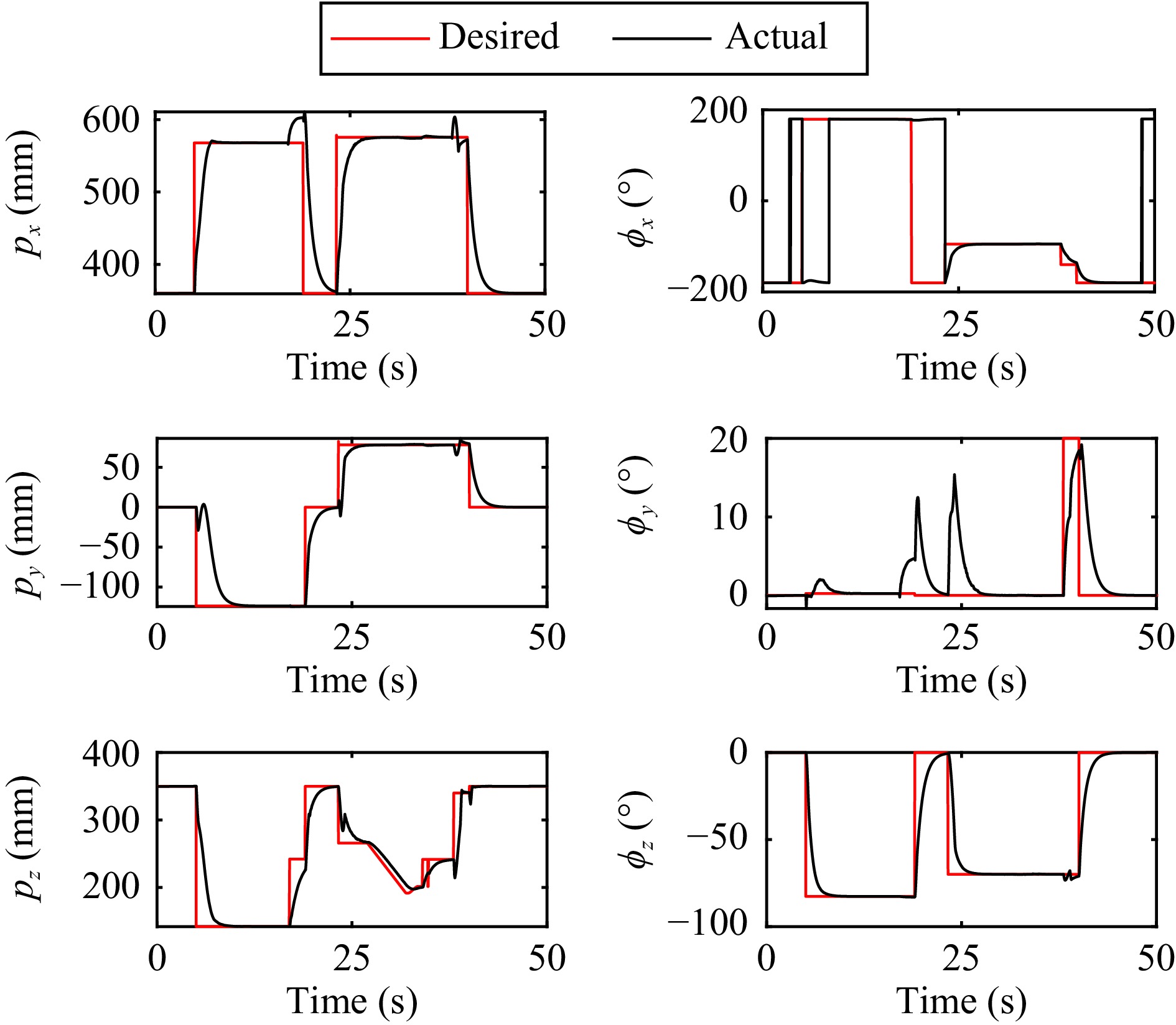
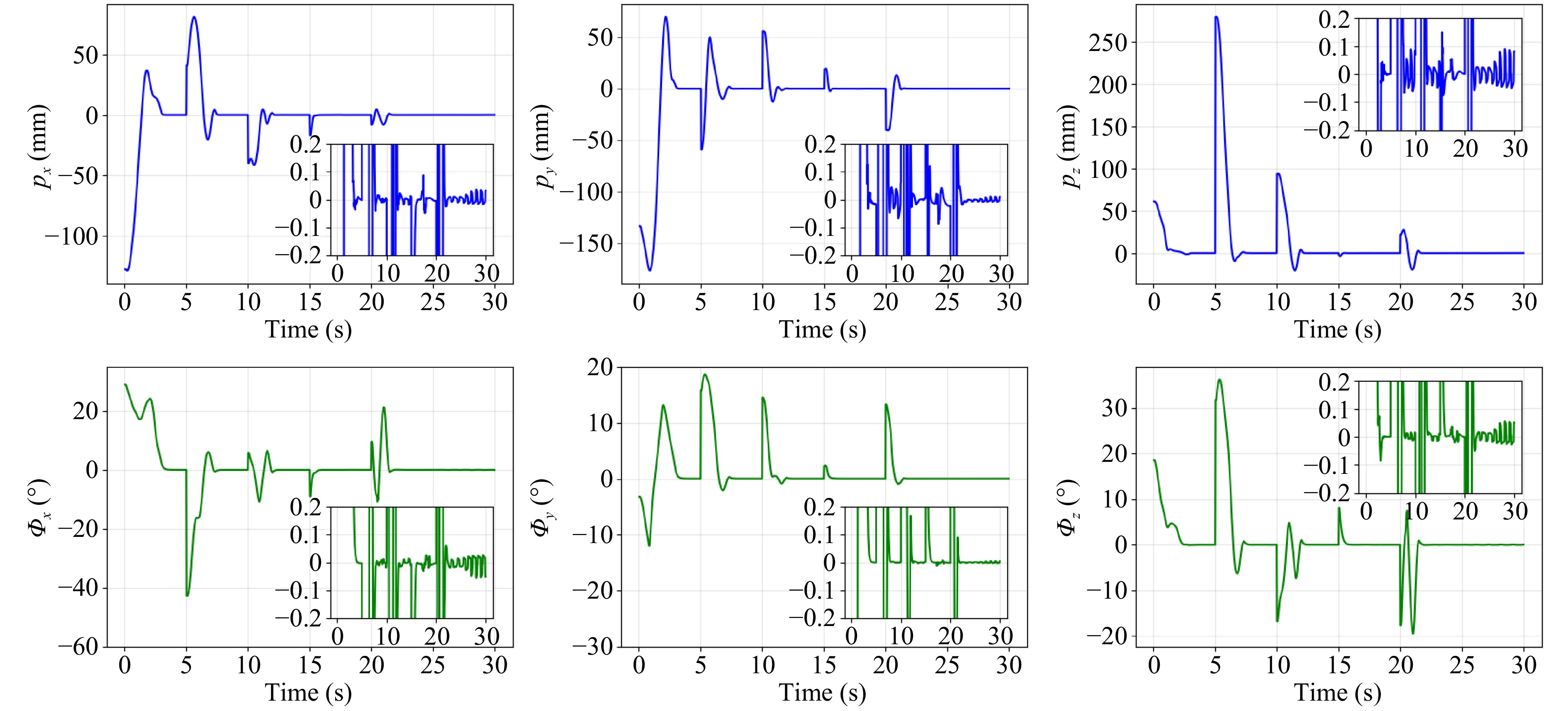
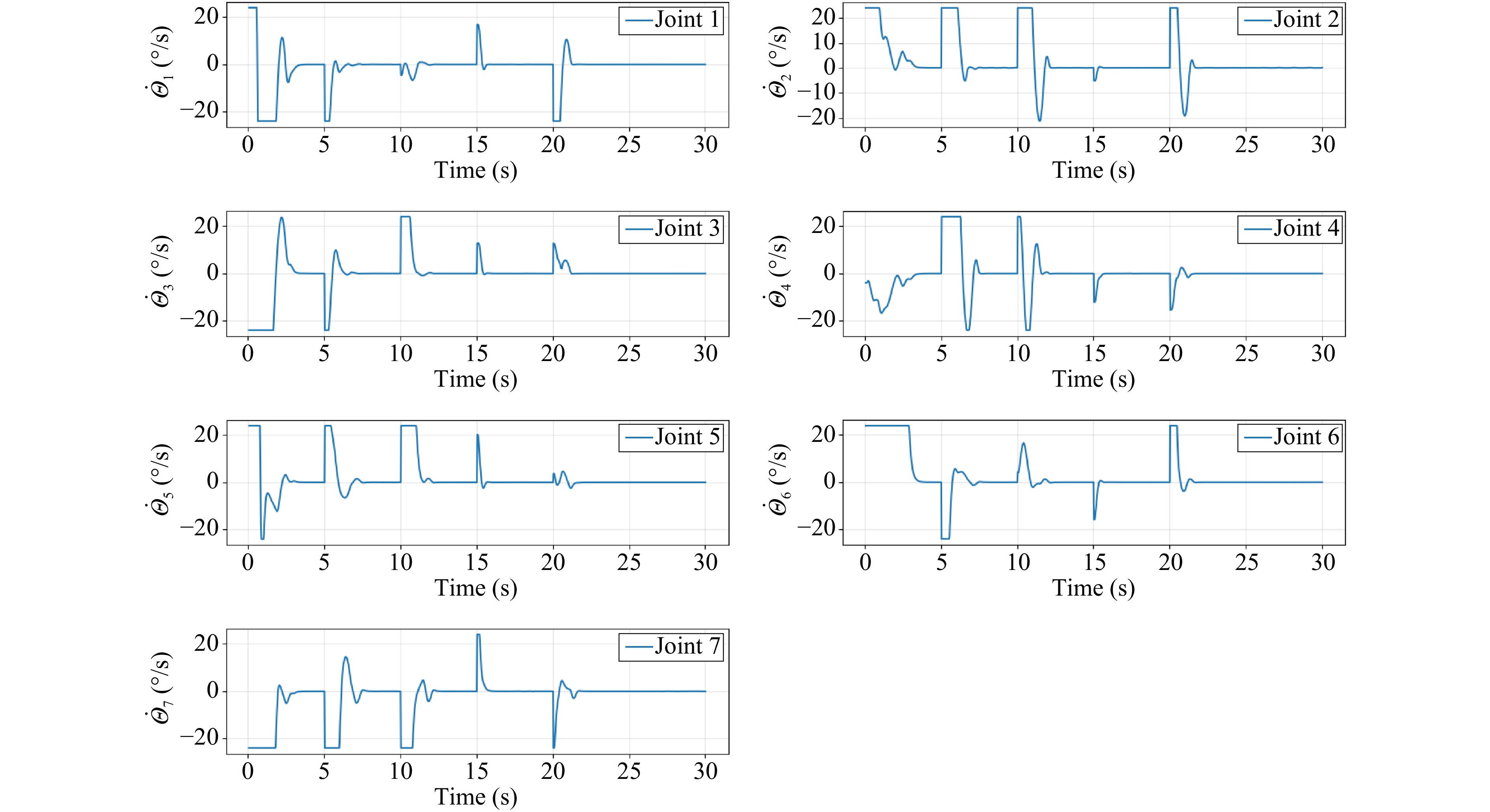
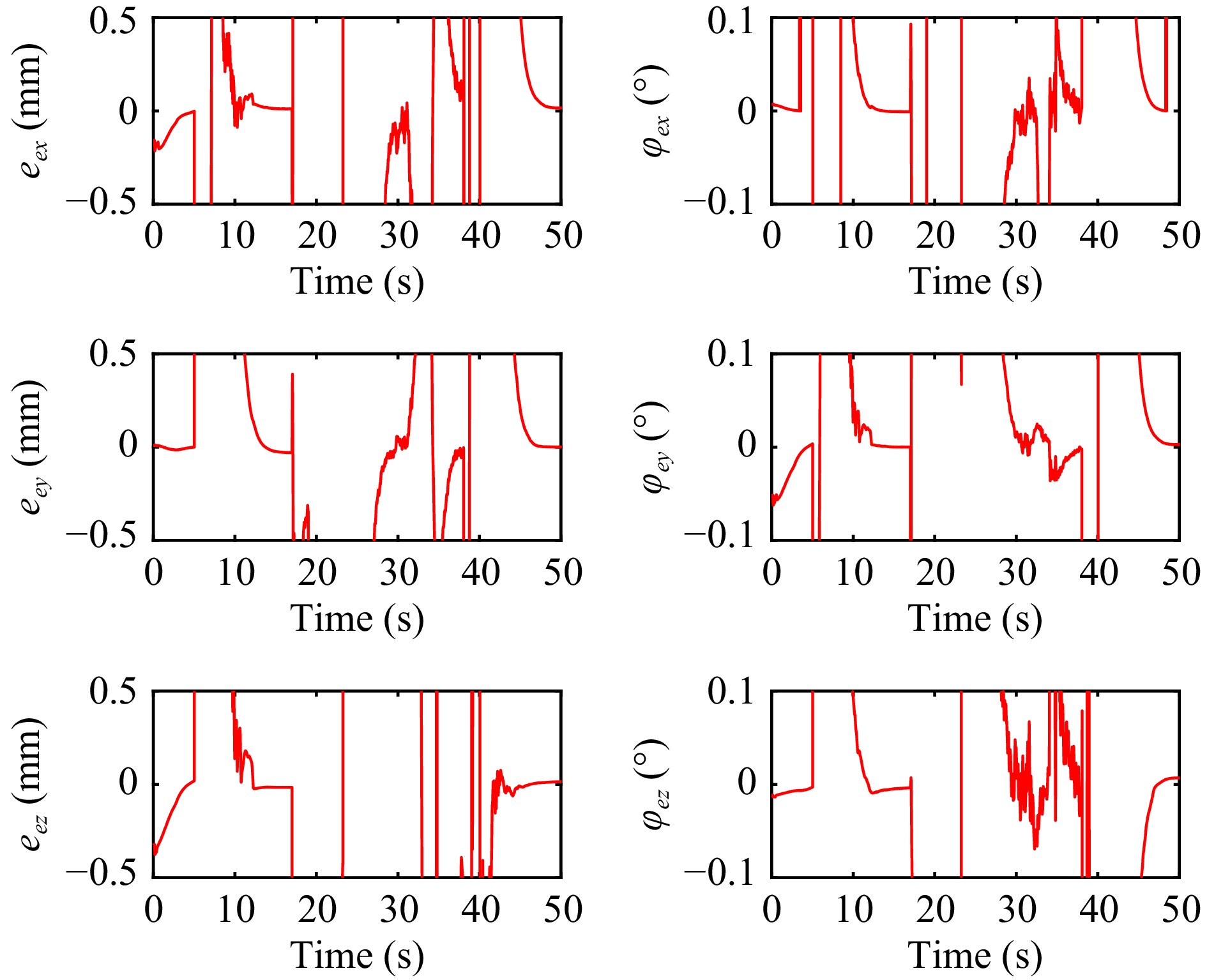
The Lyapunov synthesis method is a common controller design strategy in robotic arm motion control. However, it is difficult for this method to achieve fixed-time control without a nonlinear feedback design, whose nonlinearity may cause chattering in the robotic motion. To address this problem, a novel explicit-time control method is proposed using proportional feedback. Not only can the proposed method be applied to the Cartesian space control of the robotic arm system, but it can also be used for the joint-space tracking control. More specifically, under bounded initial condition, the origin of system is attracted to a predefined neighborhood of zero within an explicit fixed-time boundary. Based on that, a robust fixed-time tracking controller of robot is designed by using this linear time-invariant feedback. Besides, compared with other related methods, the proposed method has smoother and lower control input under the same initial condition. In particular, this method enables the robotic arm to achieve a tracking accuracy of 0.1 millimeters and 0.1 degrees within as short as 1.5 seconds, while the repeat positioning accuracy approaches the hardware limit, reaching 0.001 millimeters (${\boldsymbol{\pm\, 0.03}} $ millimeters) and 0.001 degrees (${\boldsymbol{\pm\, 0.05}} $ degrees). Theoretical analysis, simulation and experiment verify the main results. Code, data, and video are also available, the corresponding links are printed in the relevant places.
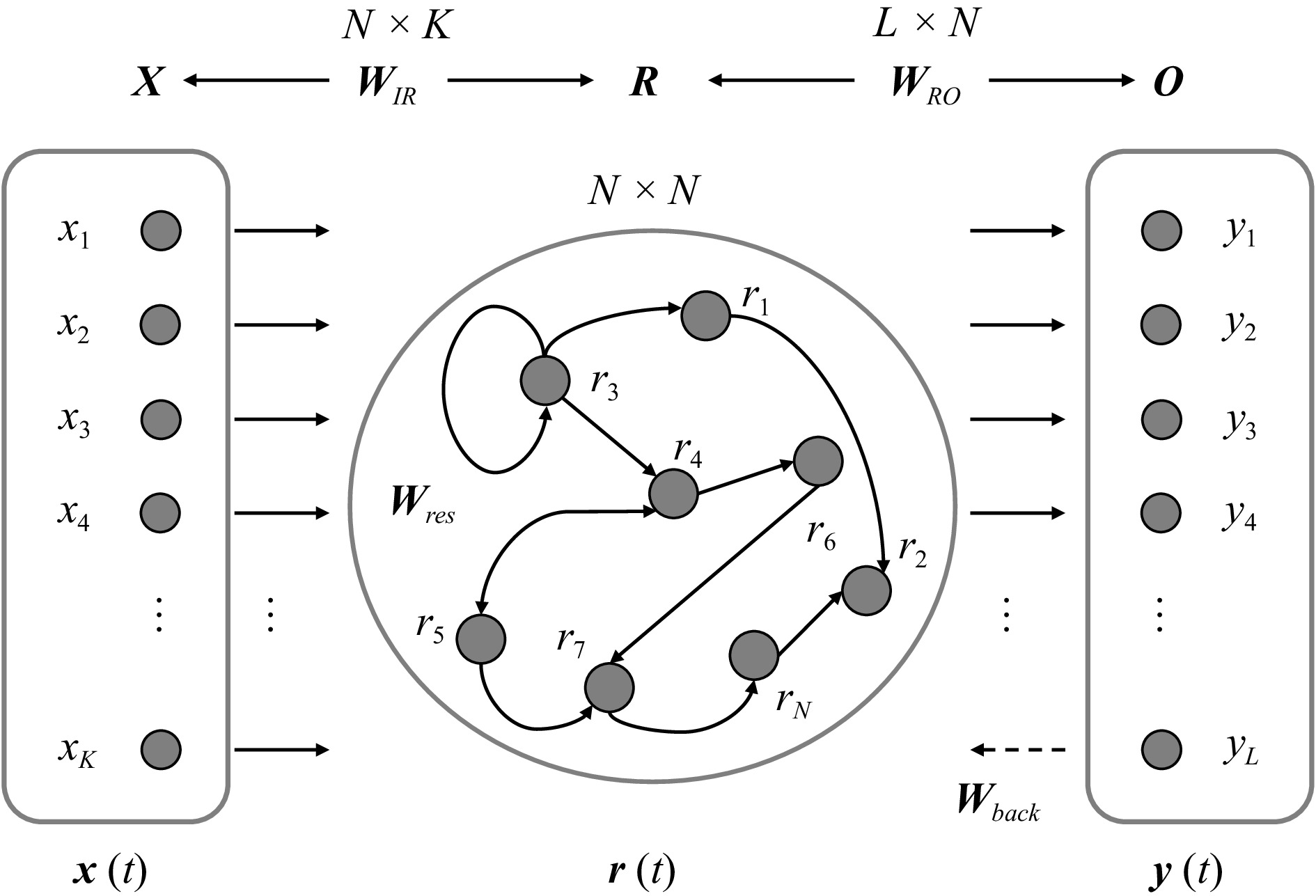
KT-RC: Kernel Time-Delayed Reservoir Computing for Time Series Prediction
Heshan Wang, Mengmeng Chen, Kunjie Yu, Jing Liang, Zhaomin Lv, Zhong Zhang
2026, 13(10): 2237-2257. doi: 10.1109/JAS.2024.124986
Abstract(1508) HTML (13) PDF(85)
Abstract:
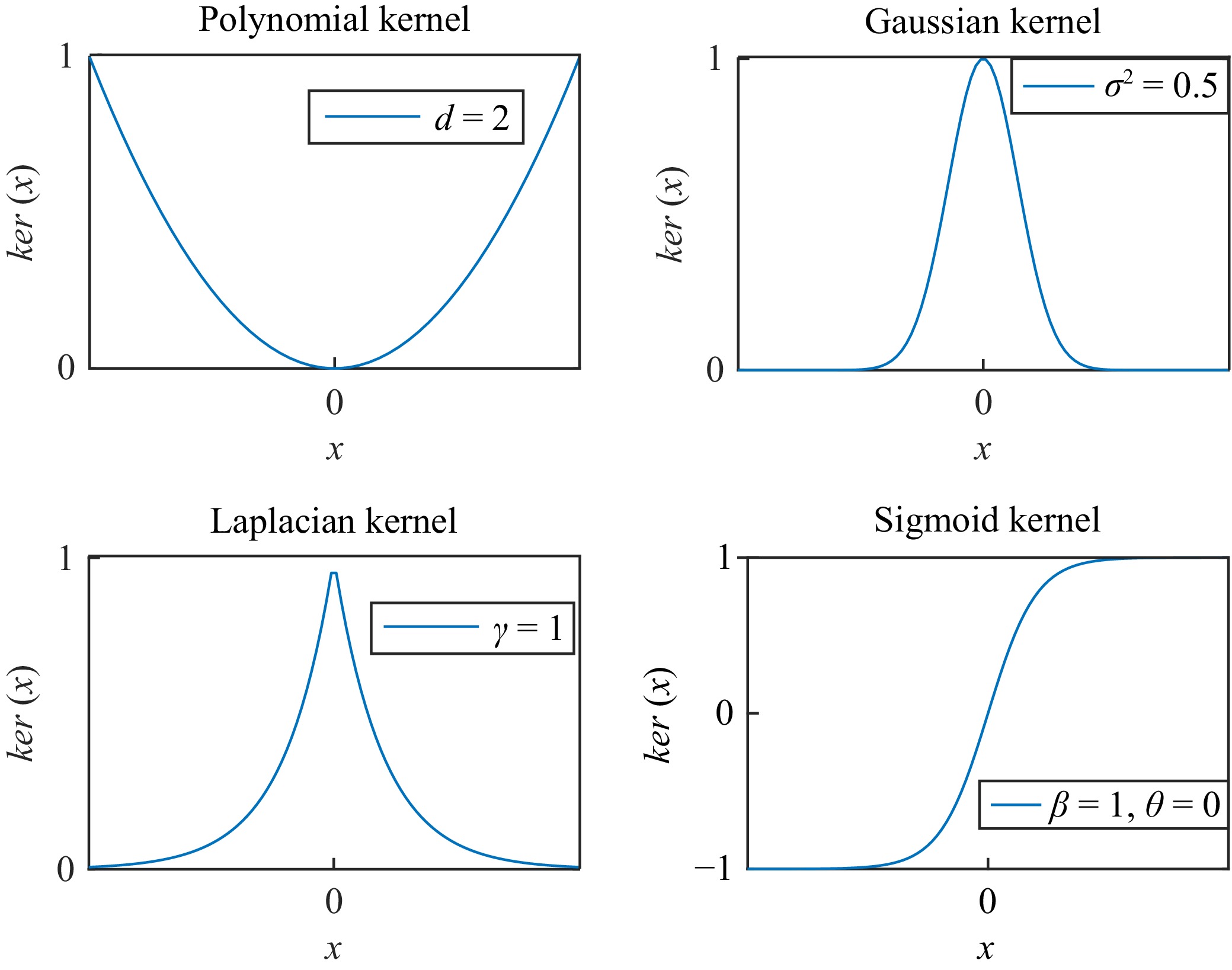
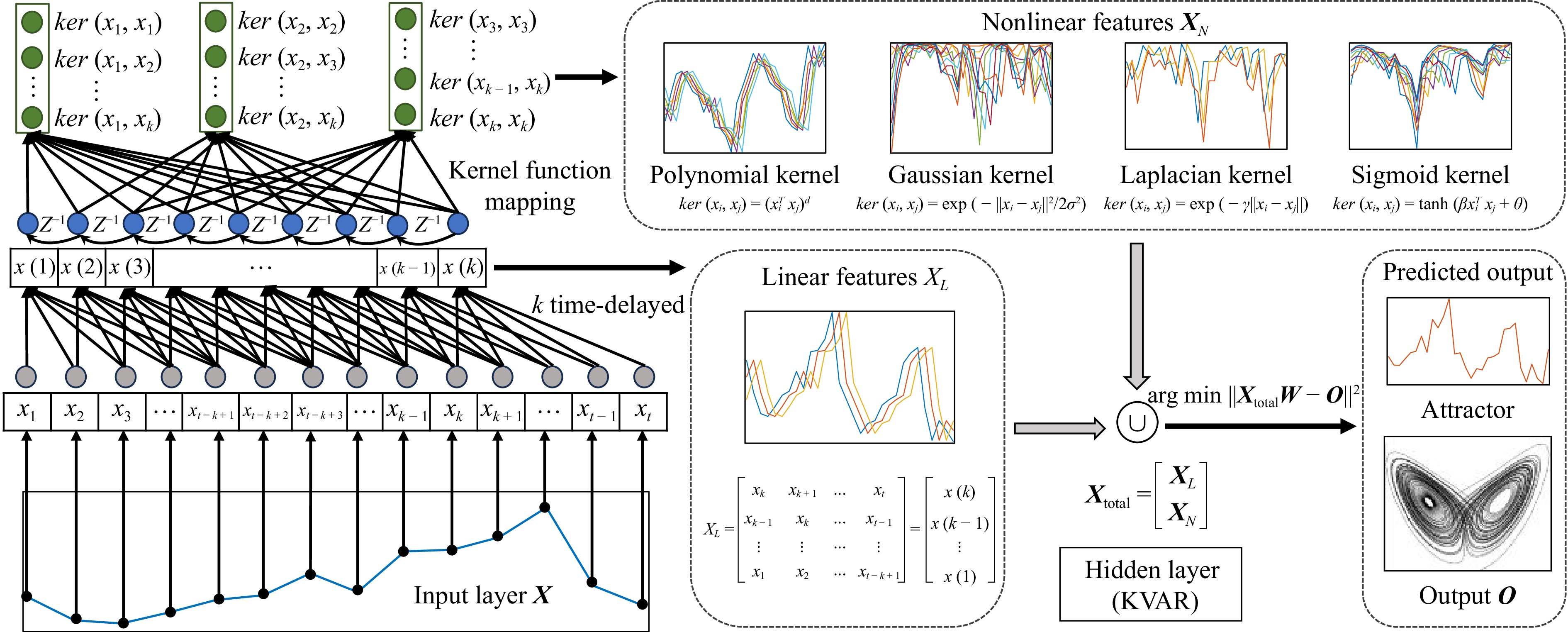
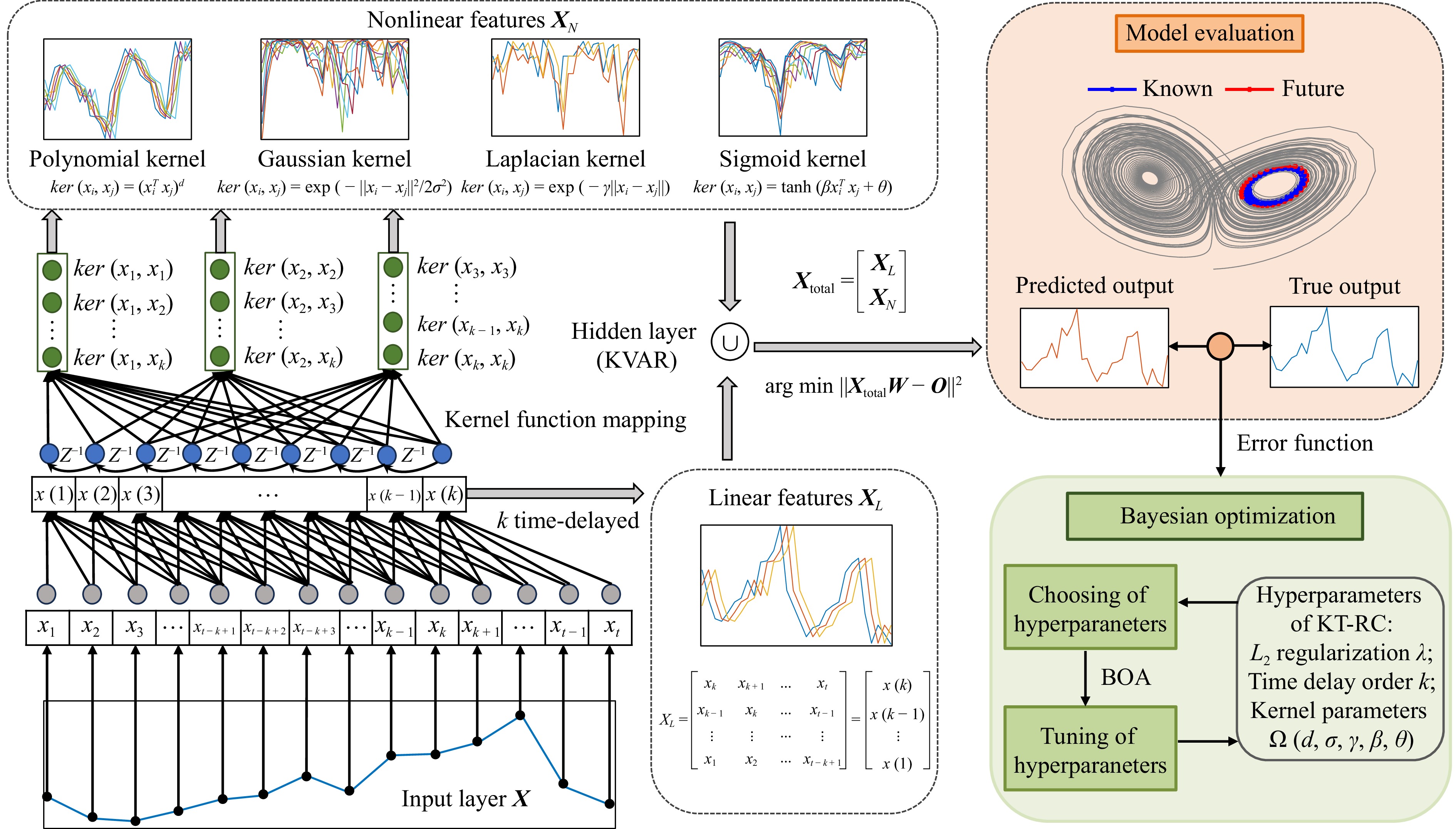
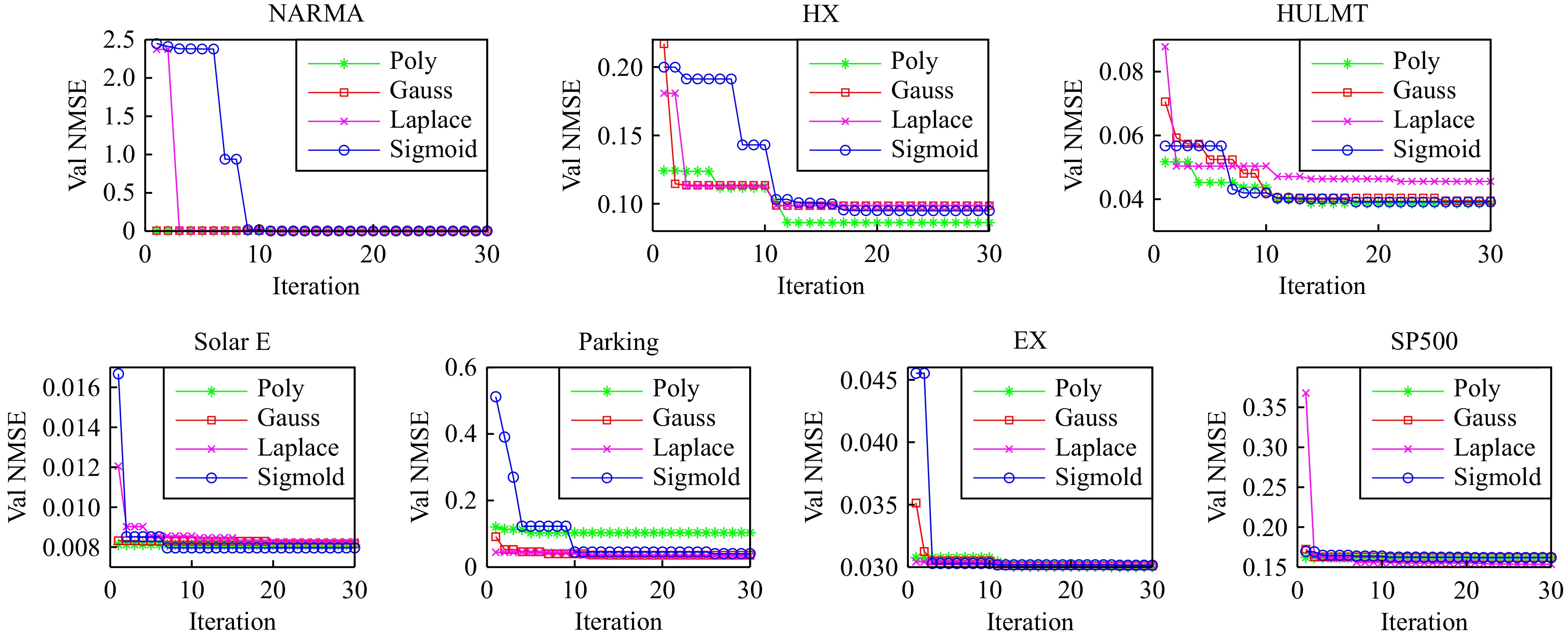
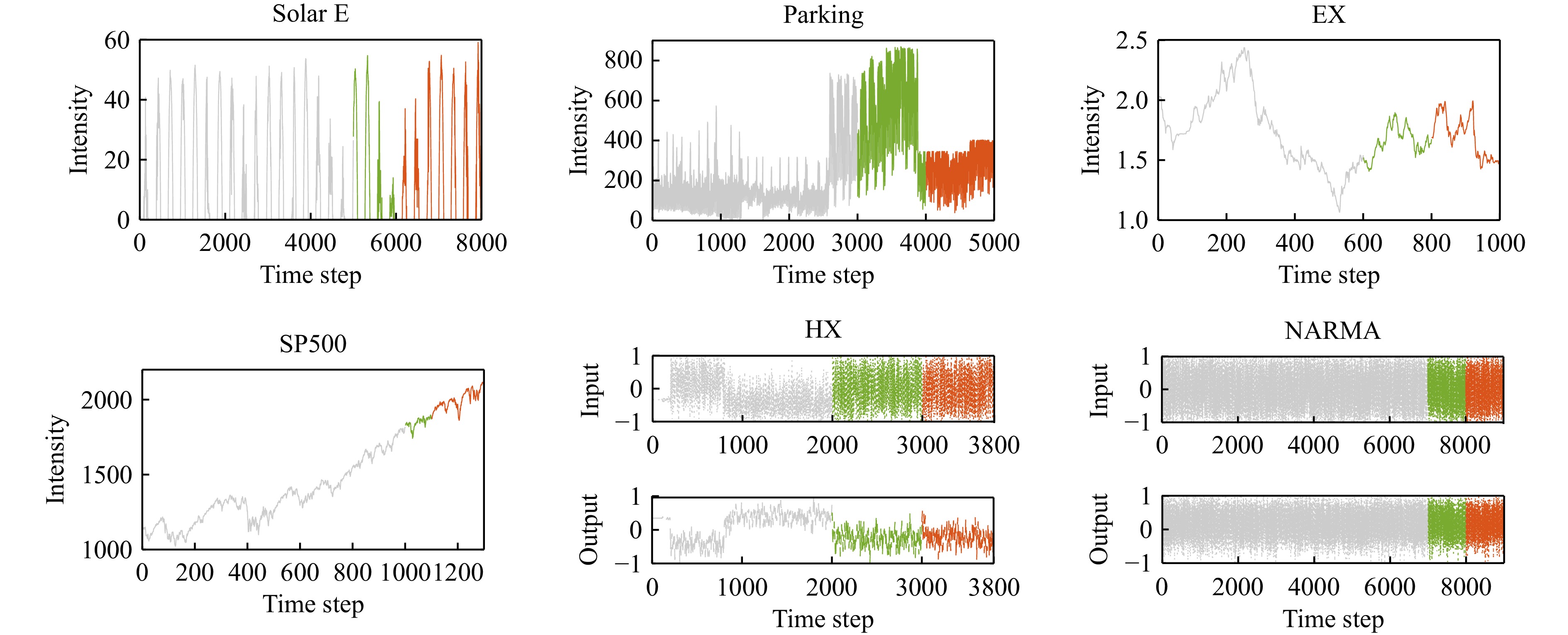
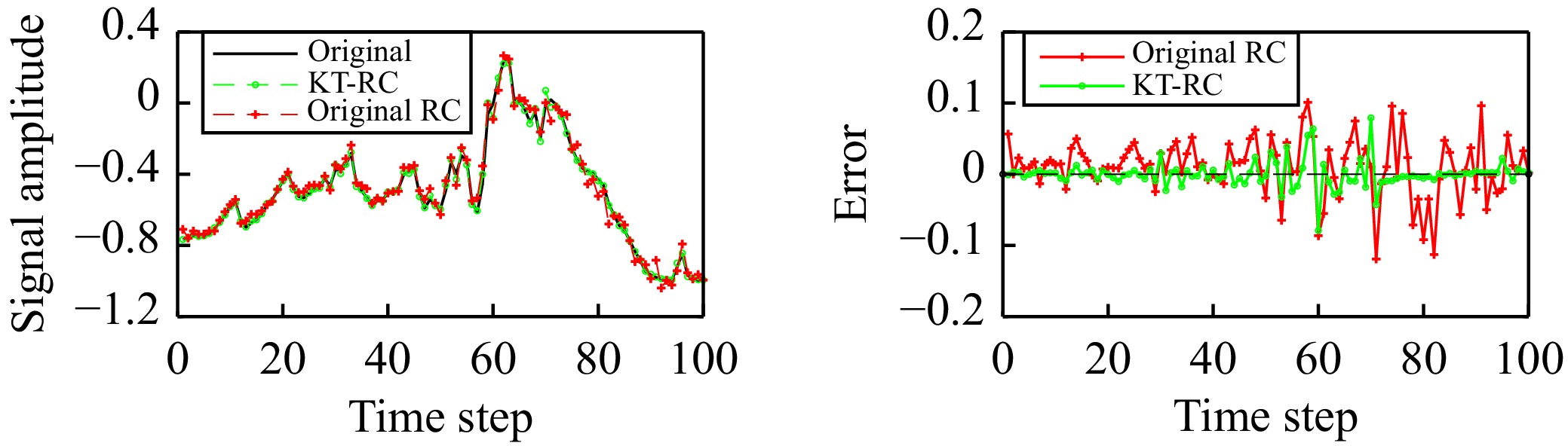
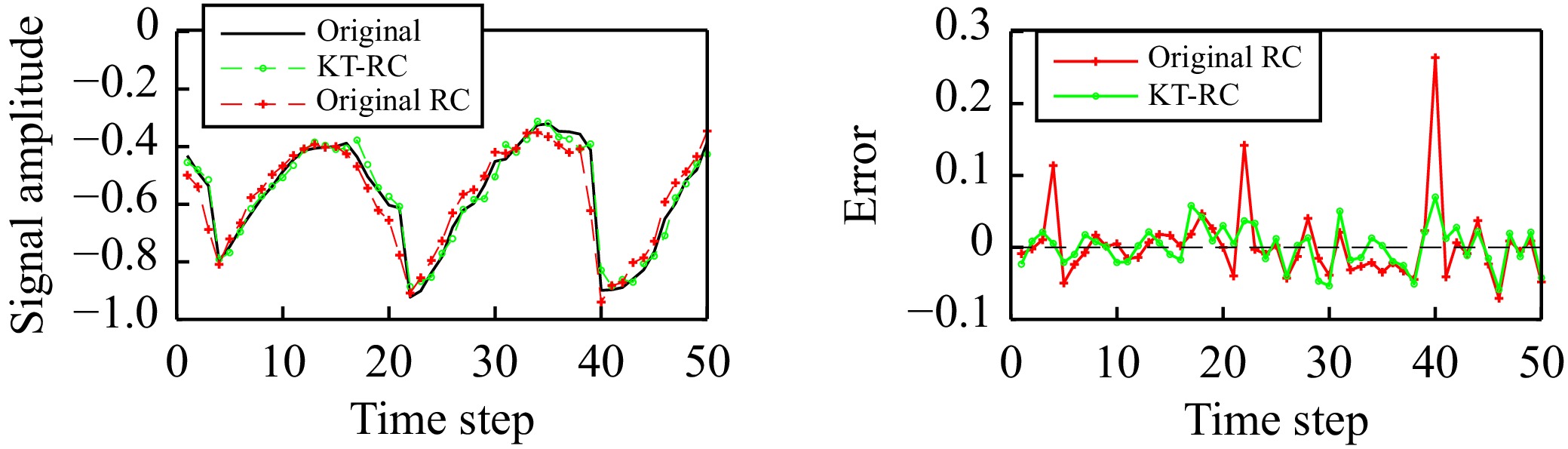
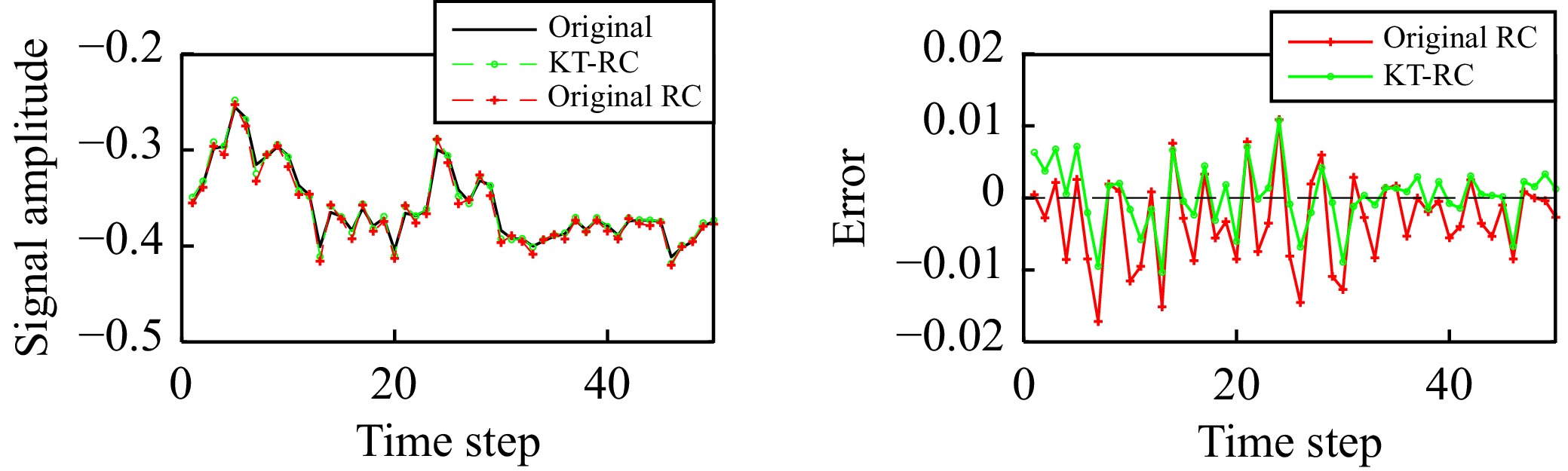
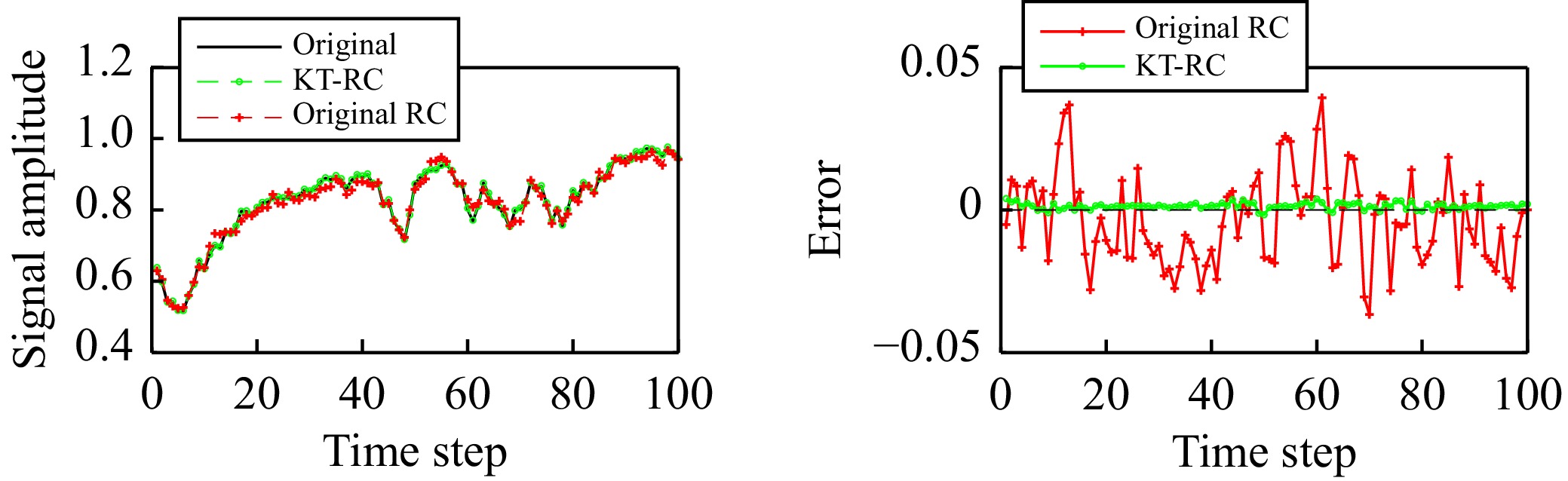
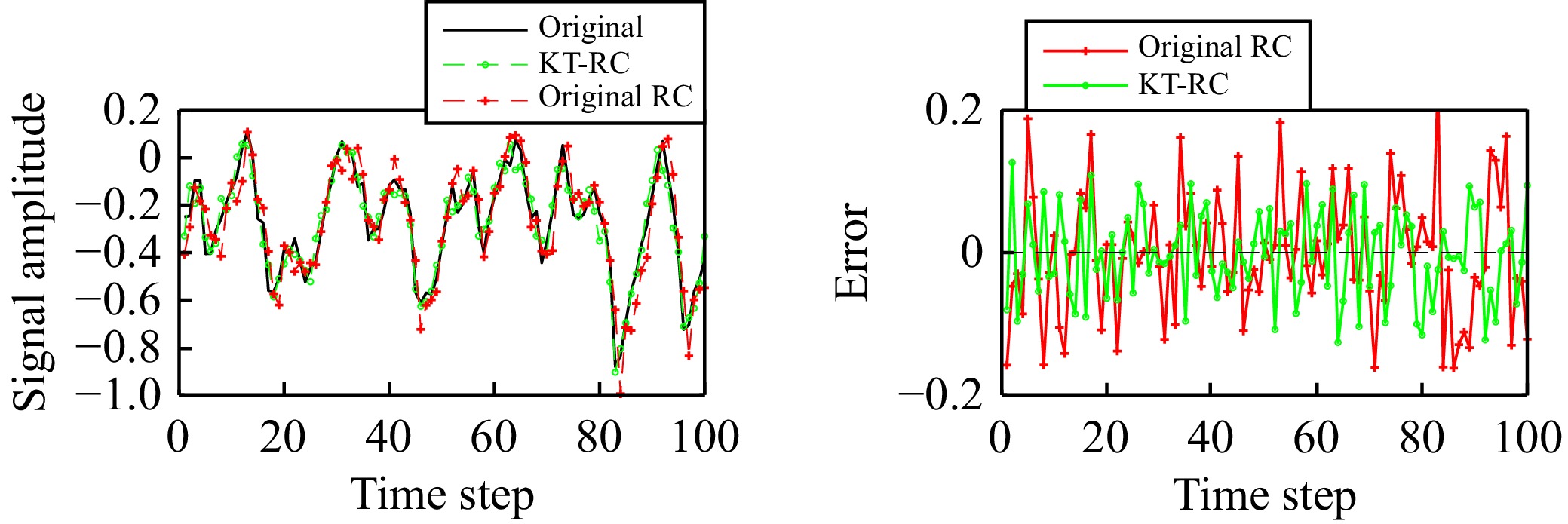
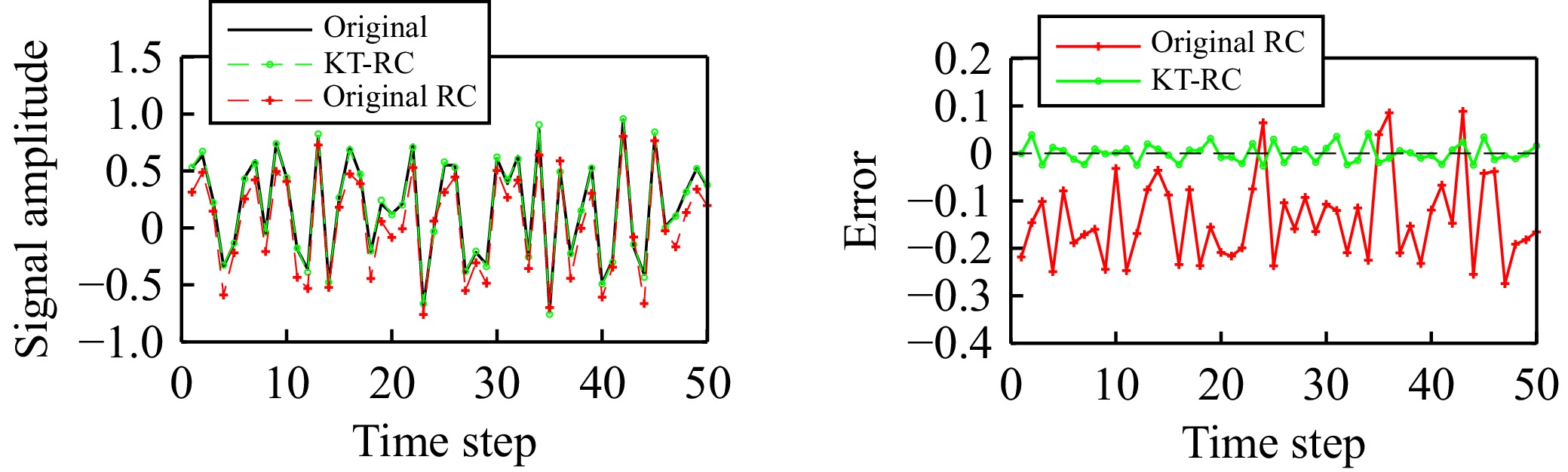
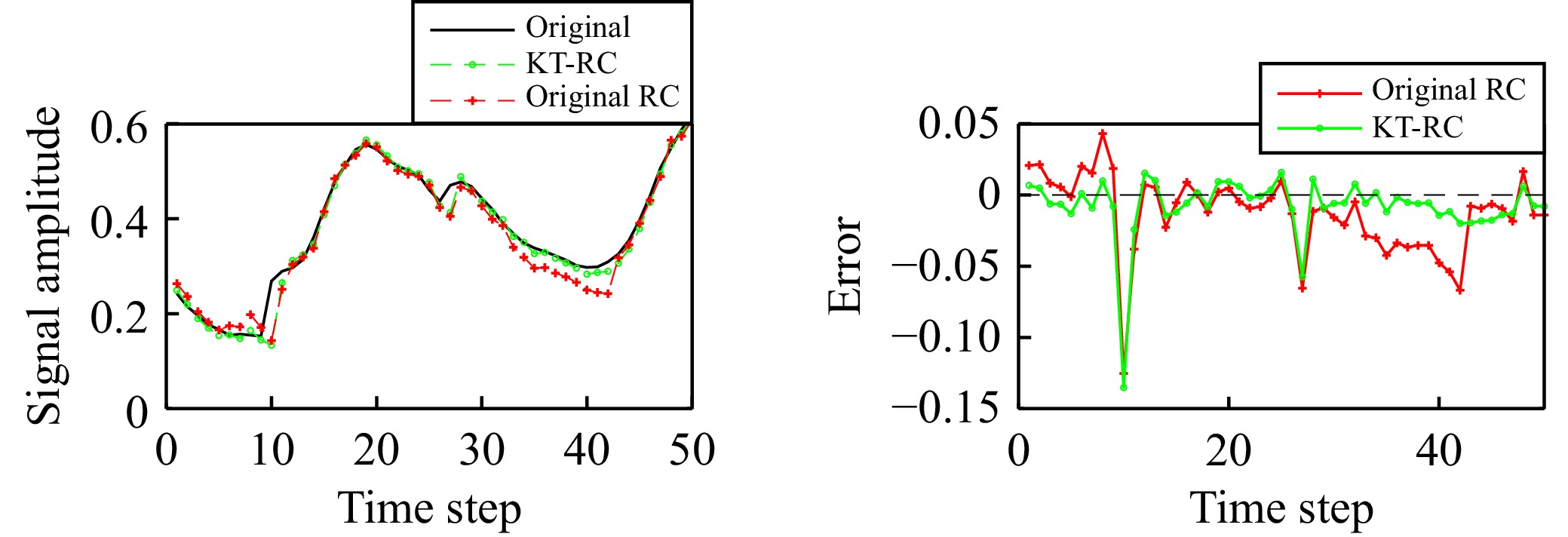
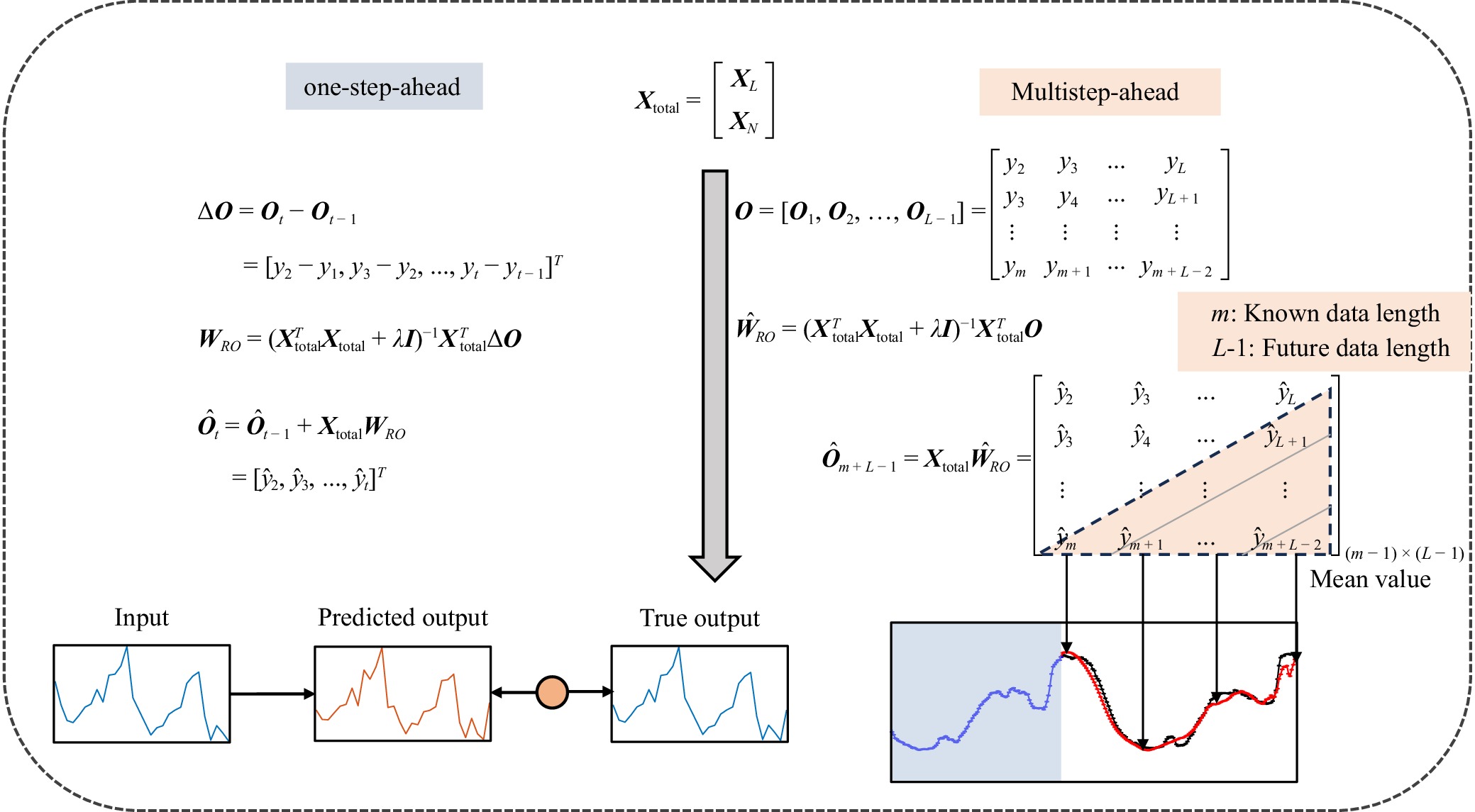
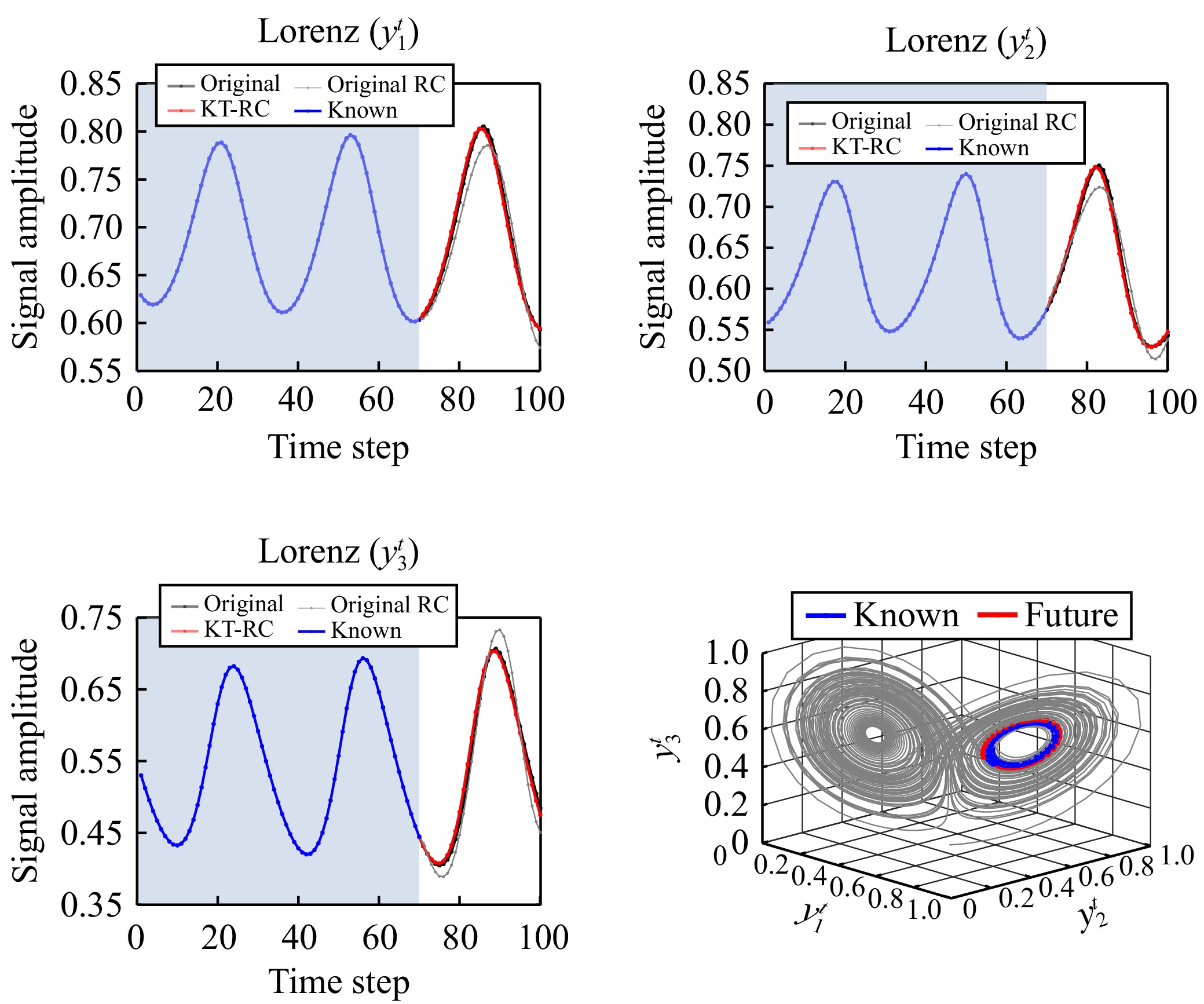
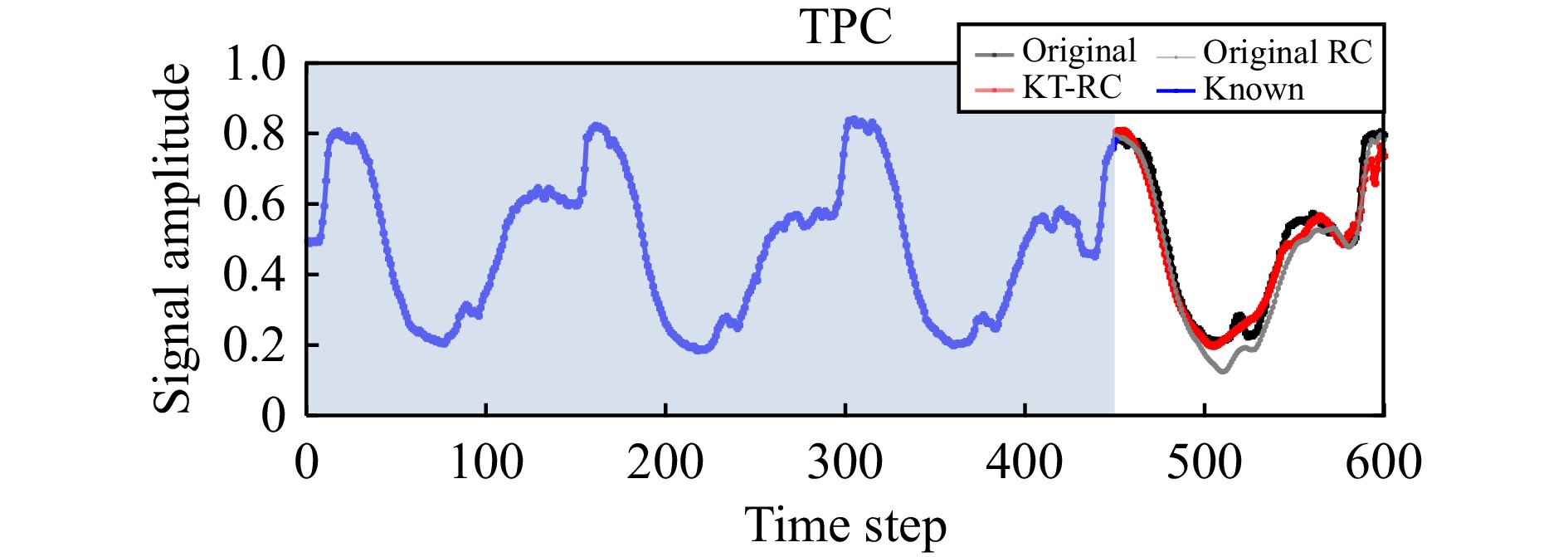
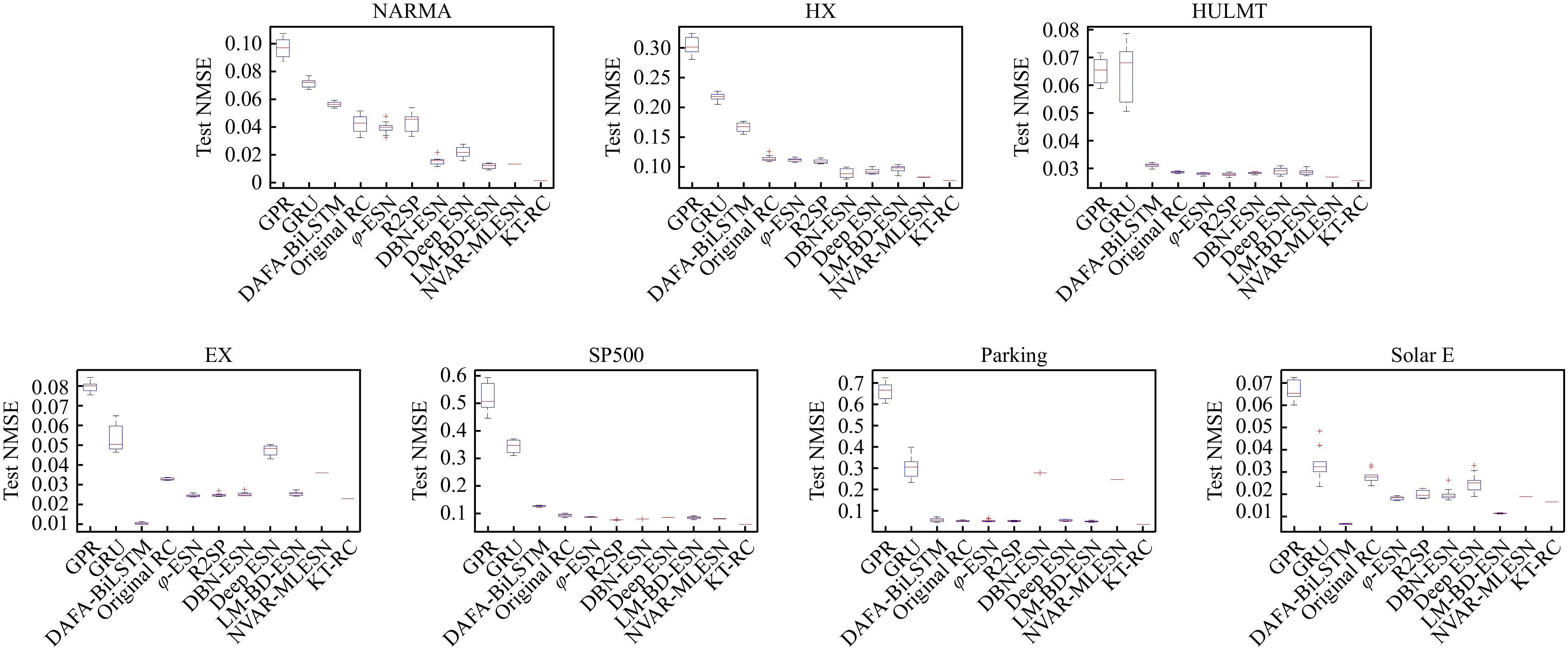
Reservoir computing (RC) is an efficient recurrent neural network (RNN) method. However, the performance and prediction results of traditional RCs are susceptible to several factors, such as their network structure, parameter setting, and selection of input features. In this study, we employ a kernel time-delayed RC (KT-RC) method for time series prediction. The KT-RC transforms input vectors linearly to obtain a high-dimensional set of time-delayed linear eigenvectors, which are then transformed by various kernel functions to represent the nonlinear characteristics of the input signal. Finally, the Bayesian optimization algorithm adjusts the few remaining weights and kernel parameters to minimize the manual adjustment process. The advantages of KT-RC can be summarized as follows: 1) KT-RC solves the problems of uncertainty in weight matrices and difficulty in large-scale parameter selection in the input and hidden layers of RCs. 2) The KT module can avoid massive reservoir hyperparameters and effectively reduce the hidden layer size of the traditional RC. 3) The proposed KT-RC shows good performance, strong stability, and robustness in several synthetic and real-world datasets for one-step-ahead and multistep-ahead time series prediction. The simulation results confirm that KT-RC not only outperforms some gate-structured RNNs, kernel vector regression models, and recently proposed prediction models but also requires fewer parameters to be initialized and can reduce the hidden layer size of the traditional RCs. The source code is available at https://github.com/whs7713578/RC.
Modeling and Analysis of Coupling Relations and Cascading Failures in a Cyber-Physical-Social System
Lei Chen, Rongjun Xiao, Dong Yue, Chunxia Dou, Hui Ge, Shengquan Li
2026, 13(10): 2258-2268. doi: 10.1109/JAS.2025.125840
Abstract(23) HTML (14) PDF(2)
Abstract:
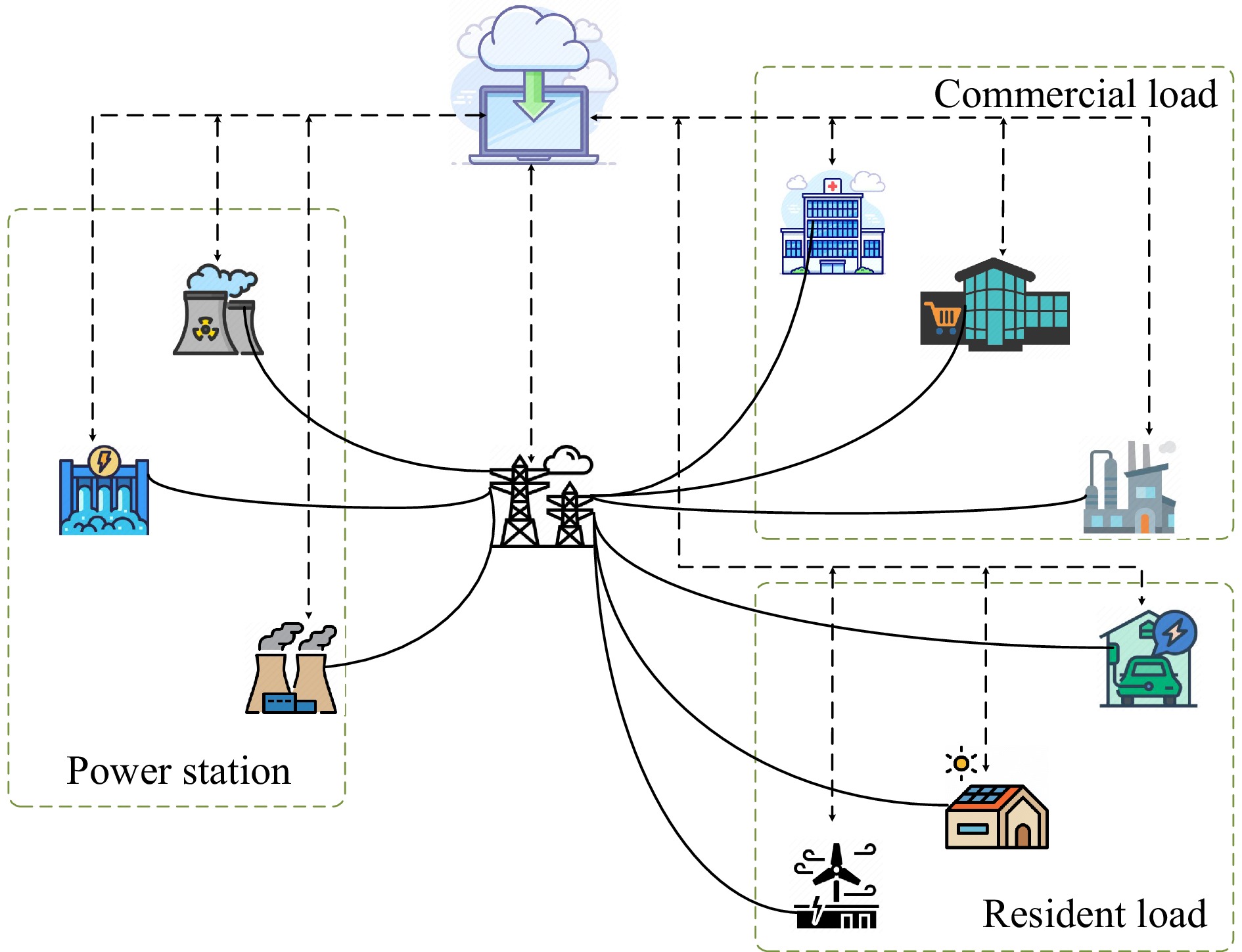
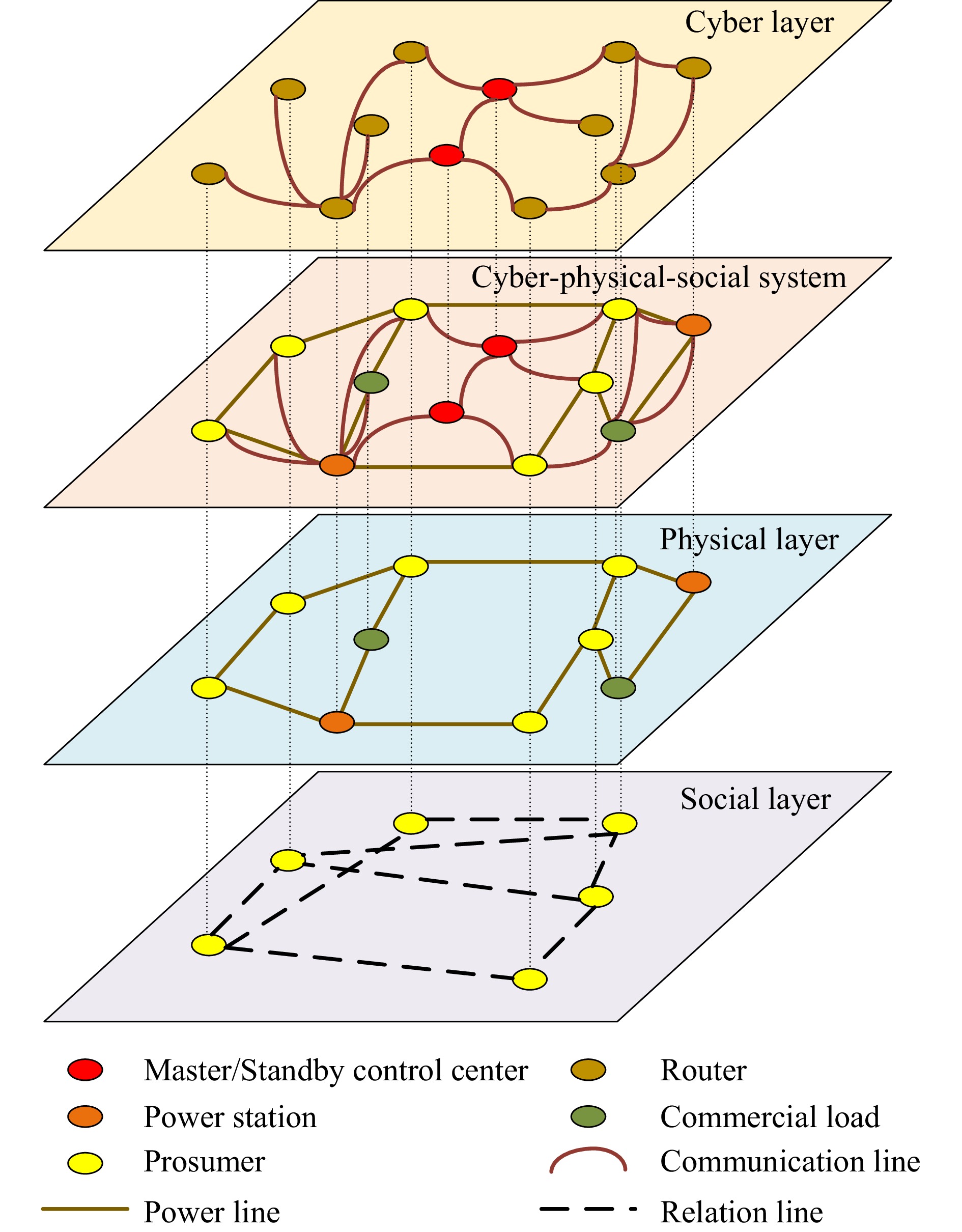
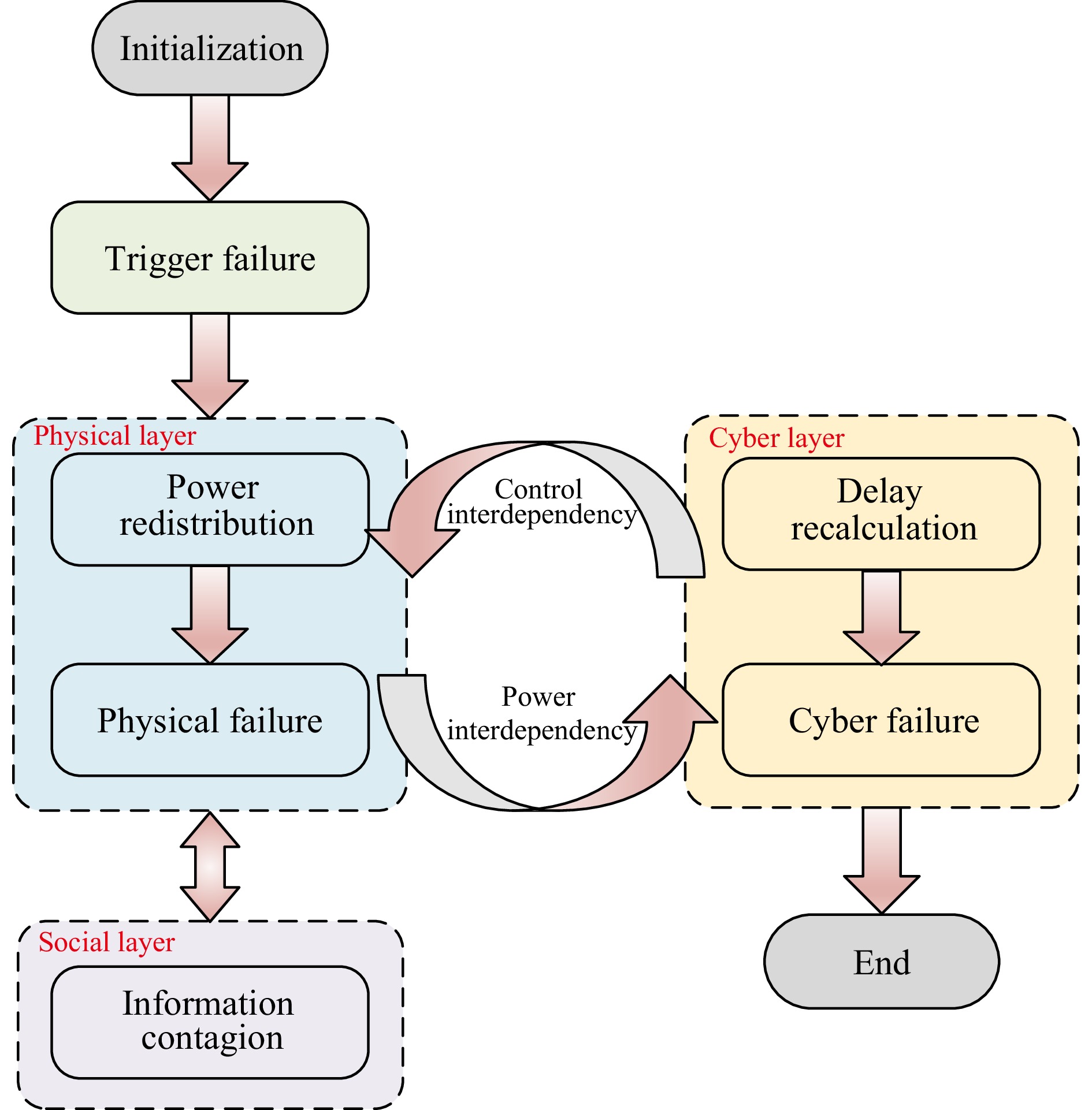
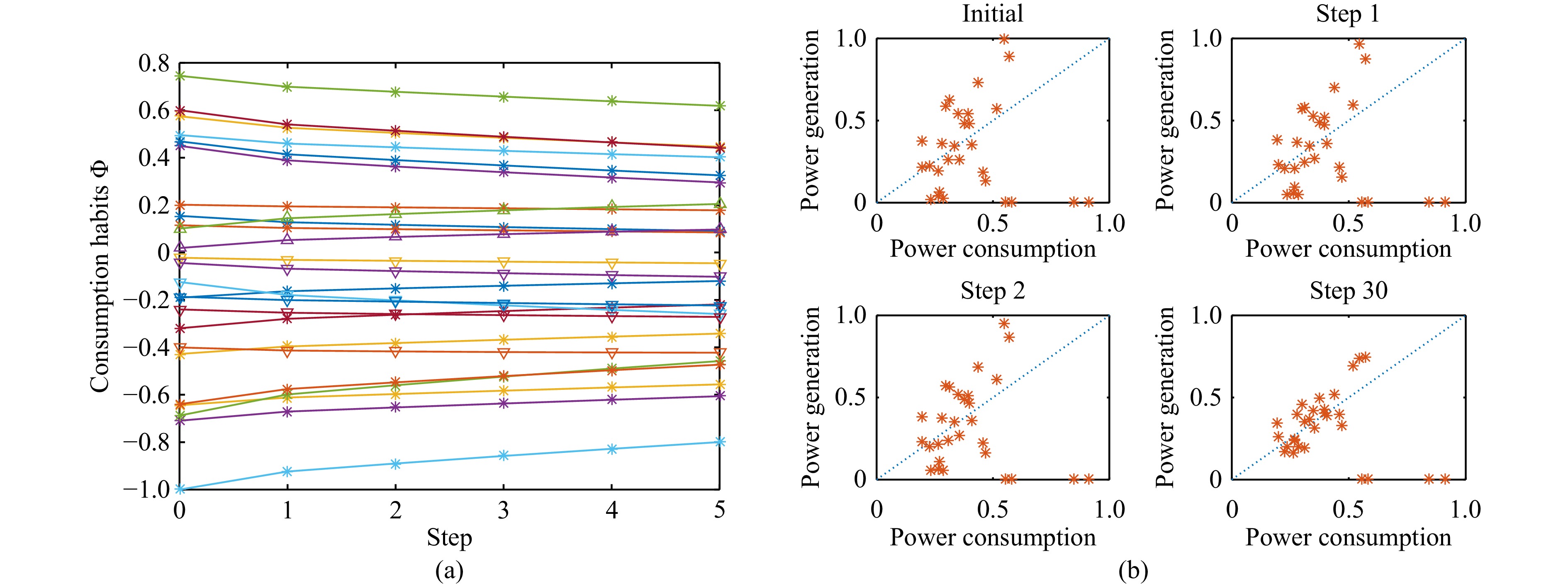
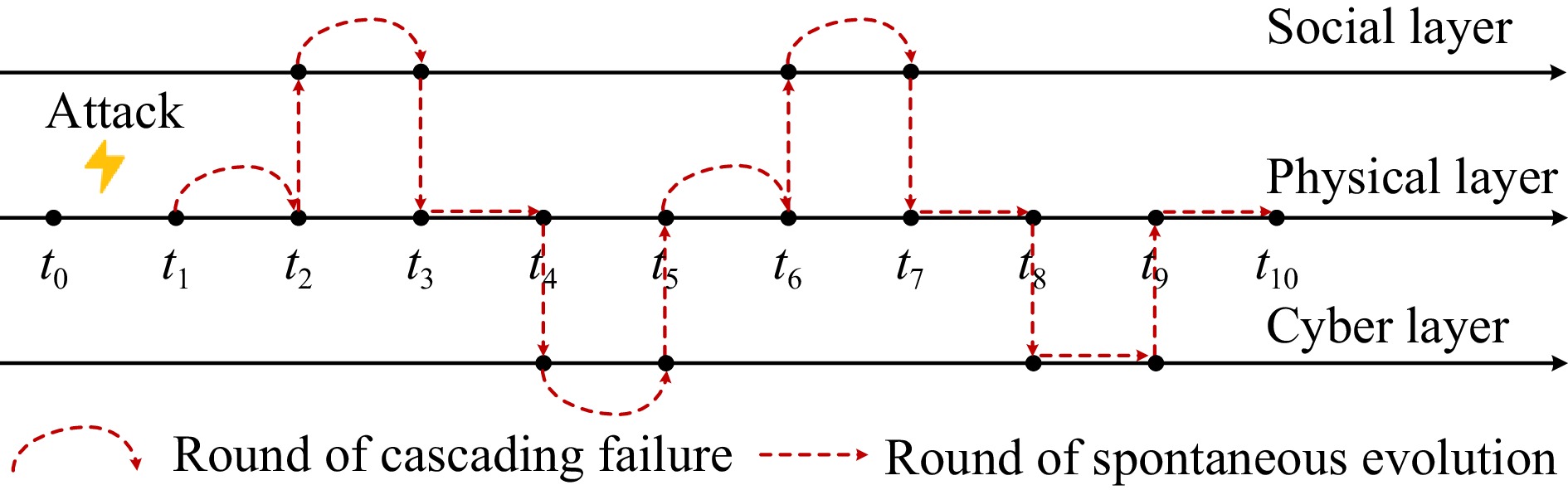
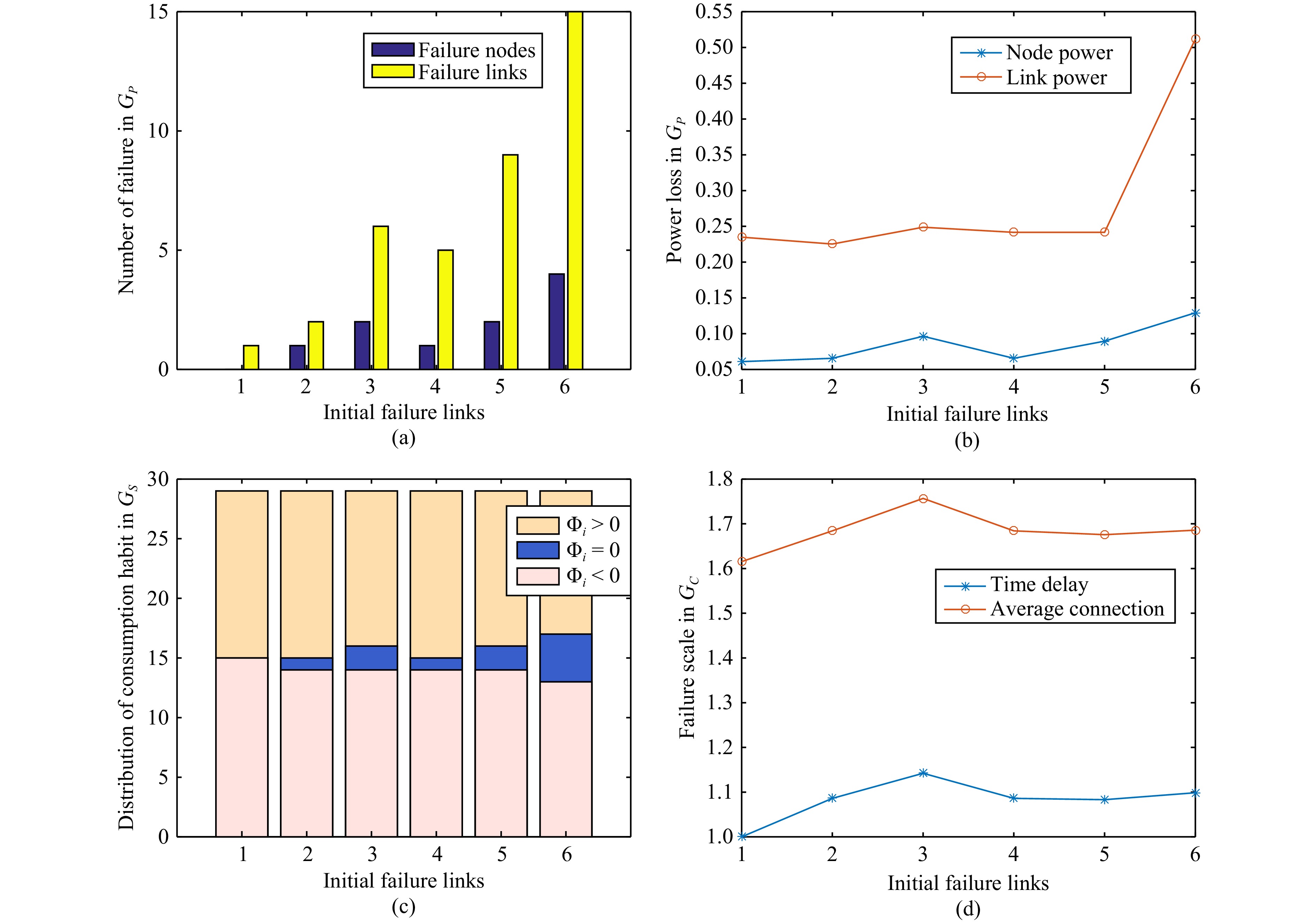
Distributed energy sources and the electricity market enable traditional power consumers to become prosumers, who can sell superfluous energy to the electricity market if generation exceeds consumption. The participation of prosumers improves the economics and reliability of the power system, but also results in uncertainty and other social issues. In this paper, we model and analyze the coupling relations and cascading failures in a cyber-physical-social system. First, the framework structure of a cyber-physical-social system is proposed, along with the coupling relations between the cyber, physical and social layers. Second, dynamic models for communication networks handling data uploads, and physical power grid managing flow distribution are established. The relation network involving information contagion is also defined. Then, the evolution and propagation mechanism of cascading failures within and across the cyber, physical and social layers are detailed. Numerical simulations then analyze the effect on system caused by spontaneous evolution in the social layer and initial failure in the cyber/physical layer.
Virtual Policy Iteration-Based H∞ Robust Optimal Output Synchronization for Unknown Linear Multi-Agent Systems
Dongdong Li, Jiuxiang Dong
2026, 13(10): 2269-2279. doi: 10.1109/JAS.2026.125858
Abstract(18) HTML (15) PDF(4)
Abstract:
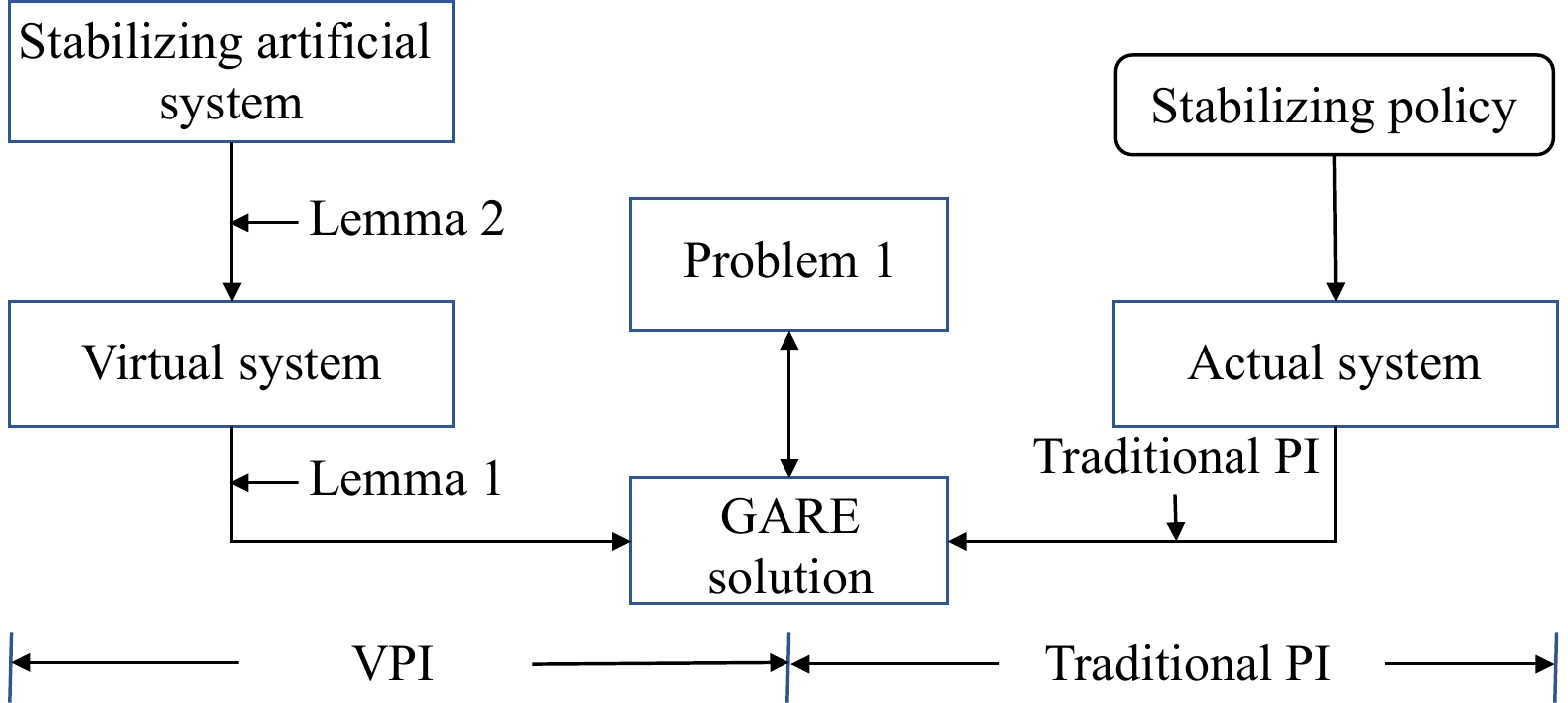
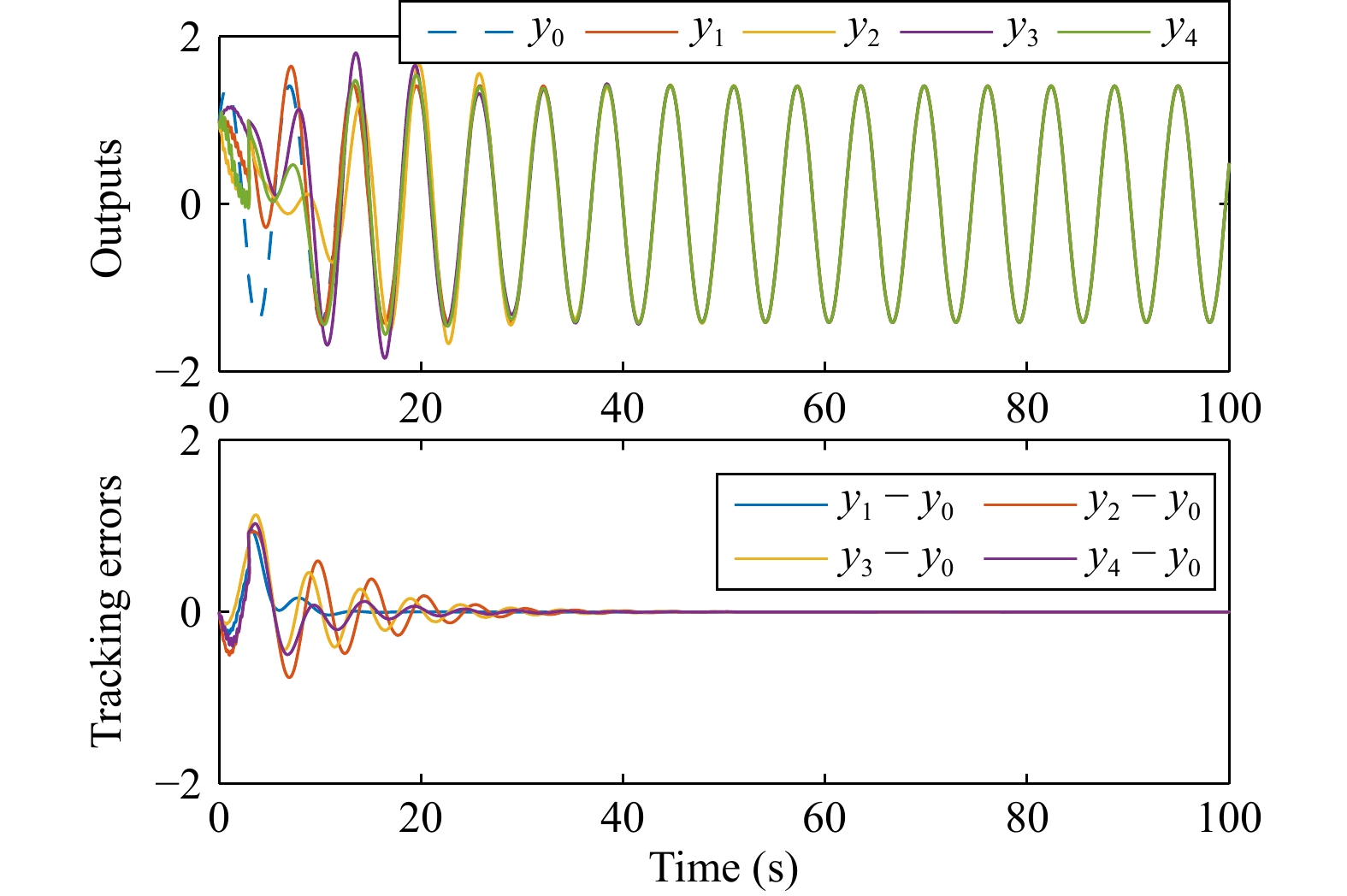
In this paper, the interaction terms generated by applying the distributed controller to multi-agent systems (MASs) are viewed as mismatched disturbances, thus establishing the H∞ robust optimal output synchronization (ROOS) problem. By solving this problem, the impact of inter-agent coupling disturbances is effectively regulated, thereby ensuring a quantifiable level of robustness. To address this problem, an adaptive dynamic programming (ADP) algorithm based on virtual policy iteration (VPI) is proposed. The difference with existing results is that we establish a new H∞ policy iteration (PI) theoretical framework that does not require initial stabilizing policies. Indirectly finding the optimal solution of the actual closed-loop system by using two virtual systems is the main idea of the method. Finally, model-free H∞ ROOS is achieved by collecting only the input-state data from the MASs. The proposed algorithm is validated by the simulation of the LCL coupled inverter-based distributed generation group.
FMT-I: Flexible Mass Transport for Noise-Resilient Missing Data Imputation
Hao Wang, Licheng Pan, Yuan Lu, Zhengnan Li, Shuting He, Xiaoyu Jiang, Zhichao Chen, Xinggao Liu
2026, 13(10): 2280-2299. doi: 10.1109/JAS.2026.125876
Abstract(14) HTML (16) PDF(0)
Abstract:
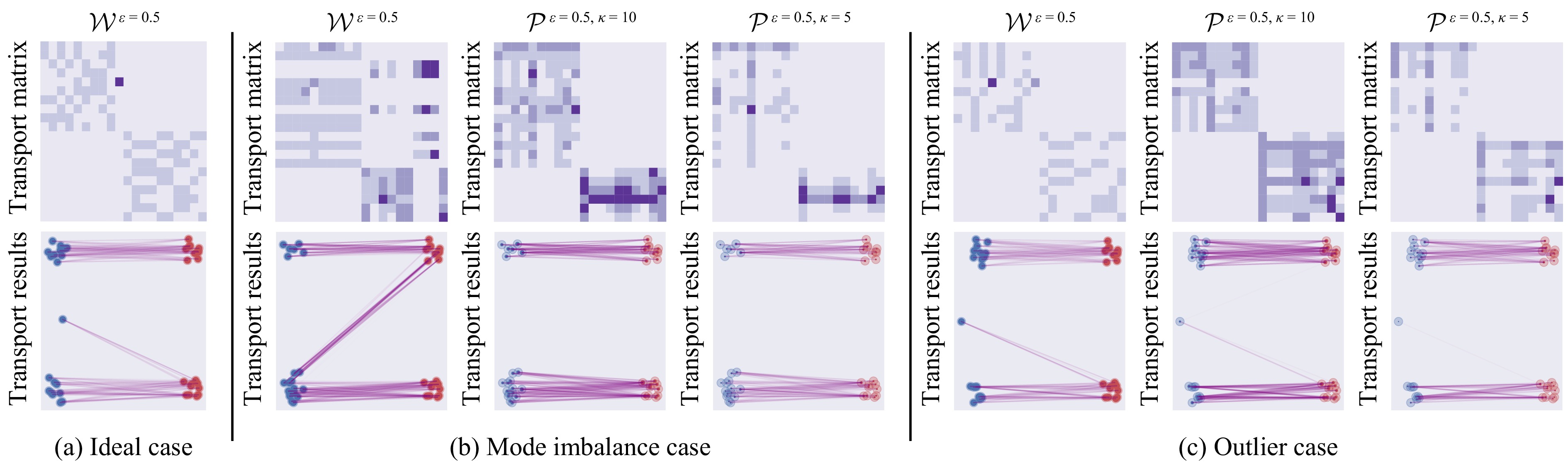
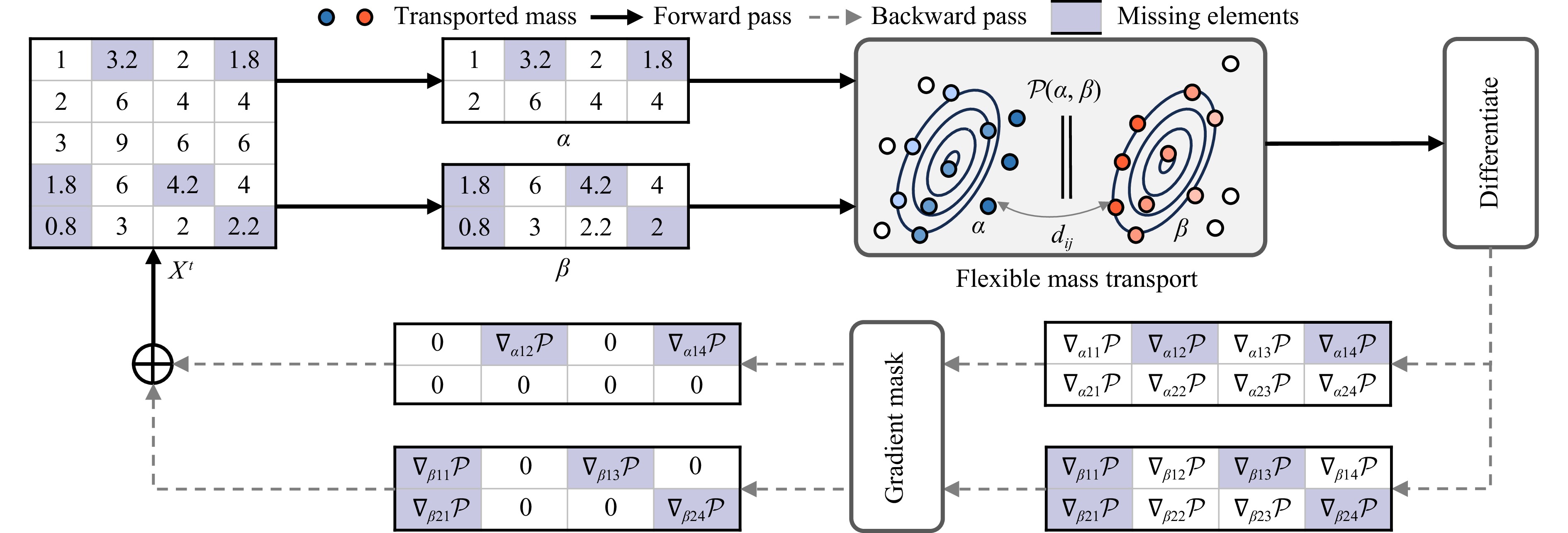
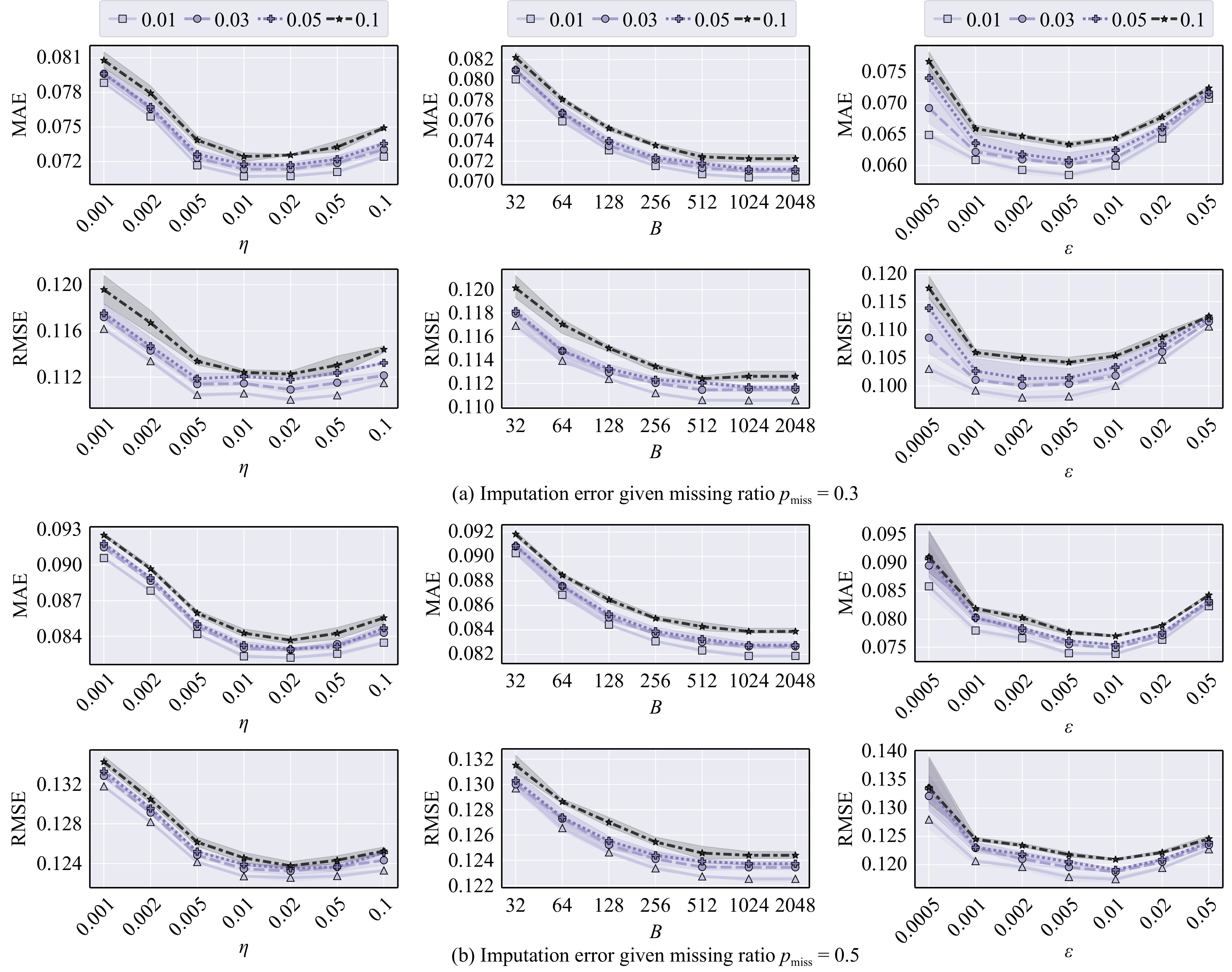
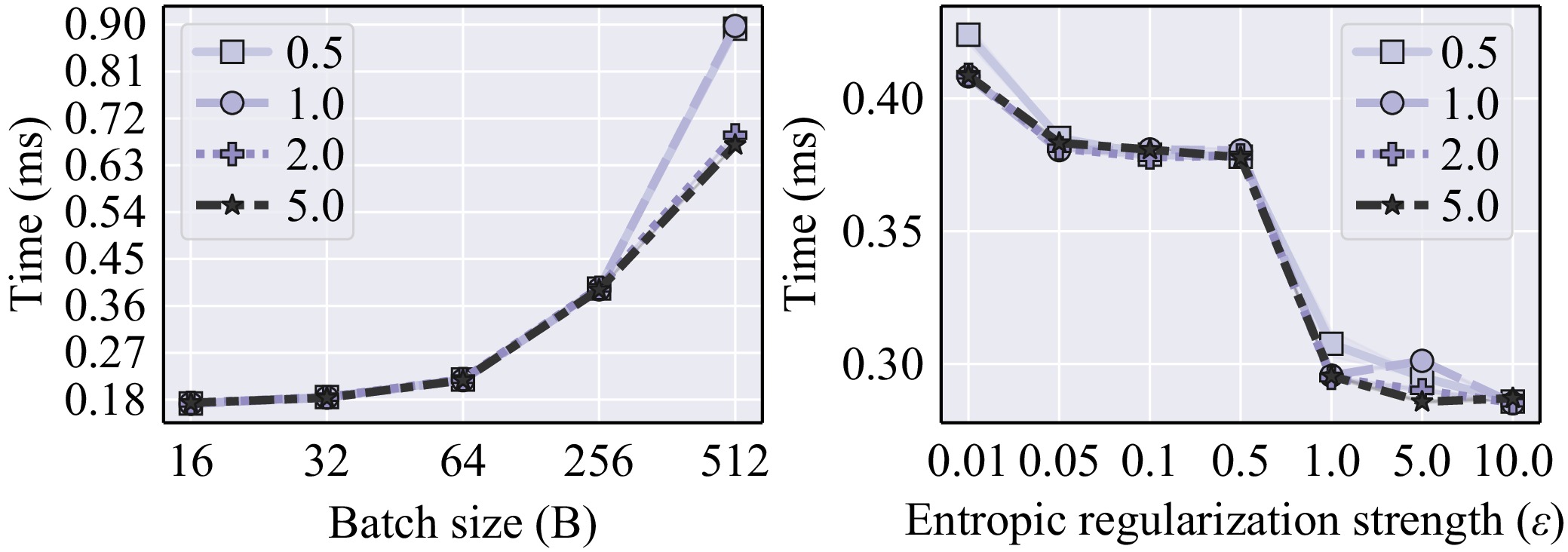
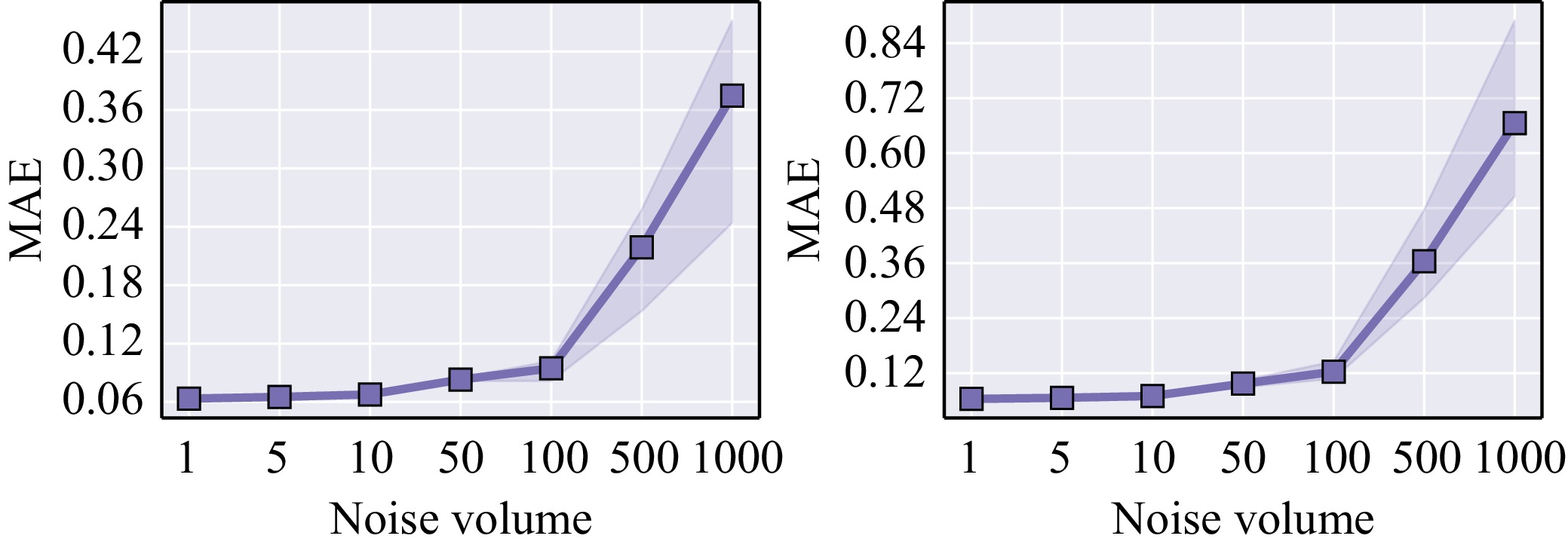
The vulnerability of existing missing data imputation methods to noisy observations often limits their utility in real-world industrial applications. To address this, we introduce a noise-resilient approach to missing data imputation based on optimal transport theory. Specifically, we first present the flexible mass transport (FMT) discrepancy, which quantifies the discrepancy between two distributions as the minimal cost to match samples between them. Unlike standard transport problems, FMT allows for matching a flexible mass of each sample, thereby aligning reliable samples while excluding noisy ones. Subsequently, we propose the FMT for imputation (FMT-I) framework, which iteratively minimizes the FMT discrepancy between arbitrary mini-batch samples and utilizes the resulting gradients to update imputed values. This process ensures the consistency of statistical properties between the imputed data and the entire dataset, thereby producing feasible imputations. Experiments on real-world industrial datasets confirm that FMT-I exhibits strong noise resilience and outperforms state-of-the-art imputation methods, offering a reliable solution for missing data imputation problems in complex industrial contexts.
Optimal Consensus of Heterogeneous Multi-Agent System With Unknown Dynamics
Lianghao Ji, Haofan Wang, Cuijuan Zhang
2026, 13(10): 2300-2311. doi: 10.1109/JAS.2026.125855
Abstract(14) HTML (13) PDF(0)
Abstract:
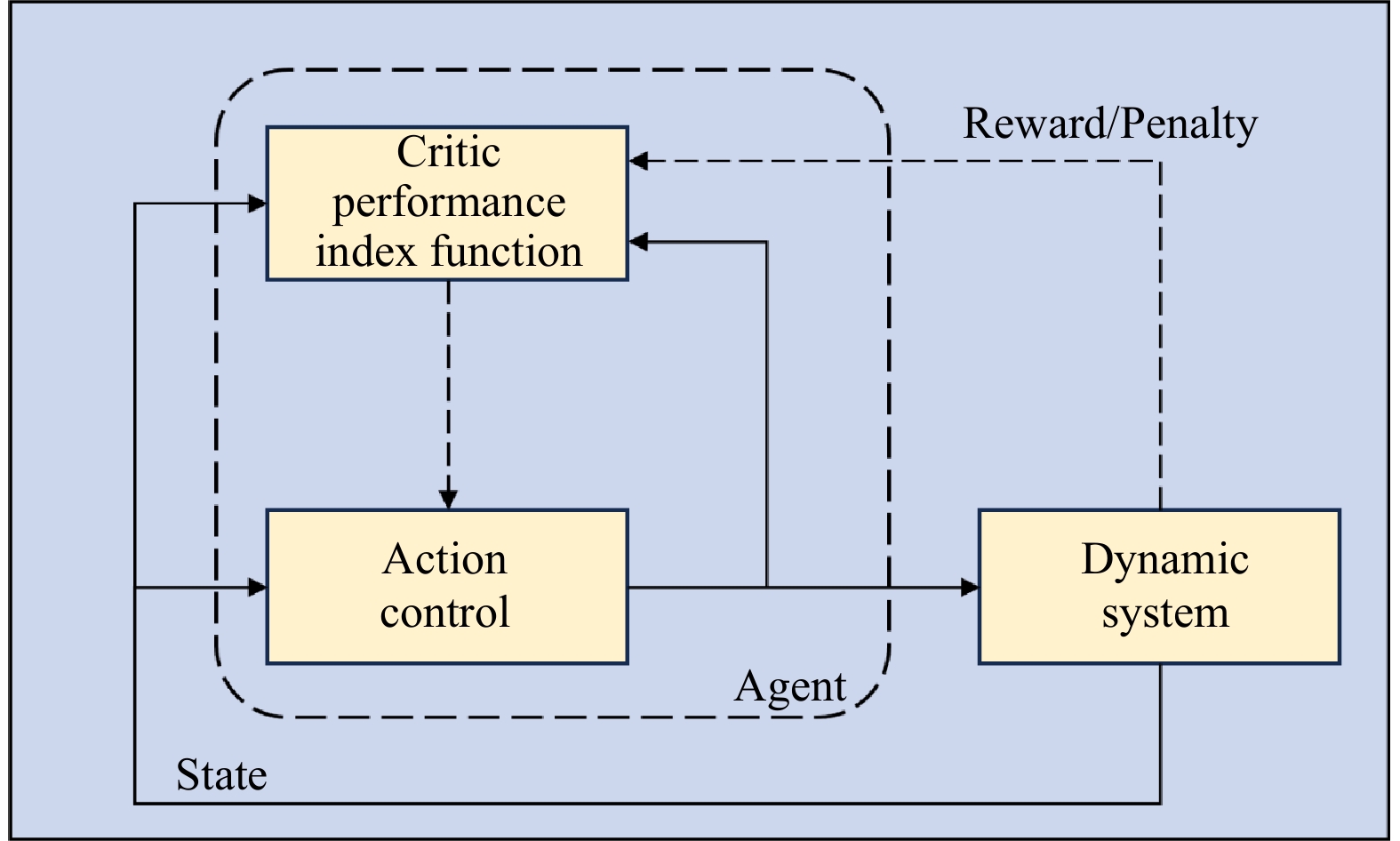
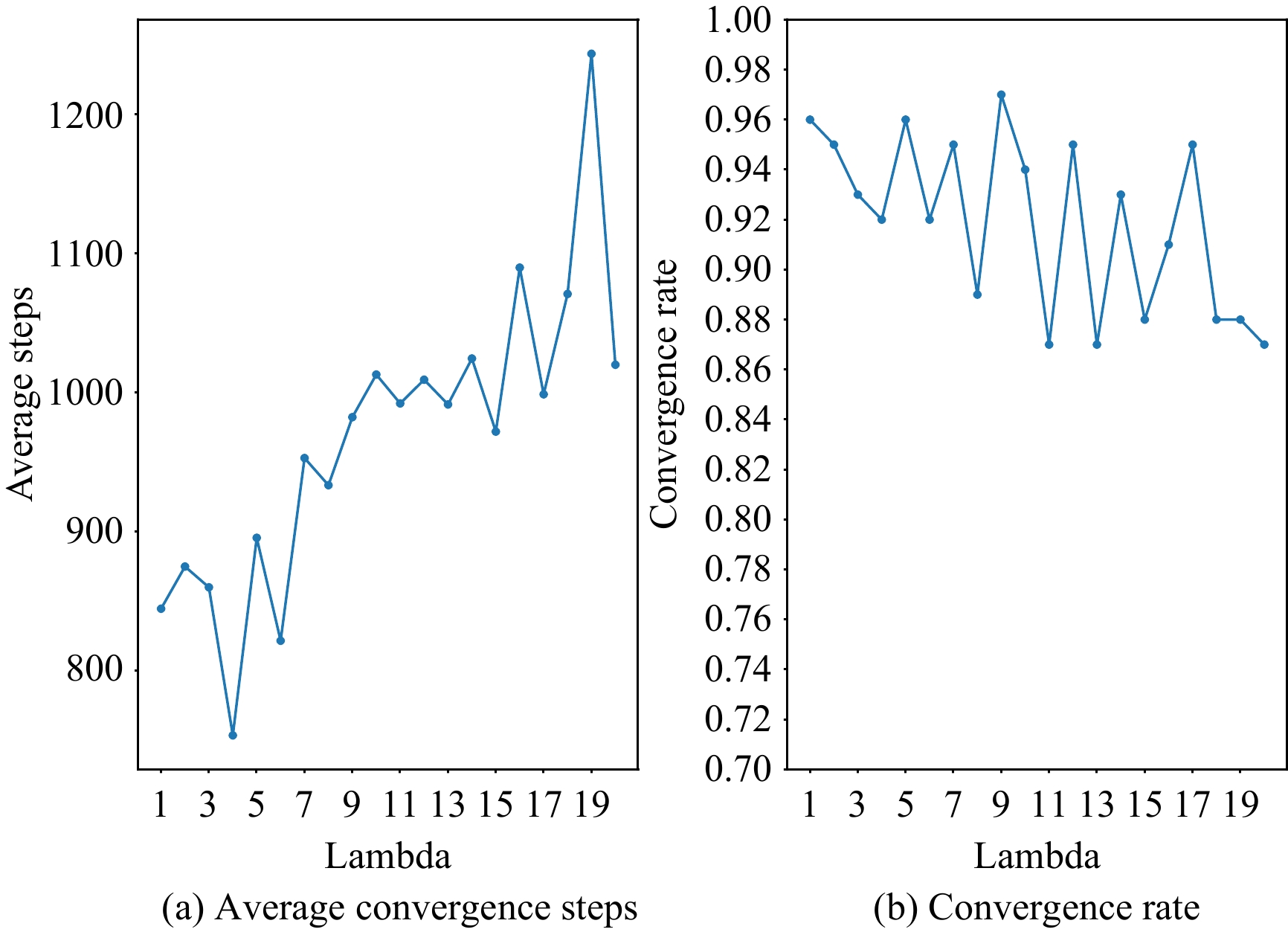
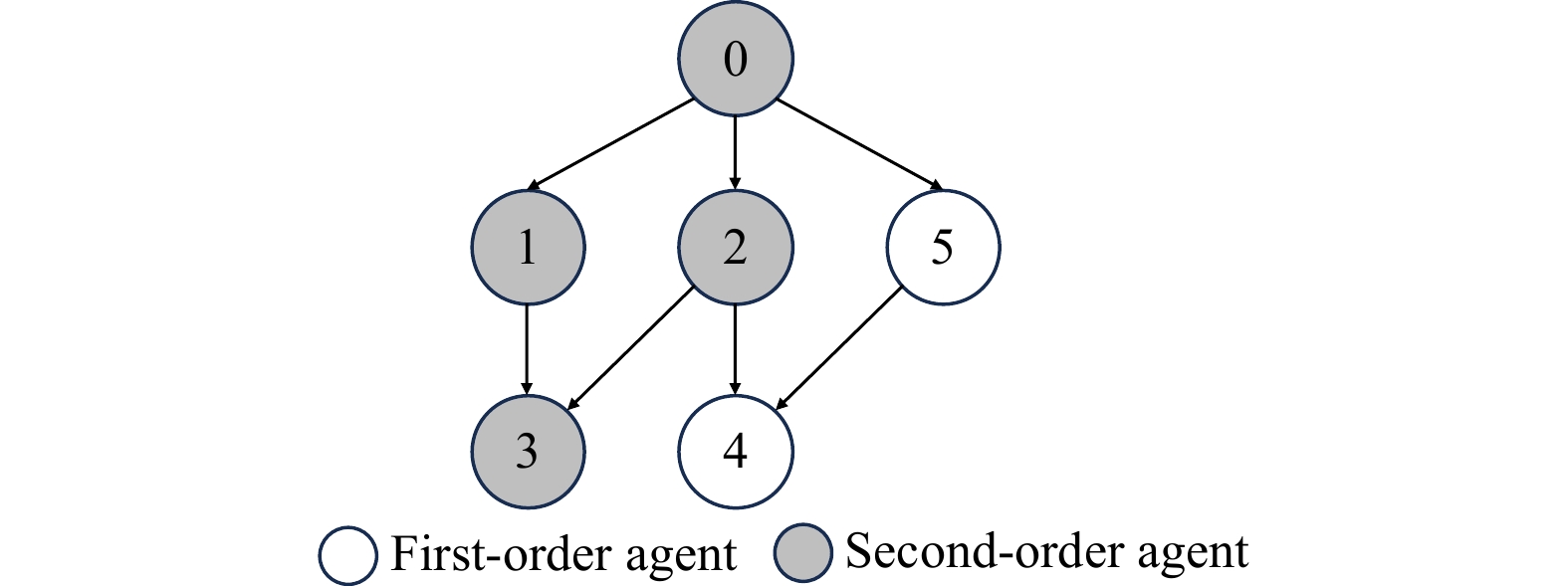
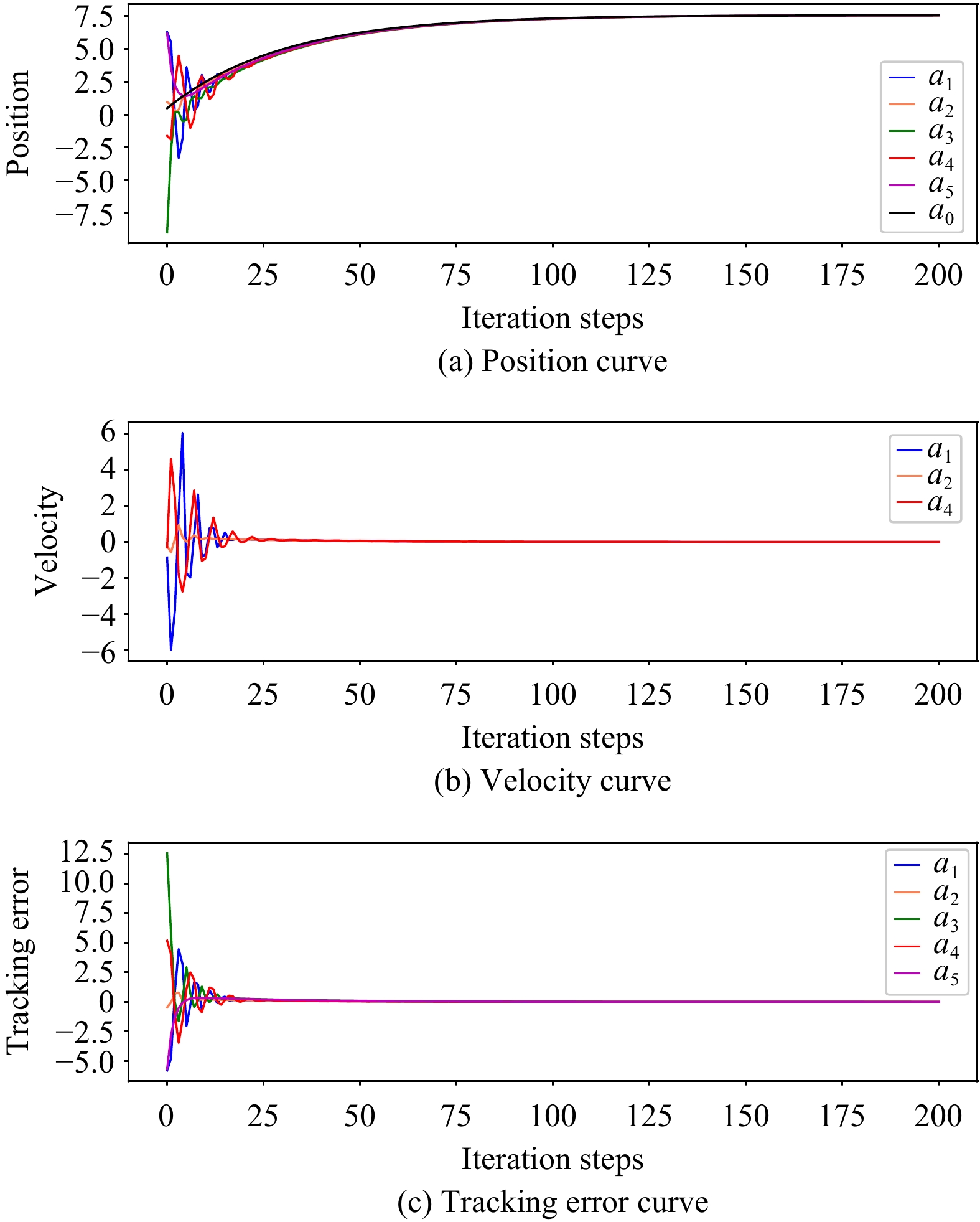
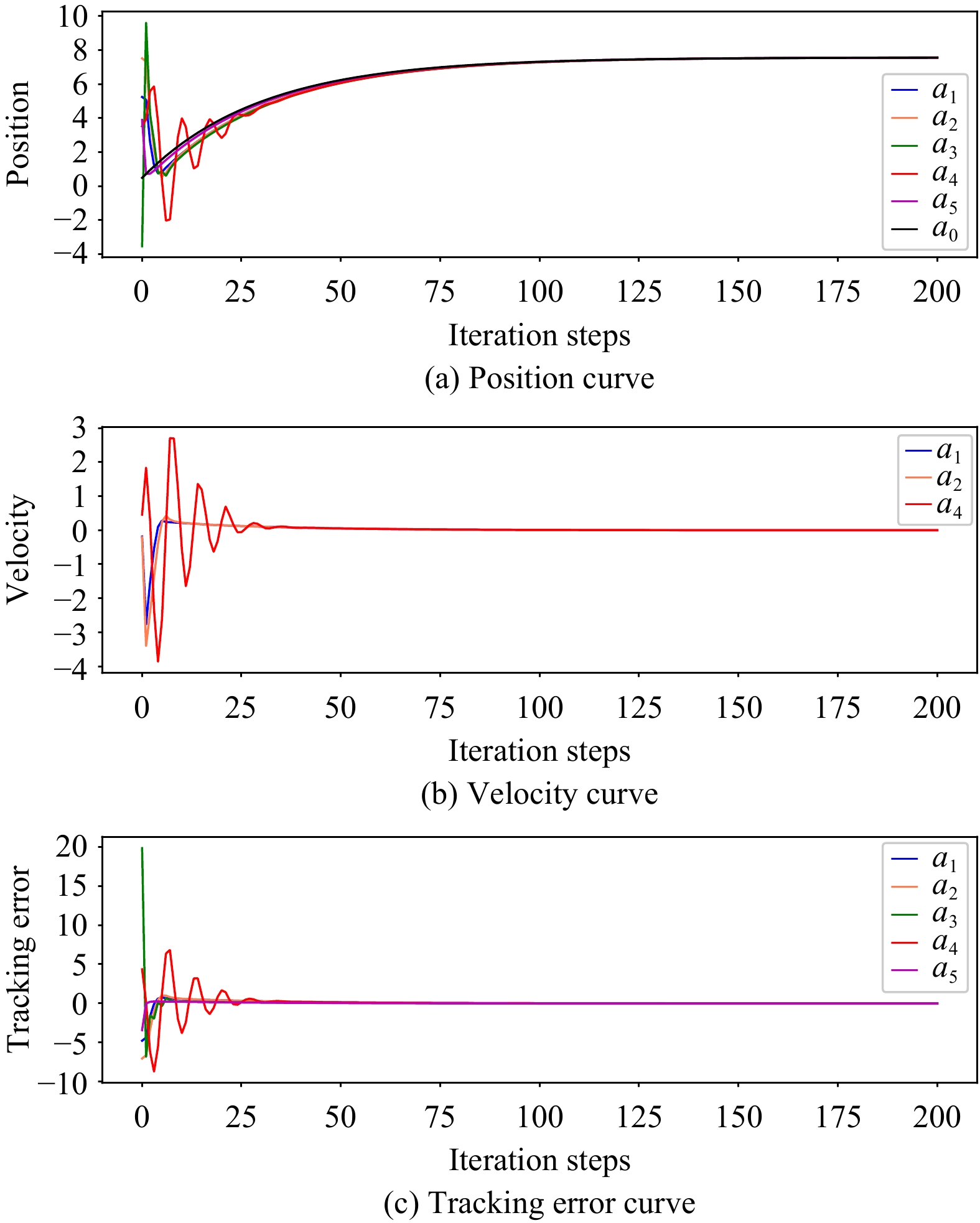
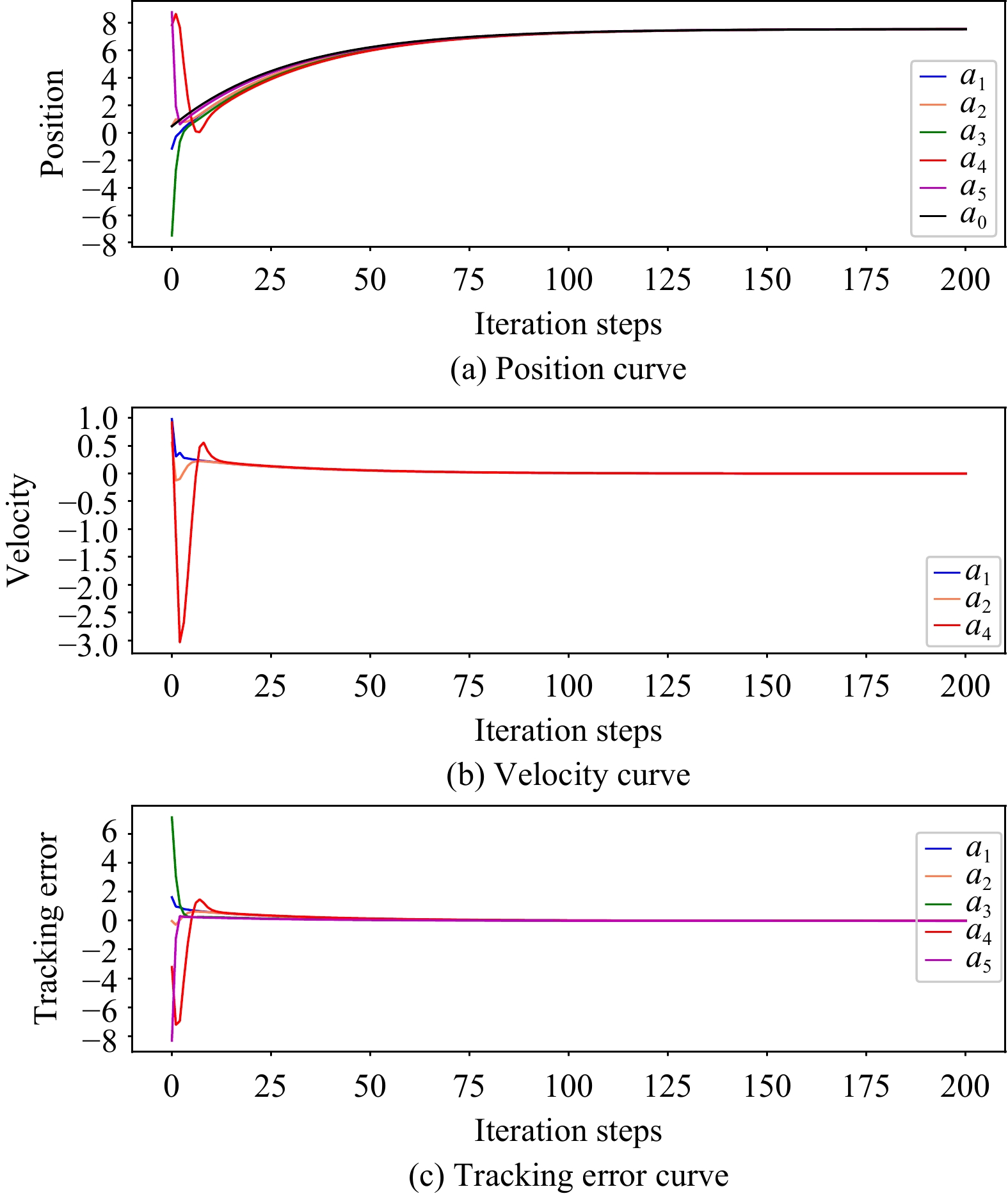
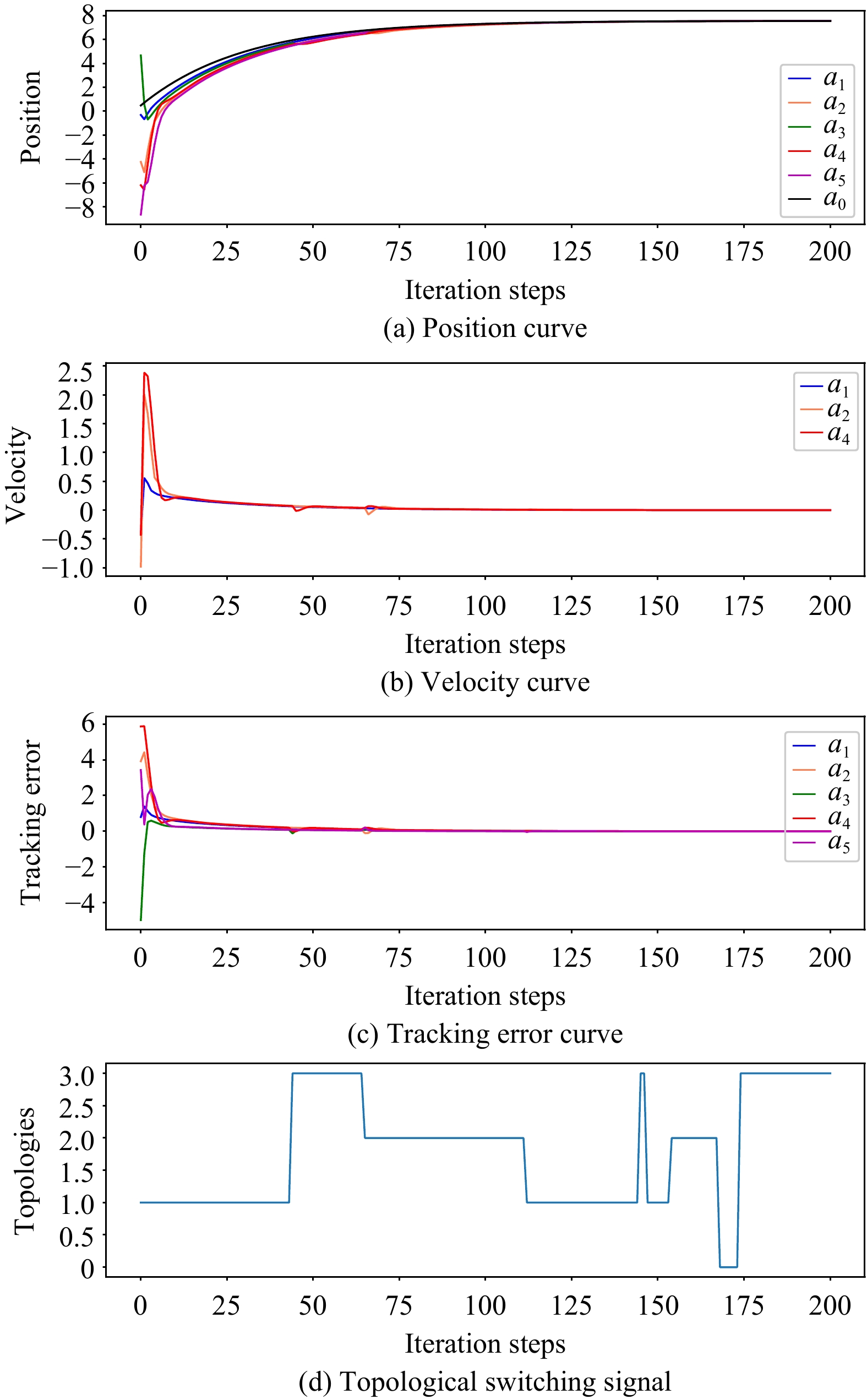
This paper addresses the optimal consensus problem for heterogeneous multi-agent systems (MASs) with unknown dynamics. To eliminate dependence on accurate system models, we design distinct performance index functions for first-order and second-order agents, separating their tracking tasks. We employ a reinforcement learning algorithm to estimate the optimal performance index function and control policies. To enhance training stability, a novel training mode and a state-constrained iterative algorithm are proposed, with their convergence and optimality rigorously analyzed. Furthermore, a new error calculation method is introduced to accurately describe agent-neighbor distances, accelerating convergence and reducing energy consumption. The effectiveness of the proposed methods is validated through simulations.
Dual Codebook- and Scene Change-Based Loop Closure Detection Using SVM Outlier Removal in Verification
Kuo-Liang Chung, Qi-Han Jian, Yu-Qi Zhang
2026, 13(10): 2312-2326. doi: 10.1109/JAS.2026.125762
Abstract(23) HTML (11) PDF(1)
Abstract:
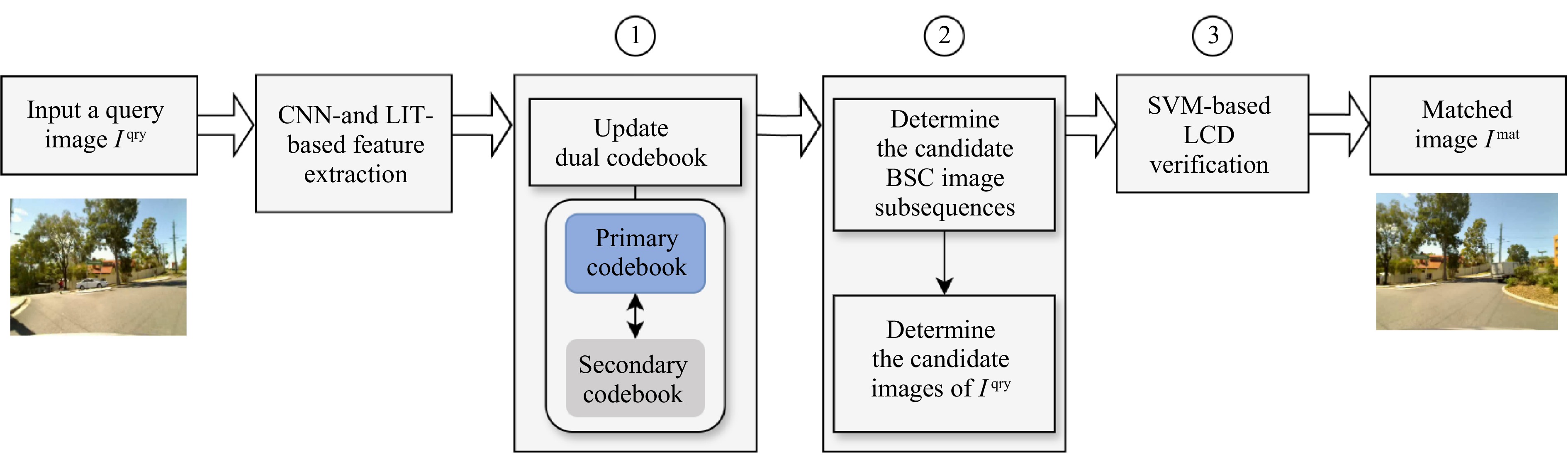
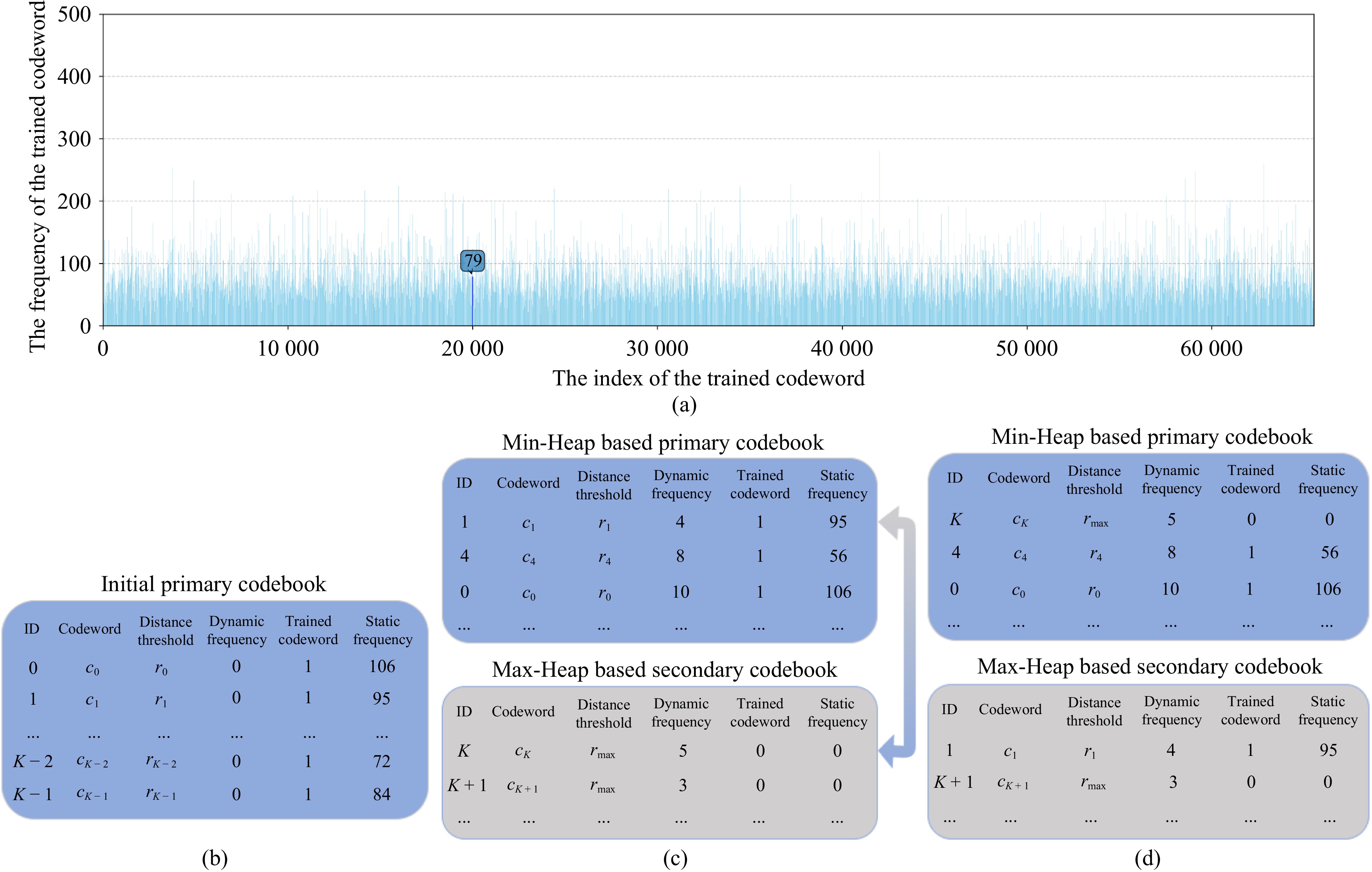
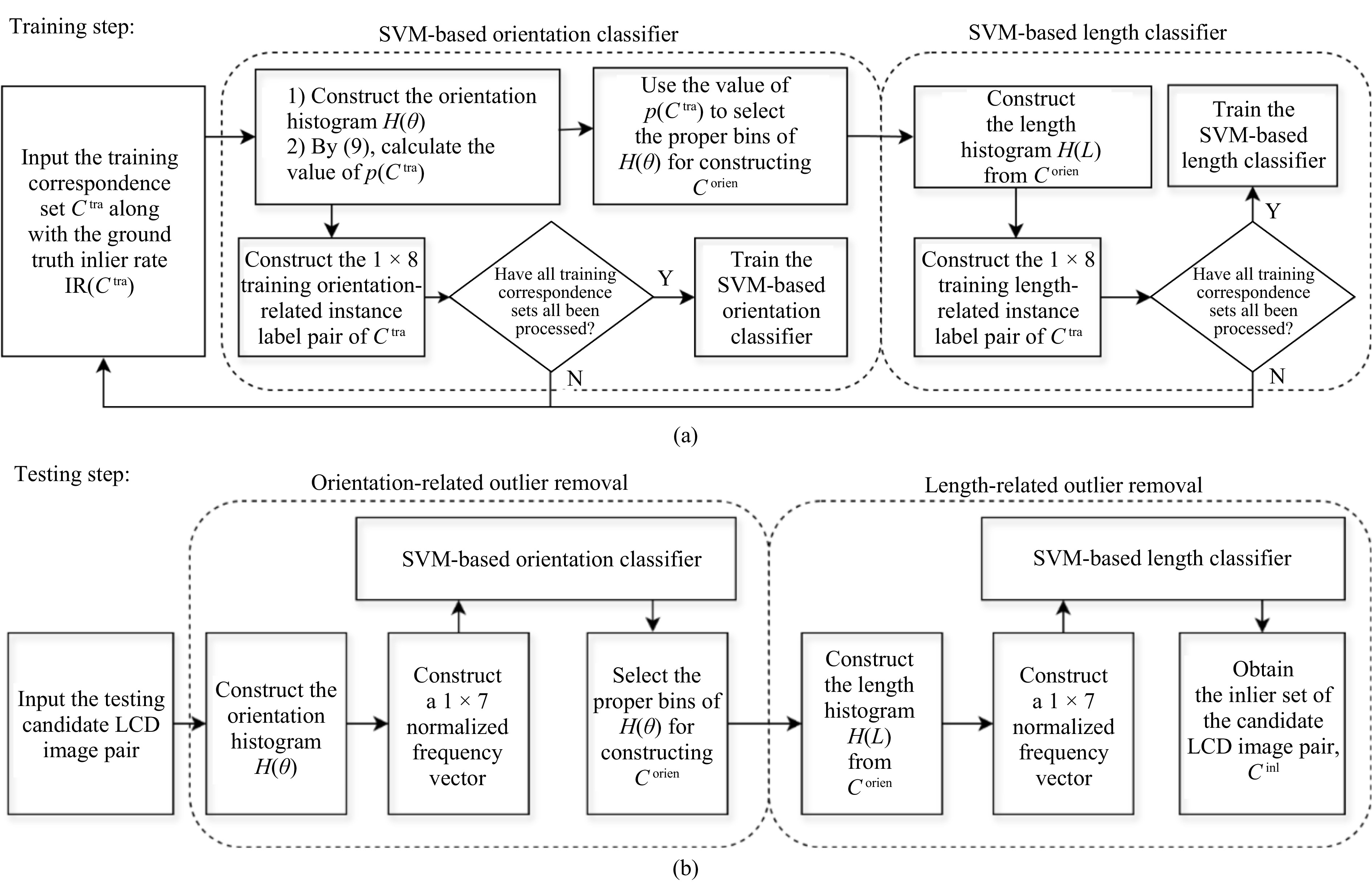
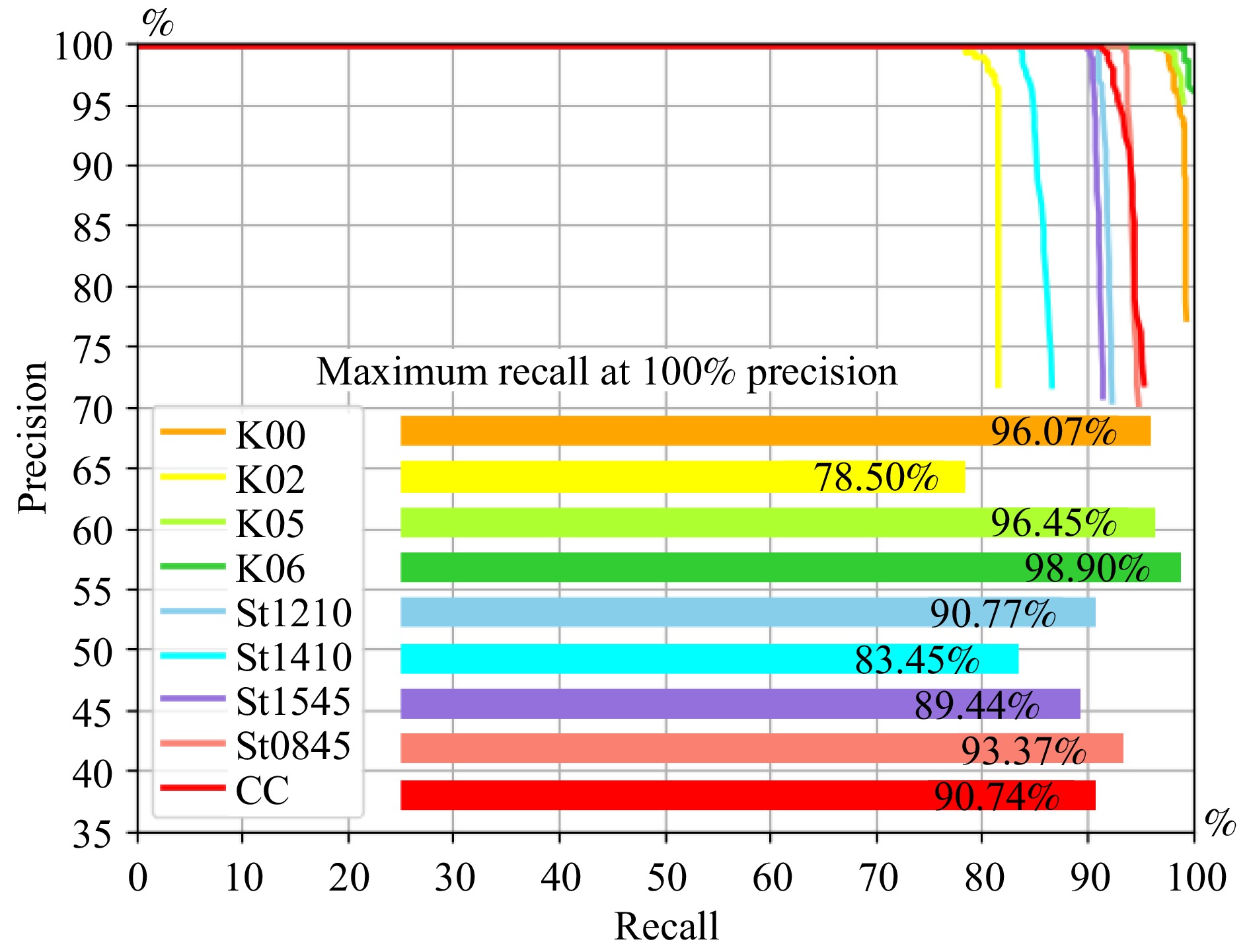
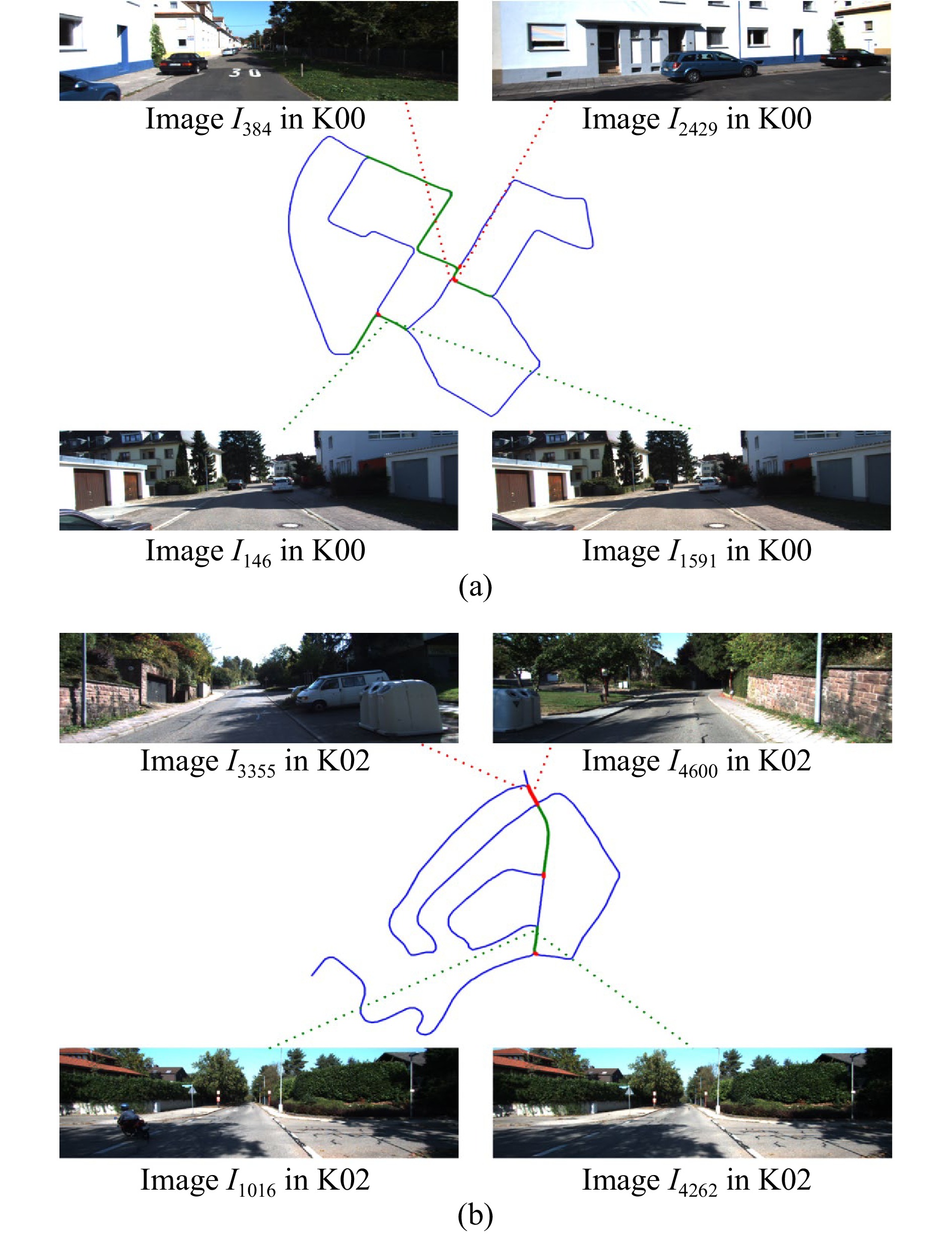
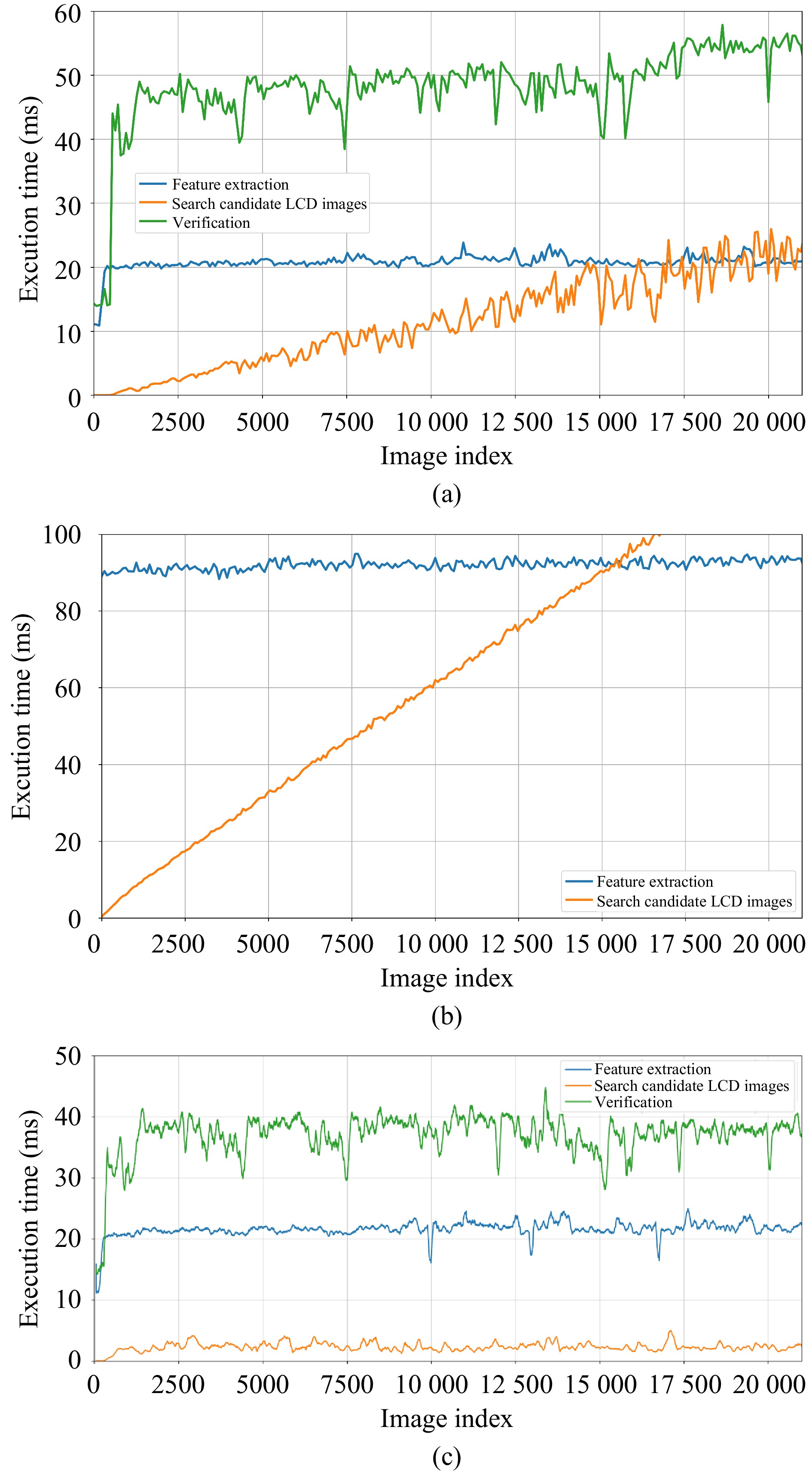
Loop closure detection (LCD) is a key component of simultaneous localization and mapping (SLAM) systems, essential for mitigating accumulated errors and ensuring map consistency. This paper presents a novel dual codebook- and scene change-based LCD algorithm, enhanced by a fast support vector machine (SVM)-based outlier removal method during the verification process. Different from using only one static codebook in the existing methods, our first novelty is the proposal of a dual codebook in which the super-features that often appear are saved in the primary codebook, but some rarely used super-features are saved in the secondary codebook for increasing the LCD accuracy. Once the frequency of one codeword in the secondary codebook is larger than the frequency of one codeword in the primary codebook, a codeword-swapping operation is performed to exchange the two concerned codewords between the two codebooks. The second novelty introduces a scene change- and codeword histogram-based method to efficiently retrieve the most relevant candidate images for each query image, significantly reducing computation time. The third novelty presents an SVM-based outlier removal method that accelerates the LCD verification step while preserving high detection accuracy. Based on nine large-scale video sequences, comprehensive experimental results demonstrate that our algorithm outperforms state-of-the-art methods in both LCD accuracy and execution efficiency. Furthermore, an ablation study validates the effectiveness of the three proposed contributions. The source code of our algorithm is available at https://github.com/hankjian7/DC-SC-SVM-LCD.git.
A Weight-Guided Multimodal Multiobjective Ant Colony Optimization Algorithm for Traveling Salesman Problems
Caitong Yue, Yuxi Shen, Jing Liang, Boyang Qu, Mingyuan Yu
2026, 13(10): 2327-2342. doi: 10.1109/JAS.2026.125924
Abstract(15) HTML (14) PDF(1)
Abstract:
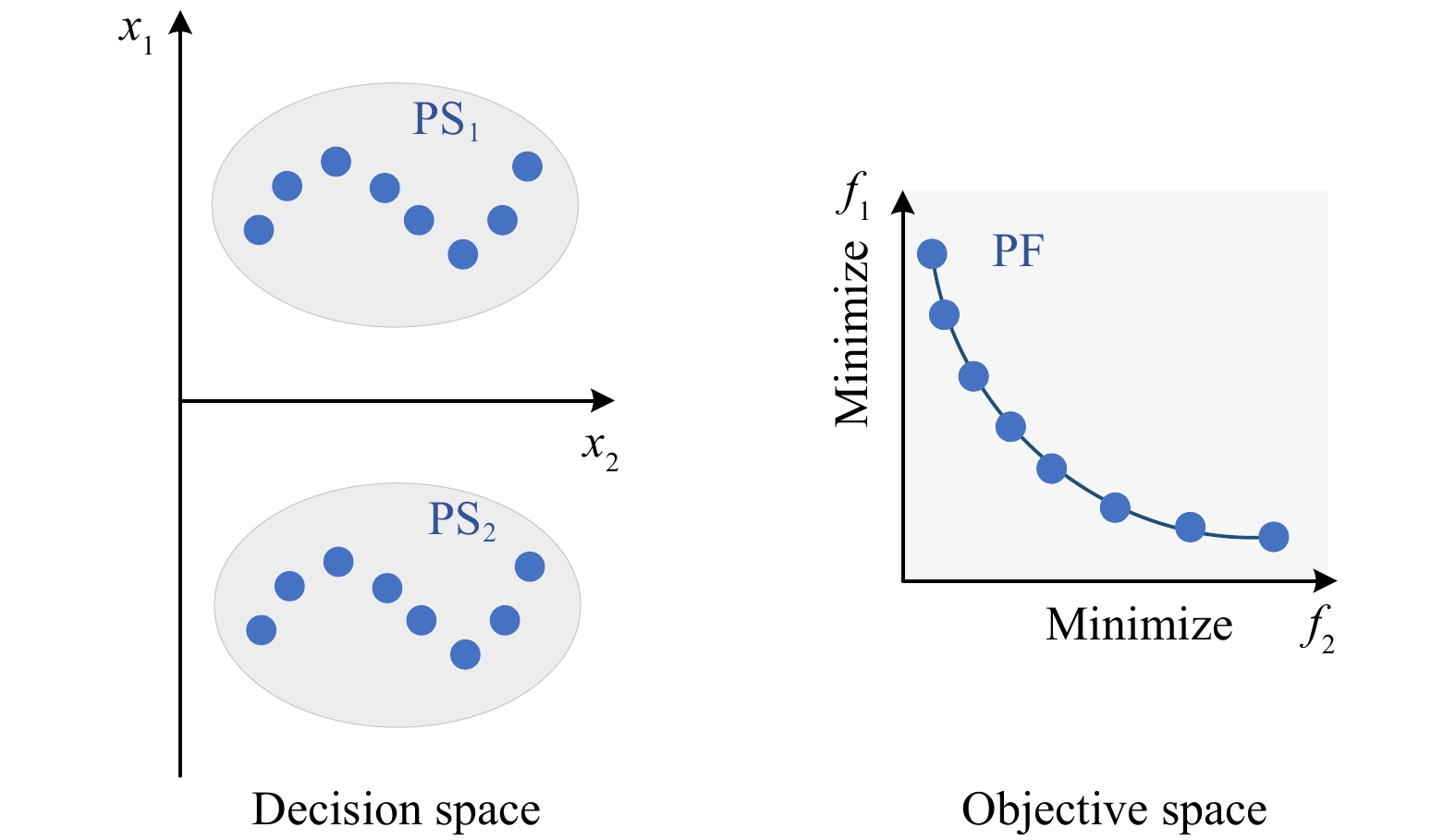
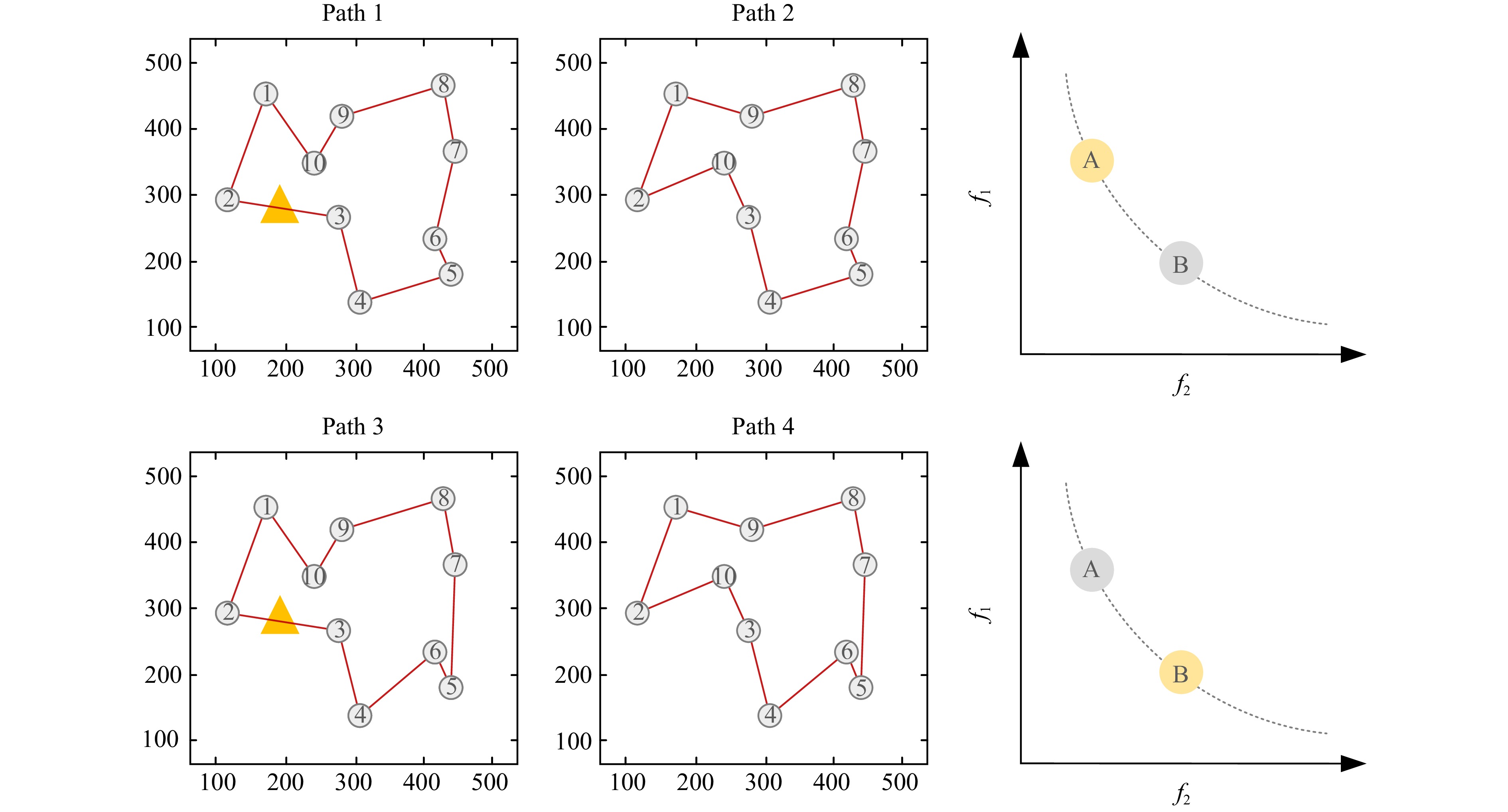
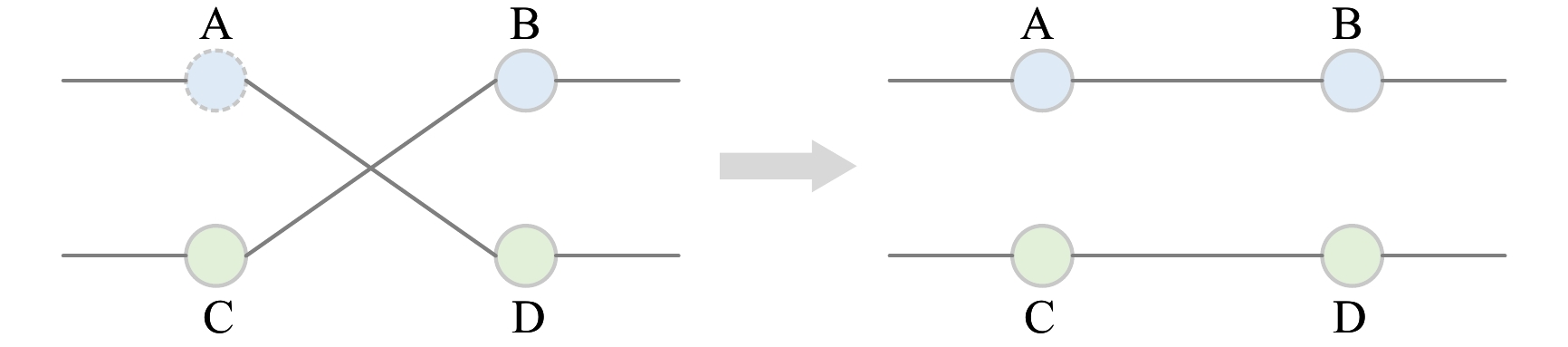
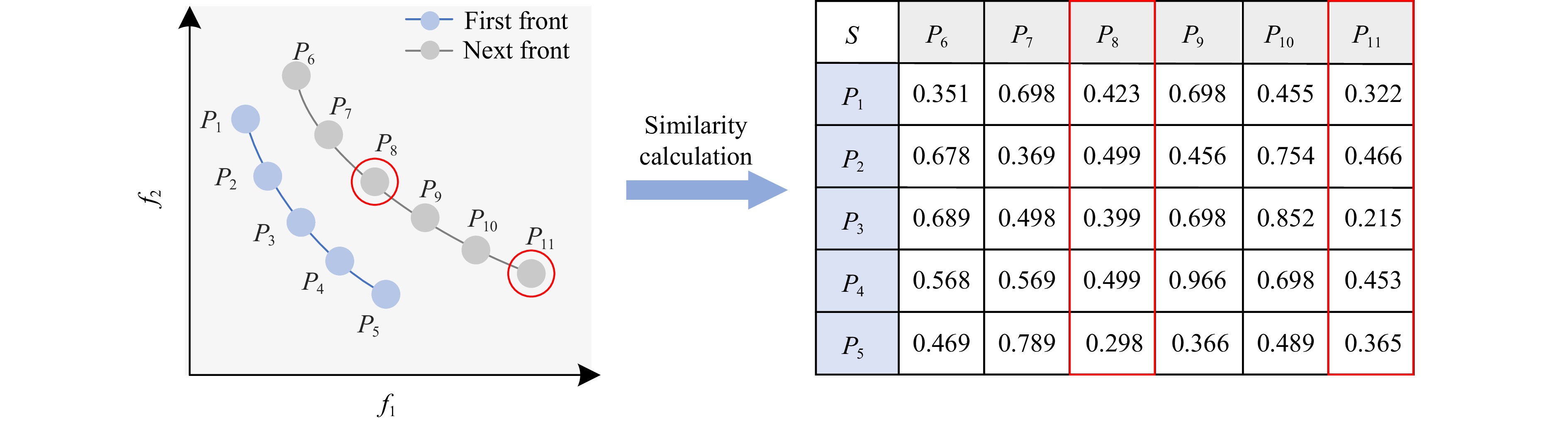
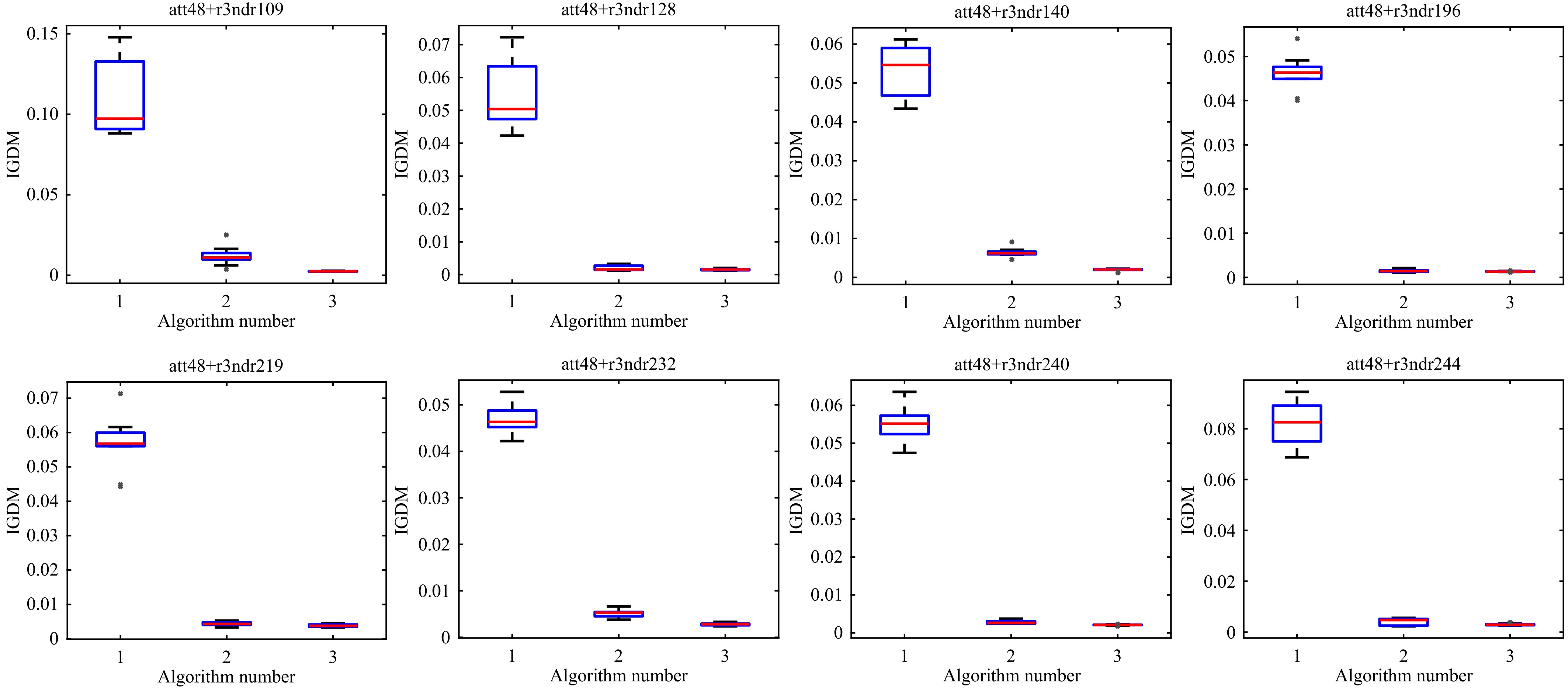
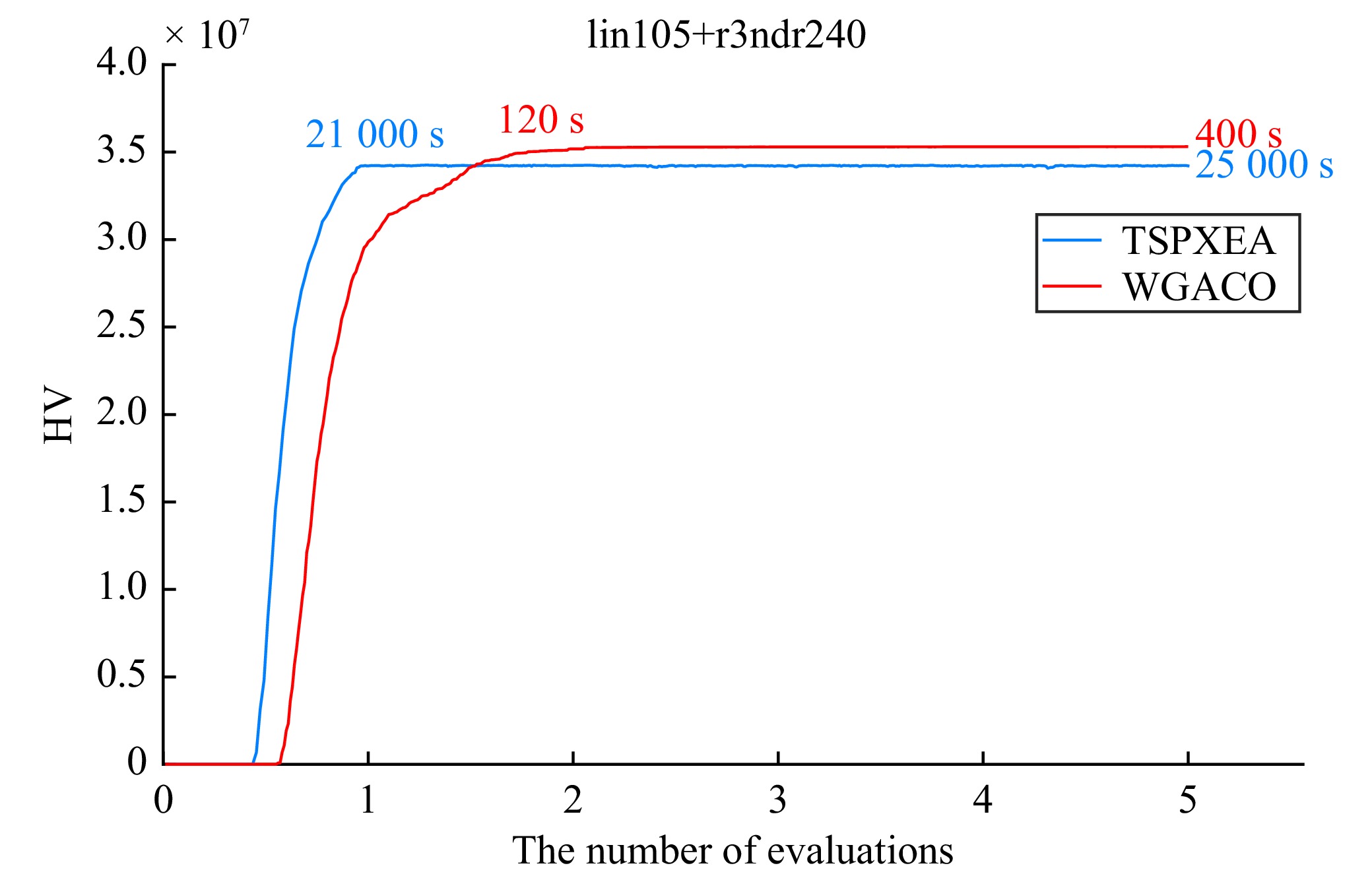
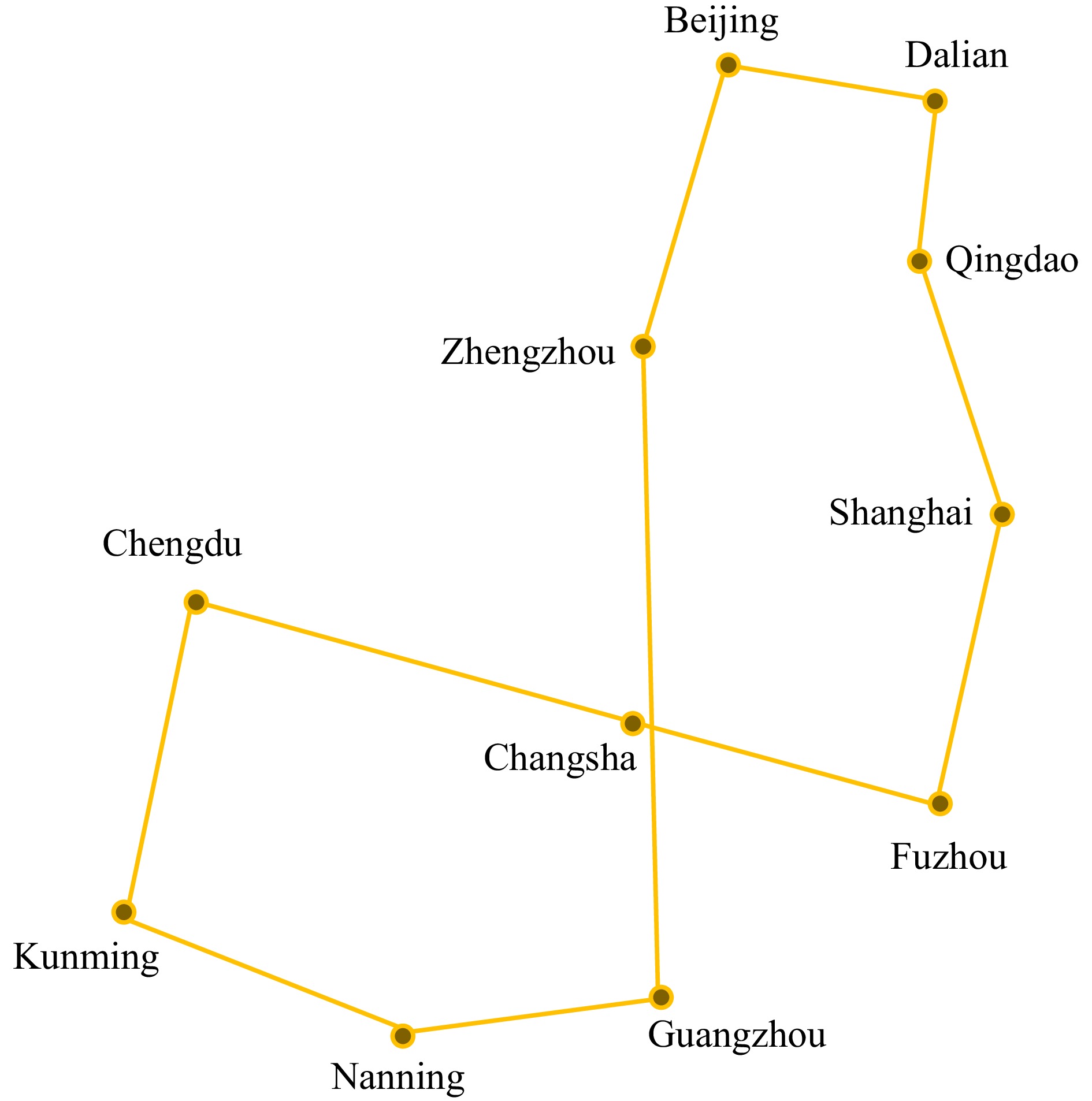
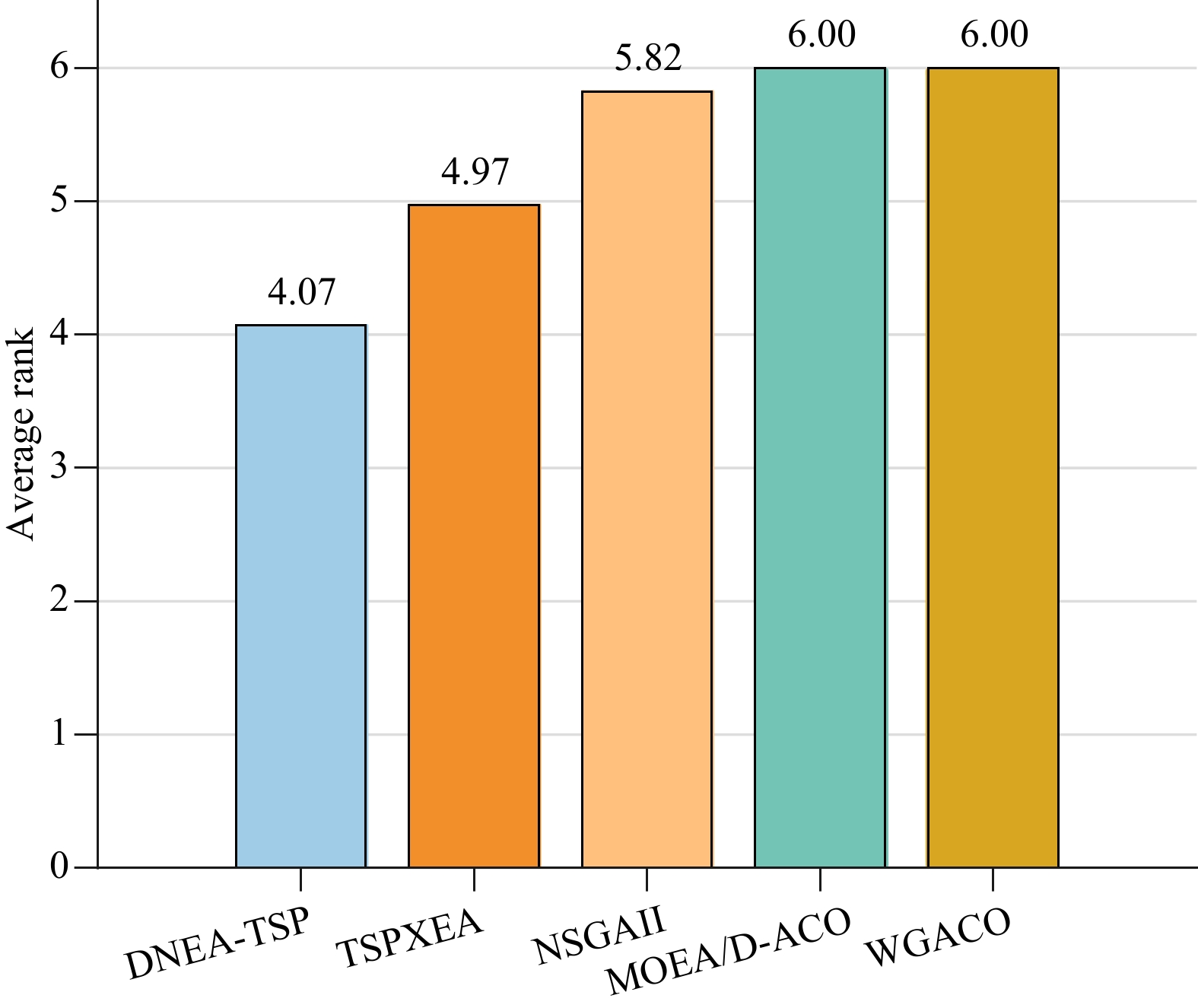
In practical applications, the traveling salesman problem (TSP) usually has both multimodal and multiobjective characteristics. The multimodal multiobjective traveling salesman problem (MMTSP) presents greater challenges than traditional single-objective TSP, owing to the need for simultaneous optimization of conflicting objectives and identification of diverse Pareto-optimal solutions. To address the above challenges, this study investigates MMTSP and proposes a weight-guided multimodal multiobjective ant colony optimization algorithm (WGACO). First, aiming at optimizing multiple objectives, a solution construction strategy based on weight decomposition is designed. The strategy divides the population into multiple subpopulations based on weights, with each subpopulation sharing a probability matrix, thereby enhancing the diversity of the population. Second, in order to explore more multimodal solutions, the initial population is optimized by combining the 2-opt local search, thereby effectively improving the quality of the solutions and mining multimodal characteristics. Finally, an individual selection mechanism based on dynamic archiving is proposed to optimize the evolutionary direction of pheromone update. This archive utilizes crowding distances to enhance the diversity of the objective space. Meanwhile, the distance in the decision space is measured by evaluating the similarity of edges between different solutions, thereby enhancing the diversity in decision space. Individuals participating in pheromone updates will be screened from this archive. Extensive experiments and validations on 40 test problems of different scales demonstrate that the proposed algorithm demonstrates superior optimization capability in solving MMTSP problems.
Consensus-Based Distributed Predictive Economic Dispatch for Microgrids With Communication Delays
Yi Huang, Guo-Ping Liu, Yi Yu, Wenshan Hu
2026, 13(10): 2343-2354. doi: 10.1109/JAS.2026.125942
Abstract(15) HTML (9) PDF(0)
Abstract:
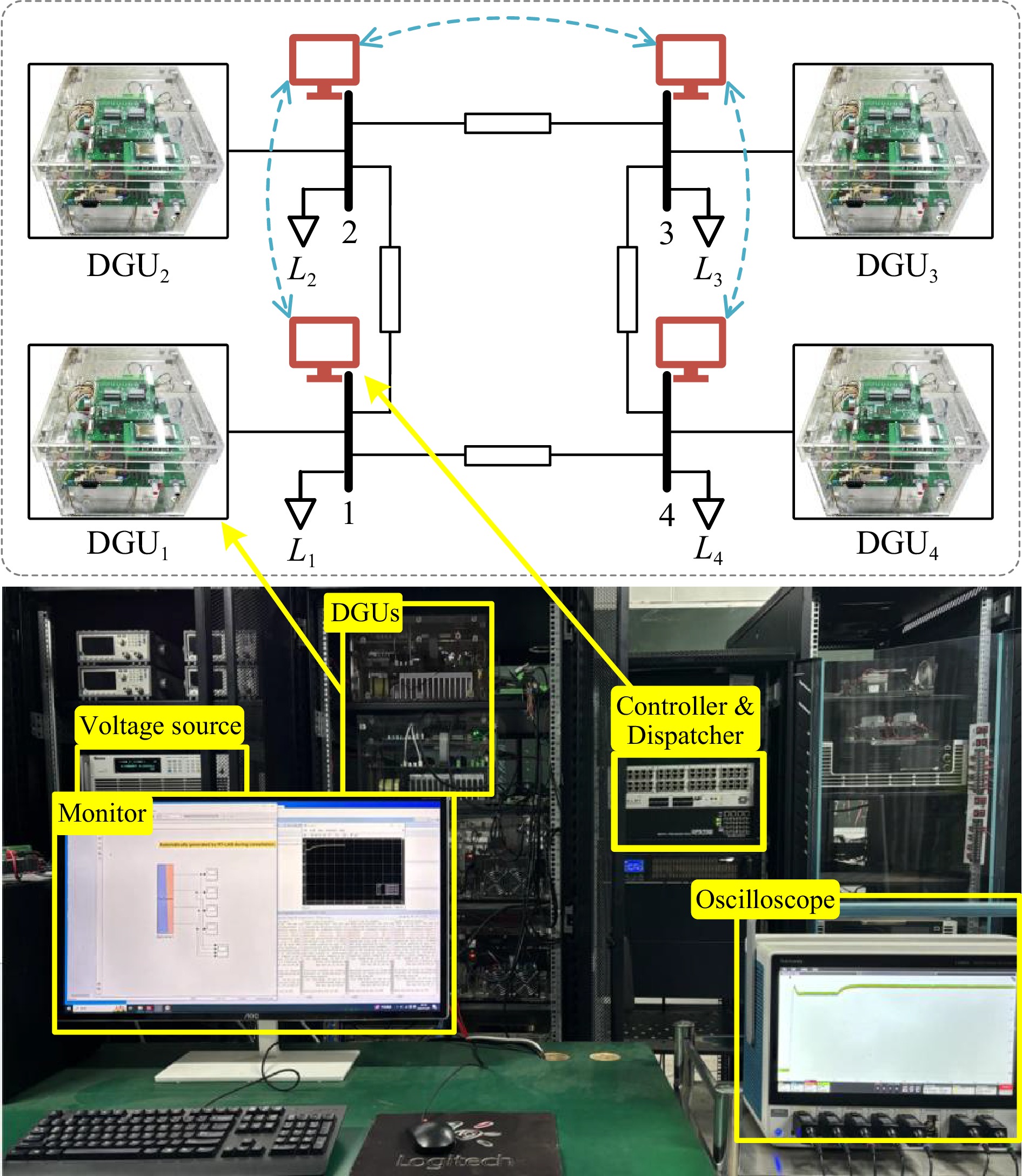
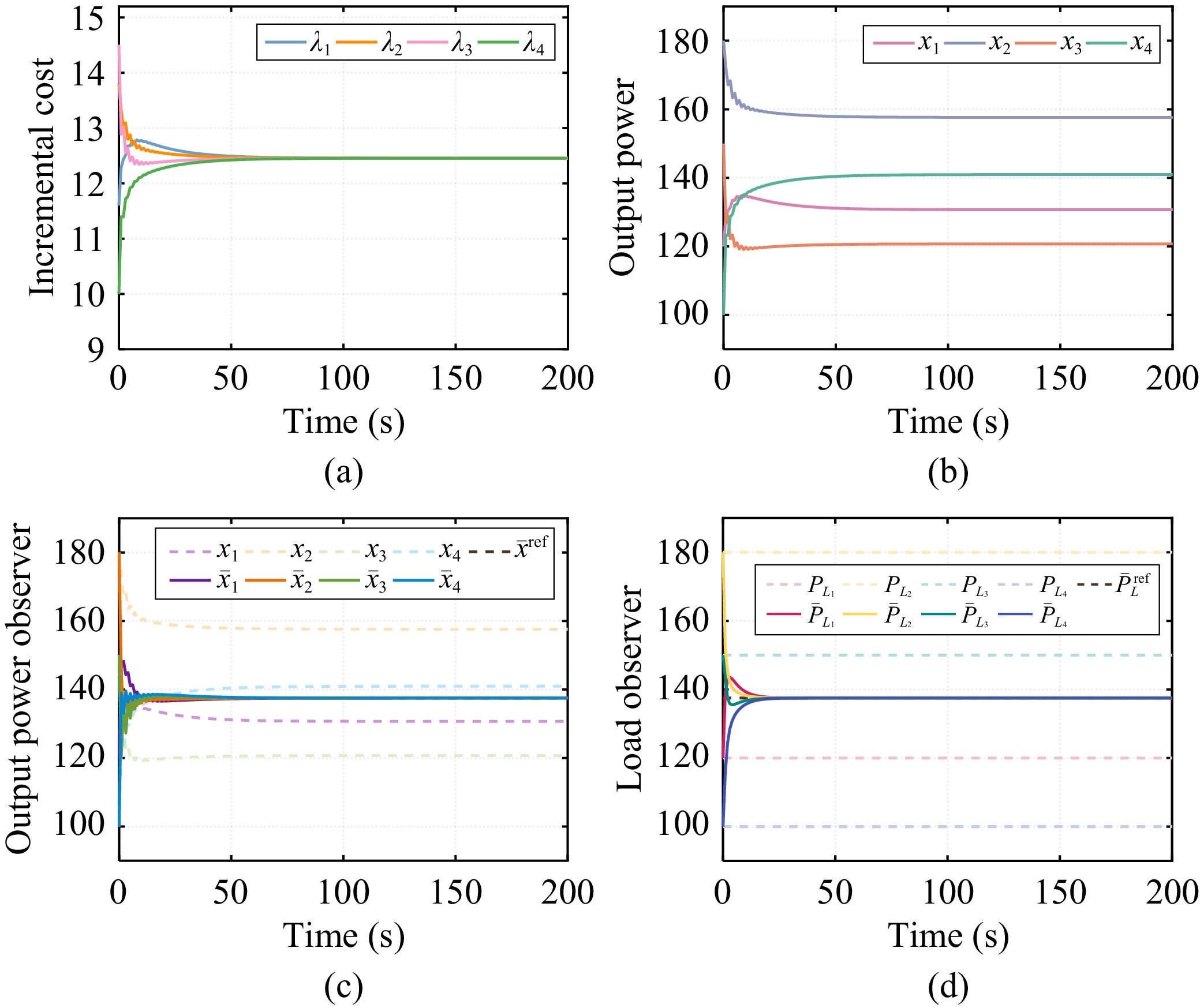
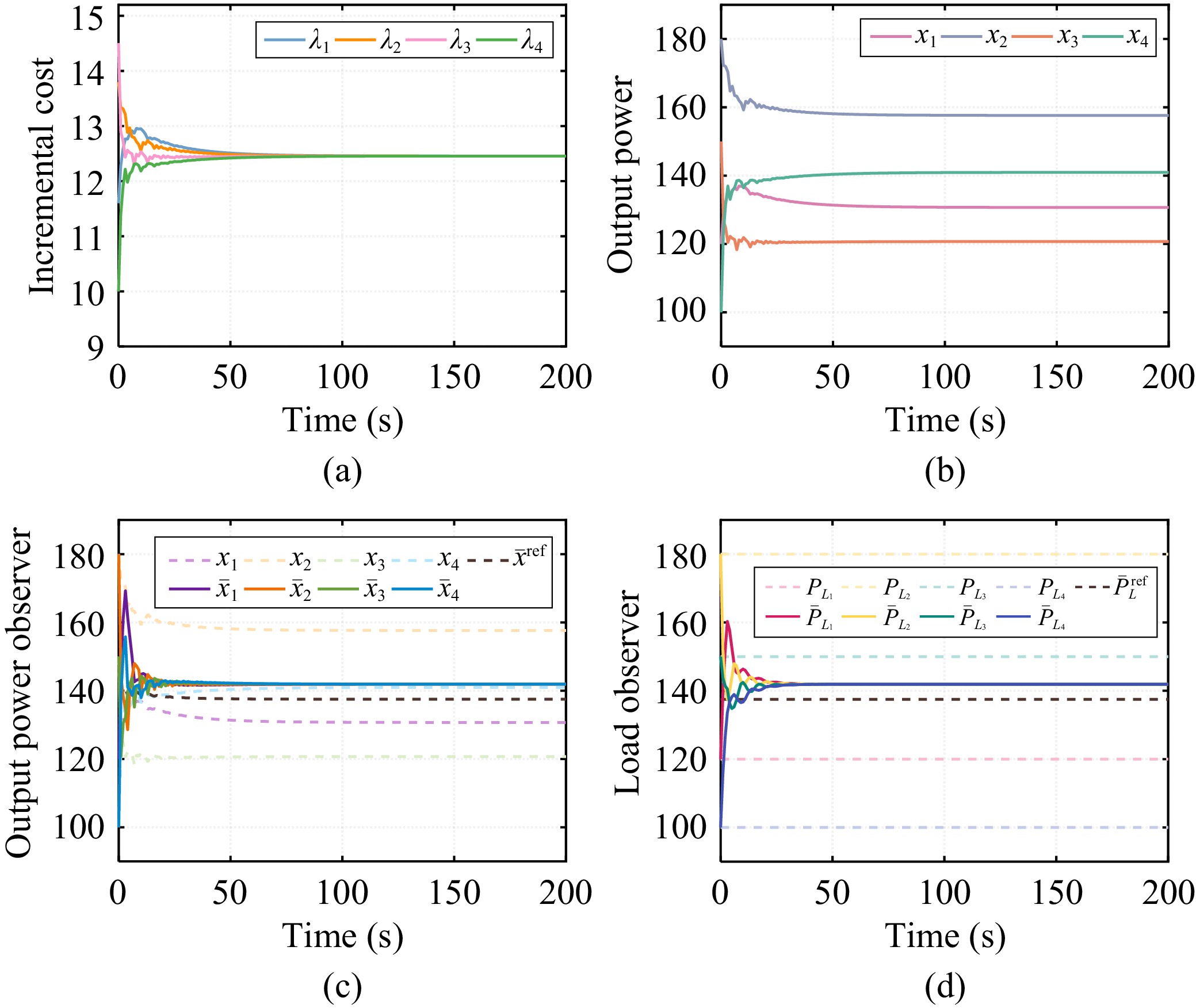
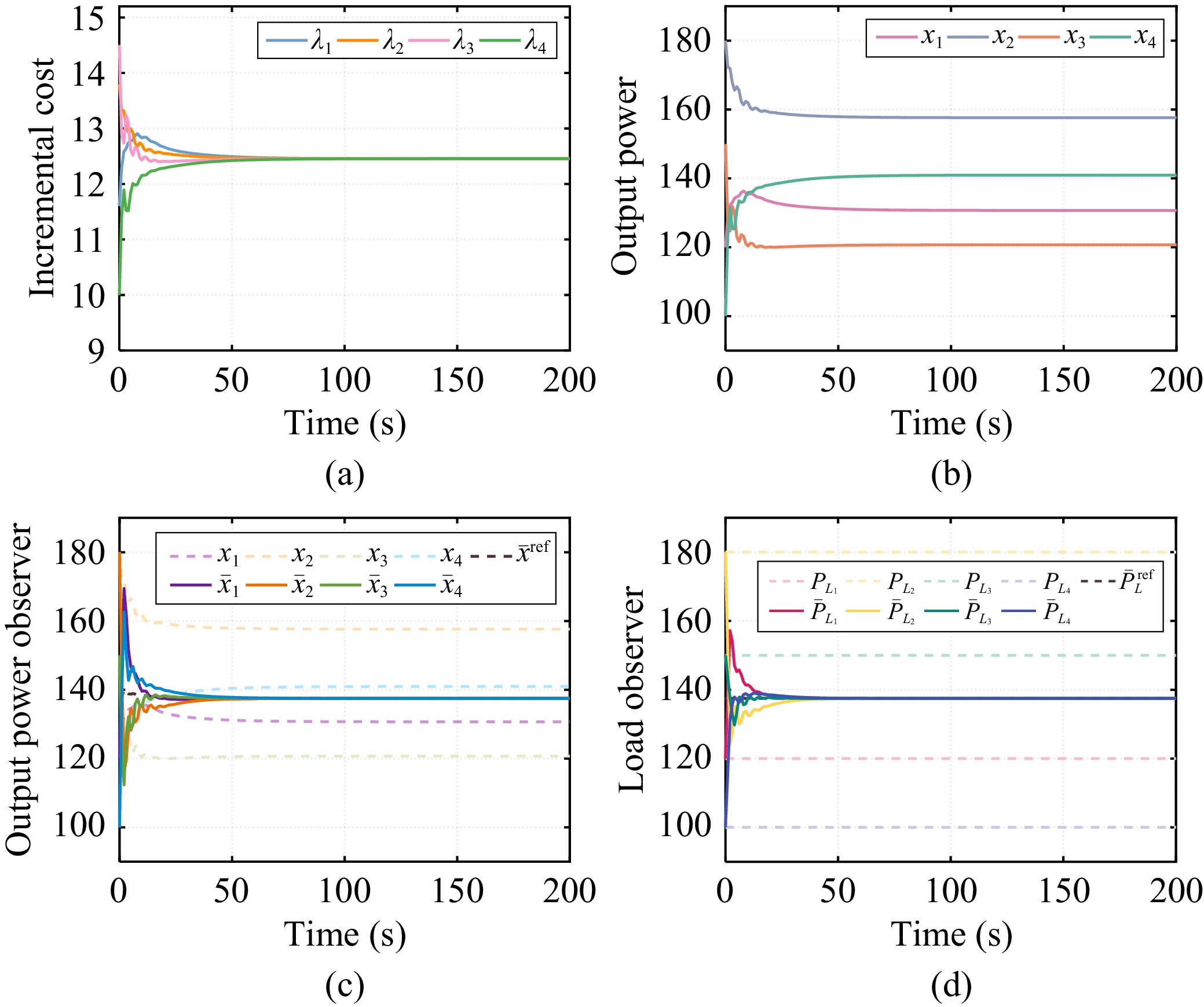
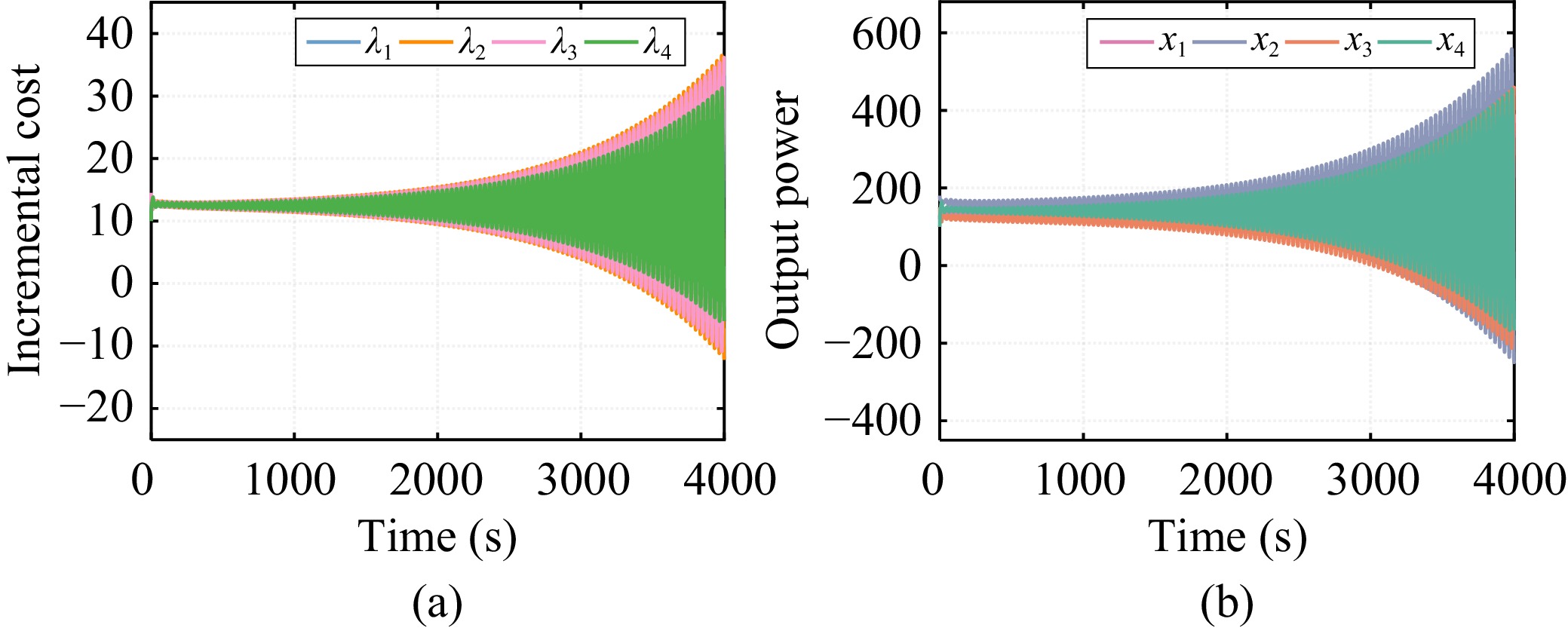
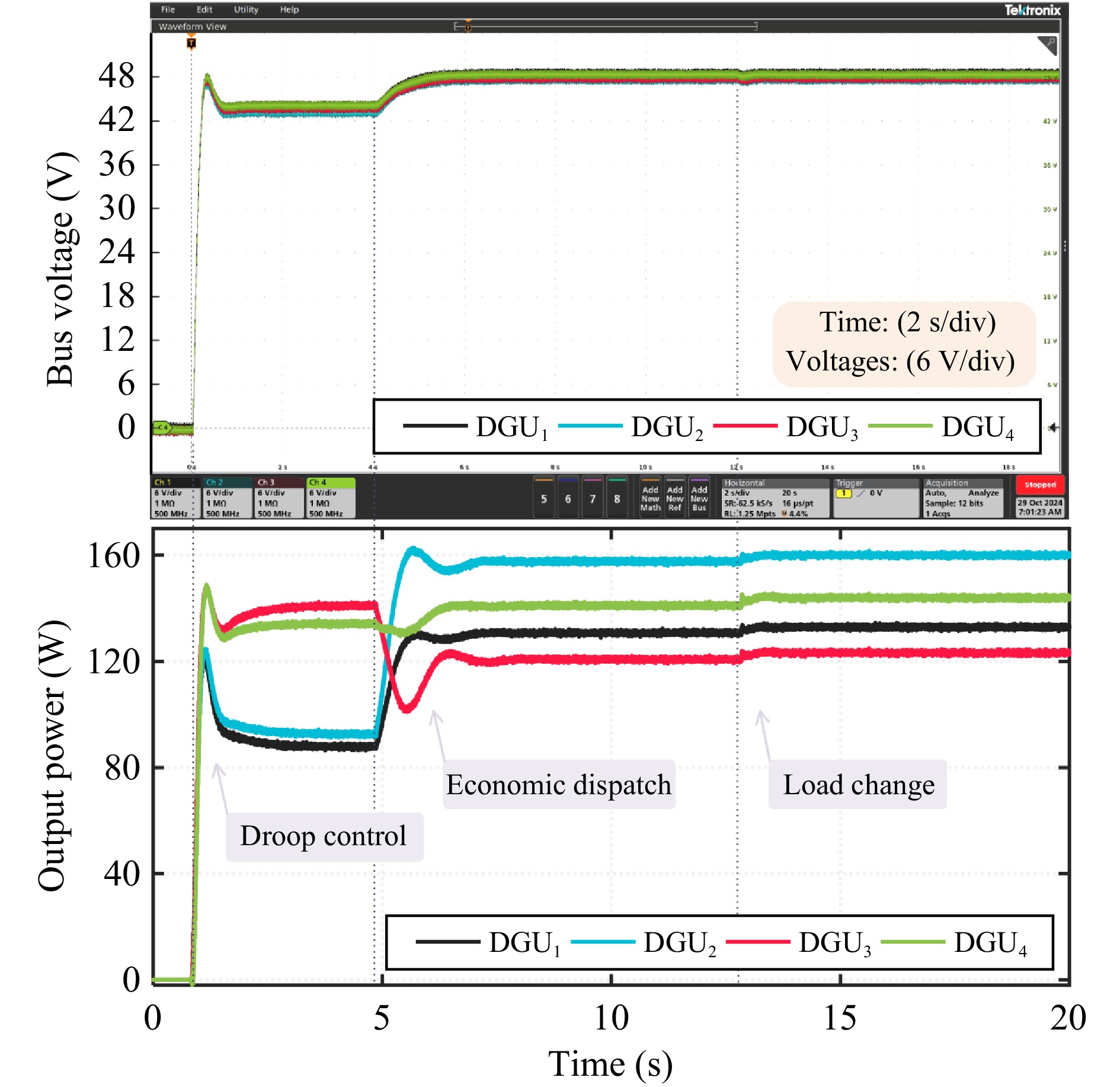
As localized power networks integrating multiple distributed energy sources and loads, the efficient operation of microgrids relies on accurate supply and demand balancing as well as other power quality regulation functions, such as frequency support, voltage regulation and current sharing. With the wide application of distributed energy sources in microgrids, the traditional centralized economic dispatch mode is gradually transformed to a distributed fashion, which is faced with a complex and variable network environment. In this paper, communication delays between distributed units are considered, and a distributed predictive economic dispatch method based on cooperative strategy is investigated. First, inspired by the idea of average observation, distributed observers are designed for the global average power output and load respectively, which can dynamically sense the change of loads and adjust the corresponding dispatch strategy in real time to effectively ensure the balance of supply and demand in microgrids. Then, for the communication delay problem existing in the communication network, a prediction-based active compensation strategy is proposed, which effectively mitigates the negative impact of communication delays on the solving process and ensures the convergence and optimality of the solution. Finally, the simulation demonstrates the convergence process of the proposed algorithm, and the hardware experiments show the effect of the algorithm on microgrids, which together illustrate the effectiveness of the consensus-based distributed predictive economic dispatch method proposed in improving the robustness of the system to uncertainties such as communication delays.
Integrated Motion Planning and Control With Slip Resistance for Wheeled Mobile Robots in Obstacle-Rich Environments
Wang Yuan, Meng Yao, Kangwei Liu, Yong-Hua Liu, Yueyue Liu, Chun-Yi Su
2026, 13(10): 2355-2366. doi: 10.1109/JAS.2026.125957
Abstract(13) HTML (16) PDF(2)
Abstract:
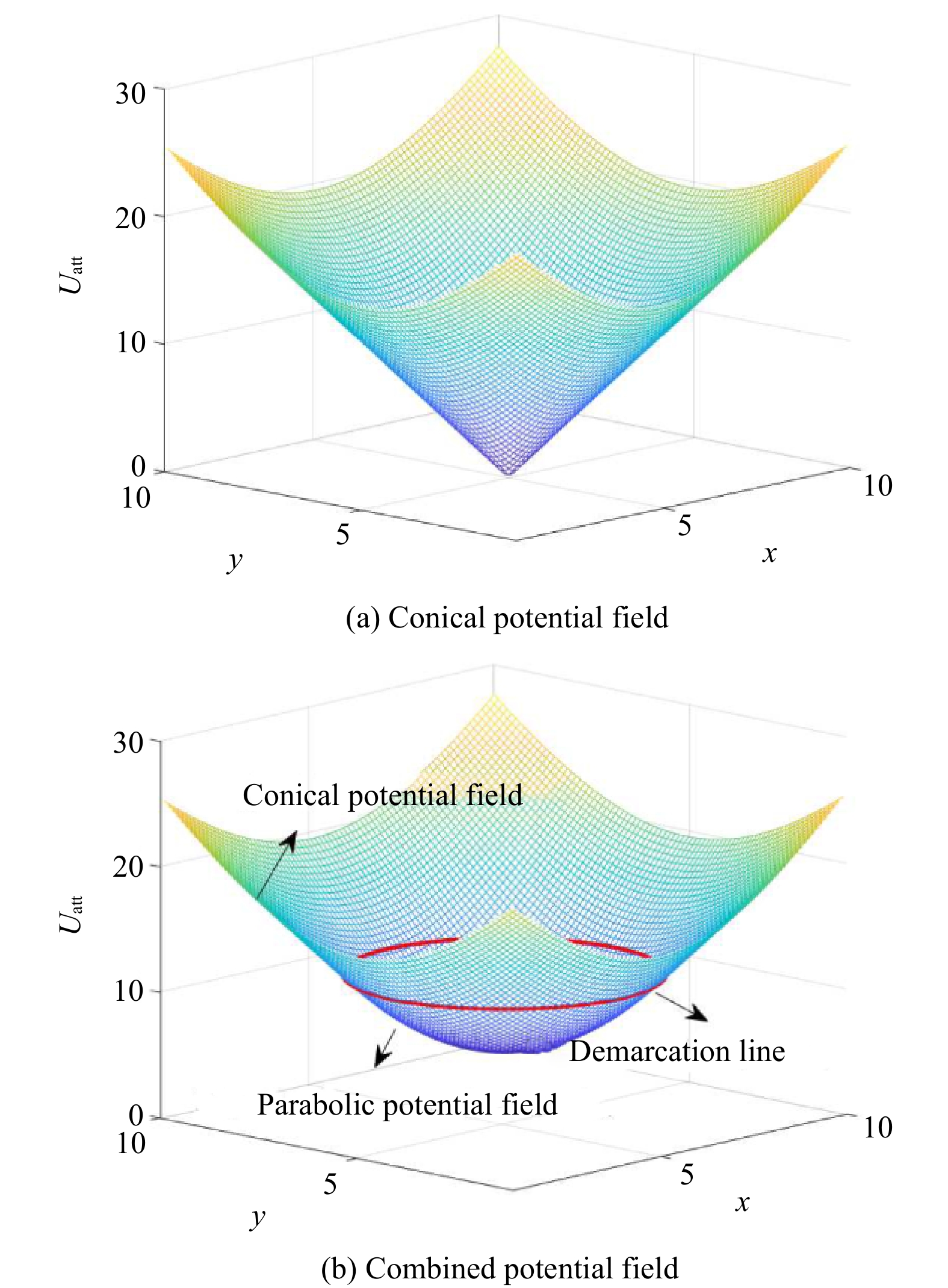
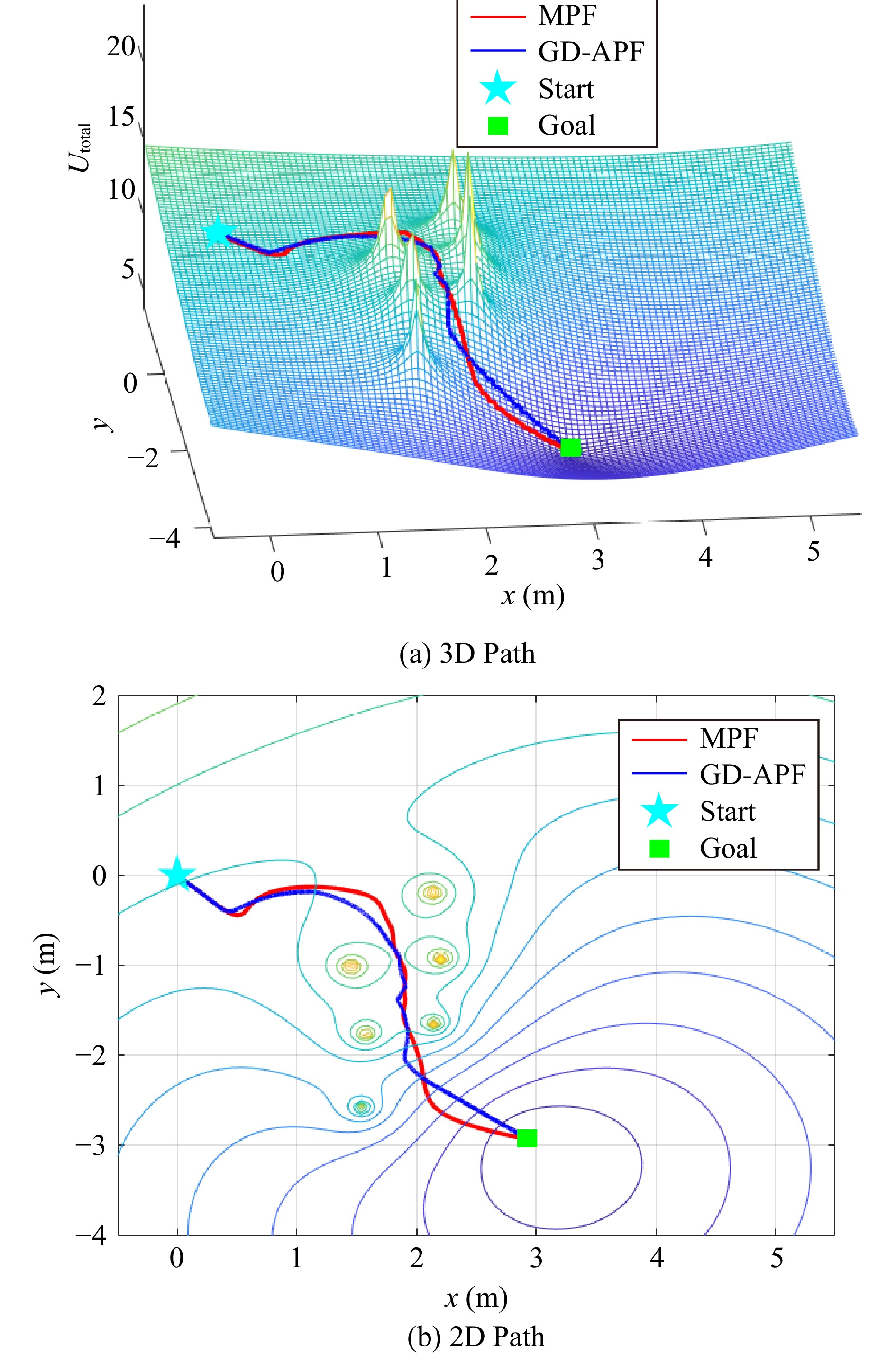
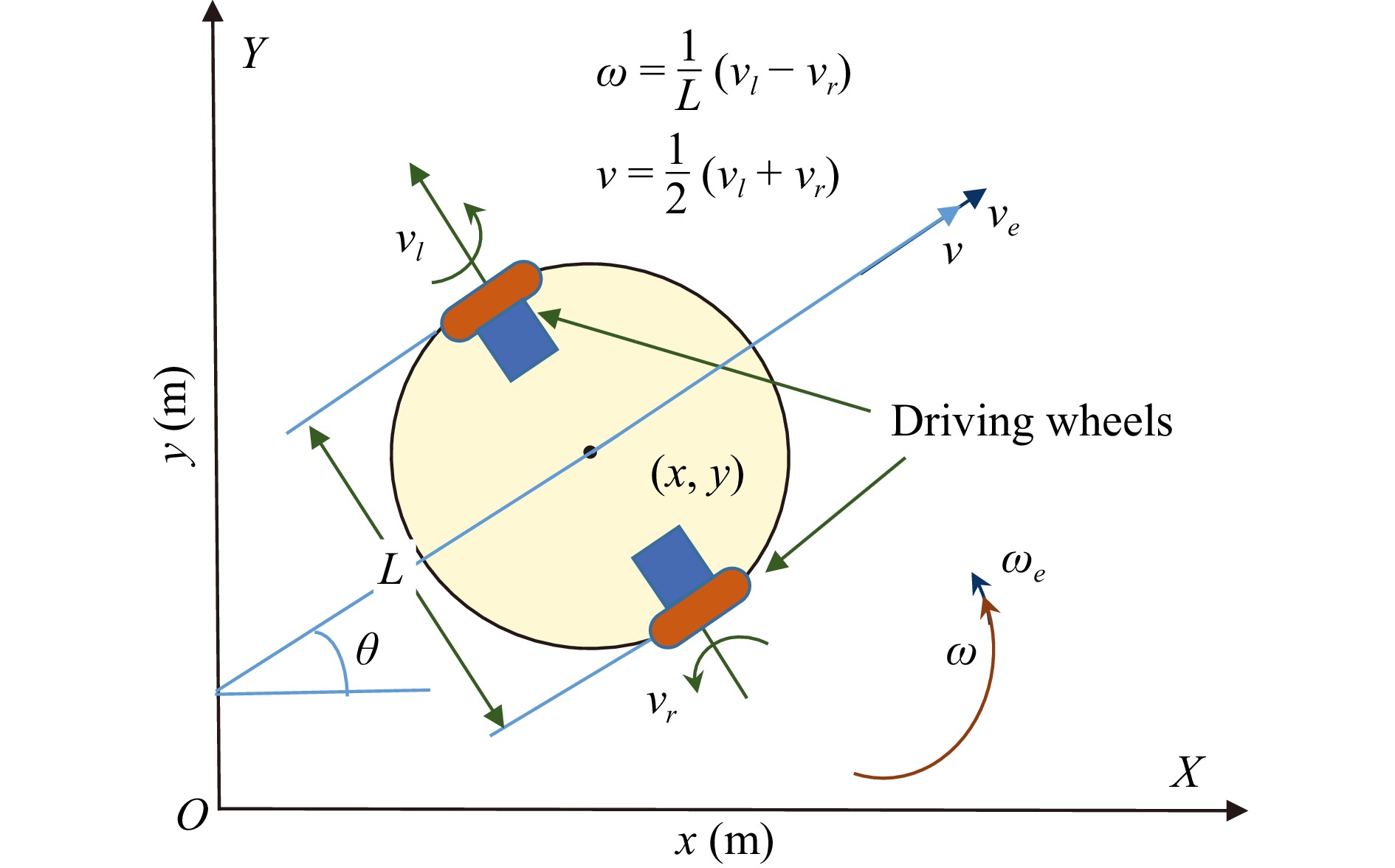
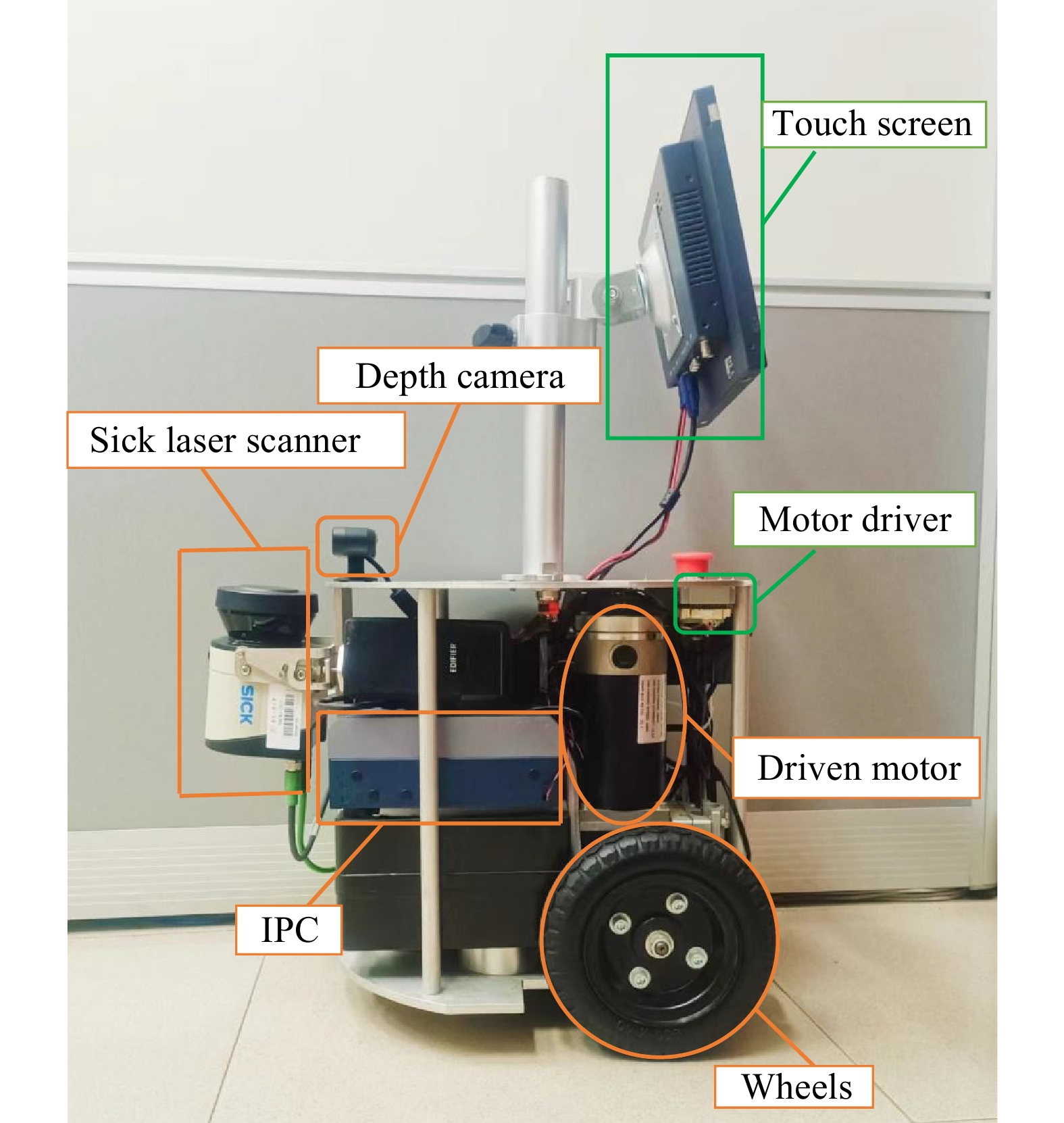
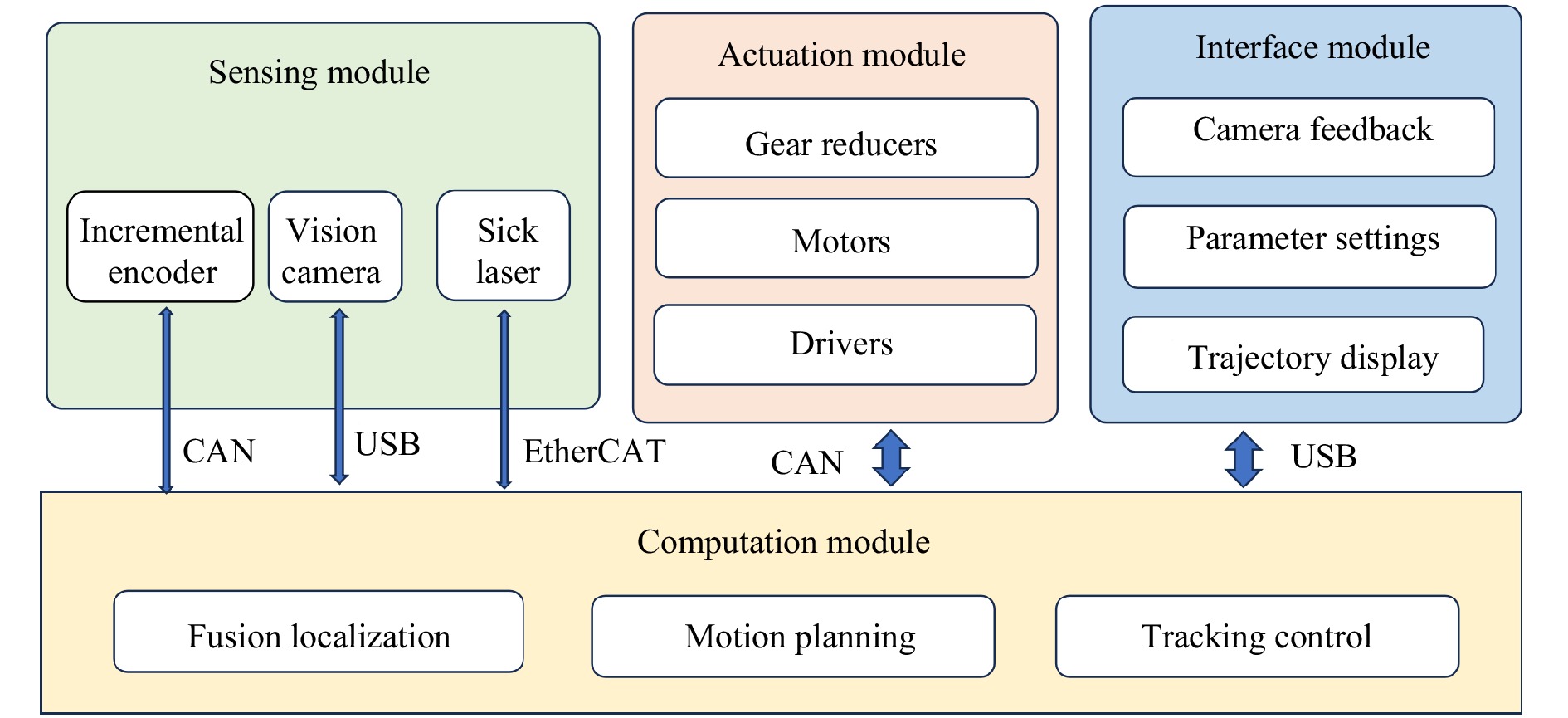
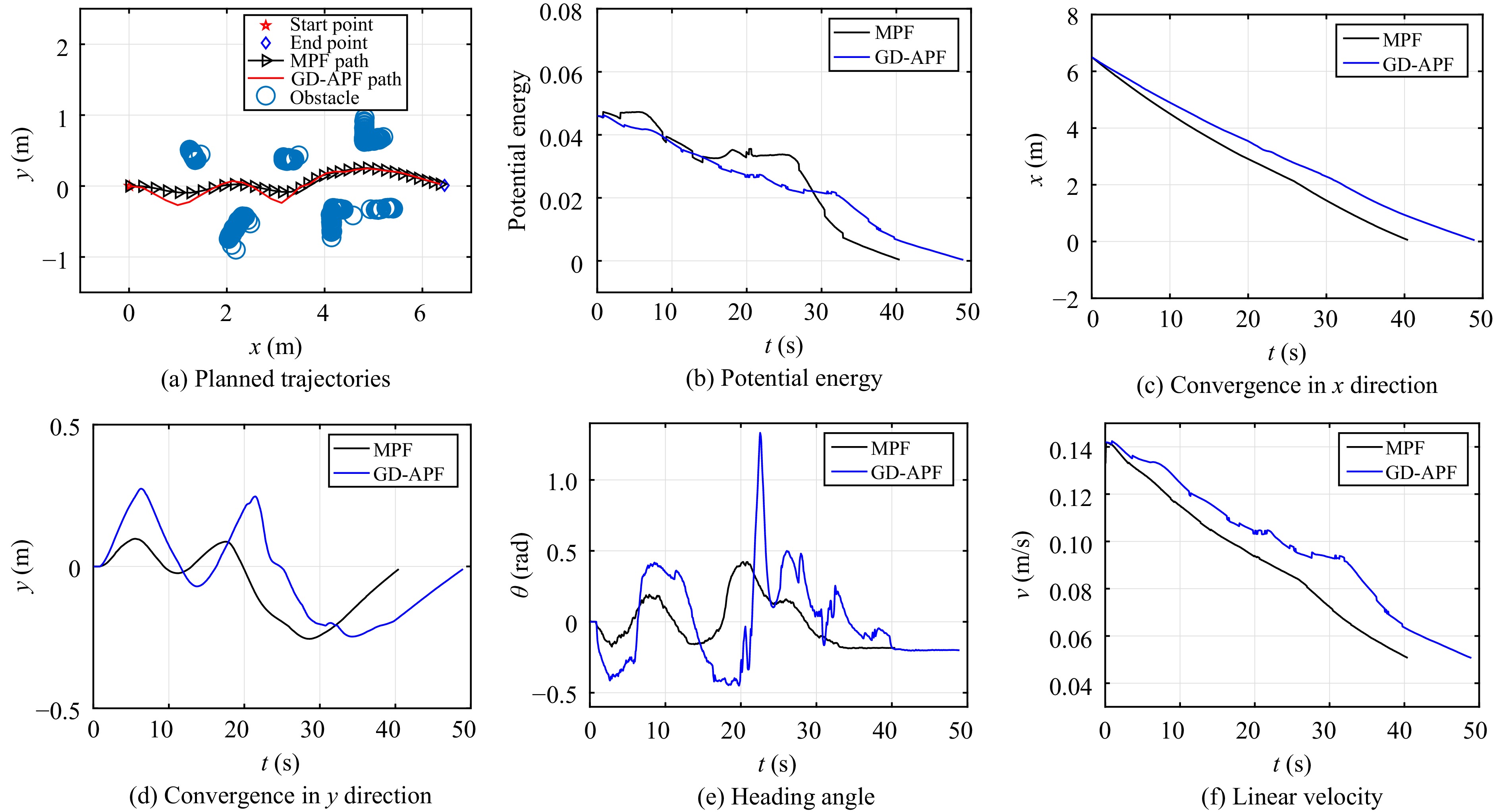
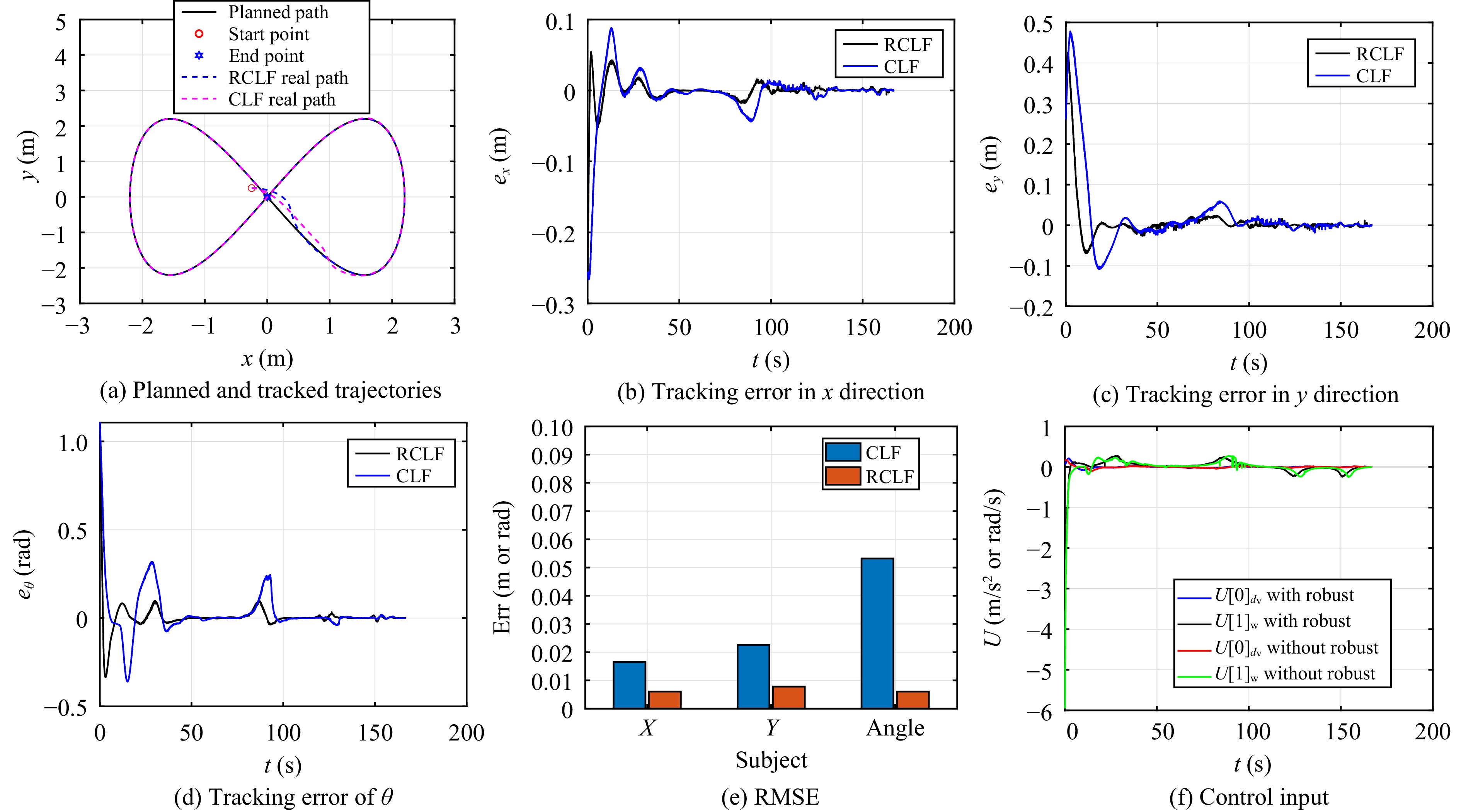
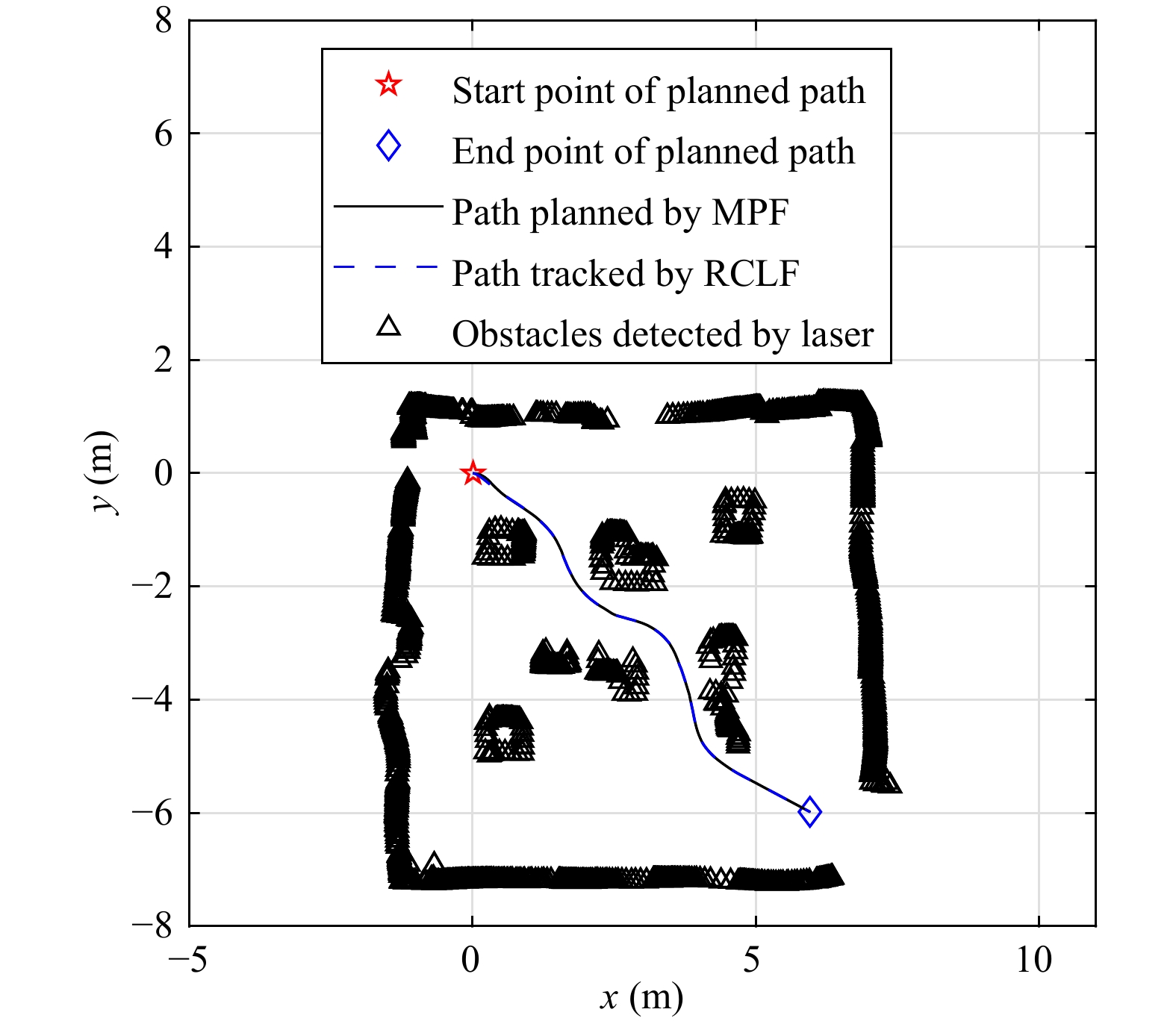
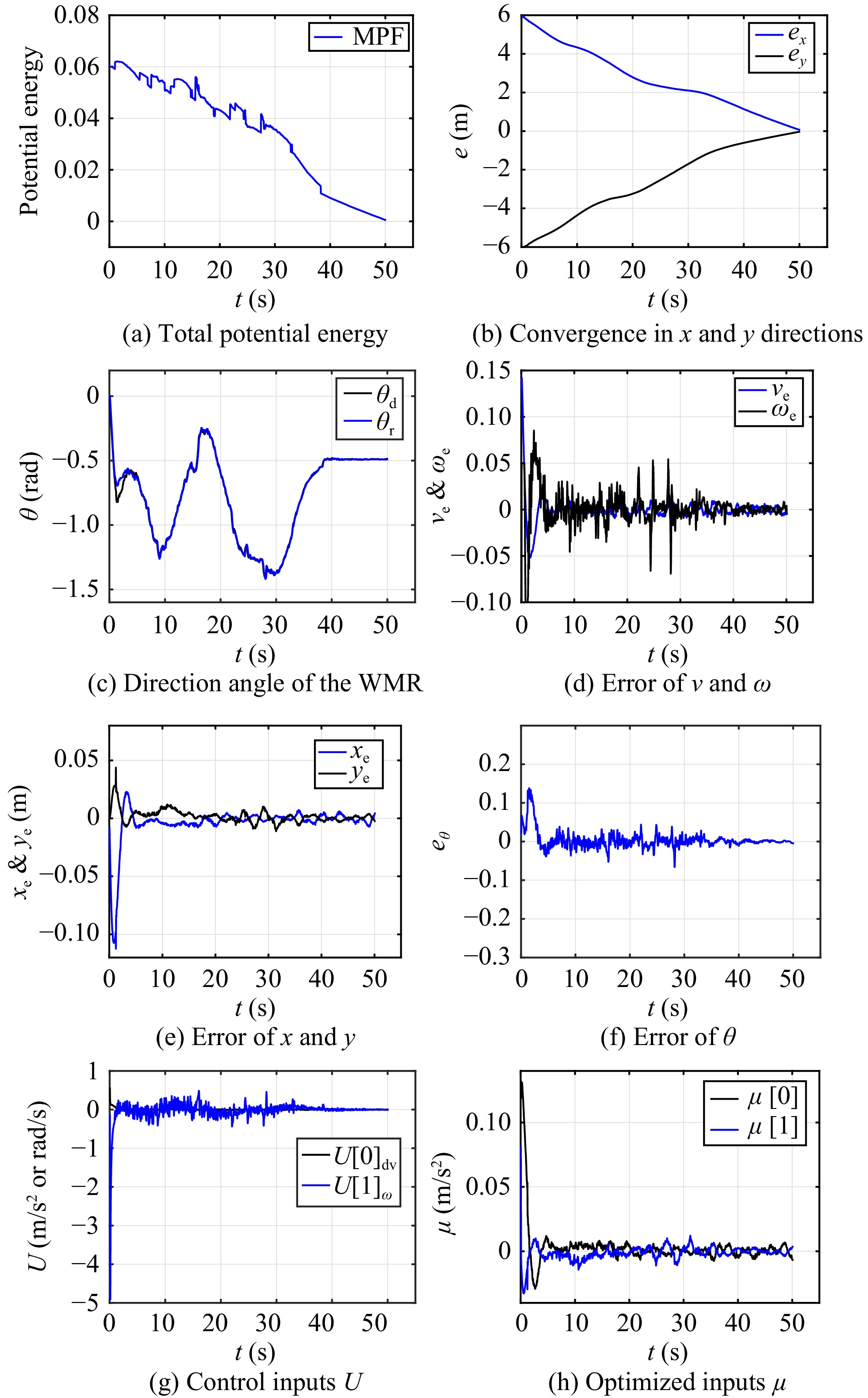
Autonomous mobile robots operating in environments with multiple obstacles require enhanced flexibility, which can increase the likelihood of slippage between the wheels and the ground. Although extensive research has proposed collision-avoidance trajectory planning methods and anti-slip trajectory tracking controls, demonstrating effective anti-collision and anti-slip outcomes, these studies often fail to integrate motion planning and control strategies for comprehensive testing. Addressing this issue, this paper introduces an integrated motion planning and control strategy aimed at improving the slip resistance performance of wheeled mobile robots (WMRs) in obstacle-rich environments. In terms of motion planning, this study employs a slip-aware momentum potential field (MPF) approach, an artificial potential field (APF) strategy that uses momentum gradient descent (MGD) to plan safe, collision-avoidance trajectories. Compared to conventional APF methods, MPF not only safely avoids obstacles but also effectively suppresses oscillations, adapts to motion trends, and reduces slippage components, thus enhancing the safety of path planning. At the control level, the kinematic equations of motion for a nonholonomic mobile robot, considering steering and longitudinal slip, are described, and then a differential flatness-based error model is constructed using dynamic feedback linearization. Subsequently, a robust control strategy based on control Lyapunov function (CLF) is developed. This strategy computes the optimal control inputs corresponding to the cost function under uncertain slip disturbances, ensuring optimal slip resistance performance in unknown operational environments. Unlike conventional hierarchical schemes, the proposed framework establishes explicit, cycle-level coupling between the motion planner and the motion controller. Under synchronous operation, execution feedback is returned to the planning layer in every cycle to actively reshape the potential field, while the controller concurrently suppresses slip-induced errors at the execution level. Together, these mechanisms form a bidirectional planning-control loop specifically designed to enhance slip resistance. The effectiveness and superiority of the proposed integrated strategy have been extensively validated through experimental results.
Adaptive Encoding-Decoding Protocol to SMC for Multiple-Rate Stochastic Systems With Optimized Dynamic Quantization
Jianlin Bai, Jun Cheng, Huaicheng Yan, Michael V. Basin, Leszek Rutkowski
2026, 13(10): 2367-2377. doi: 10.1109/JAS.2026.125969
Abstract(16) HTML (17) PDF(1)
Abstract:
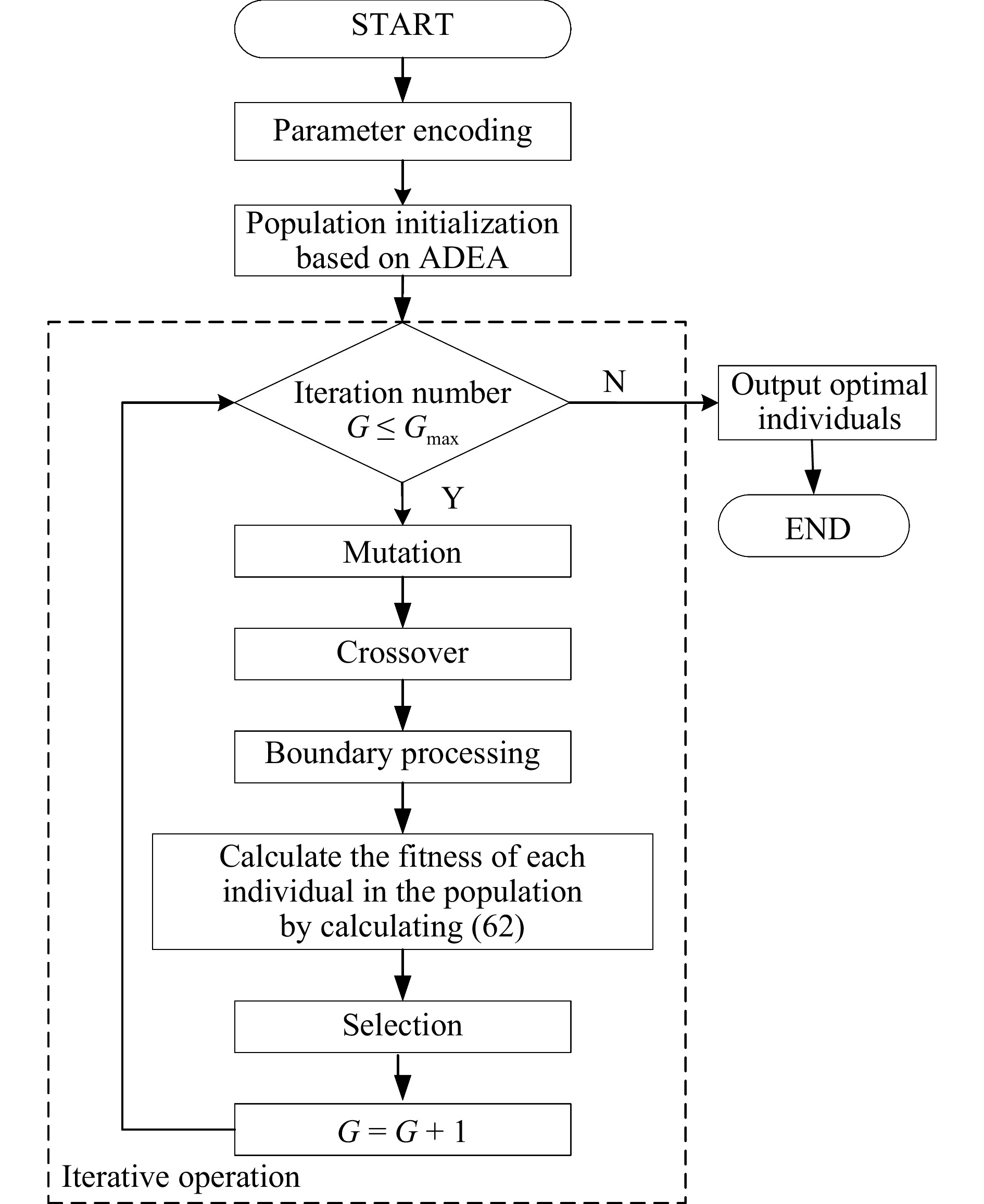
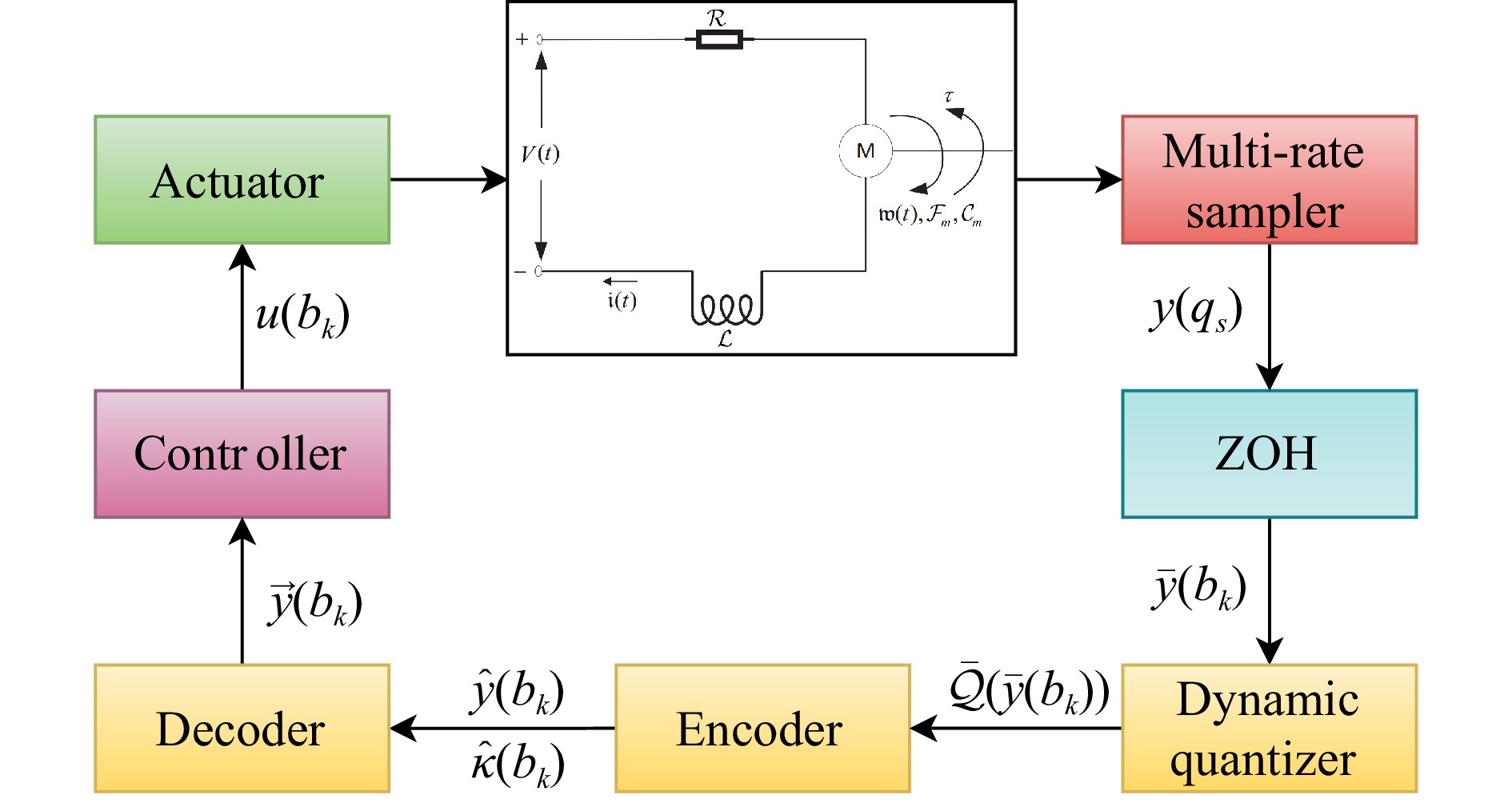
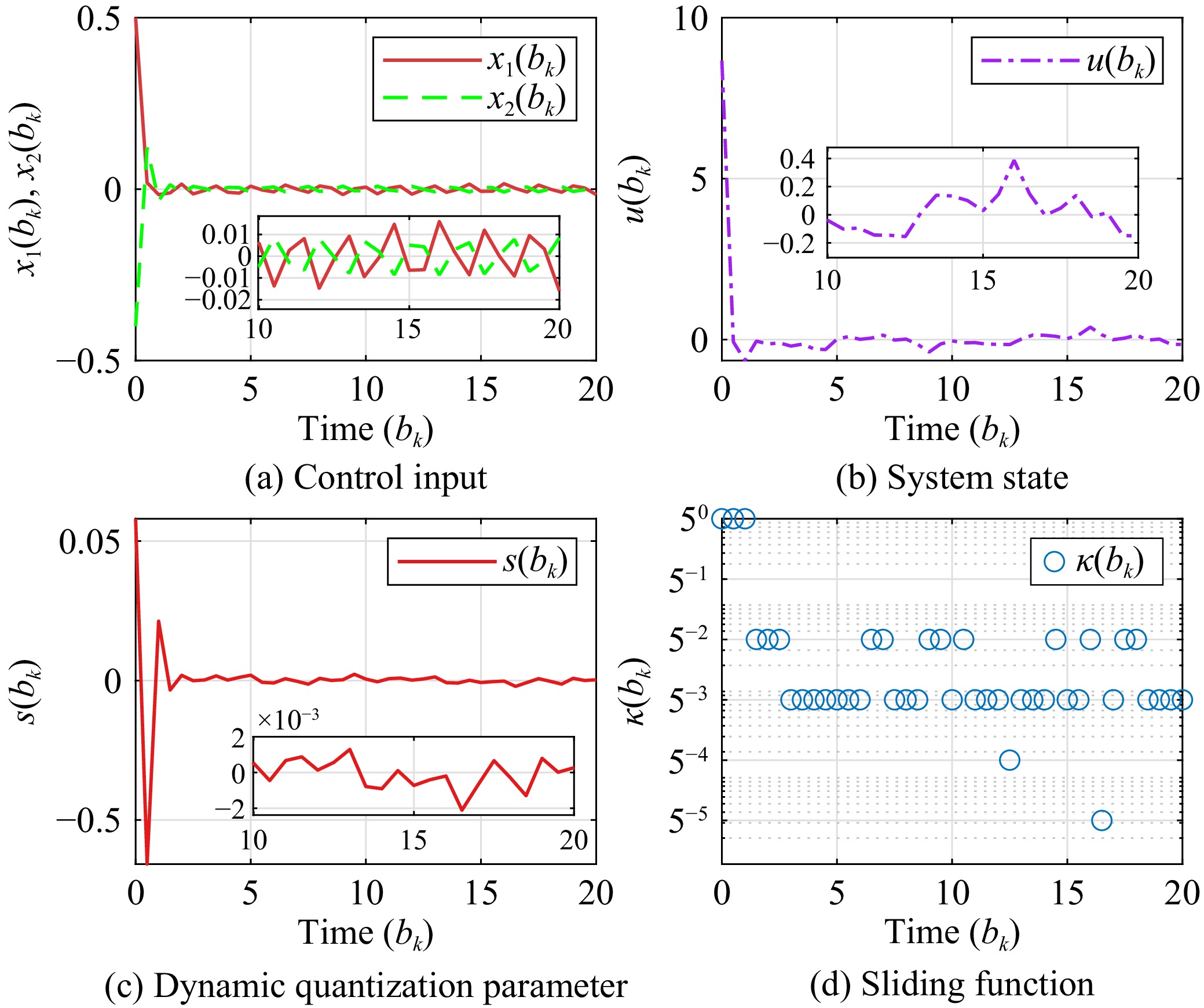
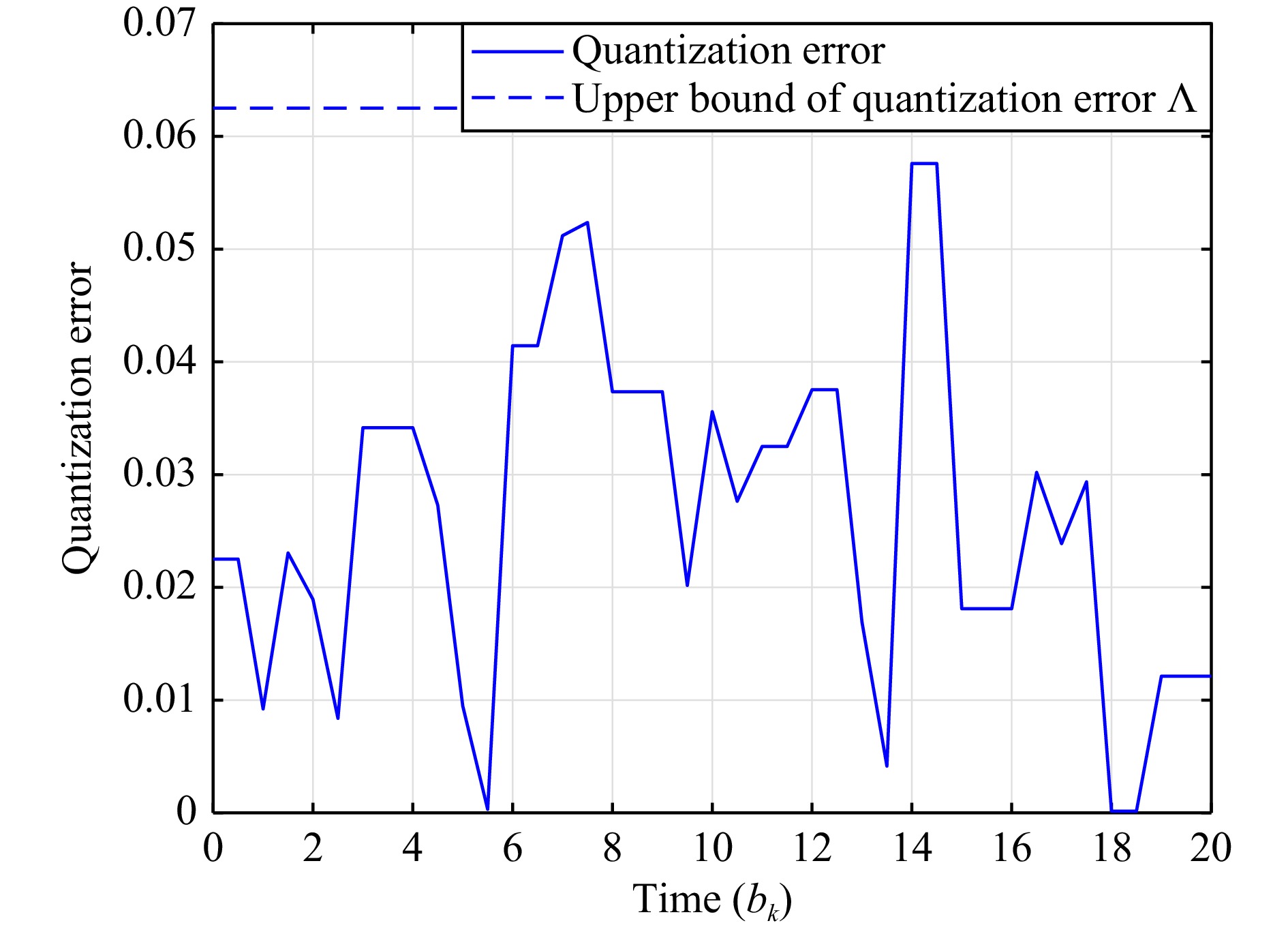
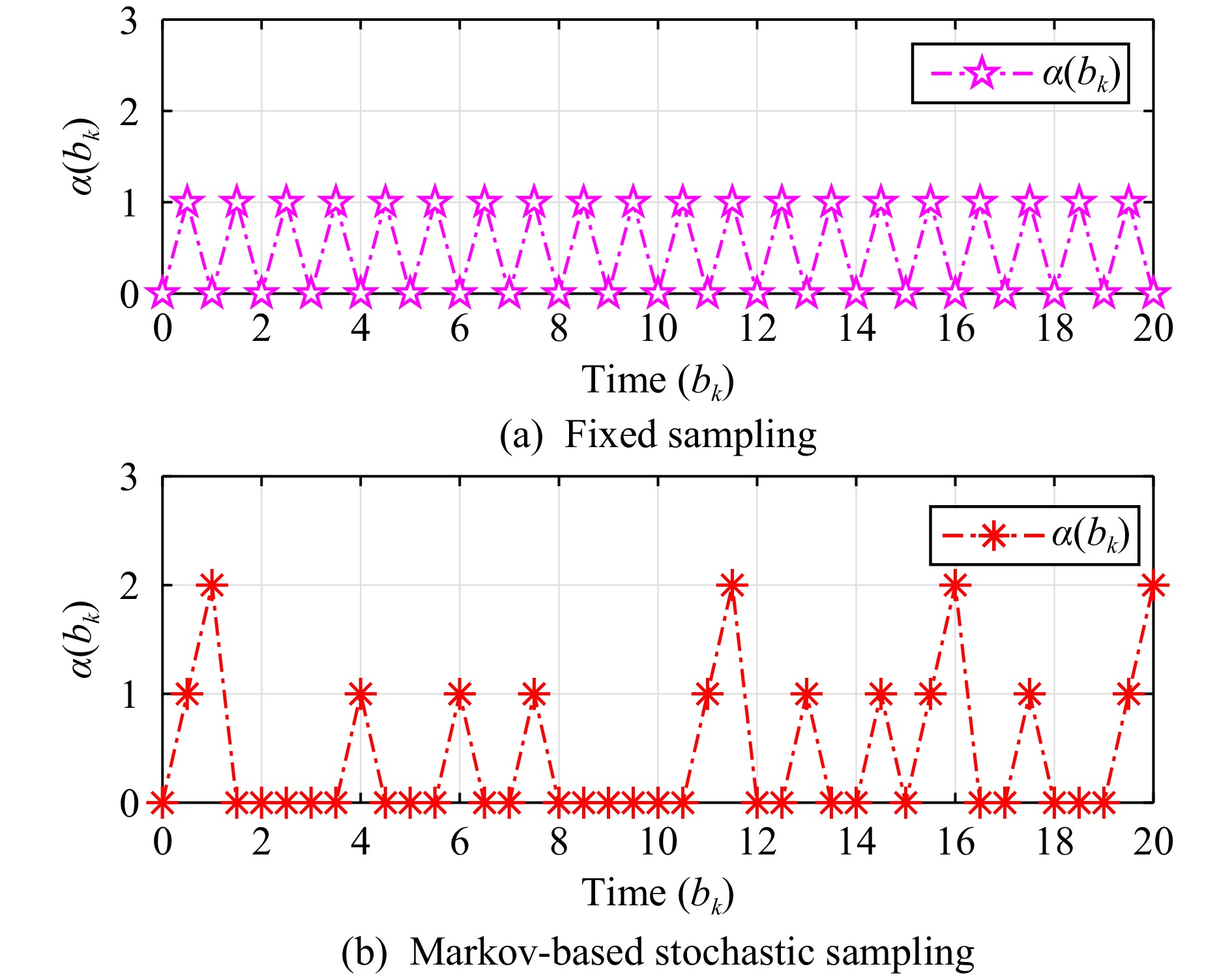
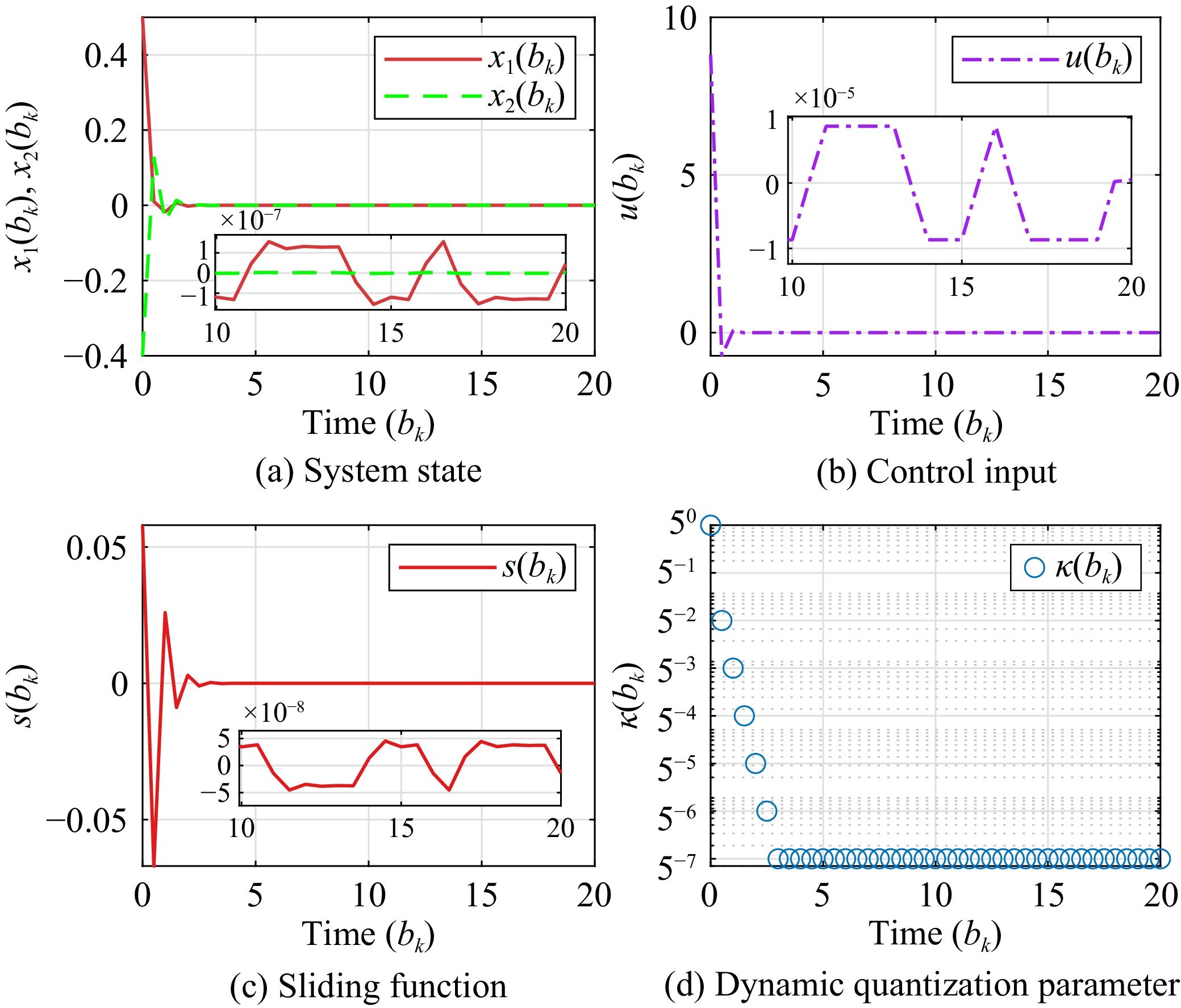
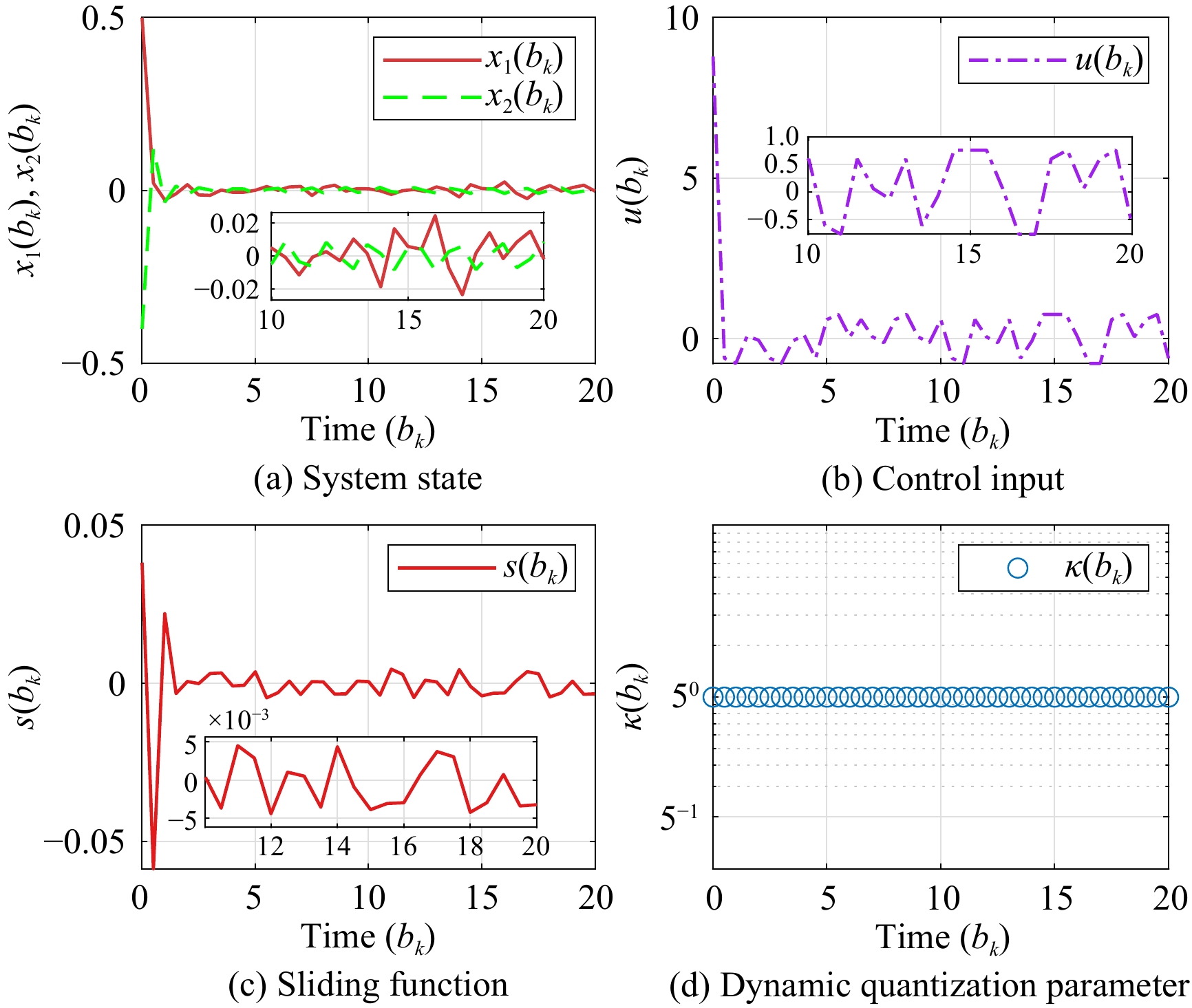
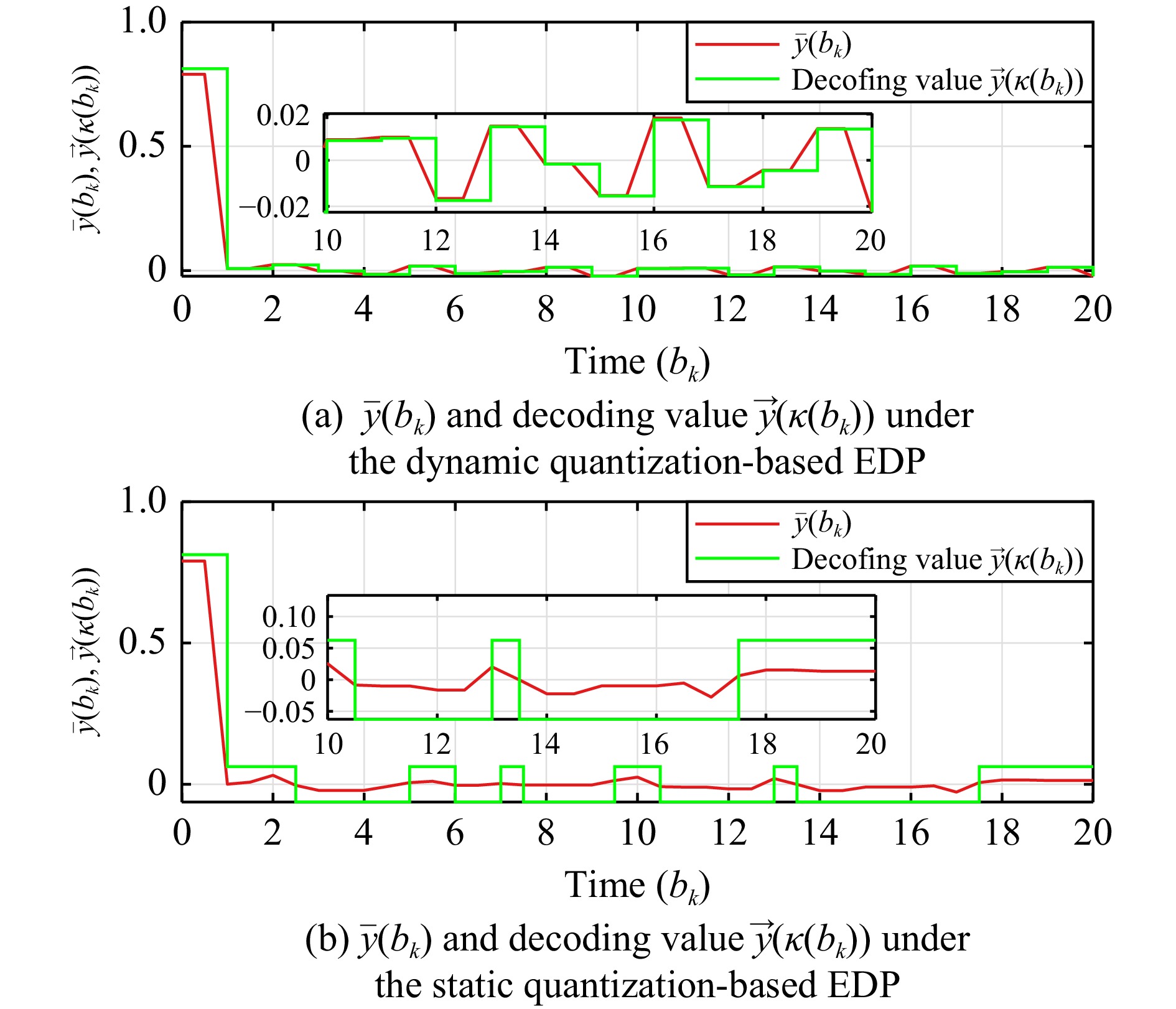
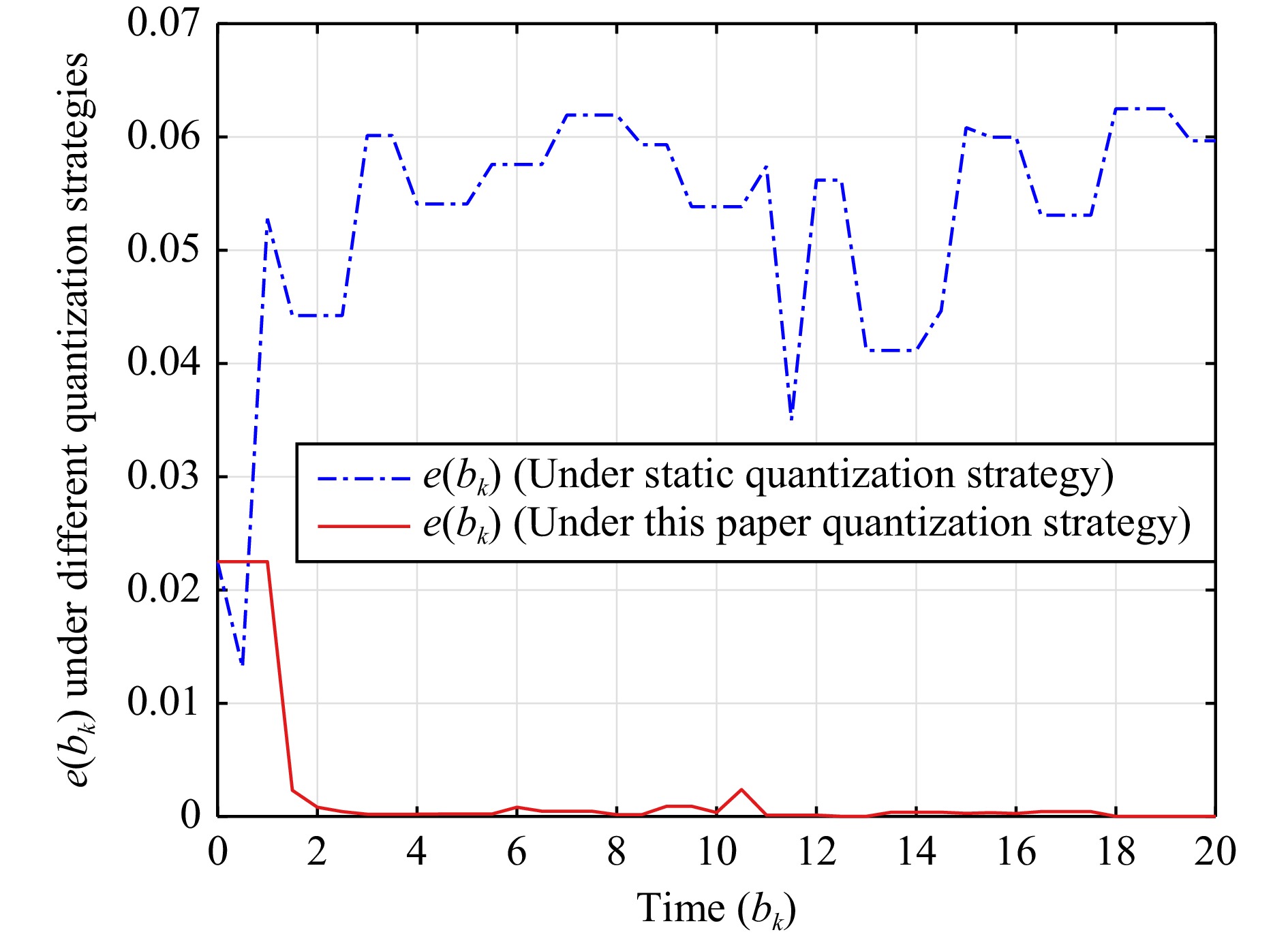
This study presents an adaptive encoding-decoding protocol to sliding mode control for multiple-rate stochastic systems employing optimized dynamic quantization. To facilitate tractable analysis without resorting to lifting techniques, a unified stochastic modeling framework is adopted, in which a non-homogeneous Markov process is employed to characterize the interaction between multi-rate sampling, zero-order hold behavior, and controller switching. A measurement-output-driven dynamic encoding-decoding protocol is then constructed, where both the quantized measurement and its associated quantization parameter are jointly transmitted, enabling accurate reconstruction and explicit characterization of decoding errors. By incorporating the resulting error bounds into a Lyapunov-based analysis, sufficient conditions are derived to guarantee mean-square exponential ultimate boundedness and sliding surface reachability. Furthermore, a co-design optimization framework based on a differential evolution algorithm is developed to jointly determine controller parameters and performance indices. Simulation results on a direct-current (DC) motor system demonstrate the effectiveness of the proposed approach.
Region-Focused Evolutionary Search for Dynamic Multi-Objective Optimization
Yingbo Xie, Junfei Qiao, Ding Wang, Xuhui Bu
2026, 13(10): 2378-2392. doi: 10.1109/JAS.2026.125984
Abstract(13) HTML (15) PDF(0)
Abstract:
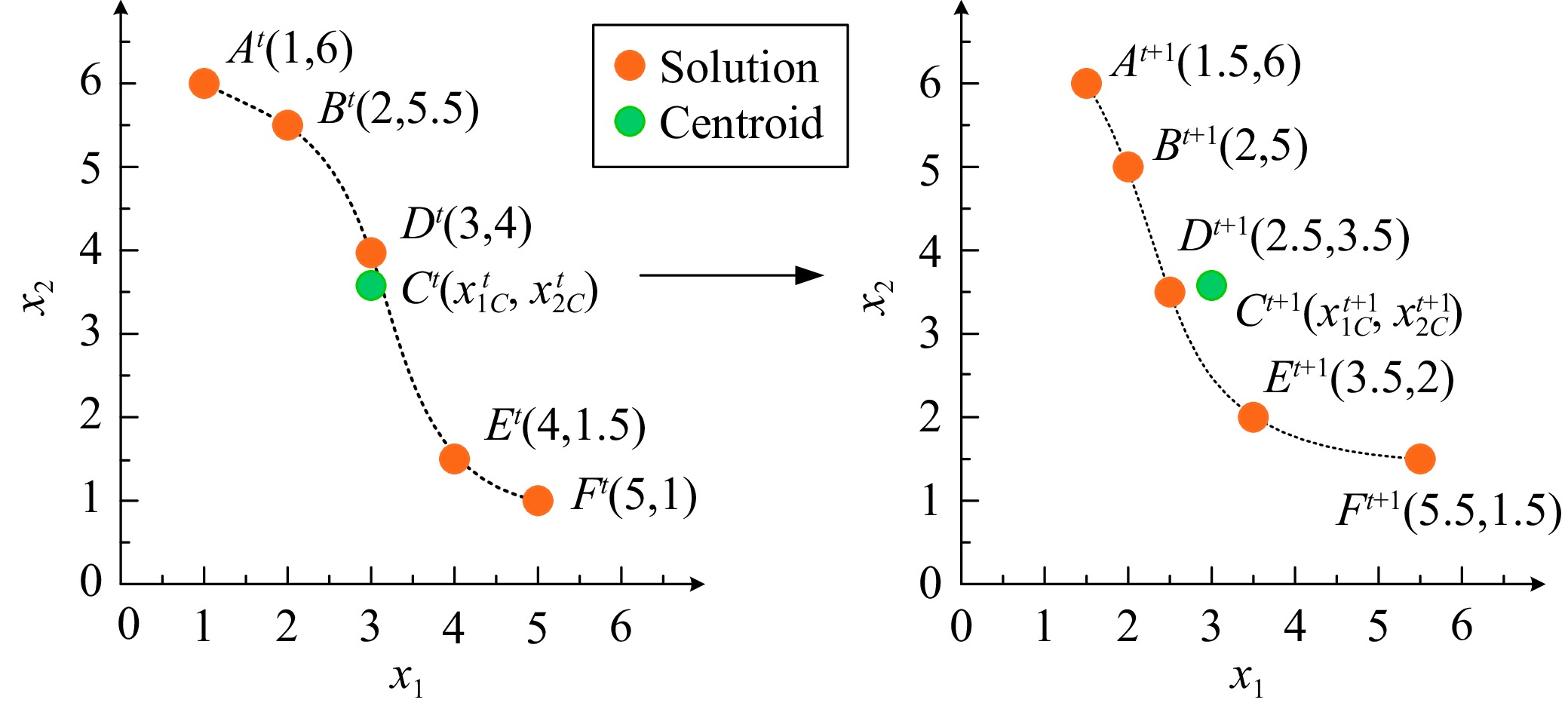
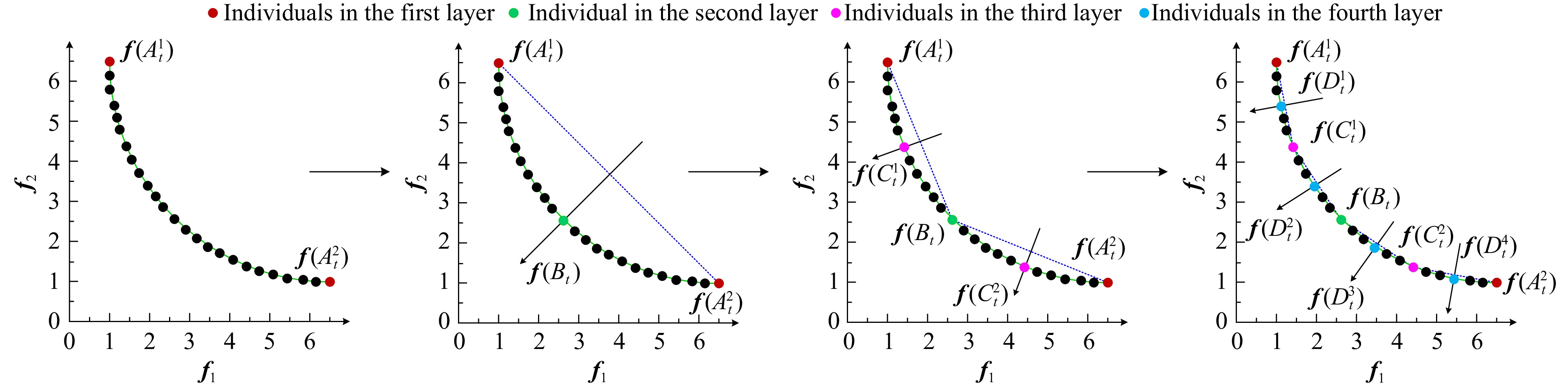
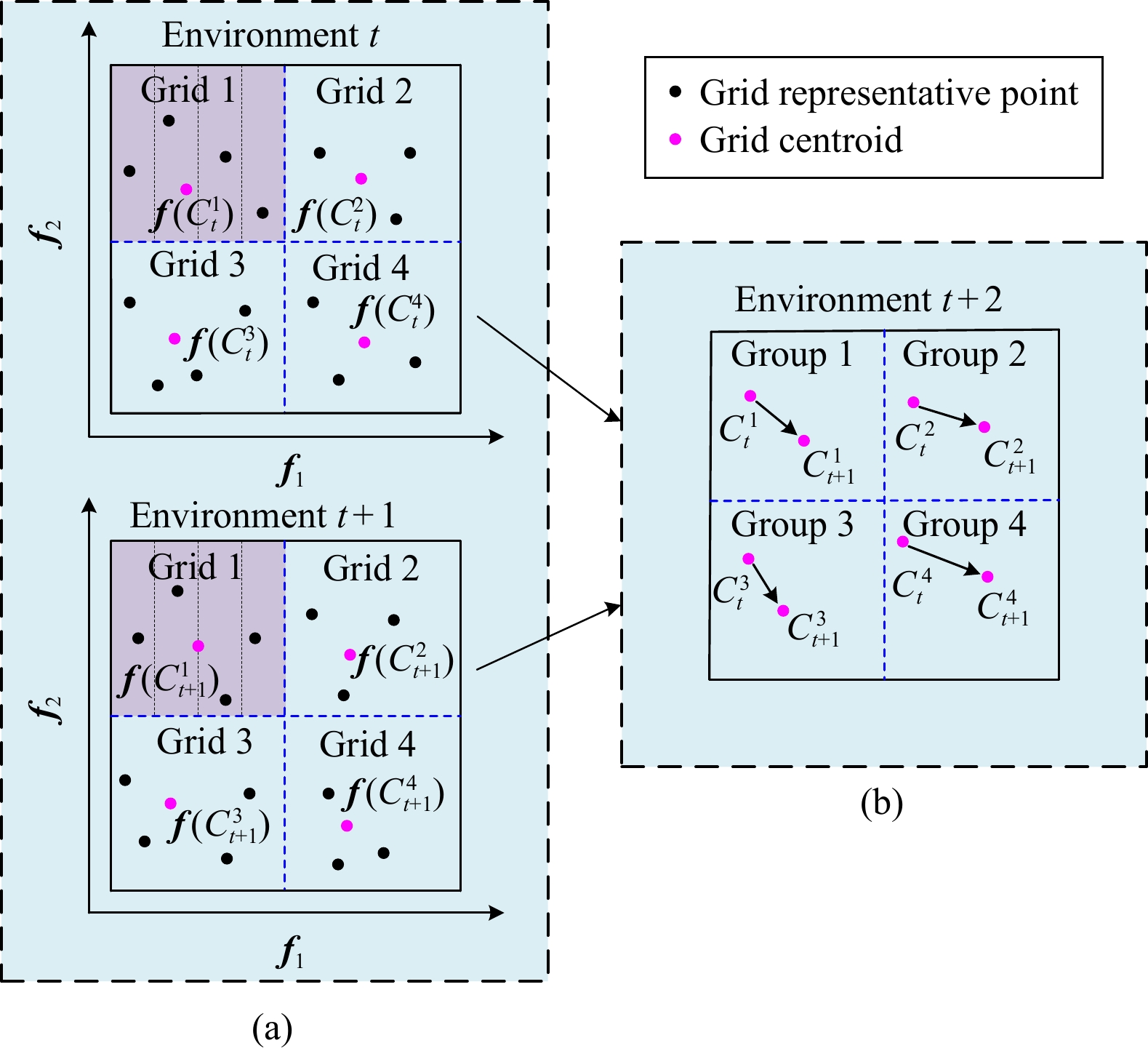
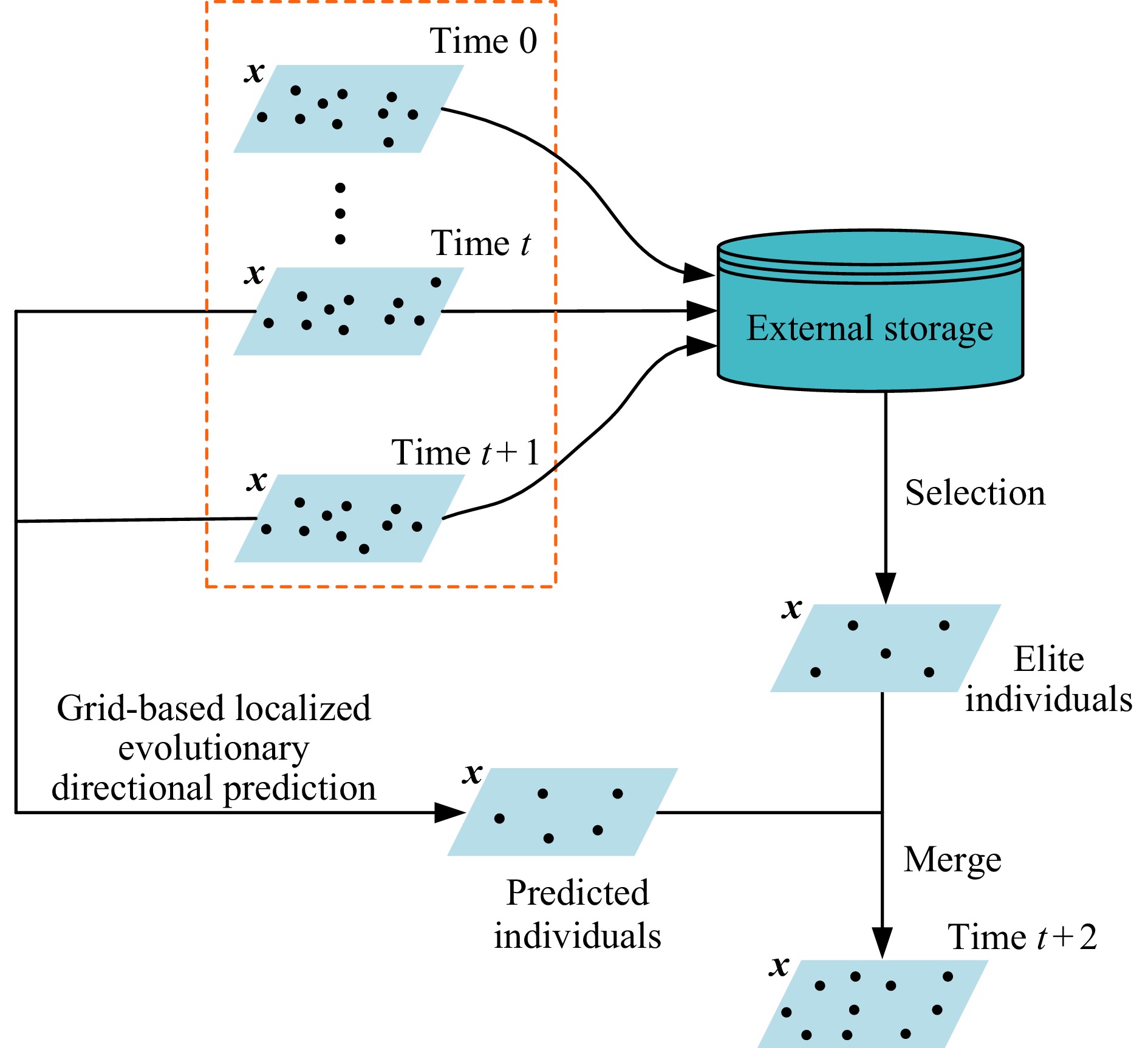
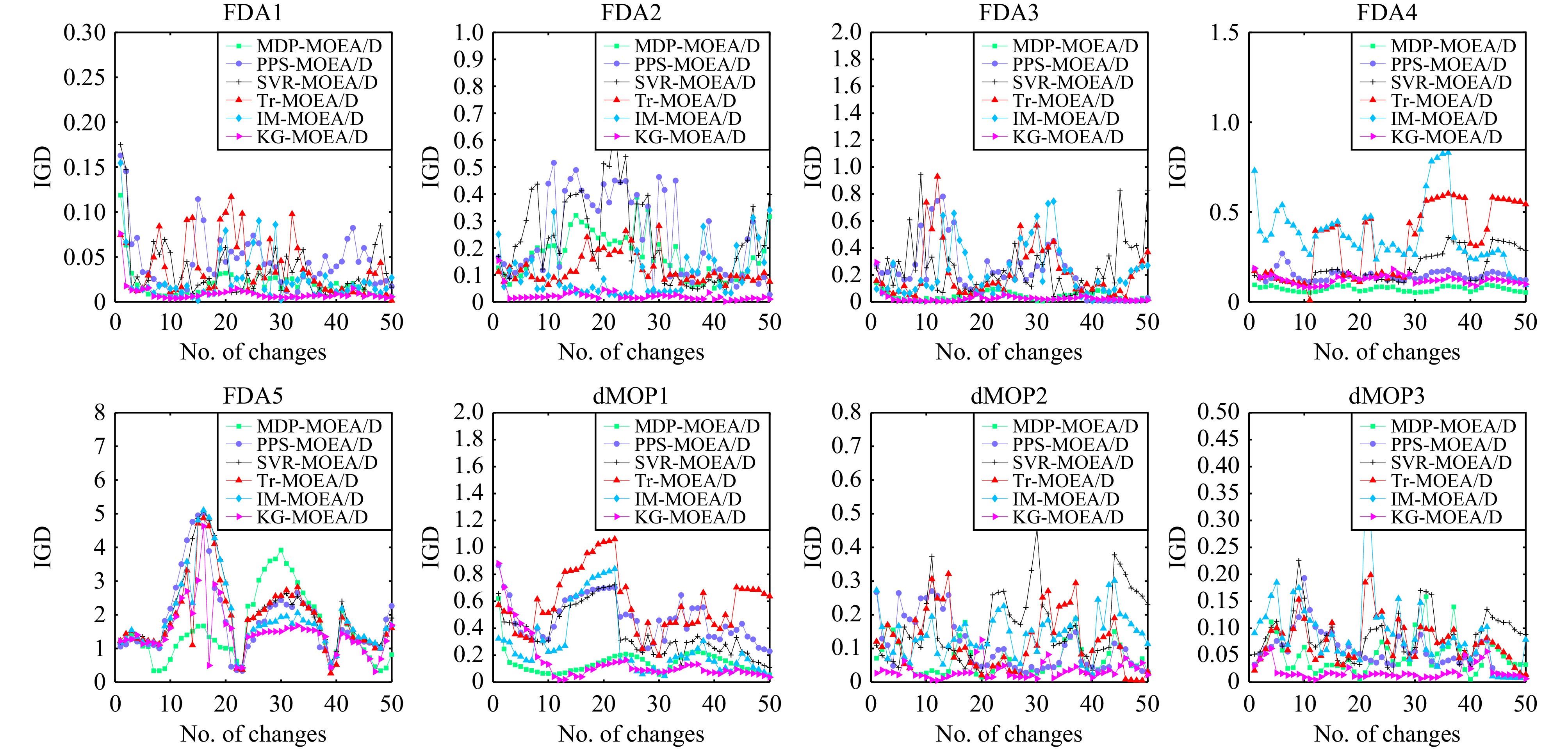
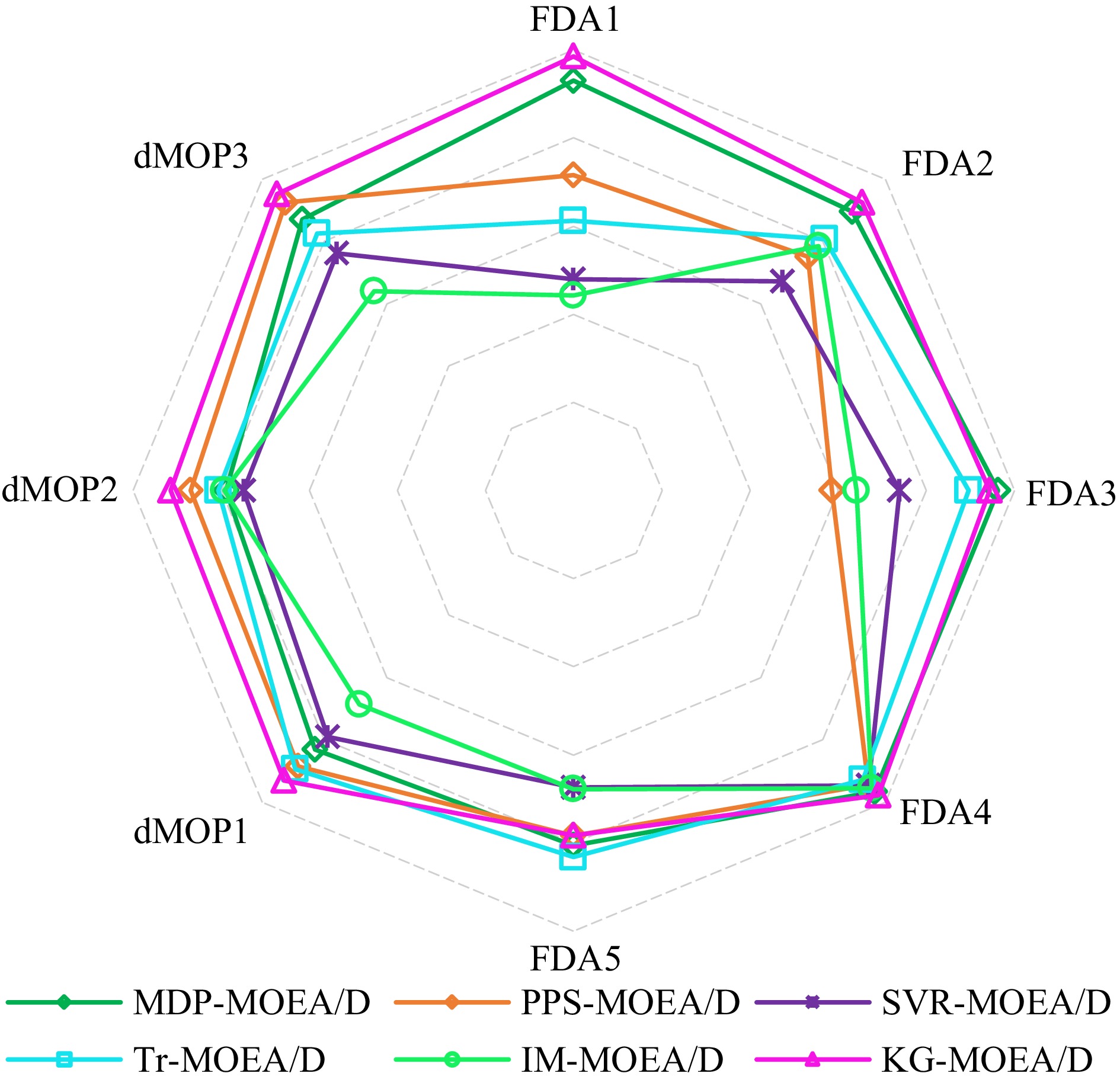
The growing requirements of solving dynamic multi-objective optimization problems (DMOPs) have increased the need to design dynamic multi-objective evolutionary algorithms (DMOEAs). As a powerful tool for solving DMOPs, DMOEAs based on prediction mechanisms have attracted more and more attention. However, limited efforts have been made to efficiently and accurately predict the changing Pareto optimal set (POS) in the local space. Taking this cue, we devise a novel region-focused evolutionary directional prediction method, called the knowledge-transfer grid-based DMOEA (KG-DMOEA), to accurately predict evolutionary directions and accelerate population iteration speed. First, a hierarchical detection technique is designed, which can select individuals on a global scale to improve detection accuracy. Second, a grid-based regionalized evolutionary direction prediction method is proposed, which divides individuals into different grids and improves change response accuracy through region-focused evolution strategies. Third, a knowledge transfer strategy is embedded into the algorithmic framework, enabling enhanced population convergence and driving individuals to rapidly evolve toward the optimal Pareto front. Furthermore, different test problems are adopted to verify the devised strategy where the comparative results demonstrate that the devised novel approach can efficiently reduce the time cost while improving the quality of solutions over existing algorithms.
LETTERS
Slow Sampling Feedback Stabilization of One-Sided Lipschitz Stochastic Singularly Perturbed Systems
Kui Ding, Xiaotai Wu, Ying Zhao, Yang Tang, Tingwen Huang
2026, 13(10): 2393-2395. doi: 10.1109/JAS.2025.125924
Abstract(14) HTML (11) PDF(1)
Abstract:
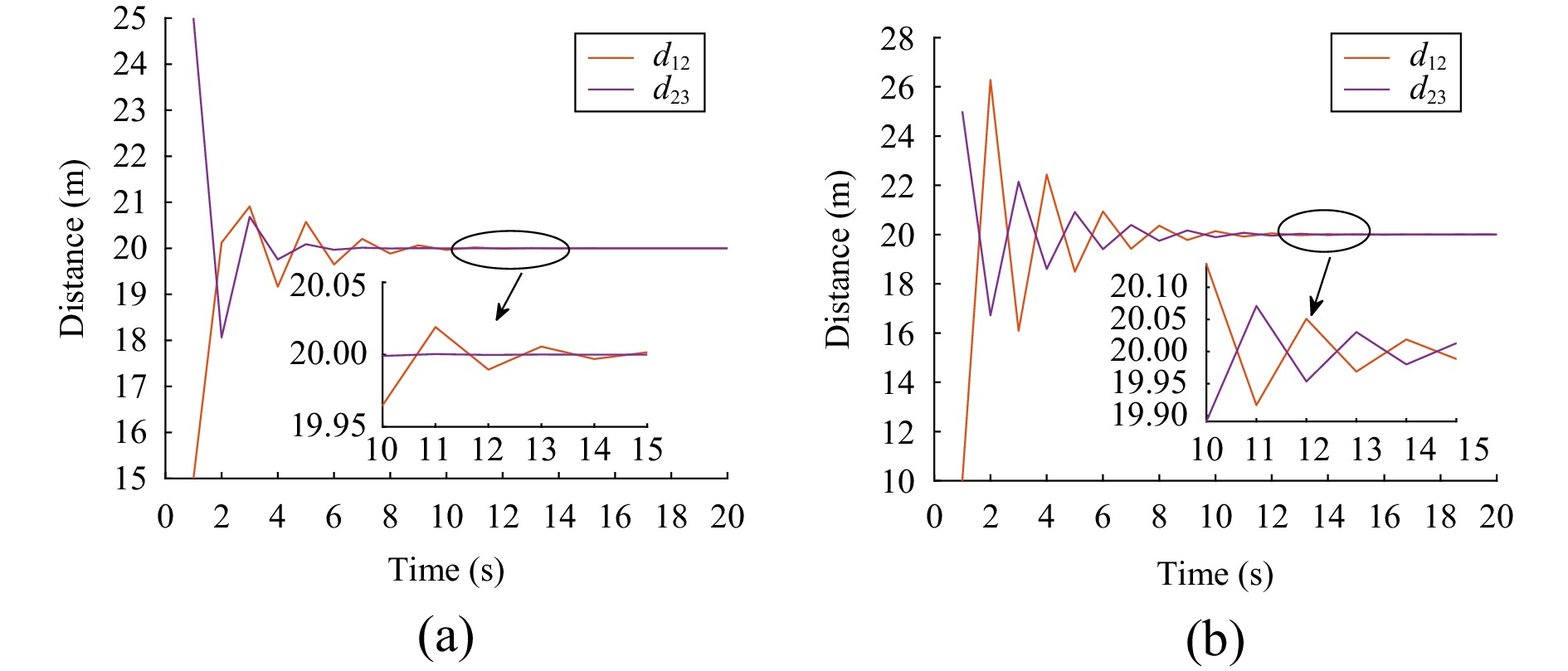
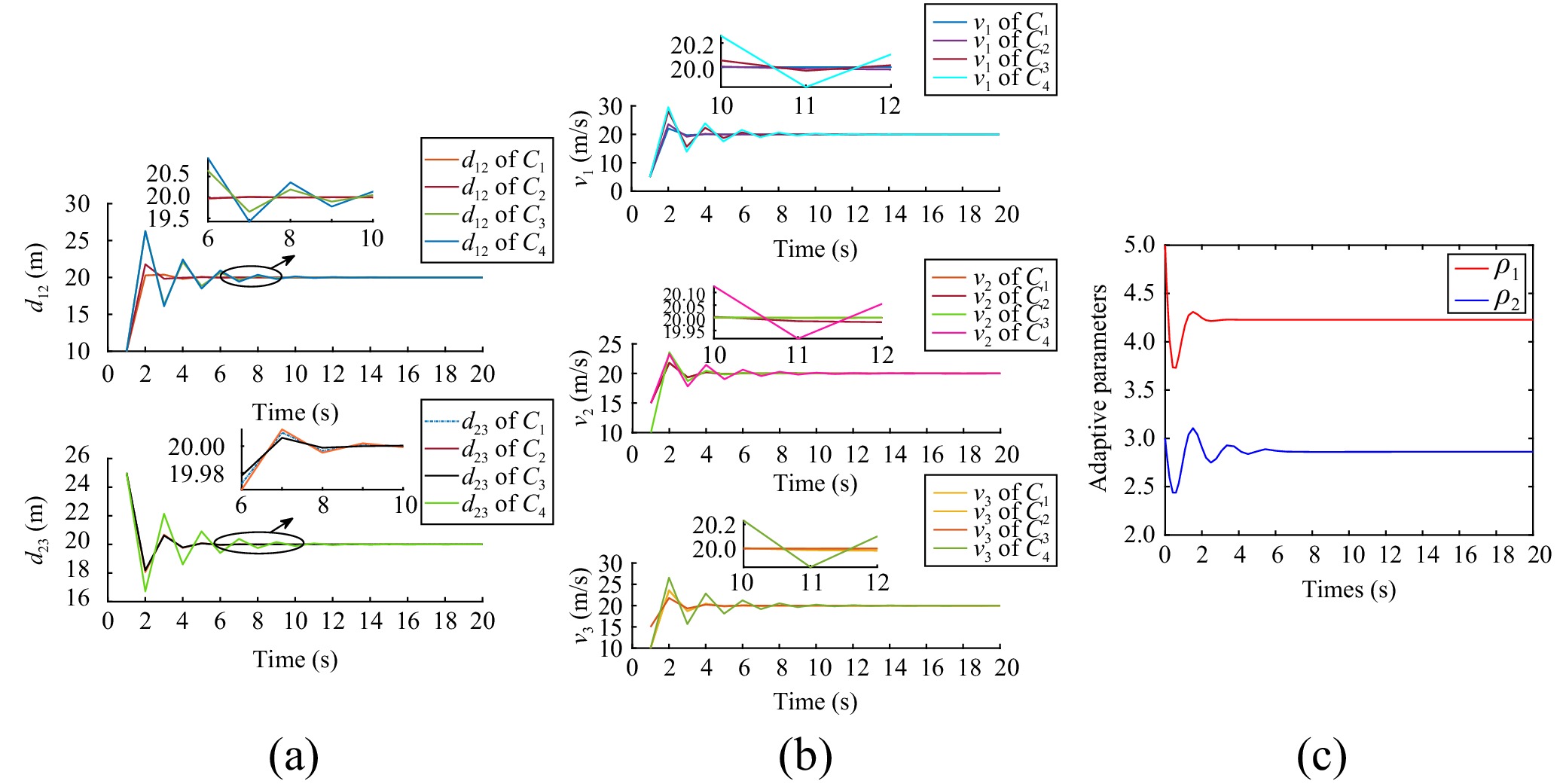
Distributed Optimal Consensus Control of Multi-Agent Systems Under Indifferent and Self-Sacrificing Alienation
Yue Zhang, Yan-Wu Wang, Xiao-Kang Liu
2026, 13(10): 2396-2398. doi: 10.1109/JAS.2025.125861
Abstract(1344) HTML (13) PDF(114)
Abstract:
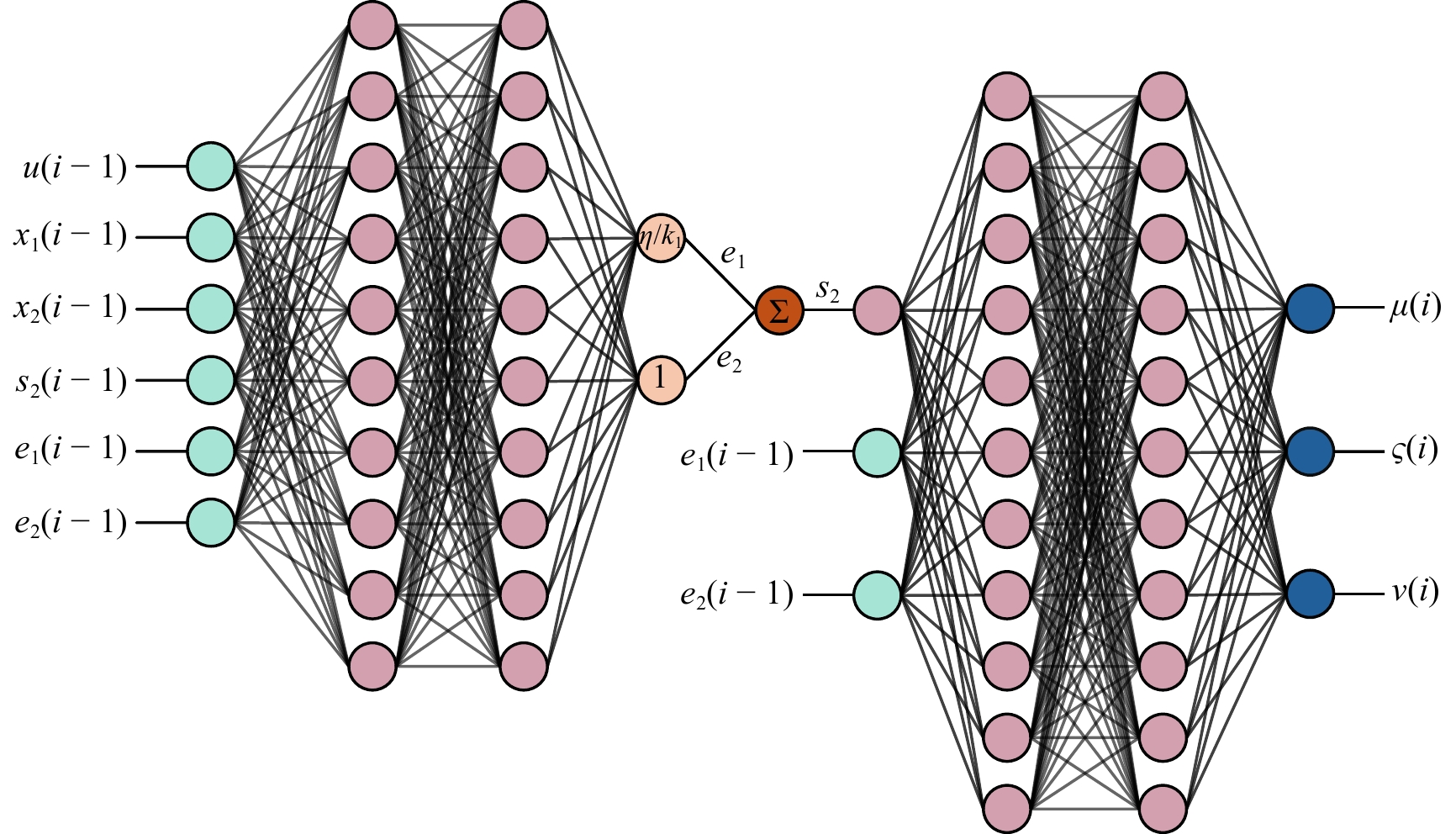
Free-Will Arbitrary Time Tracking Control for Single-Link Robot Arm Through Composite Actor-Critic Reinforcement Learning
Yudi Wang, Guangdeng Zong, Jieshuai Wu, Xia Zou
2026, 13(10): 2399-2401. doi: 10.1109/JAS.2025.125726
Abstract(11) HTML (12) PDF(0)
Abstract:
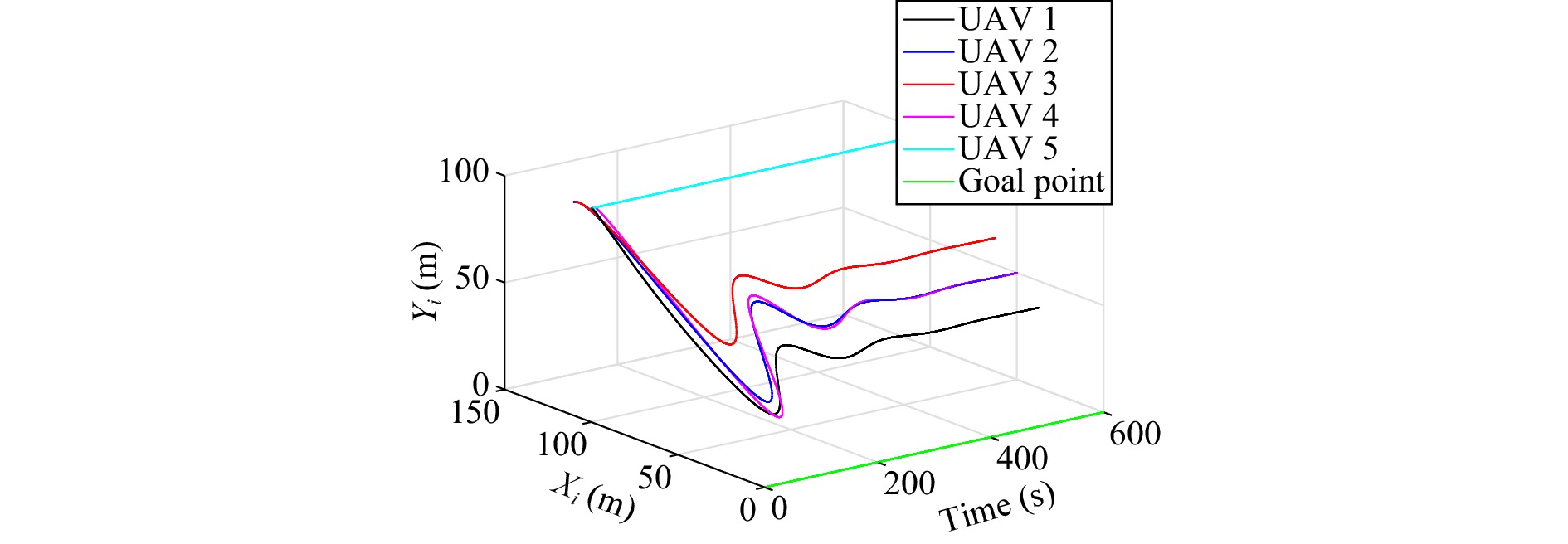
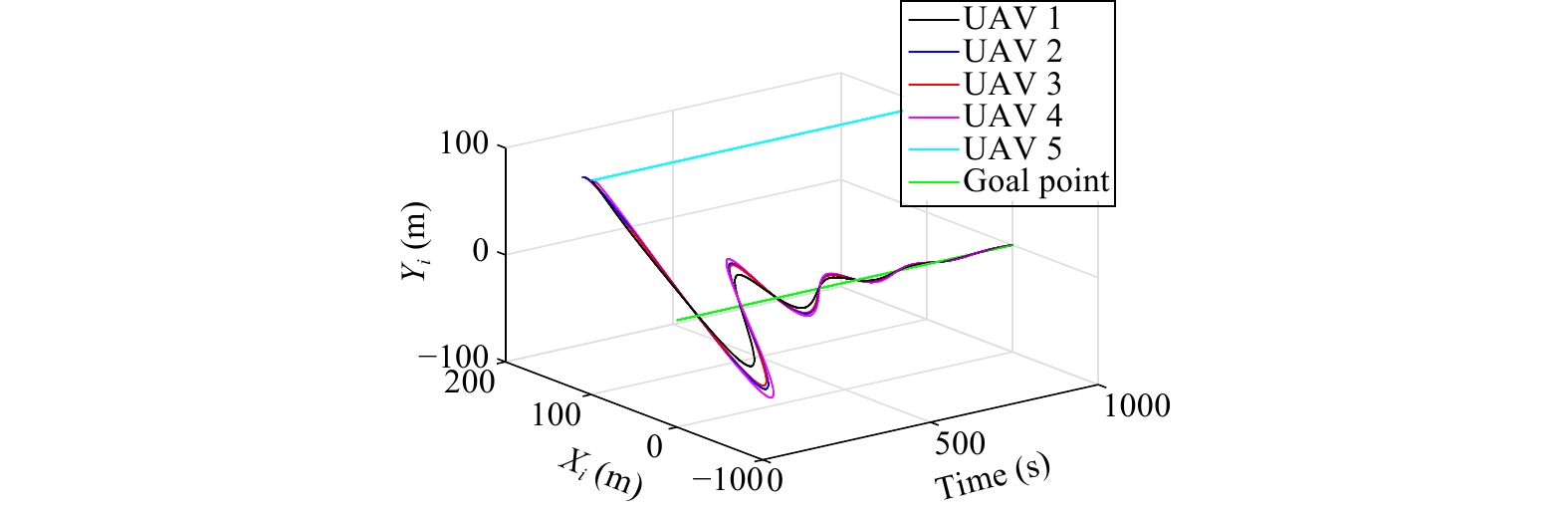
Secure Containment Control of Heterogeneous Multi-Agent Systems Under Double-Layered Hybrid Attacks: A Pre-Assigned Time Approach
Xiangyong Chen, Long Cheng, Junyi Wang, Guanghui Wen, Jianlong Qiu
2026, 13(10): 2402-2404. doi: 10.1109/JAS.2025.125732
Abstract(14) HTML (9) PDF(1)
Abstract:
Accuracy-Preassigned Fixed-Time Synchronization of A Class of Time-Delay Neural Networks With Multiple Leakage and Proportional Delays
Shilei Yuan, Xin Wang, Xian Zhang, Tingting Yu
2026, 13(10): 2405-2407. doi: 10.1109/JAS.2025.125735
Abstract(13) HTML (11) PDF(1)
Abstract:
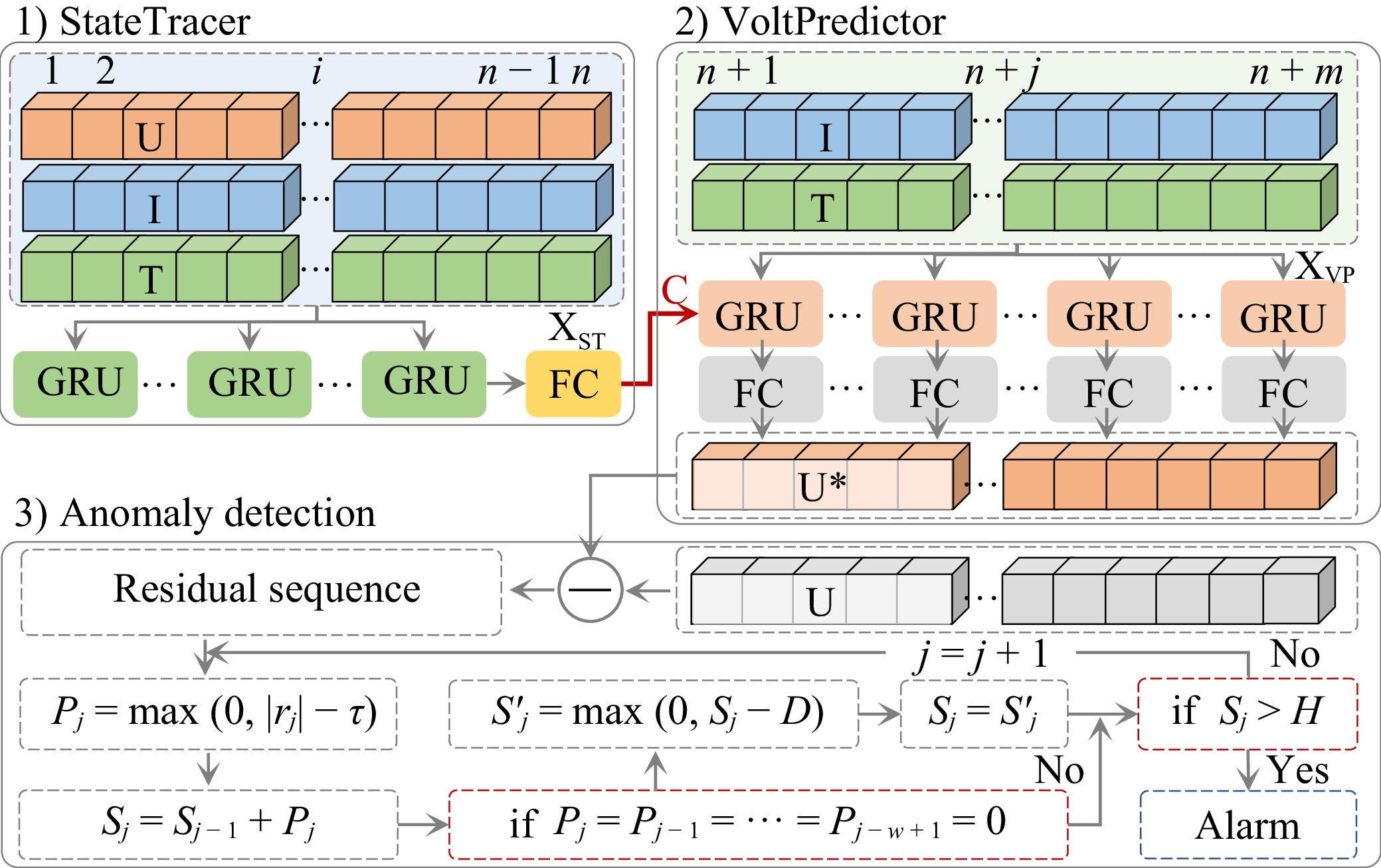
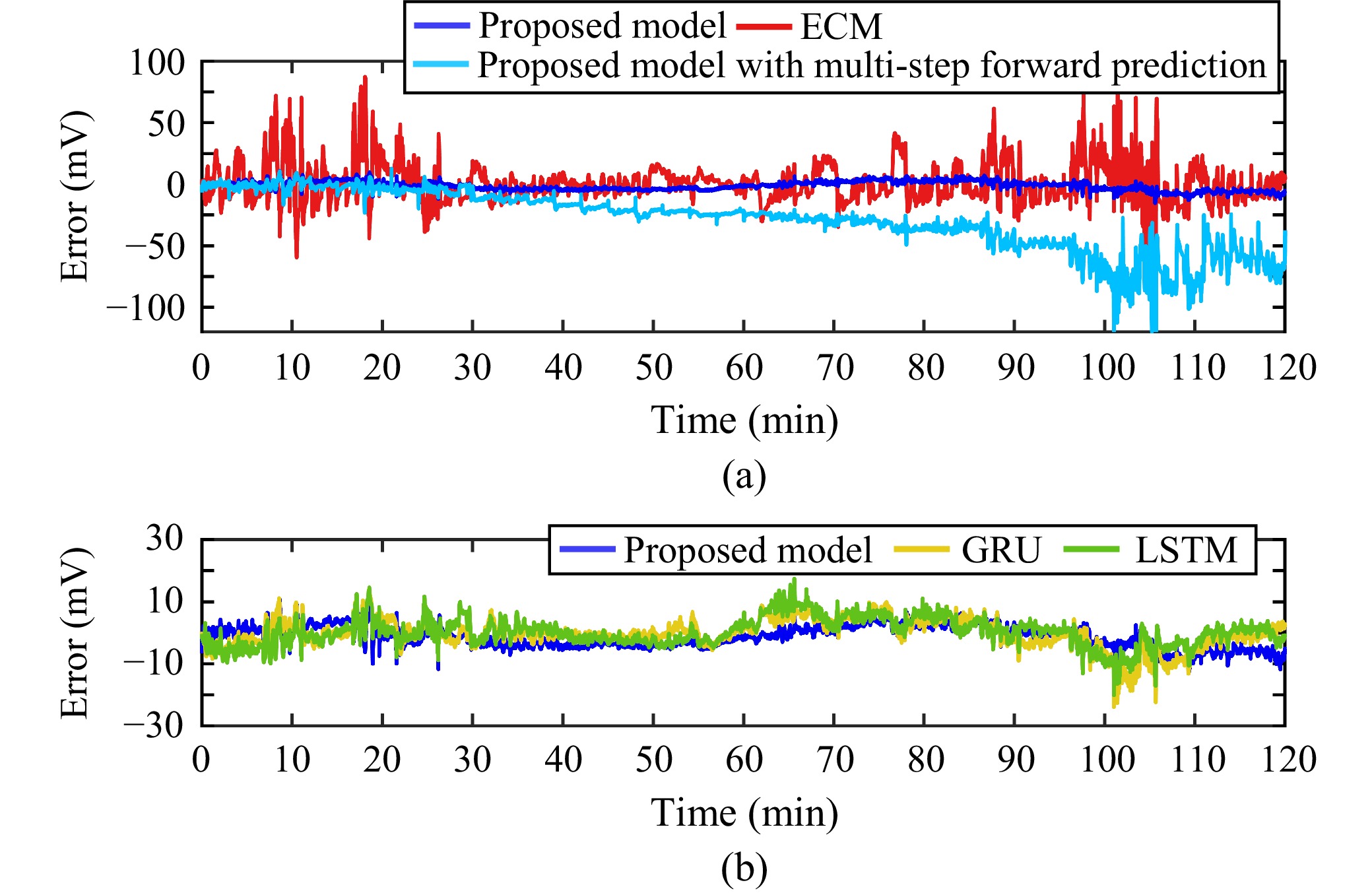
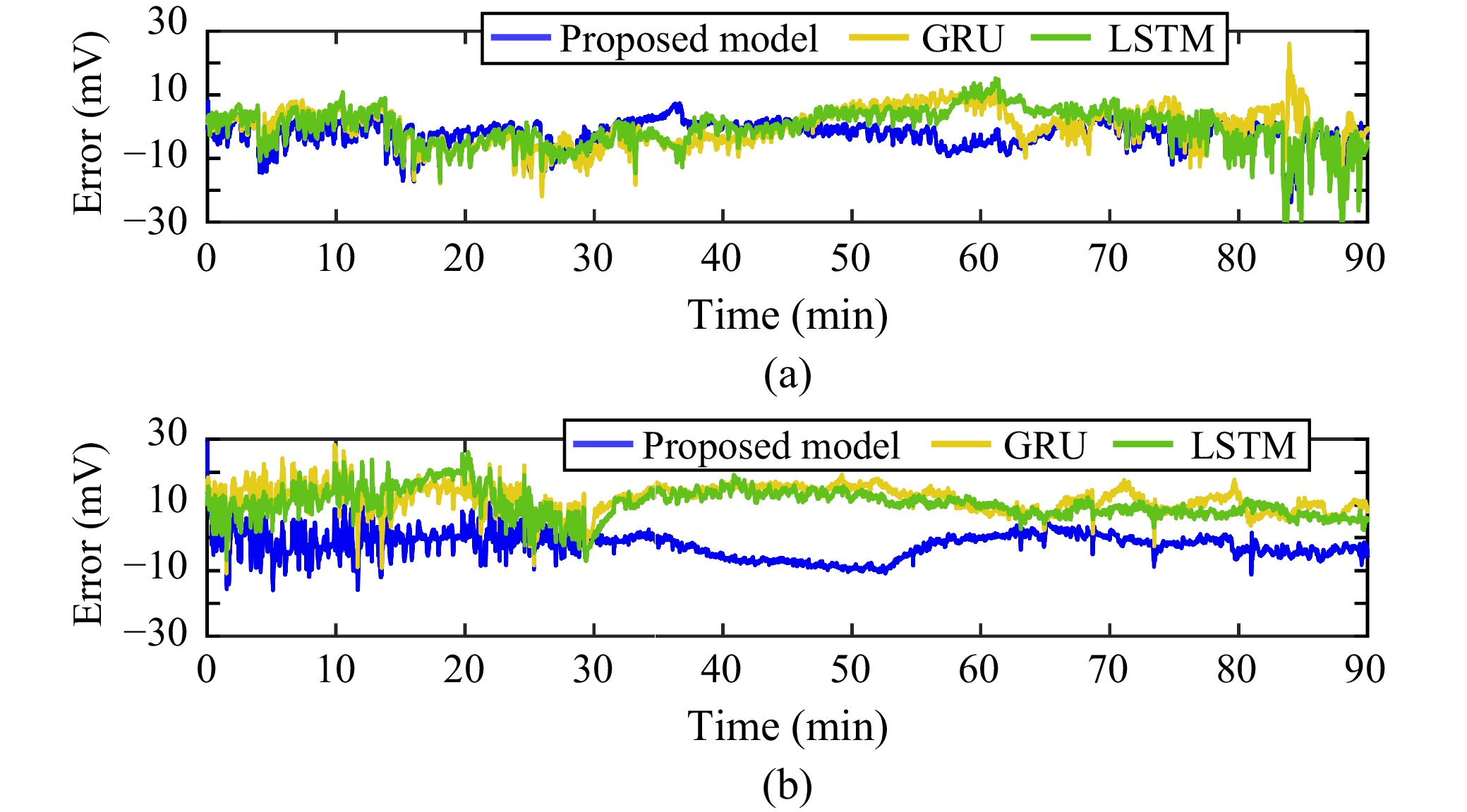
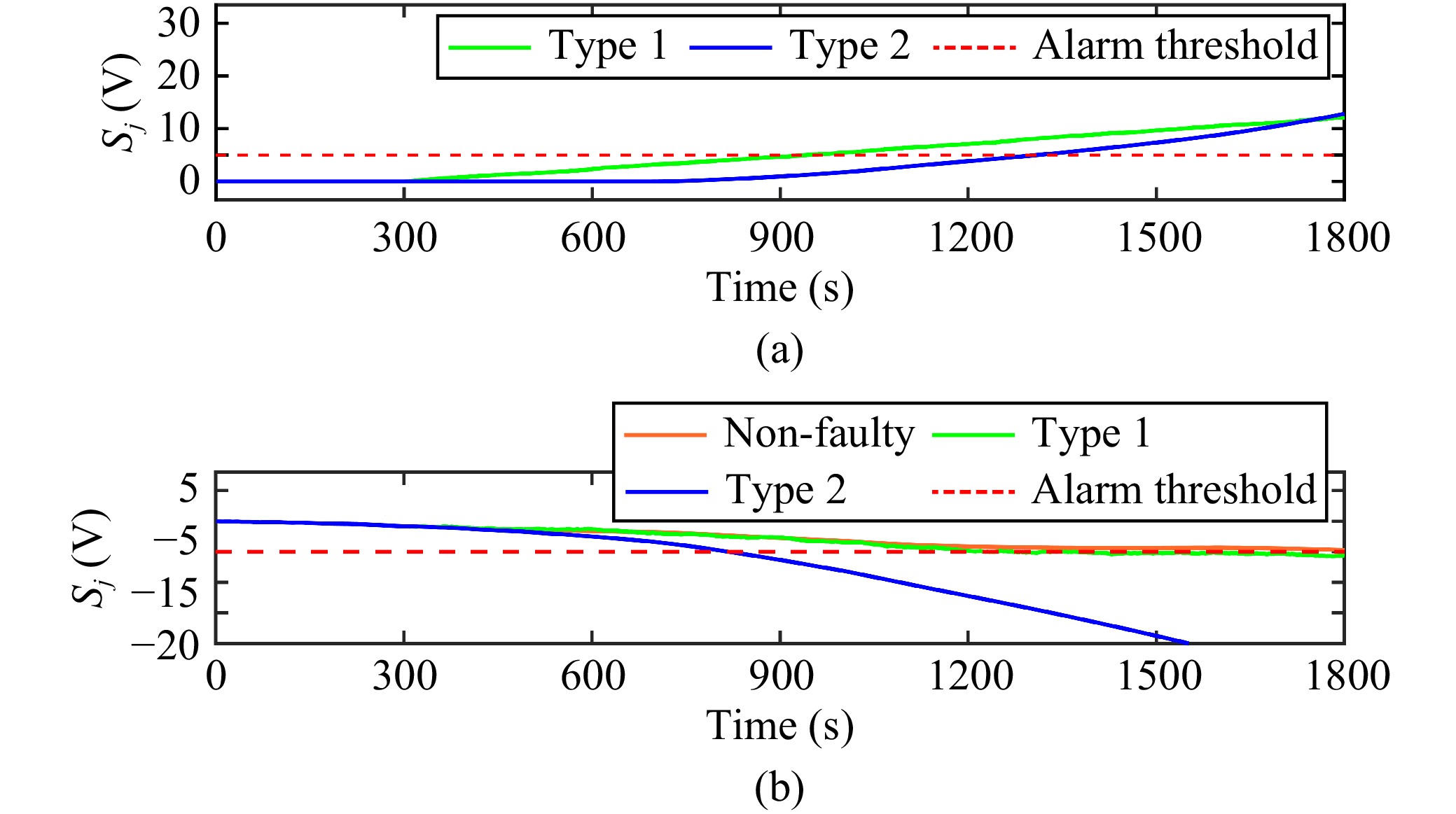
StateTracer-VoltPredictor Framework for Micro Voltage Anomaly Detection in Lithium-Ion Batteries
Quanqing Yu, Can Wang, Jianming Li, Jinpeng Tian, Kailong Liu
2026, 13(10): 2408-2410. doi: 10.1109/JAS.2025.125738
Abstract(11) HTML (12) PDF(0)
Abstract:
Data-Driven Distributed Model Predictive Control for Large-Scale Systems With Actuator Faults
Yan Li, Hao Zhang, Huaicheng Yan, Yongxiao Tian, Yanfei Zhu
2026, 13(10): 2411-2413. doi: 10.1109/JAS.2025.125858
Abstract(1106) HTML (17) PDF(66)
Abstract:
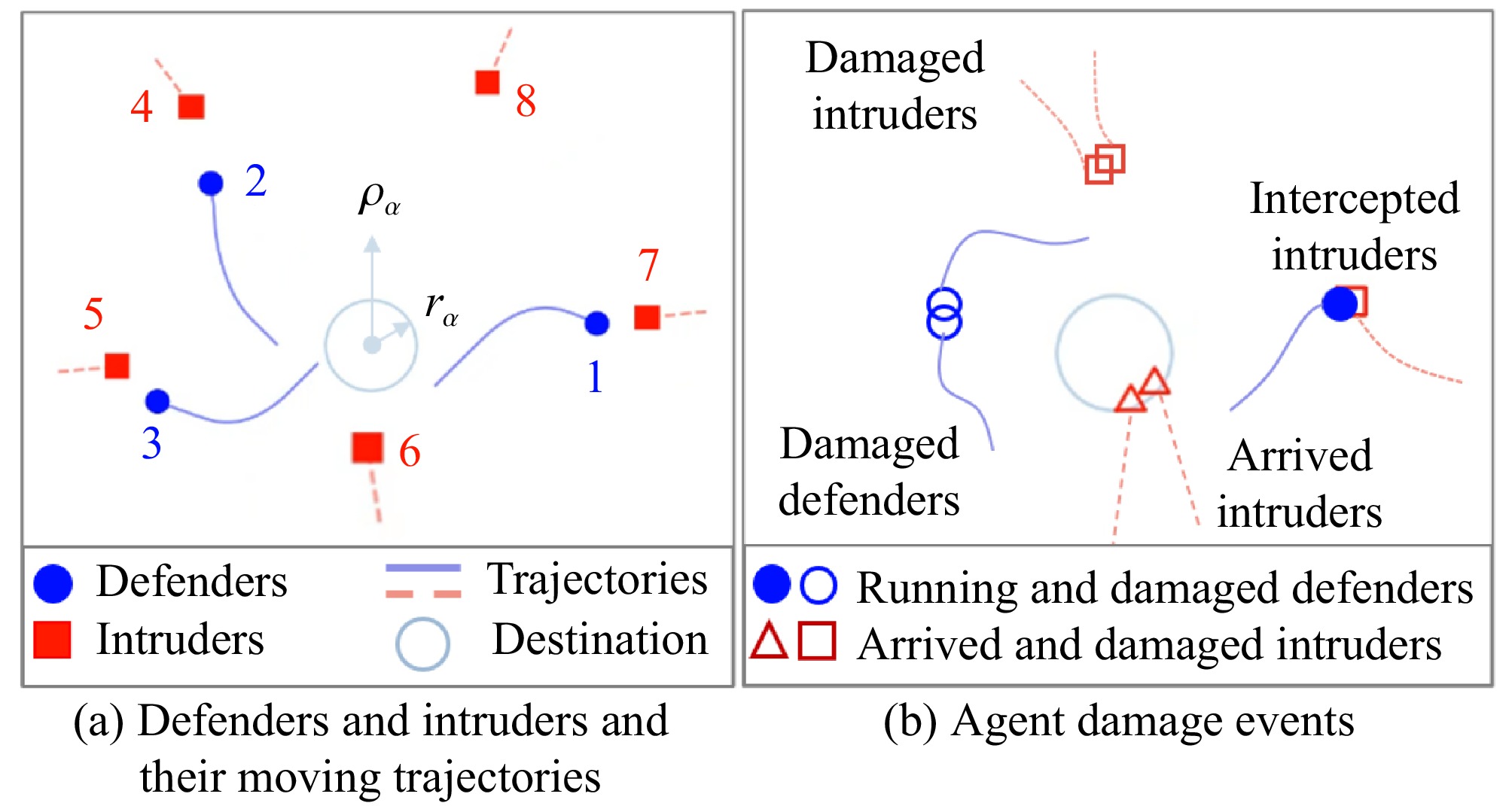
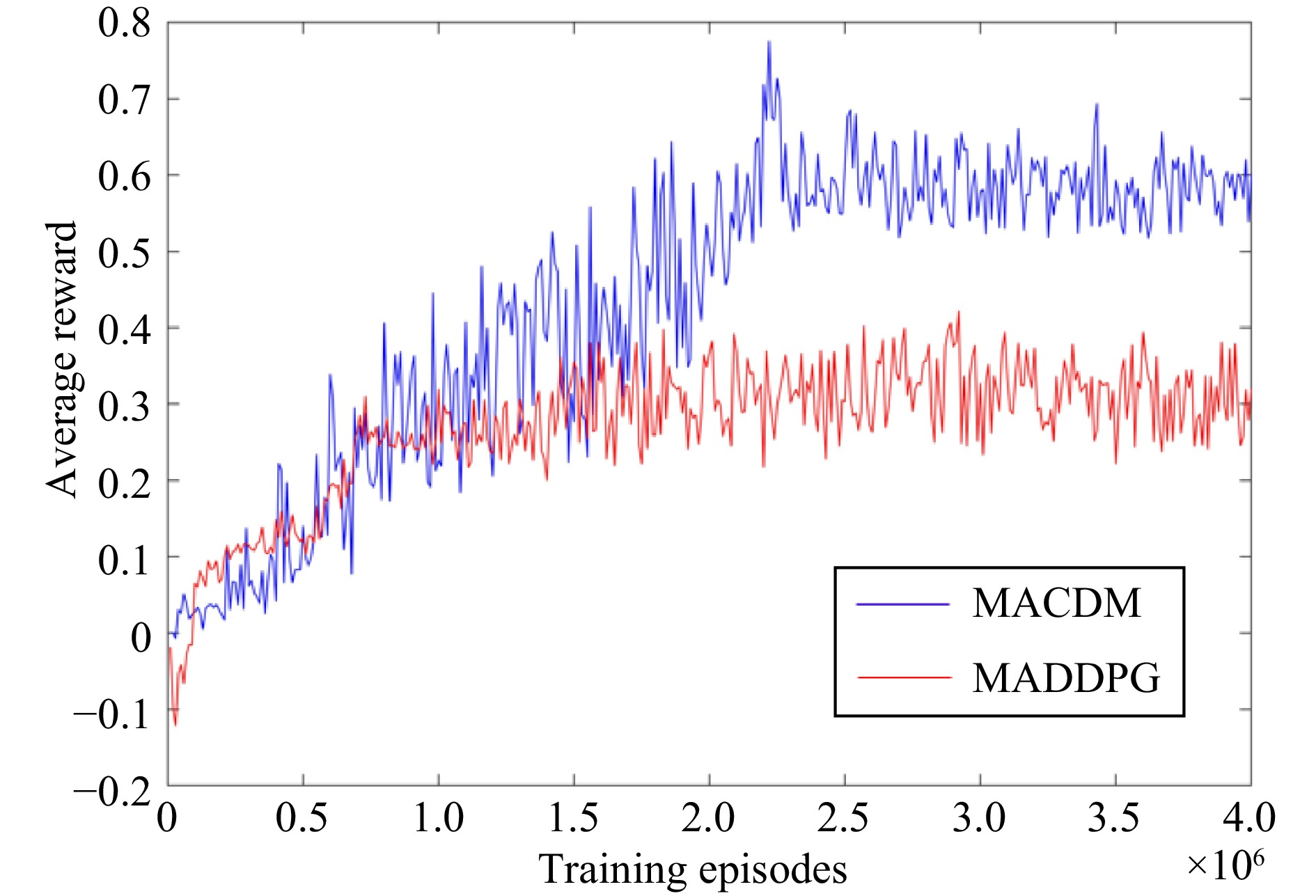
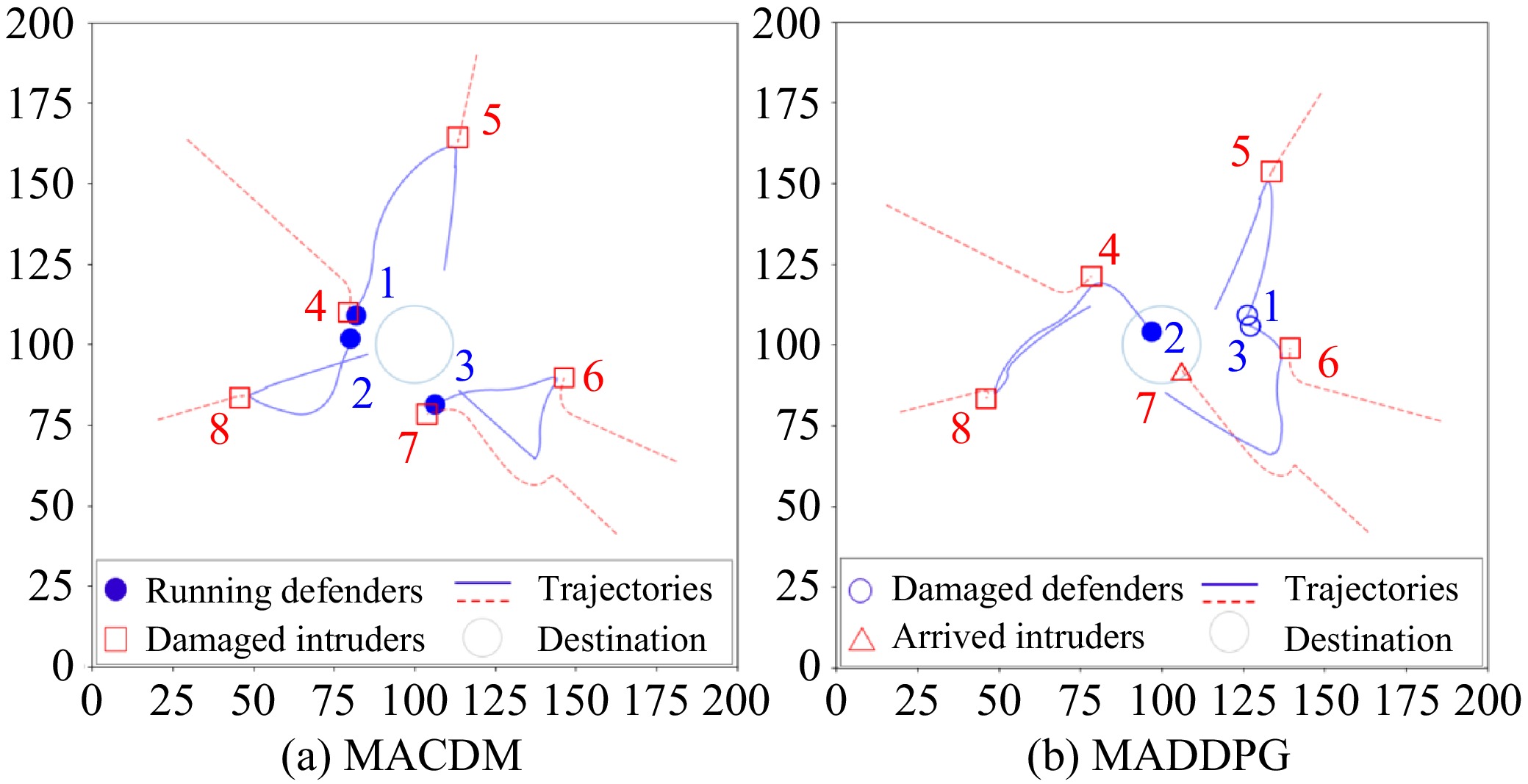
Knowledge-Assistant Deep Reinforcement Learning for Multi-Agent Region Protection
Siqing Sun, Tianbo Li
2026, 13(10): 2414-2416. doi: 10.1109/JAS.2025.125912
Abstract(1754) HTML (13) PDF(99)
Abstract:
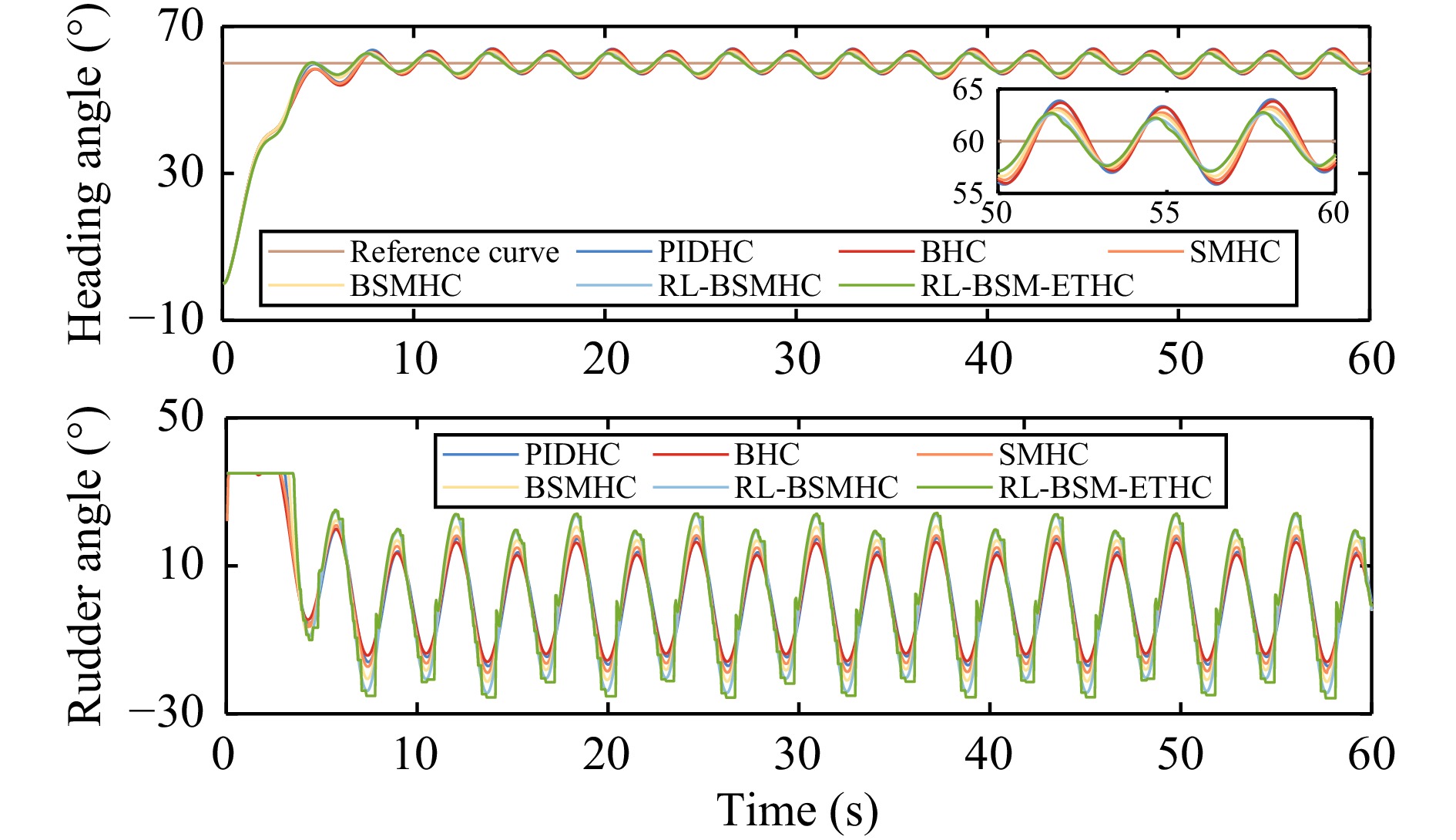
Reinforcement Learning-Based Backstepping Sliding Mode Heading Control With Event-Triggering Mechanisms for Unmanned Sailboats
Bao-Lin Zhang, Chen-Ming Li, Jiali Xu, Yanlong Cao
2026, 13(10): 2417-2419. doi: 10.1109/JAS.2025.125741
Abstract(11) HTML (14) PDF(0)
Abstract:
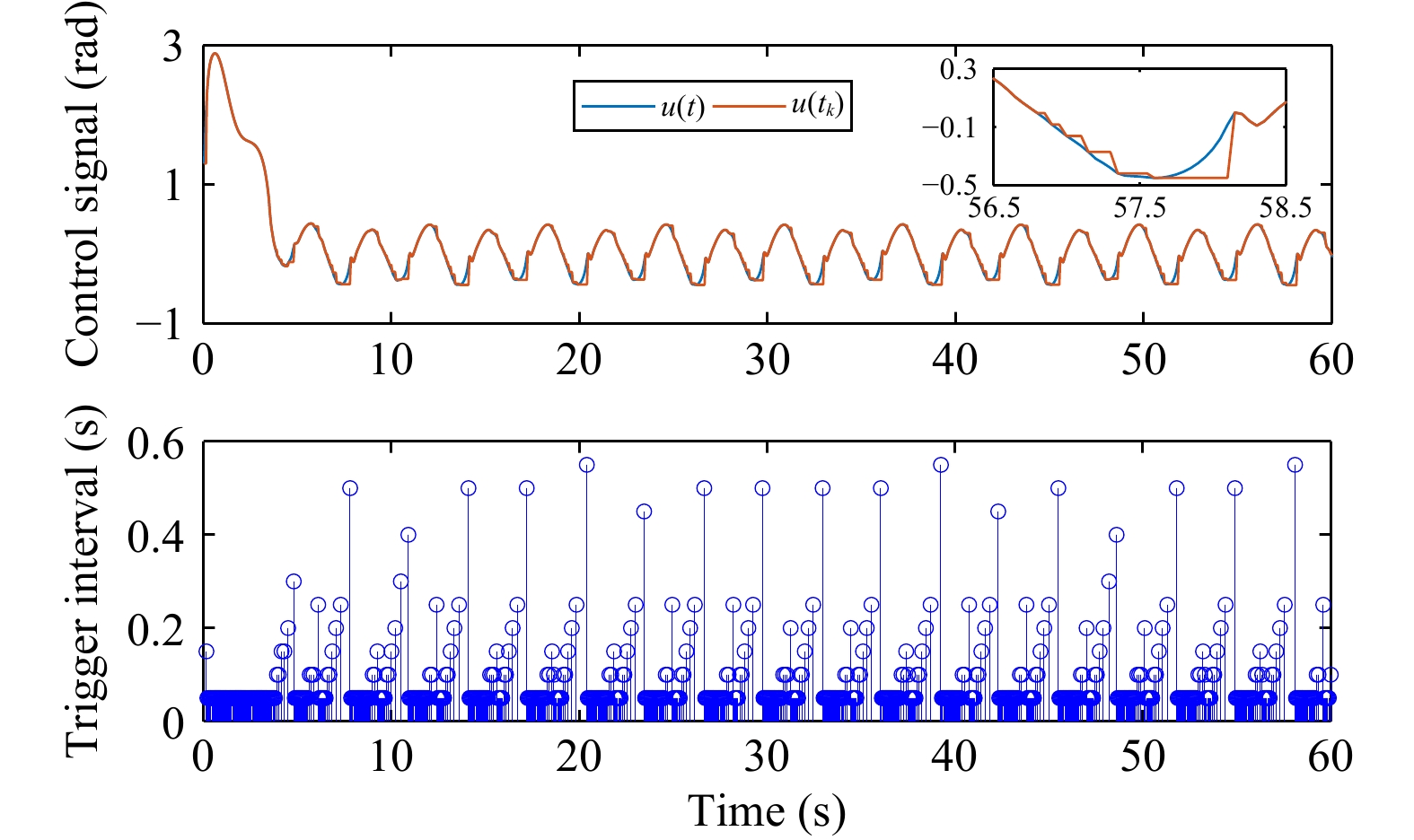
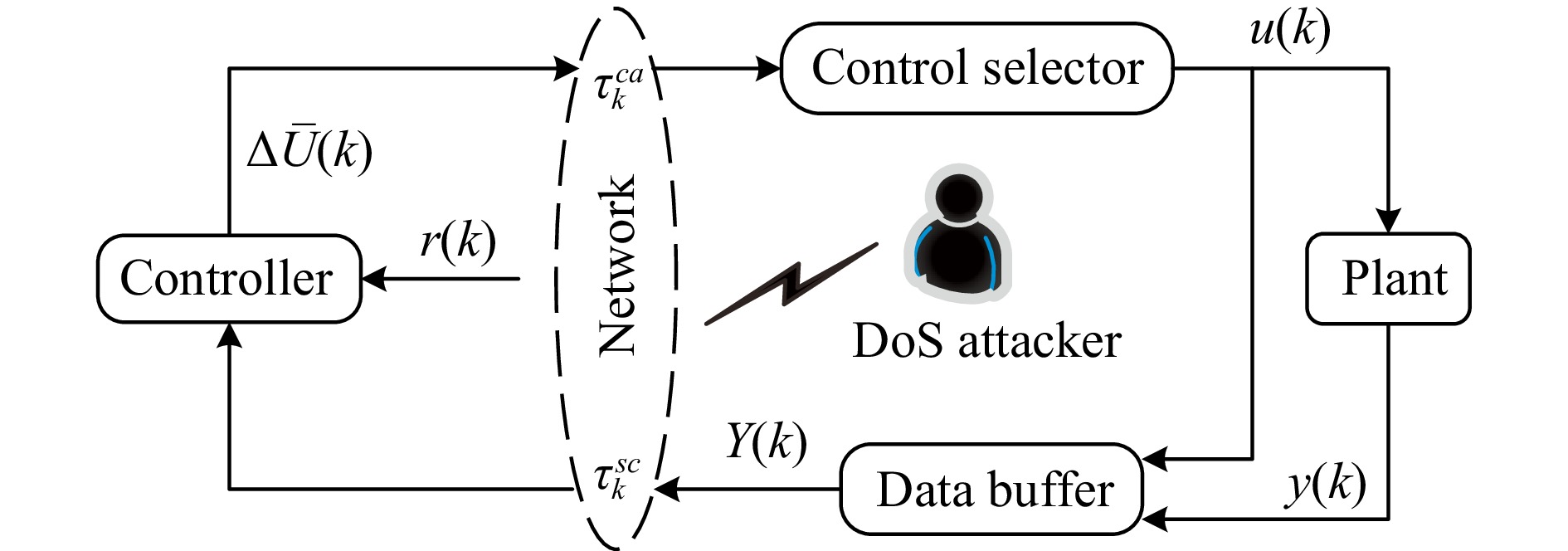
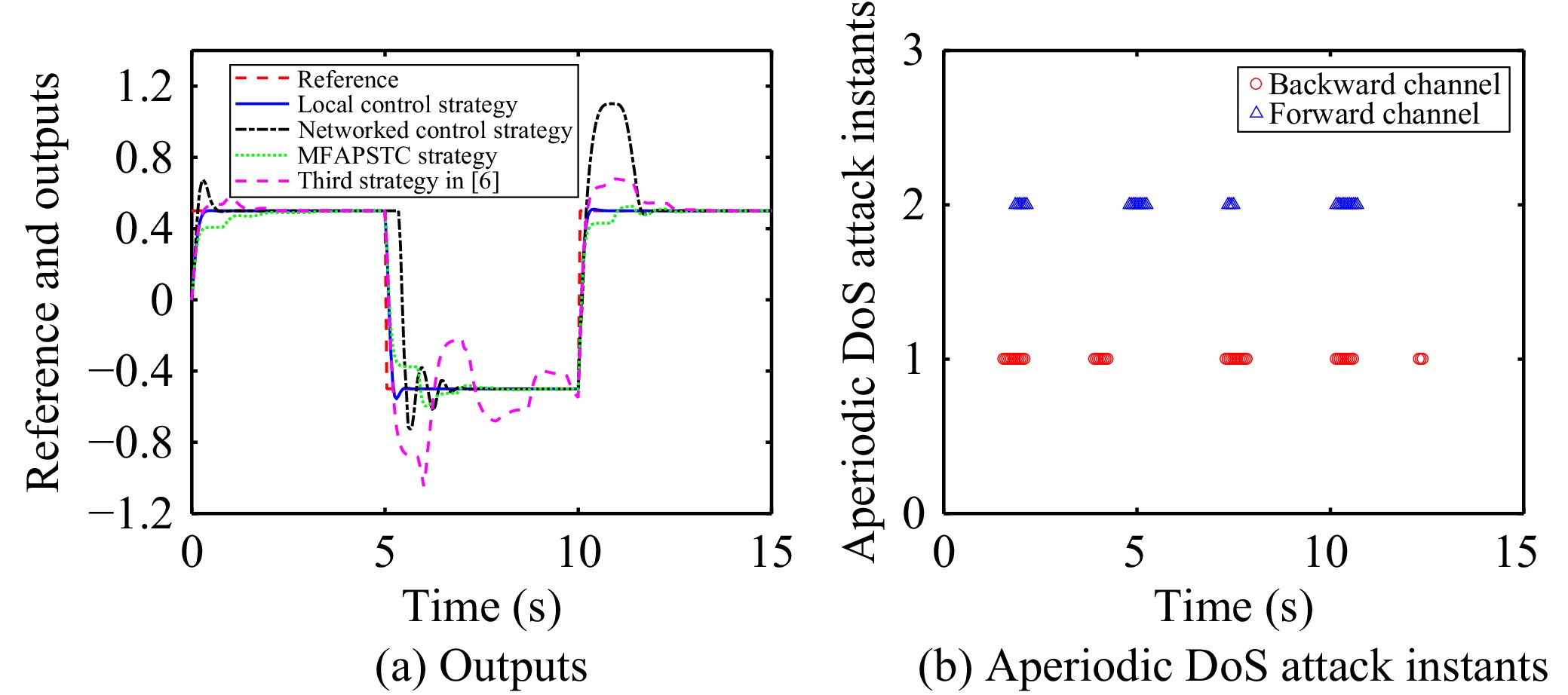
Model-Free Adaptive Predictive Secure Tracking Control for Nonlinear Cyber-Physical Systems
Wencheng Luo, Fangfei Cao
2026, 13(10): 2420-2422. doi: 10.1109/JAS.2025.125714
Abstract(15) HTML (11) PDF(6)
Abstract:
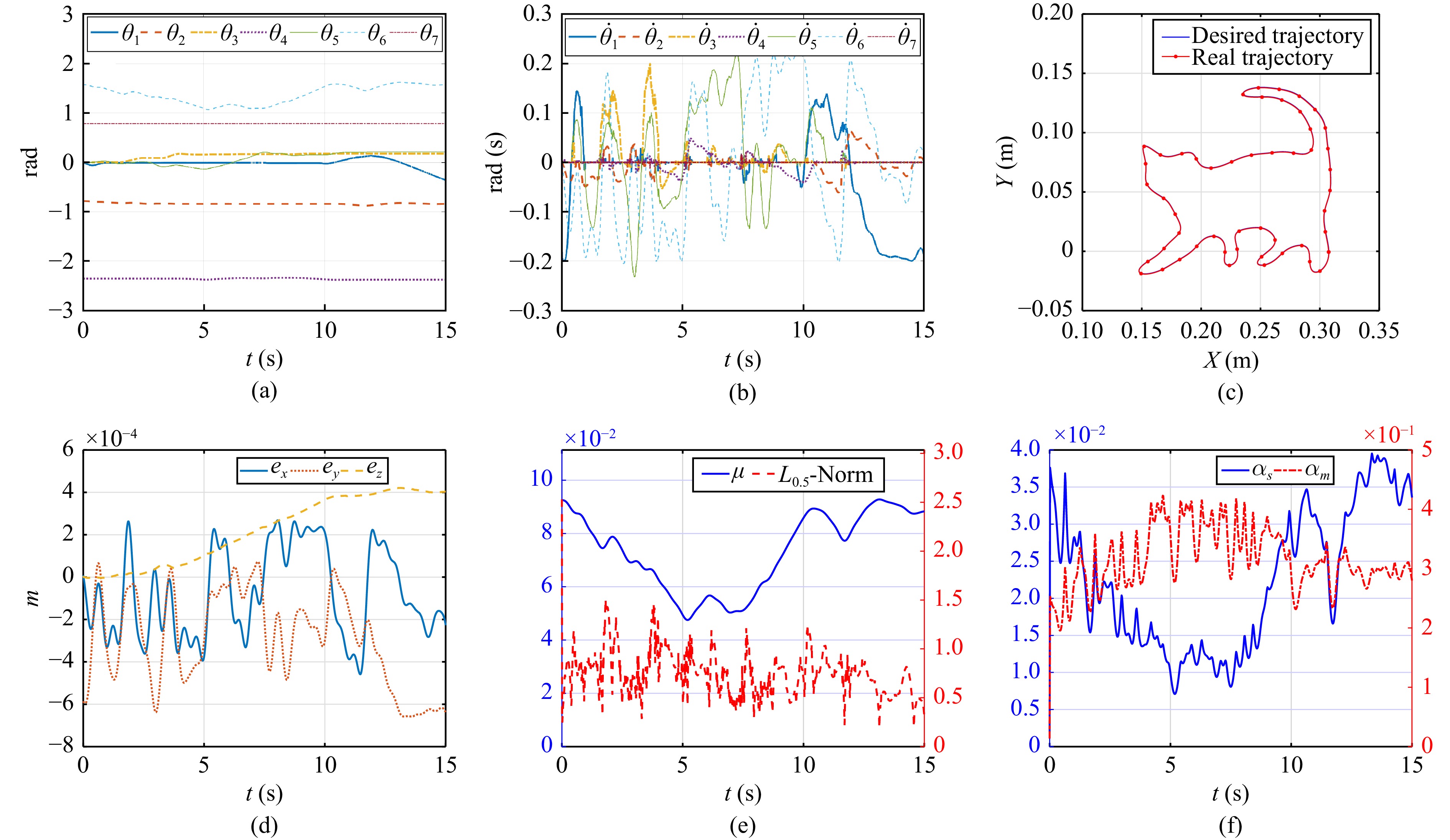
Adaptive Dynamic Trade-Off Optimization Between Manipulability and Sparsity for Redundant Manipulators
Zhaoyang Song, Wei Chen, Huichao Cao
2026, 13(10): 2423-2425. doi: 10.1109/JAS.2026.125759
Abstract(928) HTML (12) PDF(34)
Abstract:
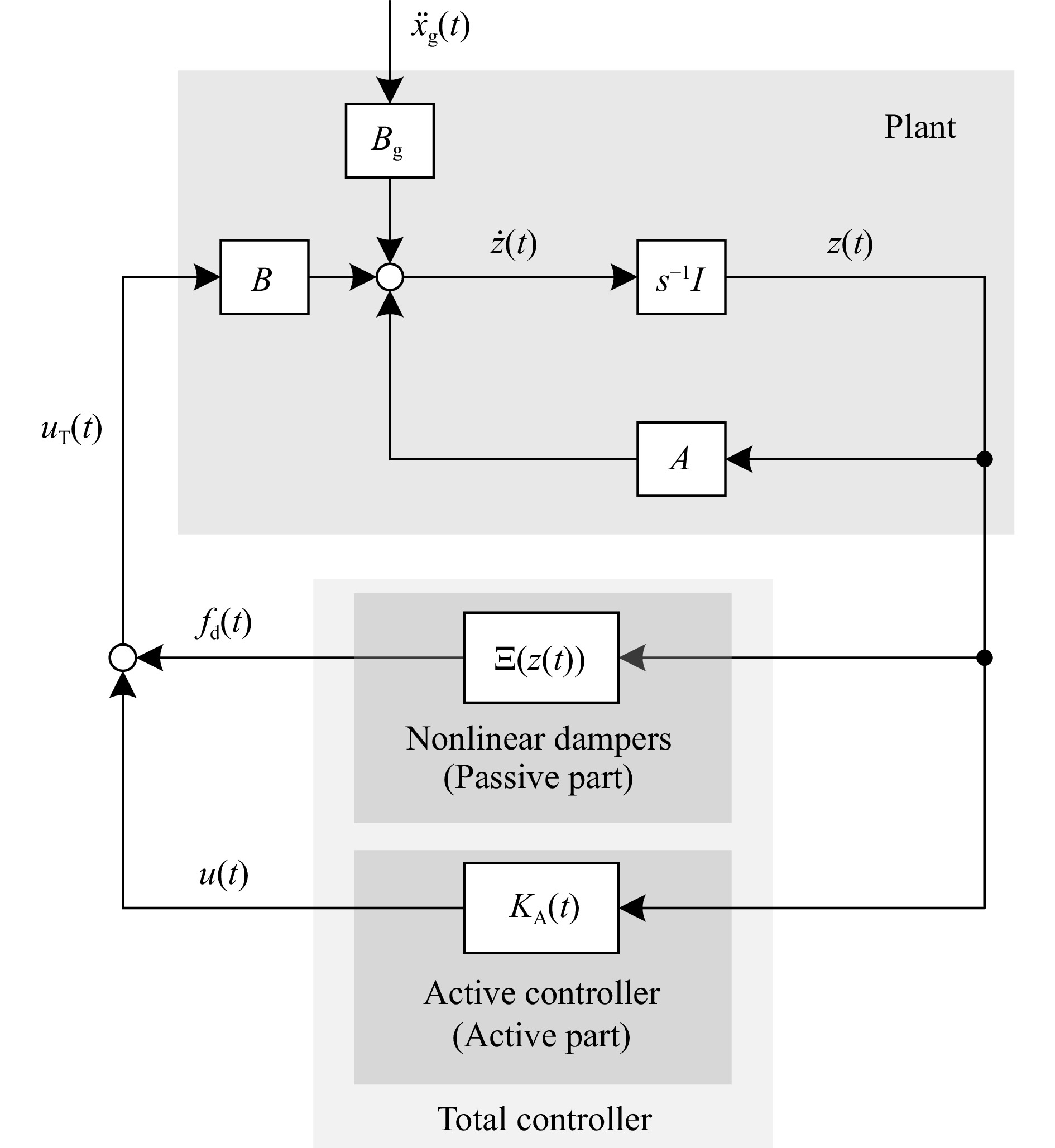
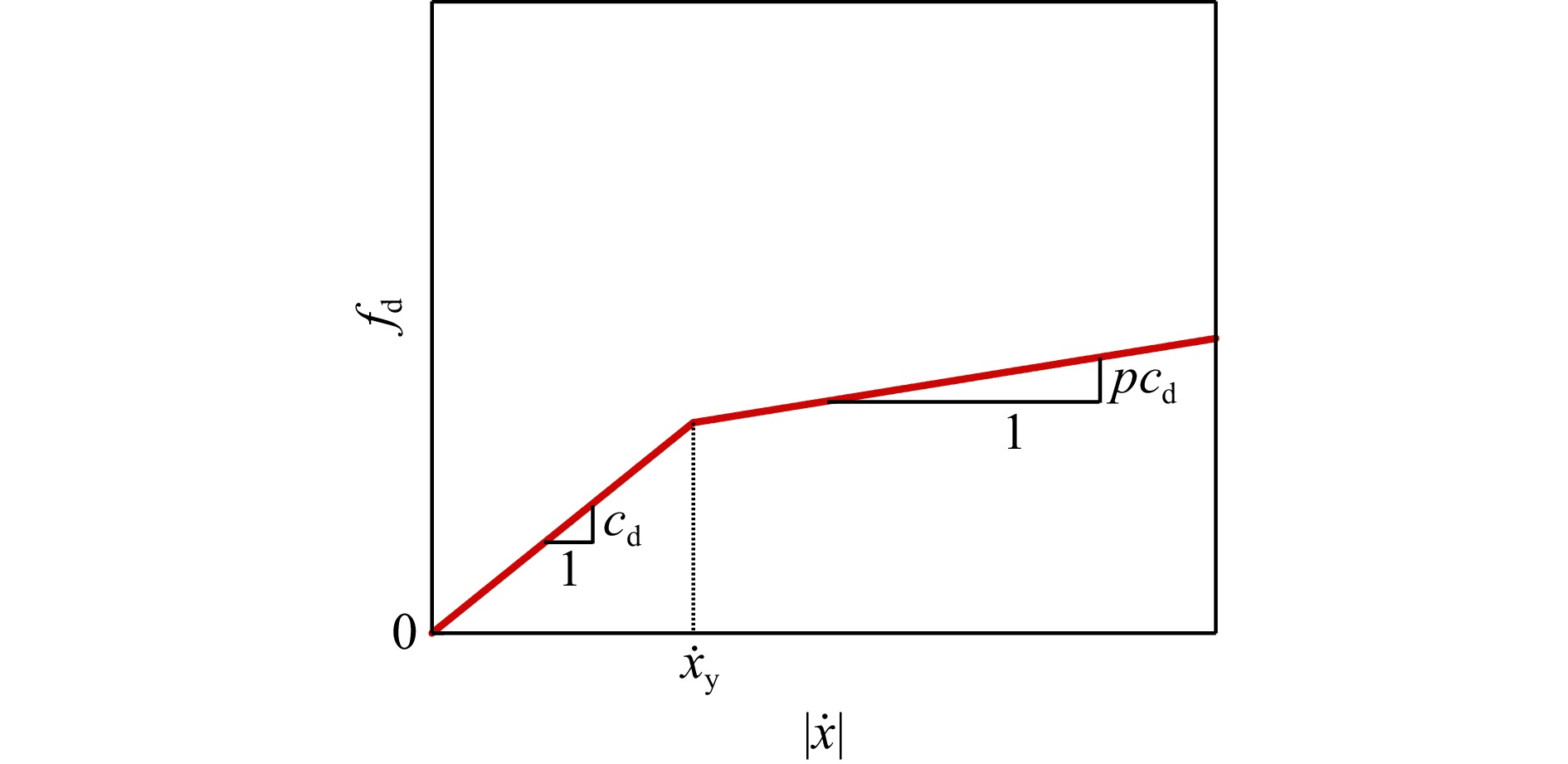
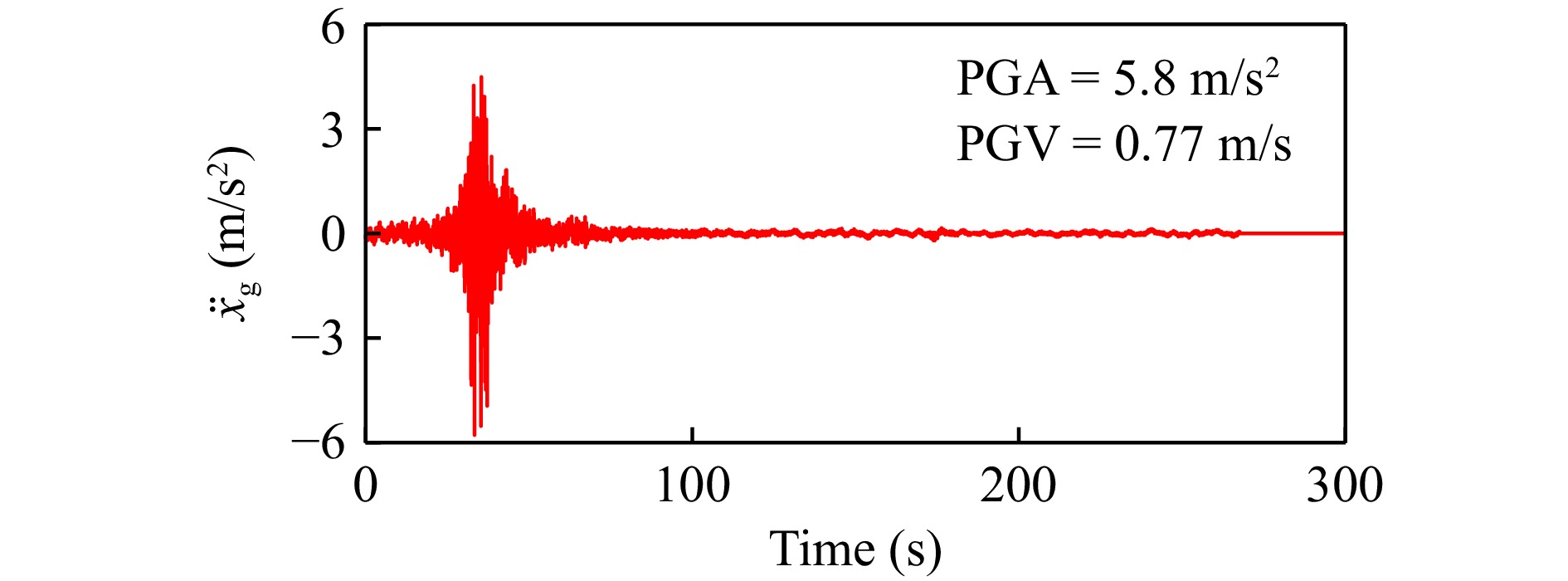
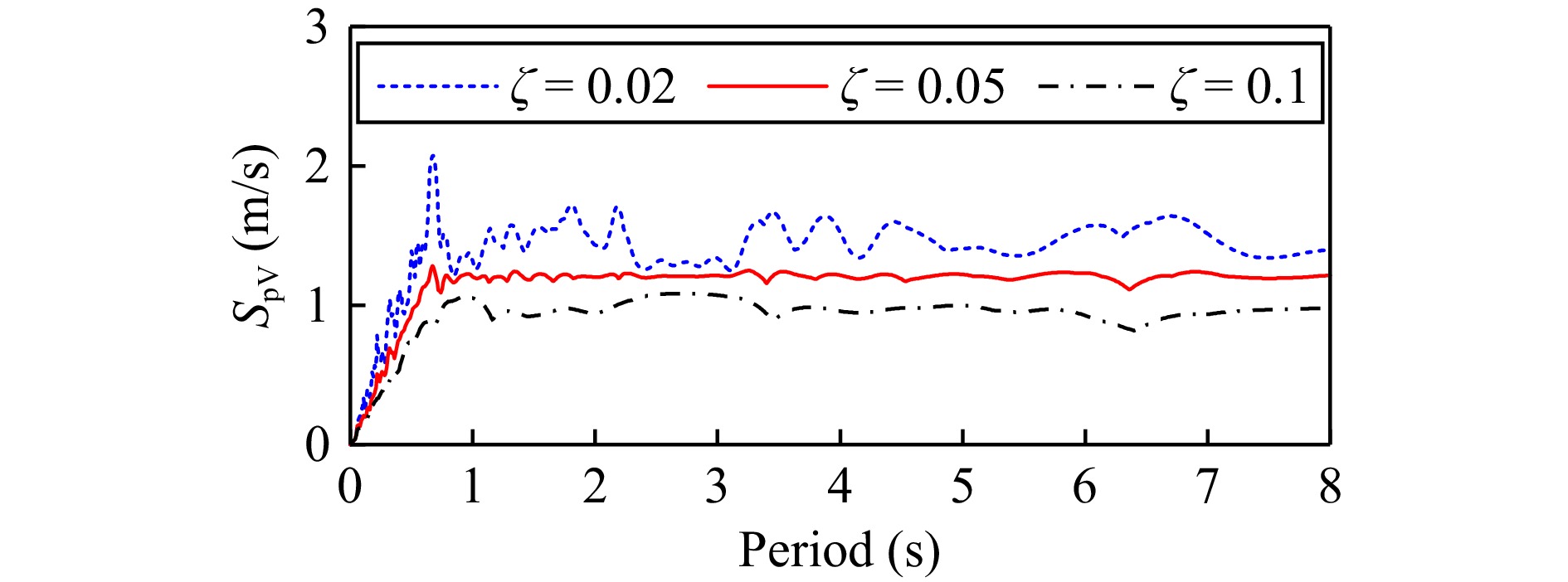
A Feedback-Linearization-Based Active Structural Control Strategy for Buildings With Nonlinear Dampers
Yunhao Zhang, Daiki Sato, Yinli Chen, Jinhua She, Kou Miyamoto
2026, 13(10): 2426-2428. doi: 10.1109/JAS.2025.125783
Abstract(14) HTML (12) PDF(0)
Abstract: