A journal of IEEE and CAA , publishes high-quality papers in English on original theoretical/experimental research and development in all areas of automation

Current Issue

Vol. 13,  No. 8, 2026

Display Method:
PERSPECTIVE
New AI for Quantum Computing: From Quantum Optimization to Quantum Intelligence
Yonglin Tian, Xinyu Liu, Fei Lin, Lingxi Li, Xiaoxiang Na, Paul J. Werbos, S. N. Wendin
2026, 13(8): 1779-1782. doi: 10.1109/JAS.2026.125765
Abstract(24) HTML (18) PDF(1)
Abstract:
REVIEW
Deep Domain Adaptation for Turbofan Engine Remaining Useful Life Prediction: Methodologies, Evaluation, and Future Trends
Yucheng Wang, Mohamed Ragab, Yubo Hou, Min Wu, Xiaoli Li, Zhenghua Chen
2026, 13(8): 1783-1803. doi: 10.1109/JAS.2025.125843
Abstract(476) HTML (12) PDF(34)
Abstract:
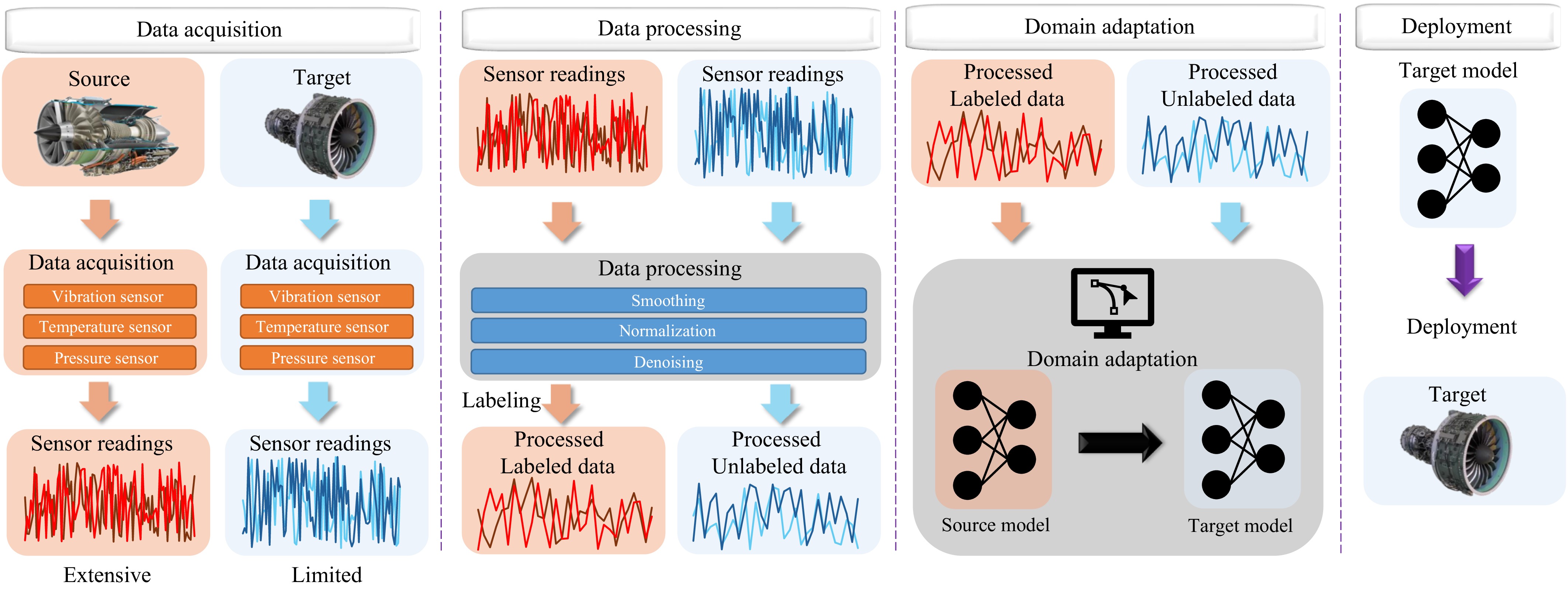
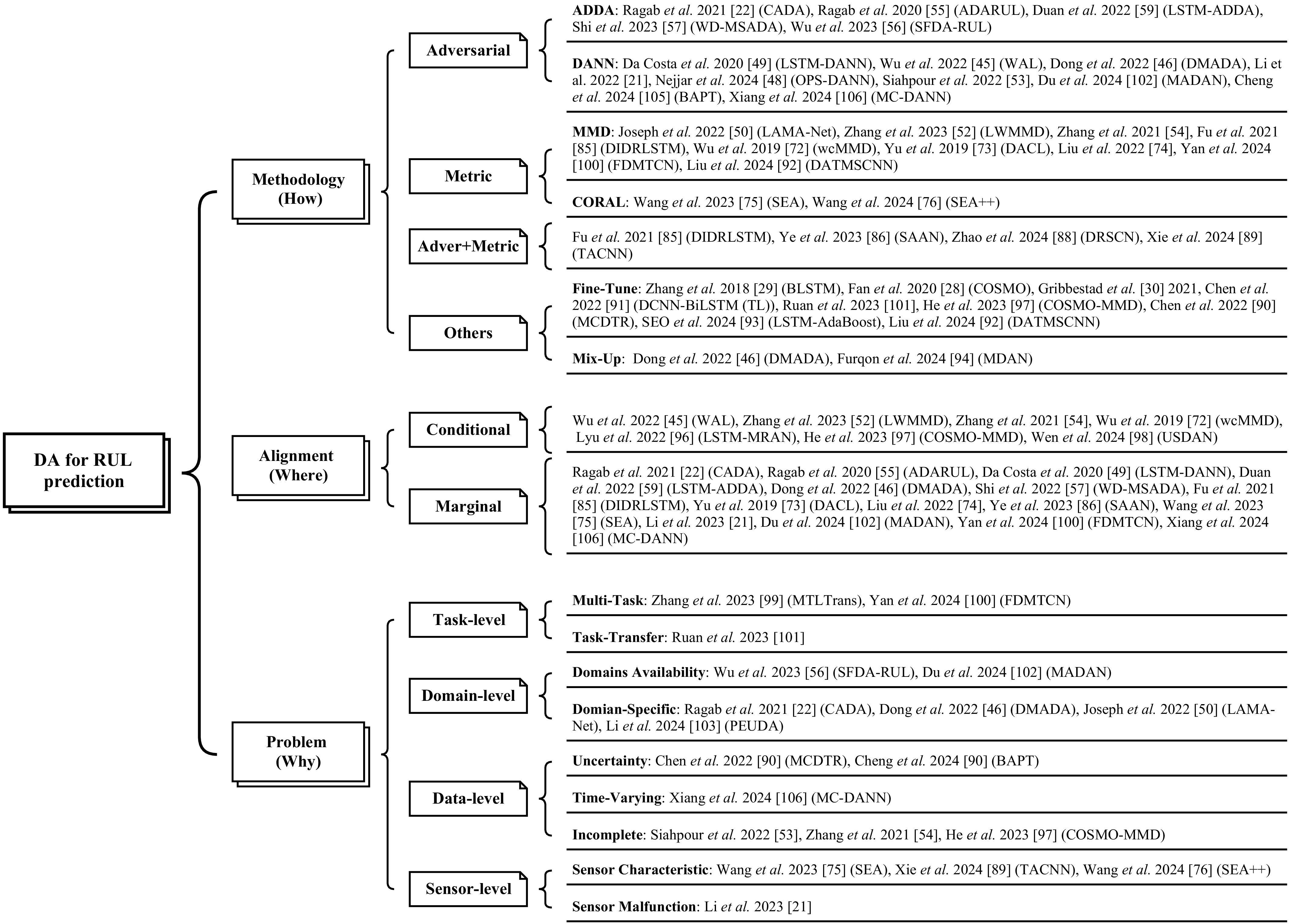
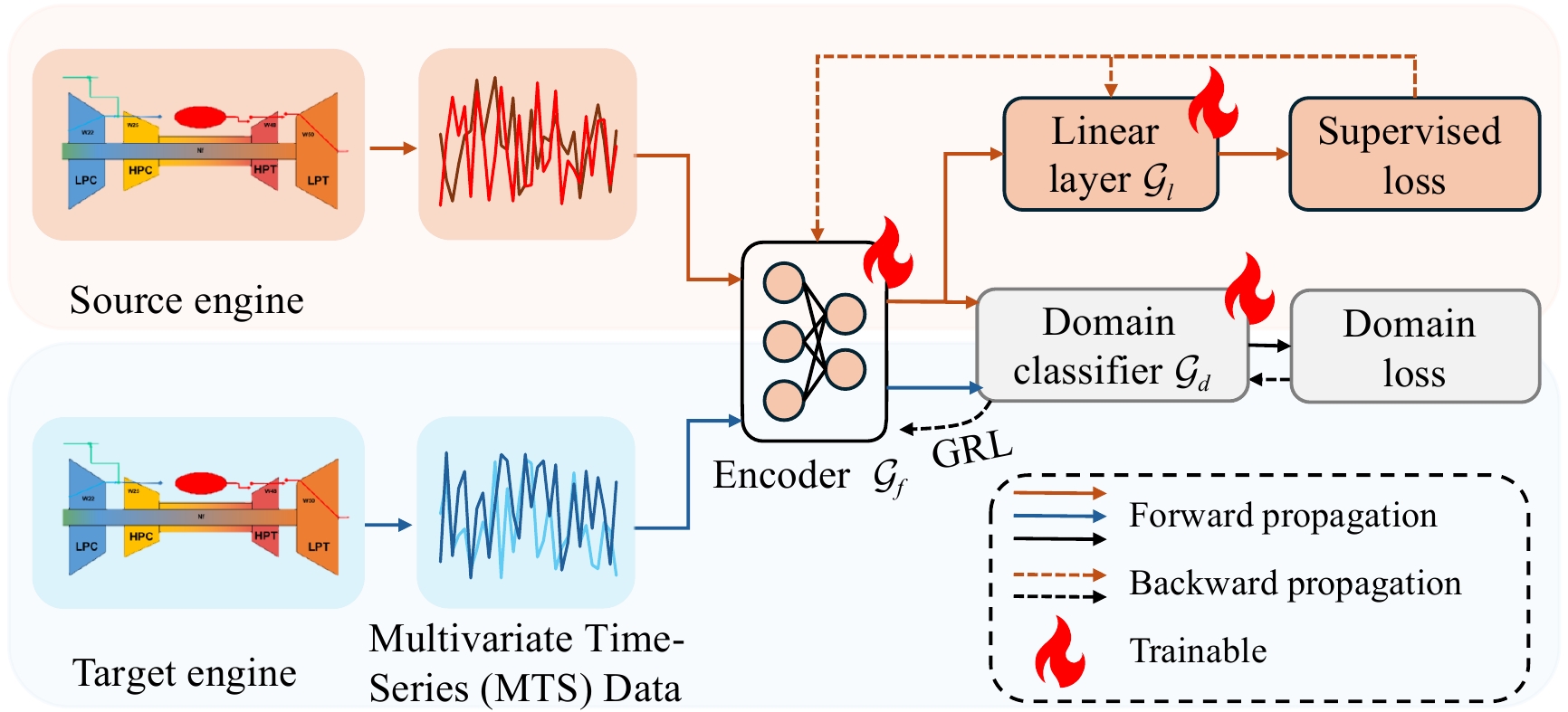
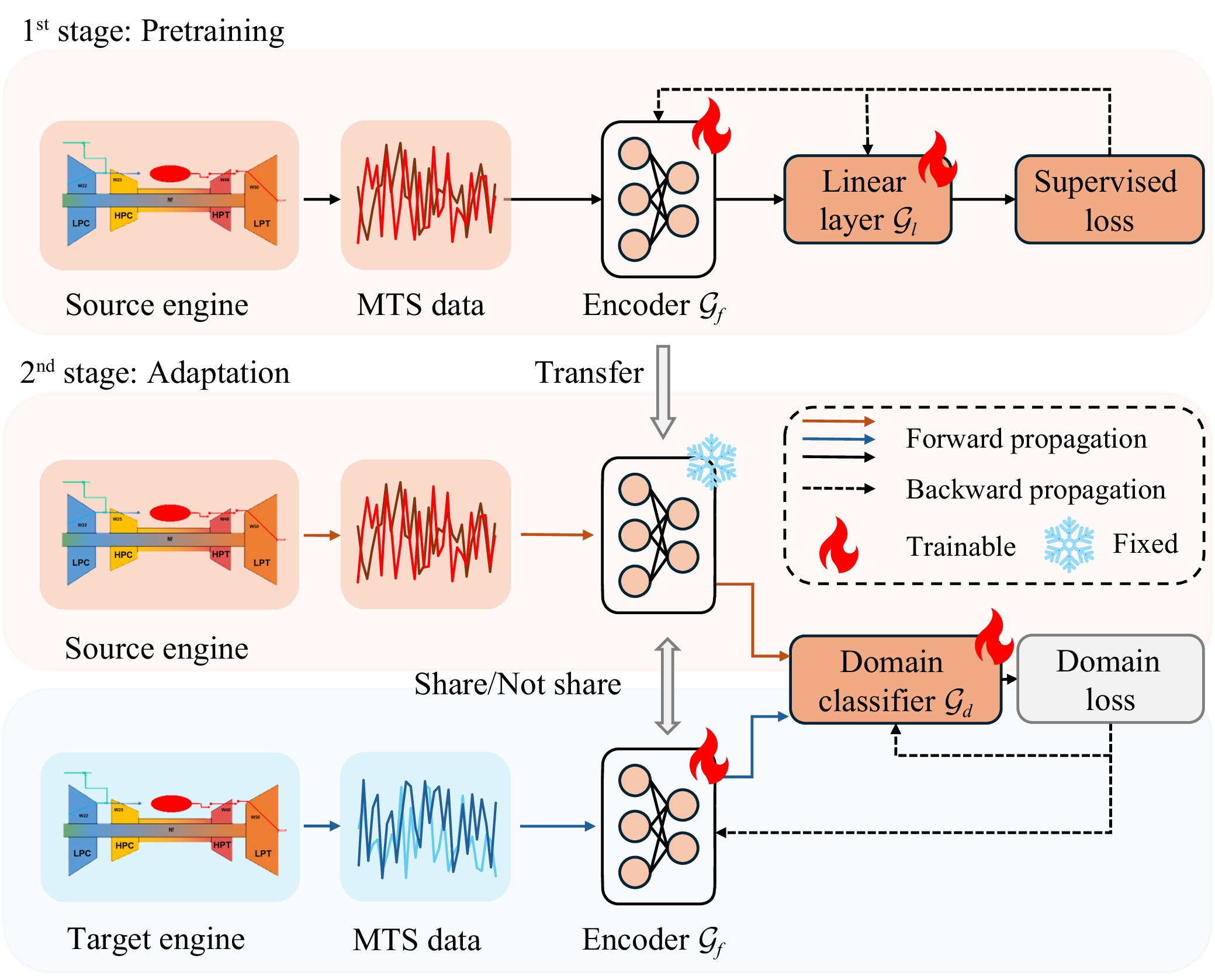
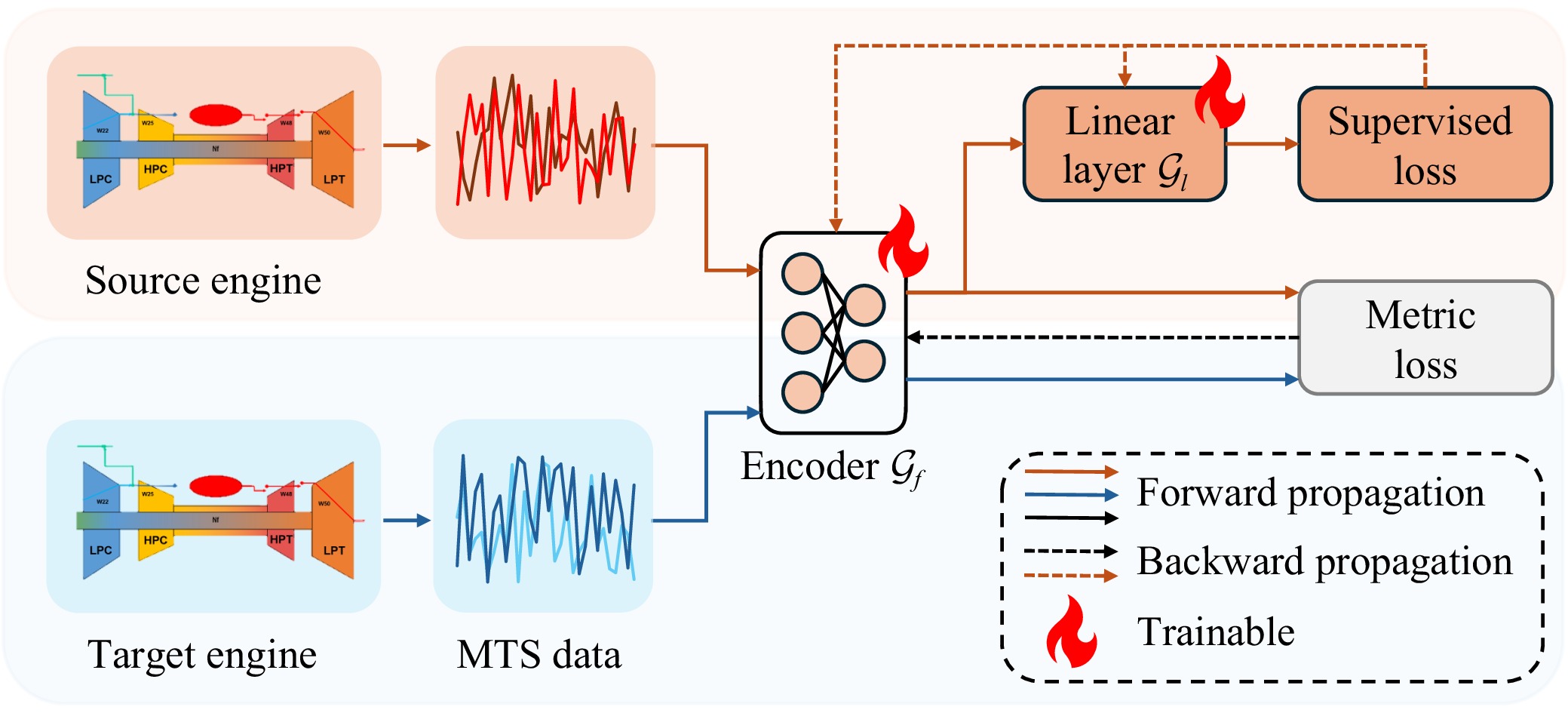
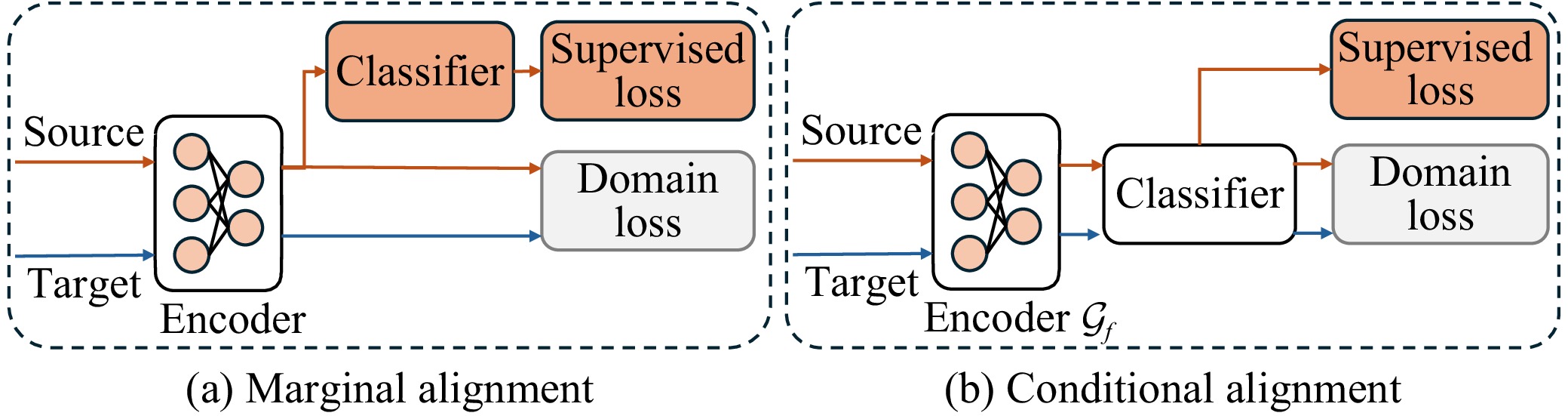
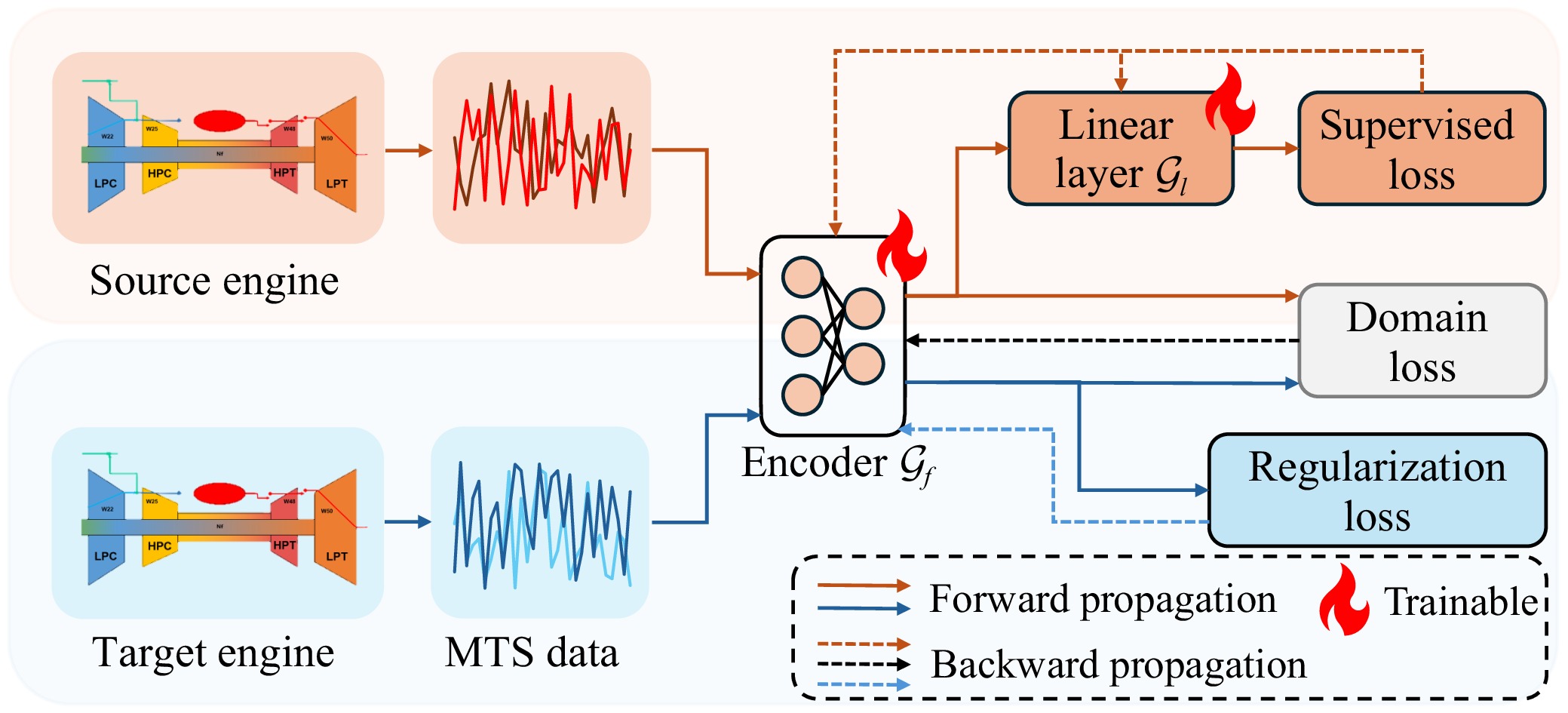
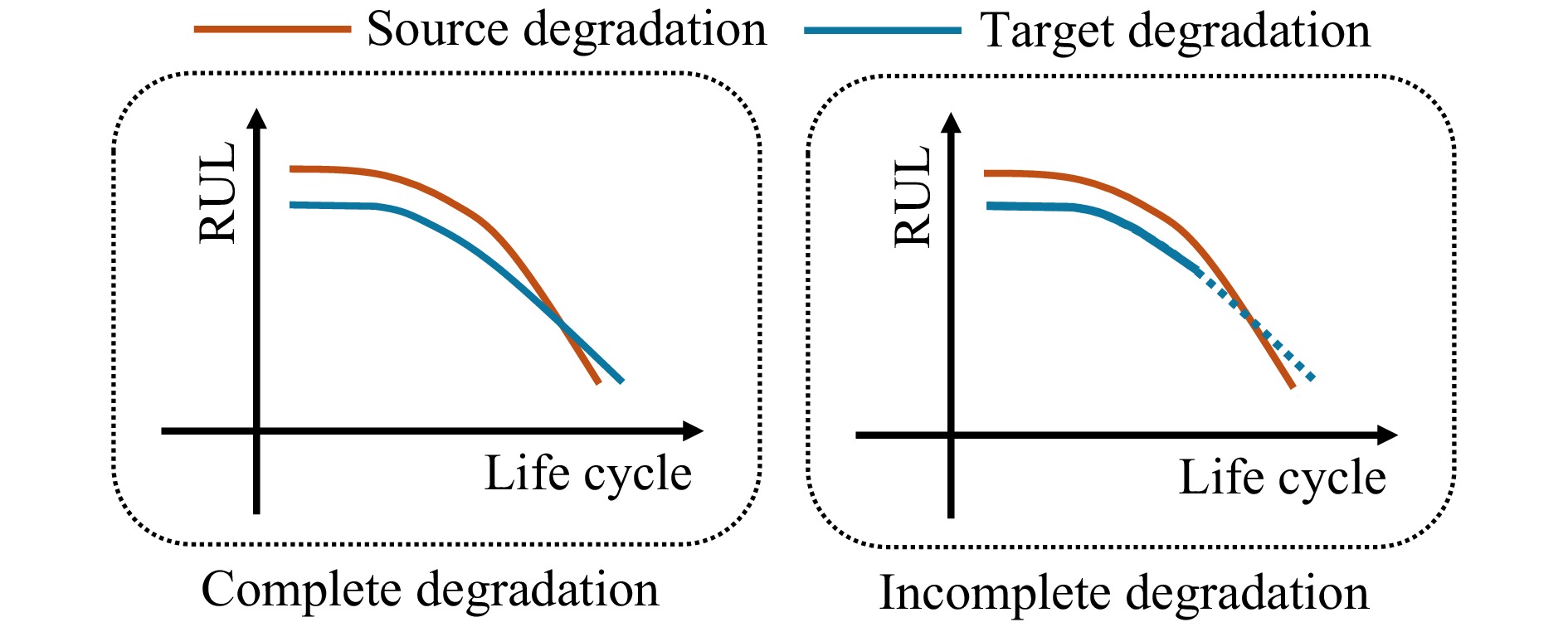
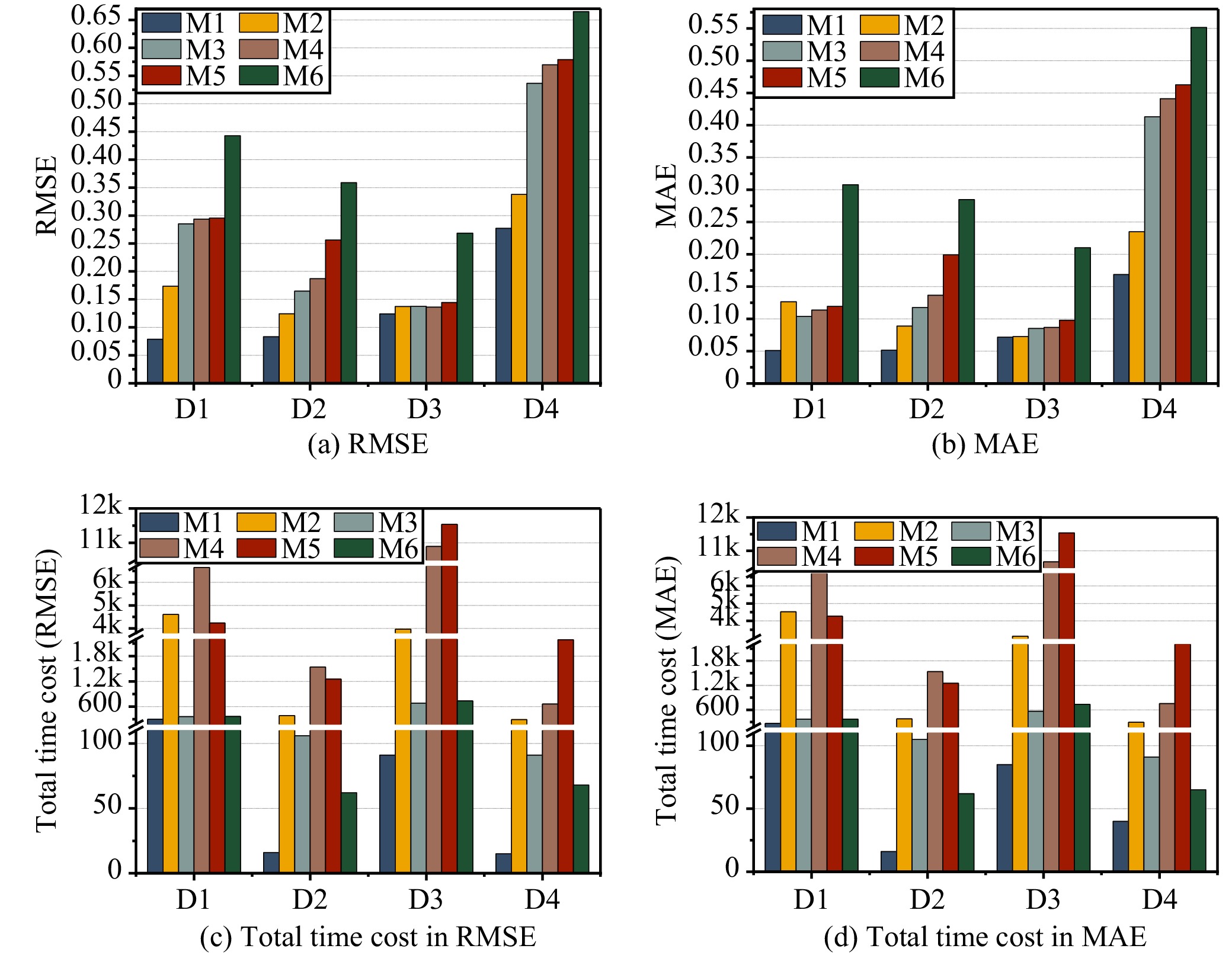
Remaining Useful Life (RUL) prediction for turbofan engines plays a vital role in predictive maintenance, ensuring operational safety and efficiency in aviation. Although data-driven approaches using machine learning and deep learning have shown potential, they face challenges such as limited data and distribution shifts caused by varying operating conditions. Domain Adaptation (DA) has emerged as a promising solution, enabling knowledge transfer from source domains with abundant data to target domains with scarce data while mitigating distributional shifts. Given the unique properties of turbofan engines—such as complex operating conditions, high-dimensional sensor data, and slower-changing signals—it is essential to conduct a focused review of DA techniques specifically tailored to turbofan engines. To address this need, this paper provides a comprehensive review of DA solutions for turbofan engine RUL prediction, analyzing key methodologies, challenges, and recent advancements. A novel taxonomy tailored to turbofan engines is introduced, organizing approaches into methodology-based (how DA is applied), alignment-based (where distributional shifts occur due to operational variations), and problem-based (why certain adaptations are needed to address specific challenges). This taxonomy offers a multidimensional view that goes beyond traditional classifications by accounting for the distinctive characteristics of turbofan engine data and the standard process of applying DA techniques to this area. Additionally, we evaluate selected DA techniques on turbofan engine datasets, providing practical insights for practitioners and identifying key challenges. Future research directions are identified to guide the development of more effective DA techniques, advancing the state of RUL prediction for turbofan engines.
PAPERS
Fault-Tolerant Formation Control of Multi-UAVs Using Prescribed Funnel and Relative Position Measurement
Mengna Li, Ziquan Yu, Zhongyu Yang, Youmin Zhang
2026, 13(8): 1804-1815. doi: 10.1109/JAS.2024.124623
Abstract(17) HTML (12) PDF(1)
Abstract:
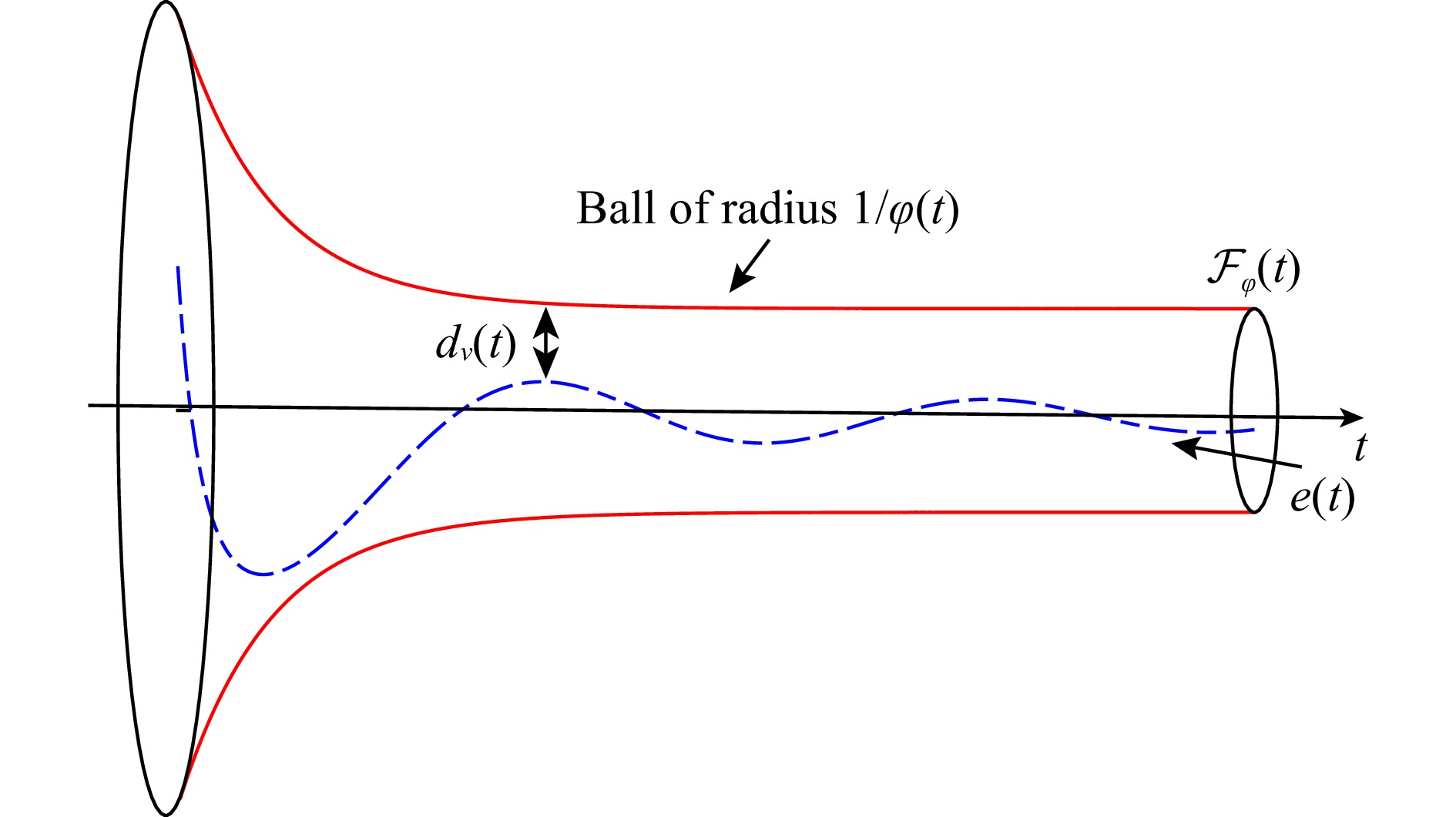
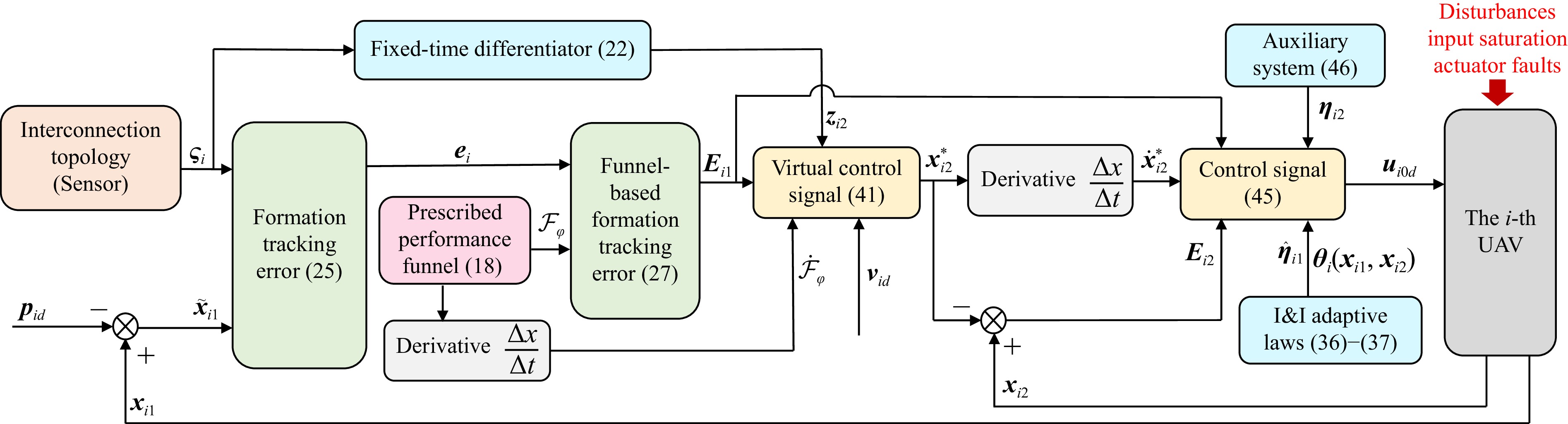
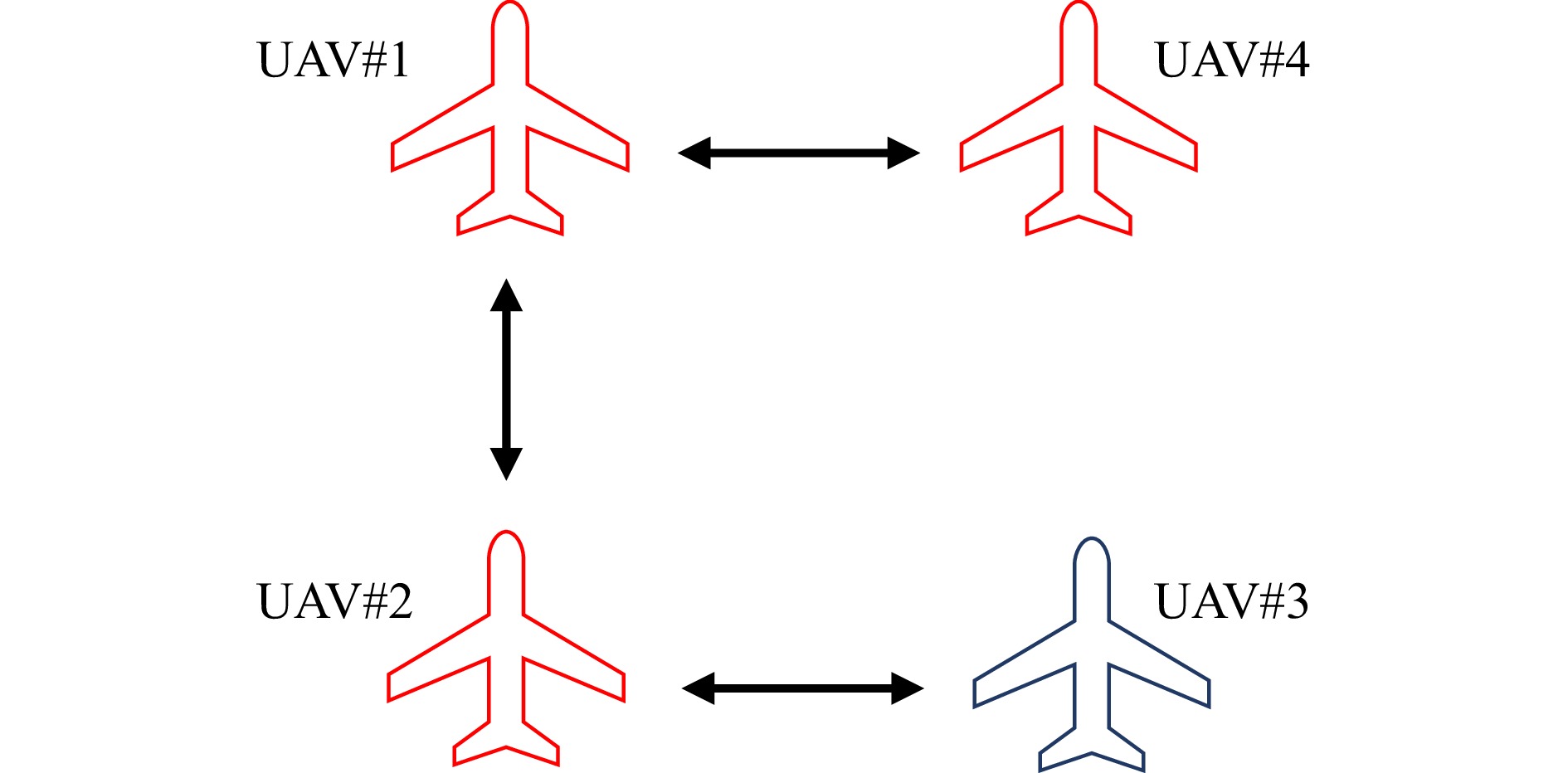
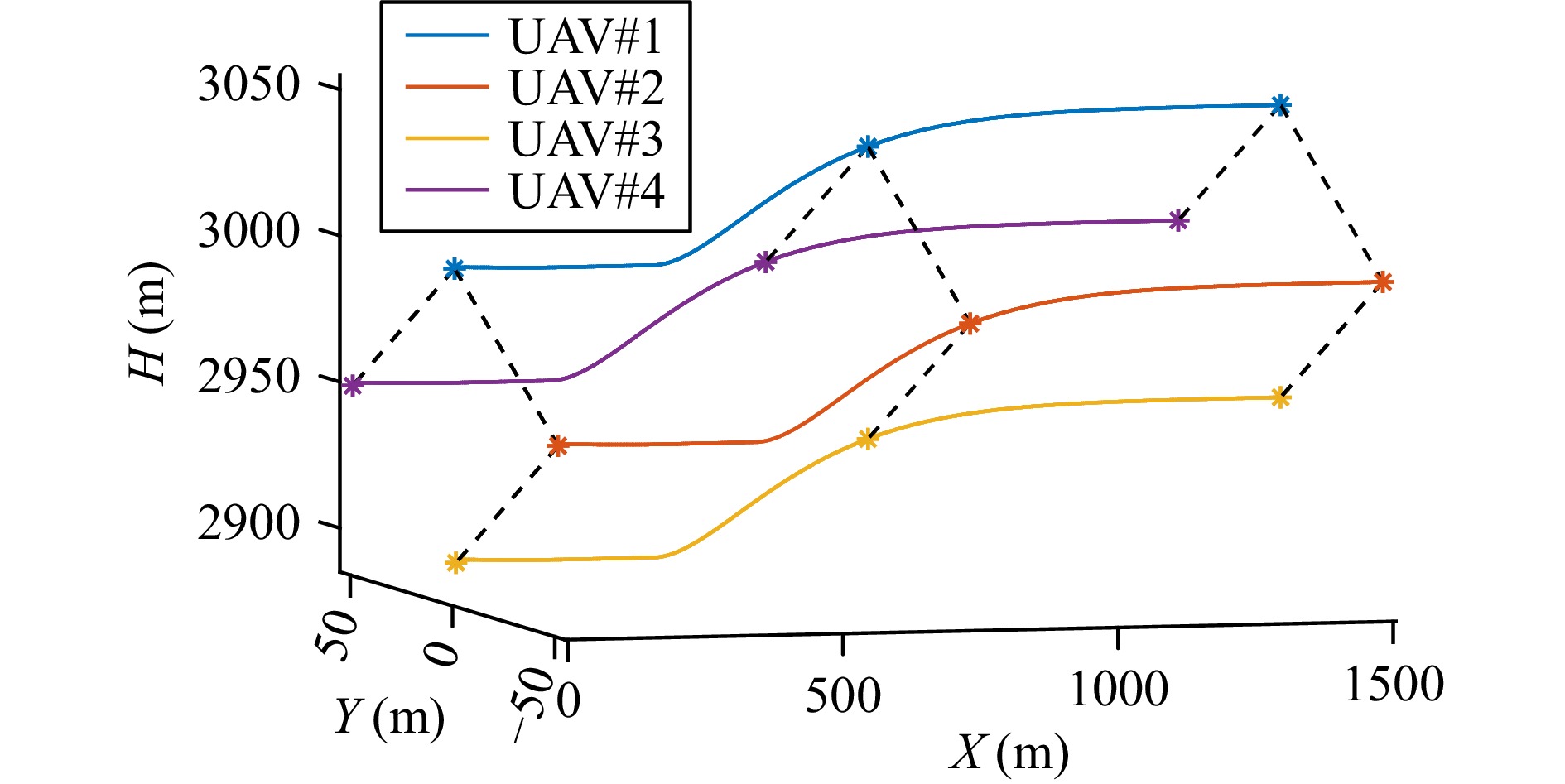
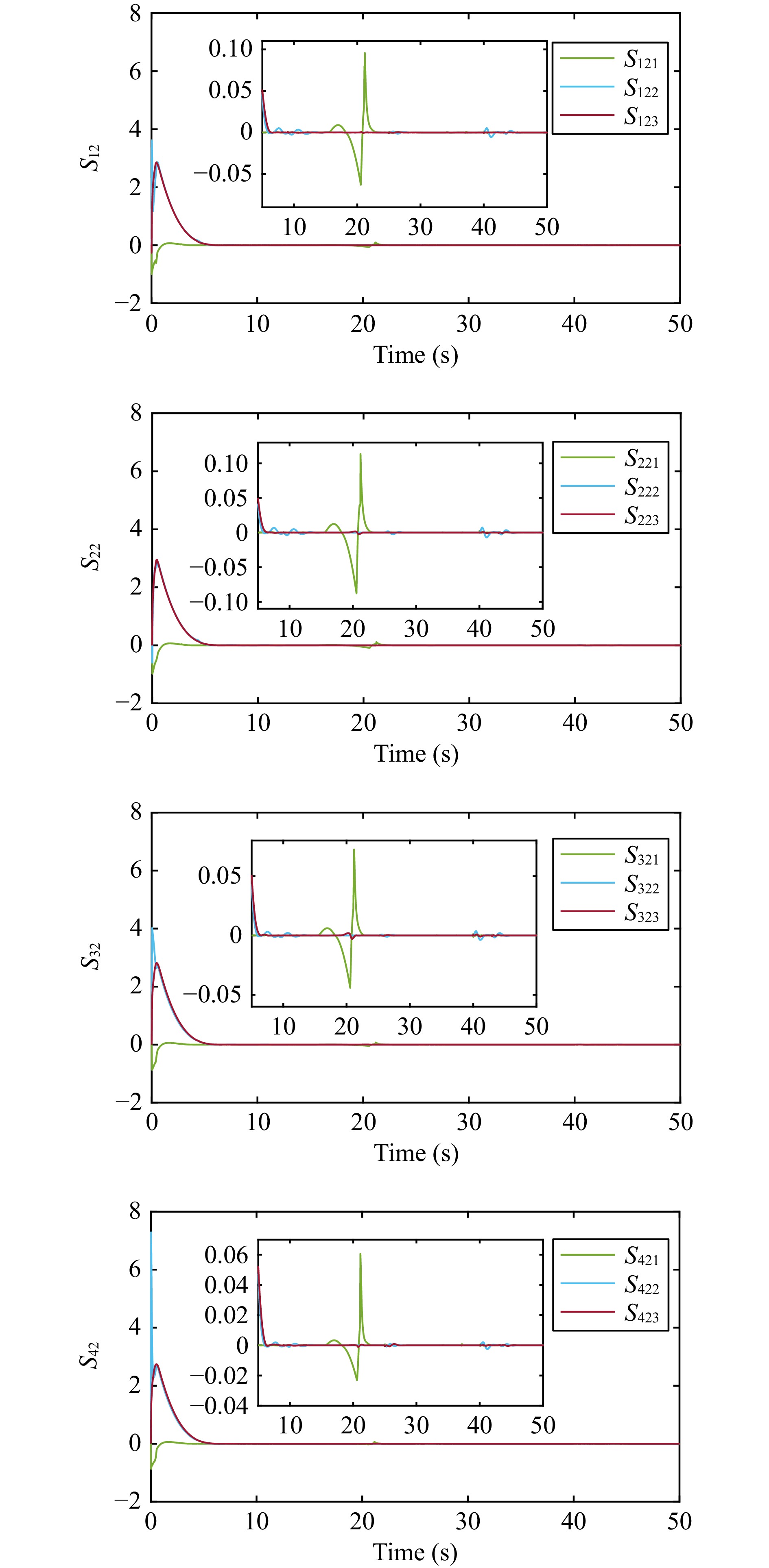
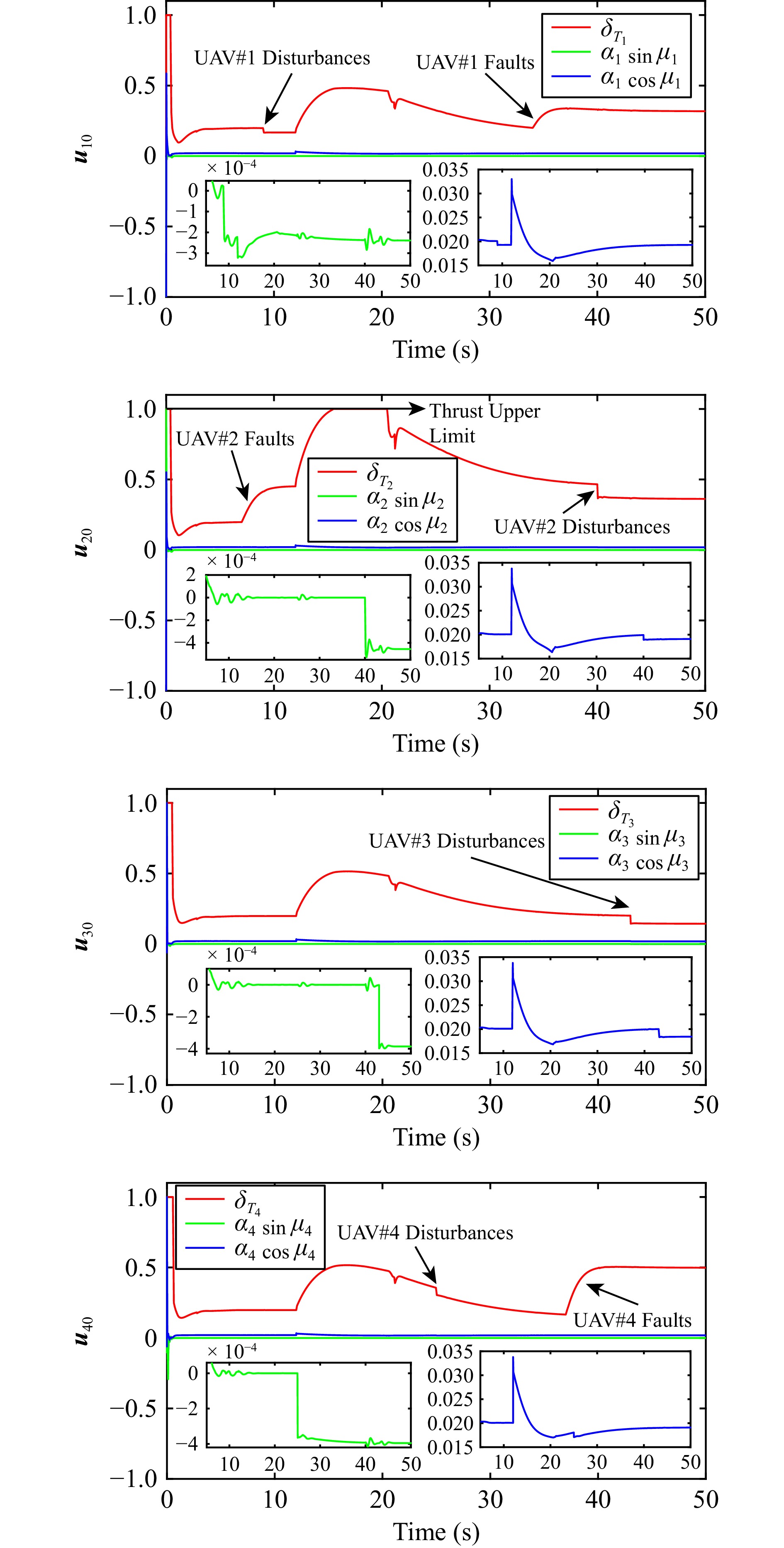
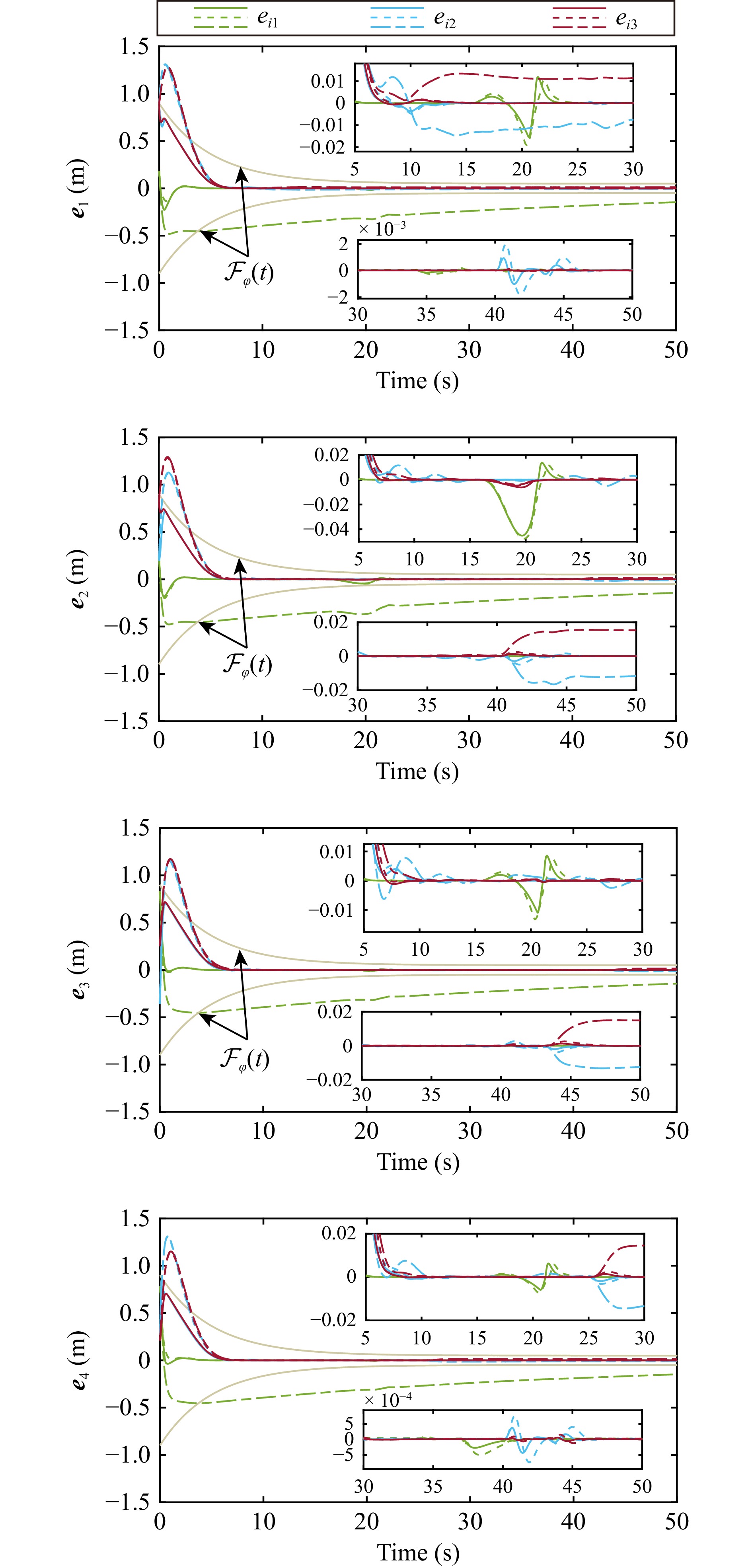
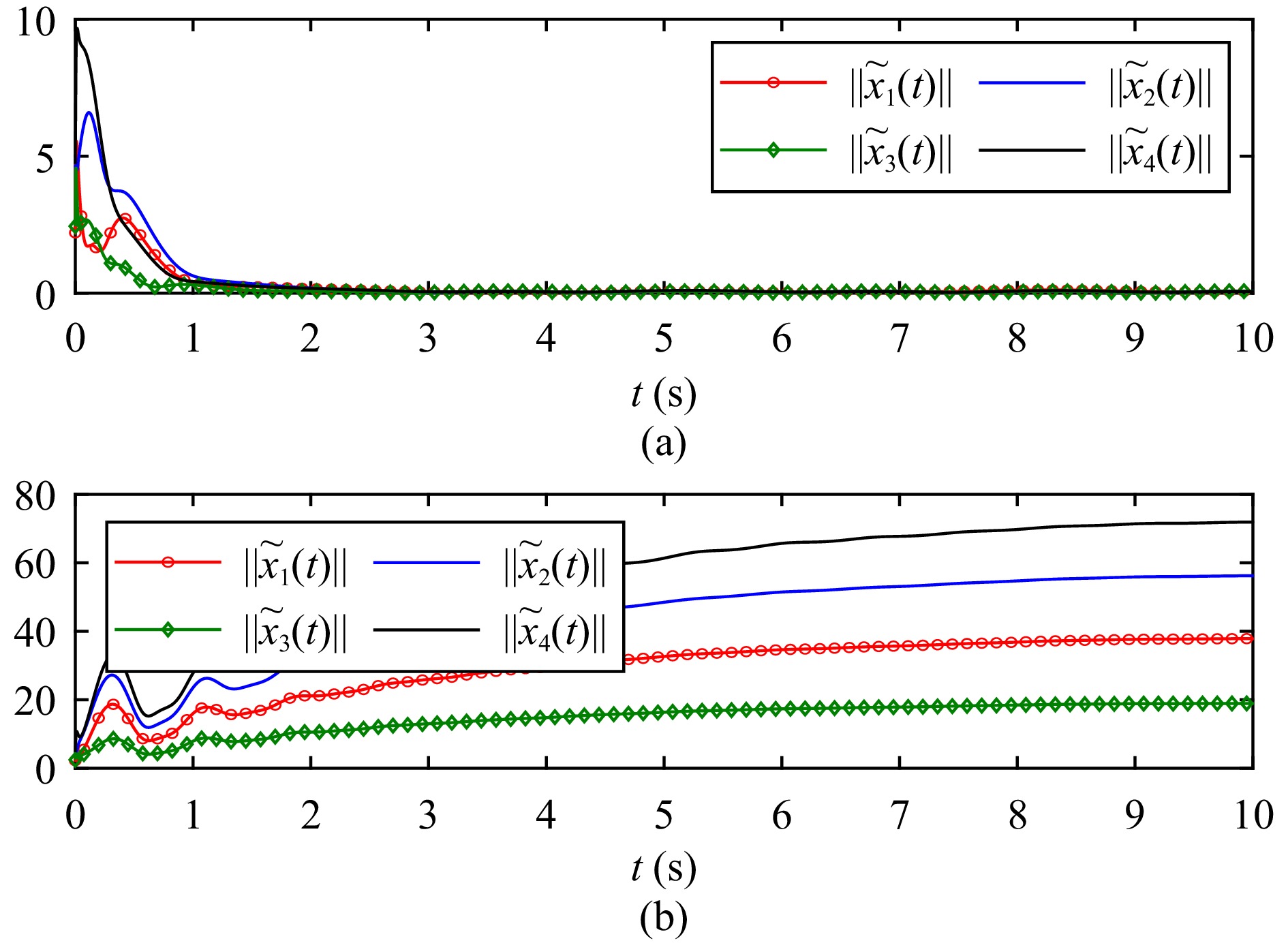
This paper studies a fault-tolerant formation control (FTFC) scheme for multiple unmanned aerial vehicles (multi-UAVs) without inter-agent communication under input saturation, actuator faults, and disturbances. Firstly, according to the obtained relative position measurement in the absence of inter-agent communication, a fixed-time differentiator is designed to achieve the estimate of the unknown relative velocity error signal. Then, the formation tracking error with a prescribed performance funnel is artfully constructed to realize the predetermined transient and steady-state requirements. Finally, the lumped disturbances triggered by actuator saturation, faults, and disturbances are compensated through utilizing immersion and invariance (I&I) adaptive control technique. Moreover, an auxiliary system was constructed to handle input saturation. Lyapunov stability analysis proves that even in the event of the formation team encountering actuator saturation, faults, and disturbances, the formation tracking control with the prescribed performance can be realized. Comparative simulation results illustrate the effectiveness of the proposed scheme.
A Distributed Pre-Defined-Time Solution to Time-Varying Constrained Optimization Problems Over Multiplex Networks
Siyu Chen, Kaili Xiang, Yongduan Song
2026, 13(8): 1816-1825. doi: 10.1109/JAS.2026.125816
Abstract(13) HTML (12) PDF(1)
Abstract:
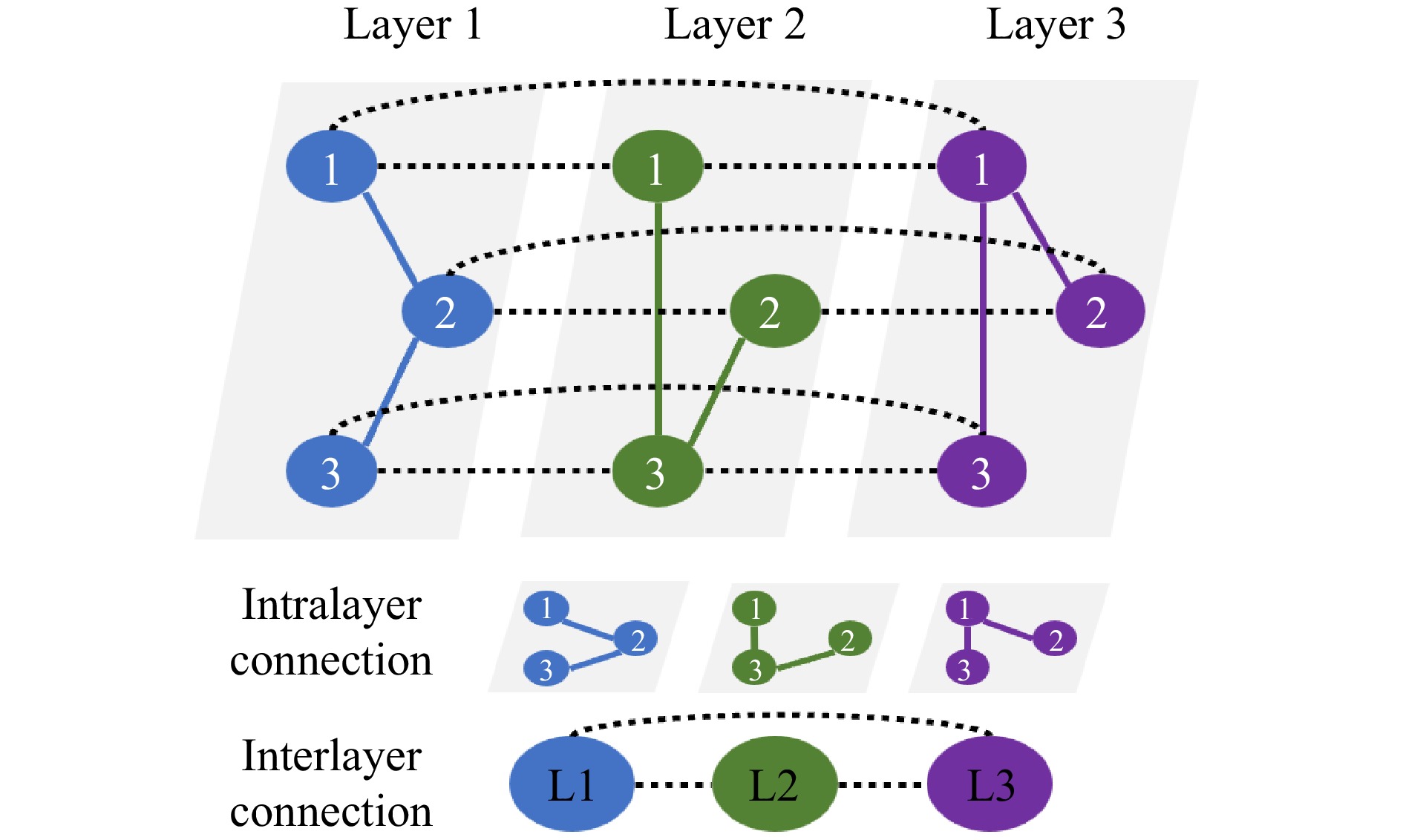
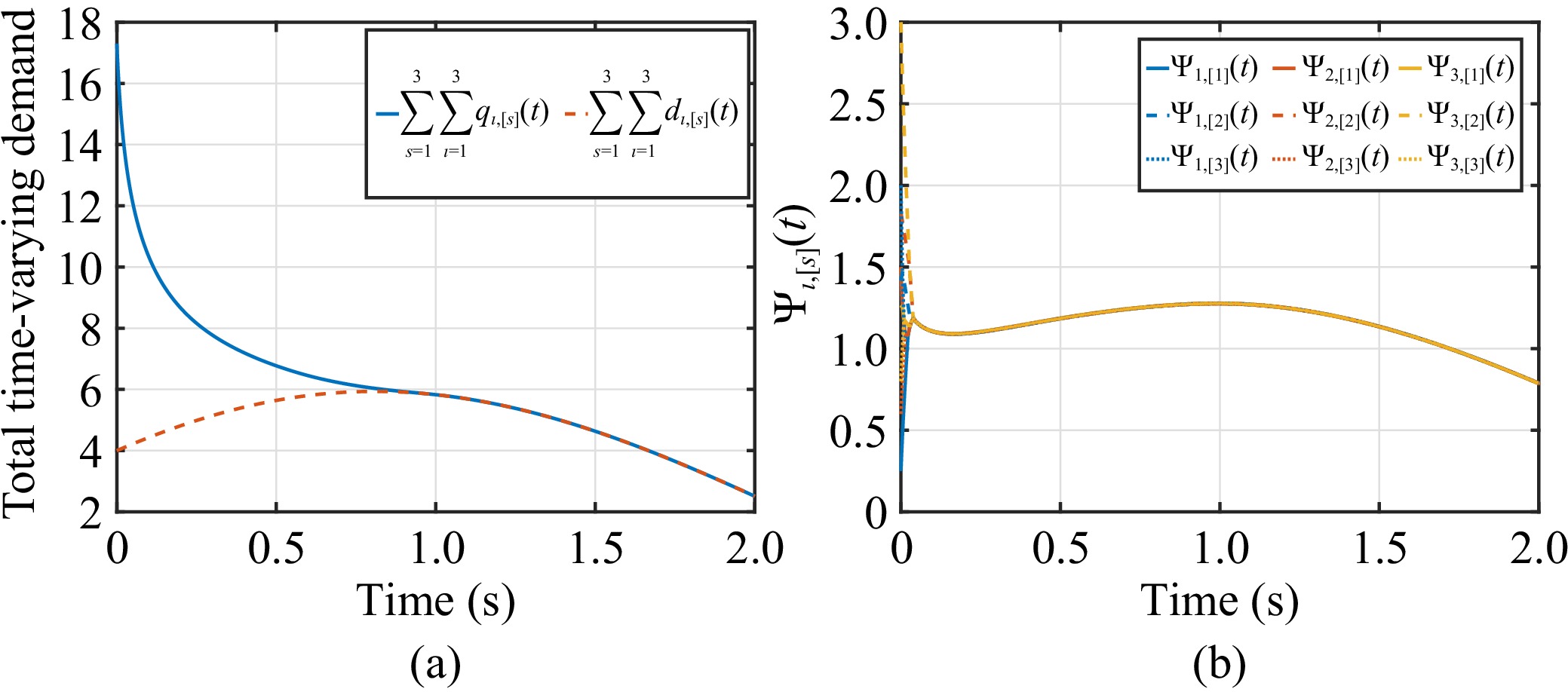
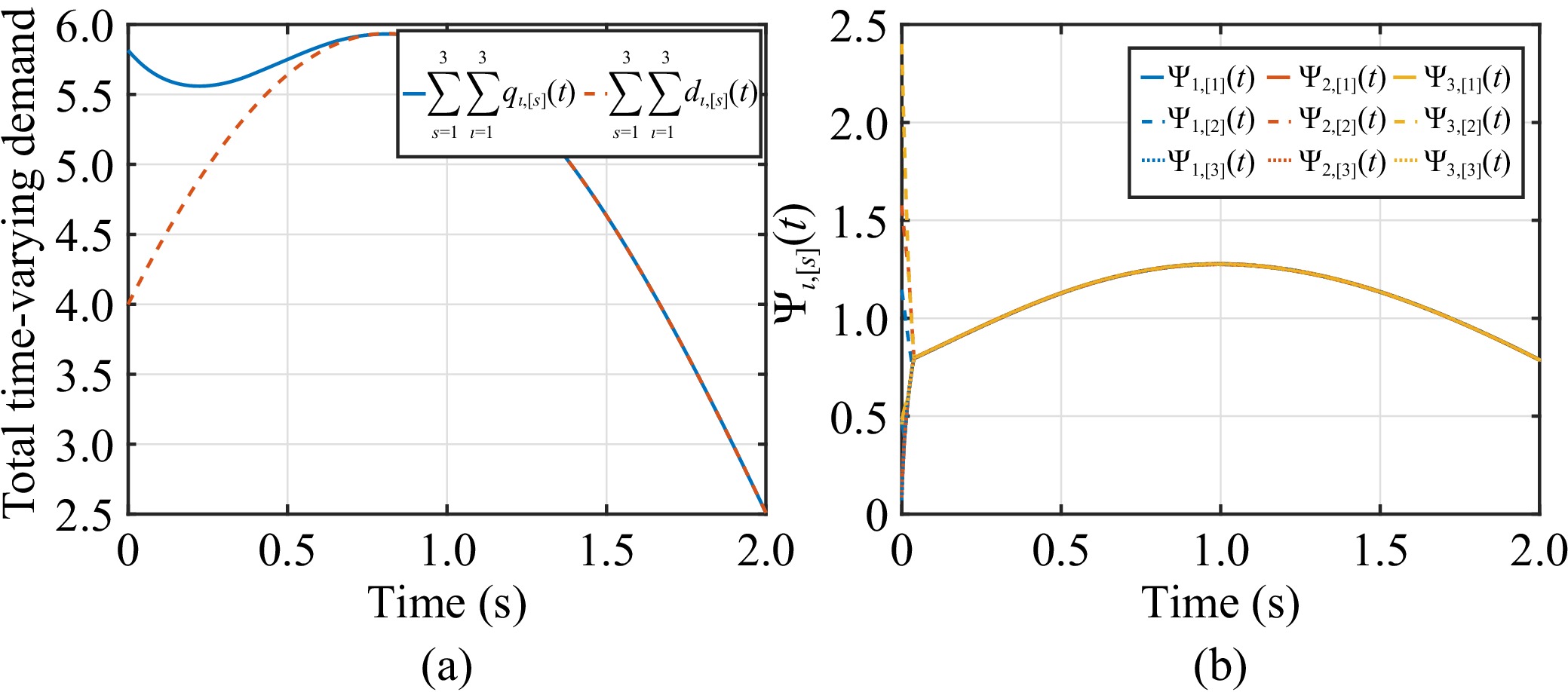
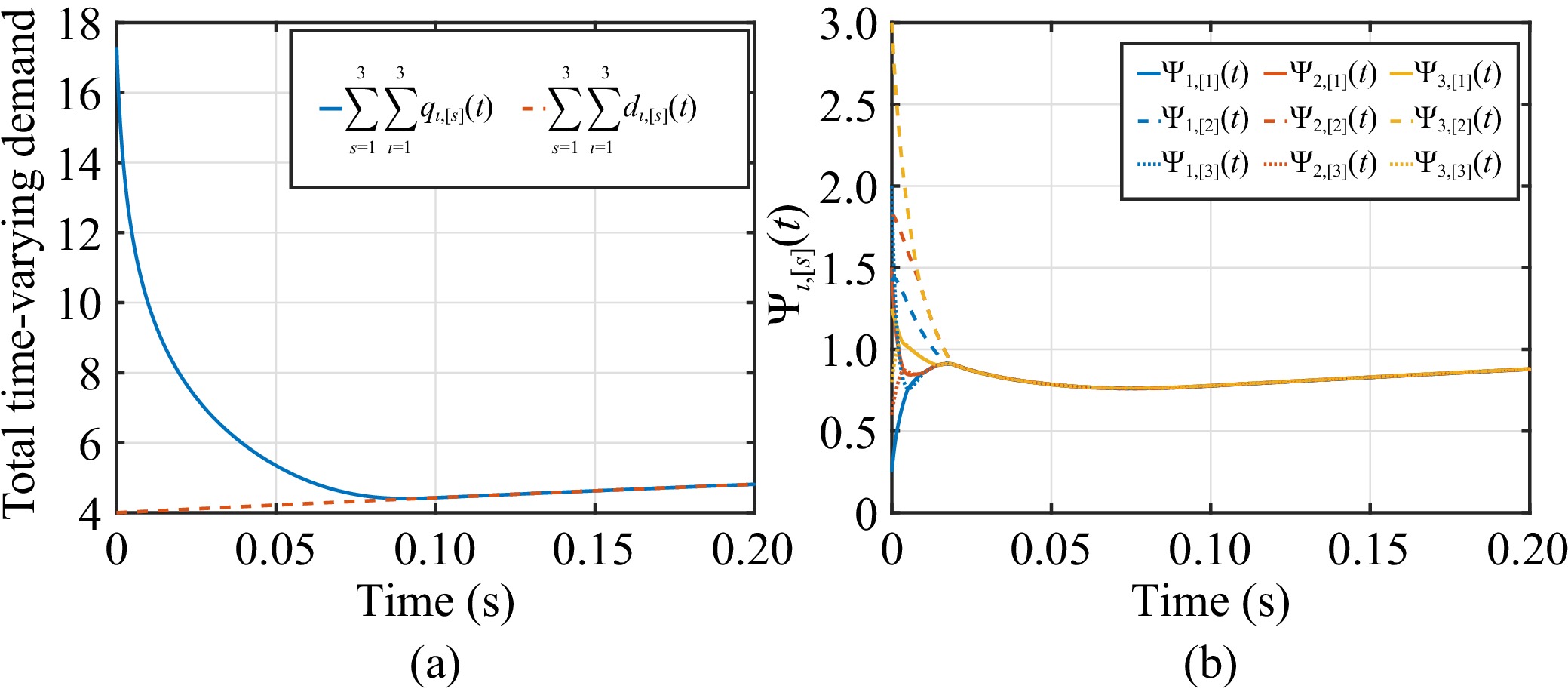
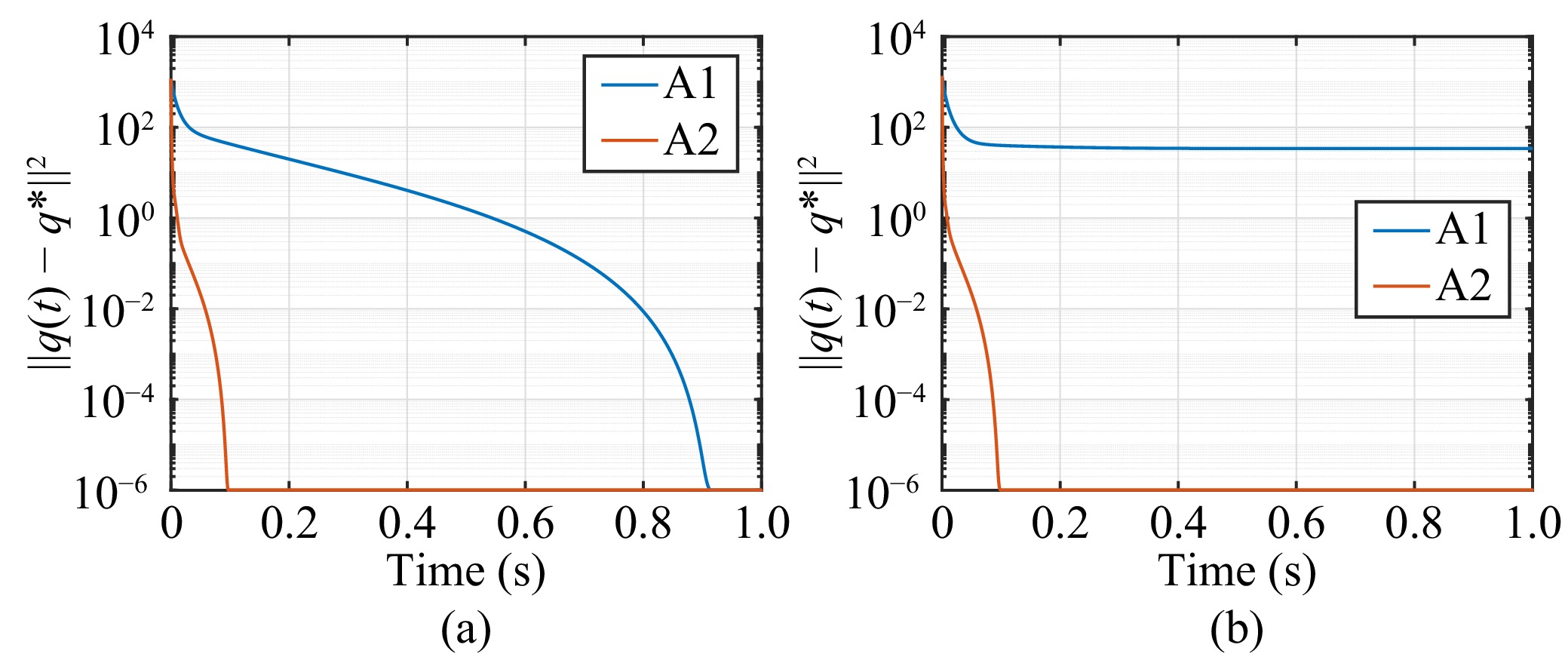
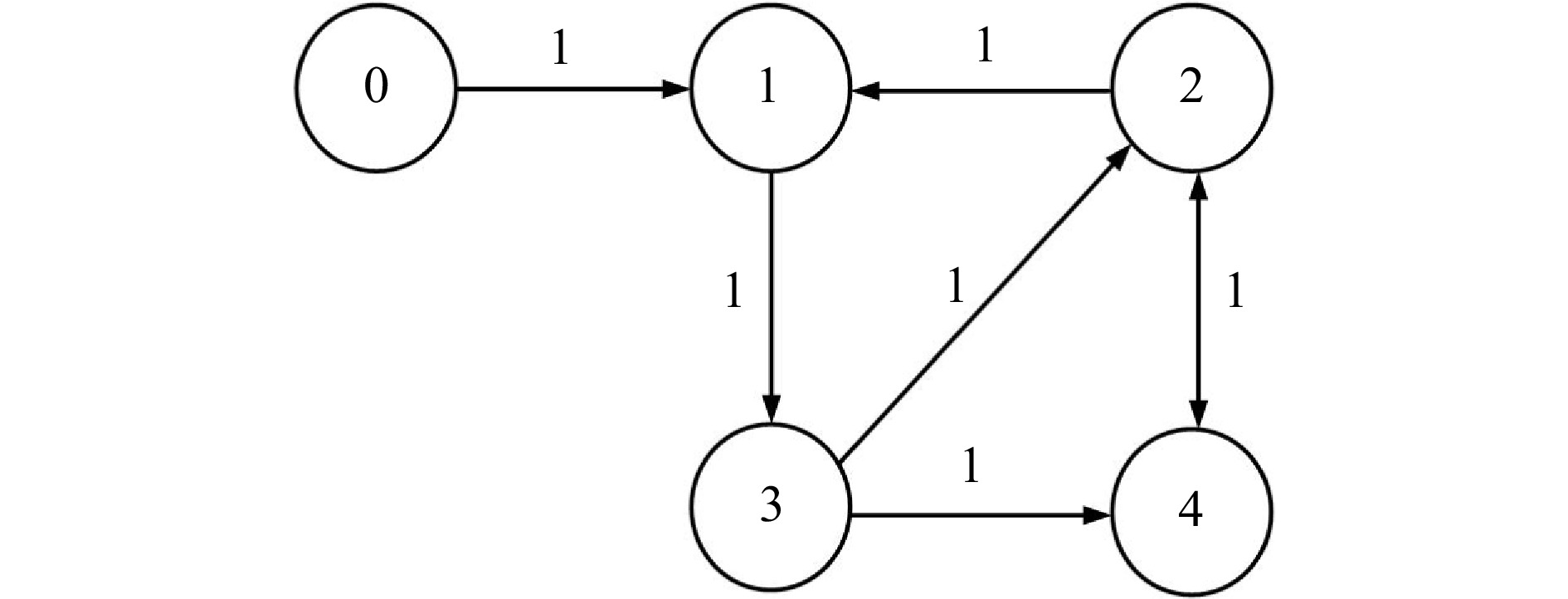
Numerous engineering applications involve optimization with constrained conditions. This study proposes a novel distributed algorithm for solving time-varying (TV) constrained optimization problems over multiplex networks within the predefined time, where both the objective functions and constraints are TV. By integrating a time-regulator function and the supra-Laplacian matrix, we develop an integral sliding mode-based distributed optimization algorithm that guarantees predefined-time convergence. The proposed approach eliminates the need for restrictive state initialization and ensures minimization of the global TV cost function within a user-defined time frame, significantly enhancing applicability. Numerical simulations validate the effectiveness and superiority of the proposed algorithms.
Potential-Guided Connected Network for Tiny Structure Segmentation in Medical Images
Chouyu Chen, Yaotong Song, Junyan Yi, Lijun Guo, Zhenyu Lei, Shangce Gao
2026, 13(8): 1826-1841. doi: 10.1109/JAS.2025.125705
Abstract(36) HTML (15) PDF(3)
Abstract:
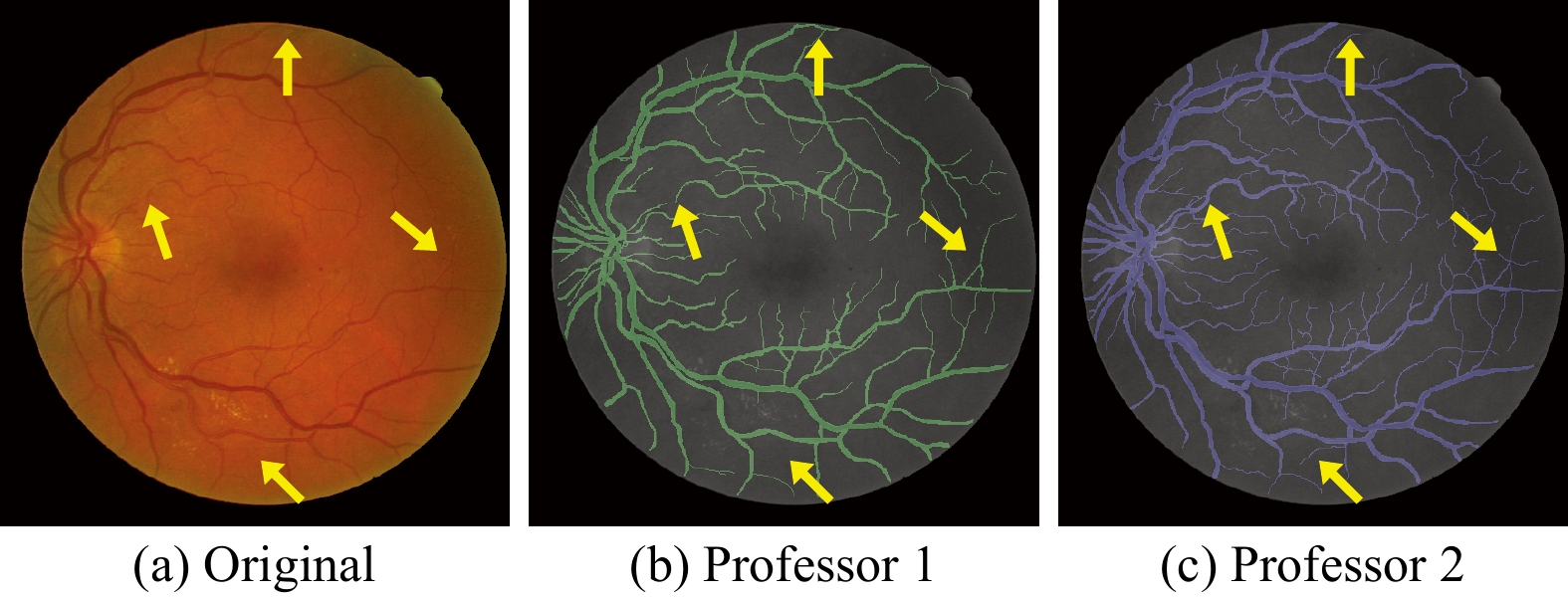
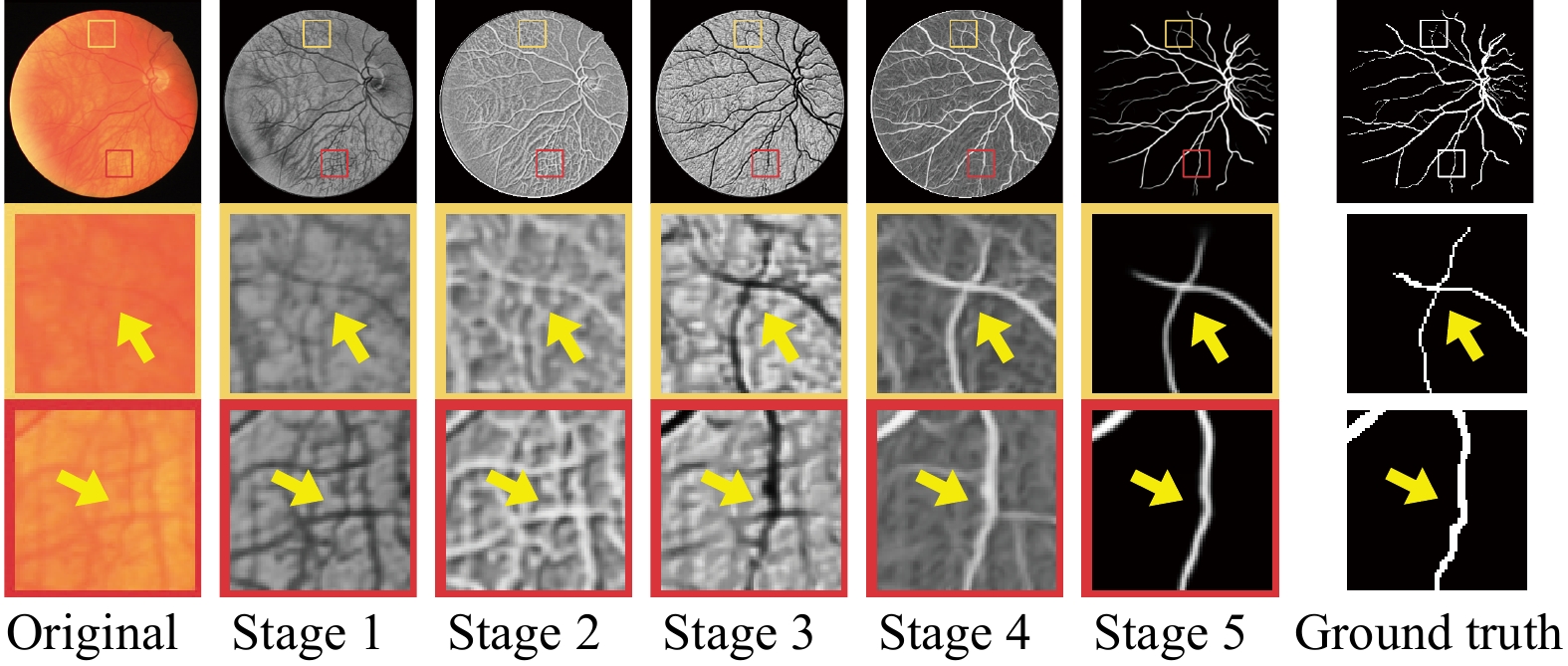
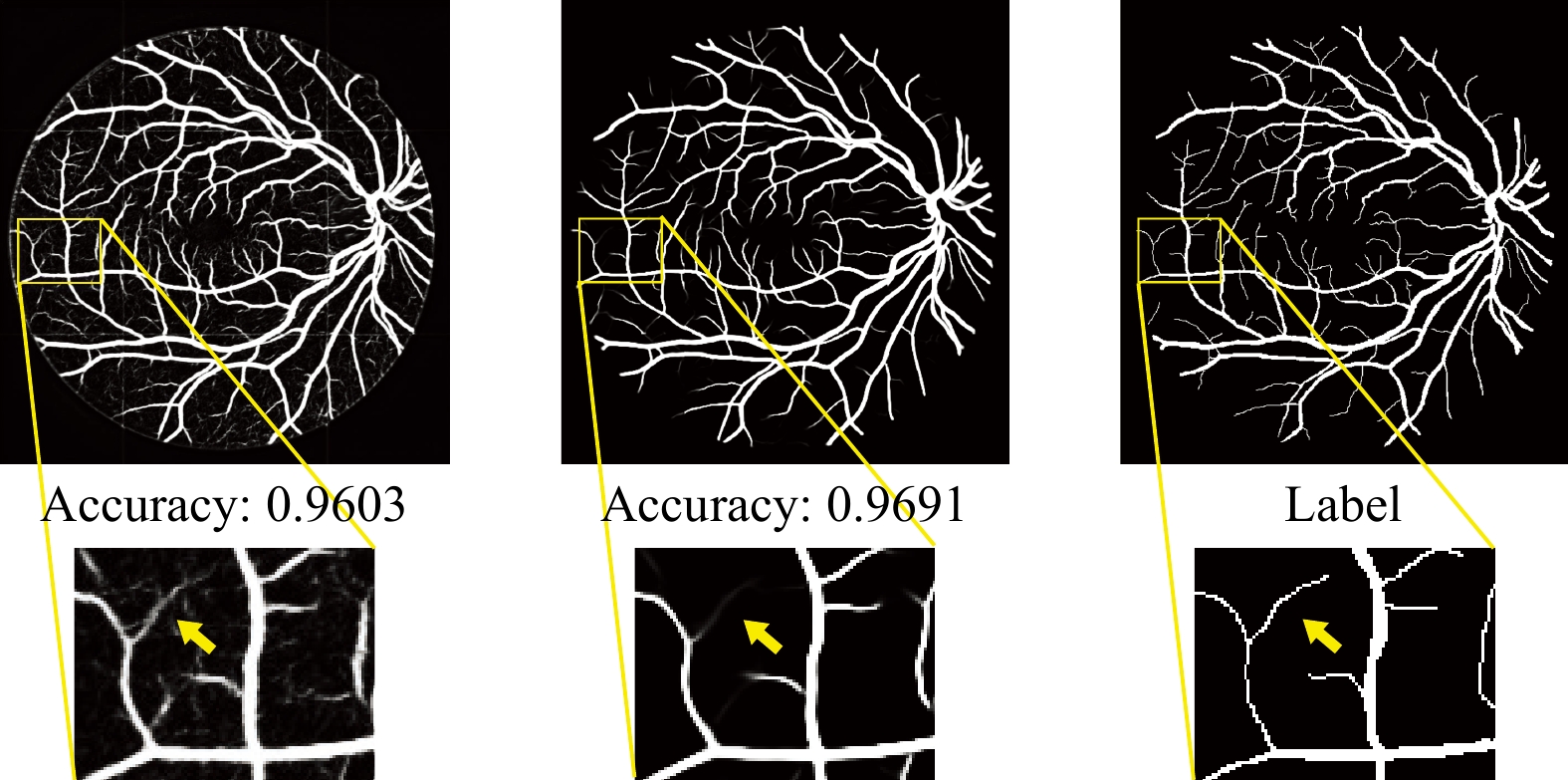
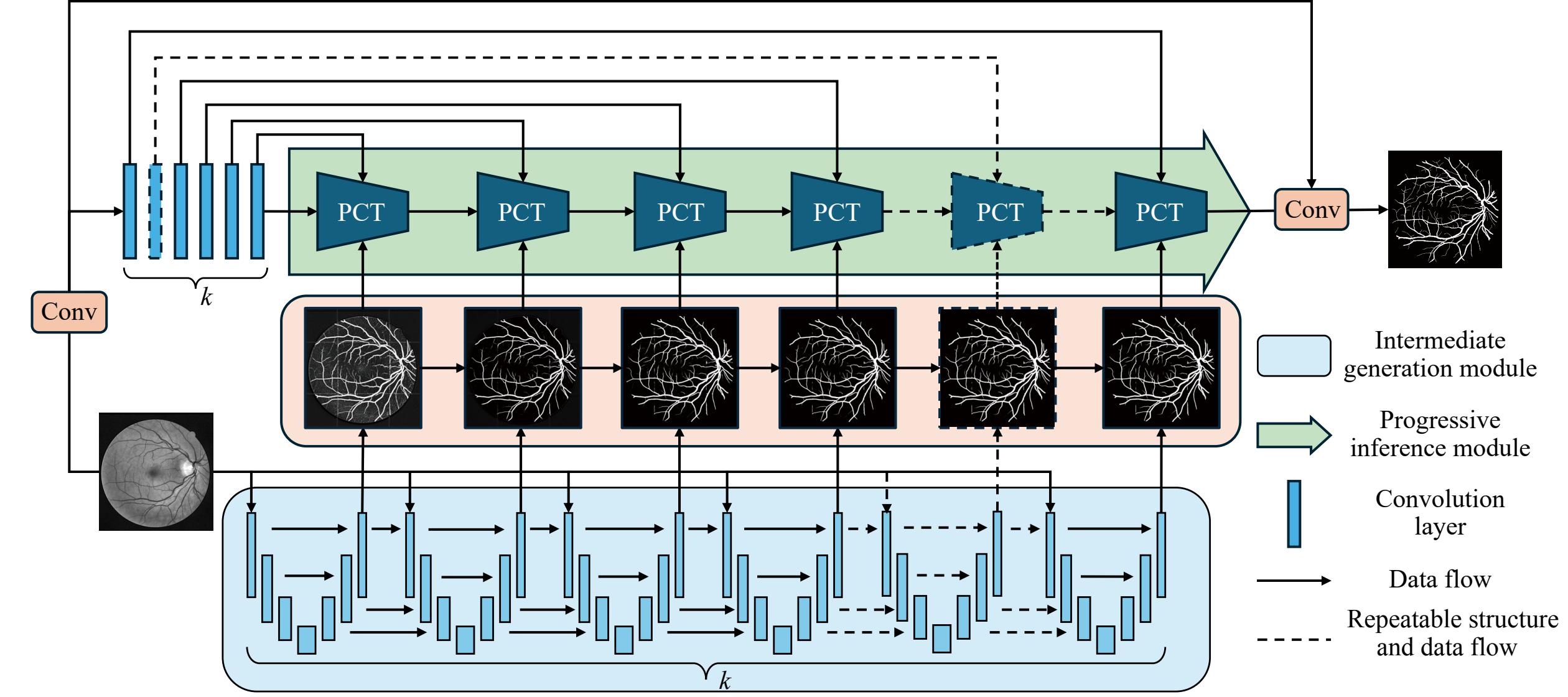
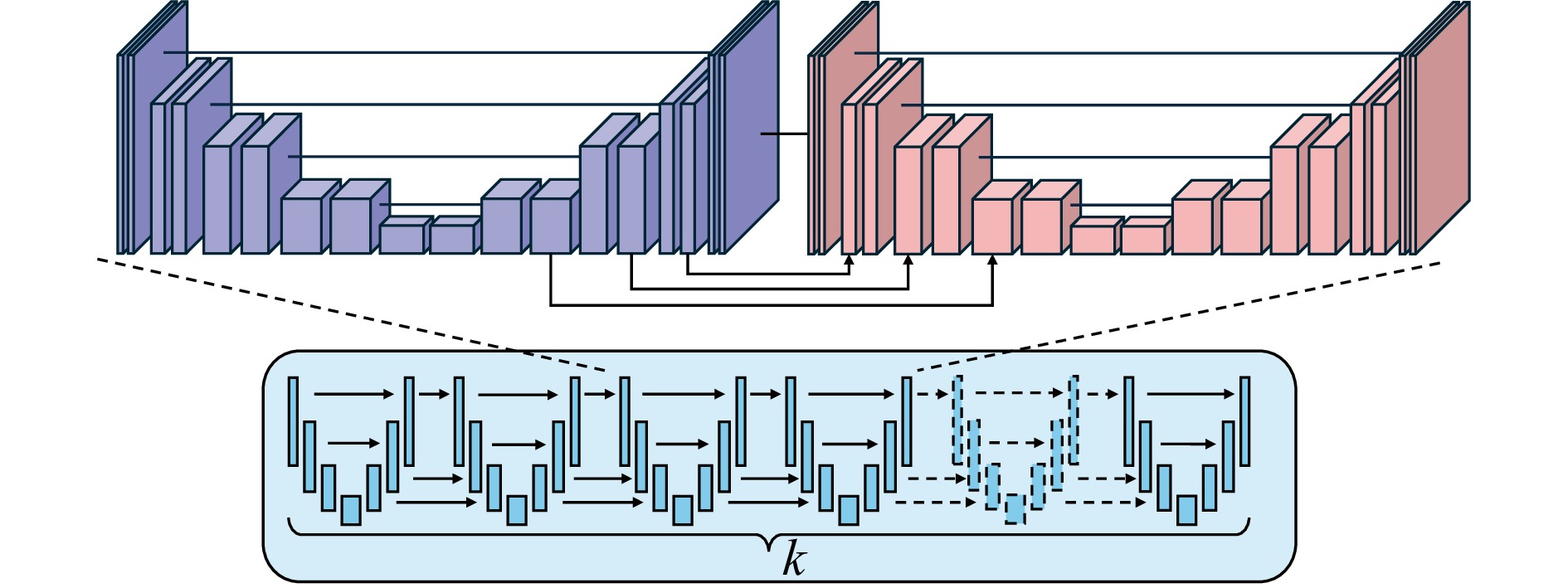
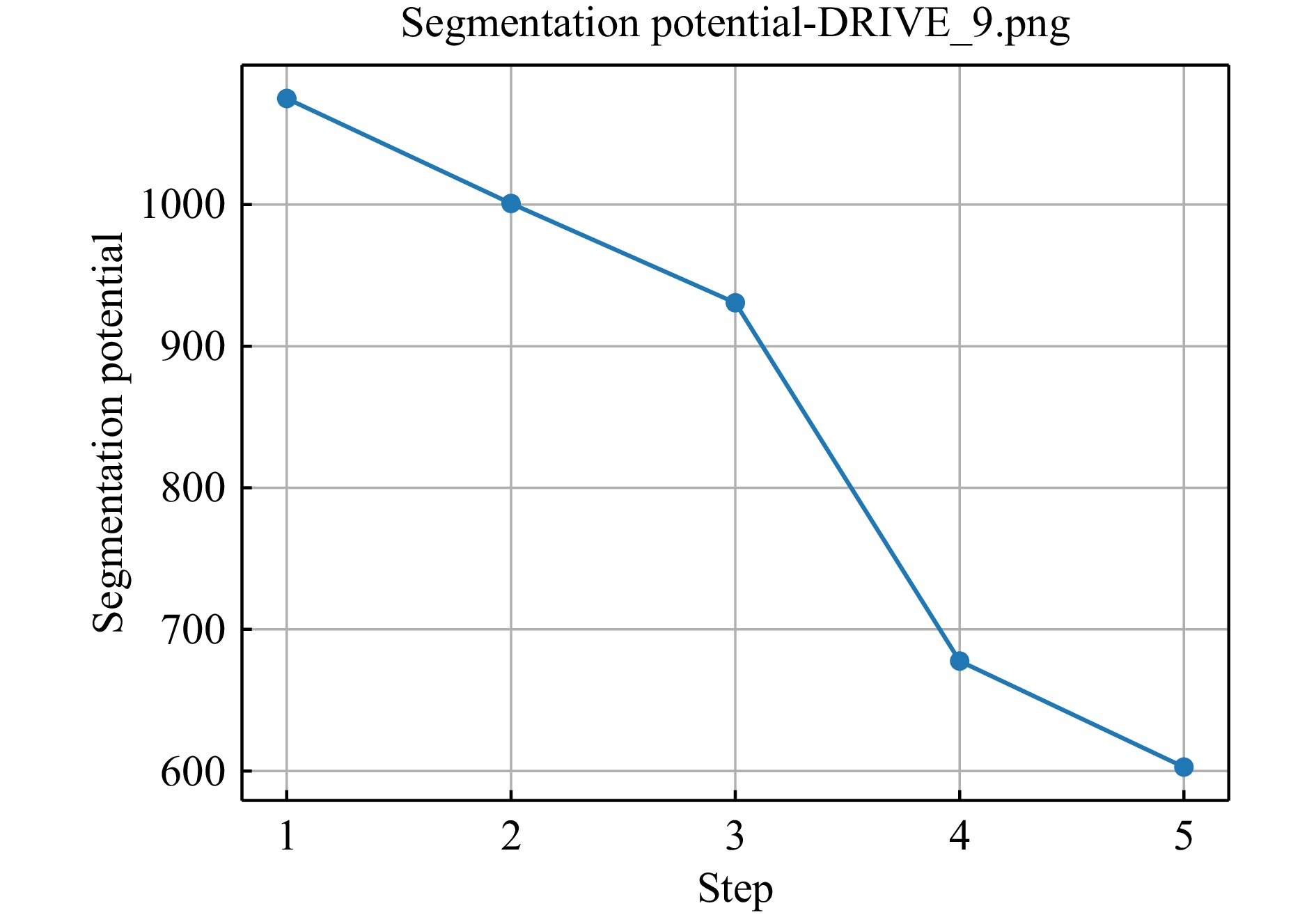
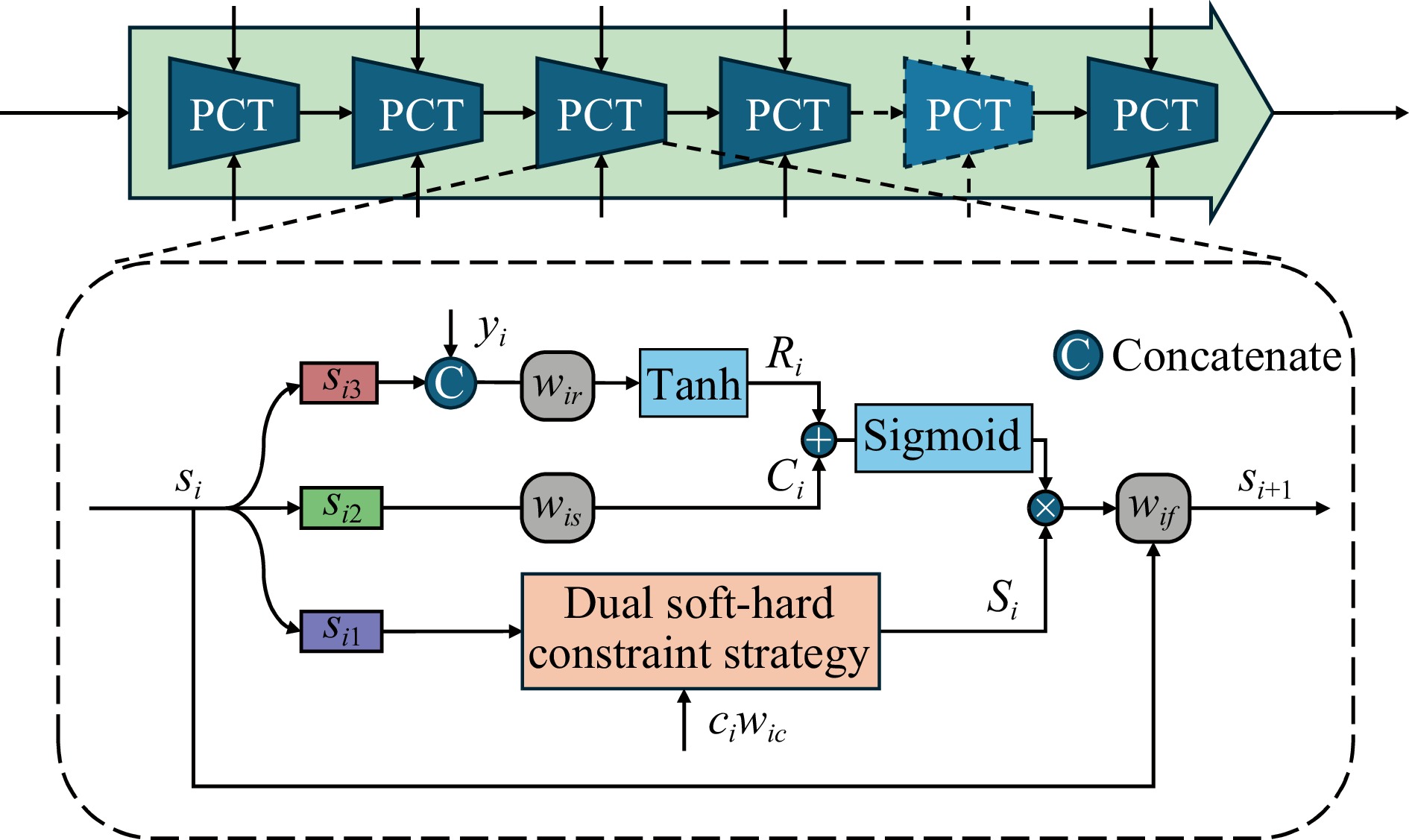
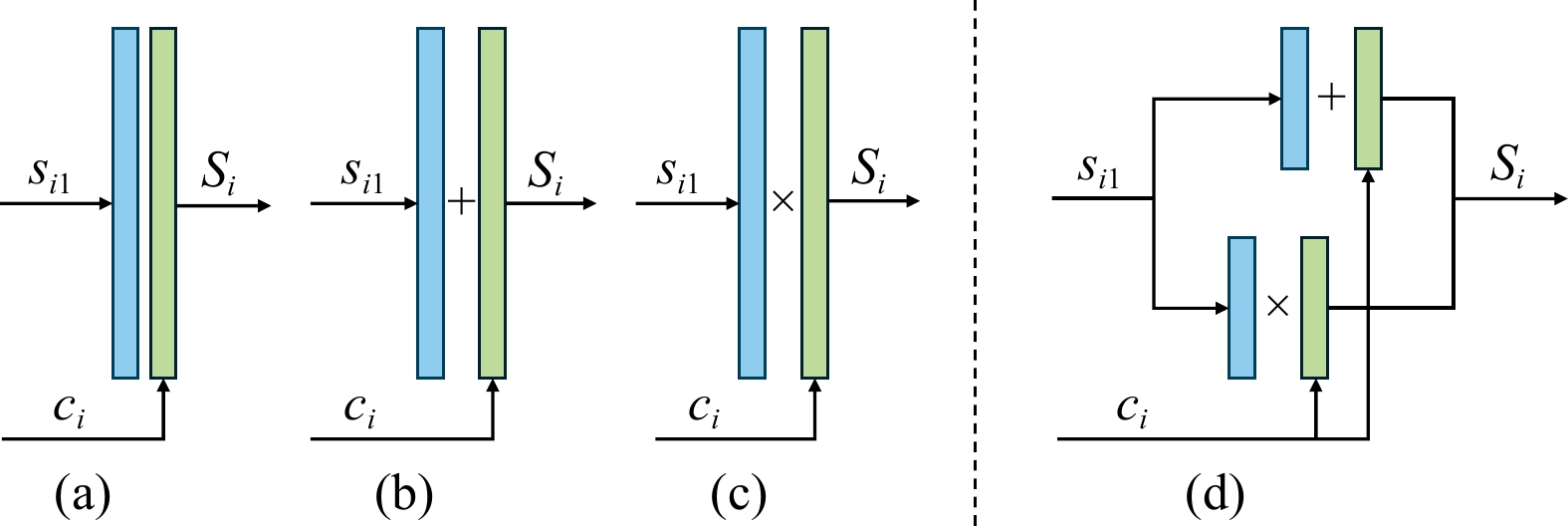
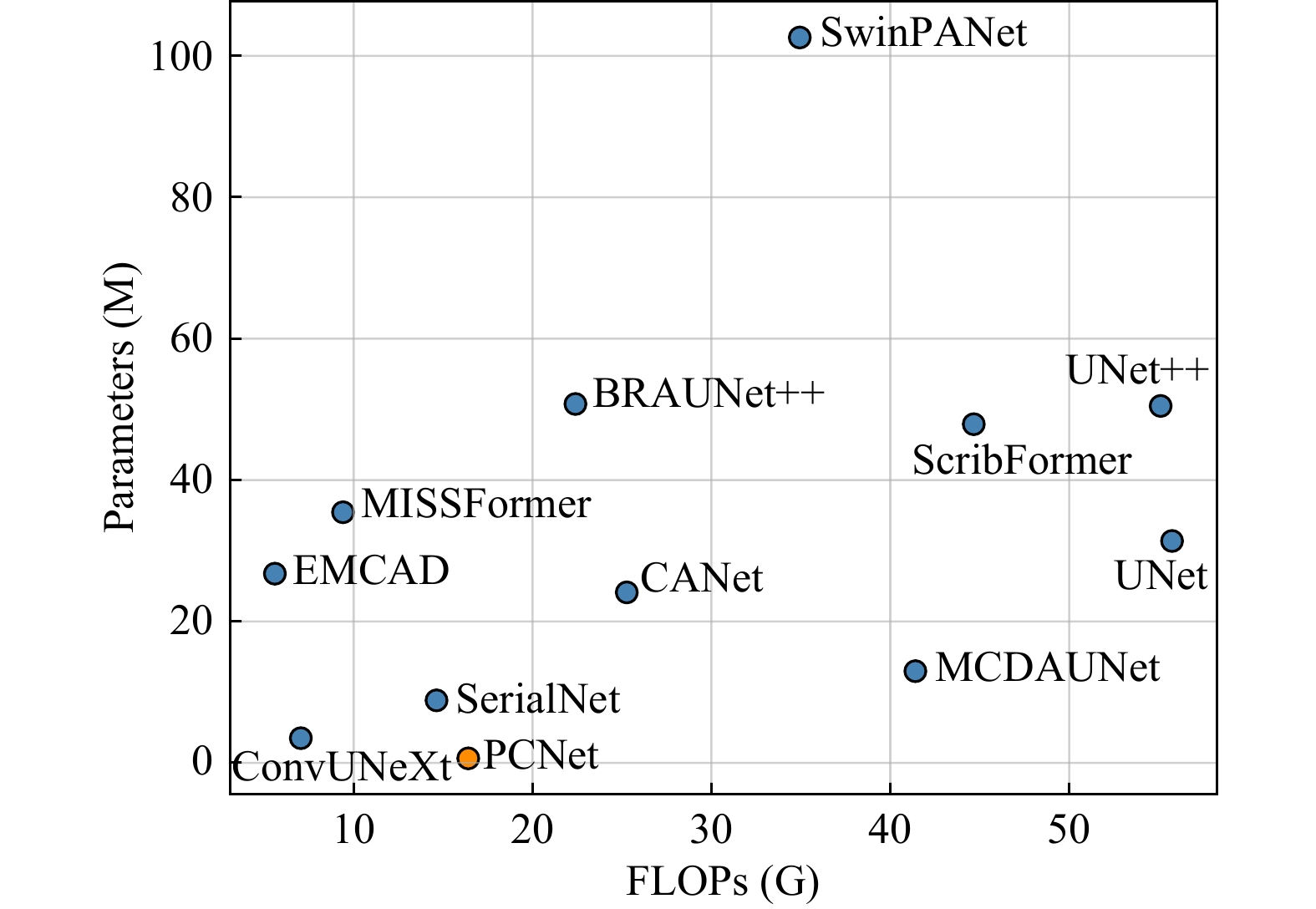
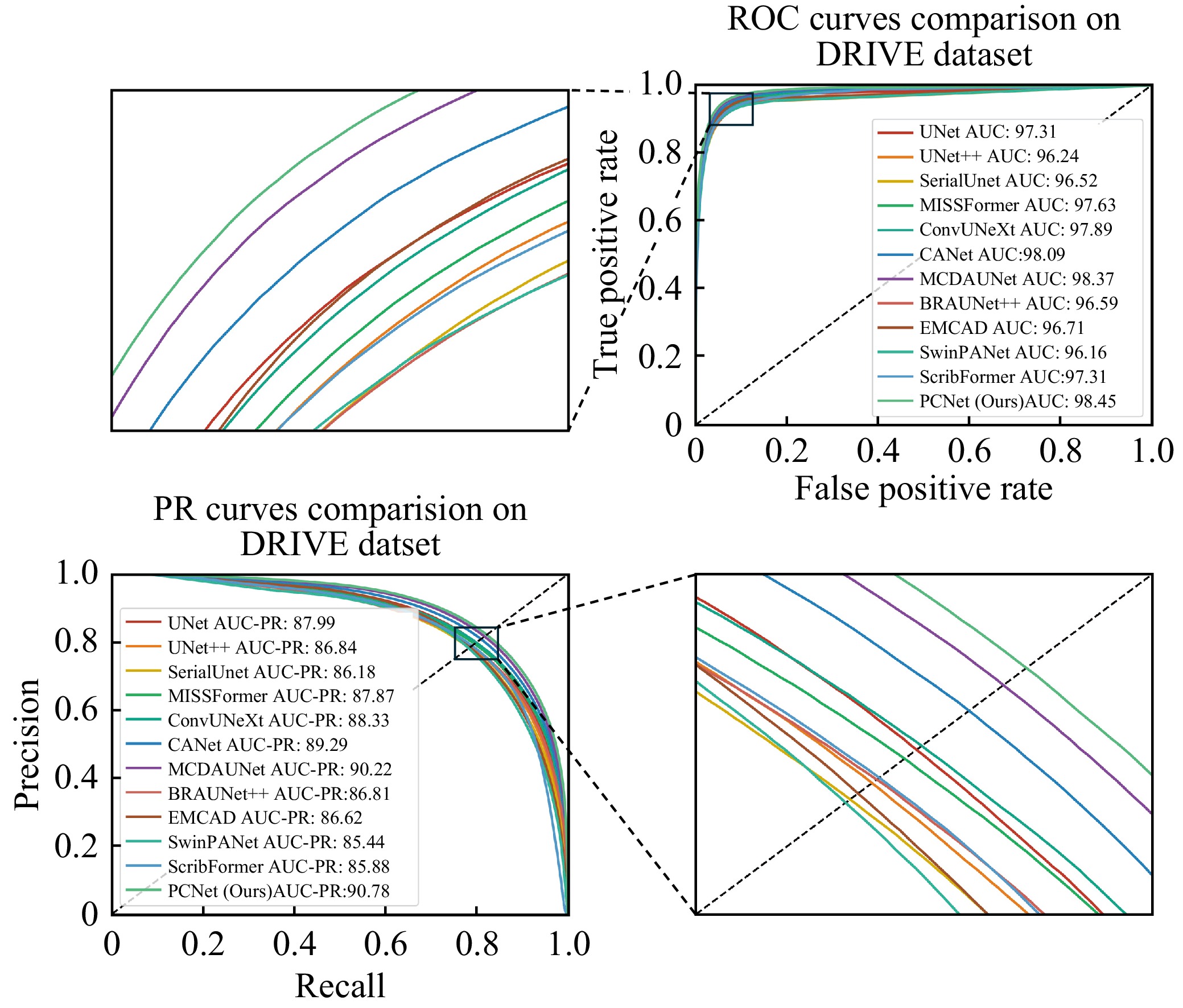
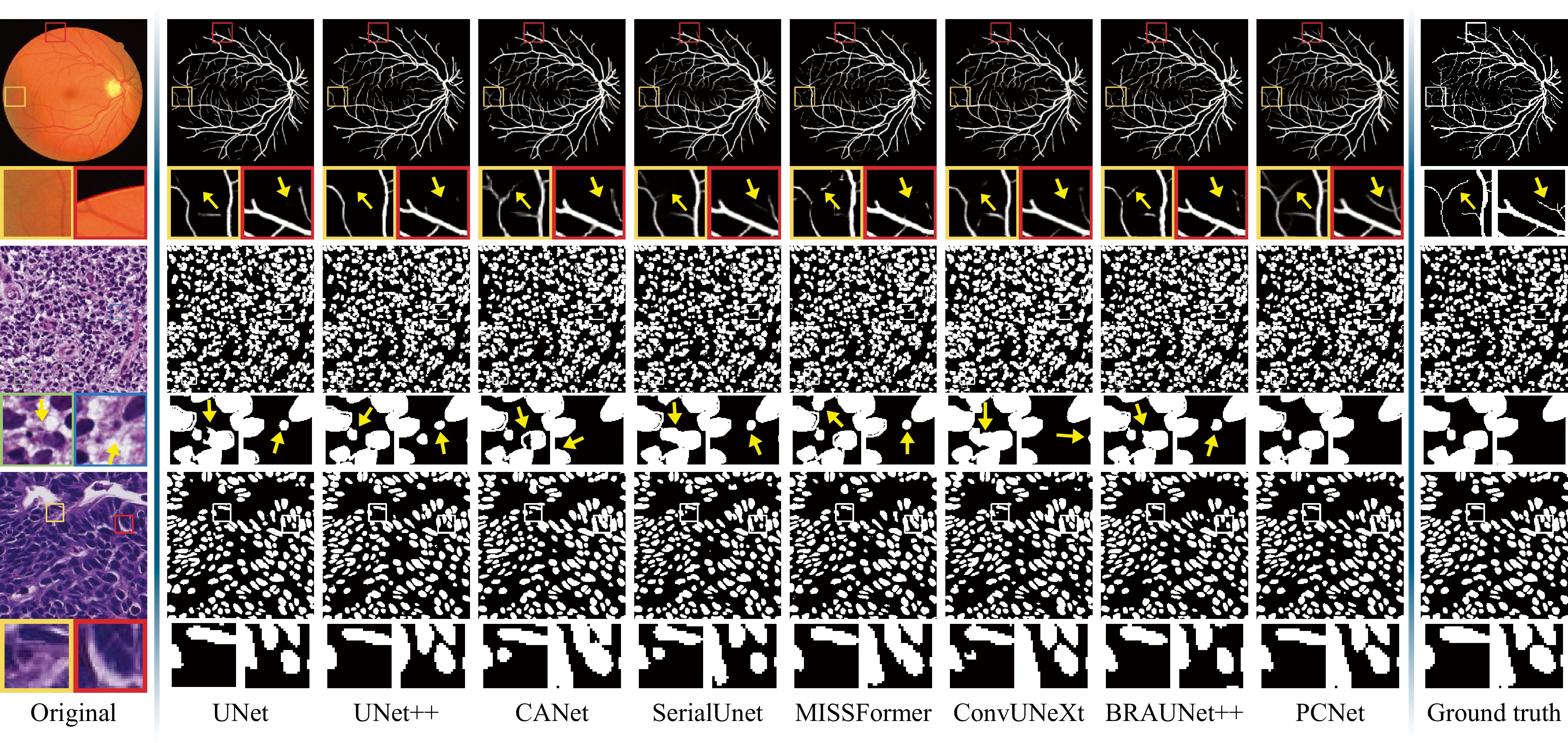
Medical images provide essential information for diagnosing and monitoring various diseases and systemic disorders. With advancements in deep learning and neural networks, numerous methods have been proposed to achieve high-level medical image segmentation results. However, the variability of tiny structures and their high similarity to the background often lead to mis-segmentation in existing methods. To mitigate these challenges, we propose a potential-guided connected network (PCNet) that integrates an innovative dual soft-hard constraint strategy, combining two different progressive supervisions. This strategy modulates the ability of network to differentiate between well-defined and ambiguous structures through a hyper-parameter, thereby enhancing its capability to detect tiny structures. Furthermore, PCNet is composed of two key modules, including the intermediate generation (IG) module and the progressive inference (PI) module. The IG module produces a range of outputs with varying segmentation potentials using a novel serial architecture, which serves as the foundational input for progressive reasoning in the PI module. The PI module, leveraging the outputs of the IG module, is designed to progressively extract comprehensive contextual information, ultimately producing refined segmentation results. PCNet is evaluated on several publicly available datasets, including DRIVE, MoNuSeg, CoNIC, FIVES, and GlaS, achieving accuracy of 96.92%, 90.29%, 93.93%, 98.82%, and 92.00%, respectively. Extensive experiments demonstrate that our model outperforms the current state-of-the-art methods for tiny structure segmentation in medical images.
Multi-Label Causal Feature Selection Based on Unary Approximate Markov Blankets
Quanwang Wu, Shanwei Wang, MengChu Zhou, Chao Chen, Yanlu Gong
2026, 13(8): 1842-1853. doi: 10.1109/JAS.2026.126167
Abstract(18) HTML (13) PDF(1)
Abstract:
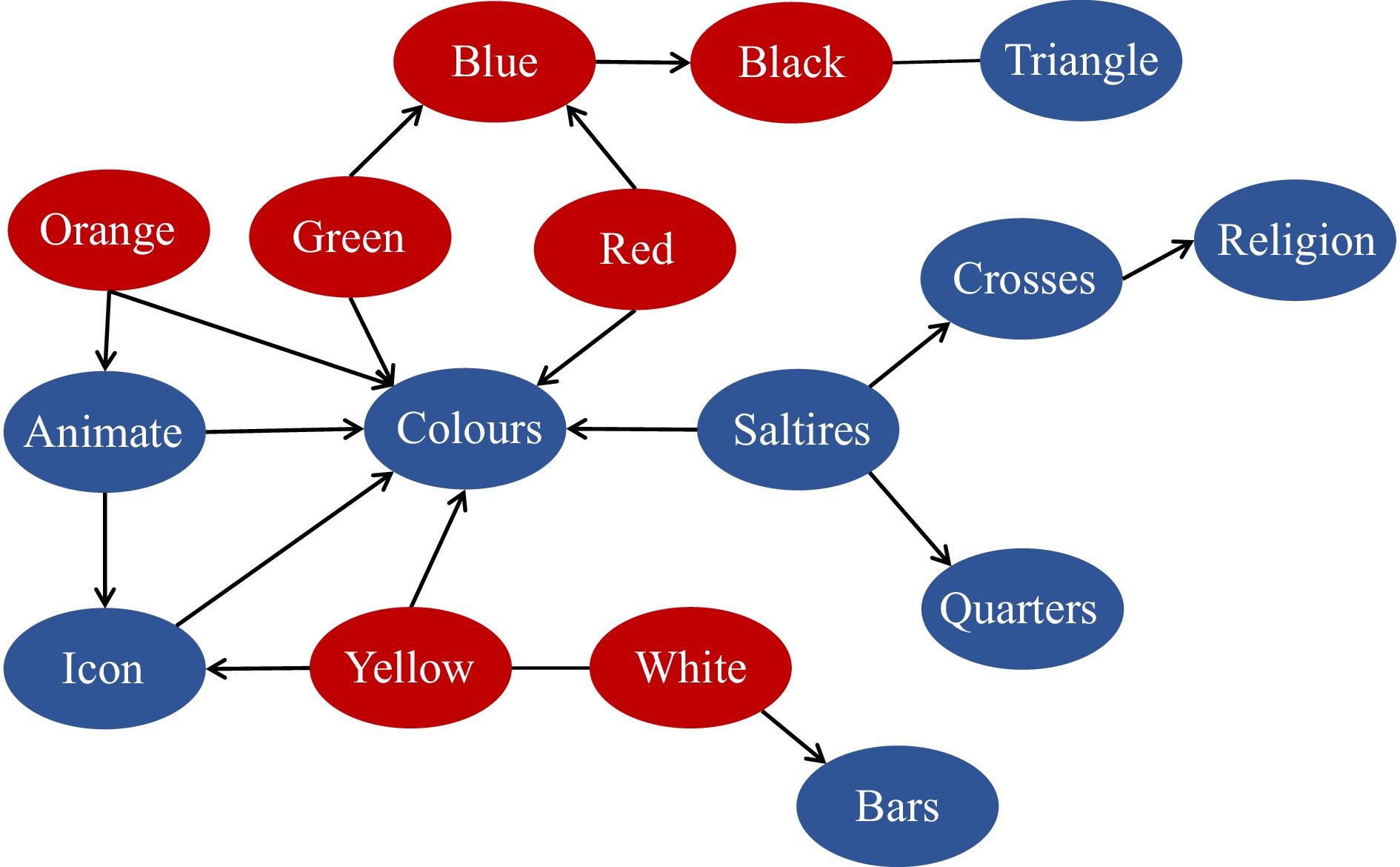
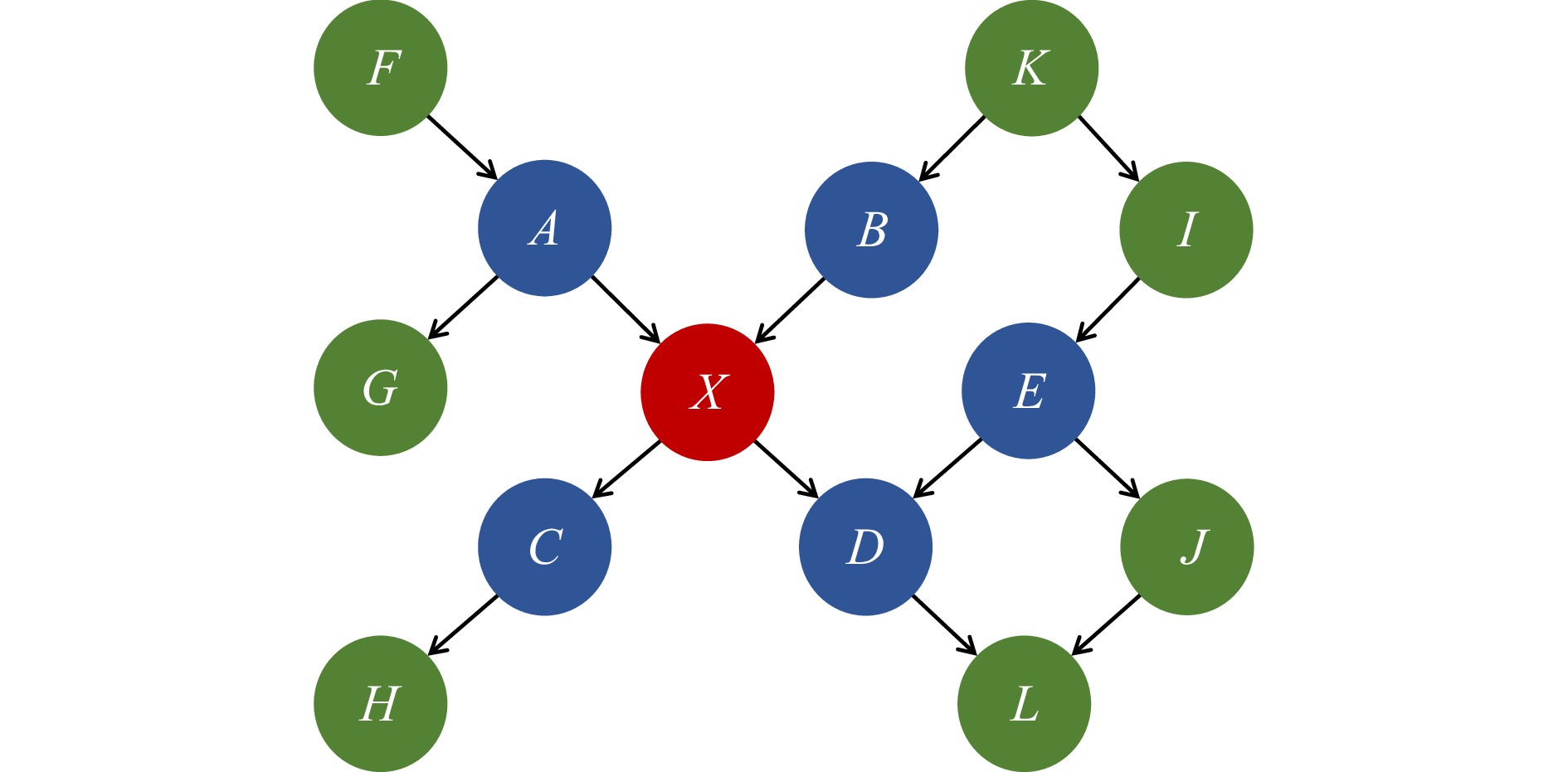
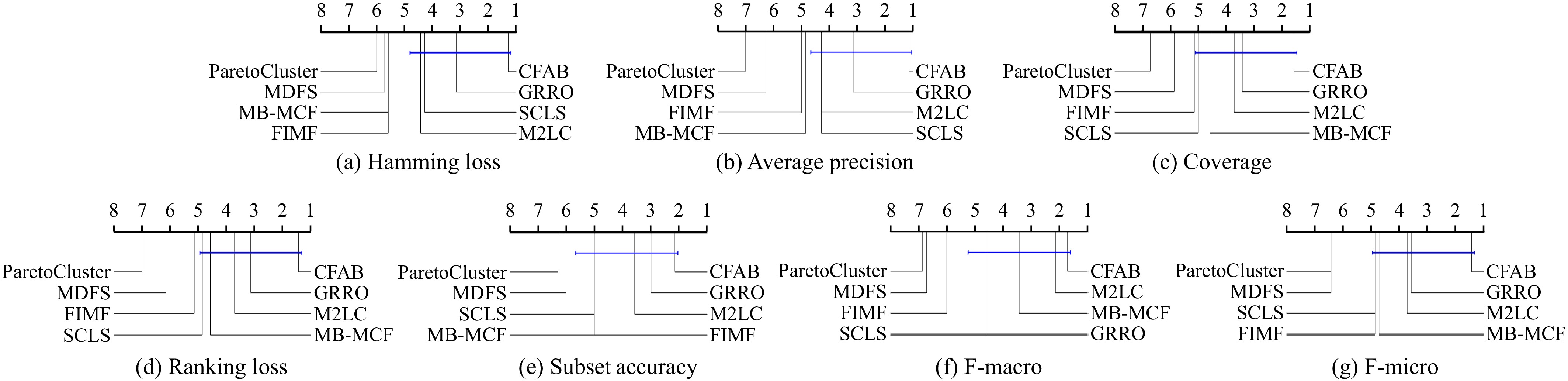
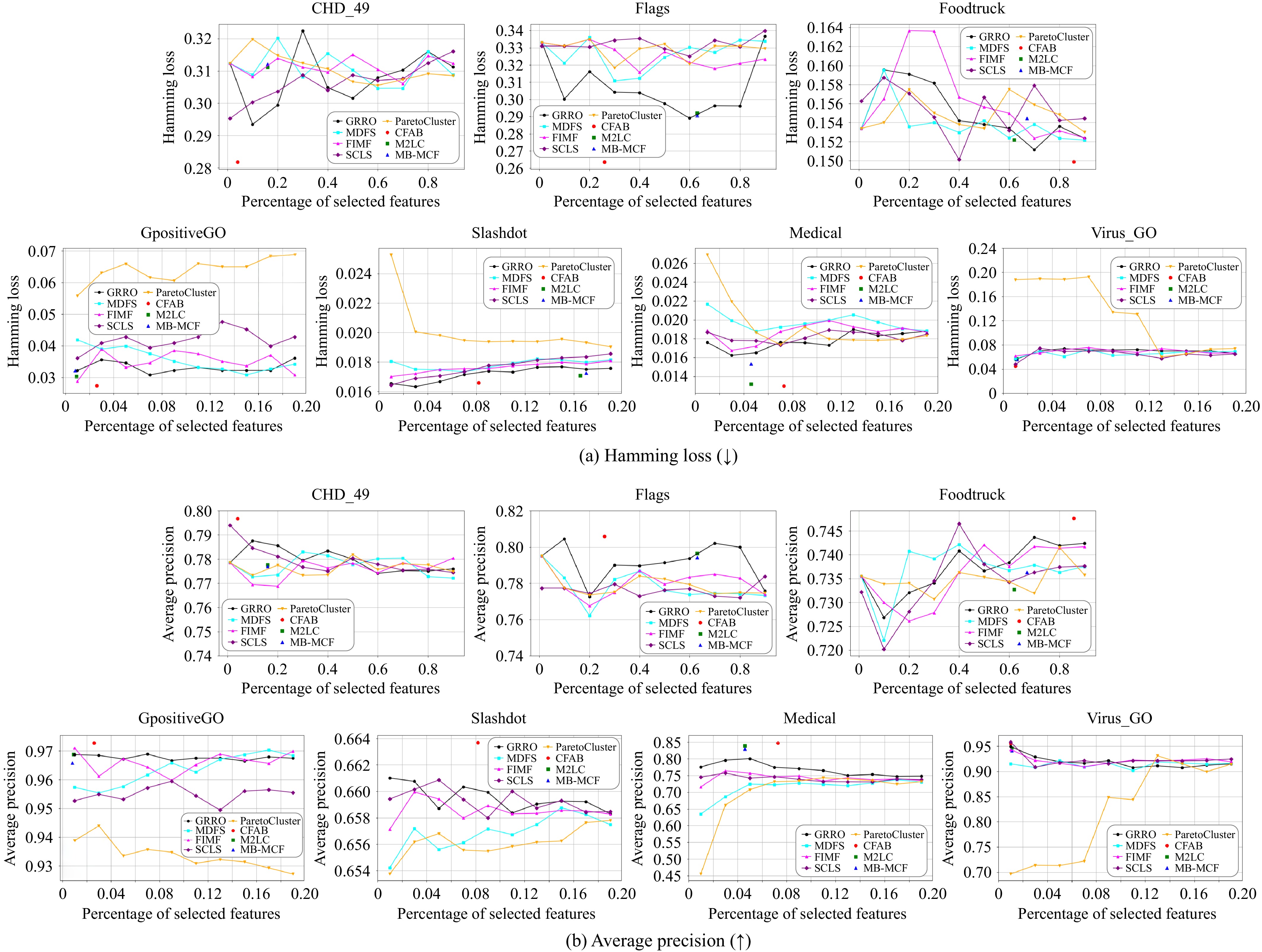
Multi-label feature selection (FS) plays a vital role in multi-label learning as properly selected features can be used to substantively improve classification performance and reduce training time of a classifier. Existing multi-label FS methods primarily rely on the correlations among variables but neglect causality, and consequently lack interpretability. Although causal FS techniques based on Markov blankets have been widely investigated for single-label learning, its exploration for multi-label learning is rather limited because of the more complex causal relationships in multi-label data. In this paper, we present a multi-label causal FS method that leverages the introduced concept of unary approximate Markov blankets to identify causal structure of labels. Moreover, it combines the label-label, feature-feature and label-feature relationships in multi-label datasets and restores the features that are omitted due to equivalent information among features and labels. We conduct experiments on a variety of multi-label datasets and compare our proposed method with the state-of-the-art algorithms. The results show that our approach achieves significantly better performance in terms of a number of different metrics than them, thus greatly advancing the field of multi-label FS.
Nonlinear Multiagent Systems-Oriented Privacy Protection and Convergence Predefinition
Bingjie Ding, Peihao Du, Xiaojie Peng, Yan Lei, Hongyi Li
2026, 13(8): 1854-1864. doi: 10.1109/JAS.2025.125969
Abstract(16) HTML (12) PDF(0)
Abstract:
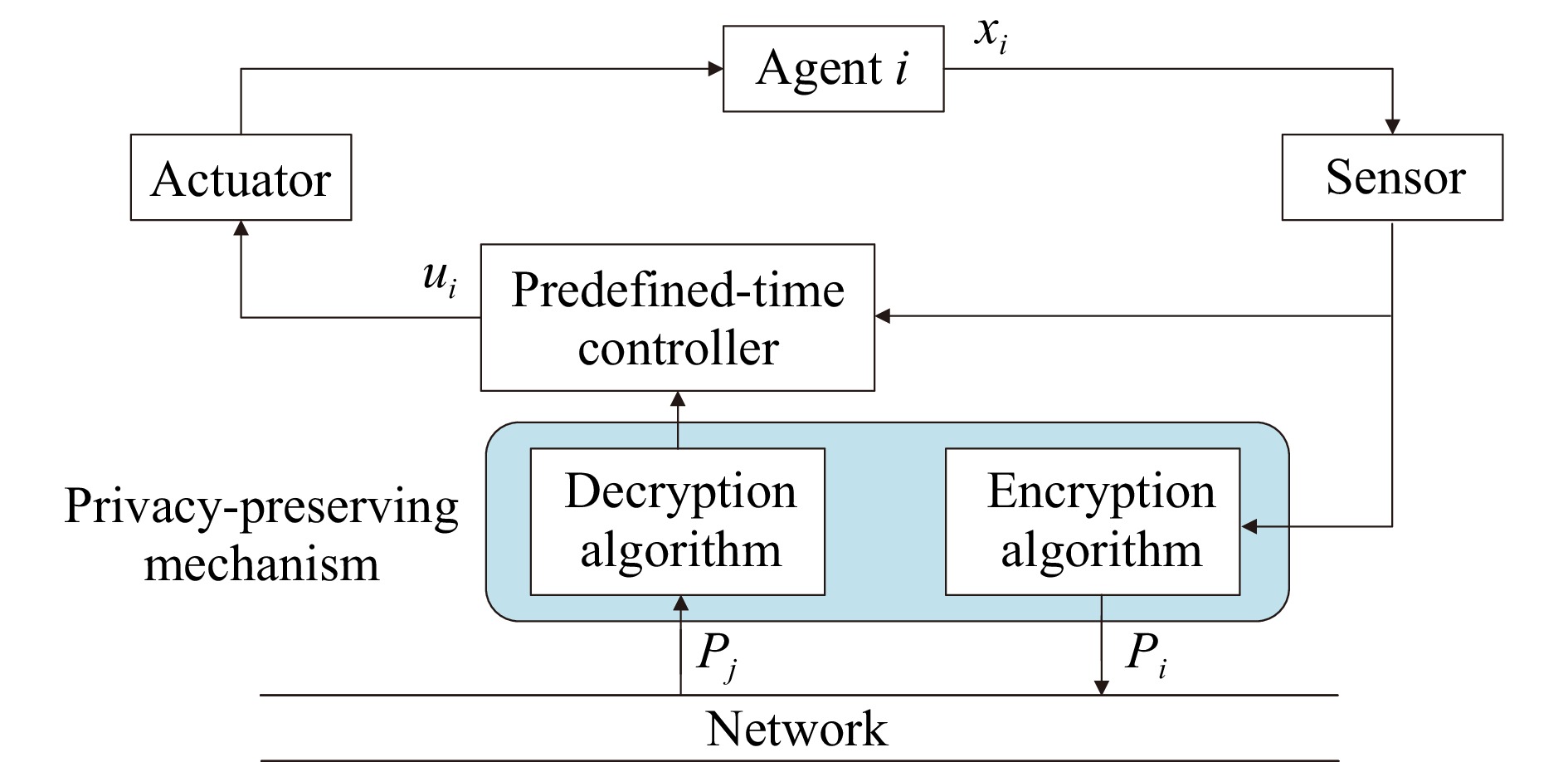
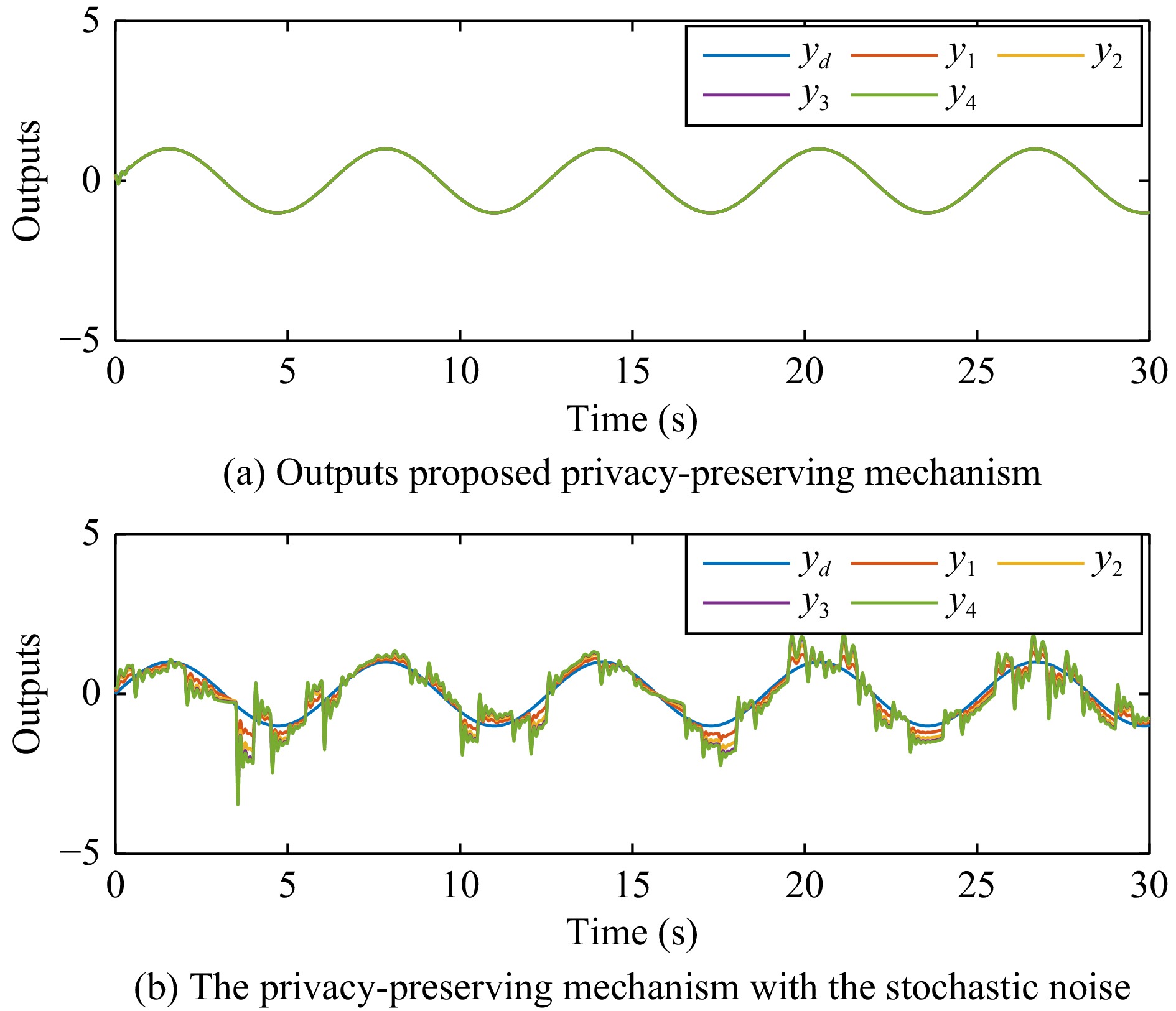
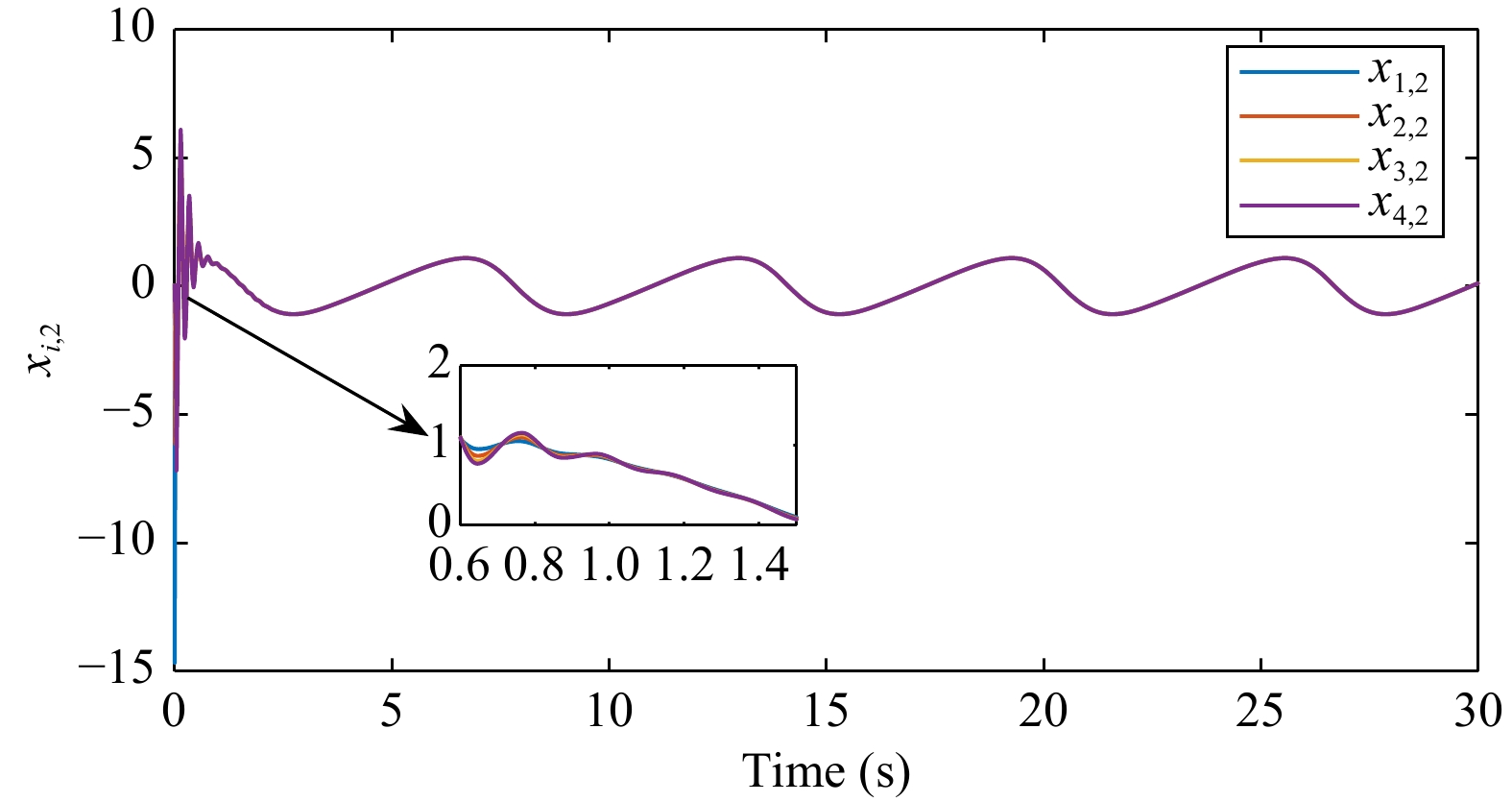
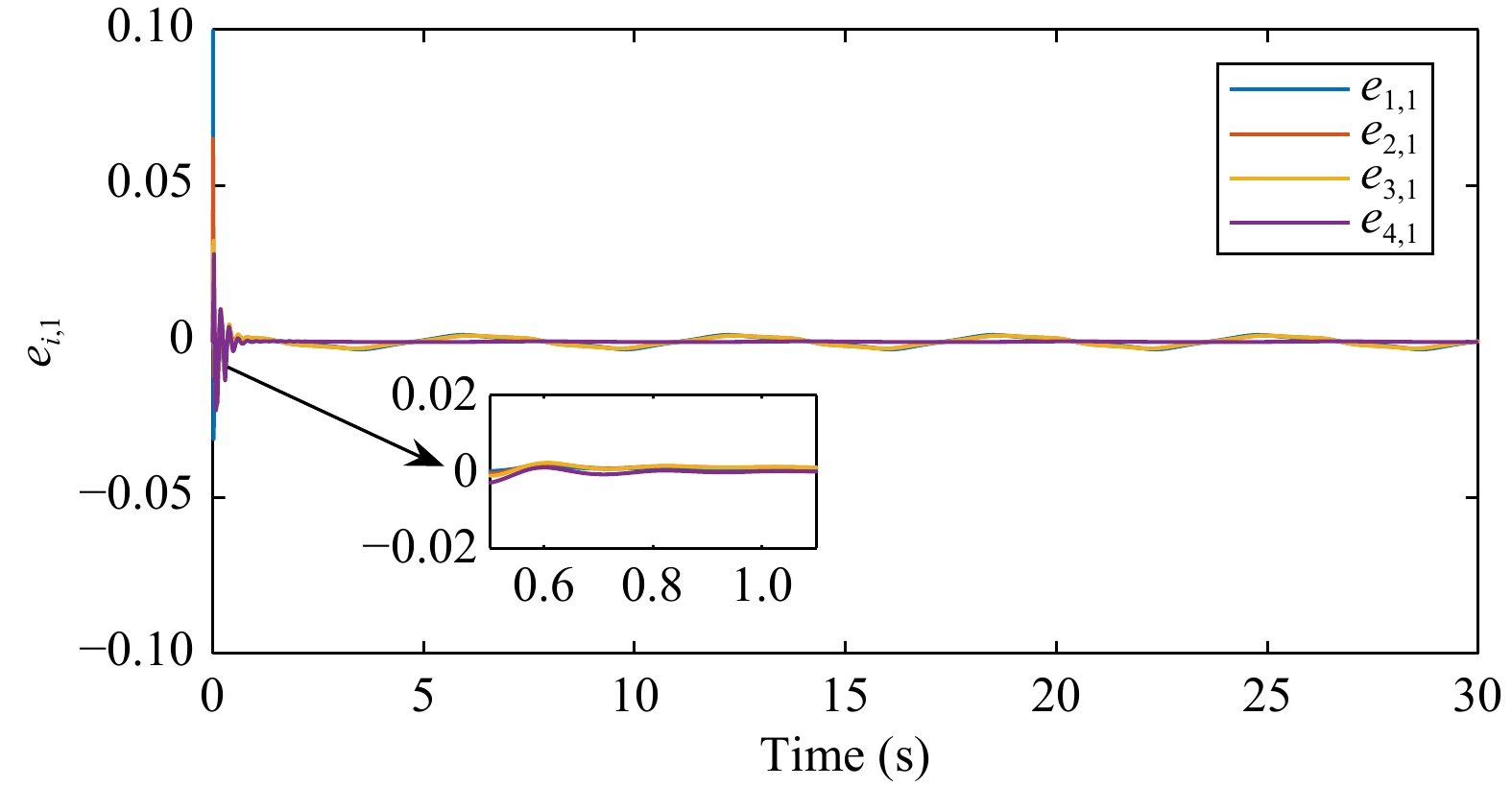
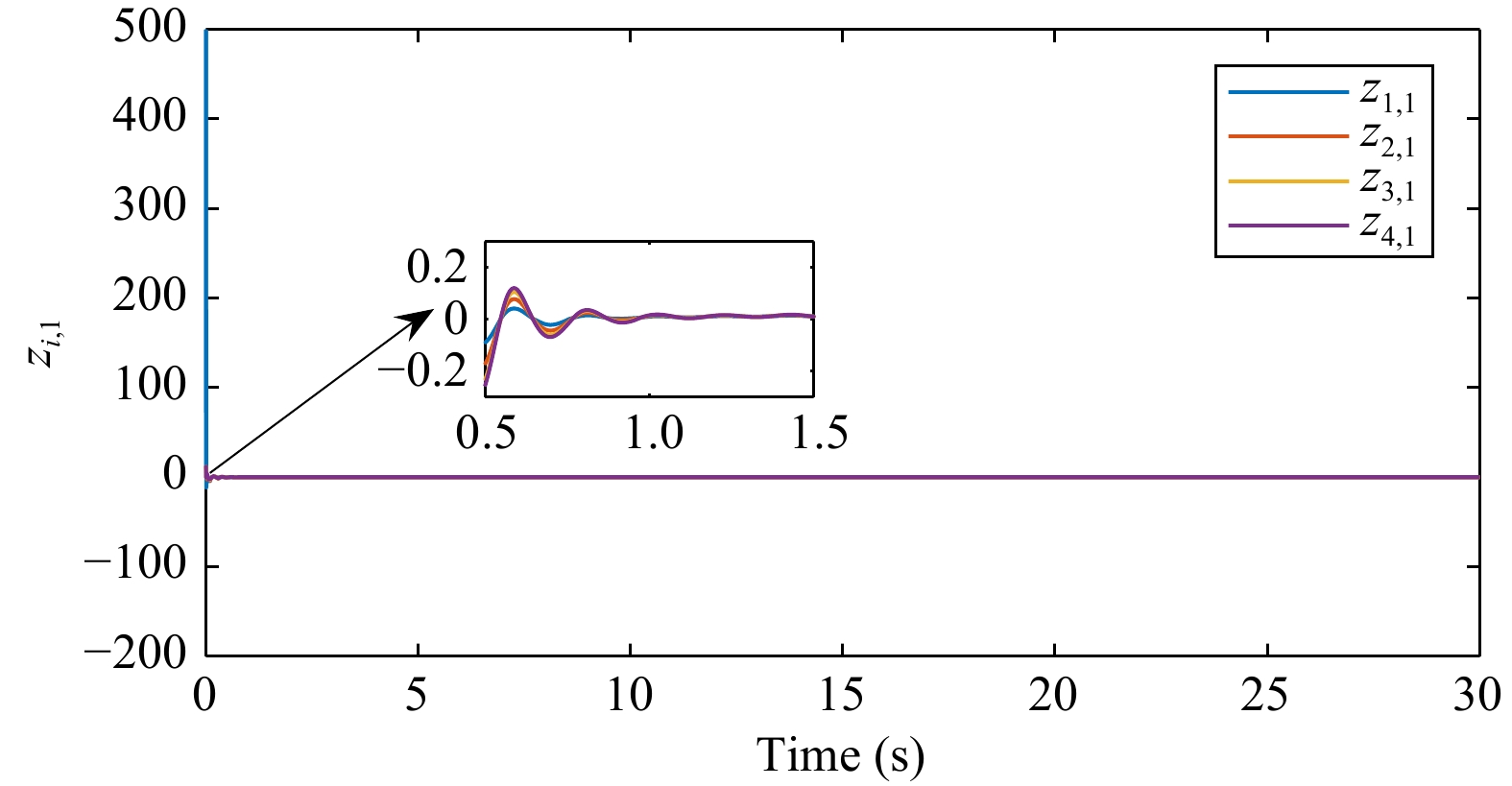
This paper focuses on the convergence-predefined problem for nonlinear multiagent systems with a privacy-preserving mechanism. Herein, a privacy-preserving mechanism based on the binary vector with the encryption-decryption algorithm is proposed and imposed on the system outputs to guarantee the security of the signal transmission, while realizing the predefined-time convergence of the original output. Moreover, by utilizing the locally known topological information of agents, a tanh-type command filter is designed to avoid the issues of the singularity and the discontinuity in the control signals and adaptive laws, and such command filter can also solve the complexity explosion problem of the backstepping technique. Based on the predefined-time stability theorem, the closed-loop system can be proved to be practical predefined-time stable and the tracking error can converge to a tunable neighborhood of zero. Finally, simulation results demonstrate the effectiveness of the proposed control scheme.
Uncertainty Explicit Learning: An Interval Generalized Neural Network With Adaptivity for Anomaly Identification Under Data Uncertainty
Sijia Wang, Kai Wang, Shumei Zhang, Chunhua Yang
2026, 13(8): 1865-1882. doi: 10.1109/JAS.2025.125939
Abstract(14) HTML (12) PDF(1)
Abstract:
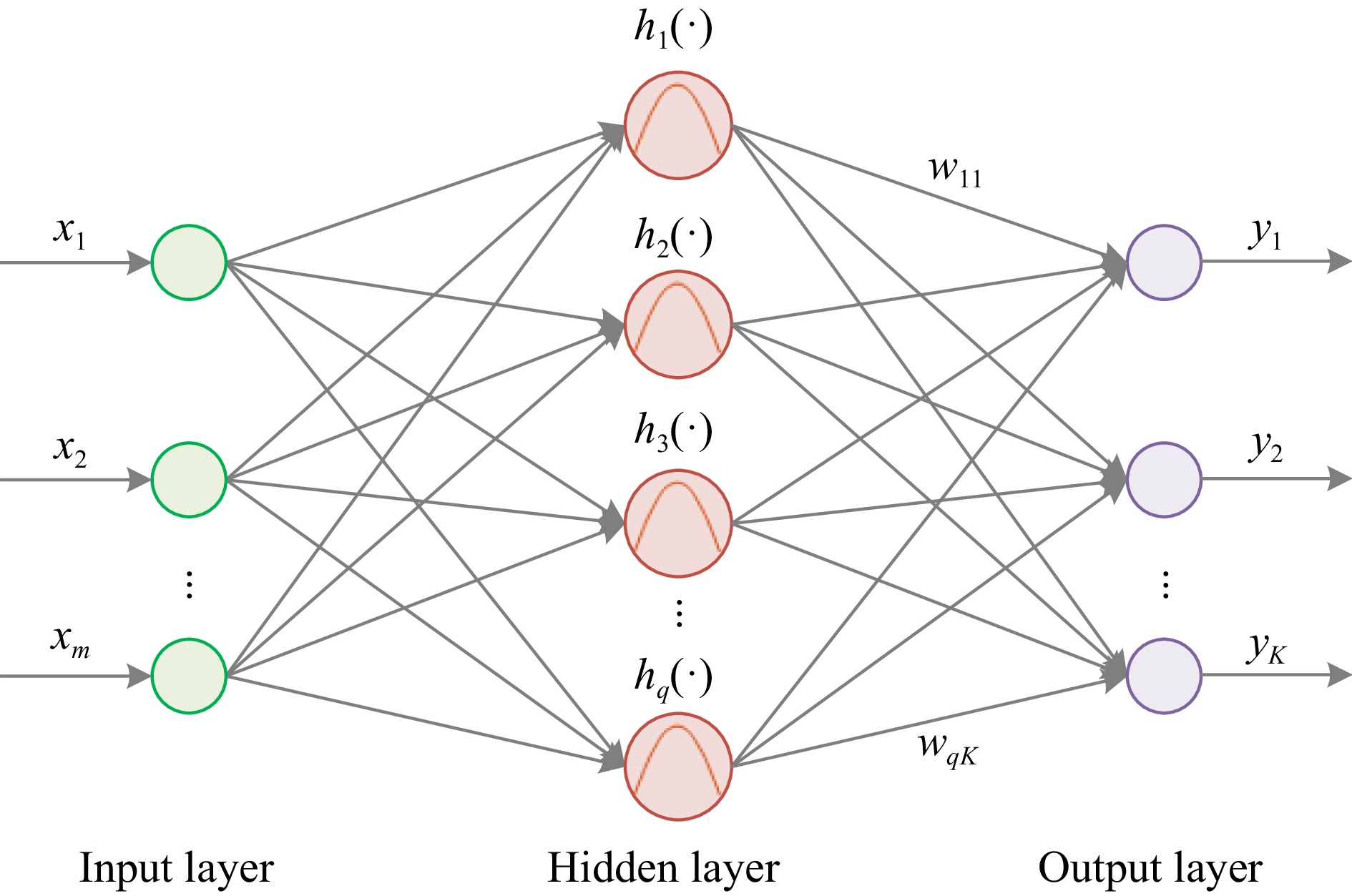
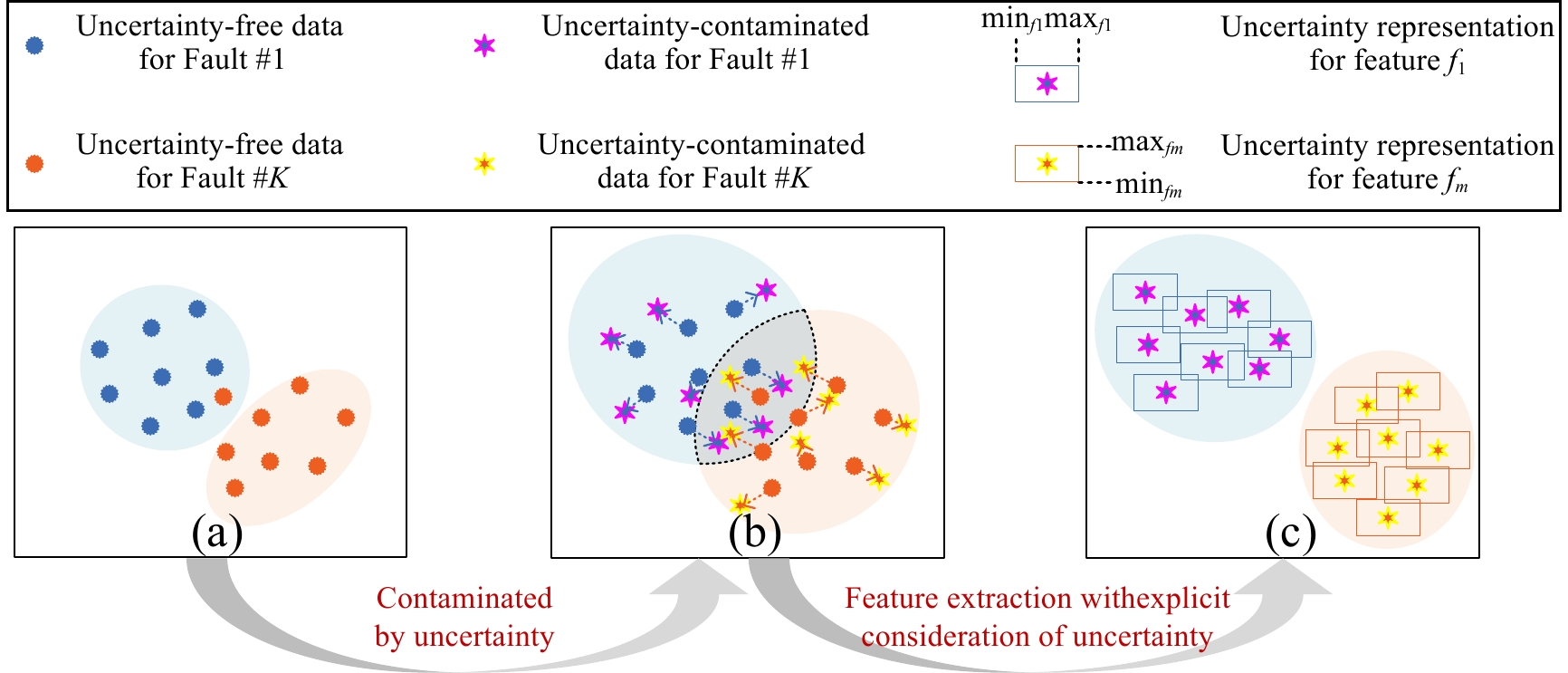
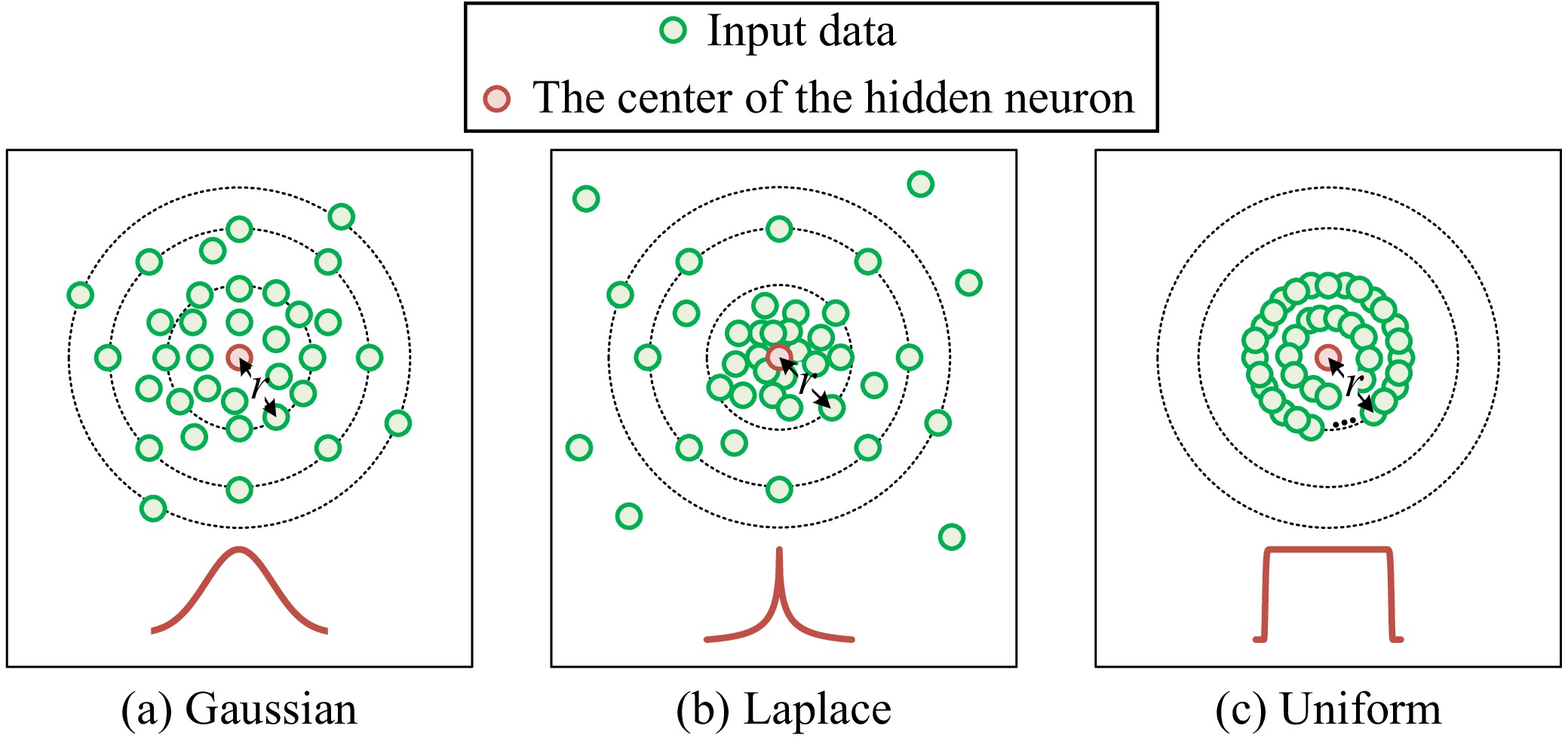
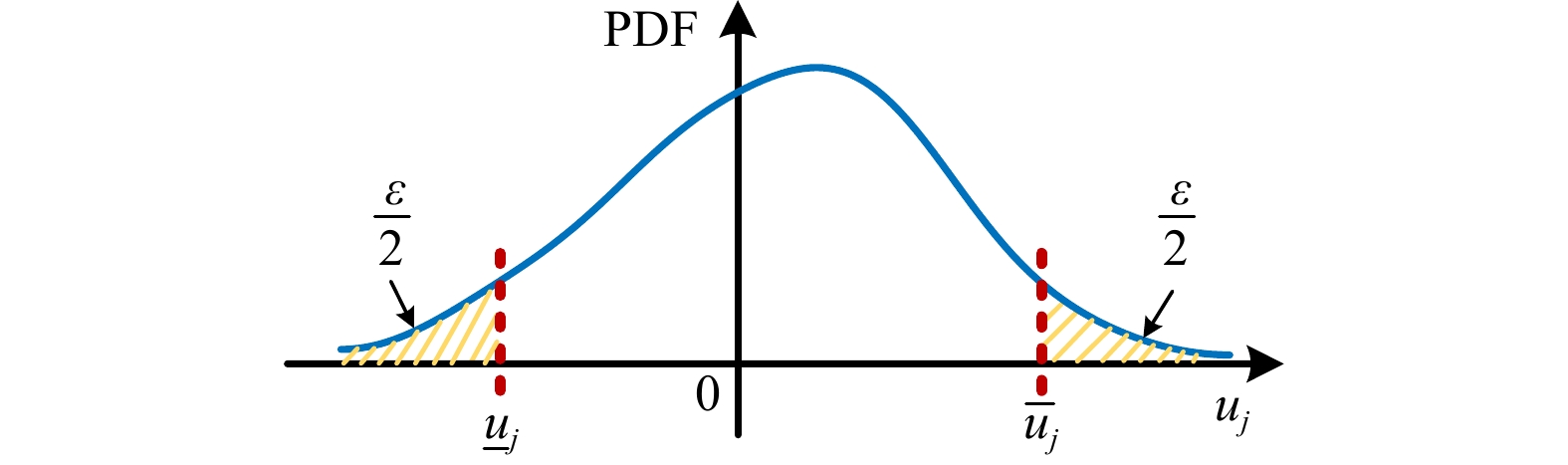
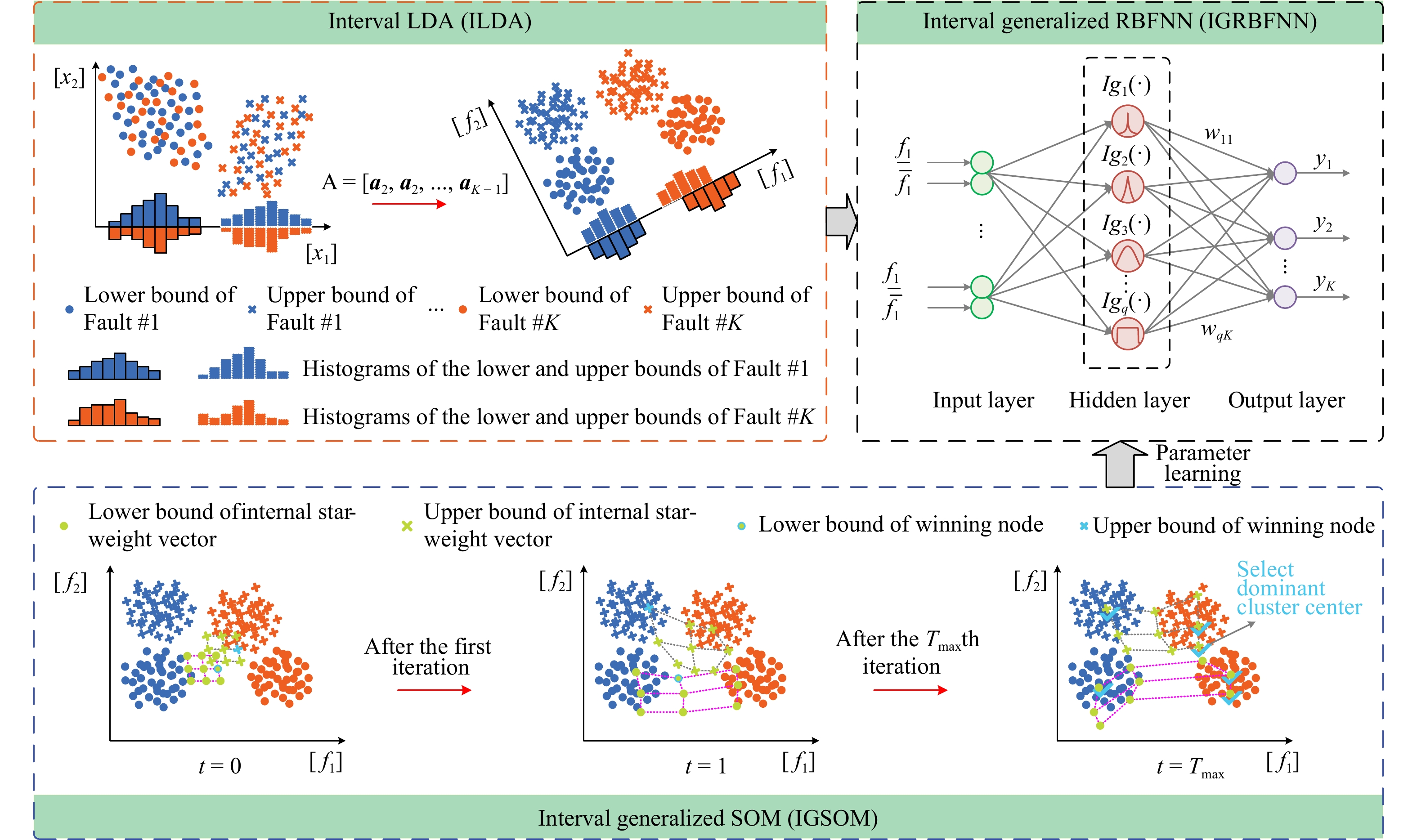
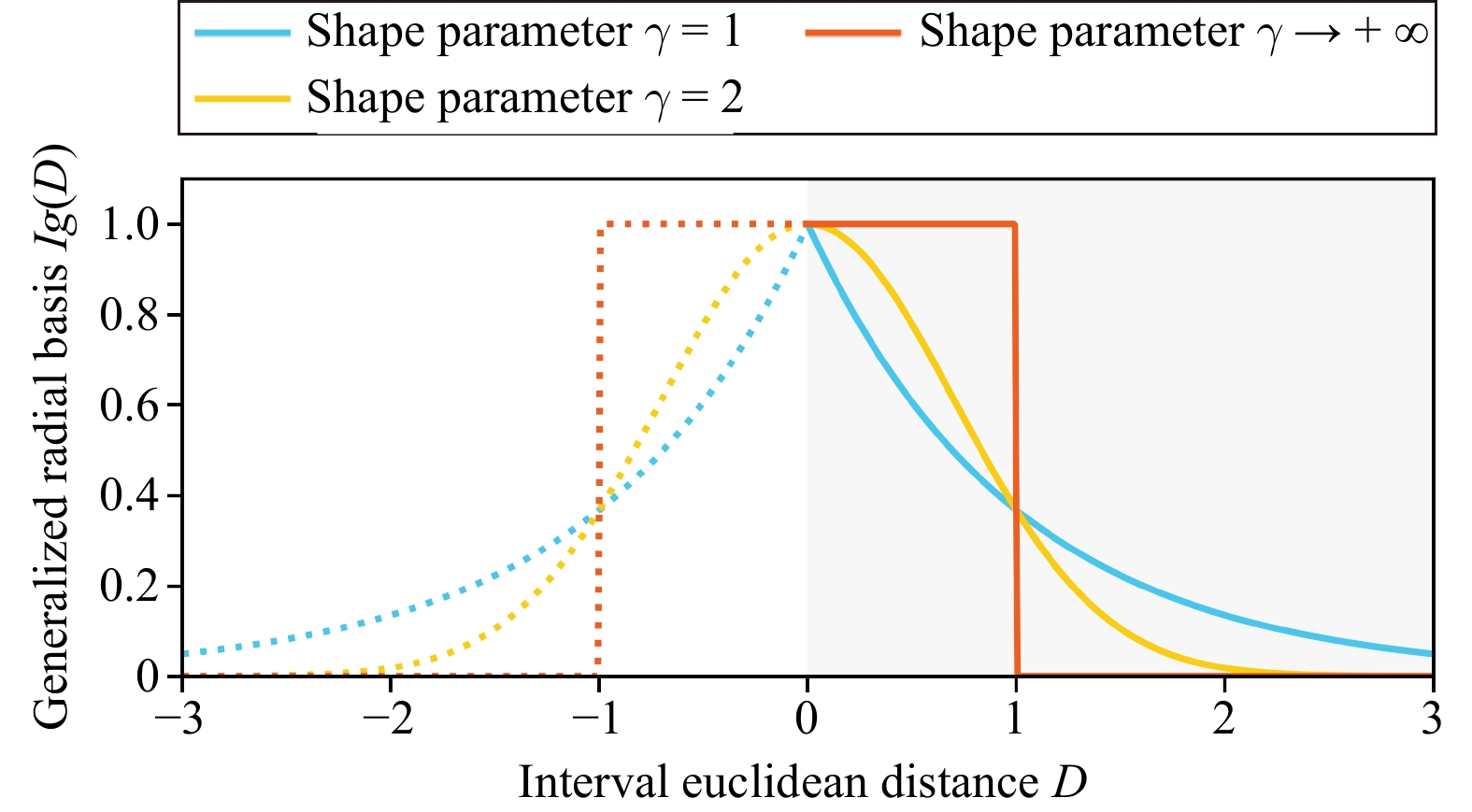
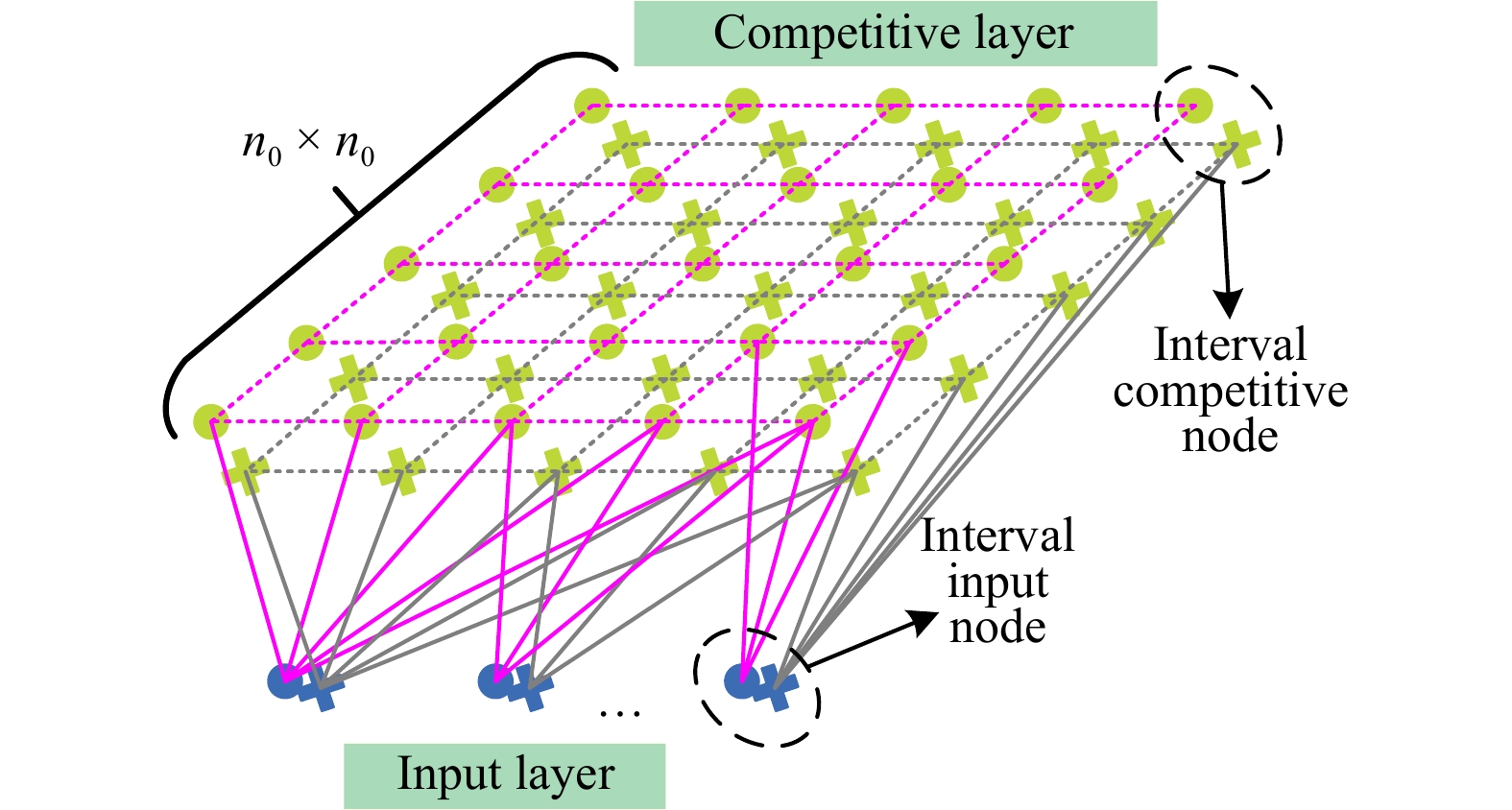
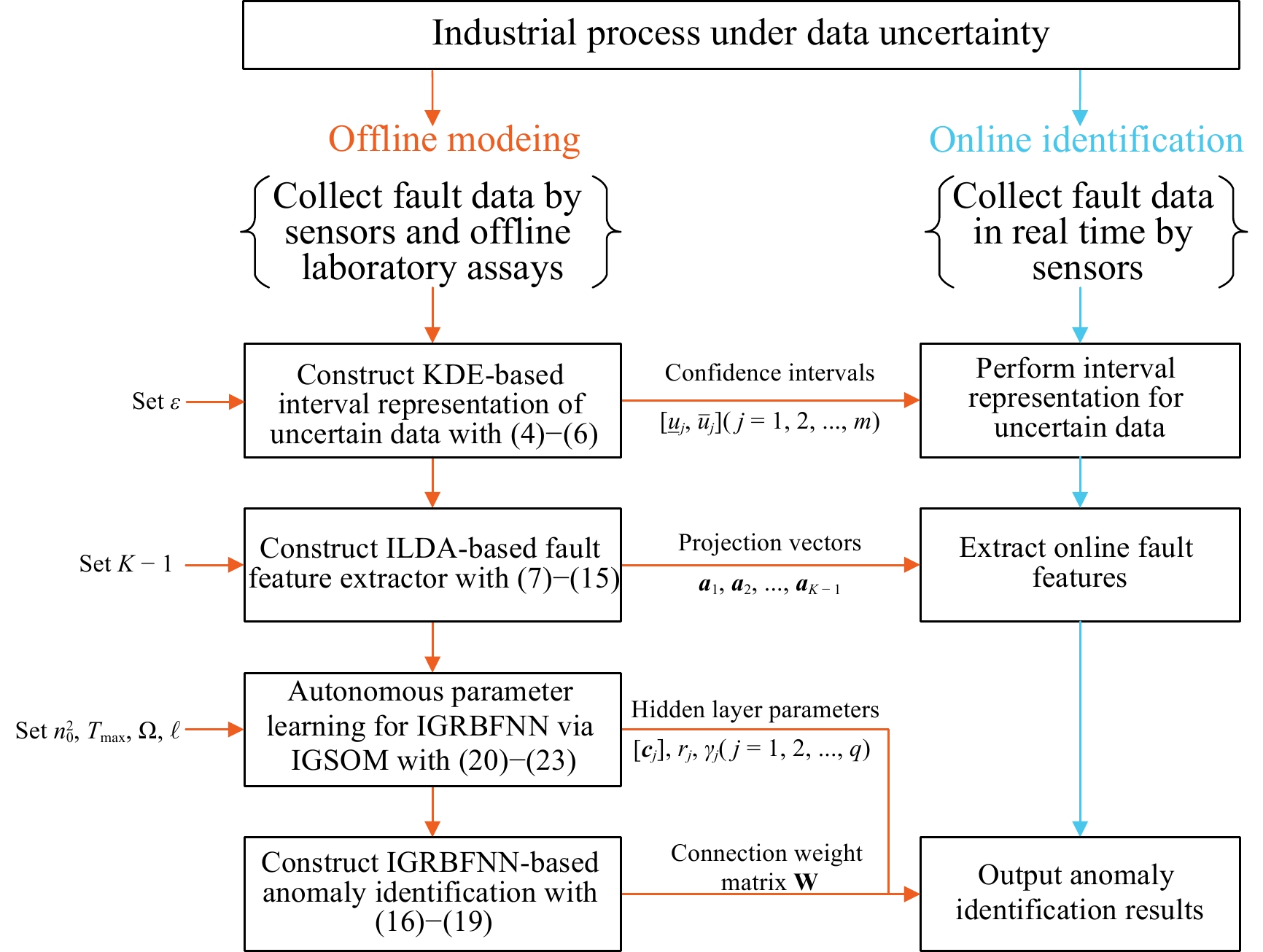
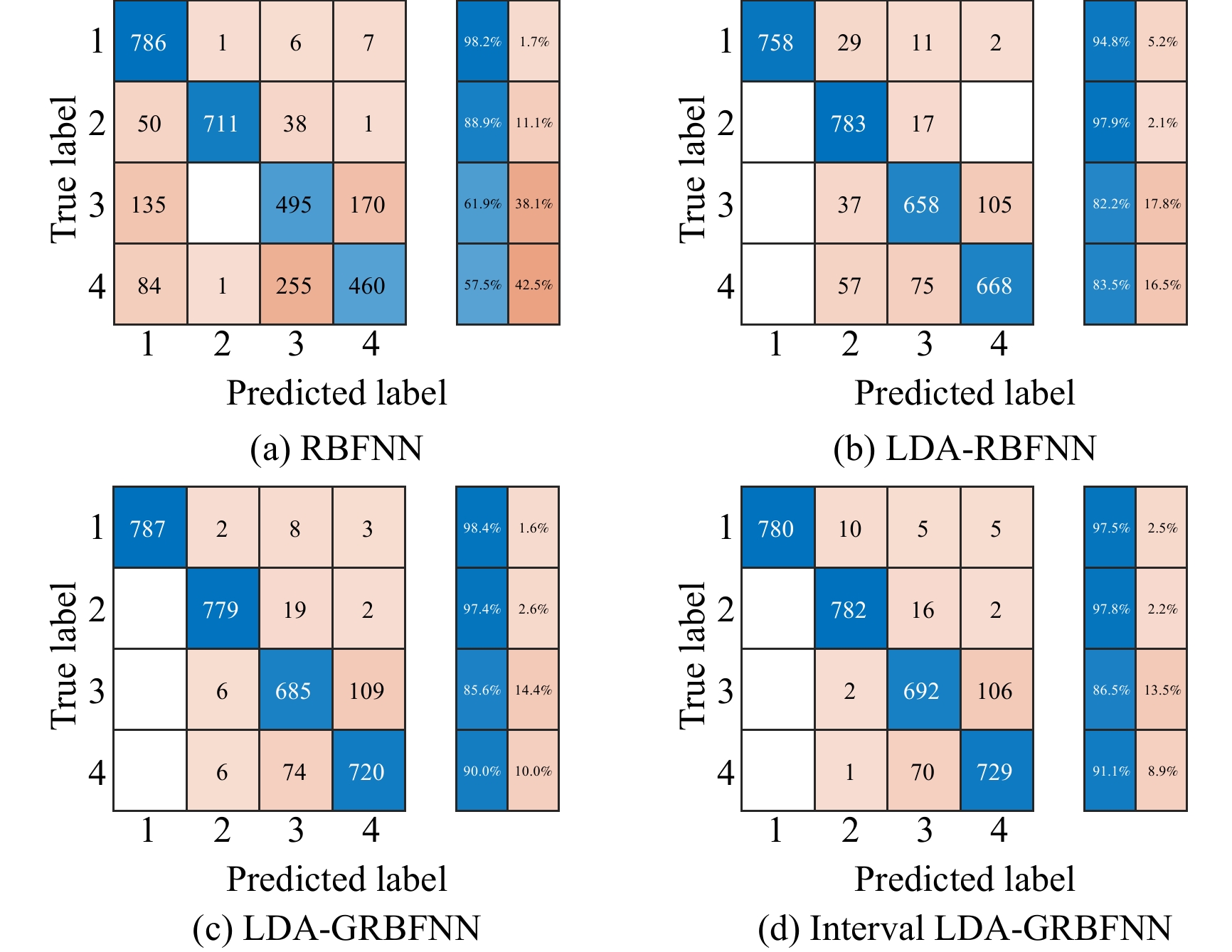
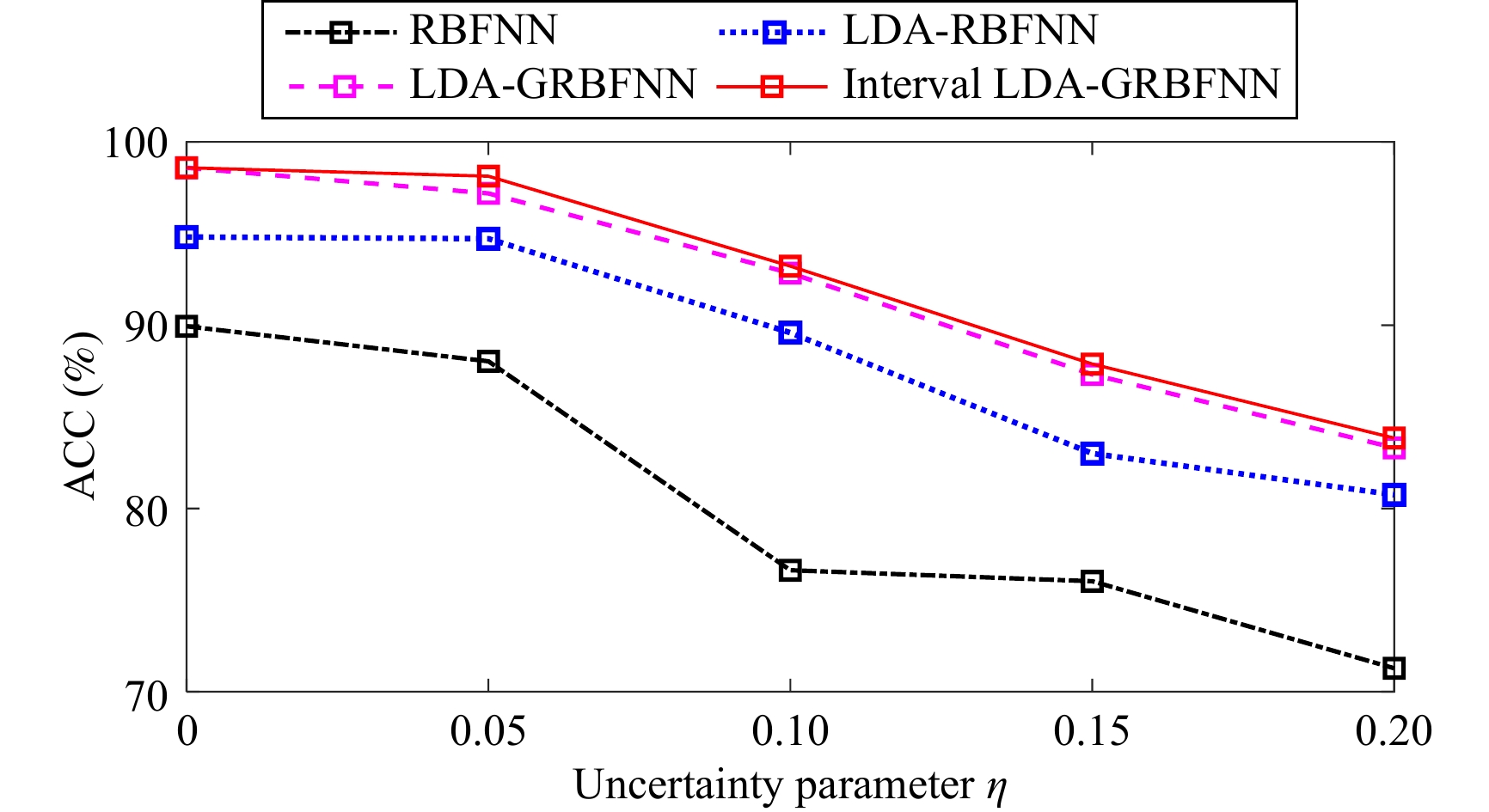
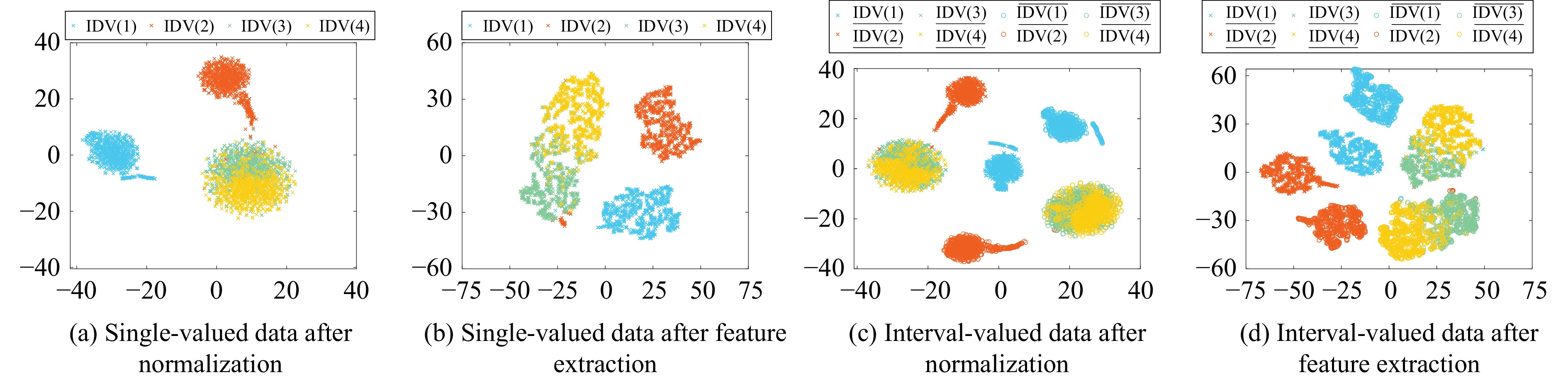
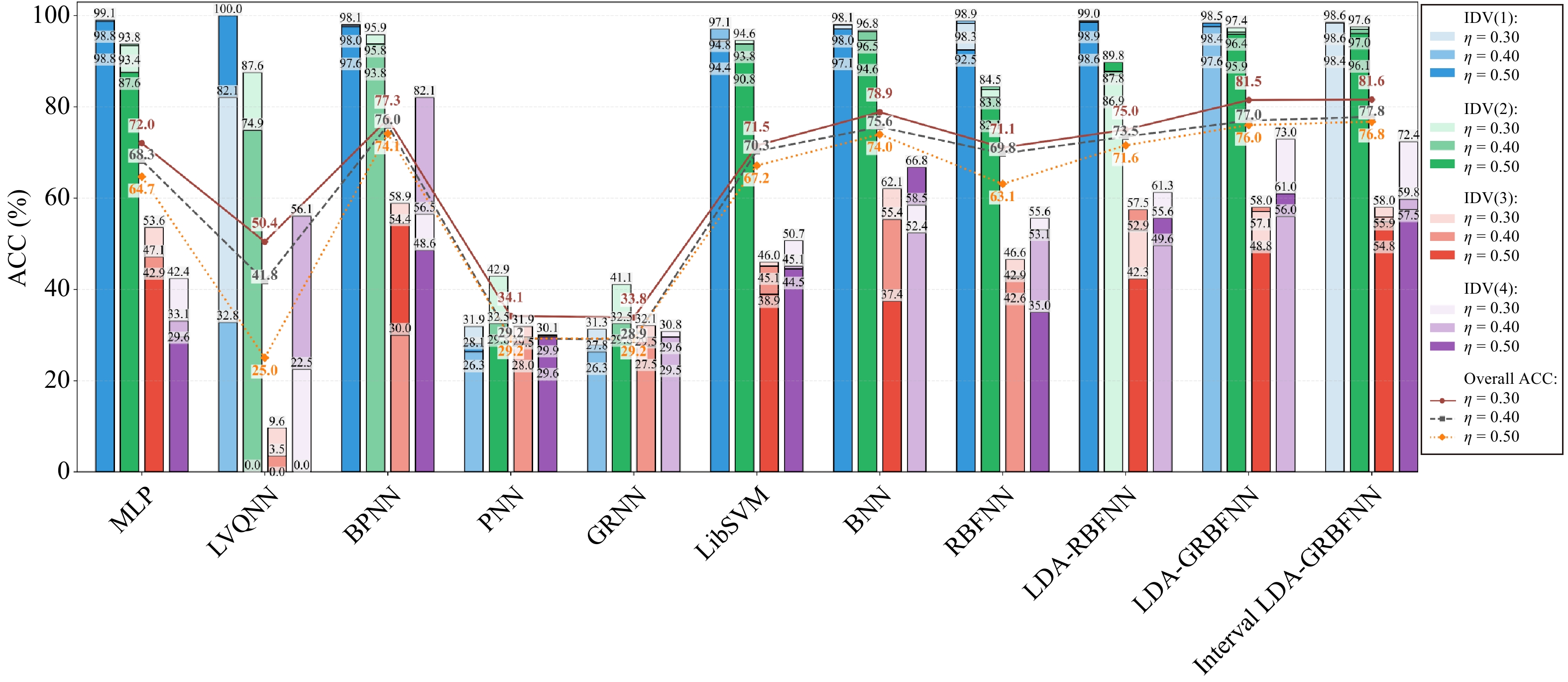
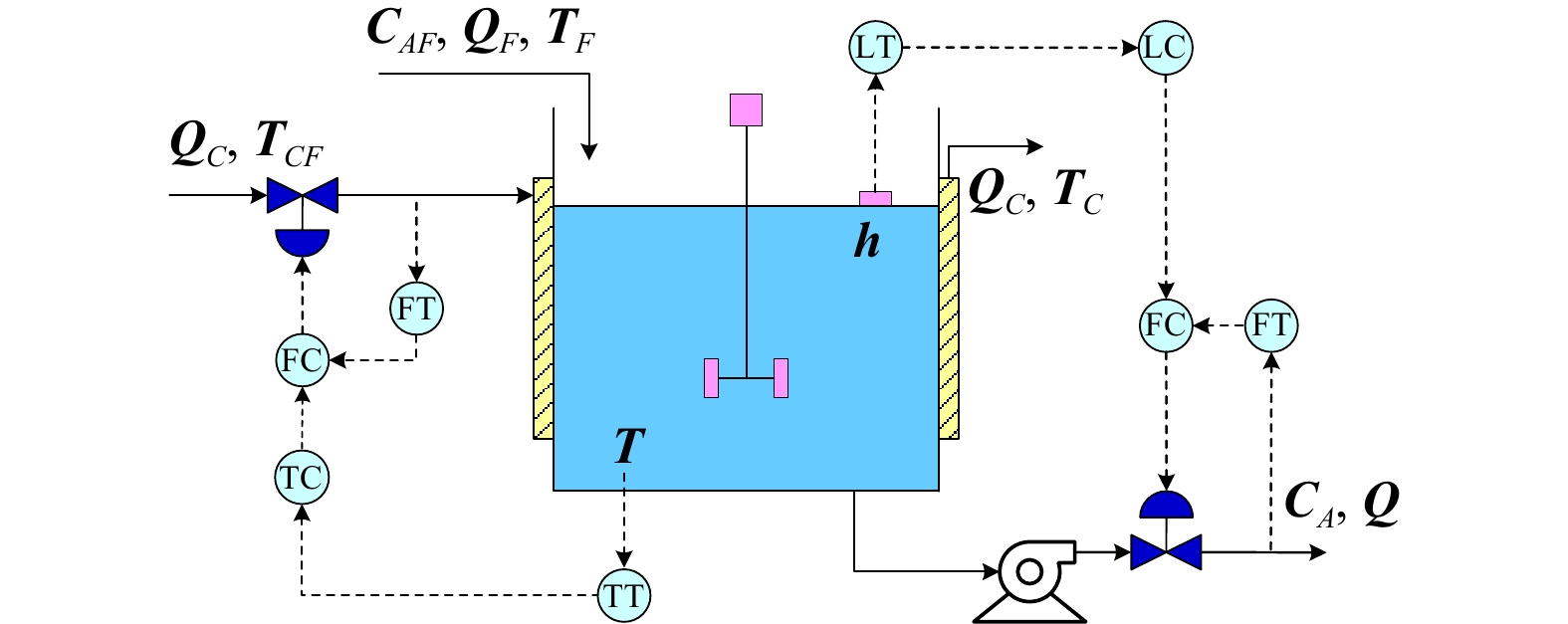
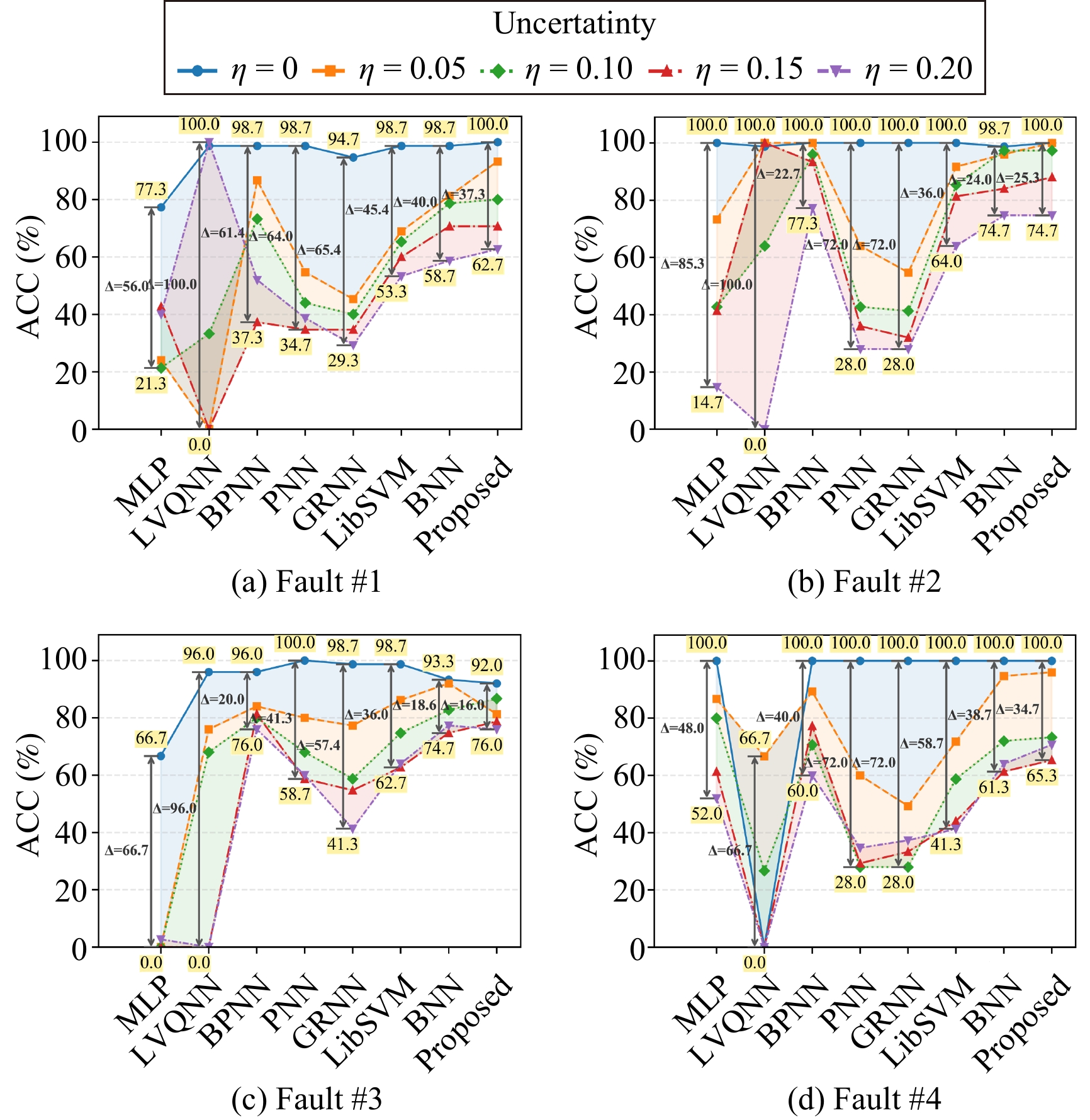
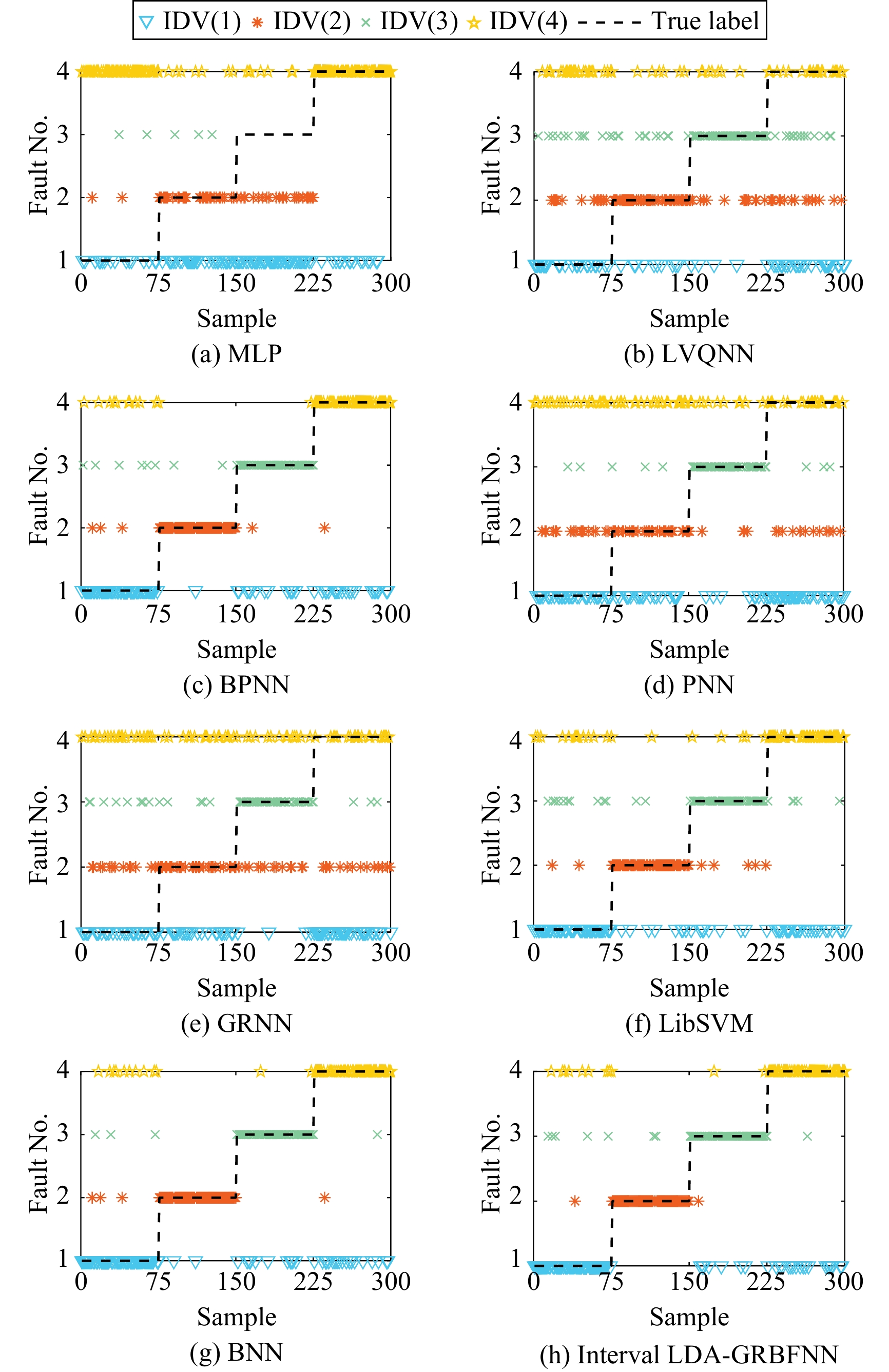
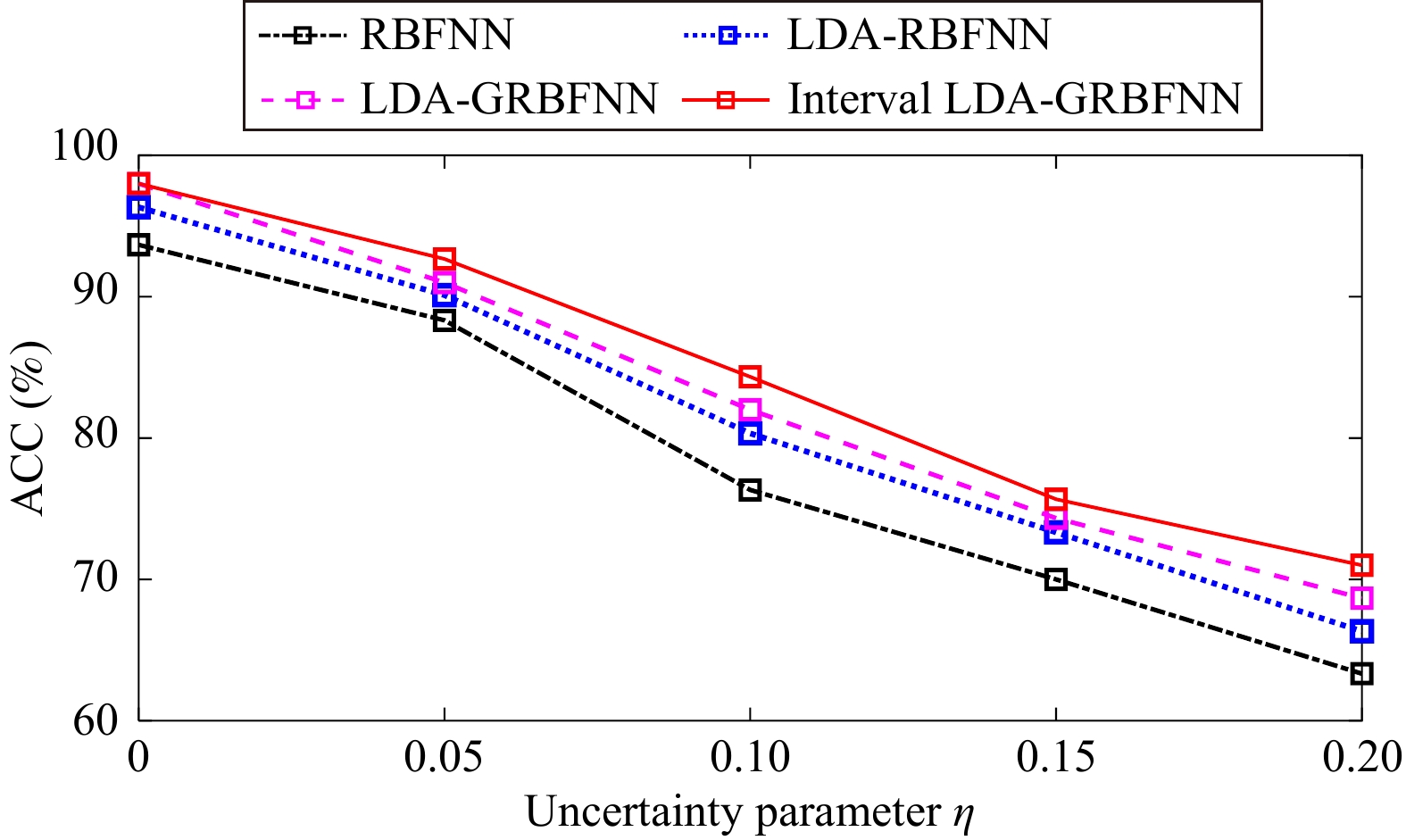
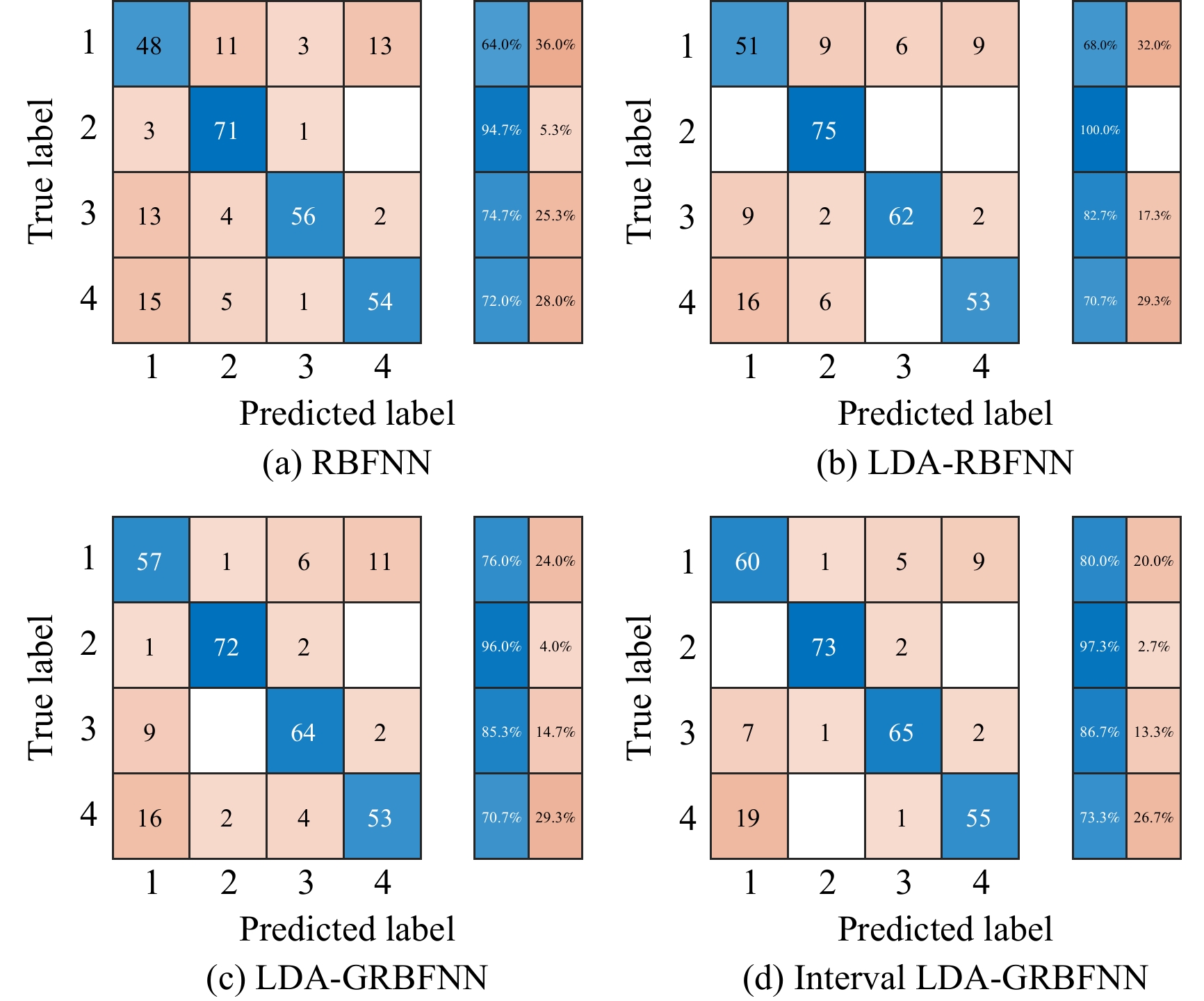
In real industrial processes, the collected process data often suffer from measurement uncertainty due to noise interference, sensor drift, and harsh operating environment. The existence of uncertainty may undermine the correlation structure of original data, resulting in the failure of traditional machine learning methods in anomaly identification. In this study, an interval generalized radial basis function neural network (IGRBFNN) based on key fault feature extraction is proposed for abnormal condition identification under data uncertainty. Specifically, kernel density estimation (KDE) is first introduced to explicitly characterize the uncertainty-contaminated data in interval form. For interval process data, an interval linear discriminant analysis (ILDA) method is developed to maximize the projection distance between different fault categories and minimize the projection distance within the same fault category, thus achieving key fault feature extraction under the mask of uncertainty. Subsequently, by embedding a generalized Gaussian function with adaptive characteristics and combining the mathematical theory of interval analysis, an IGRBFNN model is further constructed to enhance the generalization ability of traditional neural networks. Finally, motivated by autonomous clustering, an interval generalized self-organizing map (IGSOM) network is developed to intelligently learn the model parameters of IGRBFNN. Extensive experiments on two cases demonstrate the flexibility and applicability of the constructed anomaly identification model.
Brain-Inspired GNSS Spoofing Attack Cognition Using Spiking Neural Network for Train Positioning
Si-Qi Wang, Jiang Liu, Bai-Gen Cai, Jian Wang, De-Biao Lu, Wei Jiang
2026, 13(8): 1883-1903. doi: 10.1109/JAS.2025.125903
Abstract(13) HTML (12) PDF(0)
Abstract:
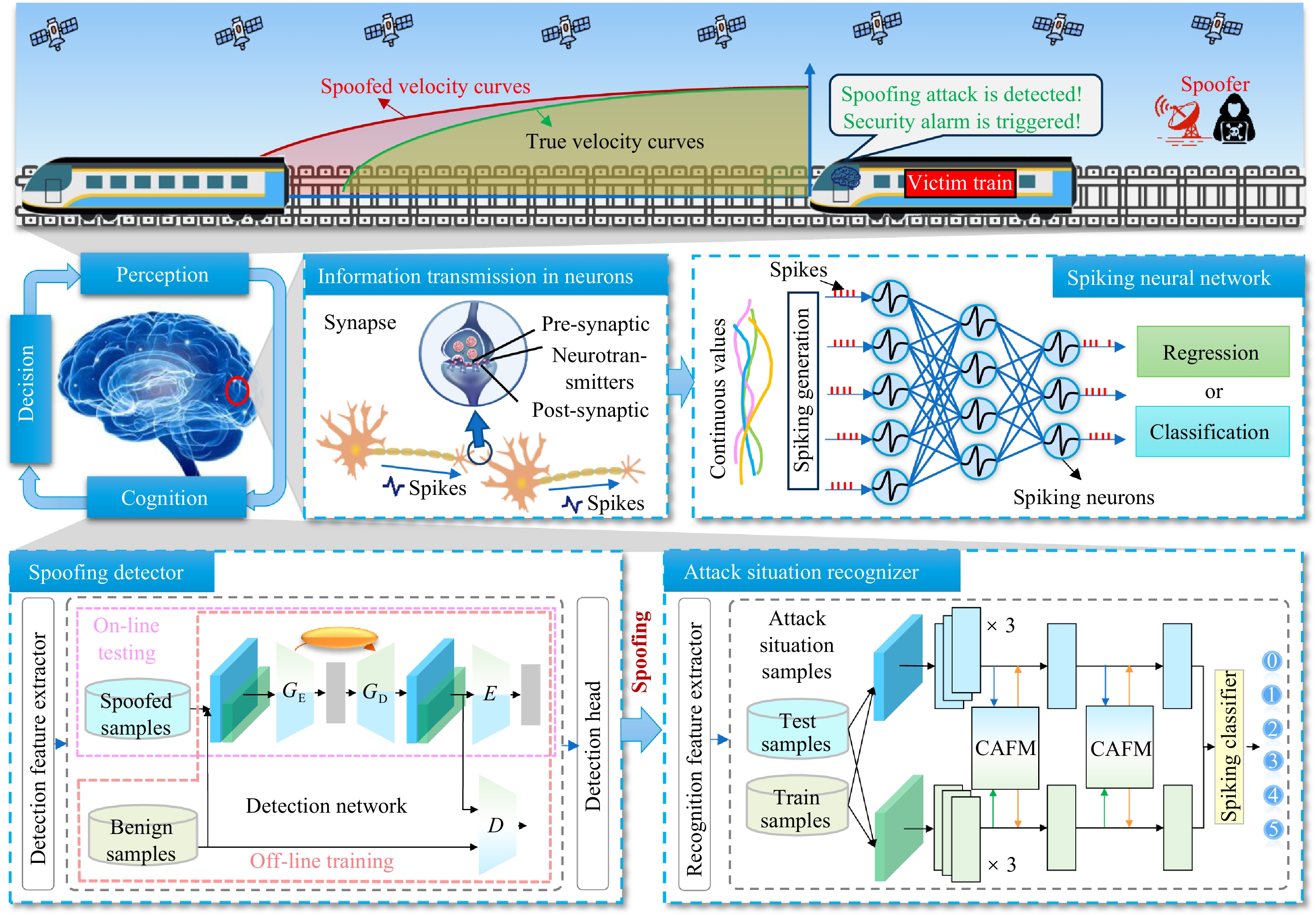
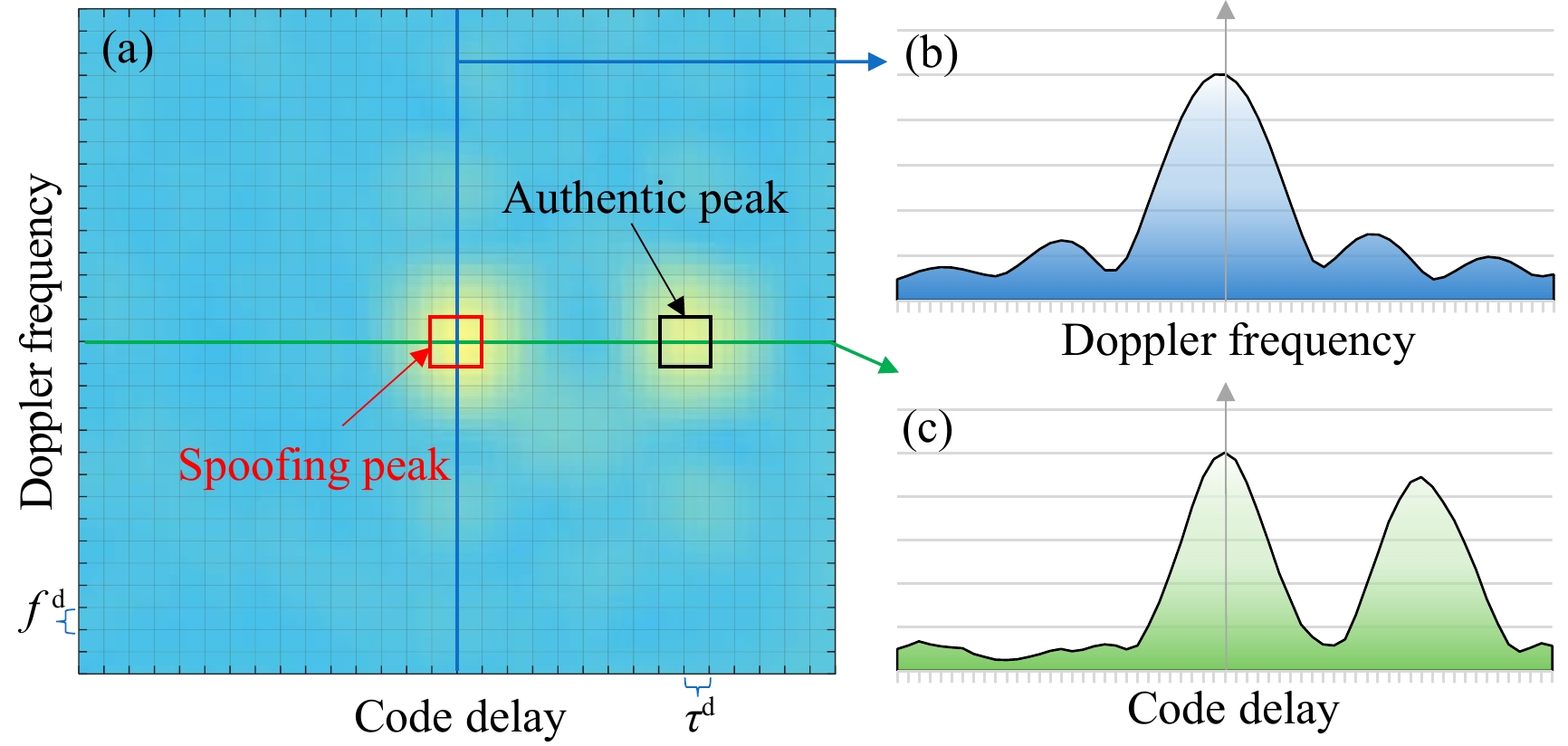
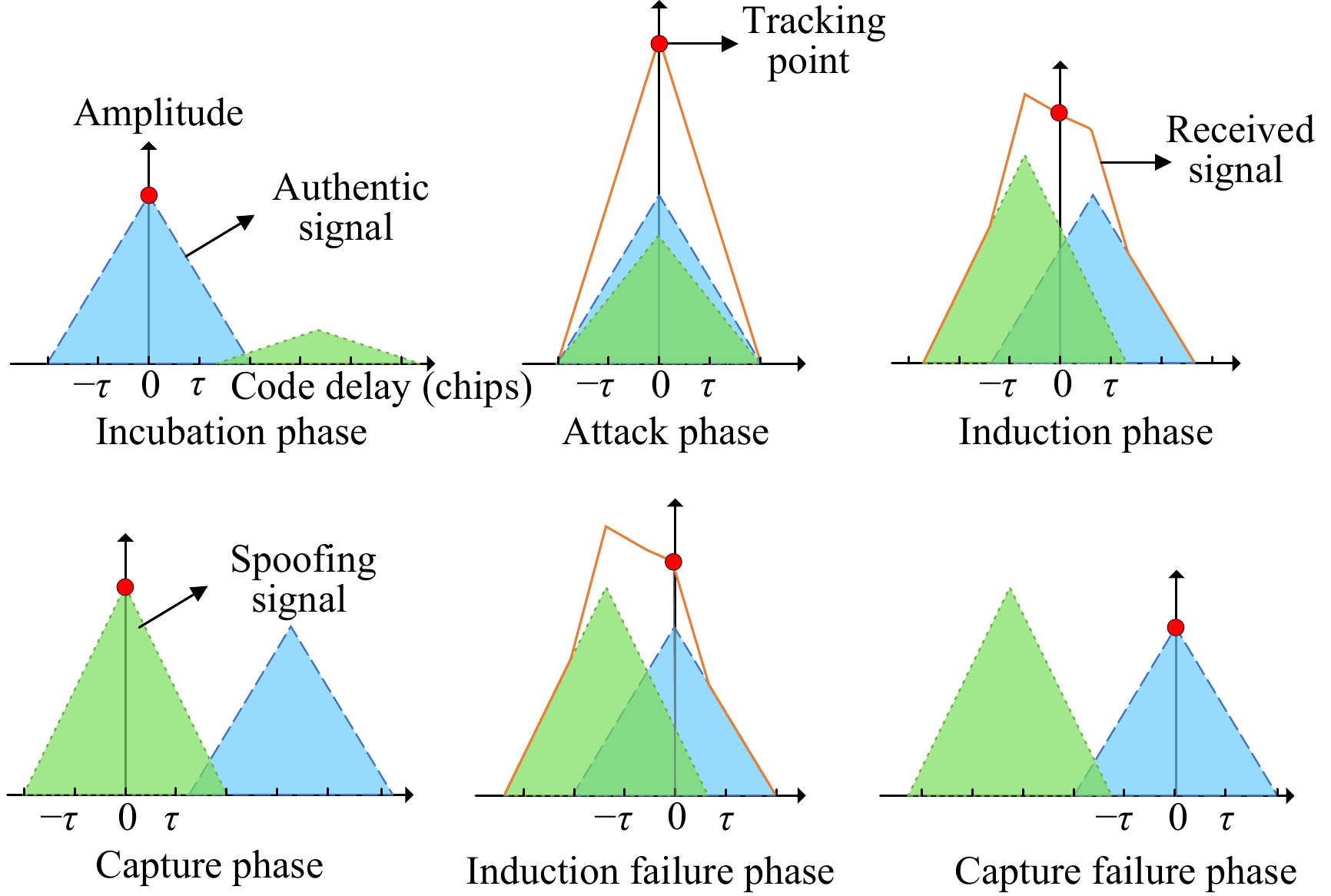
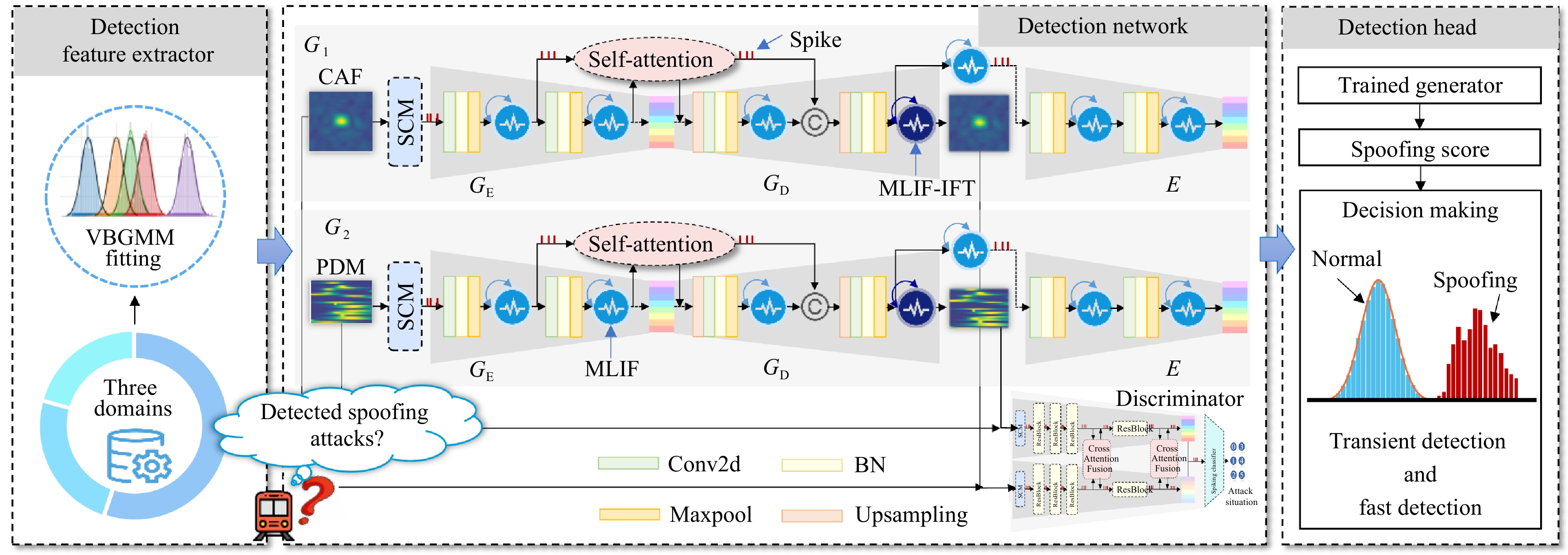
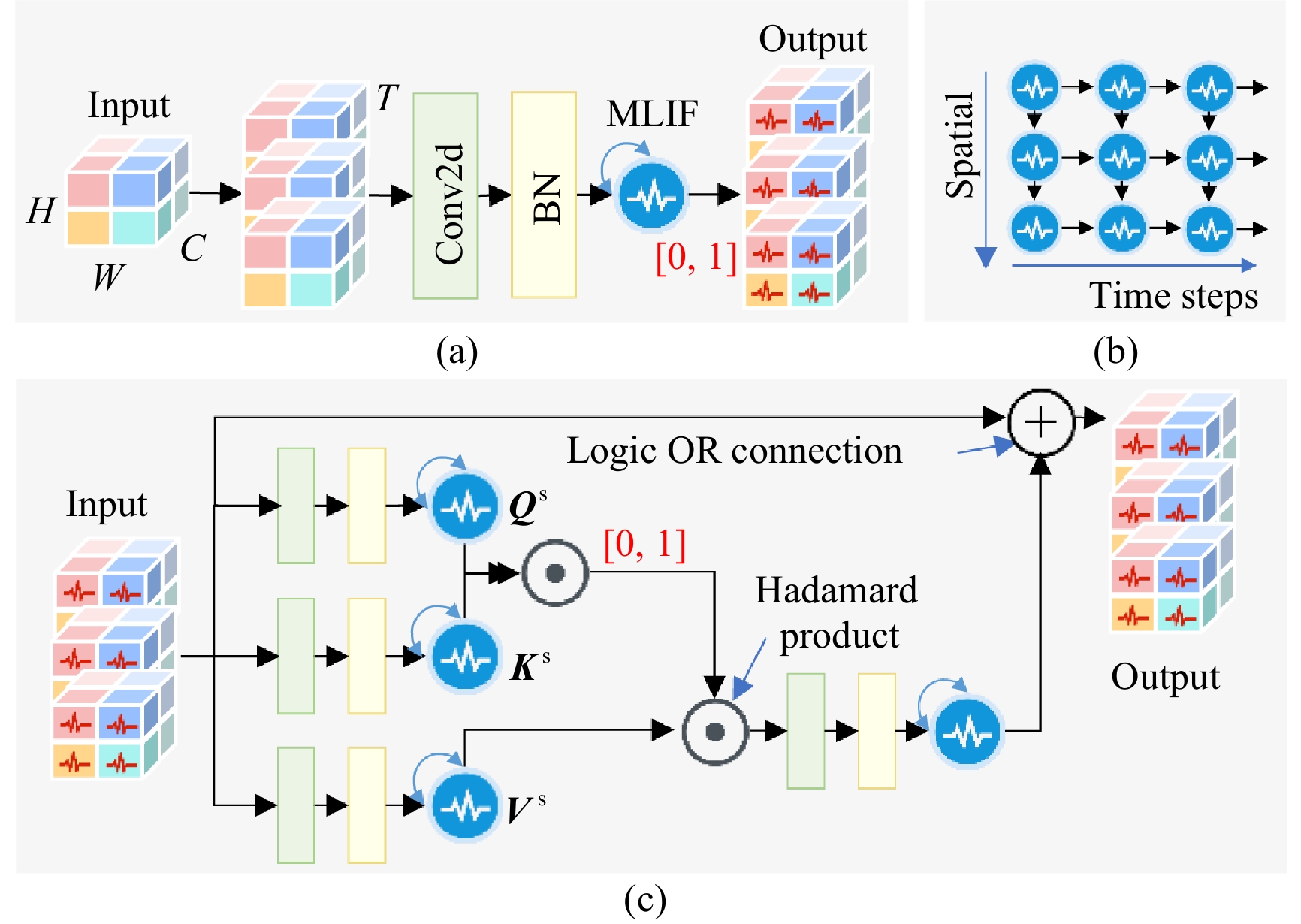
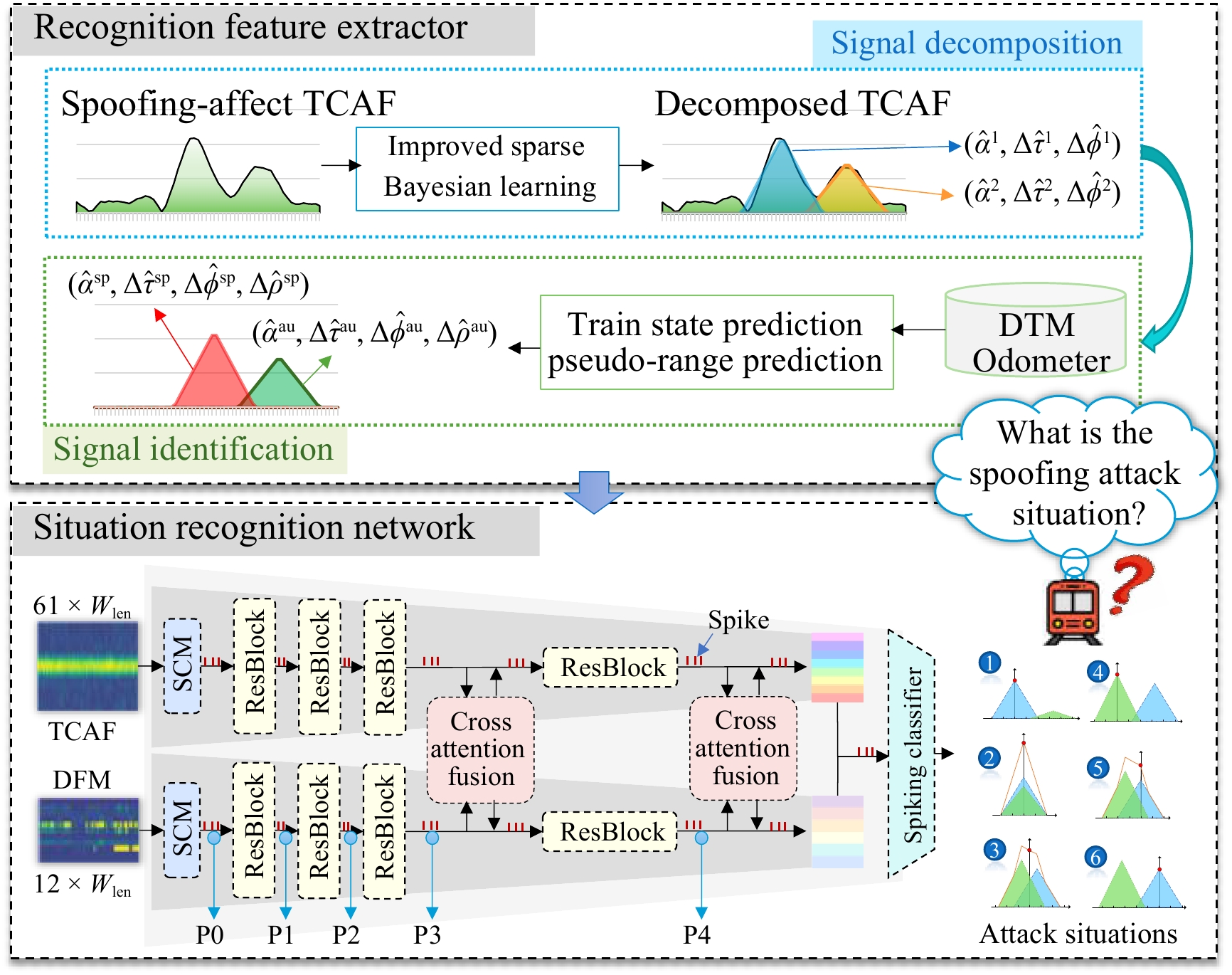
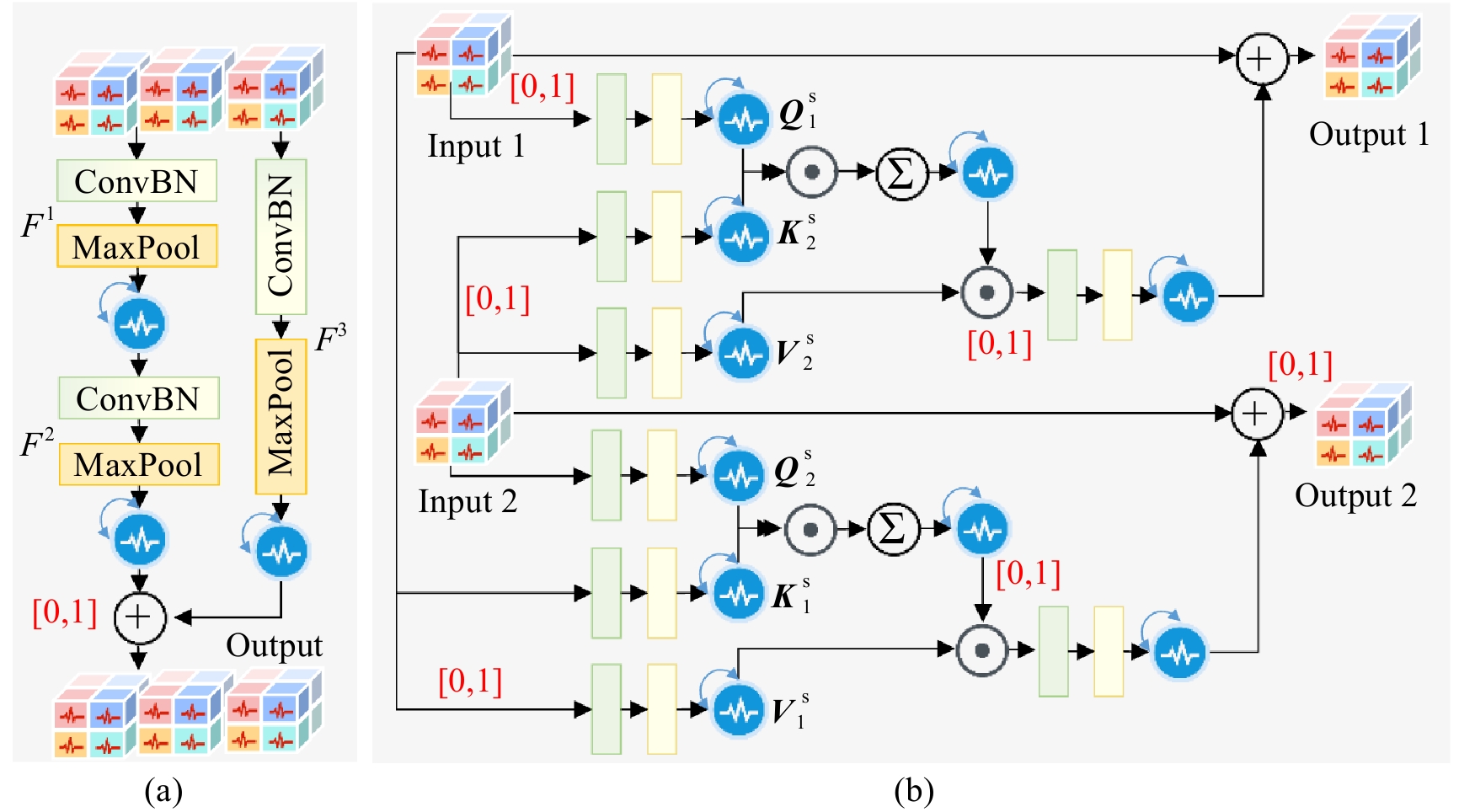
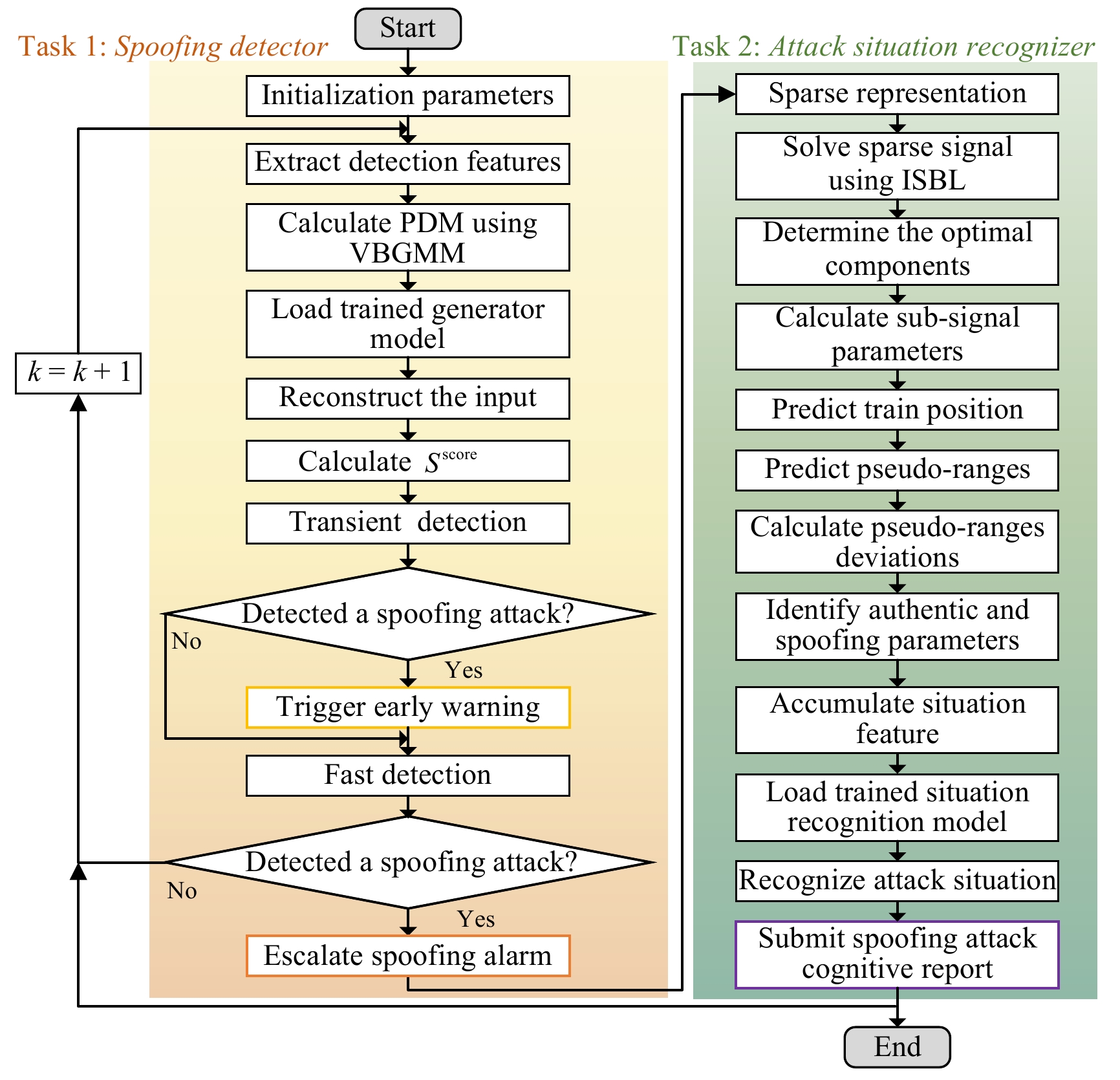
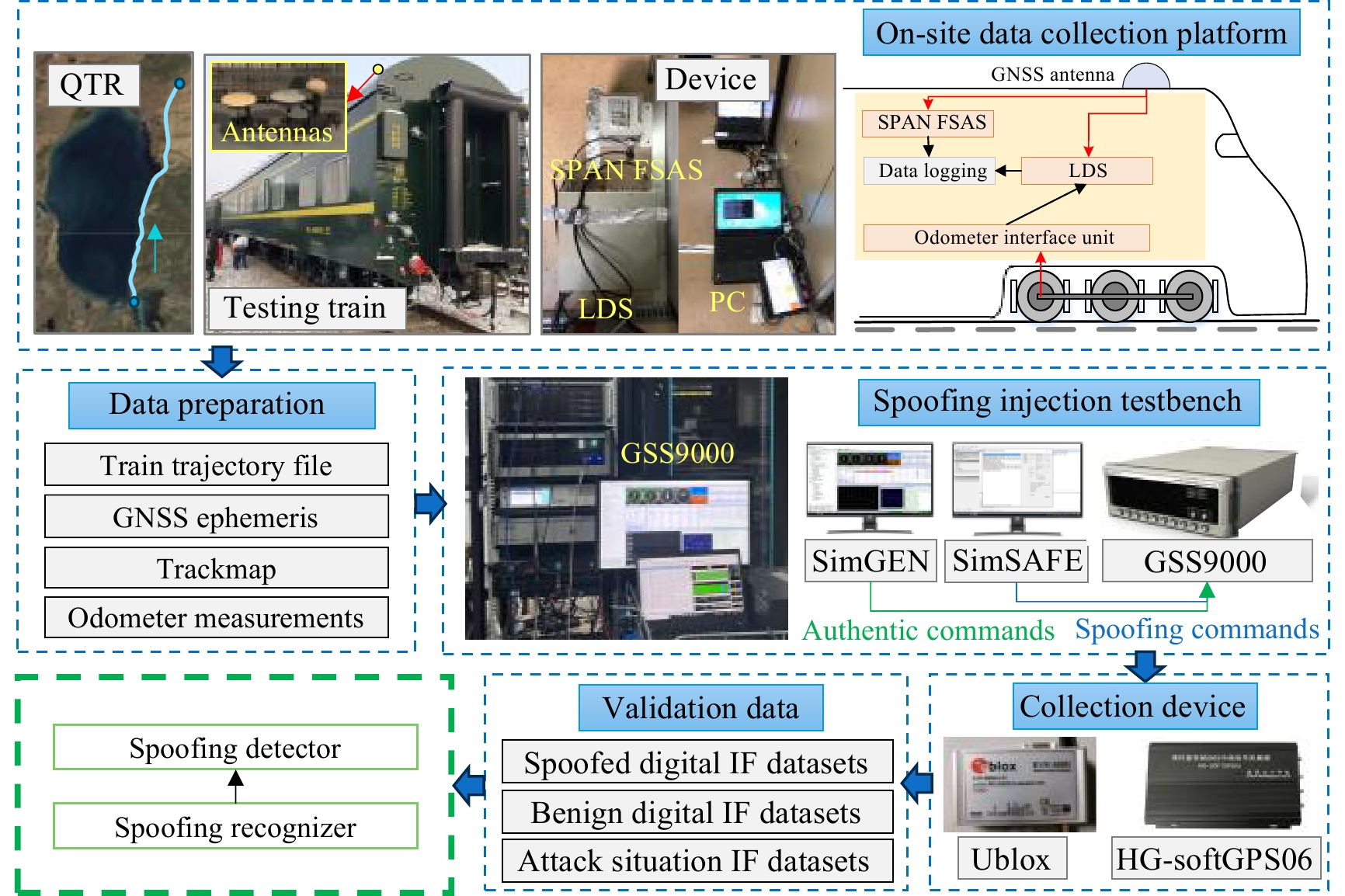
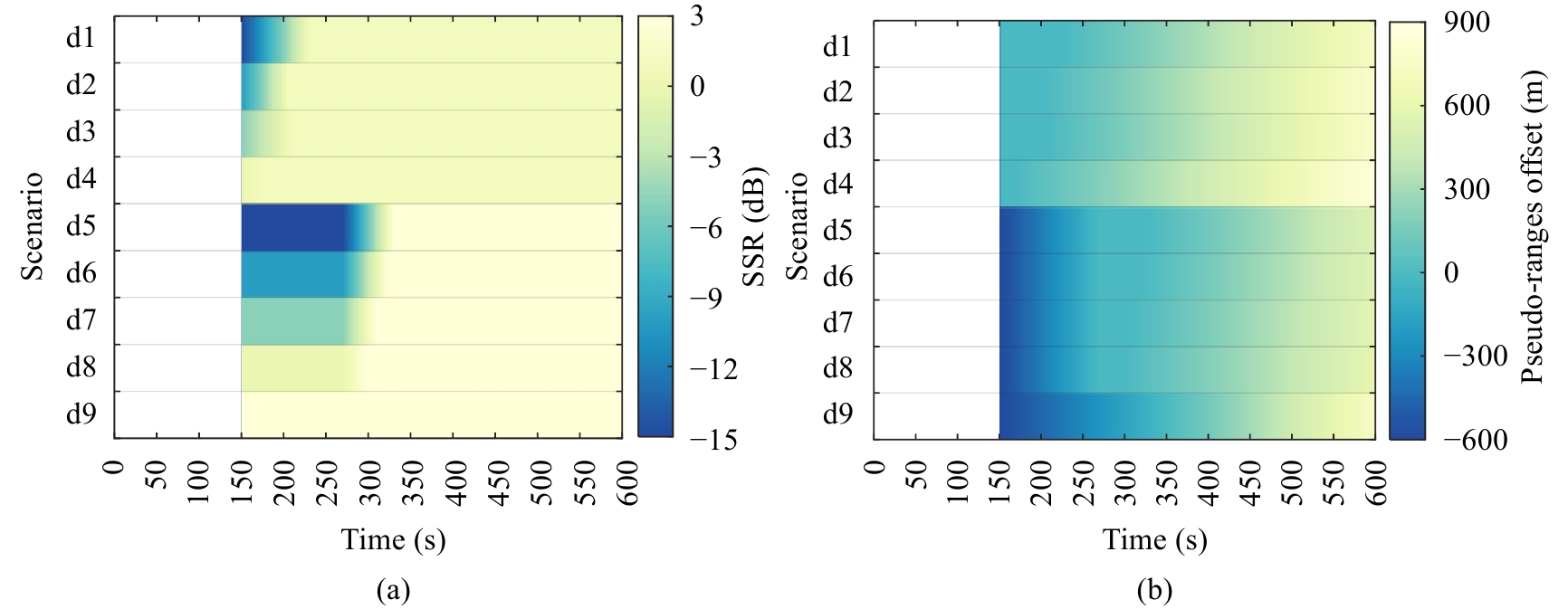
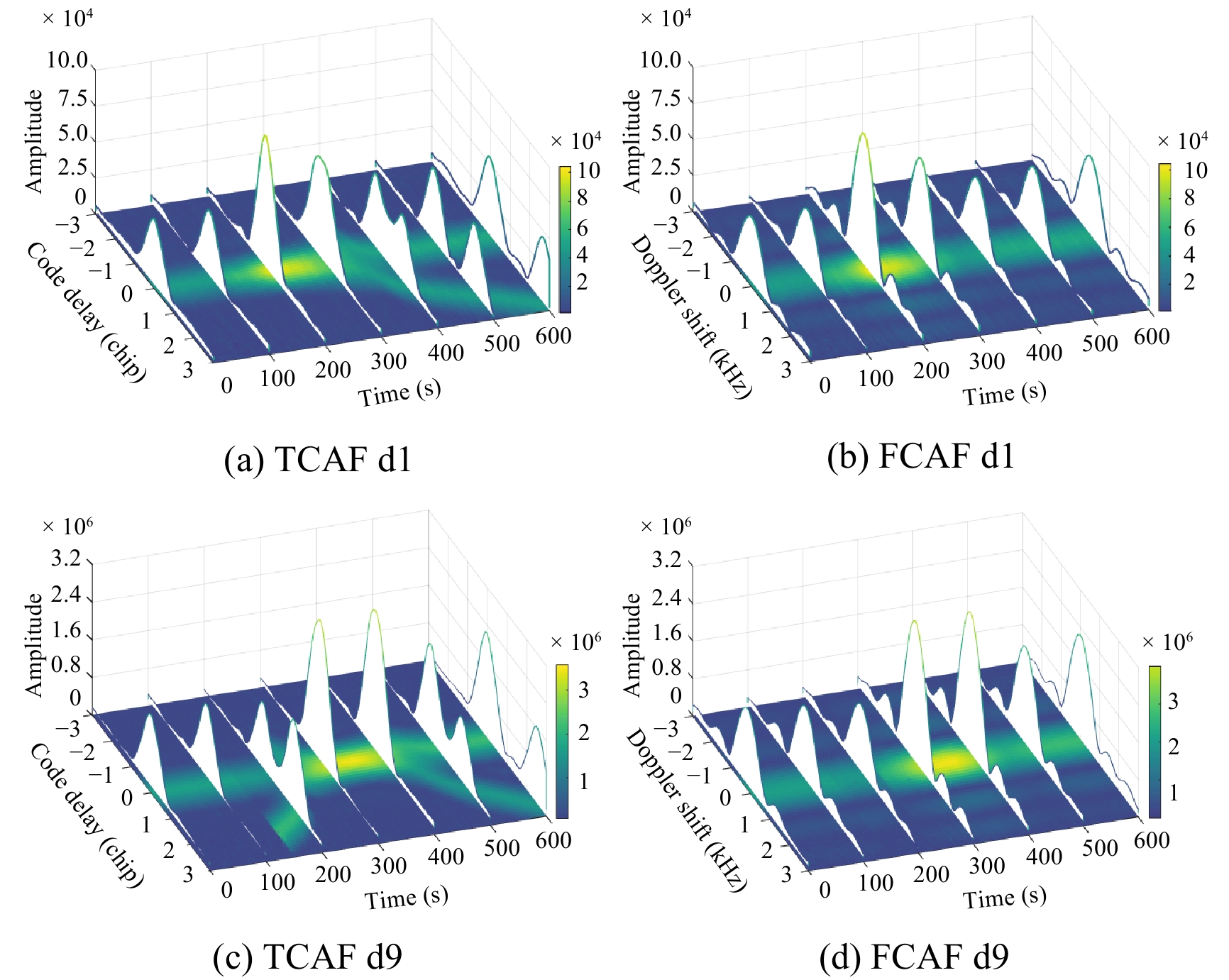
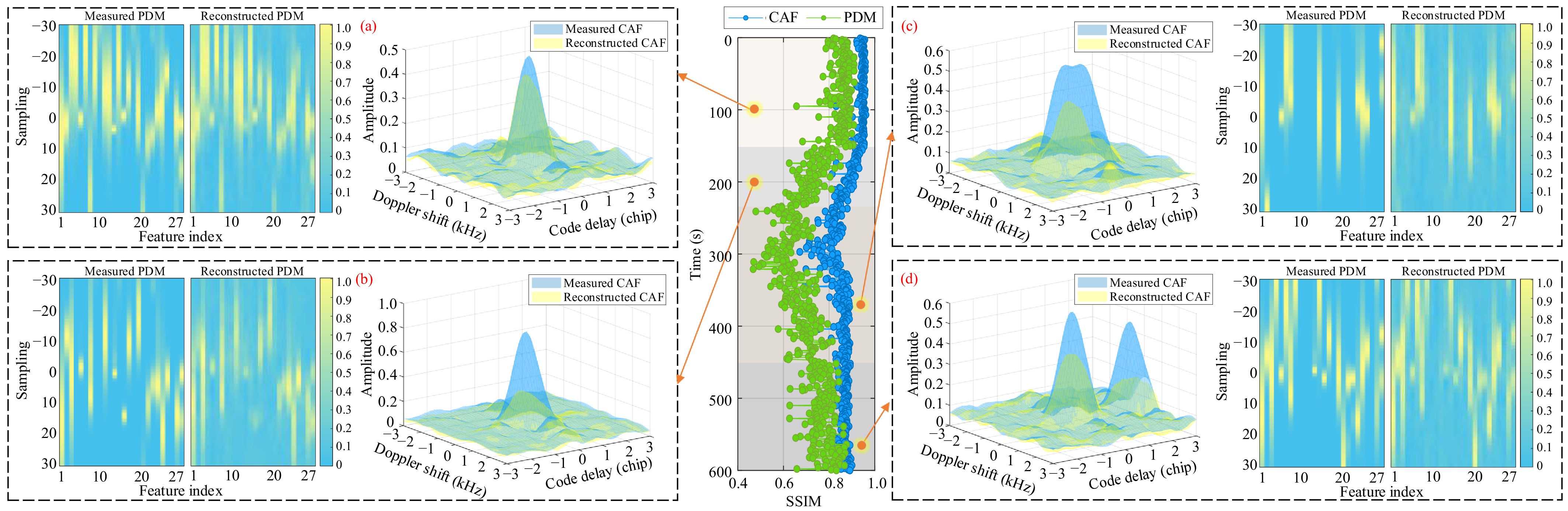
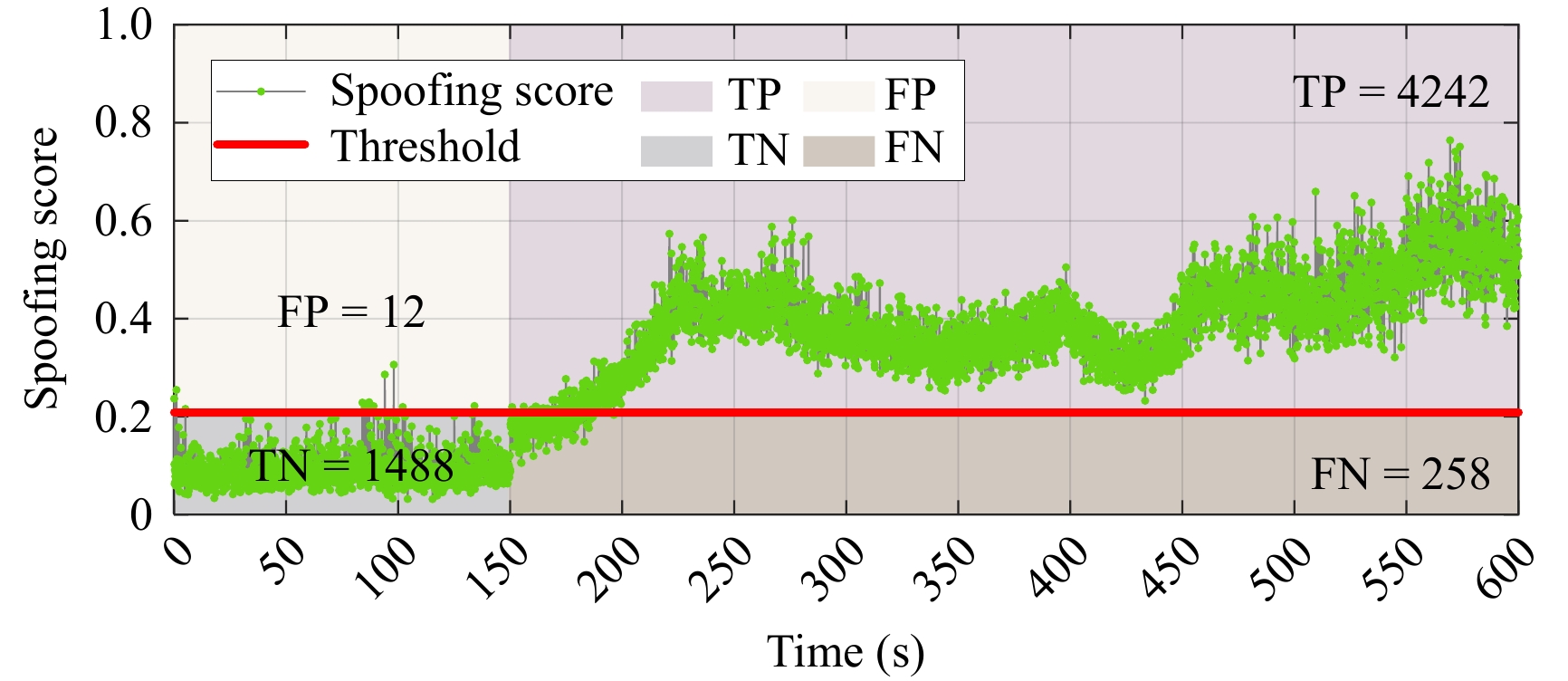
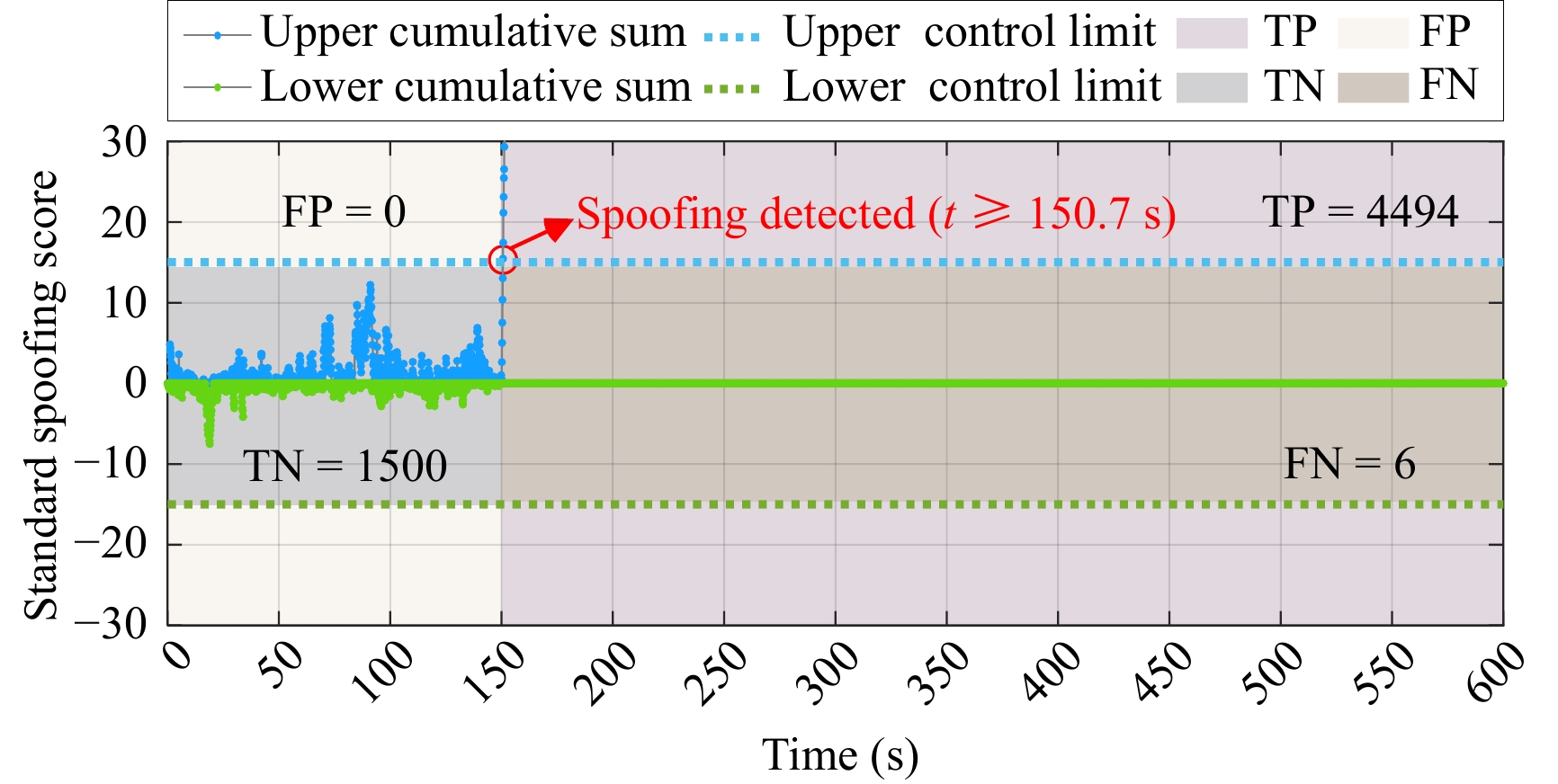
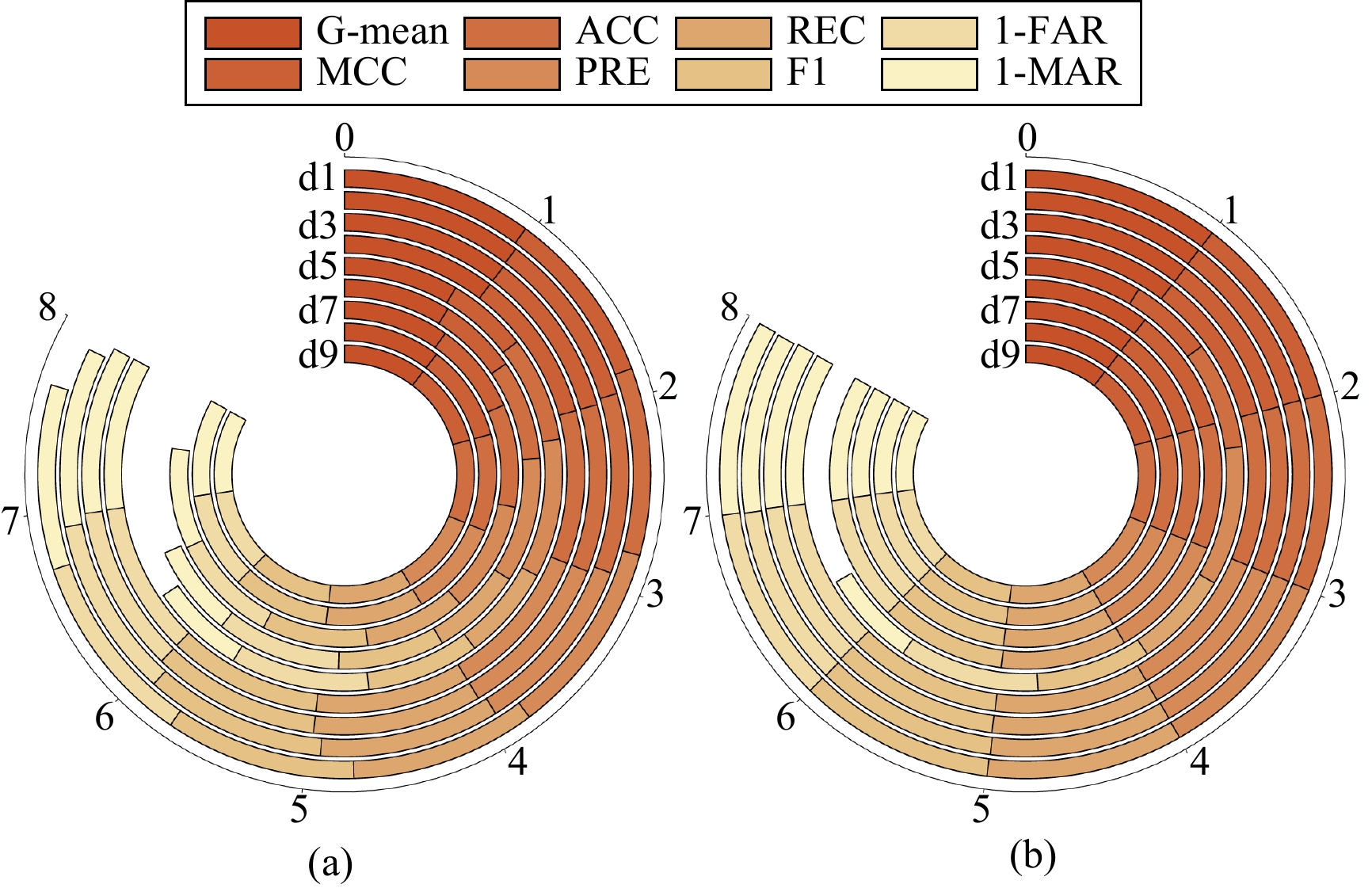
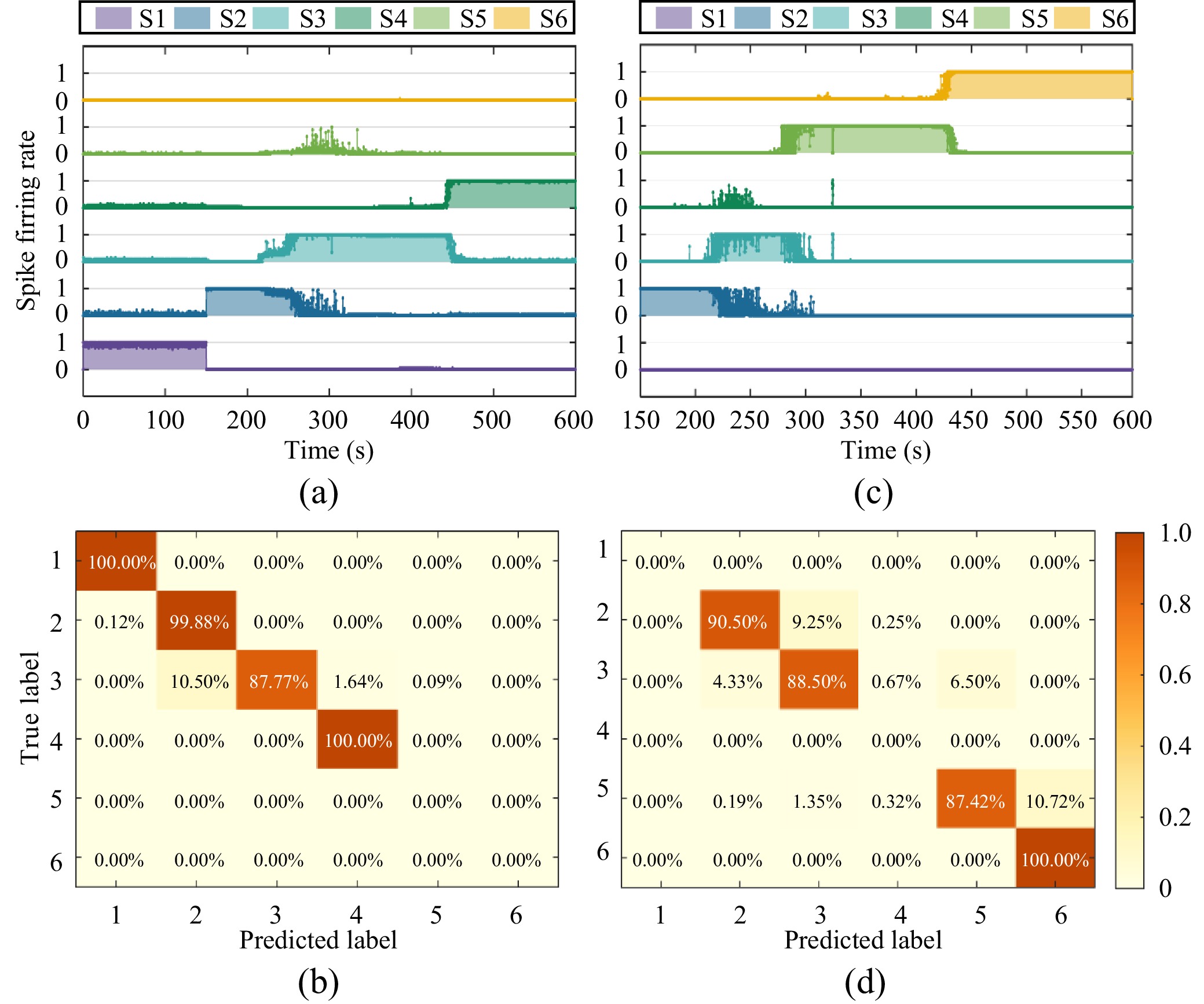
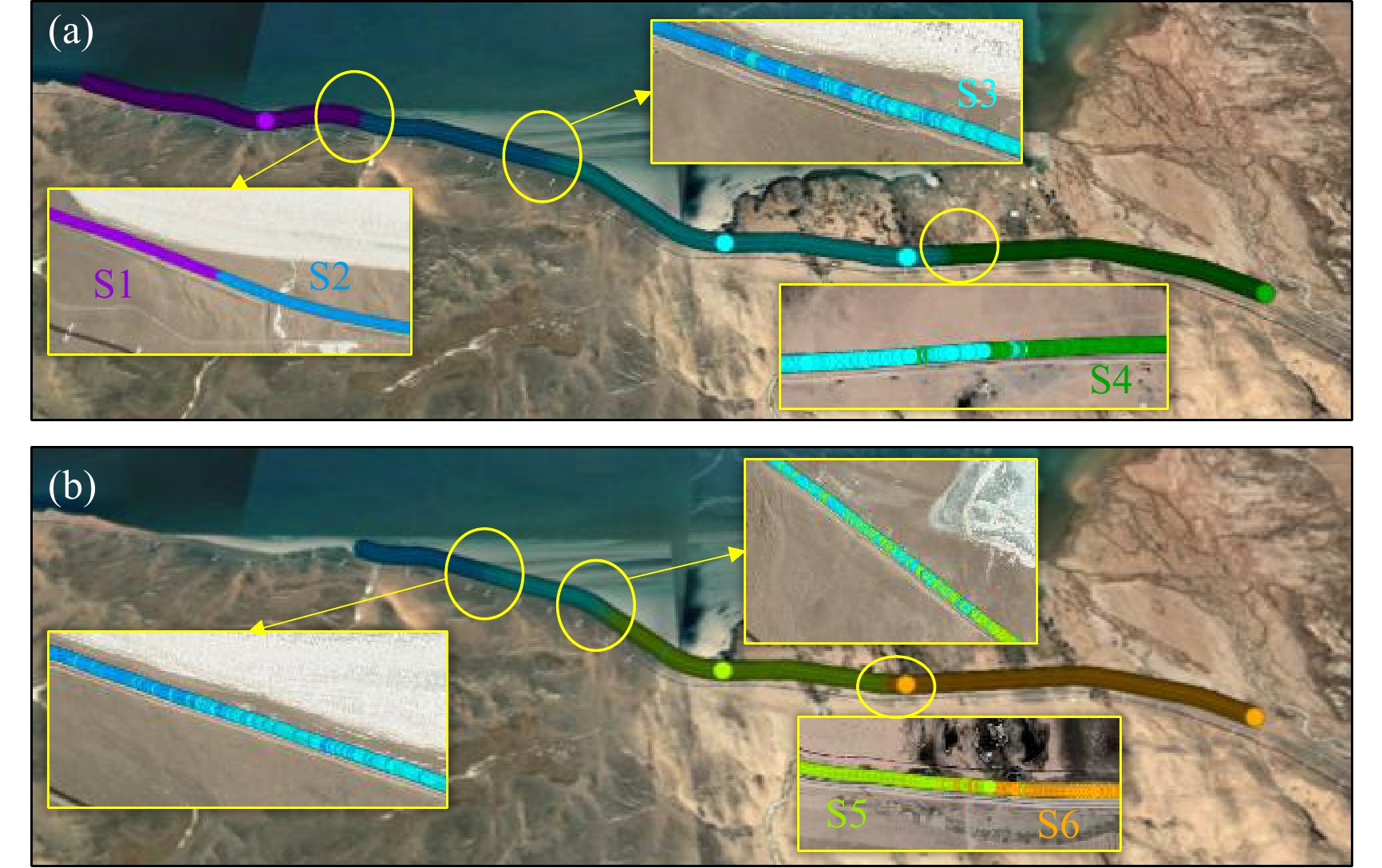
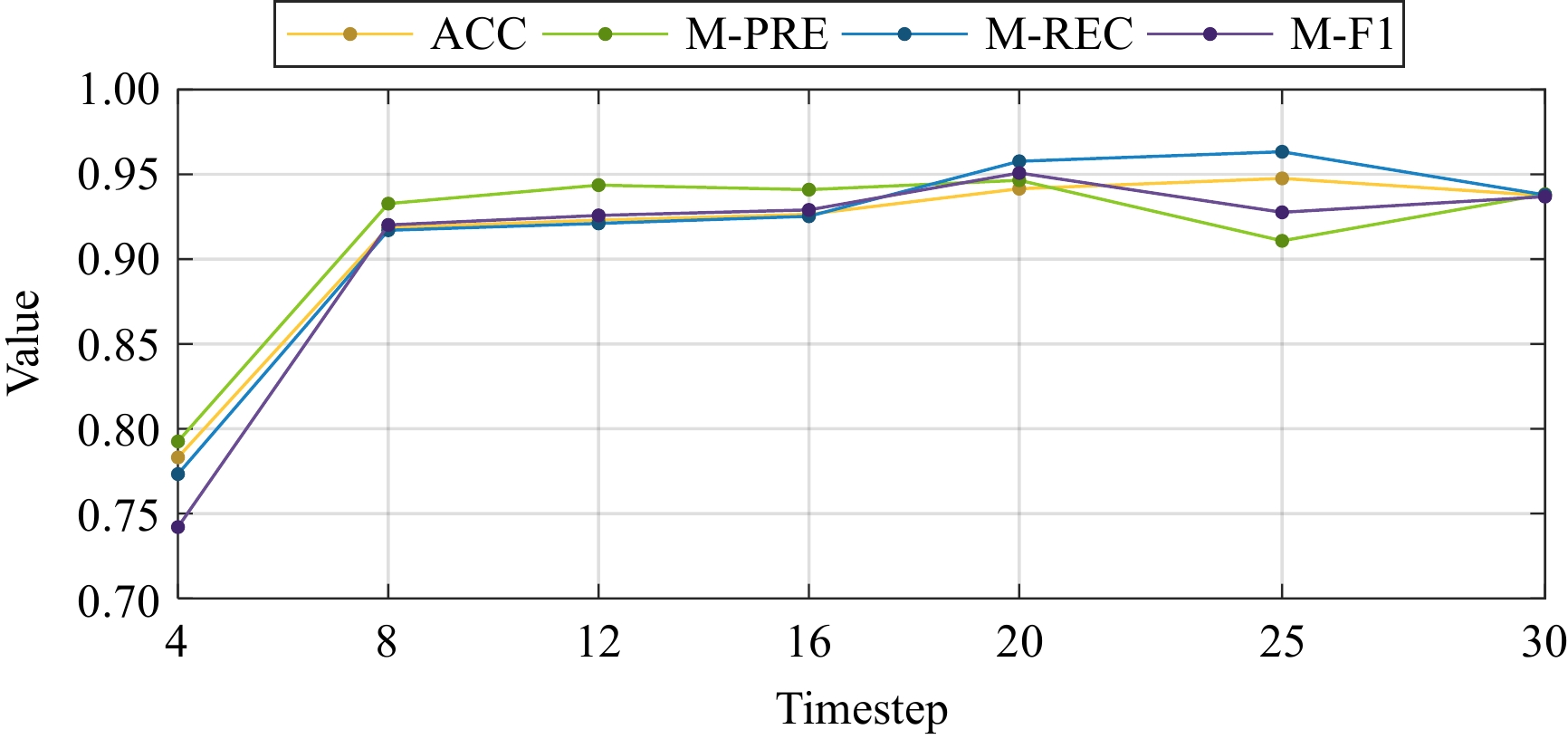
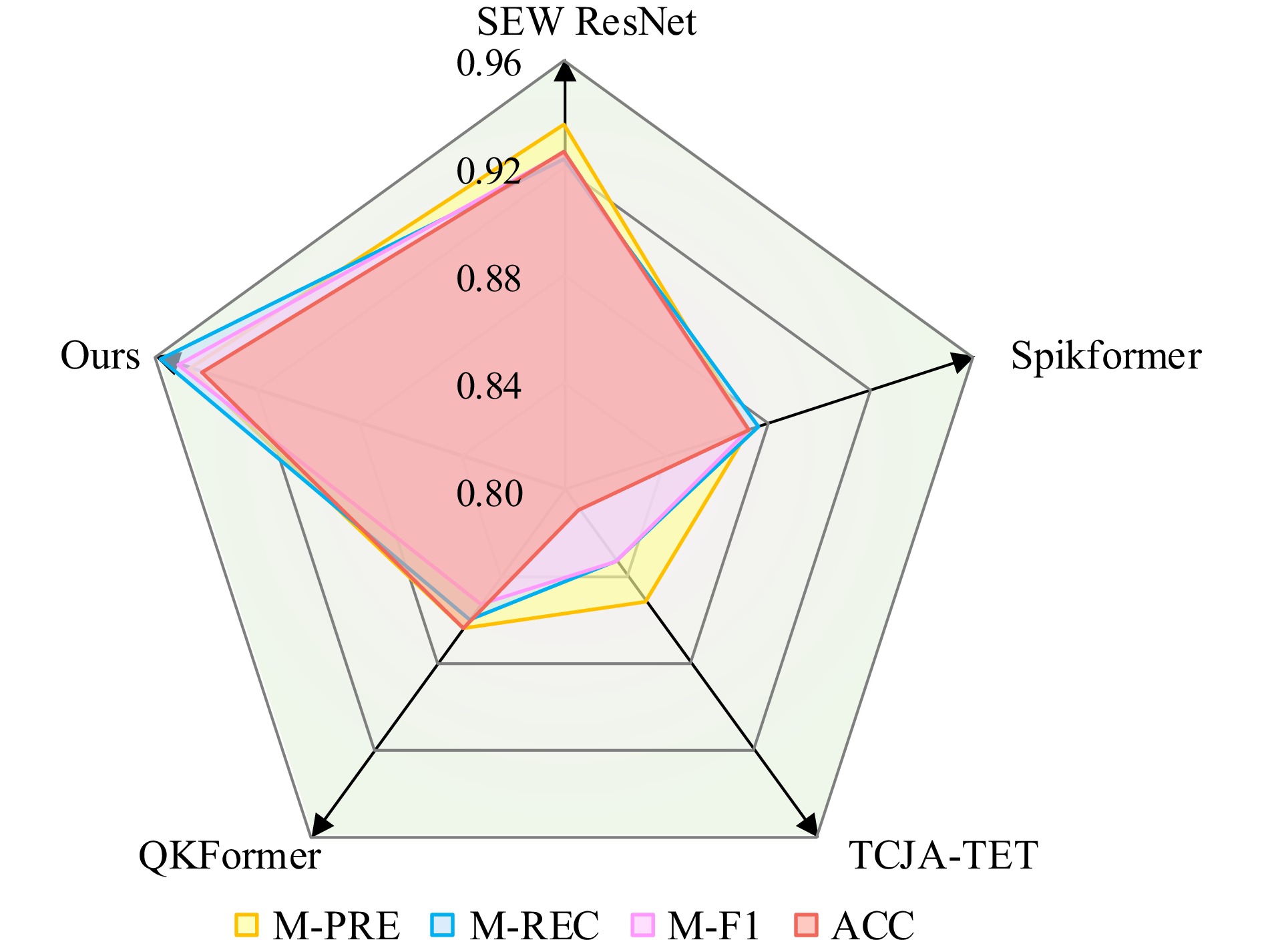
Global Navigation Satellite System (GNSS) has been an exciting growing research field in railway transportation due to its accuracy, low cost, and global availability. However, GNSS-based train positioning is susceptible to spoofing attacks in complex railway operation environments due to GNSS vulnerabilities. Aiming at resilience assurance of train positioning using GNSS, this paper proposes a spoofing attack cognition solution based on brain-inspired intelligence. Specifically, a multi-domain joint Spoofing Detector (SD) is proposed based on the Spiking Neural Network (SNN) to perceive the cybersecurity threat from spoofing attacks. Furthermore, the active spoofing protection solution is designed using a brain-inspired cognition approach considering different spoofing attack situation phases. An Attack Situation Recognizer (ASR) network combining signal decomposition and identification is proposed, which features SNN-optimized residual blocks and the cross-attention fusion modules, leading to enhanced recognition capability at a low computational cost level. Experiments based on field data and a GNSS spoofing injection testbench platform demonstrate the performance of this solution in spoofing attack identification and situation cognition over different referencing methods. The results illustrate that the proposed solution aligns with the railway Positioning, Navigation & Timing (PNT) resilience requirement by leveraging the advantages of brain-like intelligence in enhancing the trustworthiness of GNSS positioning in railway transportation systems.
A New Result of Prescribed-Time Control for Uncertain Nonlinear Systems and Its Applications to Higher-Order Tracking
Liuliu Zhang, Xianglin Liu, Cheng Qian, Changchun Hua
2026, 13(8): 1904-1914. doi: 10.1109/JAS.2025.125987
Abstract(13) HTML (9) PDF(0)
Abstract:
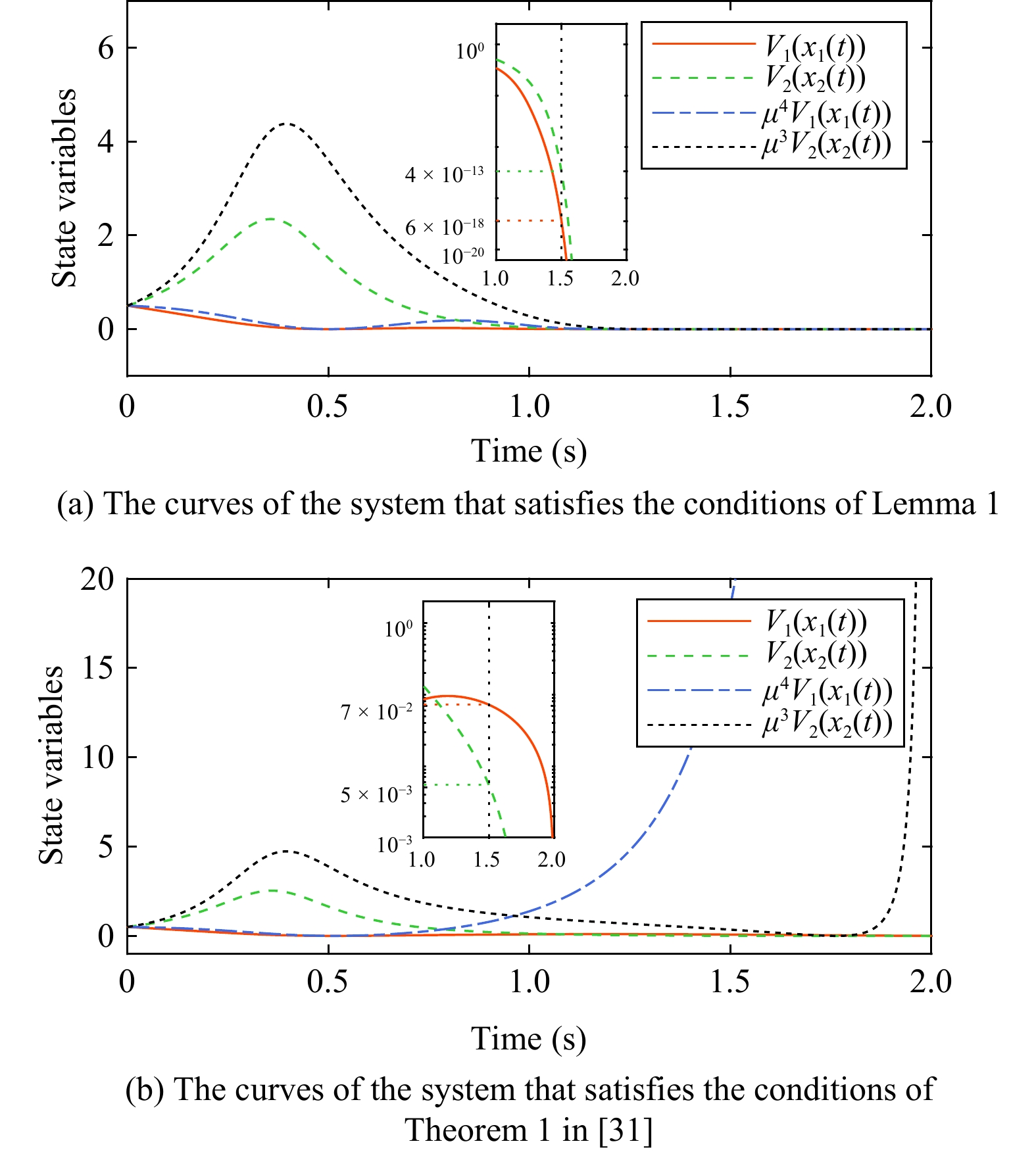
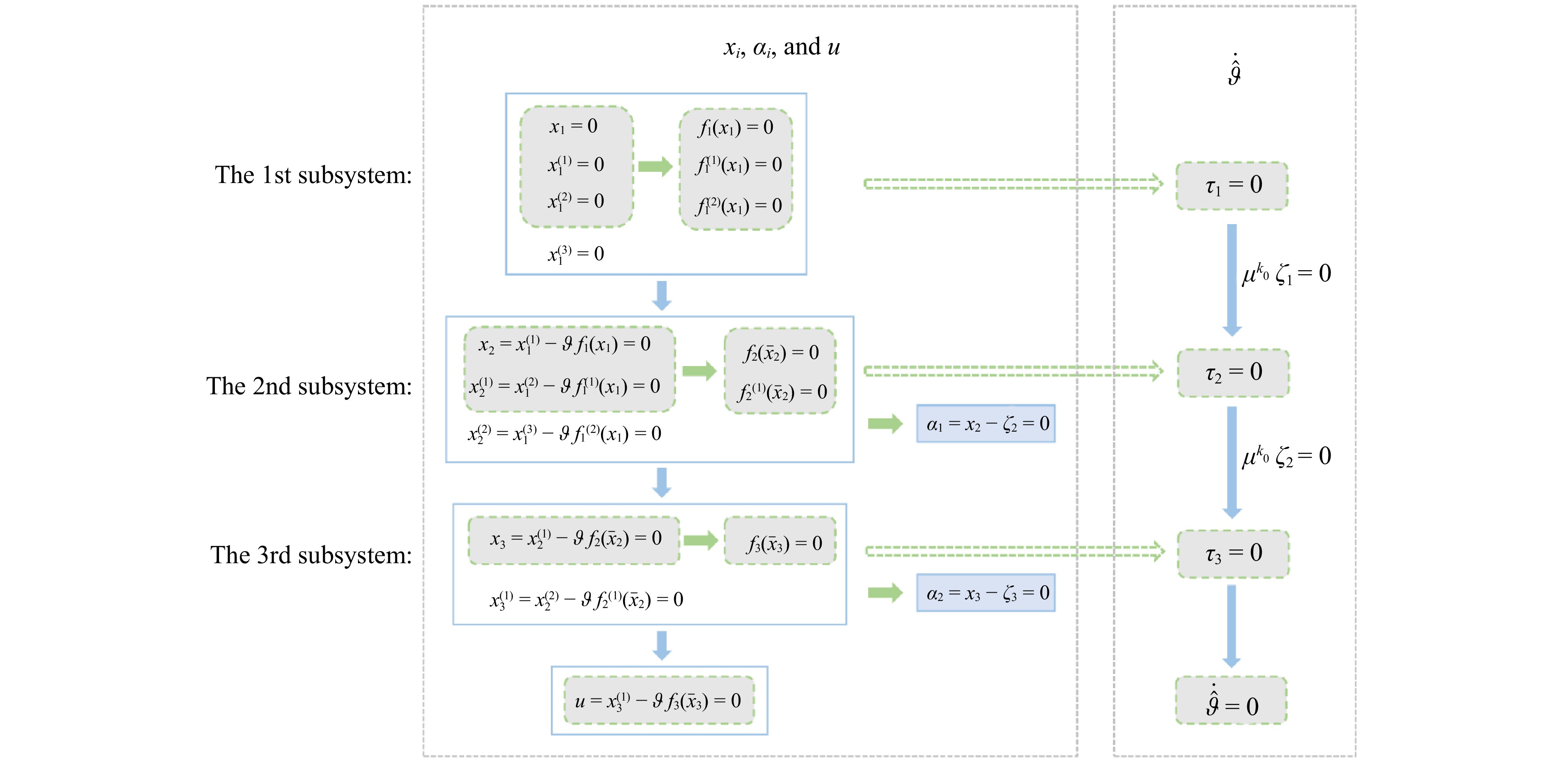
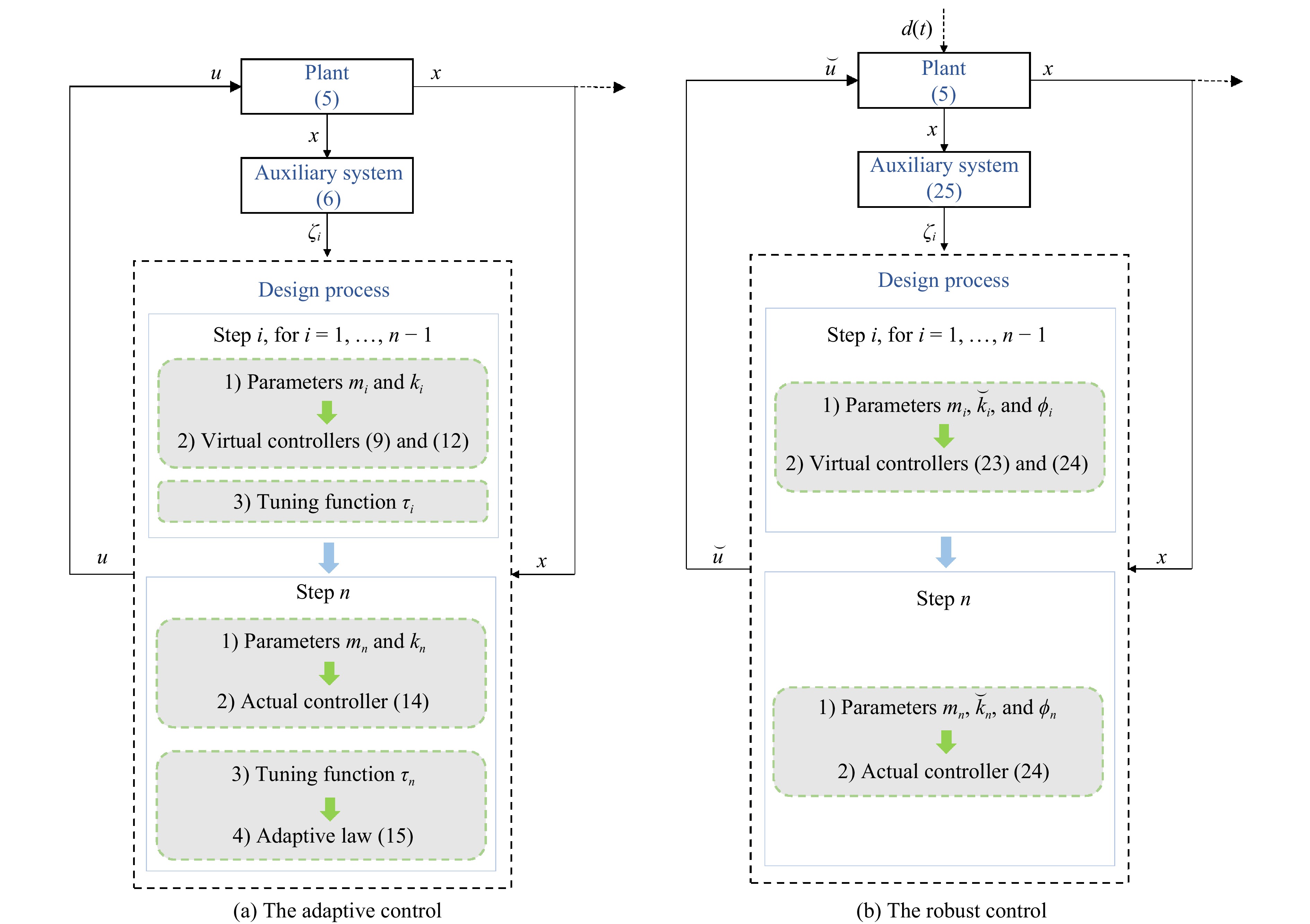
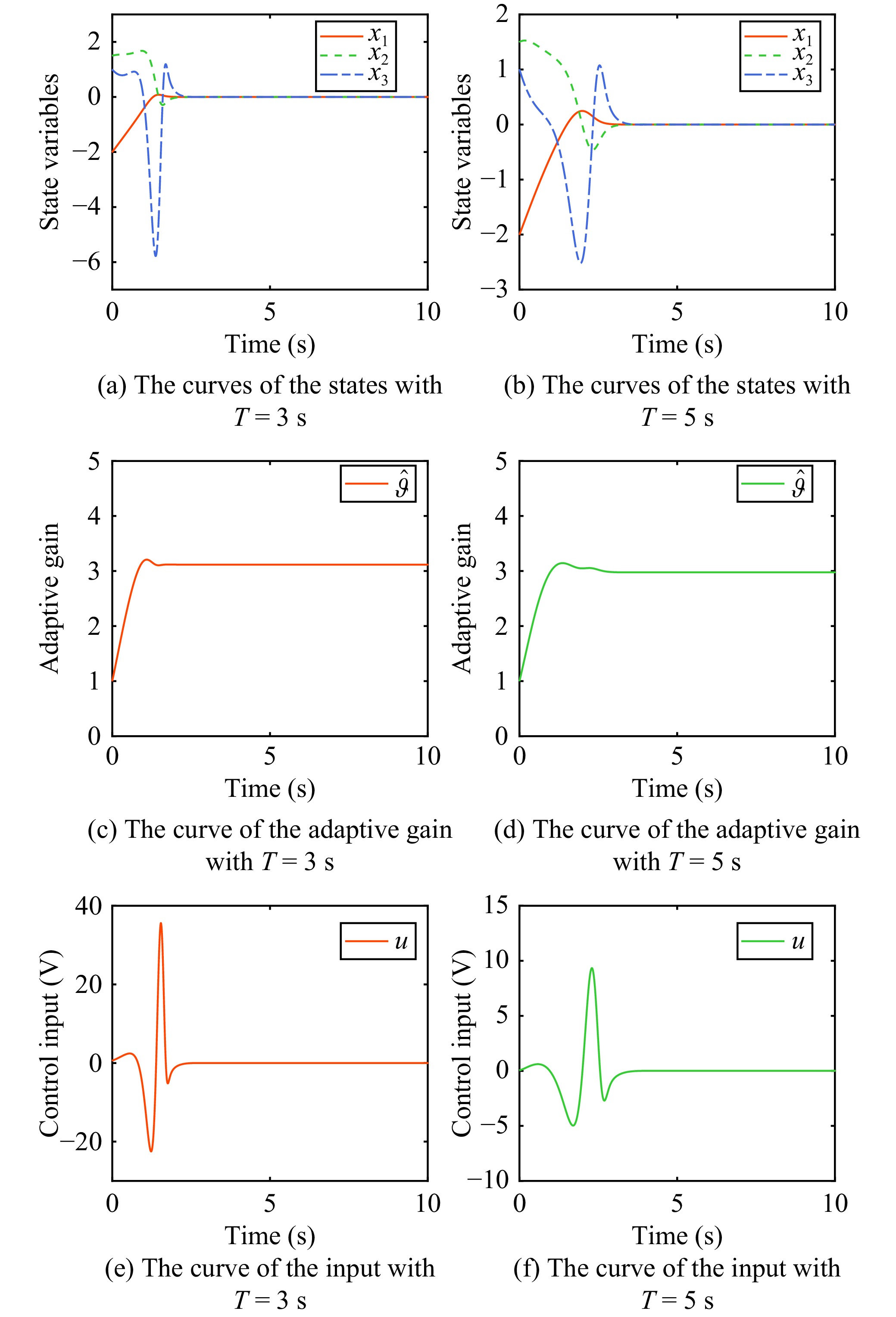
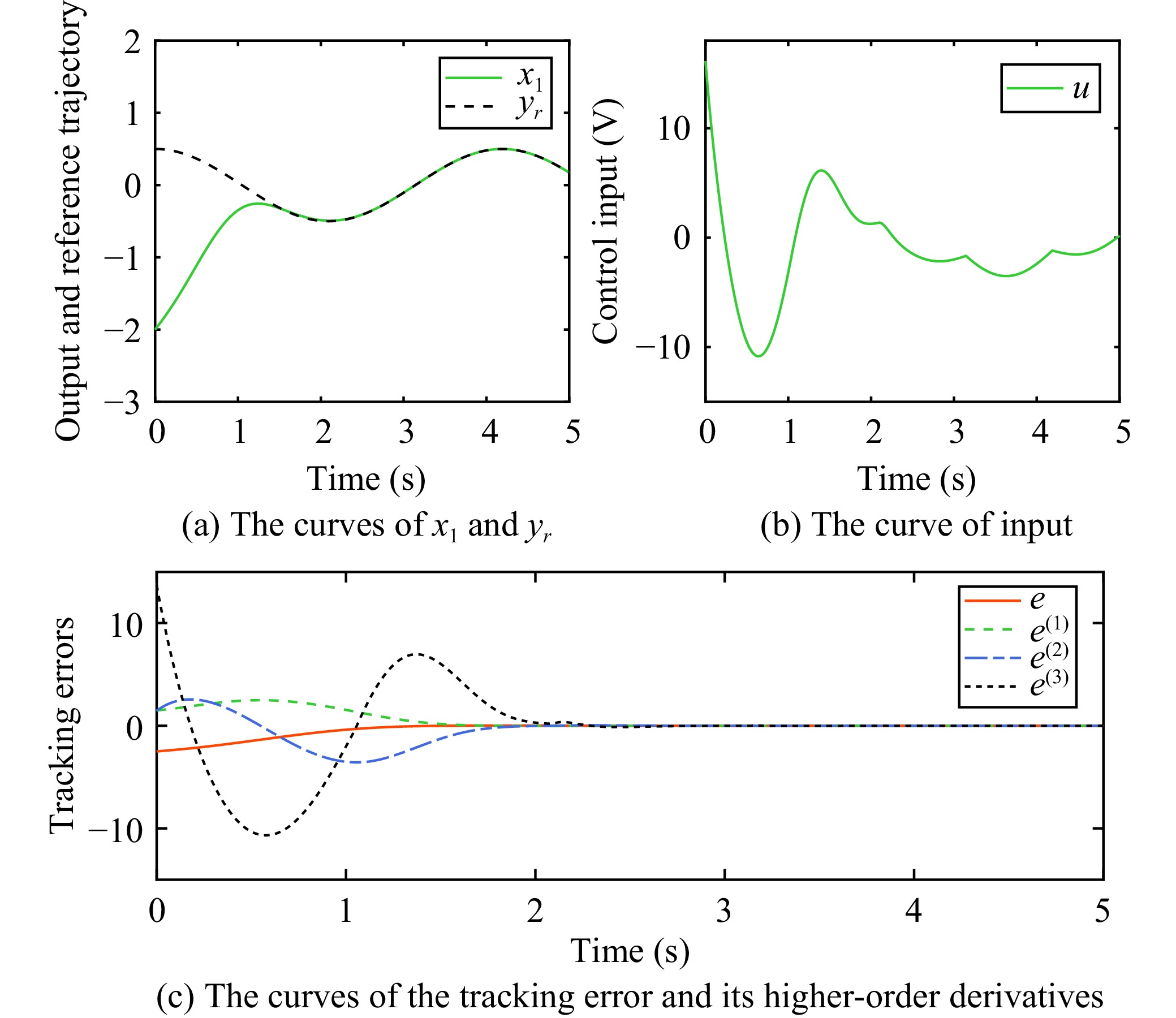
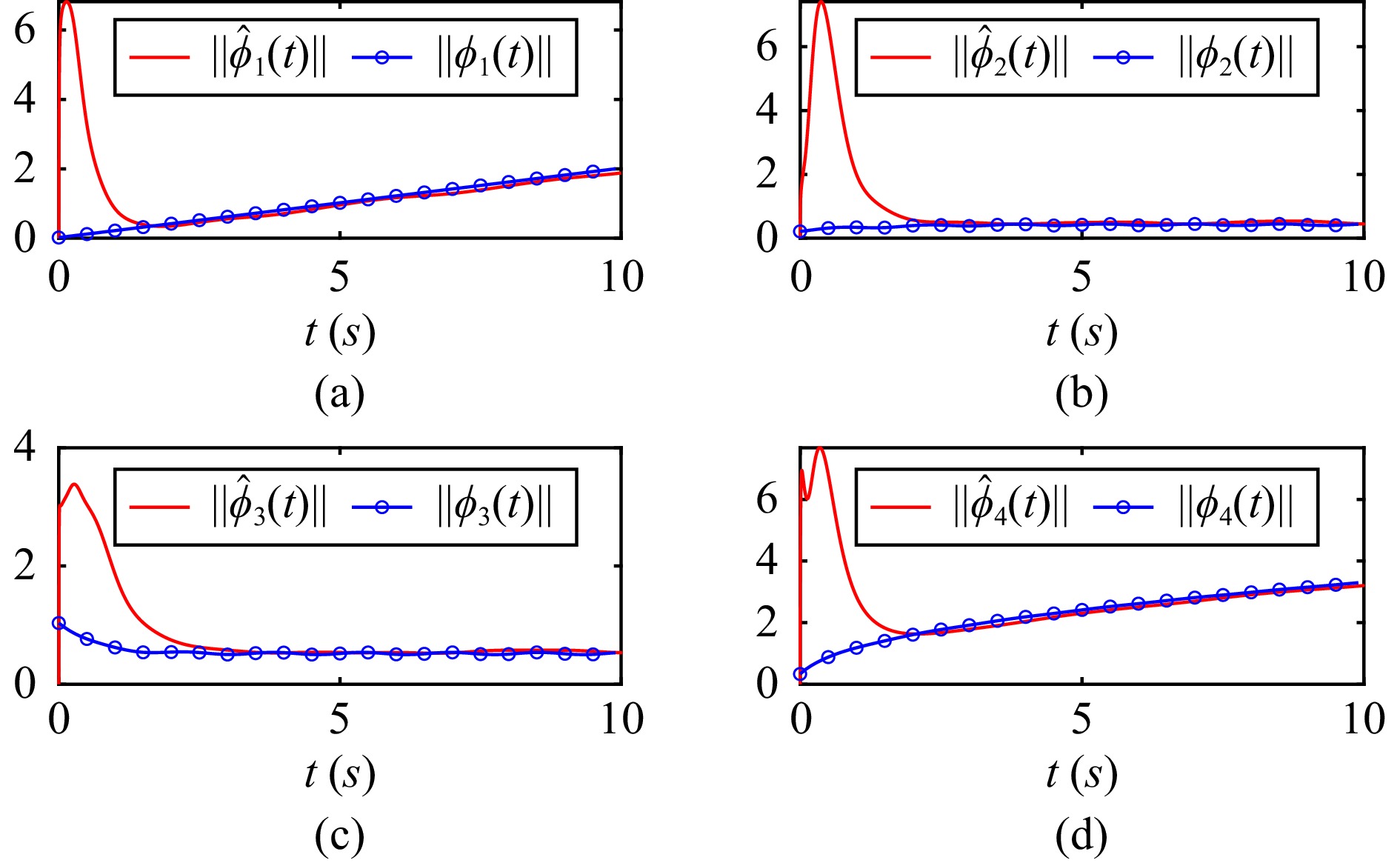
In this paper, the problem of the prescribed-time control for uncertain nonlinear systems is considered, and new design and analysis methods are presented. First, to evaluate the convergence of higher-order derivatives of the states and estimate the convergence rate of each state as time approaches the terminal time, a novel prescribed-time higher-order stability theorem is provided. Then, in accordance with the proposed criterion and the multivariate Faà di Bruno’s formula, new design and analysis architectures are proposed for the adaptive prescribed-time control and the robust prescribed-time control, which avoid the widely encountered issue of indeterminate form limit analysis in the no-scaling prescribed-time control method, thus the benefits of the scaling and no-scaling approaches are taken together. In addition, the proposed strategies are applied to the development of the prescribed-time higher-order tracking controller, enhancing the smoothness of the tracking process. Finally, several simulation examples of a real system are given to illustrate the effectiveness and superiority of the algorithms.
Instructing the Learning of Language Model With the Token Interpretation to Improve Language Understanding
Tianzhu Chen, Yashen Wang, Huan Chang, Guanghong Liu, Dongfang Li, Law Rob, Xin Xu, Edmond Q. Wu
2026, 13(8): 1915-1925. doi: 10.1109/JAS.2026.125900
Abstract(15) HTML (9) PDF(0)
Abstract:
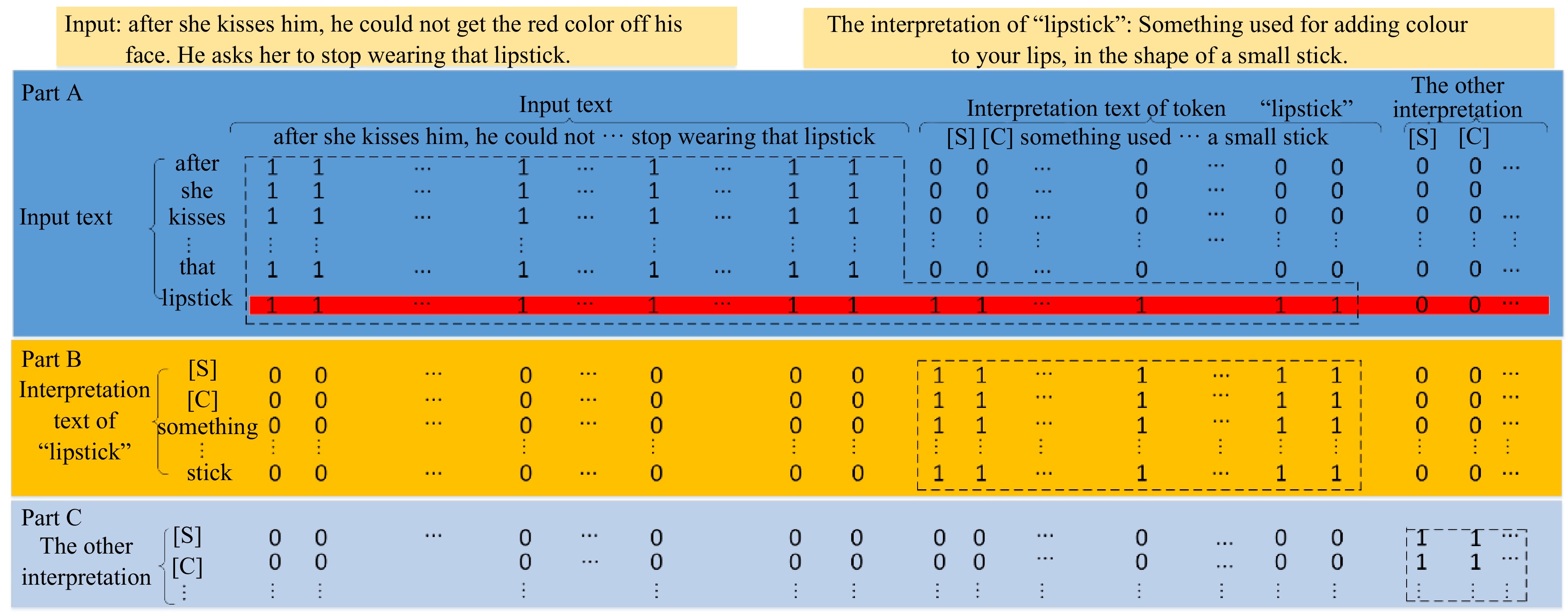
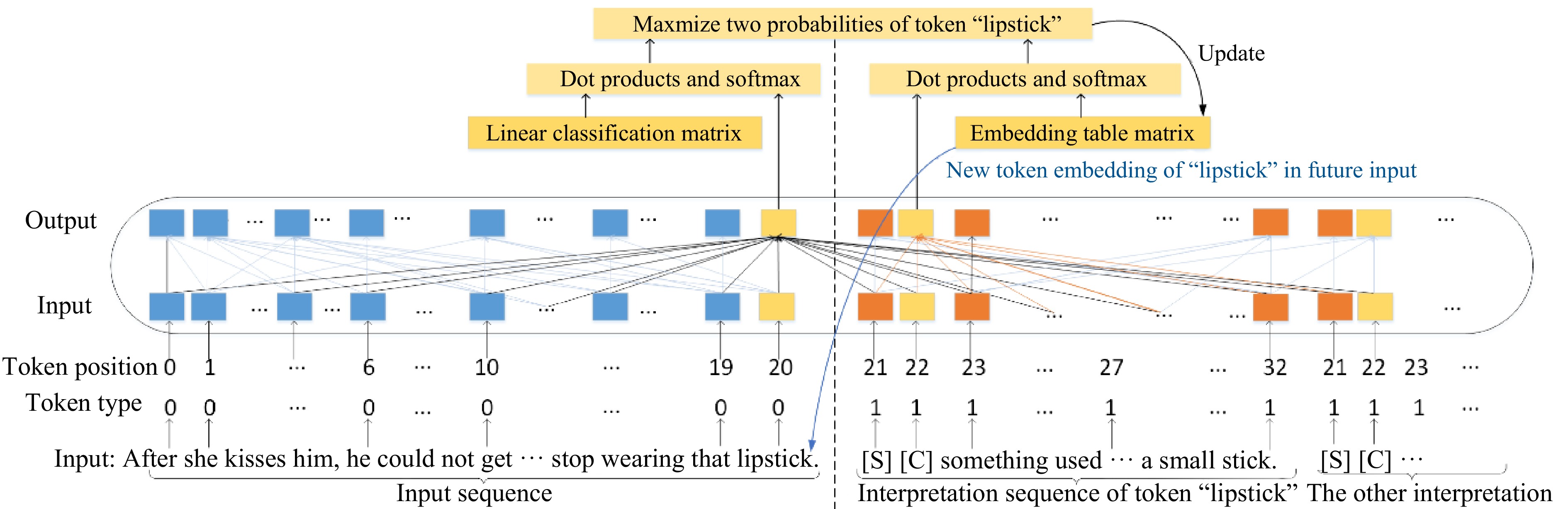
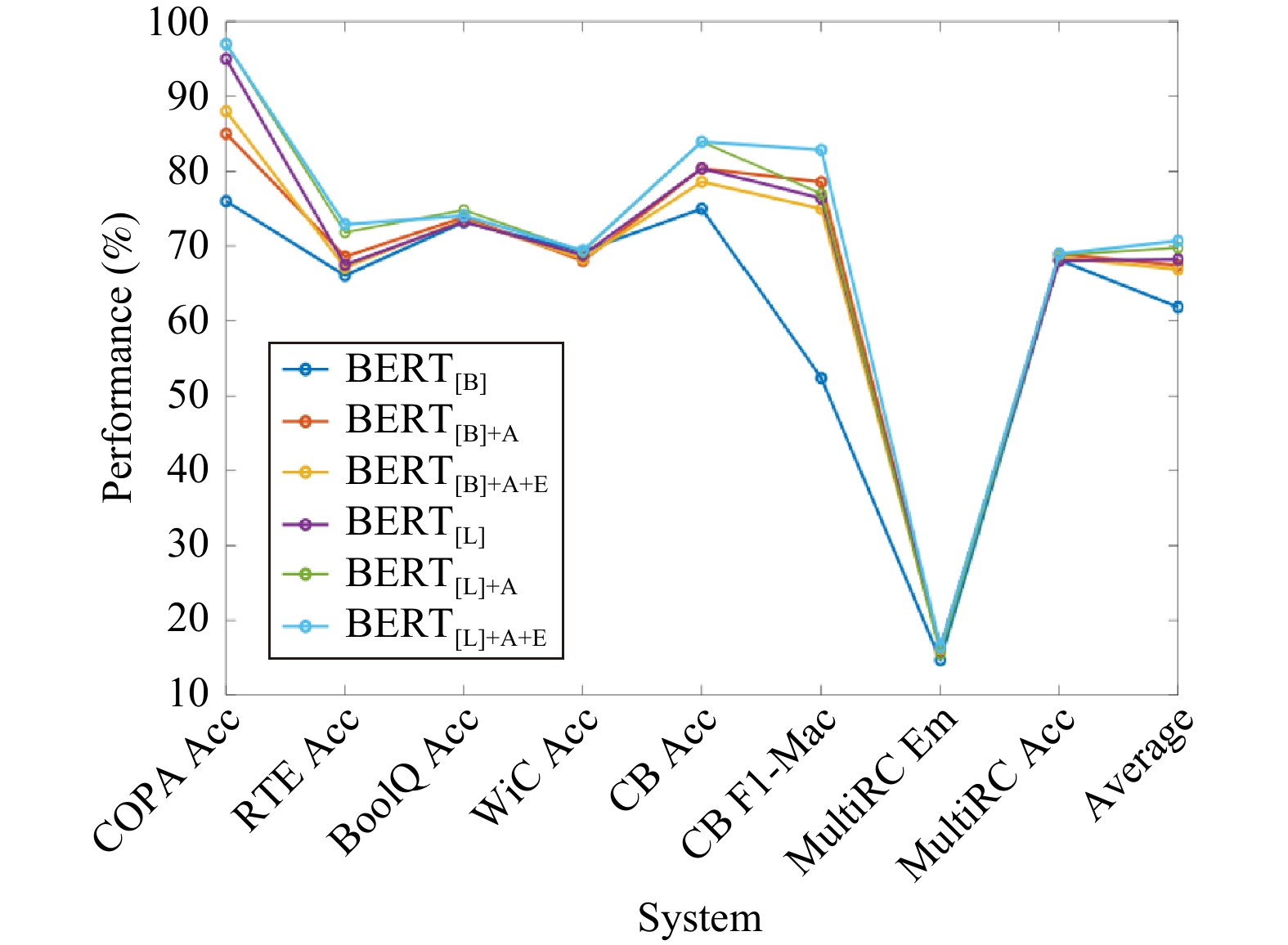
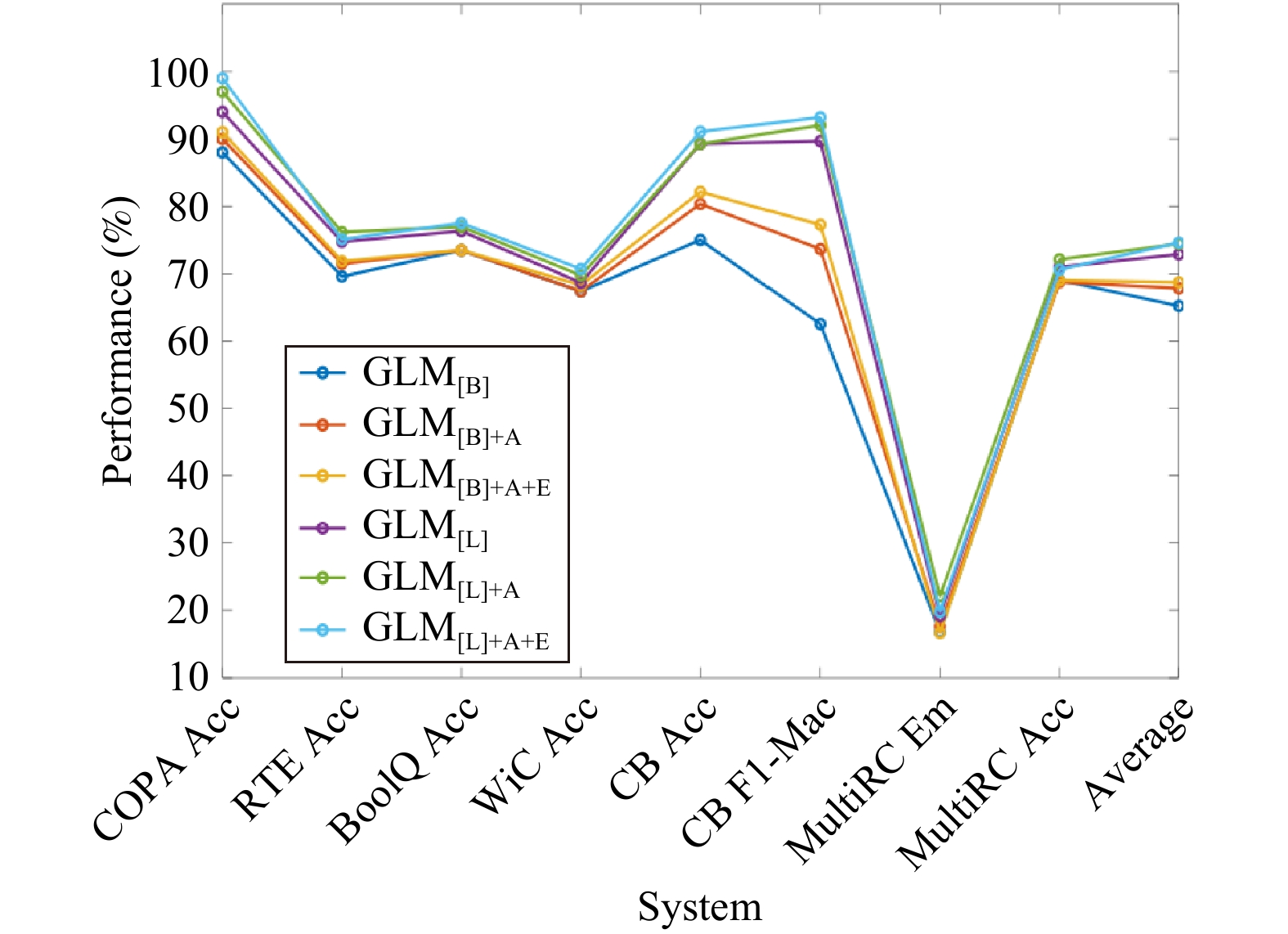
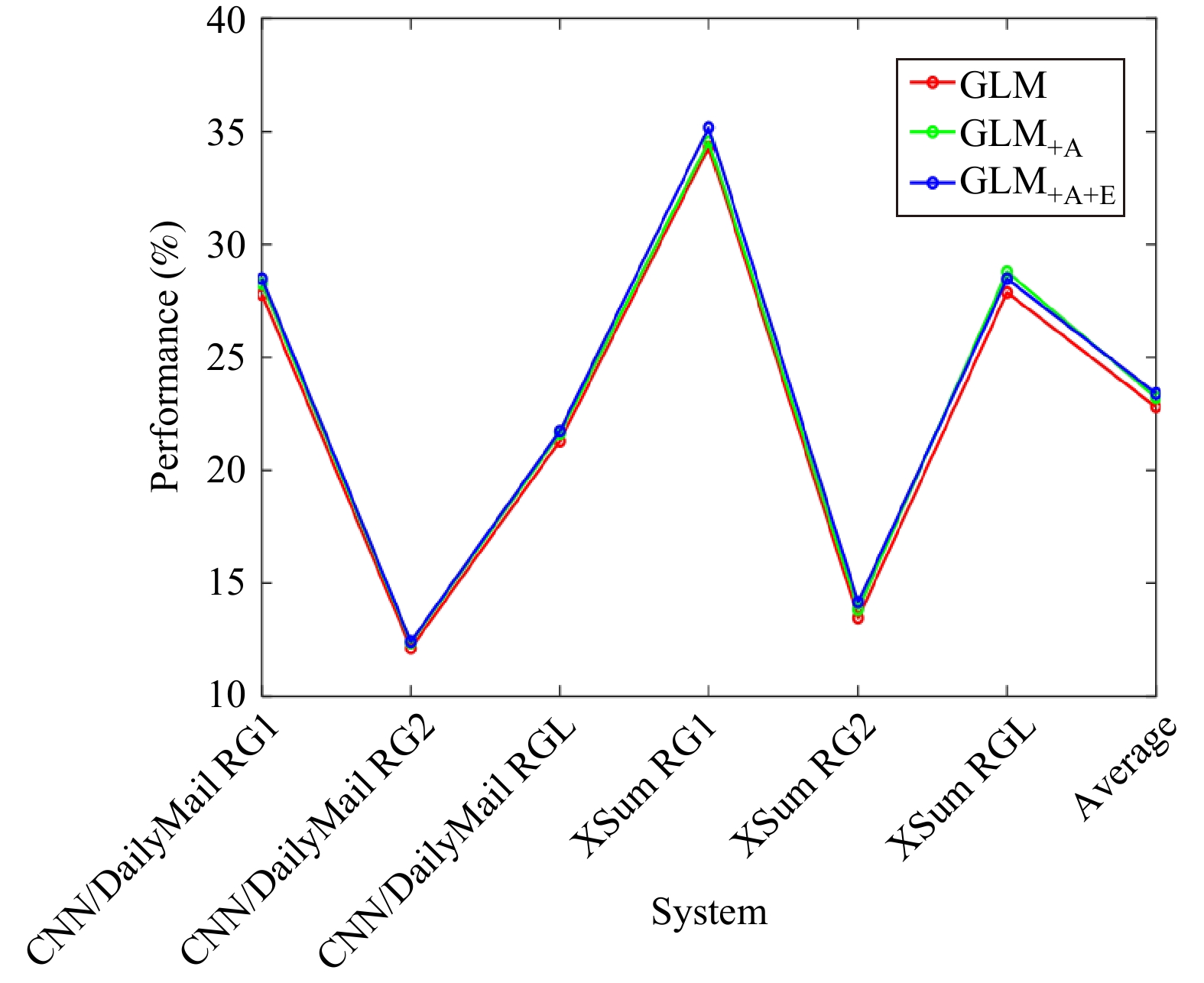
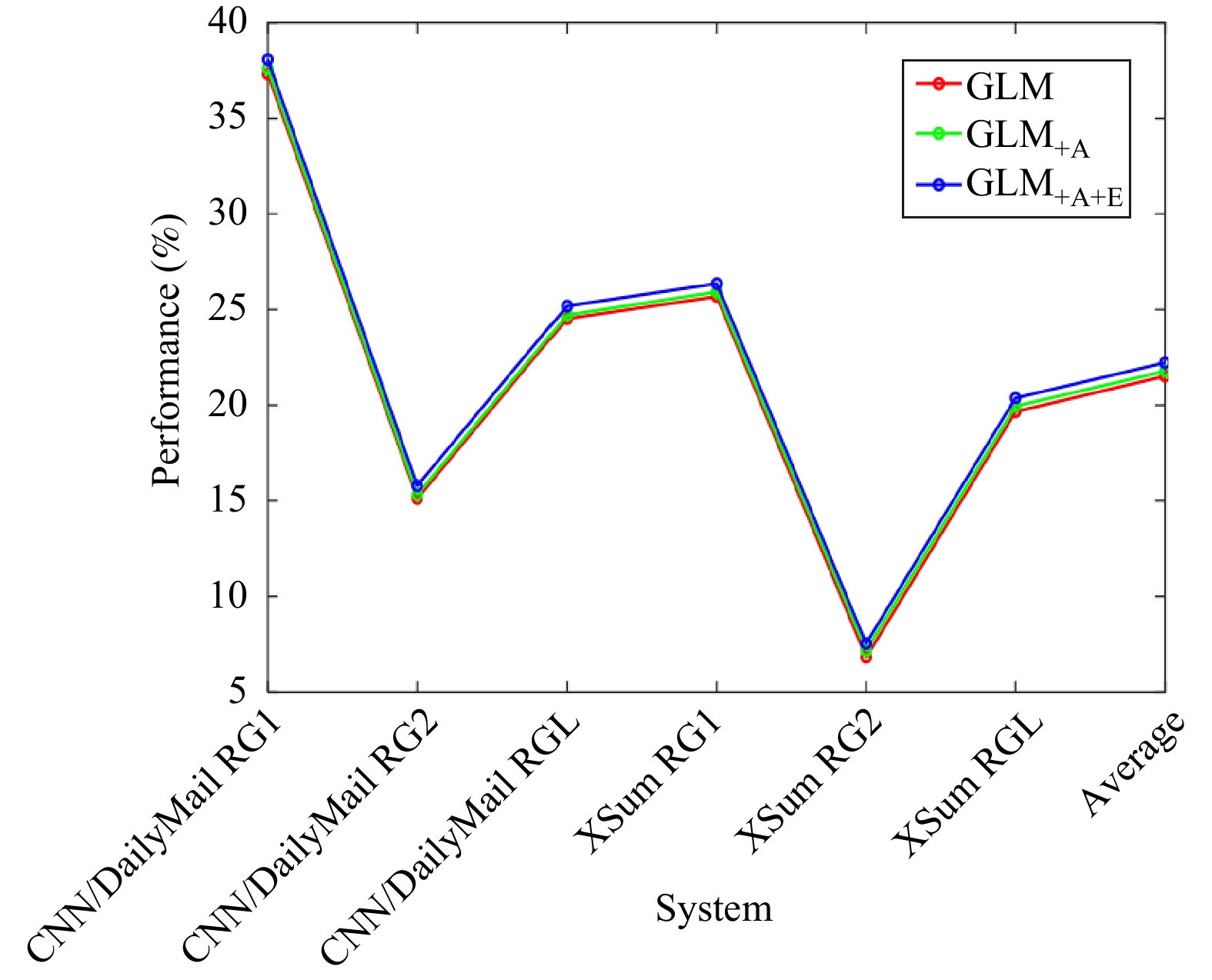
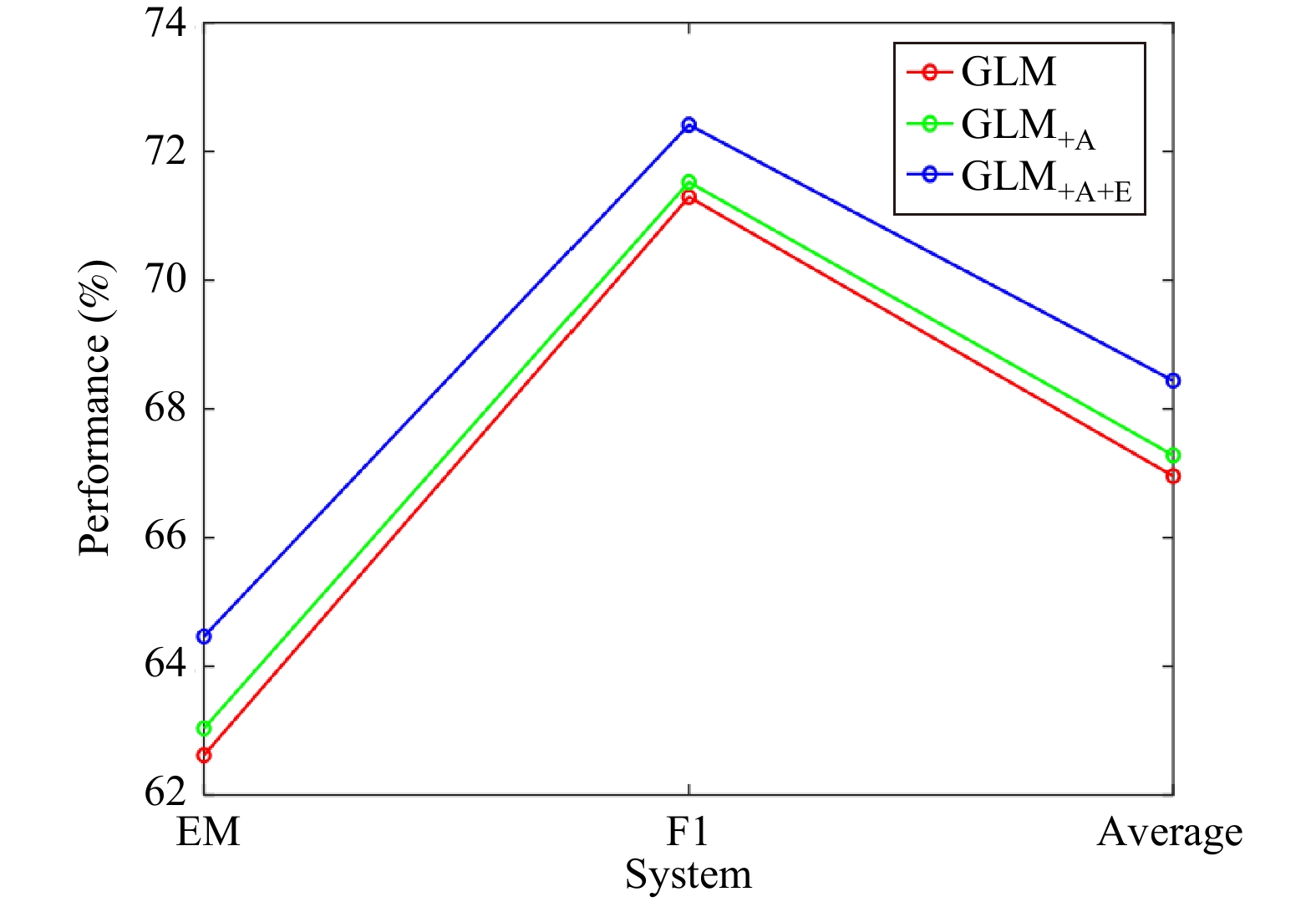
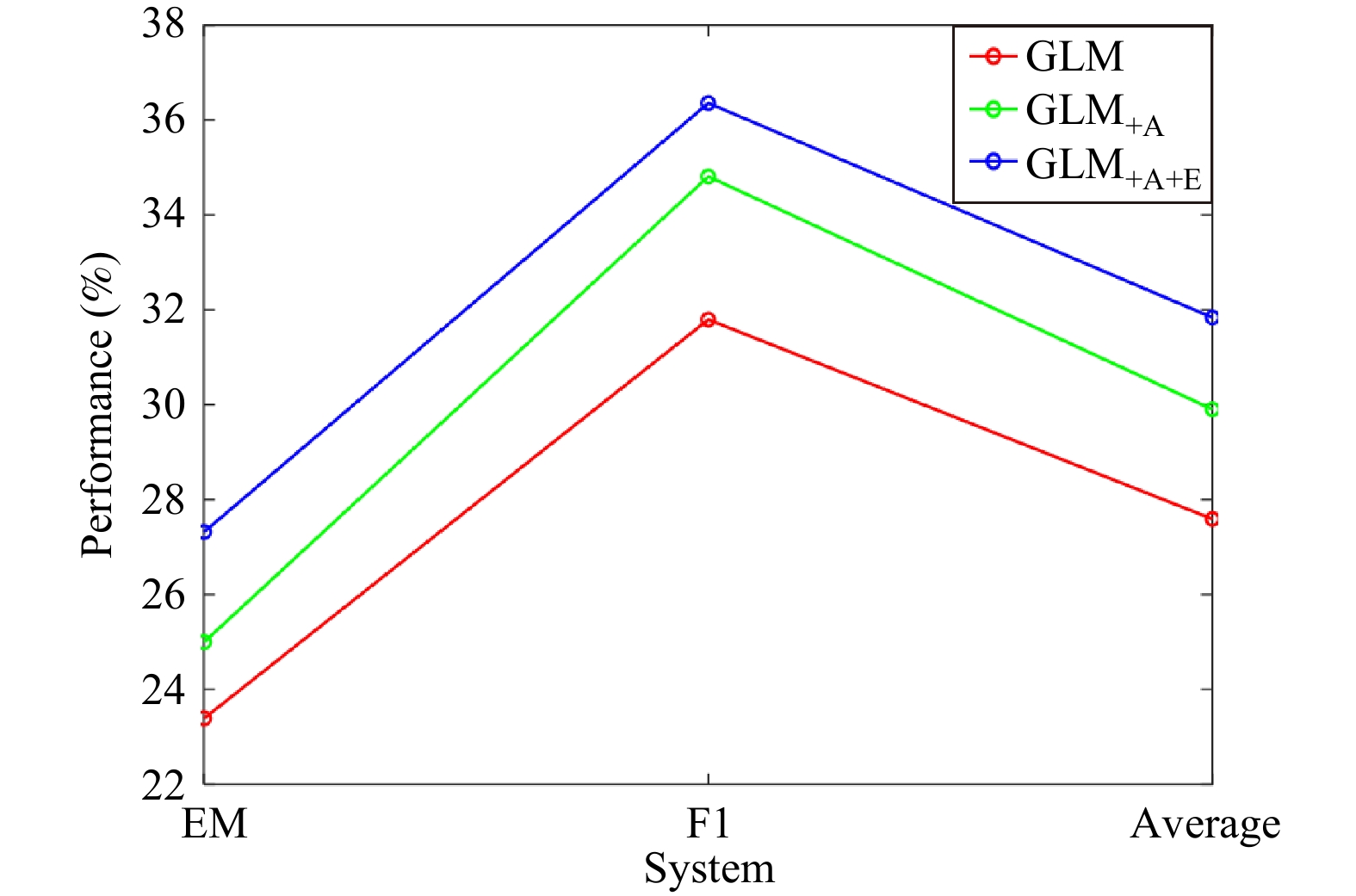
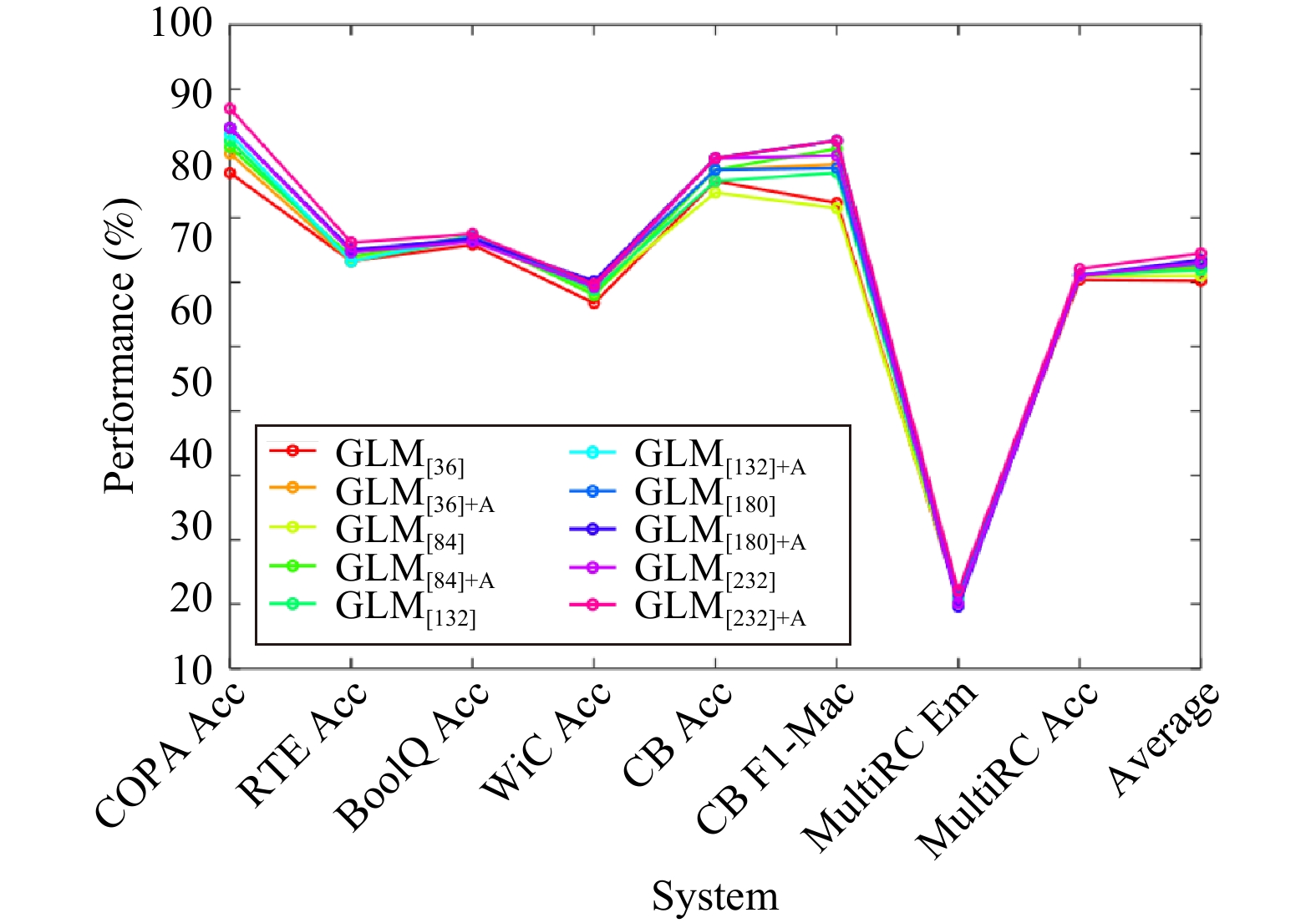
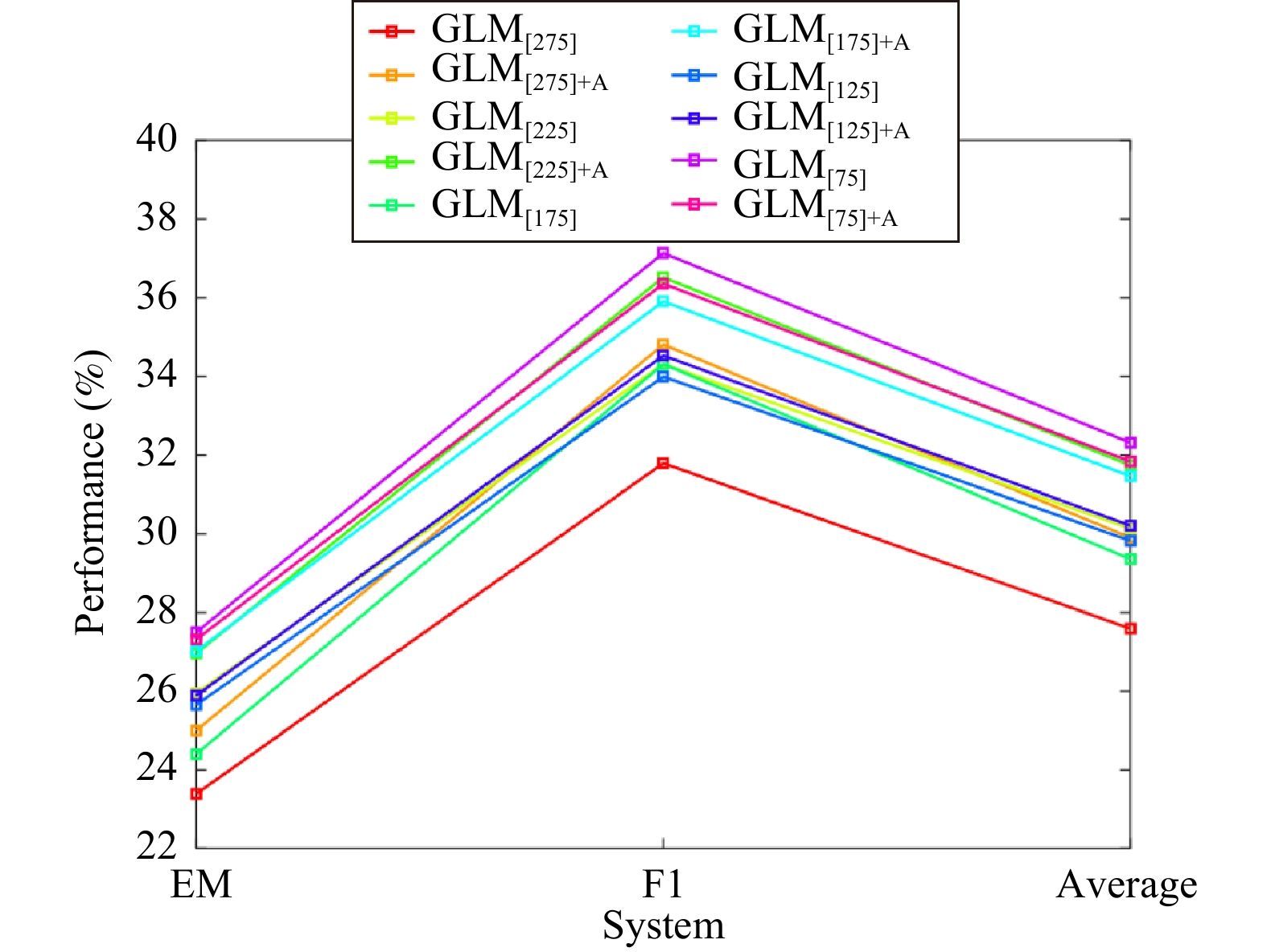
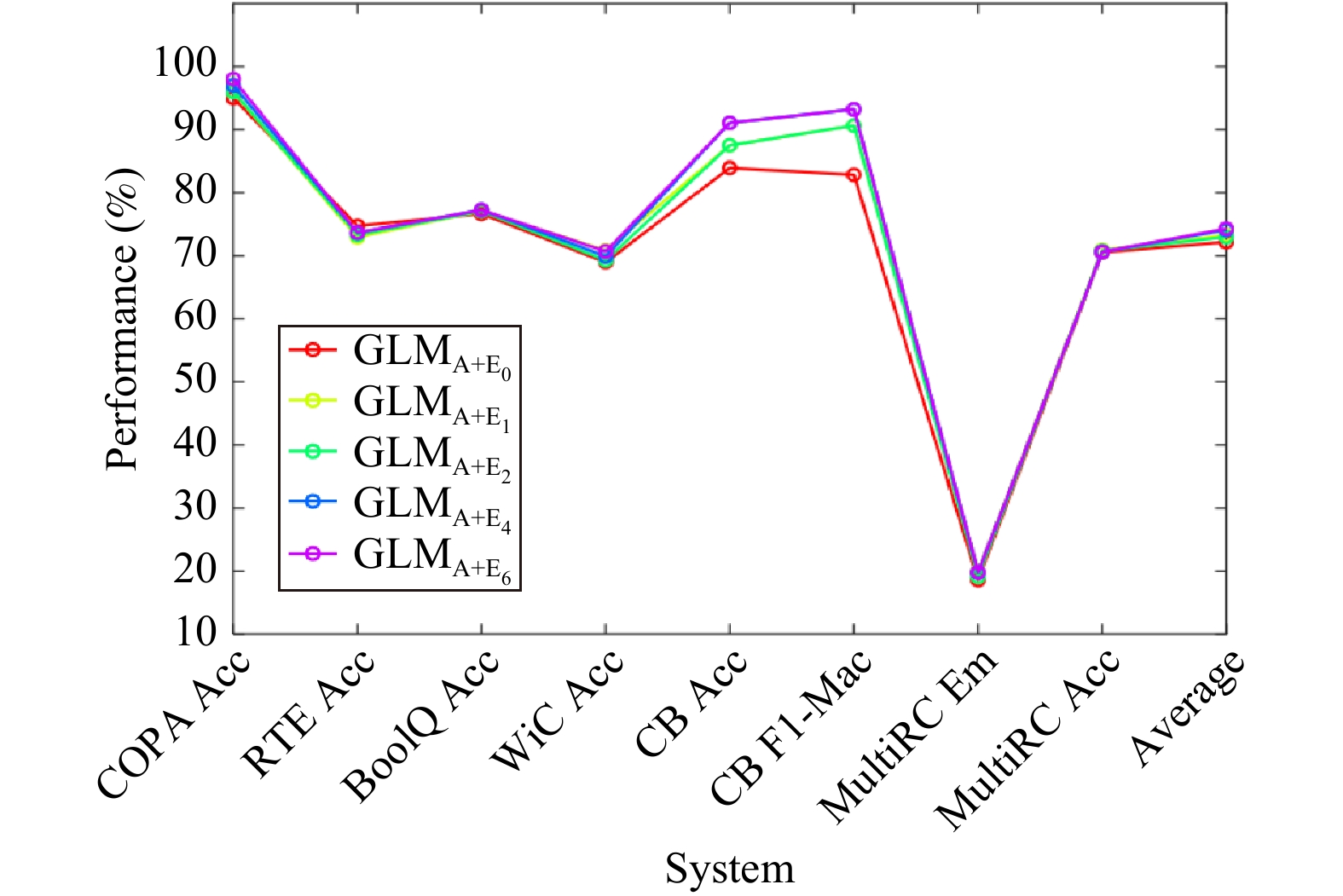
Pretrained language models (PLMs) have established state-of-the-art performance across diverse natural language understanding (NLU) tasks. This study reveals that semantic-rich explanations of lexical units can effectively guide PLM learning processes. We propose a novel language understanding enhancement method with token interpretation (LUETI) that addresses two critical limitations in conventional PLMs: Incomplete token semantics caused by isolated contextual learning and insufficient semantic encoding in embedding matrices. LUETI operates through dual mechanisms, augmenting token representations by integrating hidden states with corresponding token interpretations and refining embedding spaces using interpretation-derived semantic vectors for token prediction. LUETI, which is implemented as a plug-in module for standard architectures, demonstrates significant improvements on BERT and GLM, achieving average performance gains of 3.36% and 4.87% respectively on the SuperGLUE benchmark with equivalent parameters and training data. Note that LUETI-equipped models attain comparable performance to baseline PLMs using only 60% of pretraining data. Findings establish token interpretation as a computationally efficient but semantically powerful enhancement strategy for language model pretraining.
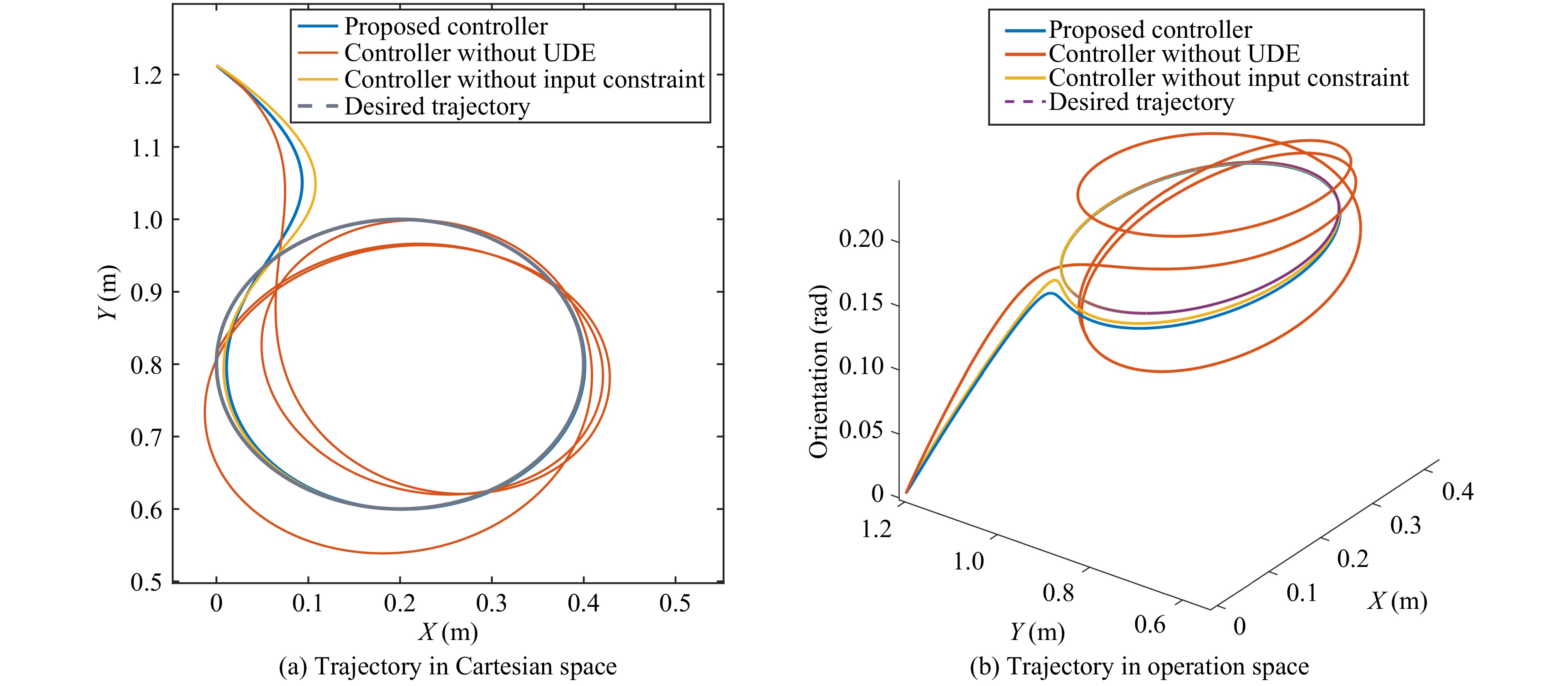
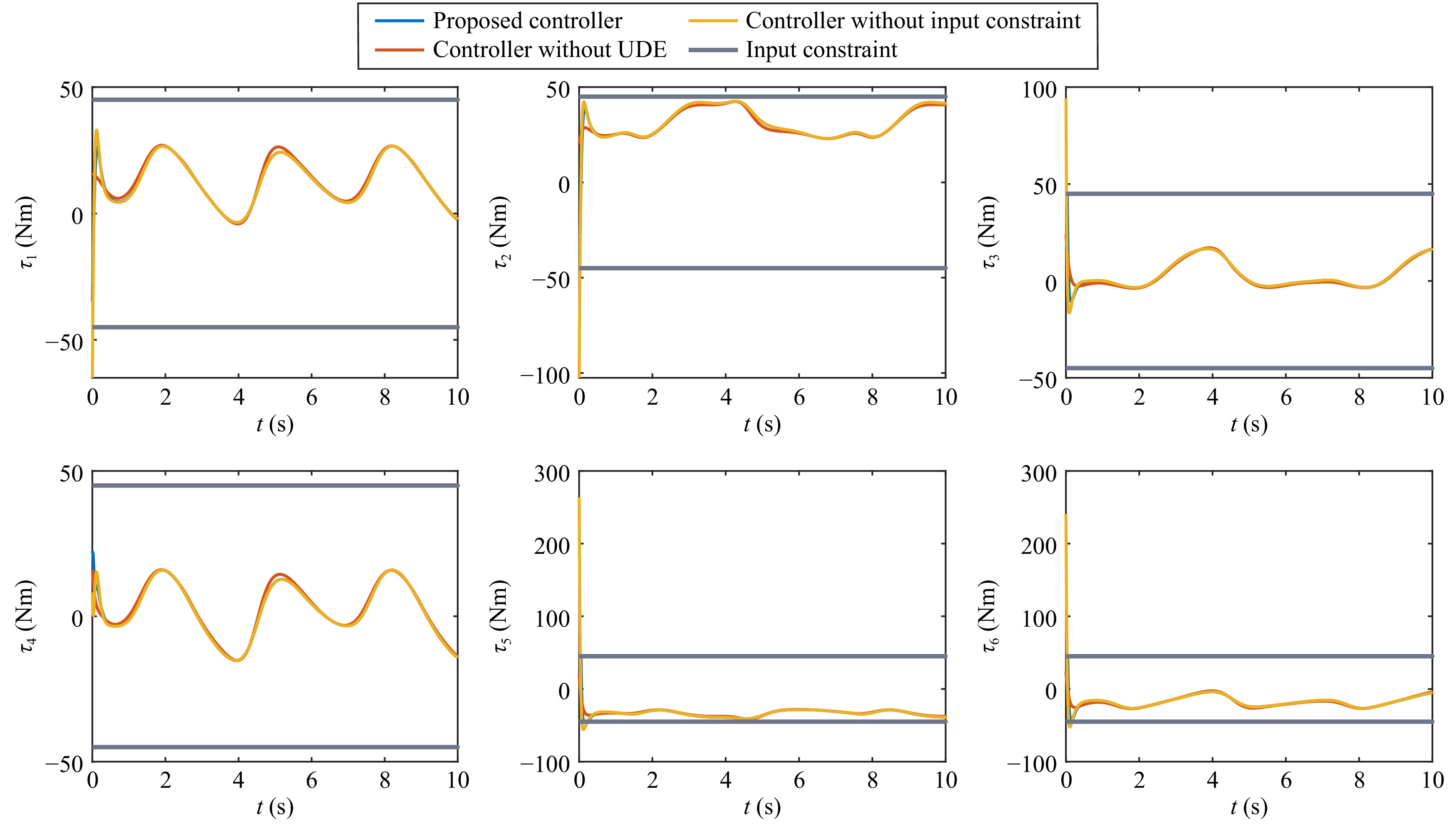
UDE-Based Adaptive Asymptotic Tracking Control for a Dual-Arm Robot With Input-and-Output Constraints
Yuncheng Ouyang, Xinyong He, Xuerao Wang, Changyin Sun
2026, 13(8): 1926-1937. doi: 10.1109/JAS.2026.125831
Abstract(14) HTML (13) PDF(1)
Abstract:
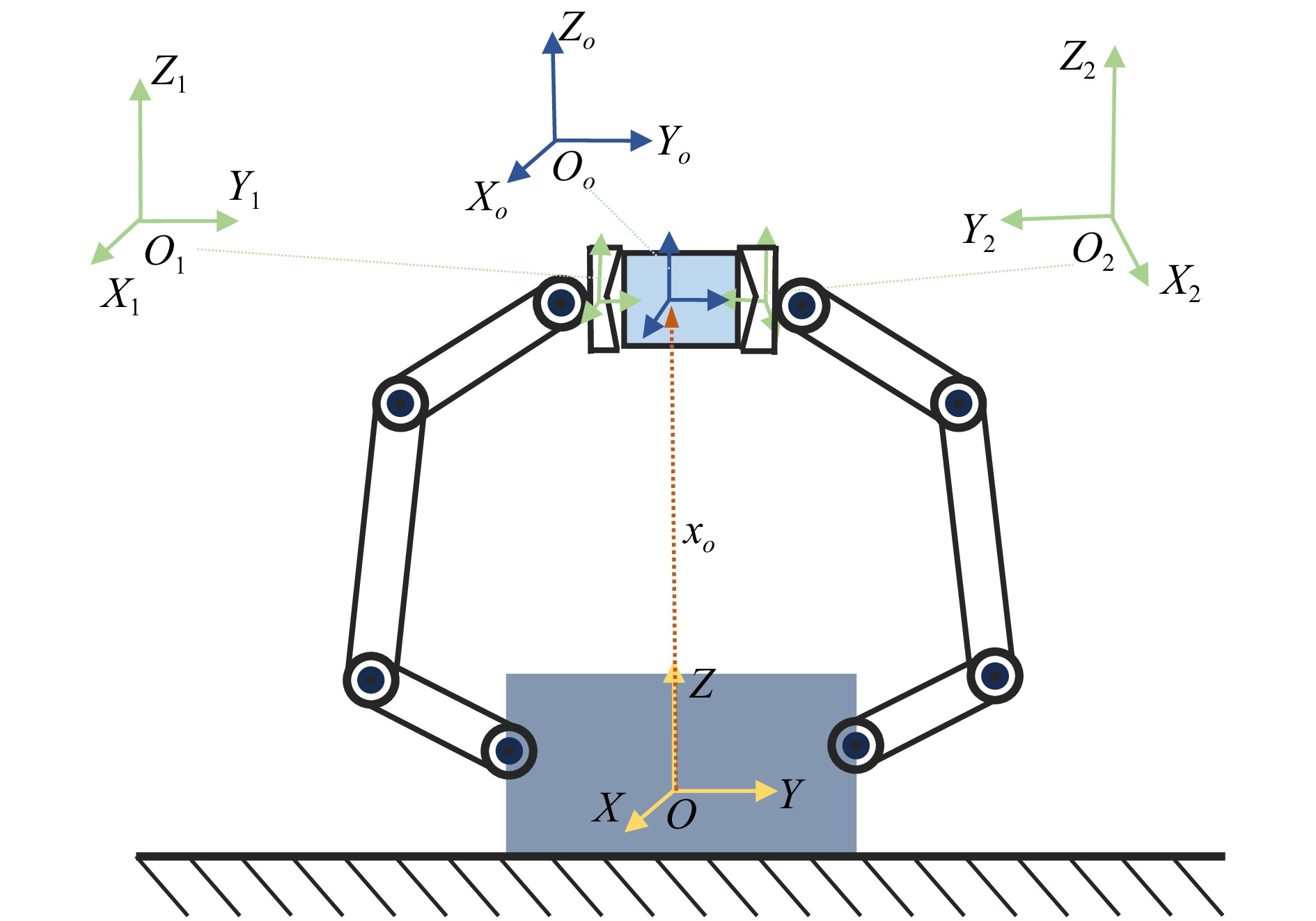
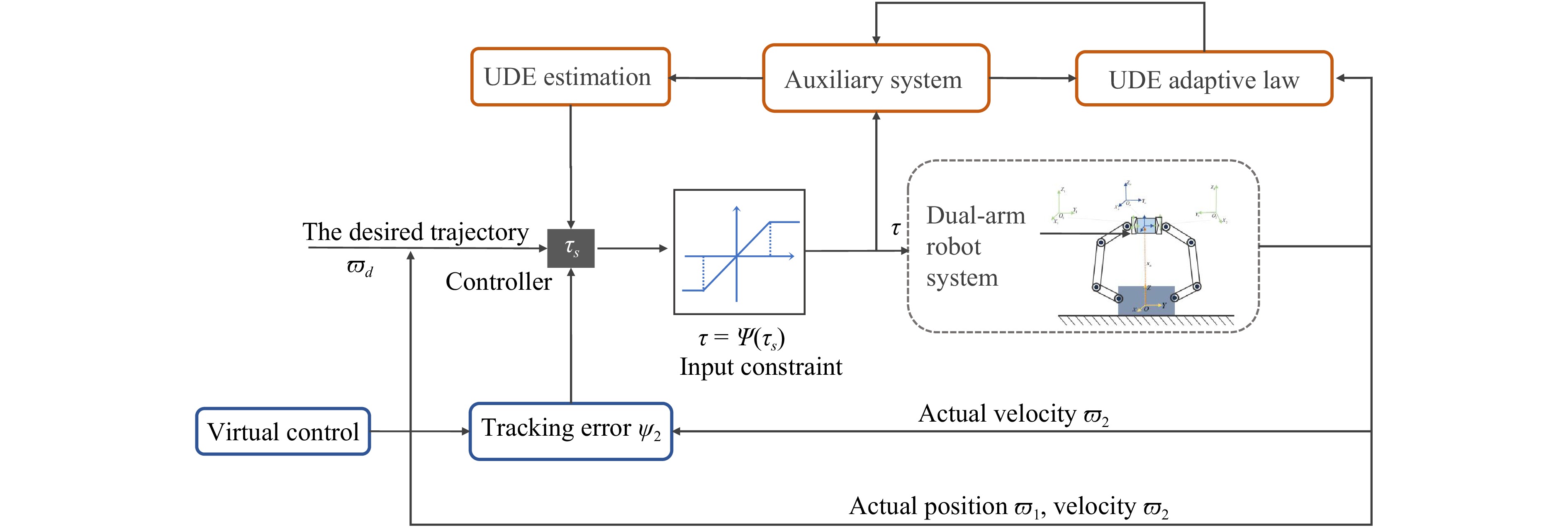
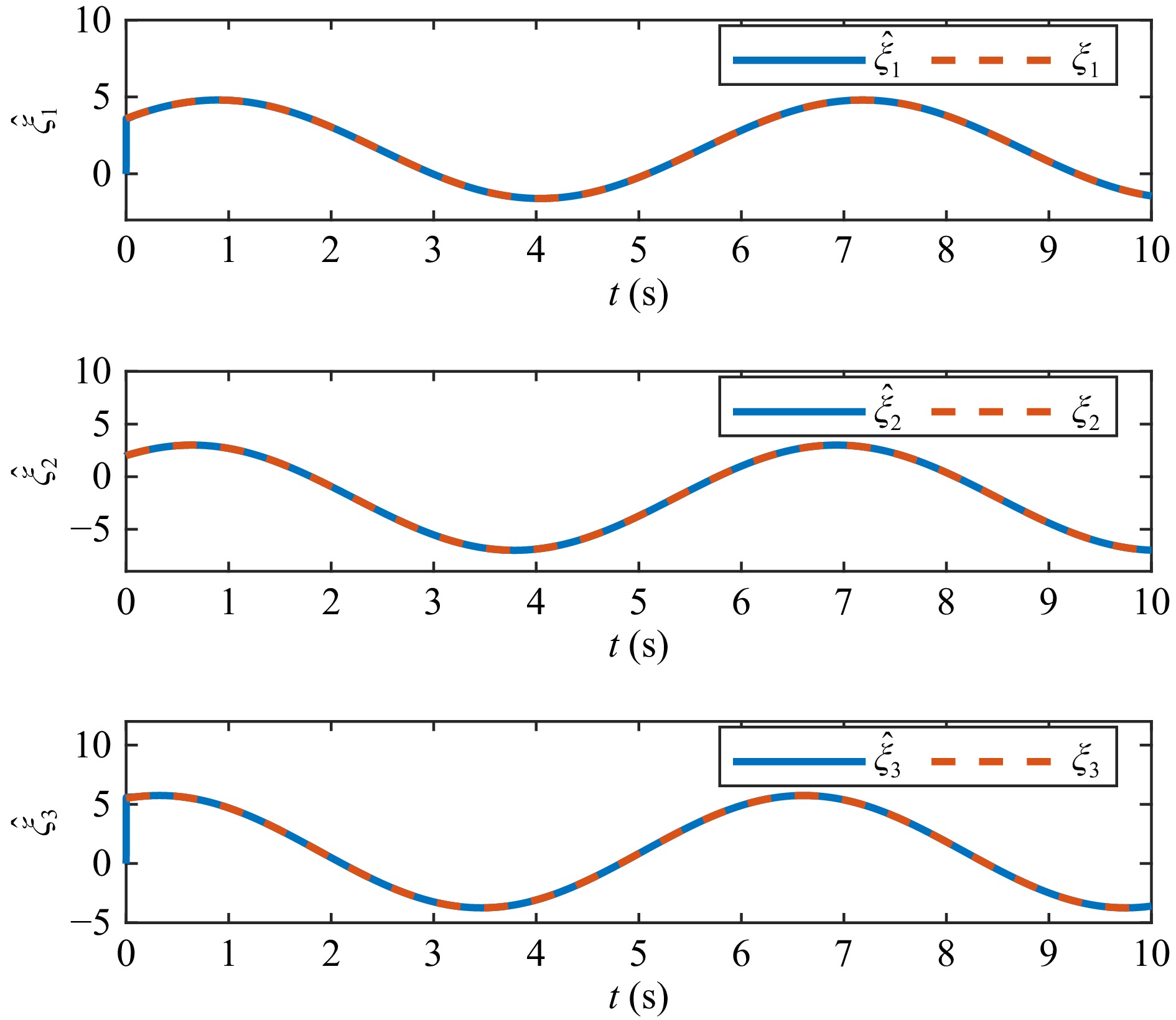
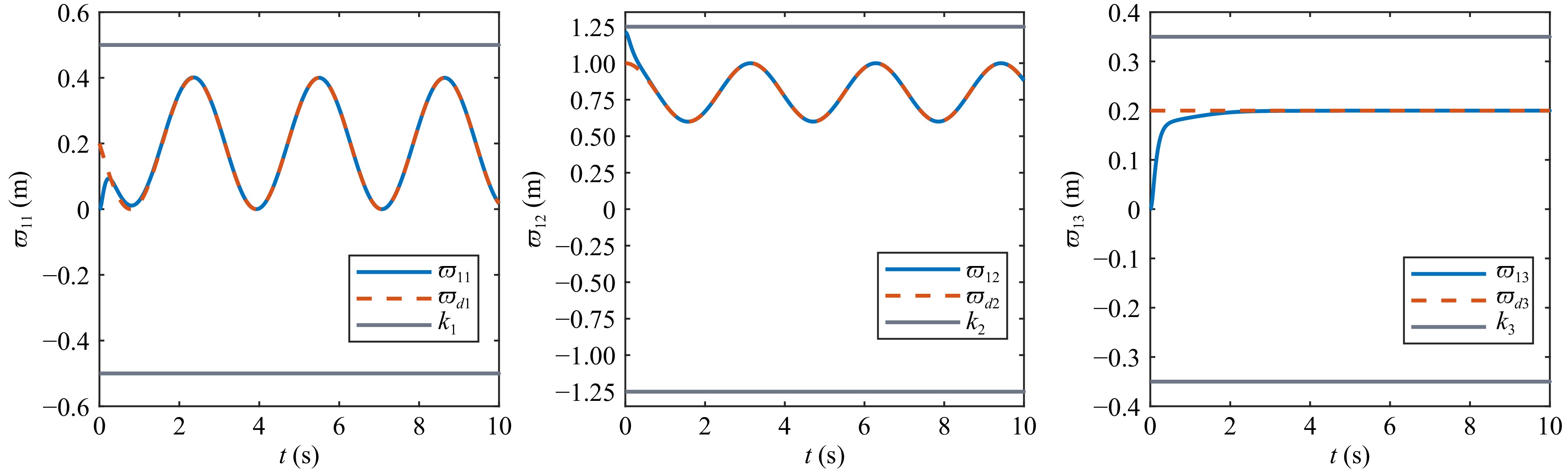
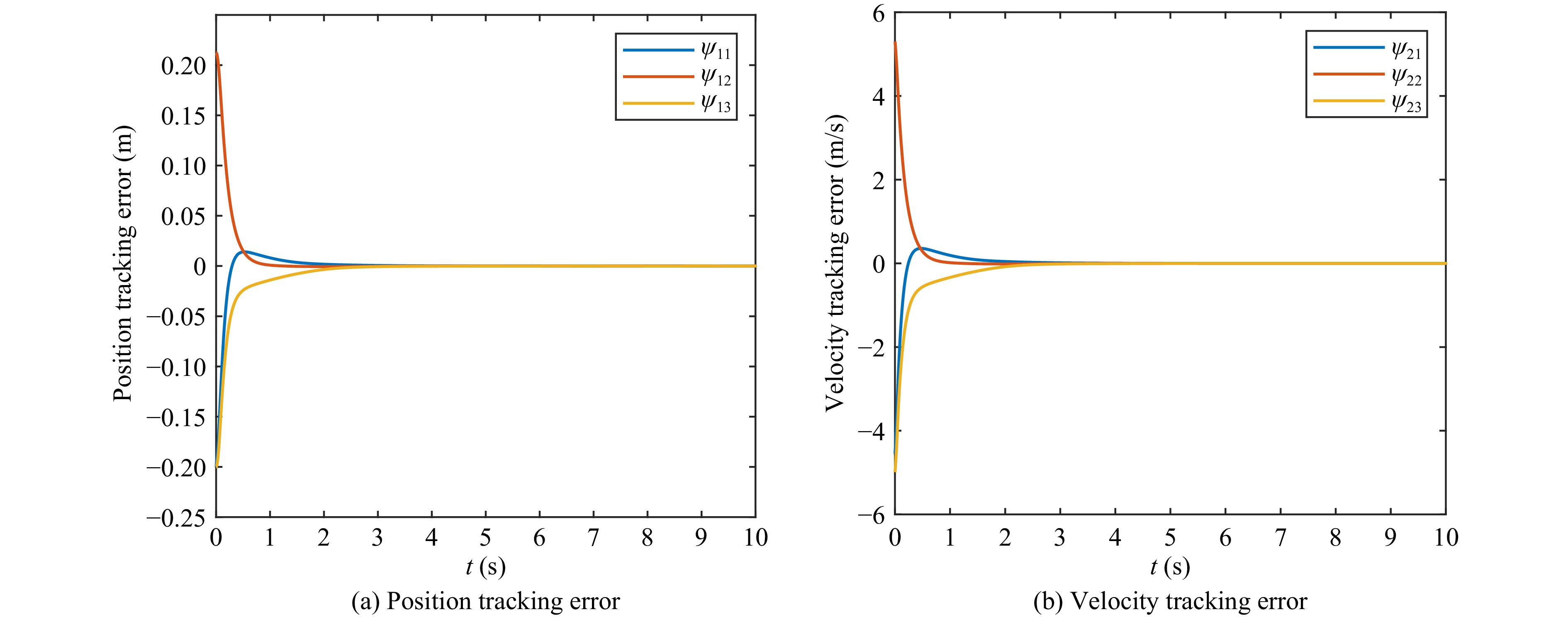
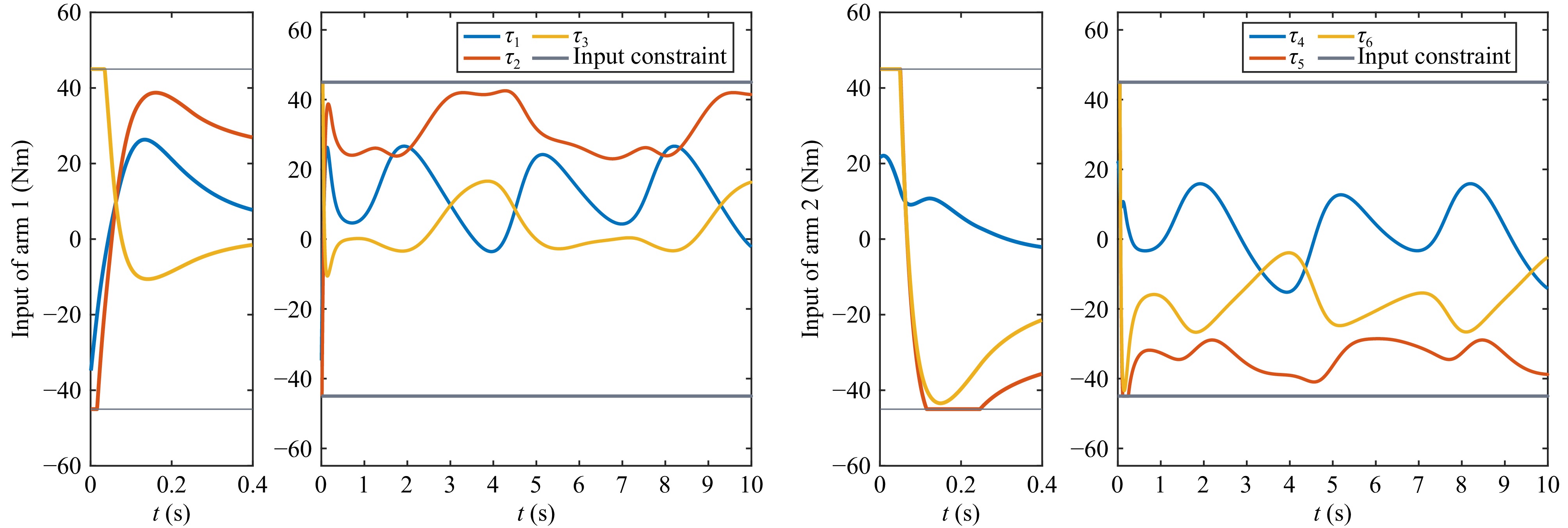
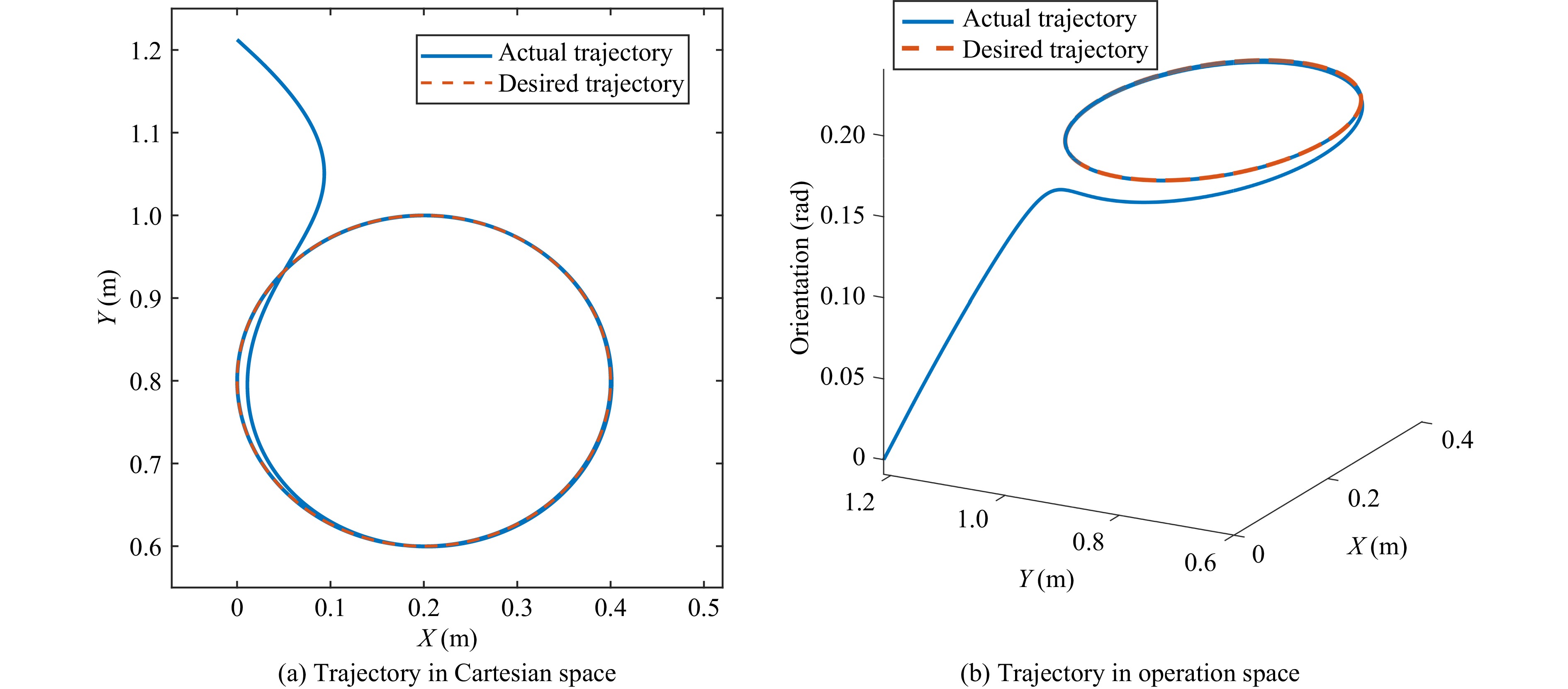
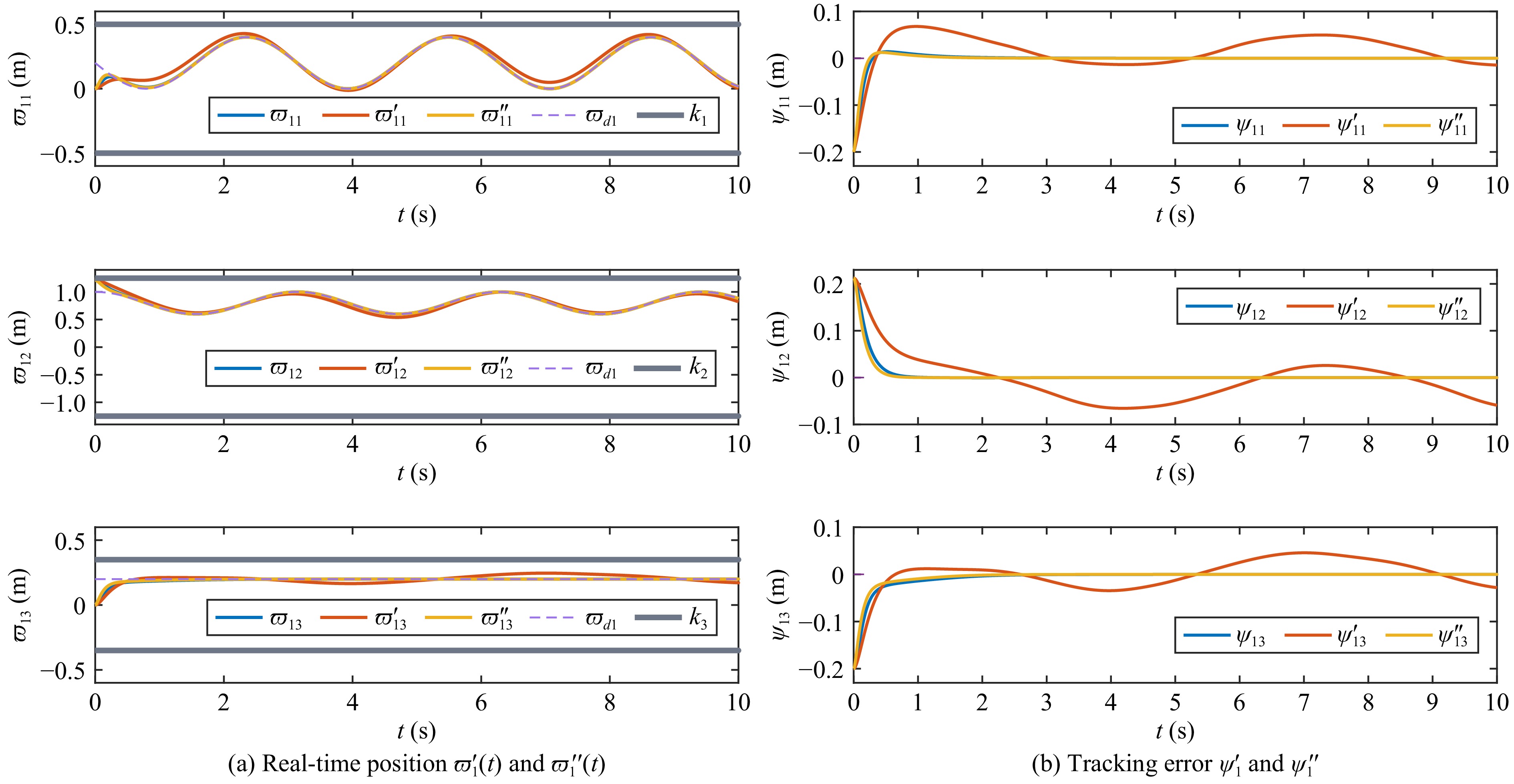
In this paper, an adaptive control scheme is proposed to tackle the tracking problem of an input-and-output constrained dual-arm robot (DAR) with uncertainties and external disturbance. A time-synchronized stable estimator is designed to compensate for the adverse effect of the system uncertainties and unknown disturbance, and guarantees that estimation error of each dimension can achieve convergence at the same time. Furthermore, an input saturation auxiliary variable and an integral barrier Lyapunov function (iBLF) are utilized to ensure the input and output remain within the pre-specified bounds and normal status of the system can be guaranteed. Meanwhile, considering the estimation performance, trajectory tracking, and constraint handling, an analysis based on the Lyapunov direct method is given to illustrate the asymptotic stability of the DAR tracking system. Finally, numerical simulations are conducted to verify the effectiveness and feasibility of the proposed control scheme.
A Knowledge-Imparting Generative Modelling Framework for Heterogeneous Federated Learning
Hongyao Chen, Tianyang Xu, Xiaojun Wu, Josef Kittler
2026, 13(8): 1938-1951. doi: 10.1109/JAS.2026.125840
Abstract(12) HTML (11) PDF(0)
Abstract:
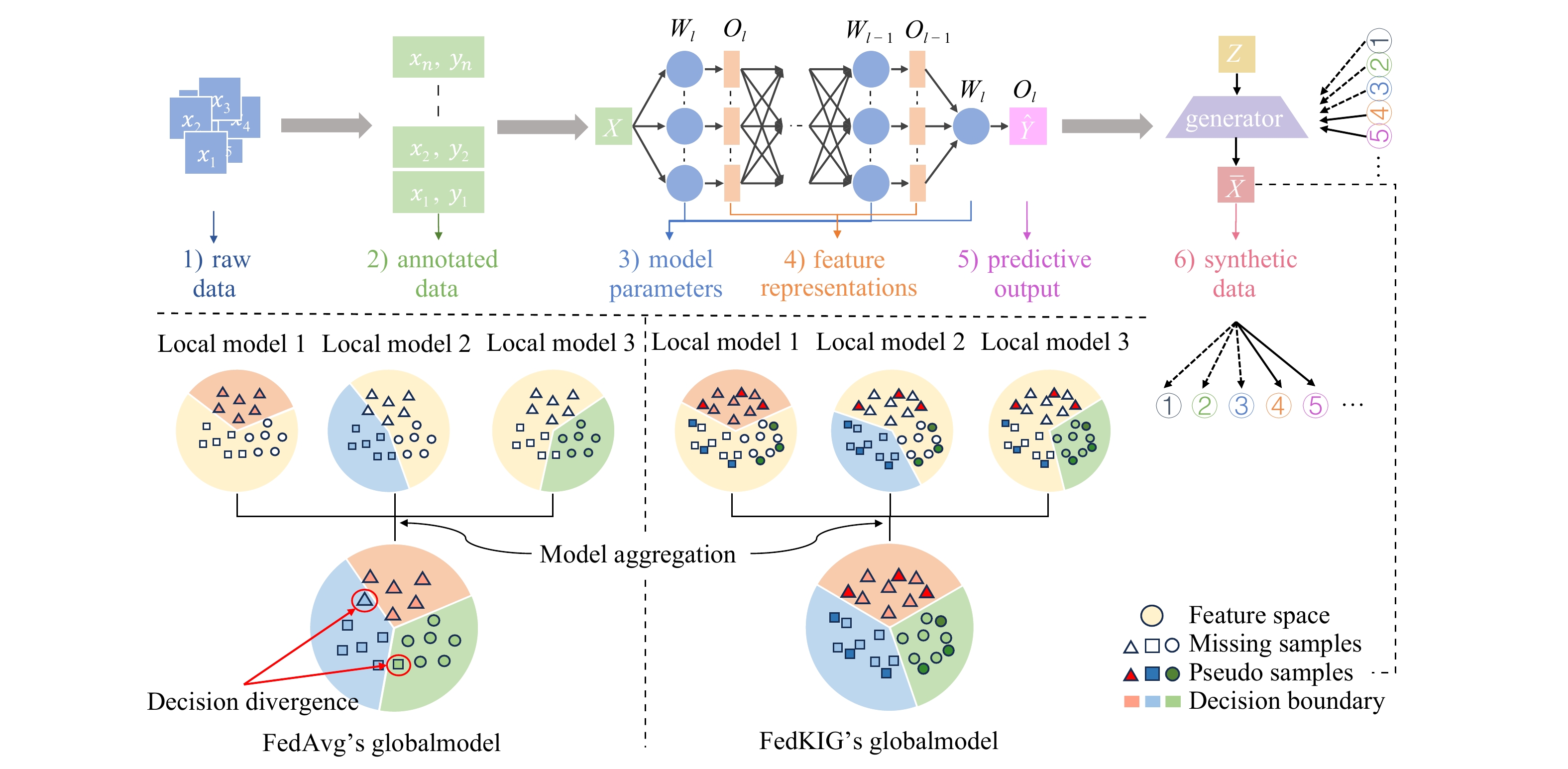
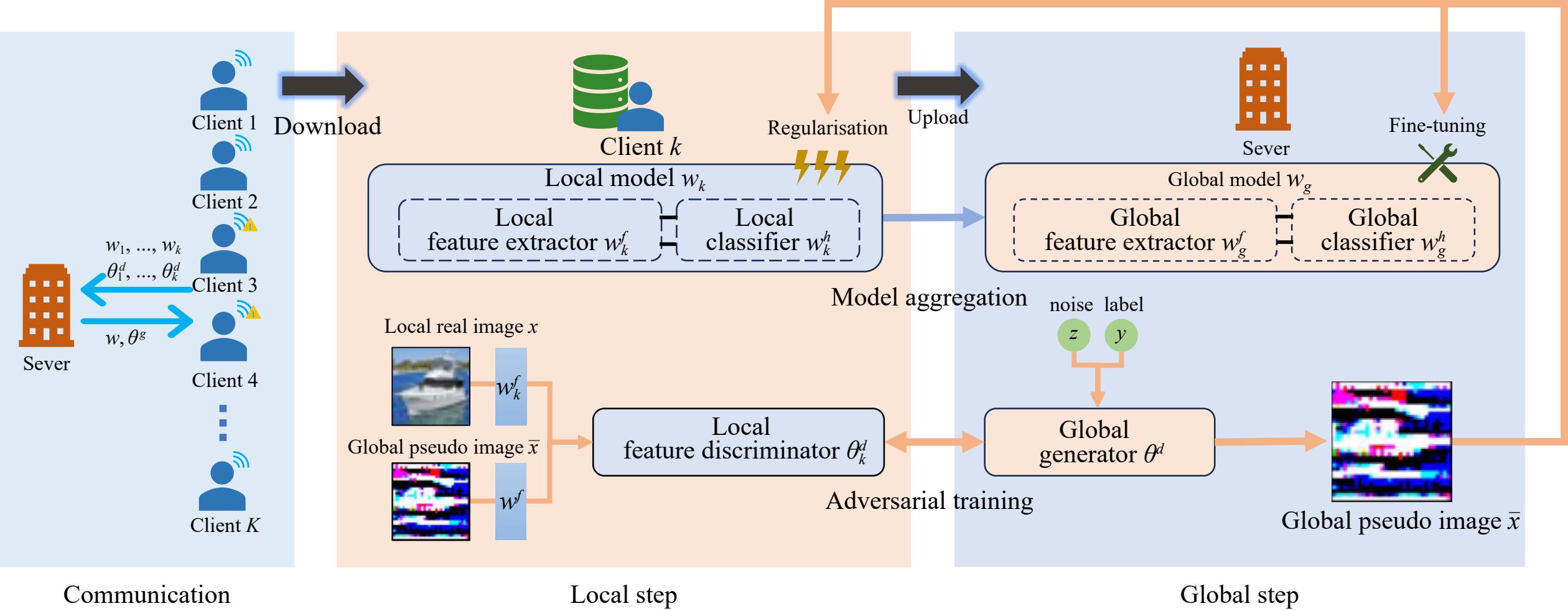
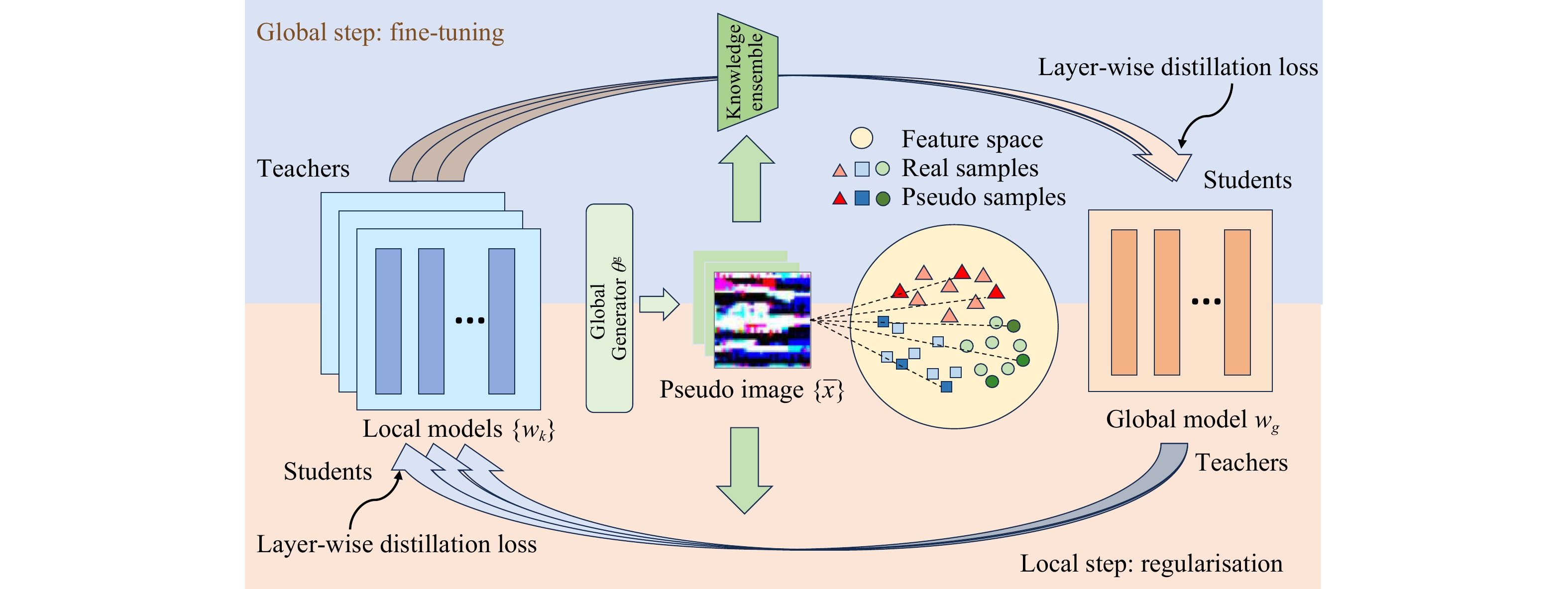
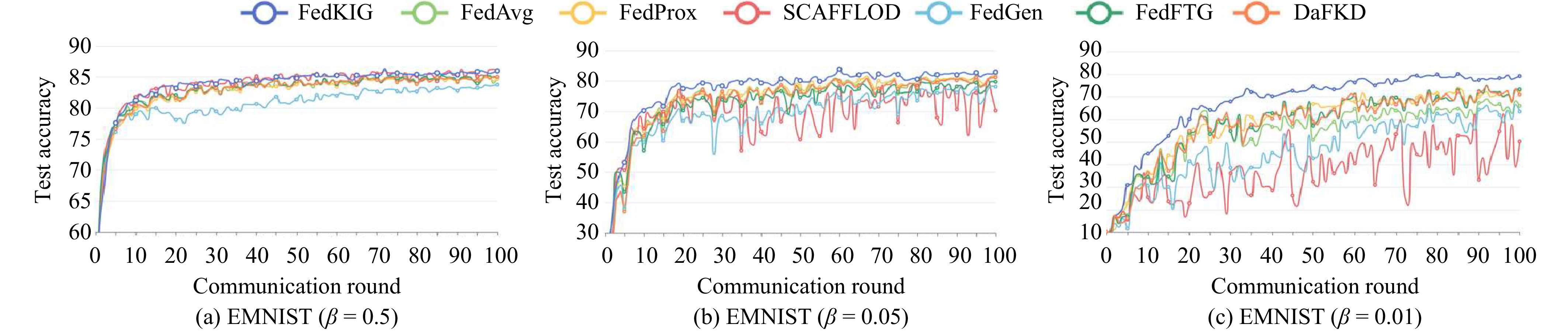
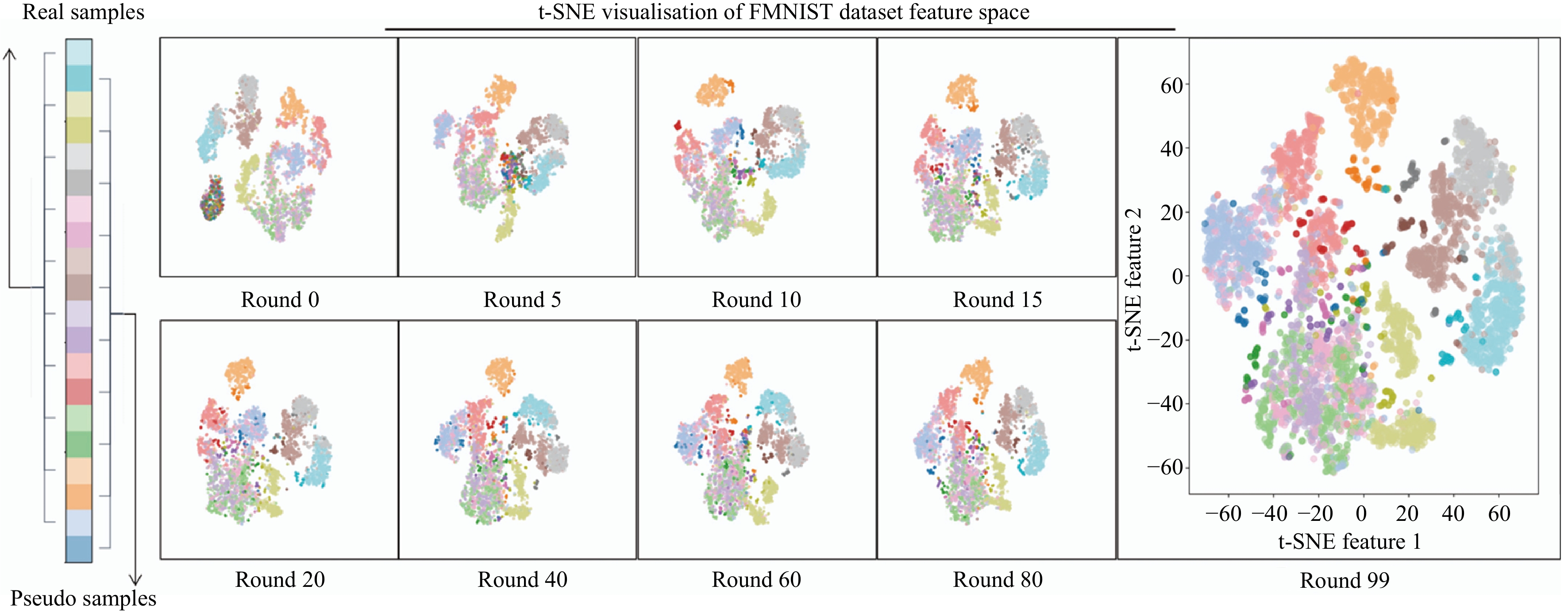
Federated learning aims to provide security for client data privacy in practical machine learning applications. In principle, a global server aggregates the models produced by local clients to obtain a global model. However, the server is challenged when collaborating with local clients handling non-identically distributed data without authorisation to access it. Therefore, advanced solutions advocate the use of generative modules to deliver surrogate data to local clients during a server-agent interaction, without revealing private particulars. We argue that such a unidirectional transfer of surrogate patterns cannot fully represent and harmonise knowledge during the server-client interactions. To this end, we propose a knowledge-imparting generative modelling framework (FedKIG) based on adversarial feature learning and bidirectional knowledge distillation, to explore the potential of interactive generative modelling. In particular, FedKIG trains a feature discriminator for each local client to identify the surrogate patterns extracted by the global model. Under the supervision of the local feature discriminators, the server learns a global generator to generate pseudo samples that convey its global perspective. In this manner, local models are enabled to absorb global knowledge, thereby mitigating the training data divergence caused by data heterogeneity. In addition, we develop a bidirectional knowledge distillation strategy to support the entire learning process. This strategy breaks the rigidity of federated distillation by updating knowledge transfer between the server and the clients iteratively, thus overcoming the learning-forgetting issue. The proposed privacy-protected server-client interaction solution supports explicit knowledge generation for exploitation in federated learning. Extensive experimental results indicate that FedKIG significantly improves the generalisation performance and the stability of the model in heterogeneous federated learning scenarios.
A Reference Vector-Guided and Generative Adversarial Network-Driven Competitive Swarm Optimizer for Large-Scale Multi-Objective Optimization
Chunlei Li, Libao Deng, Liyan Qiao, Lili Zhang
2026, 13(8): 1952-1968. doi: 10.1109/JAS.2026.125849
Abstract(43) HTML (9) PDF(2)
Abstract:
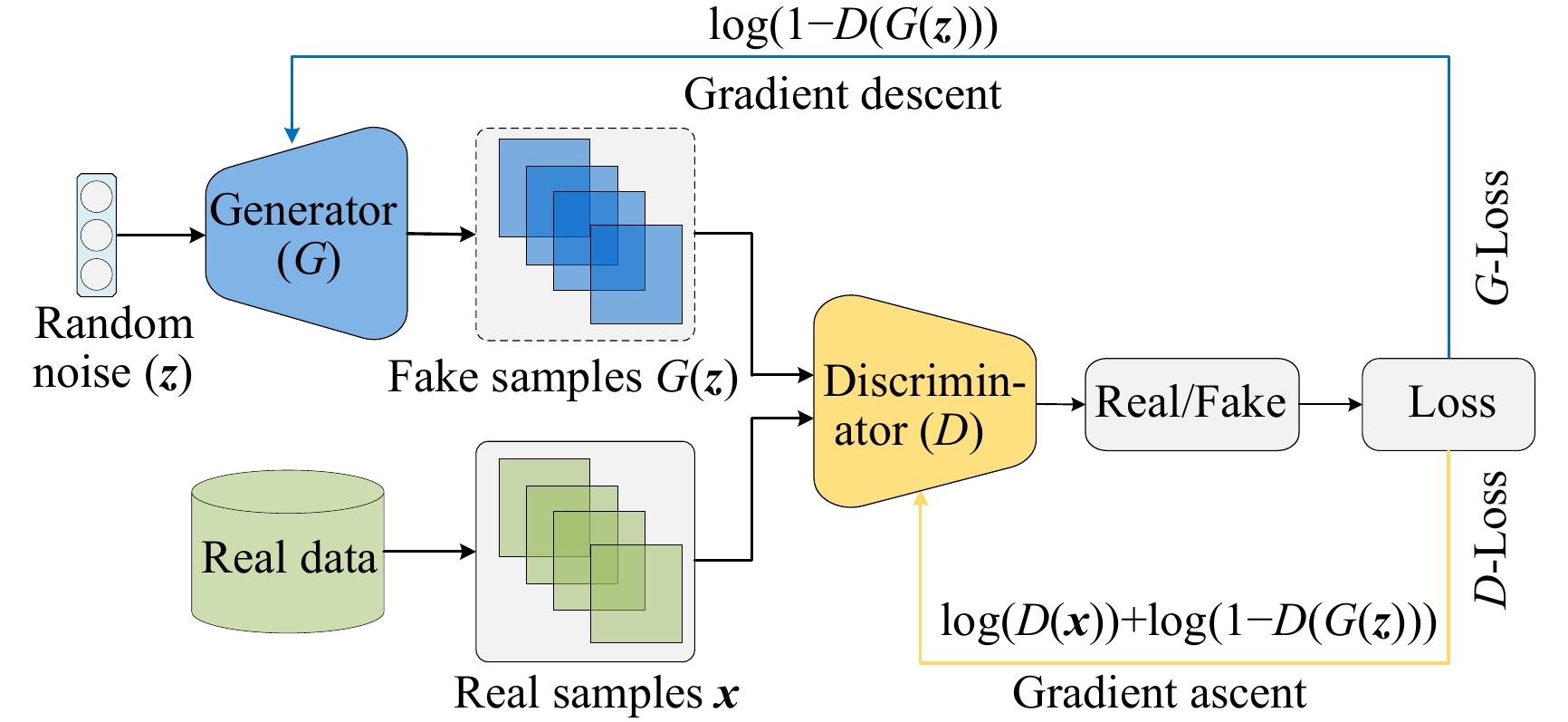
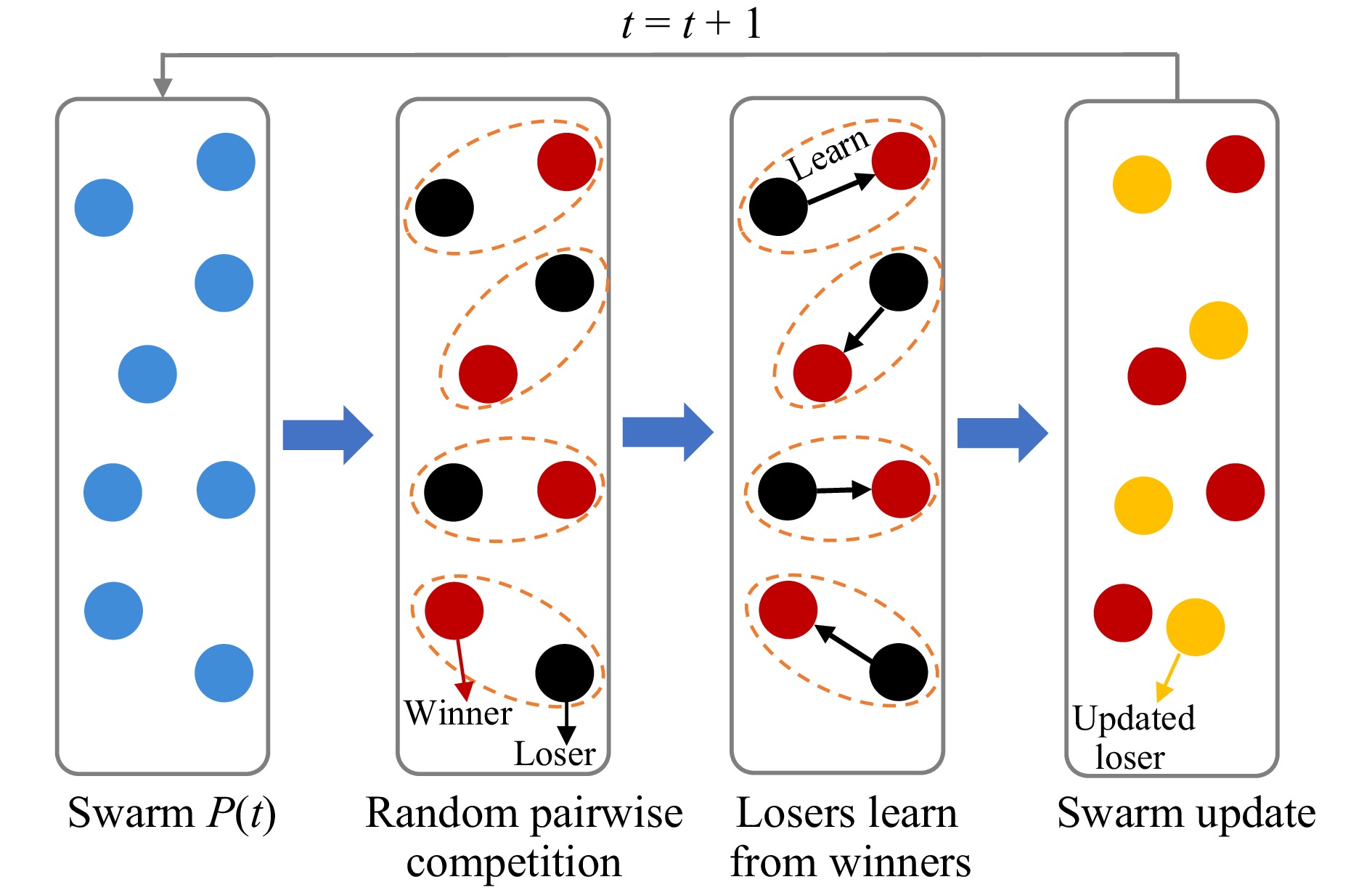
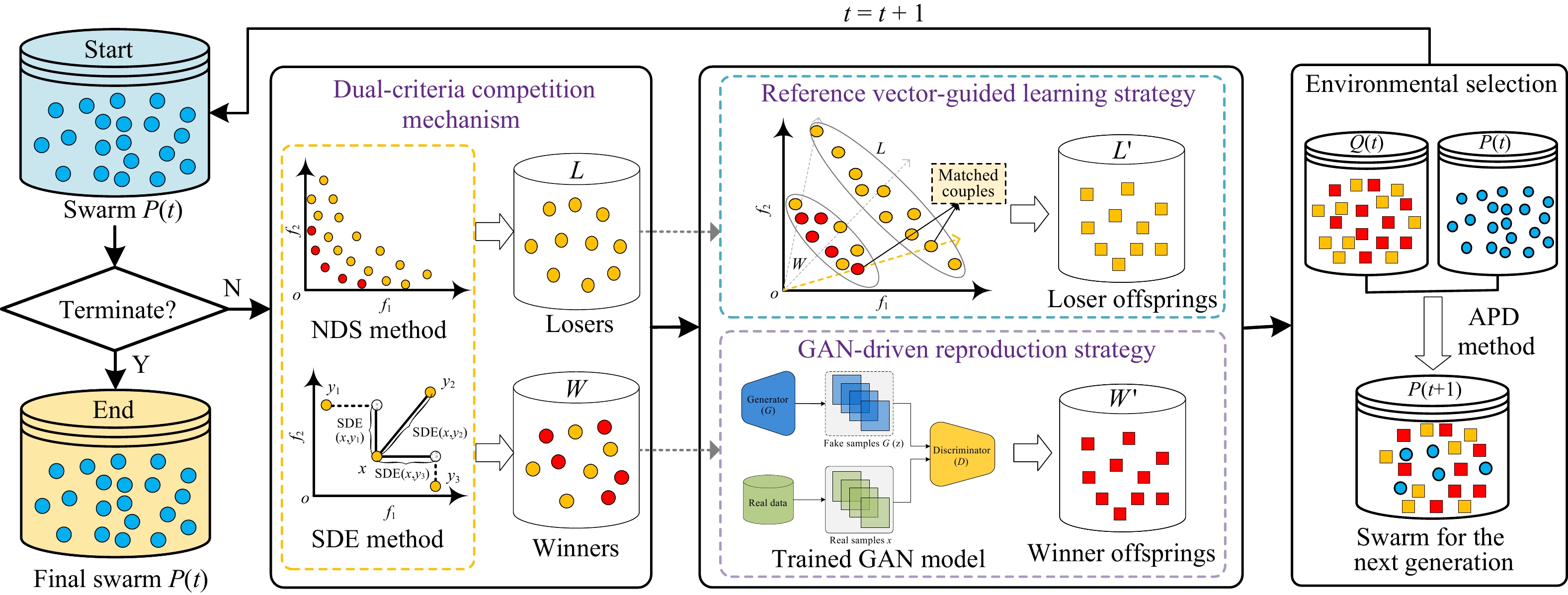
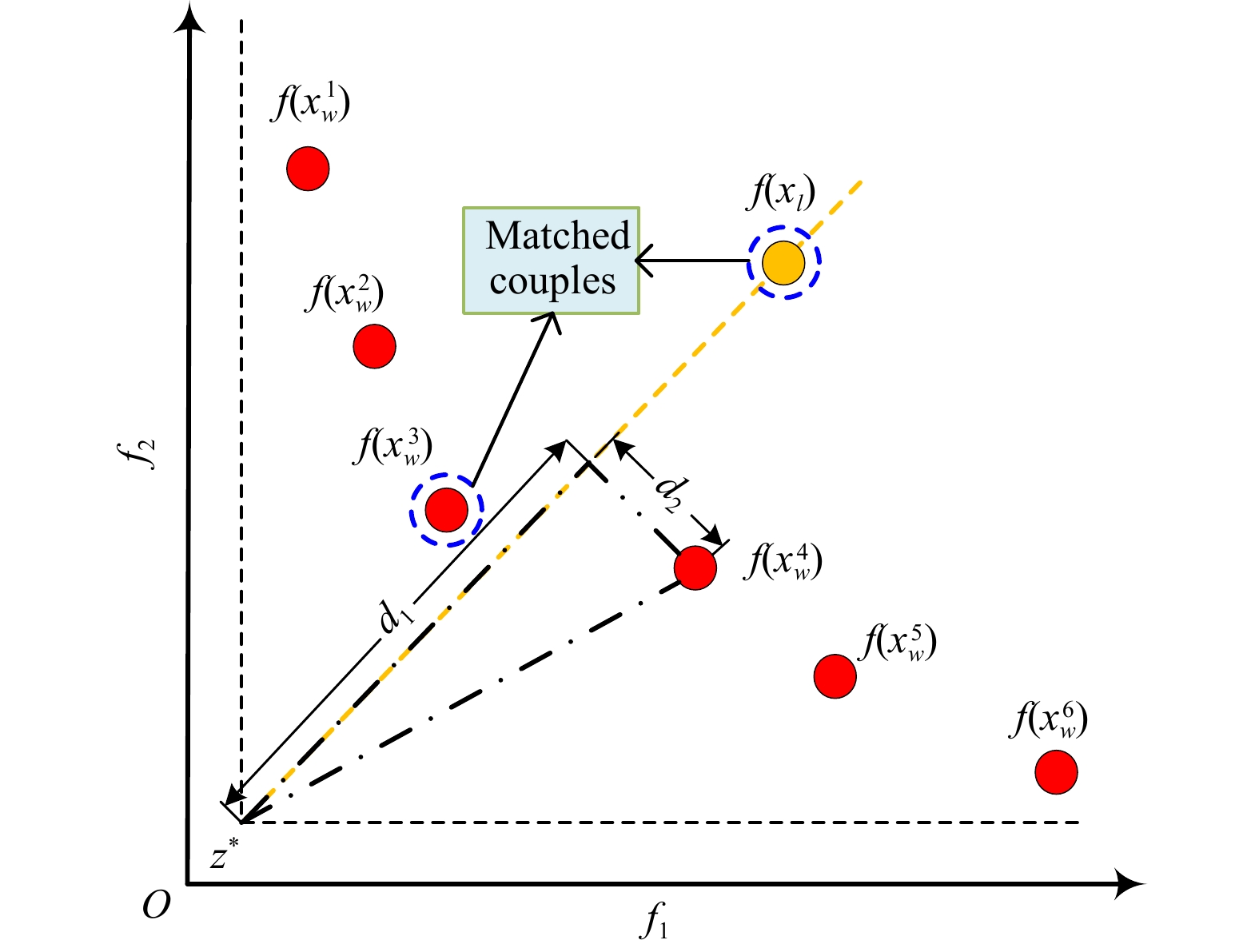
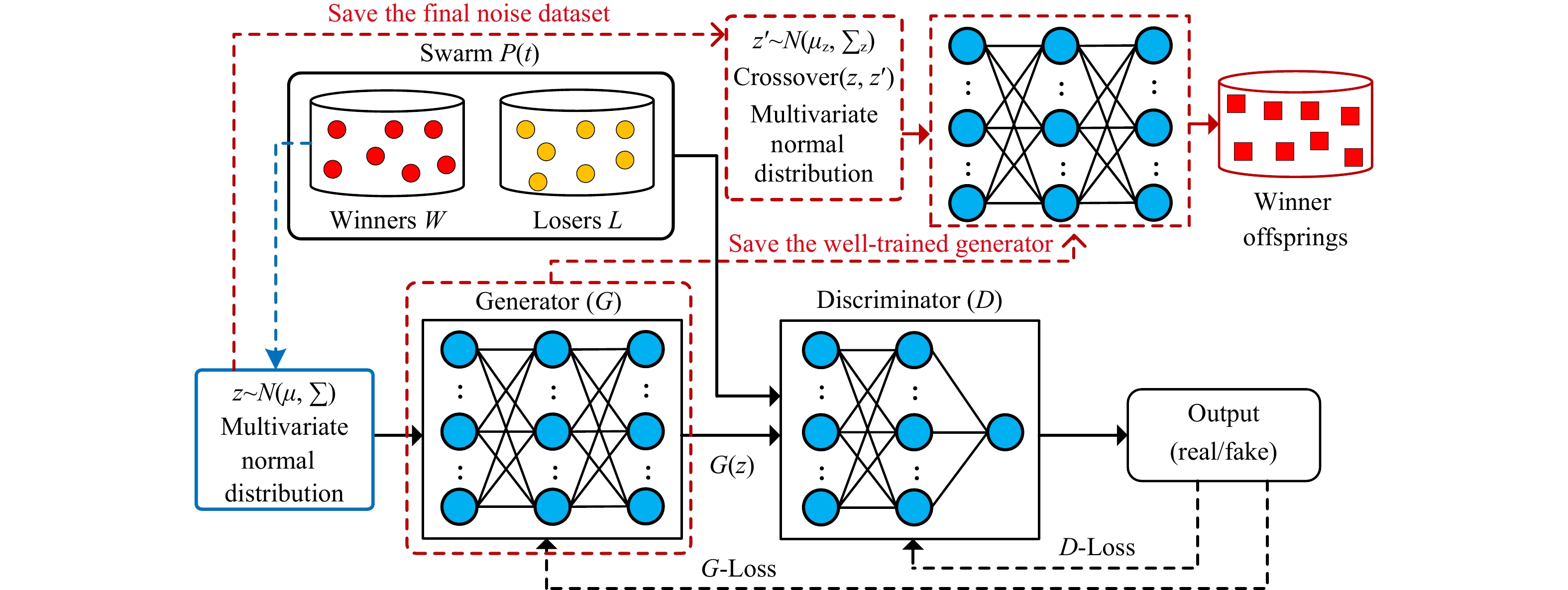
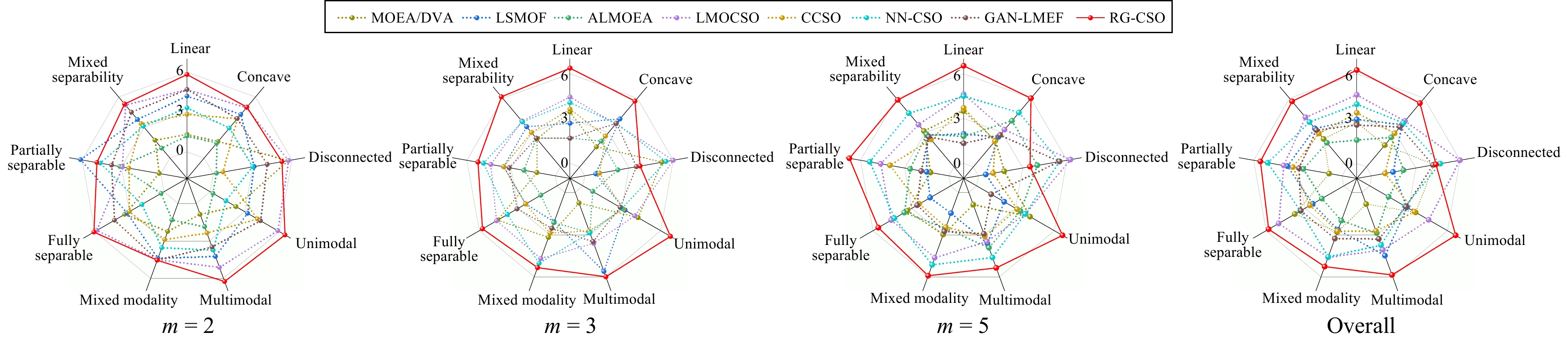
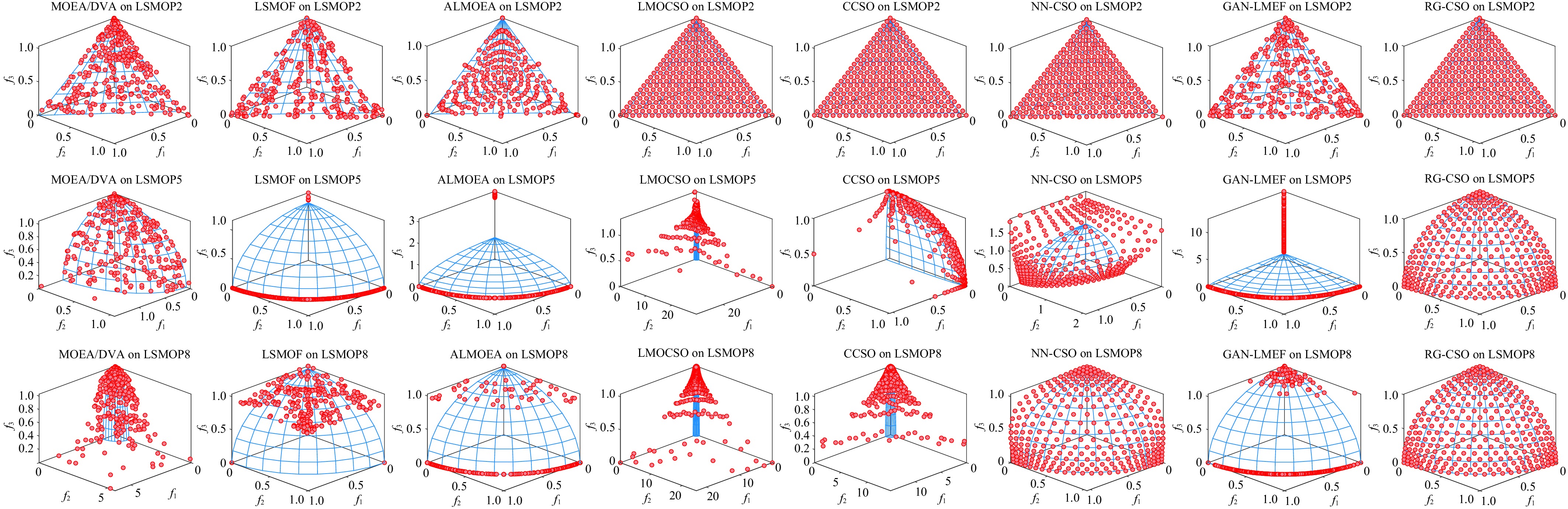
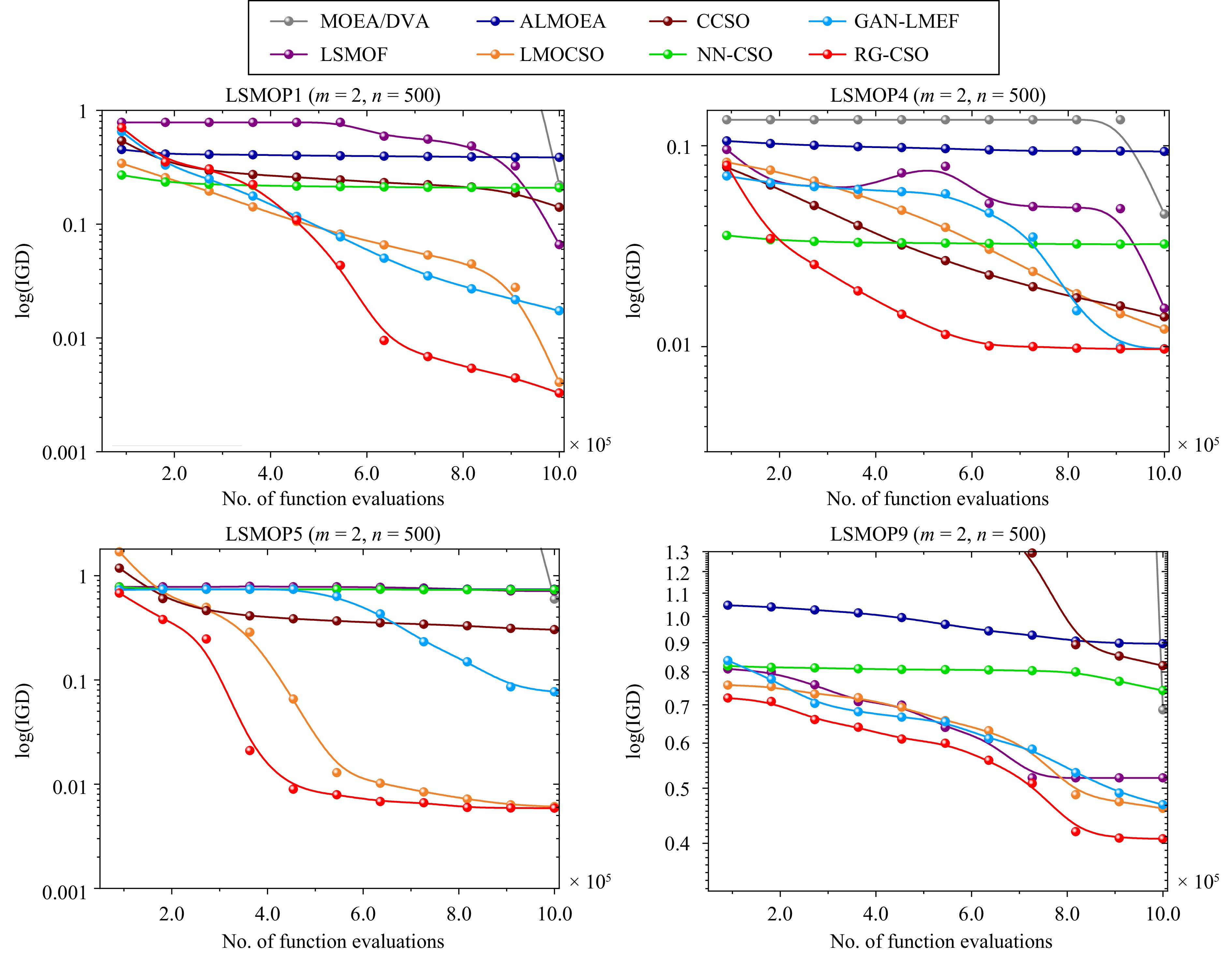
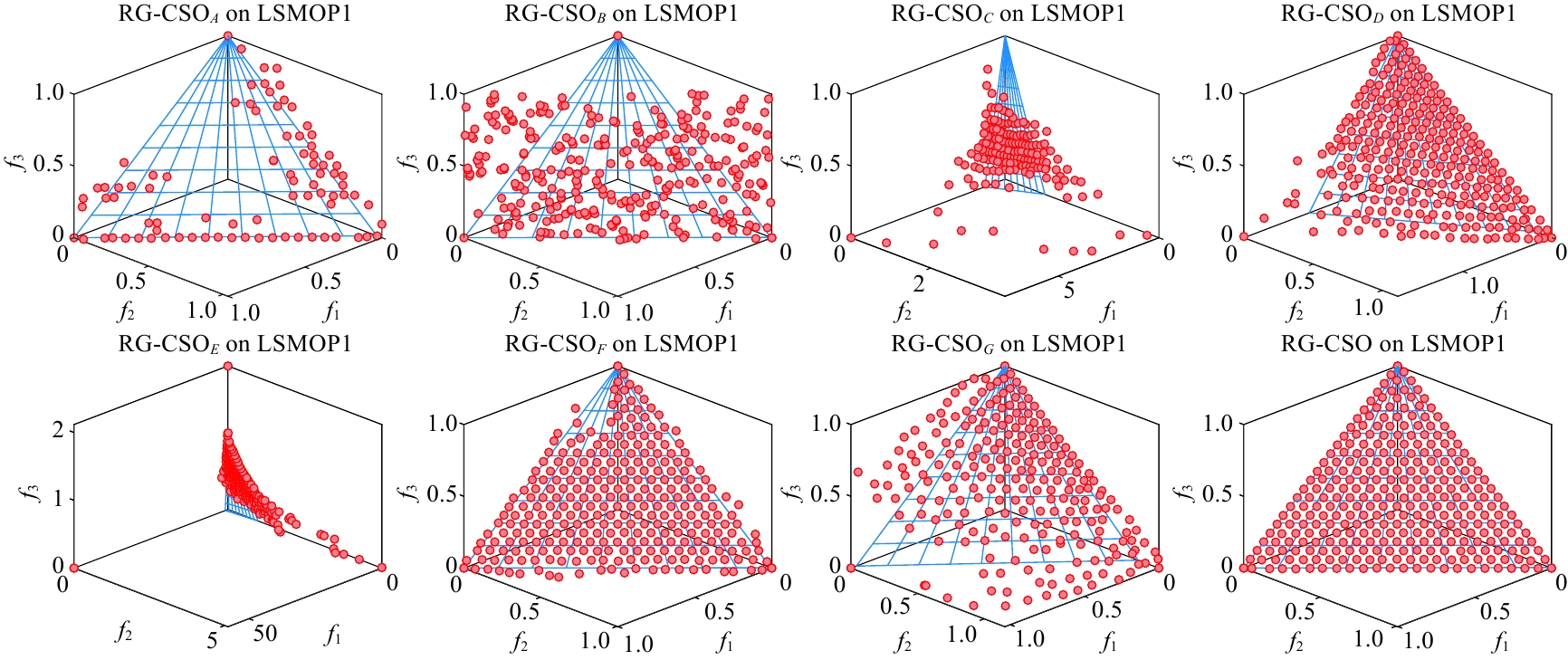
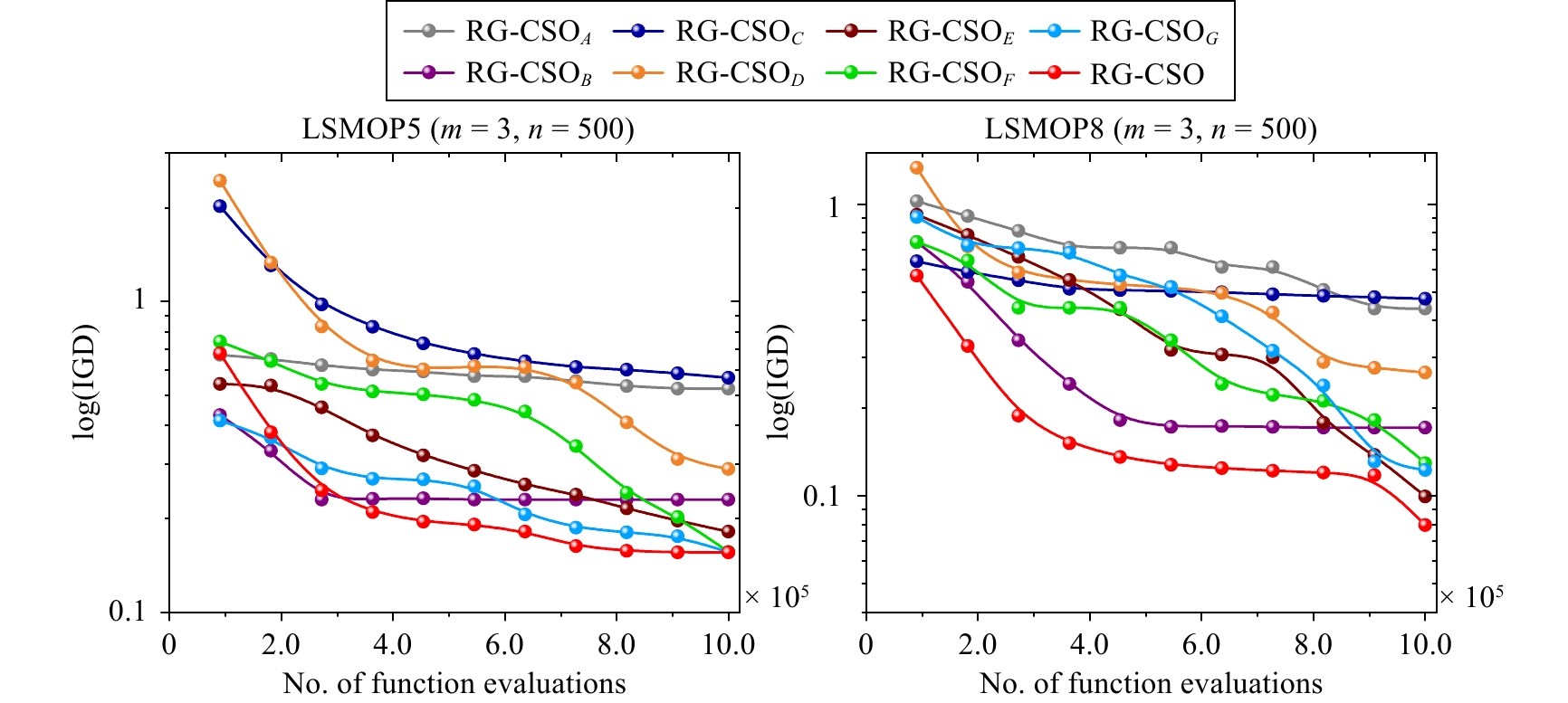
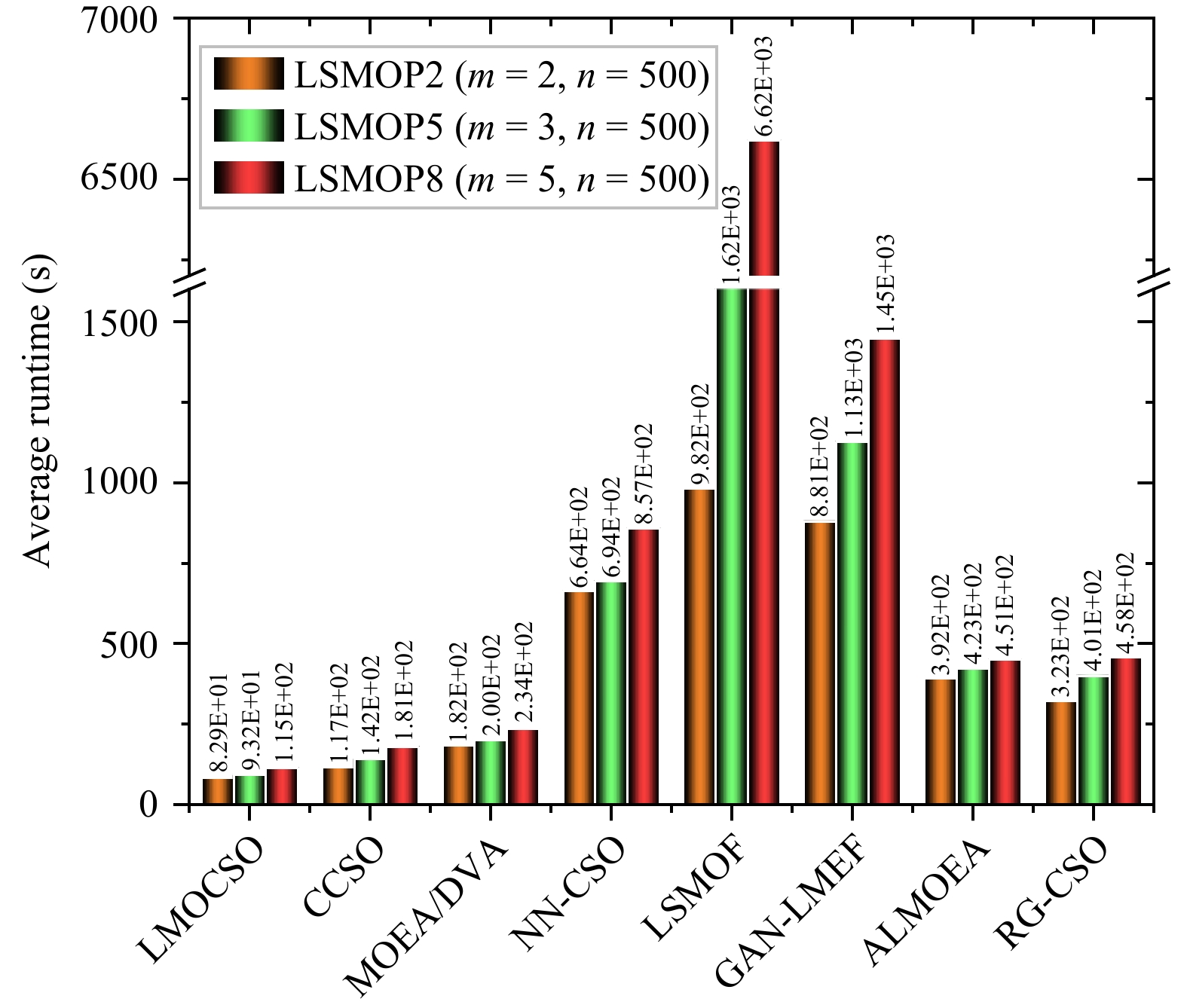
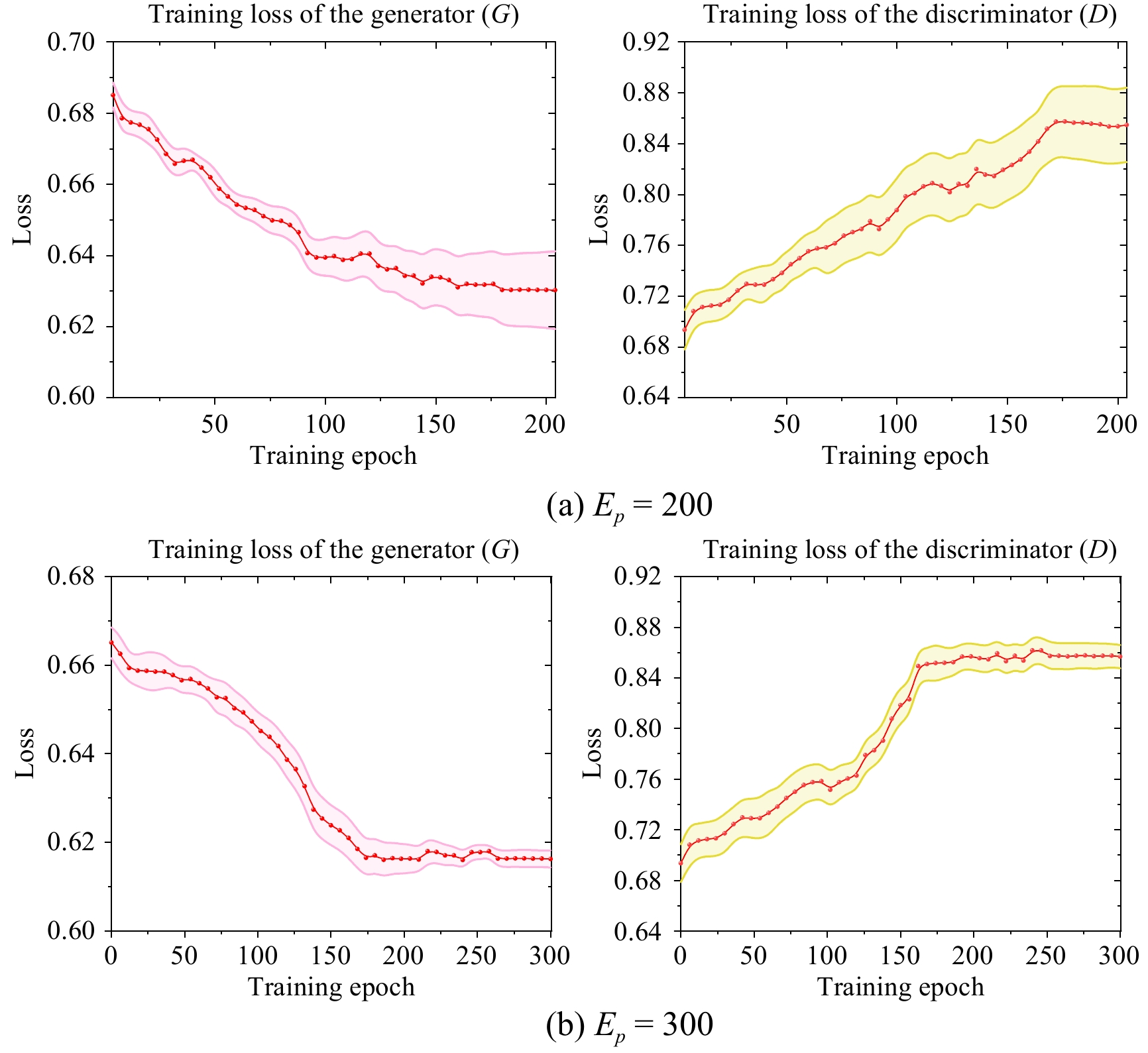
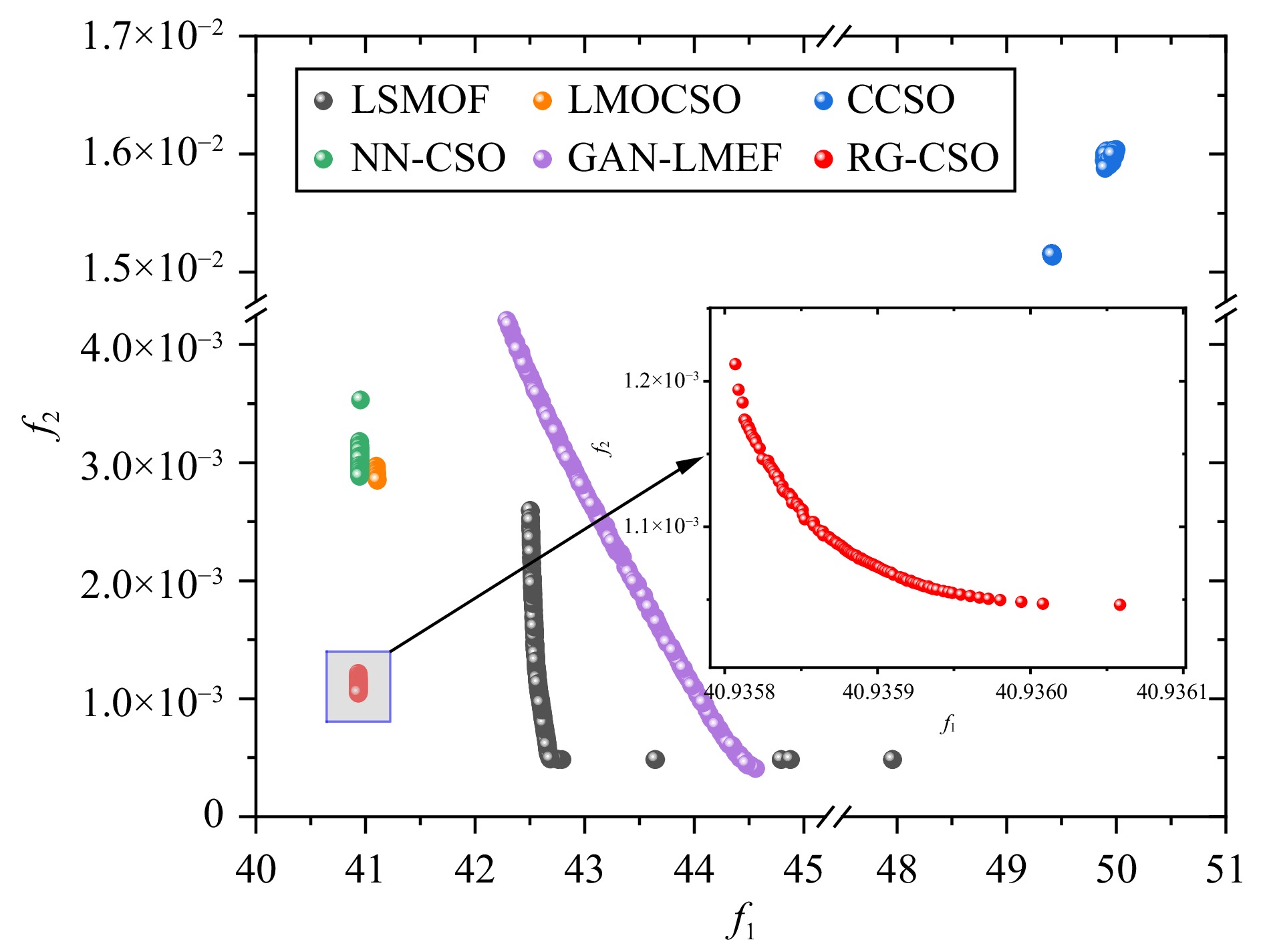
Competitive swarm optimizers (CSOs) have demonstrated promising performance in addressing large-scale optimization challenges. However, they are often criticized for inefficient convergence when solving large-scale multi-objective optimization problems (LSMOPs) due to their competition and learning mechanisms being originally designed for single-objective scenarios. To overcome this limitation, this paper proposes a reference vector-guided and generative adversarial network (GAN)-driven CSO variant for LSMOPs. The algorithm introduces a dual-criteria competition mechanism to replace the conventional random pairwise competition, enabling more effective swarm division into winner and loser groups while preserving diverse search directions. Furthermore, it enhances particle update through two comprehensive learning strategies: a reference vector-guided update strategy that directs loser particles toward promising search directions in a self-supervised manner, coupled with a GAN-driven reproduction strategy where a GAN model is trained to capture the distribution patterns of high-performing winner particles, subsequently generating refined candidate solutions with improved quality and diversity. By synergizing the strong exploration of CSO with the efficient exploitation of GAN-based reproduction, the proposed algorithm achieves promising optimization performance. Experimental results demonstrate its superiority over seven state-of-the-art large-scale multi-objective optimization algorithms on both LSMOP benchmark problems and real-world applications.
Nonlinear Set-Membership Estimation and Its Application to the Design of an Interacting Multiple Model Estimator
Hao Liu, Qing-Long Han, Zixin Huang, Yuzhe Li, Wei Wang
2026, 13(8): 1969-1981. doi: 10.1109/JAS.2025.125867
Abstract(17) HTML (11) PDF(2)
Abstract:
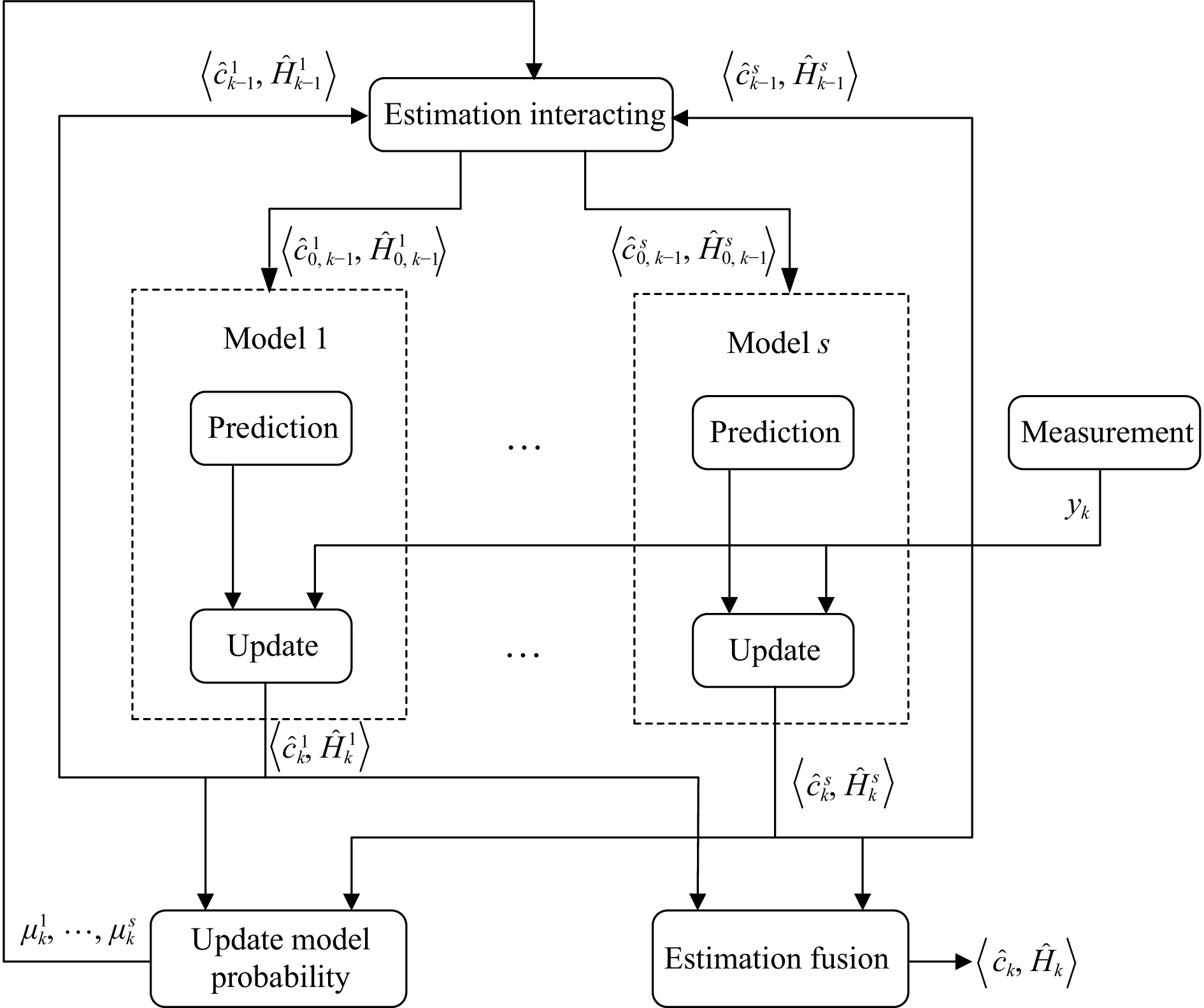
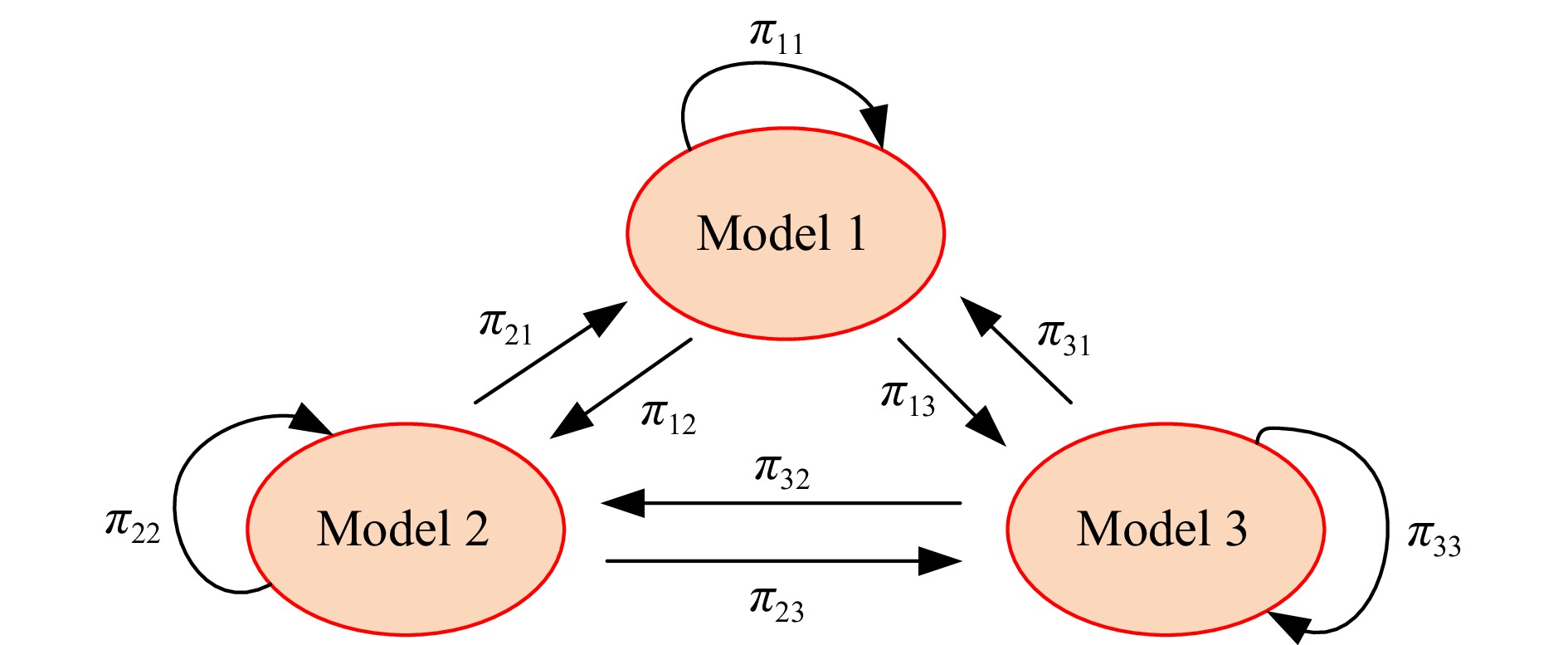
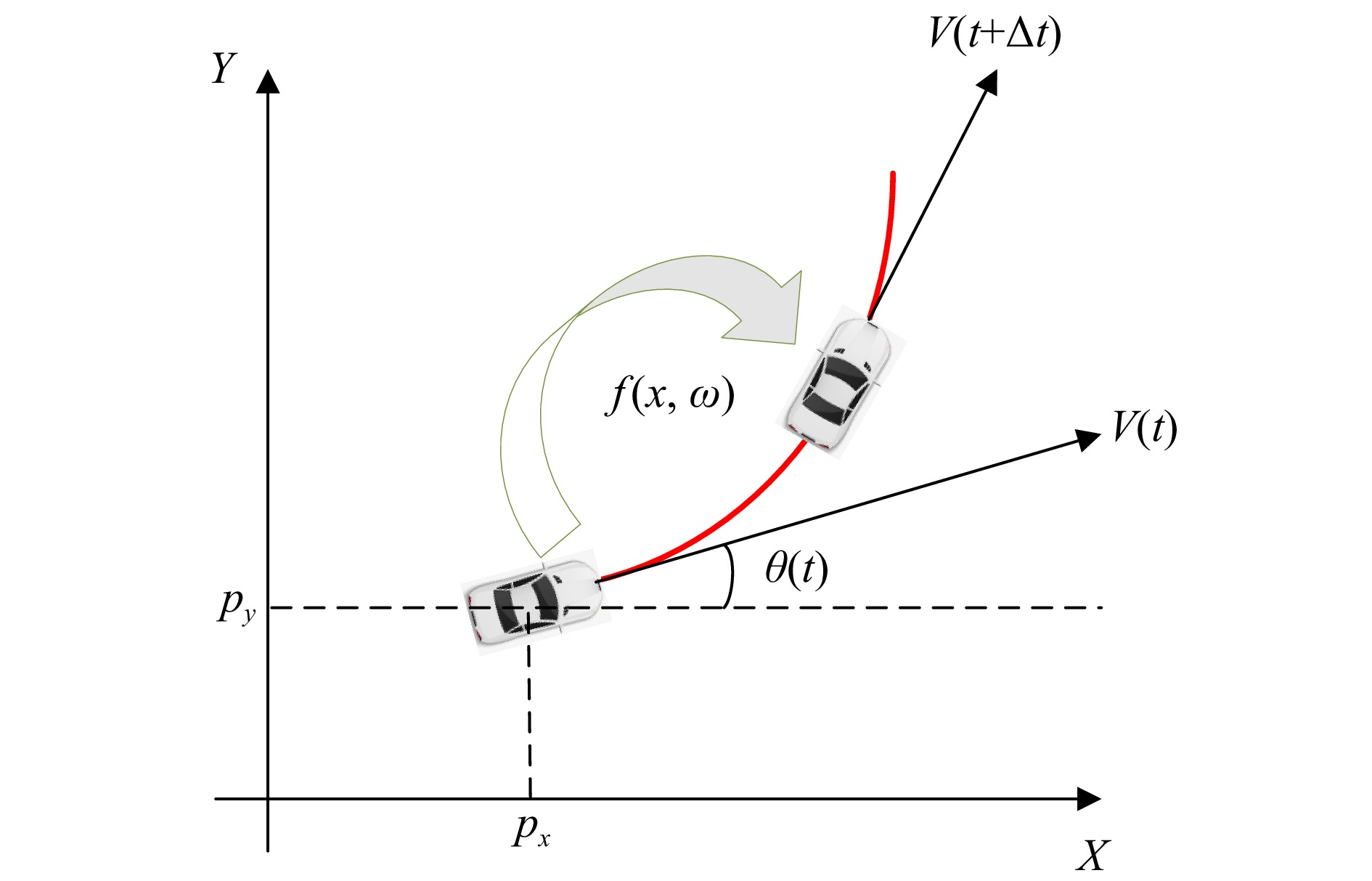
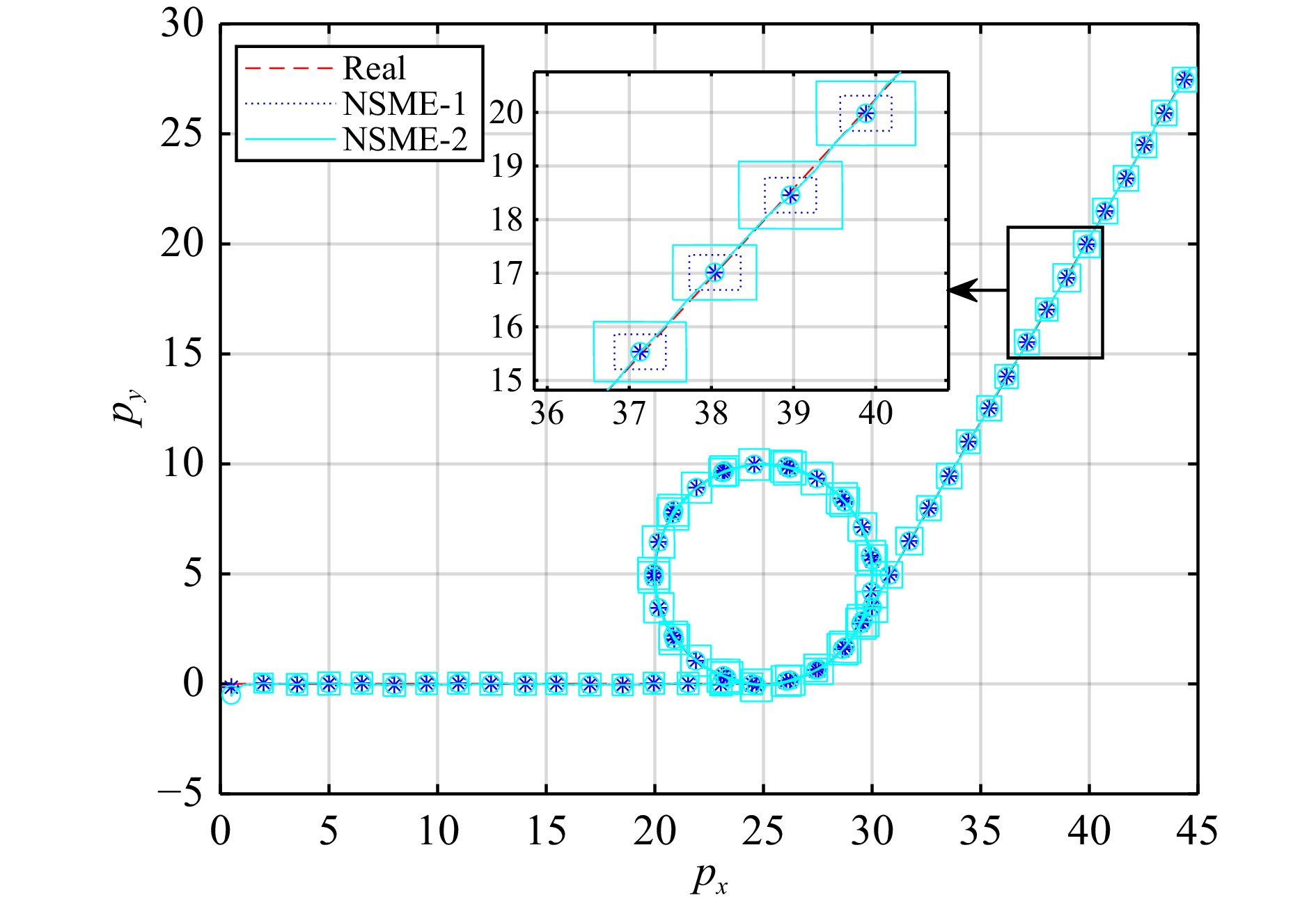
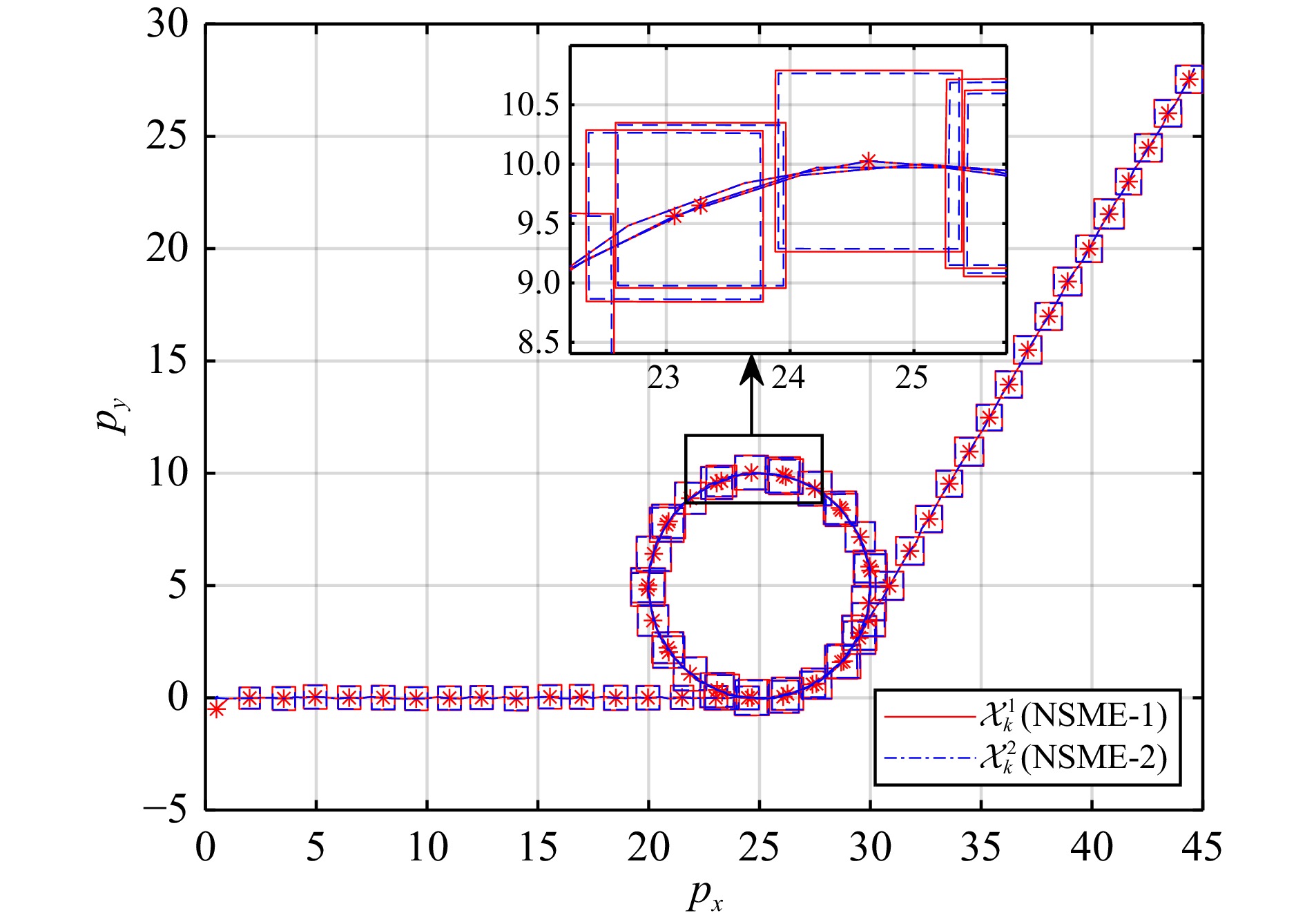
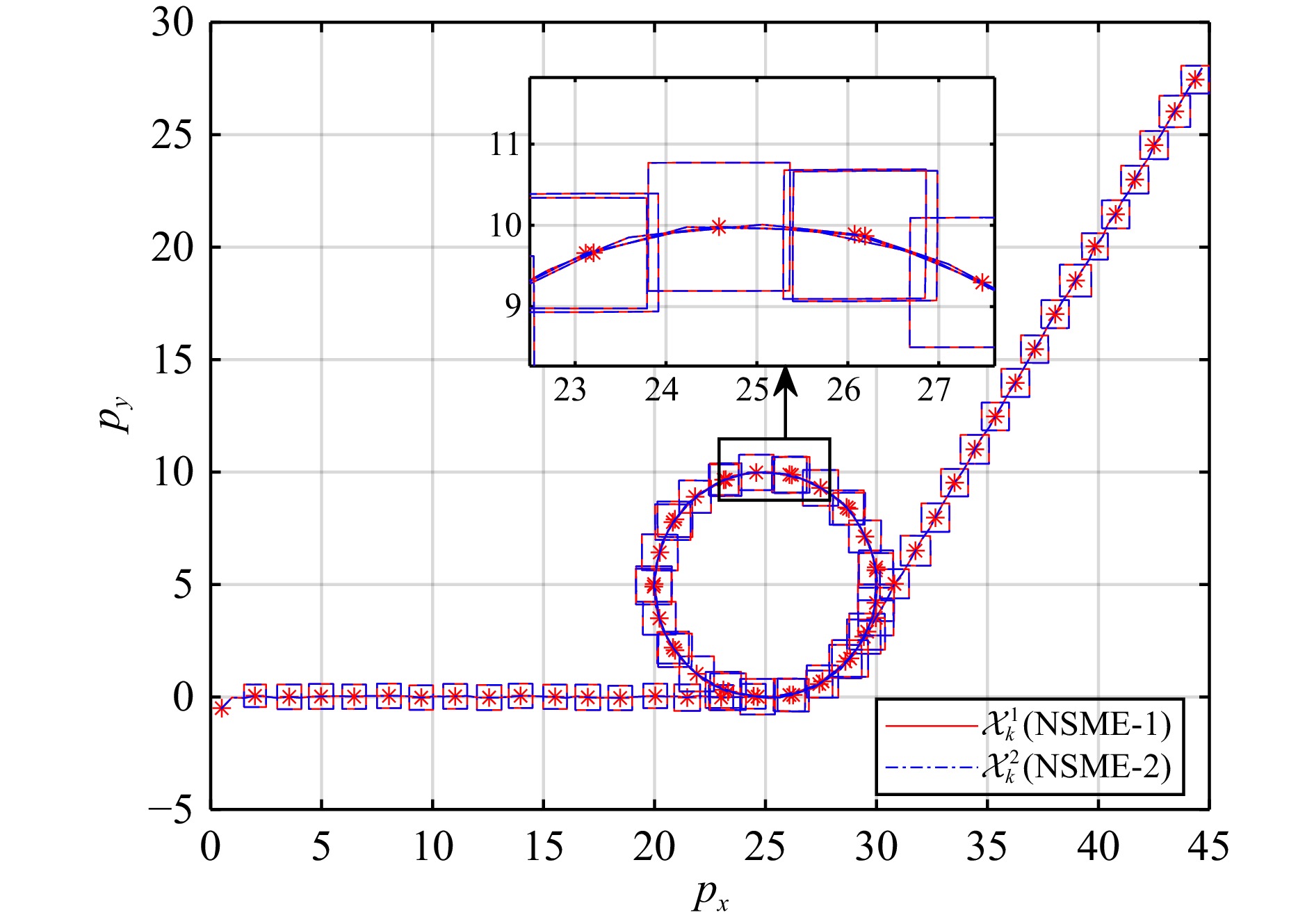
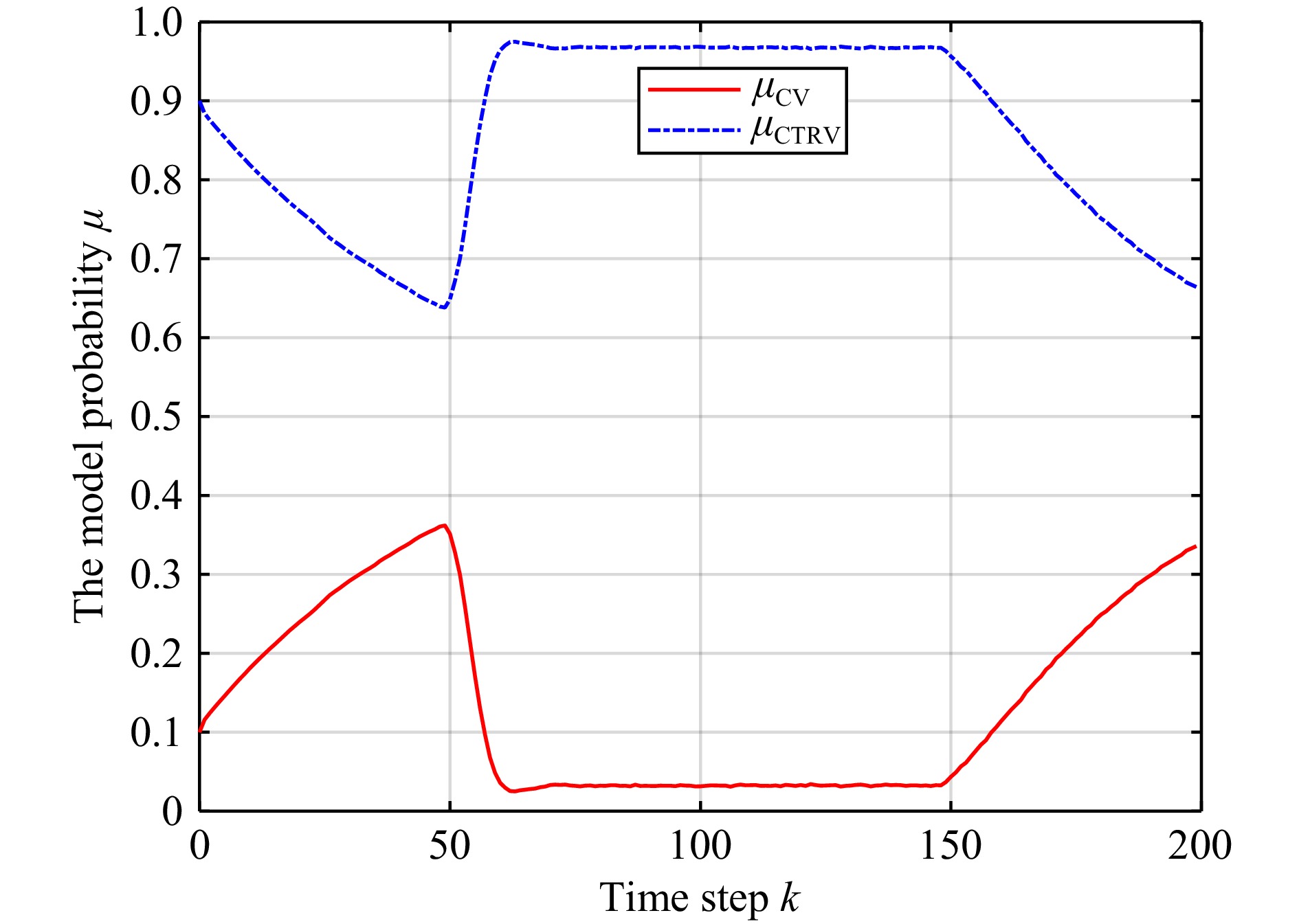
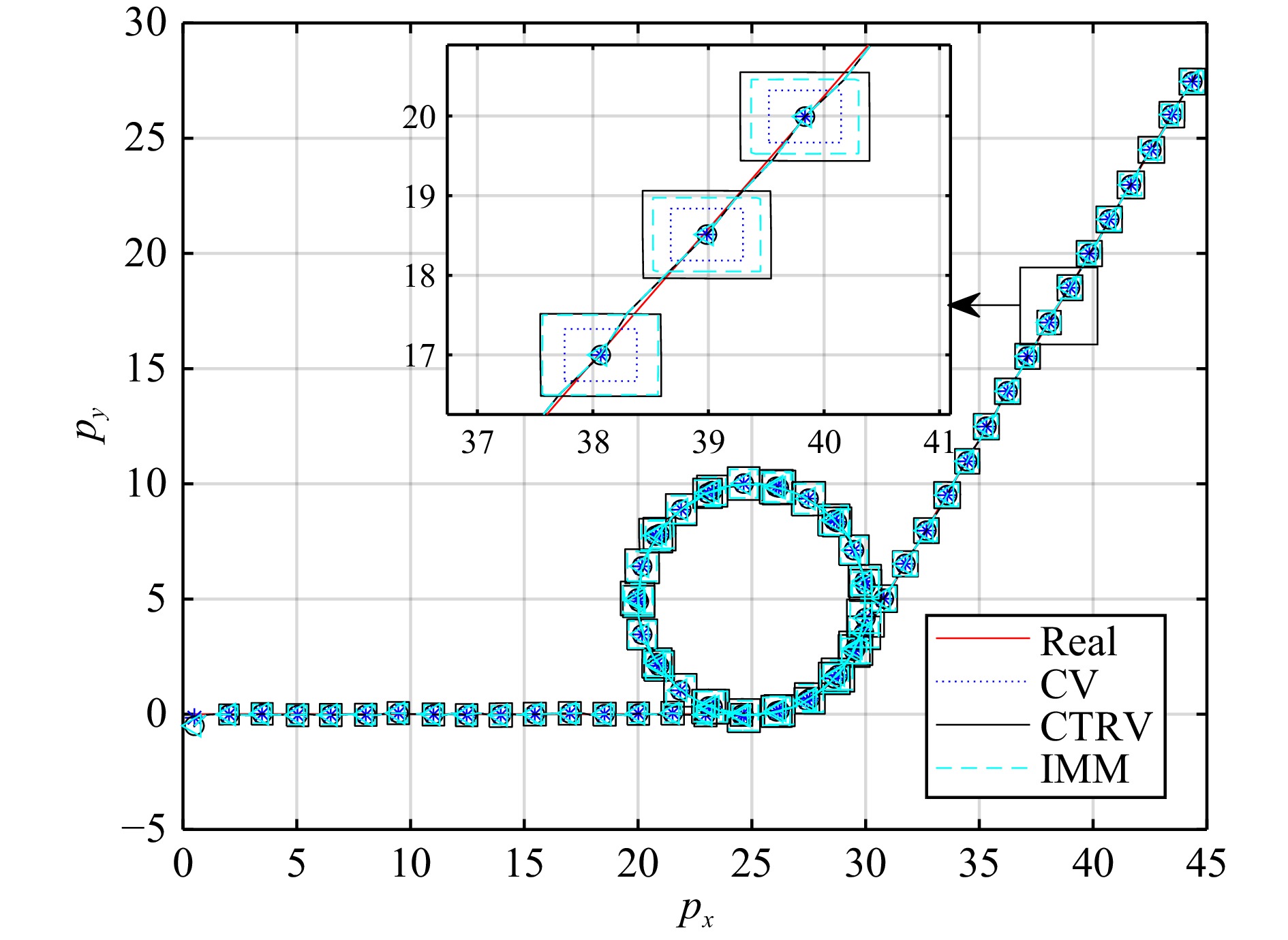
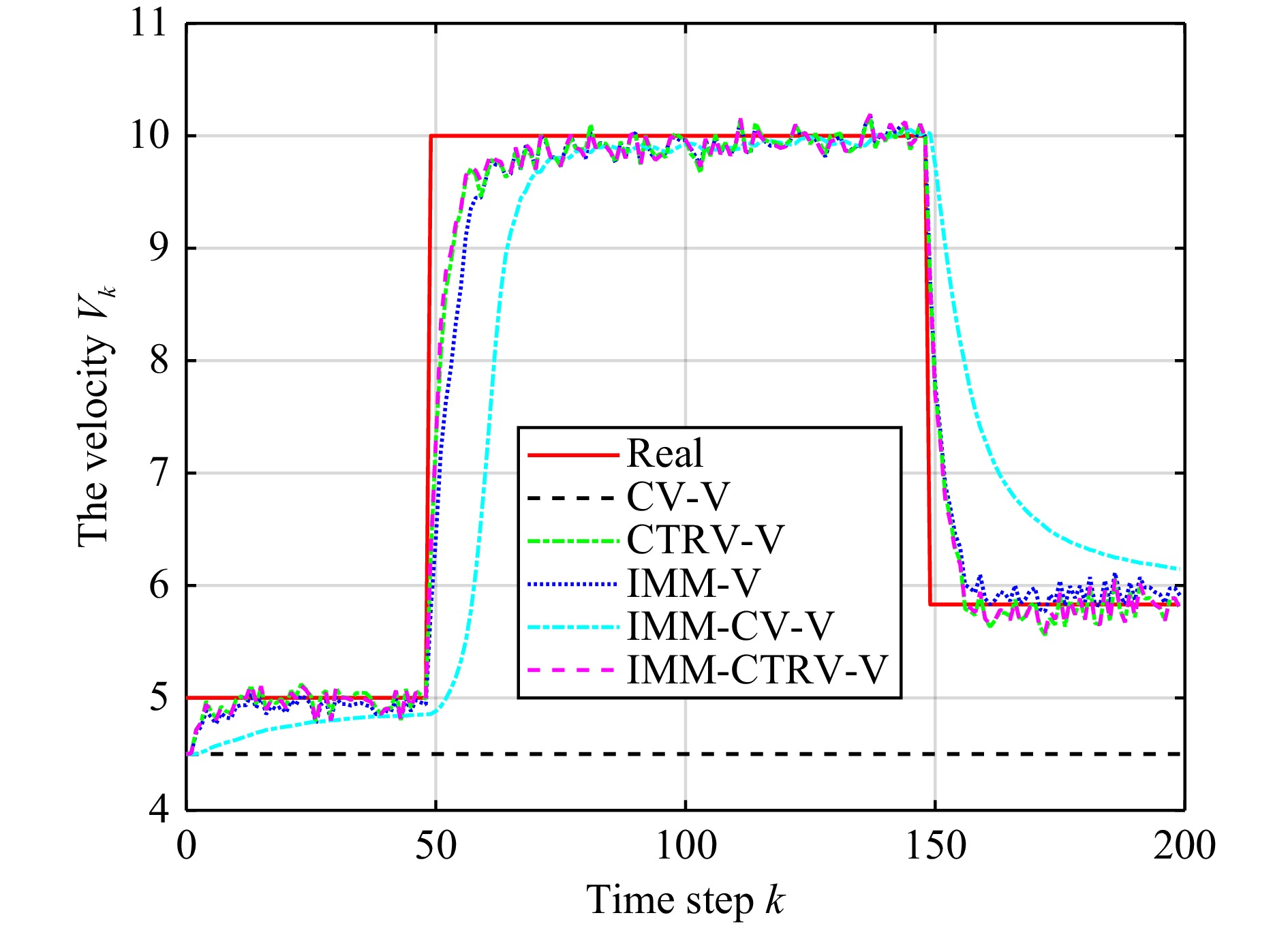
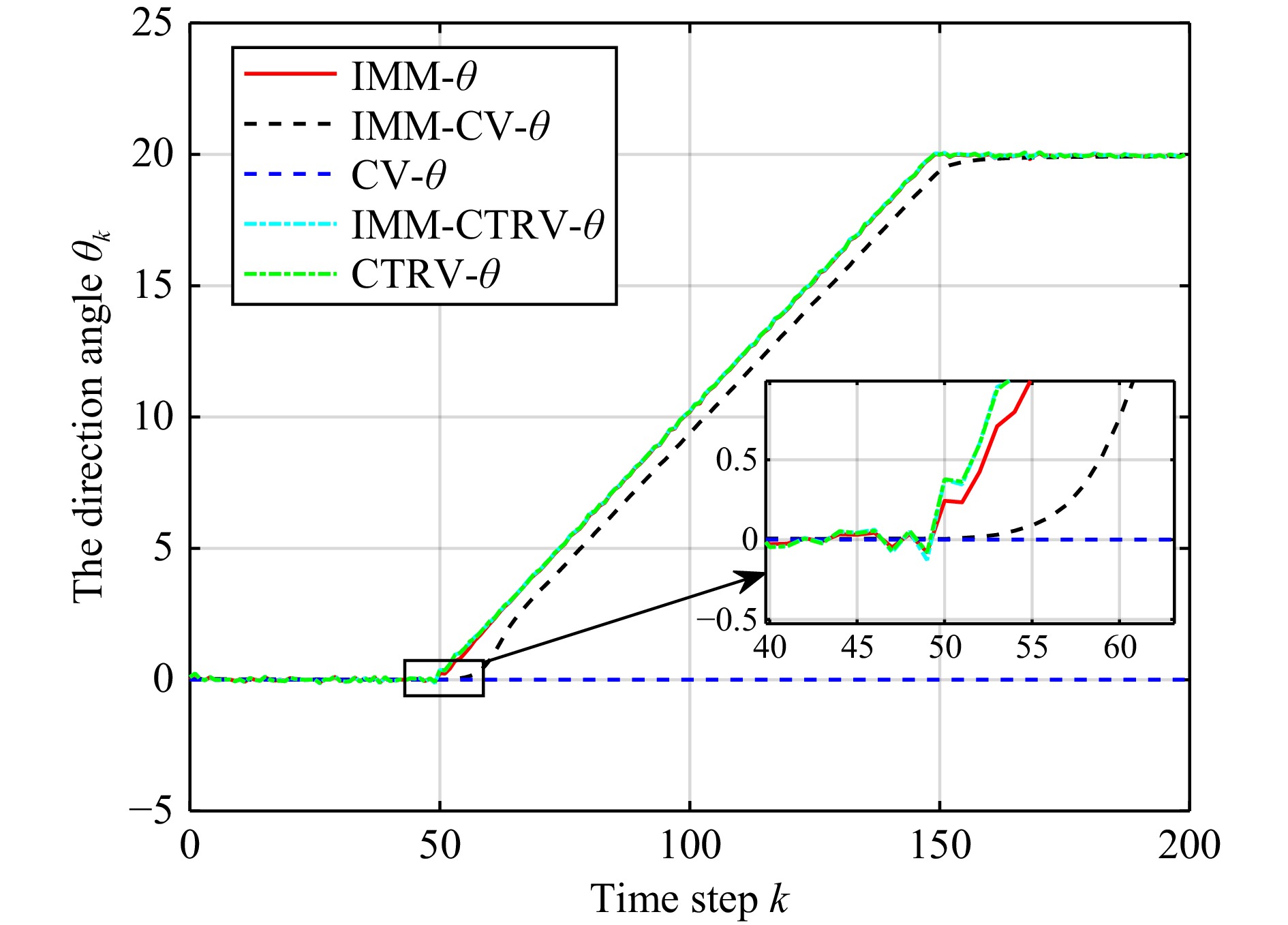
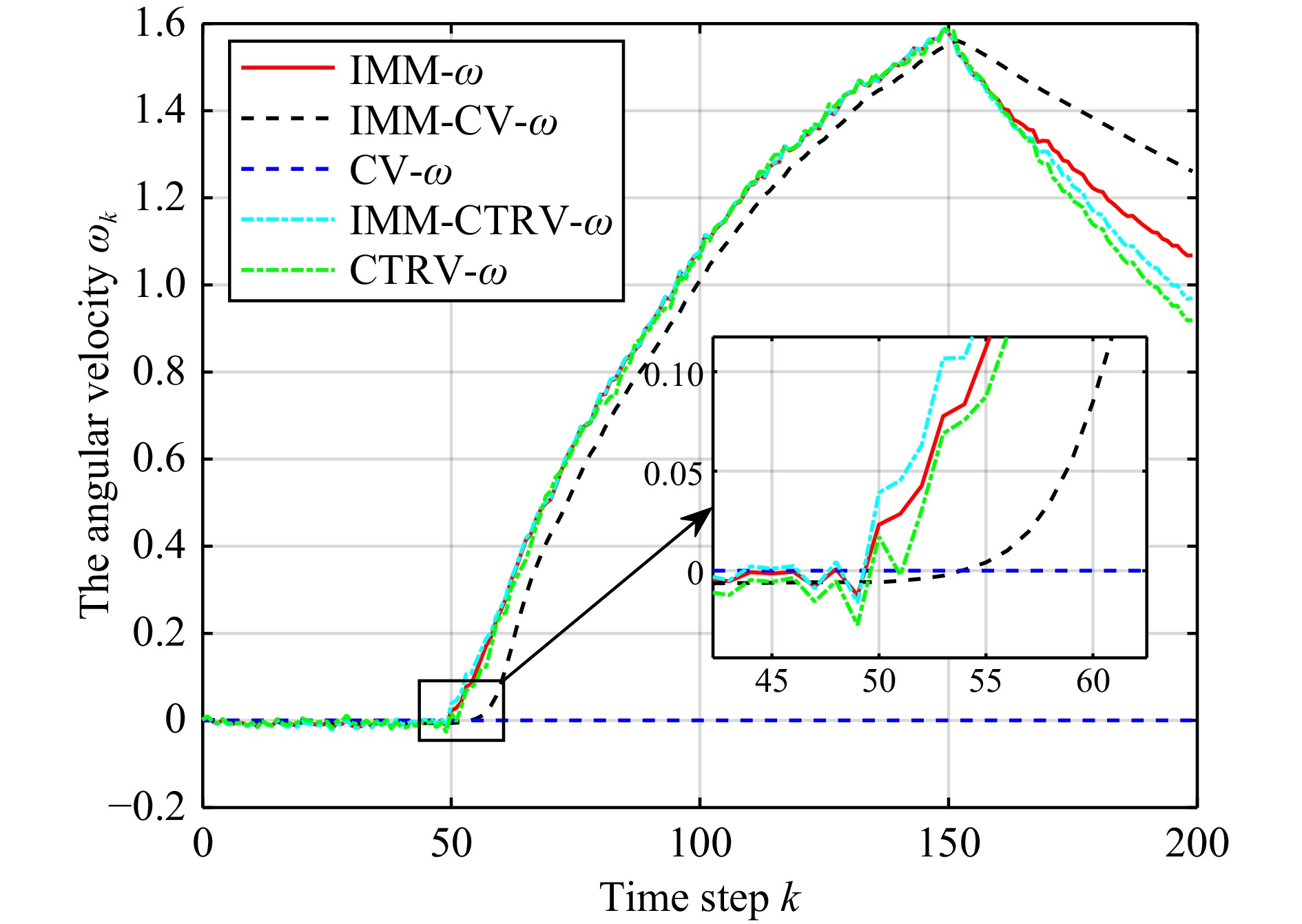
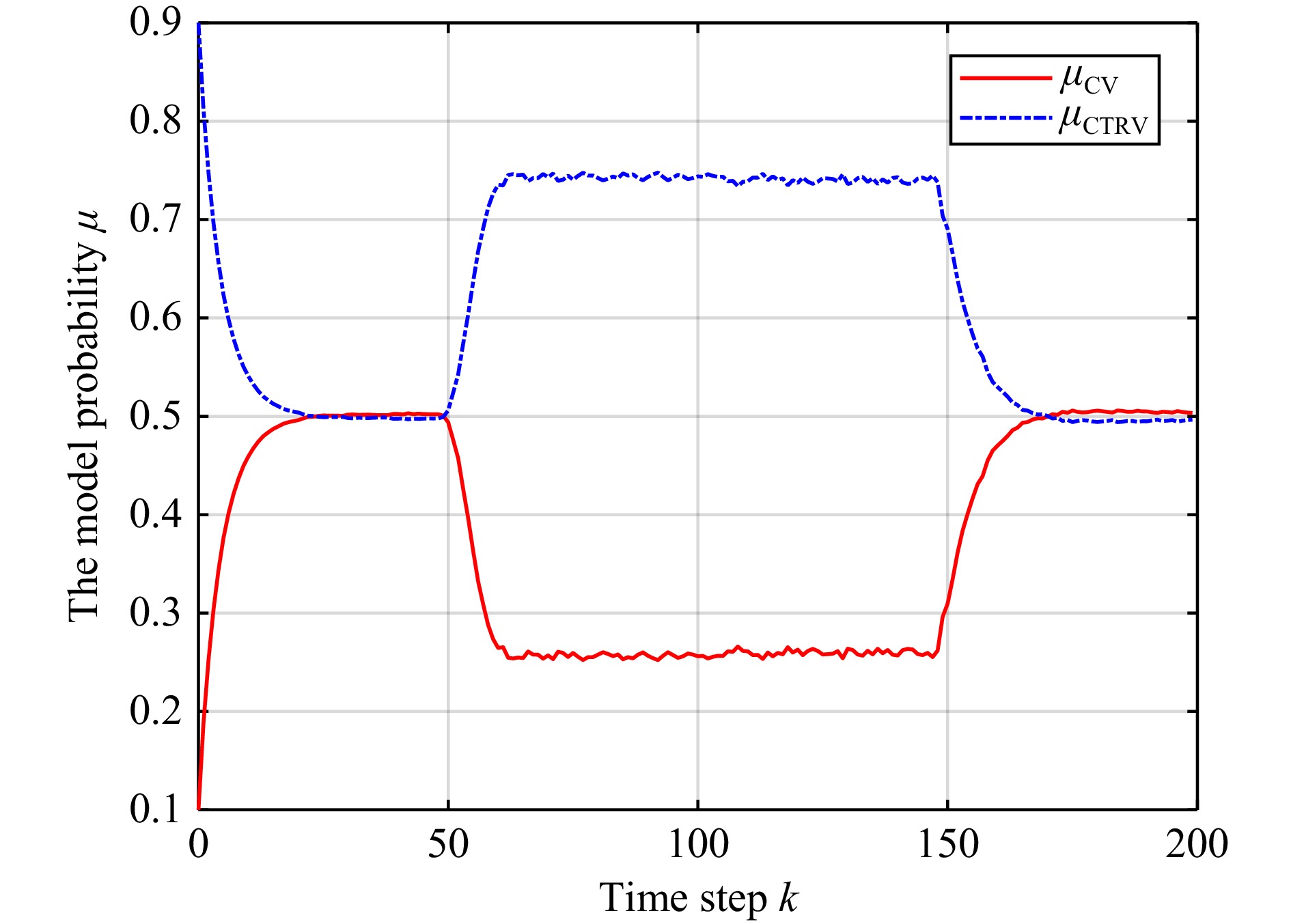
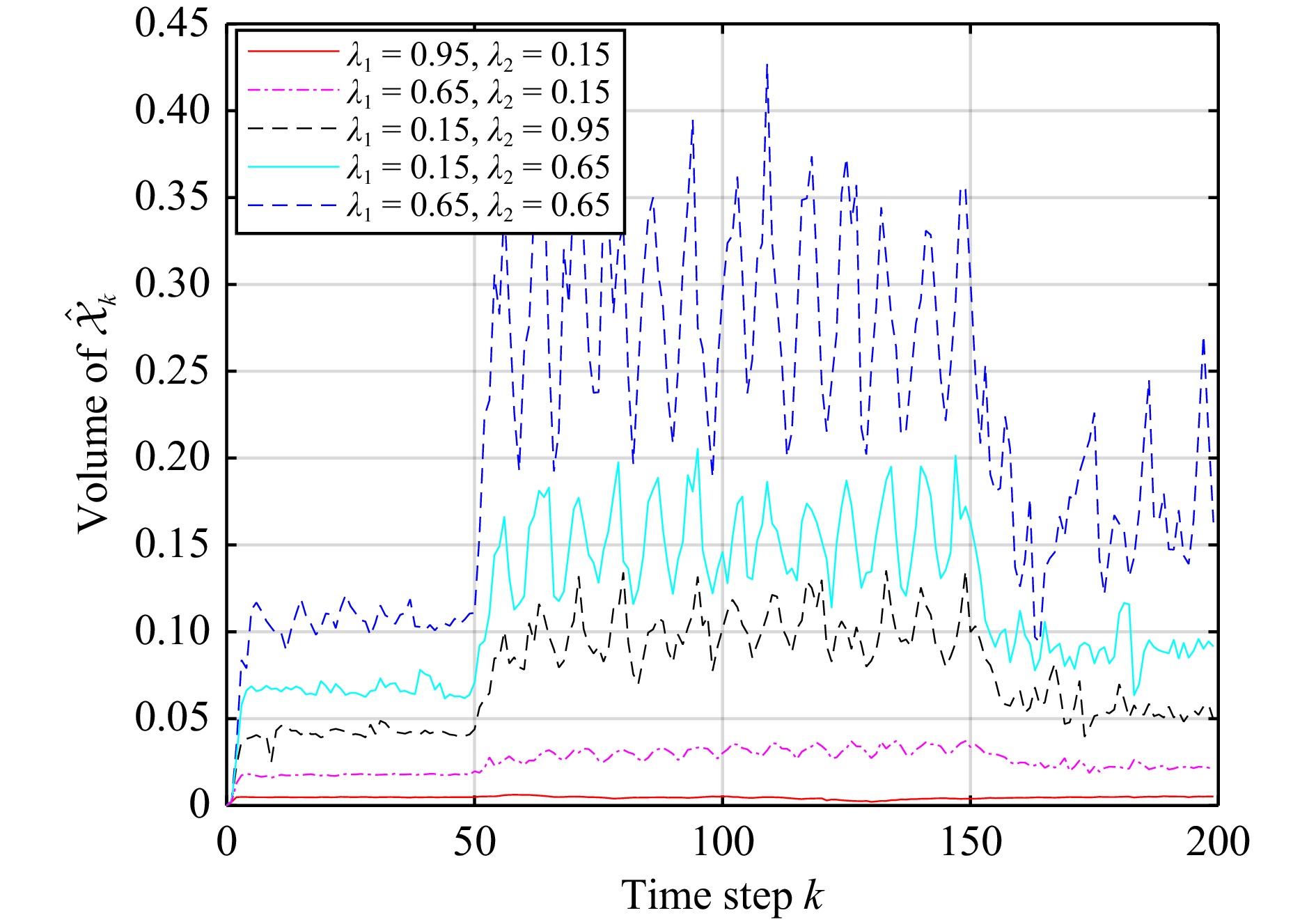
In this paper, an interacting multiple model (IMM) nonlinear set-membership estimation (NSME) is investigated for nonlinear systems with unknown-but-bounded (UBB) noises. First, two different NSME approaches are developed based on whether the characteristics of different noises are employed. Based on the proposed NSME method, a novel IMM-NSME algorithm is developed, which can be utilized to deal with the state estimation of multiple nonlinear models. Furthermore, the interaction between estimators depends on the switching probabilities described by the probability transition matrix, where the corresponding model probabilities are updated according to the designed rules. Then, the IMM-NSME algorithm is applied to address vehicle tracking, which is modeled as a combination of the constant velocity (CV) model and constant turning rate and velocity (CTRV) model. Finally, numerical simulations are provided to illustrate the validity of the developed methods.
LETTERS
Self-Supervised Spatio-Temporal Contrastive Learning for FDIA Detection in the Smart Grid
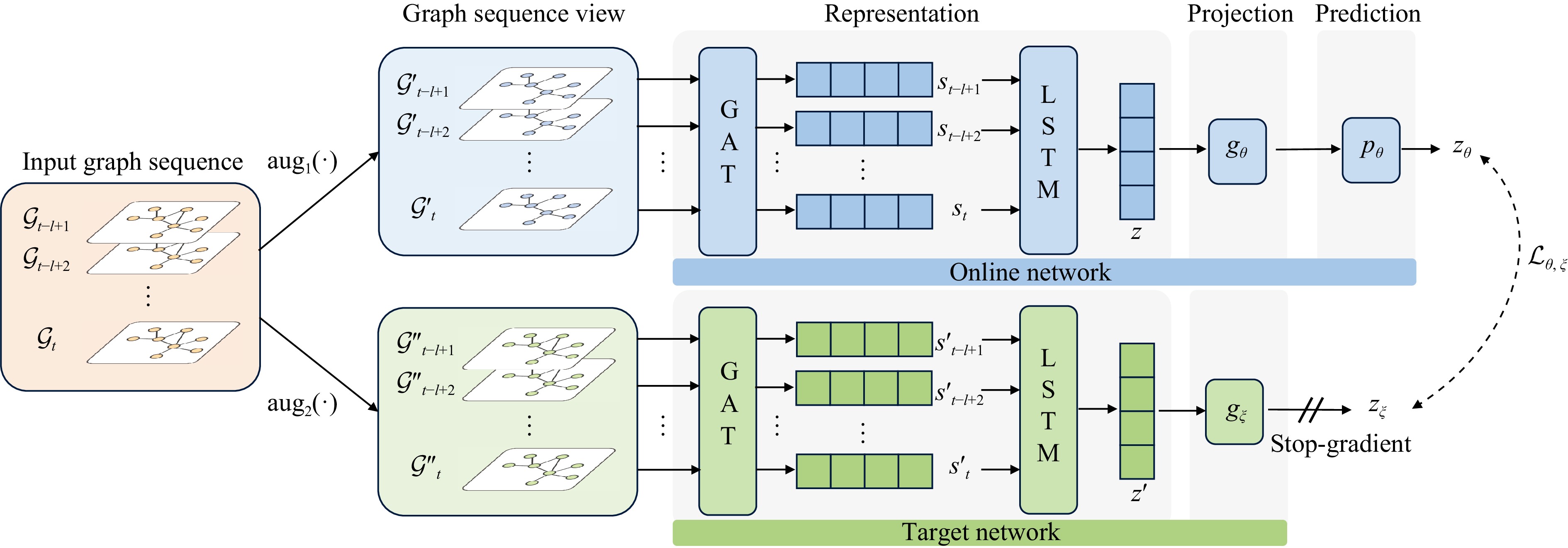
Xiaohan Huang, Zhenyong Zhang
2026, 13(8): 1982-1984. doi: 10.1109/JAS.2026.125741
Abstract(26) HTML (11) PDF(1)
Abstract:
Human-in-the-Loop Control for Industrial IoT Systems: A Modified FAS Predictive Control
Da-Wei Zhang, Guo-Ping Liu
2026, 13(8): 1985-1987. doi: 10.1109/JAS.2025.125819
Abstract(14) HTML (10) PDF(1)
Abstract:
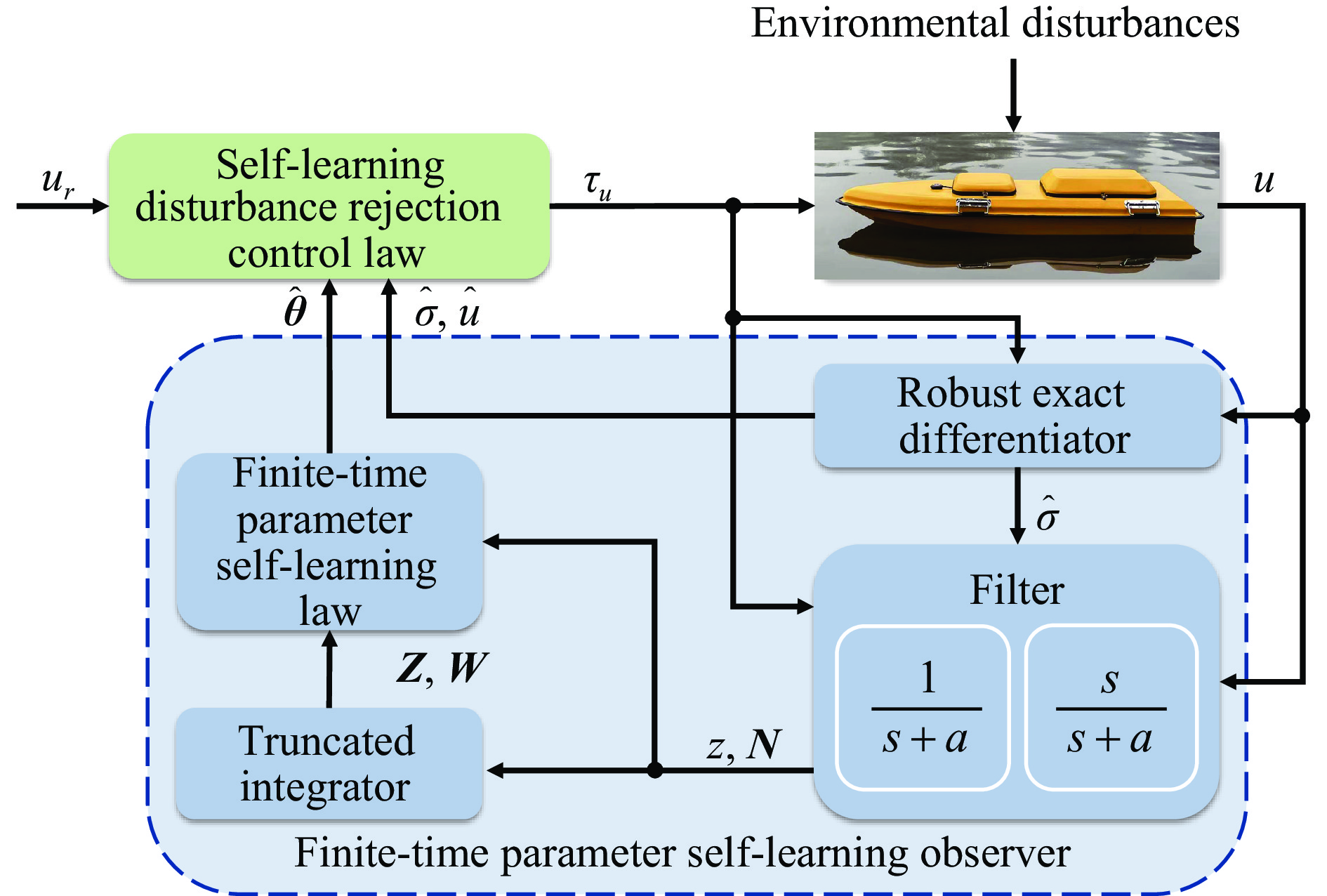
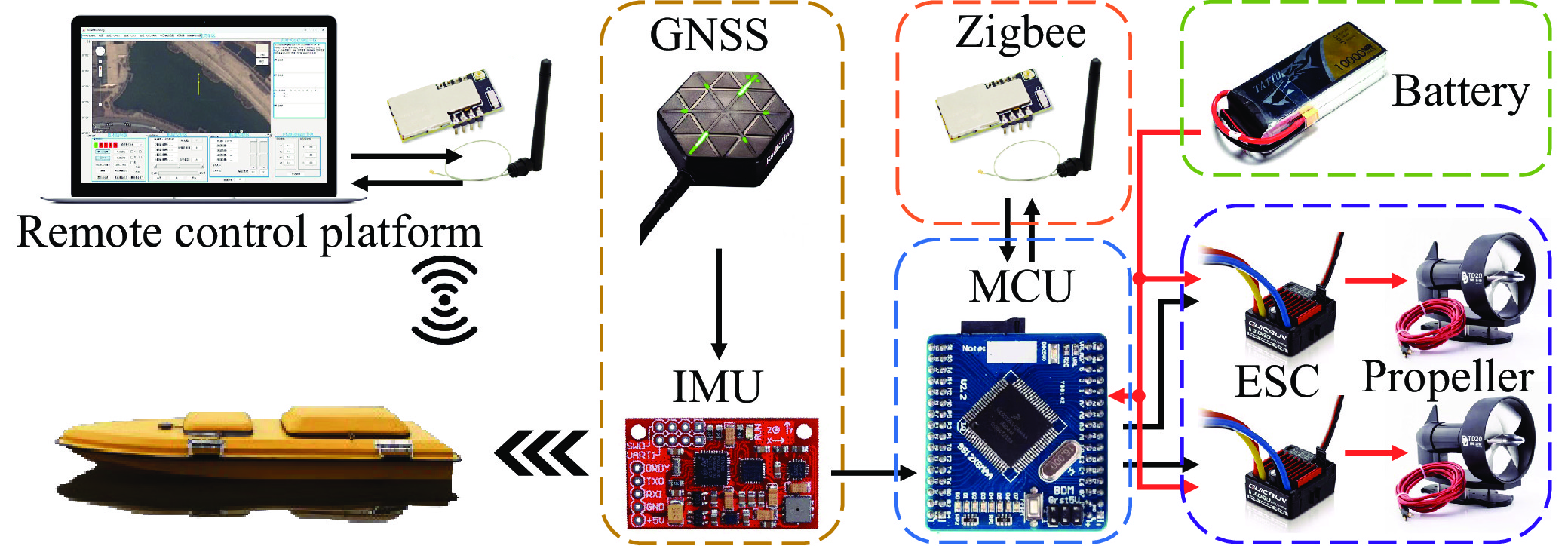
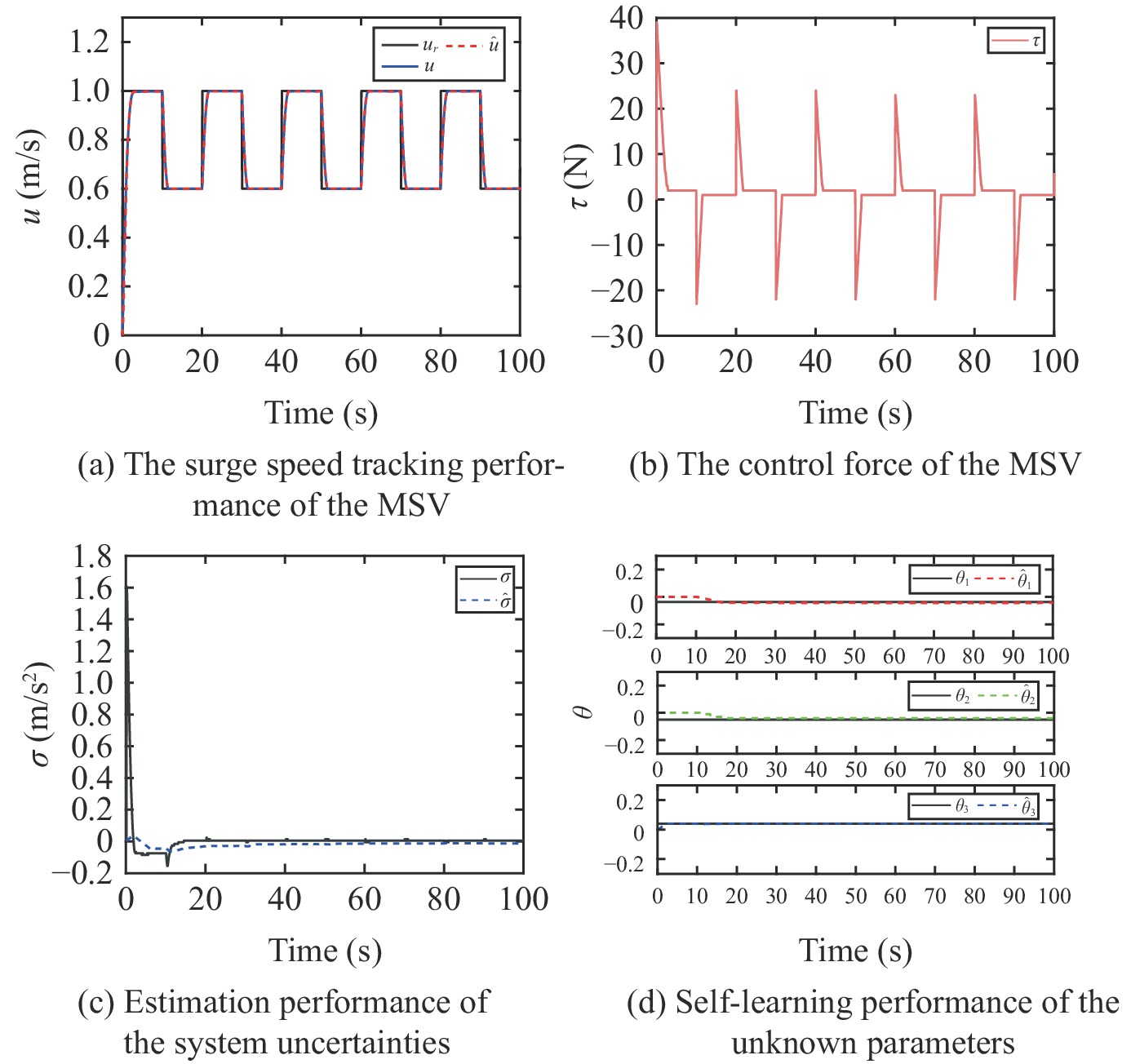
Finite-Time Parameter Self-Learning Disturbance Rejection Control of MSV: Methodology and Validation
Bo Peng, Nan Gu, Dan Wang, Zhouhua Peng
2026, 13(8): 1988-1990. doi: 10.1109/JAS.2024.124917
Abstract(14) HTML (9) PDF(2)
Abstract:
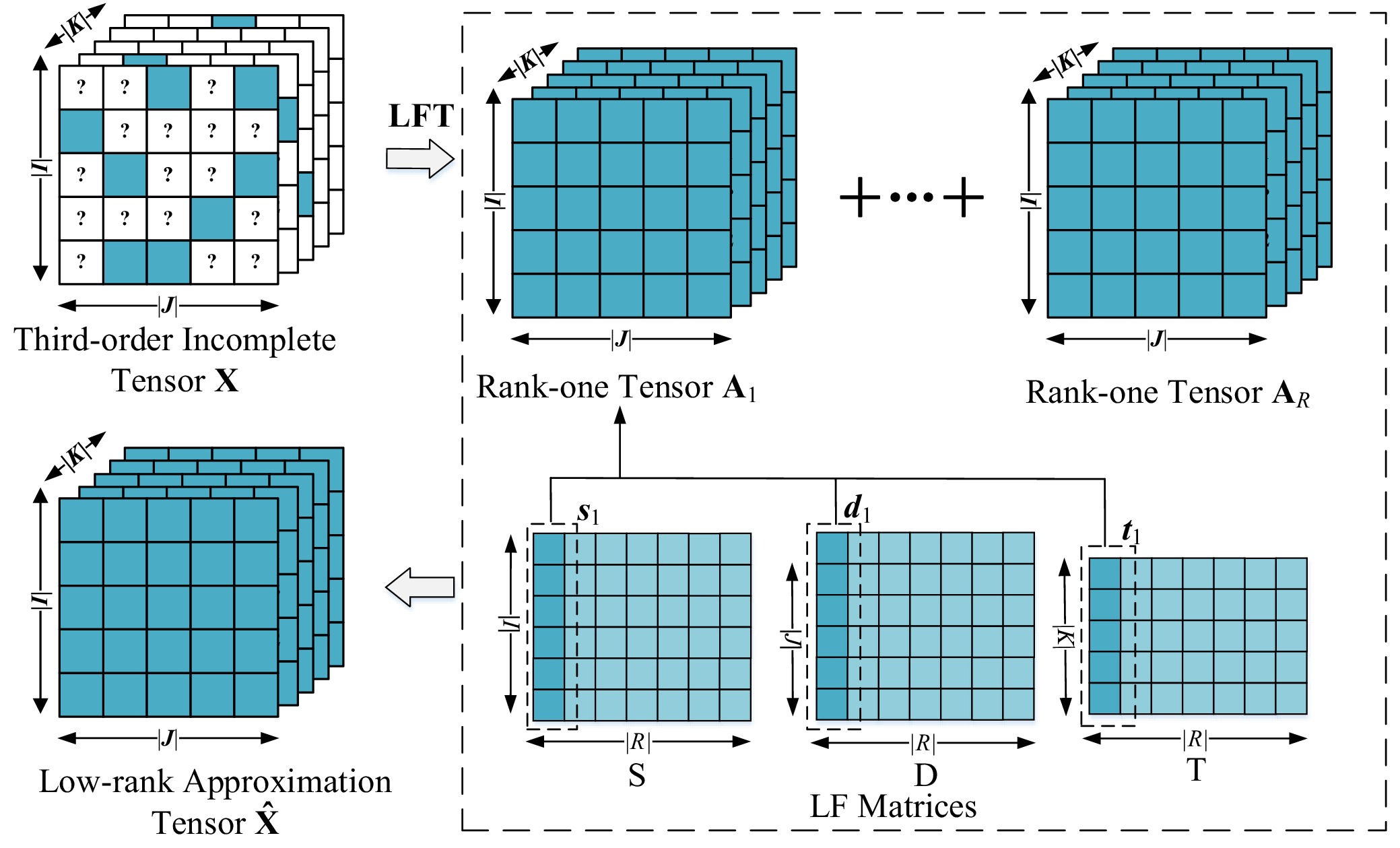
Latent Factorization of Tensors in Hyperbolic Space for Spatiotemporal Traffic Data Imputation
Hao Wu, Lei Yang, Zhetao Zhang
2026, 13(8): 1991-1993. doi: 10.1109/JAS.2024.124911
Abstract(14) HTML (11) PDF(0)
Abstract:
Distributed Secure Estimation of LTI System Under Unbounded Multisource Attack and Unknown Input
Tian-Yu Zhang, Dan Ye, Dongsheng Yang
2026, 13(8): 1994-1996. doi: 10.1109/JAS.2025.125621
Abstract(12) HTML (10) PDF(1)
Abstract:
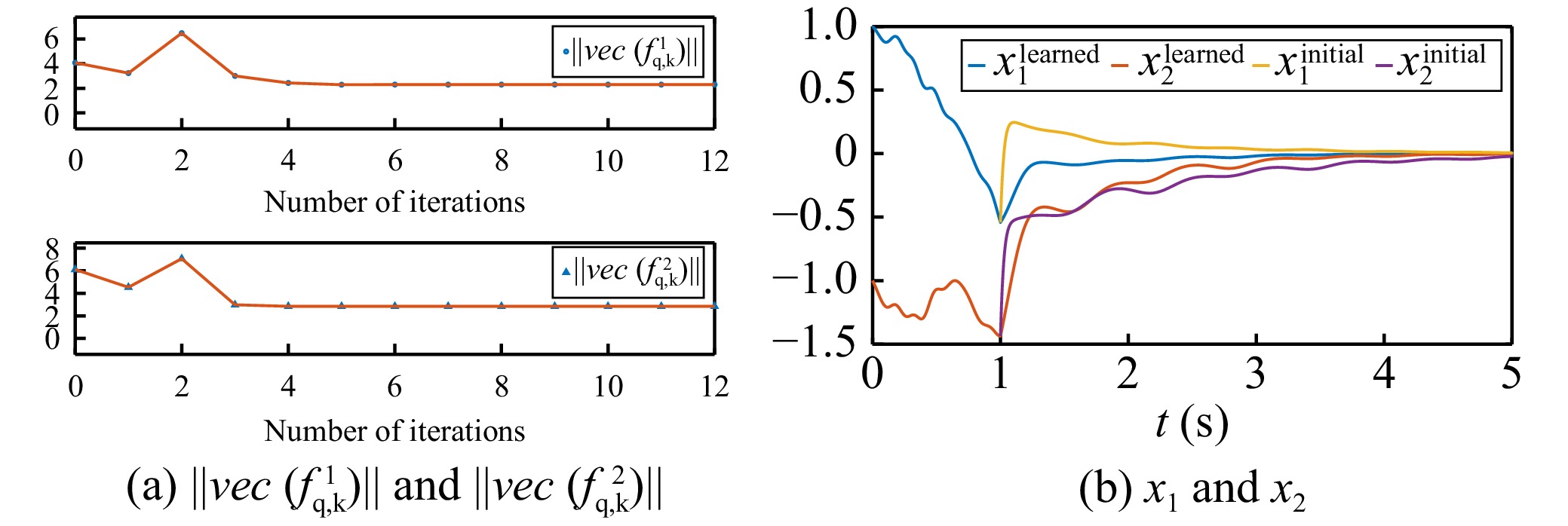
Data-Driven Reinforcement Learning and Approximate Optimal Control for Linear Time-Varying Systems
Jin-Gang Zhao, Deyi Wang, Jun Zhao, Guoliang Chen
2026, 13(8): 1997-1999. doi: 10.1109/JAS.2025.125639
Abstract(12) HTML (11) PDF(2)
Abstract:
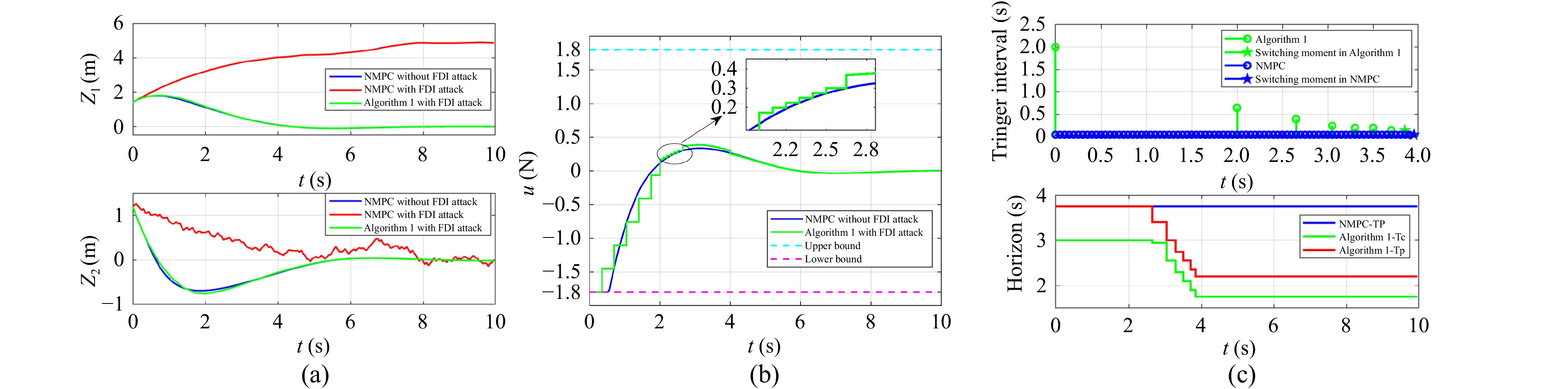
Resilient MPC for Constrained CPS Against FDI Attacks With Adaptive Dual-Horizon Mechanism
Ning He, Wenzhuo Li, Kai Ma
2026, 13(8): 2000-2002. doi: 10.1109/JAS.2025.125618
Abstract(18) HTML (10) PDF(2)
Abstract: