2026, 13(11): 2594-2610.
doi: 10.1109/JAS.2026.126005
Abstract:
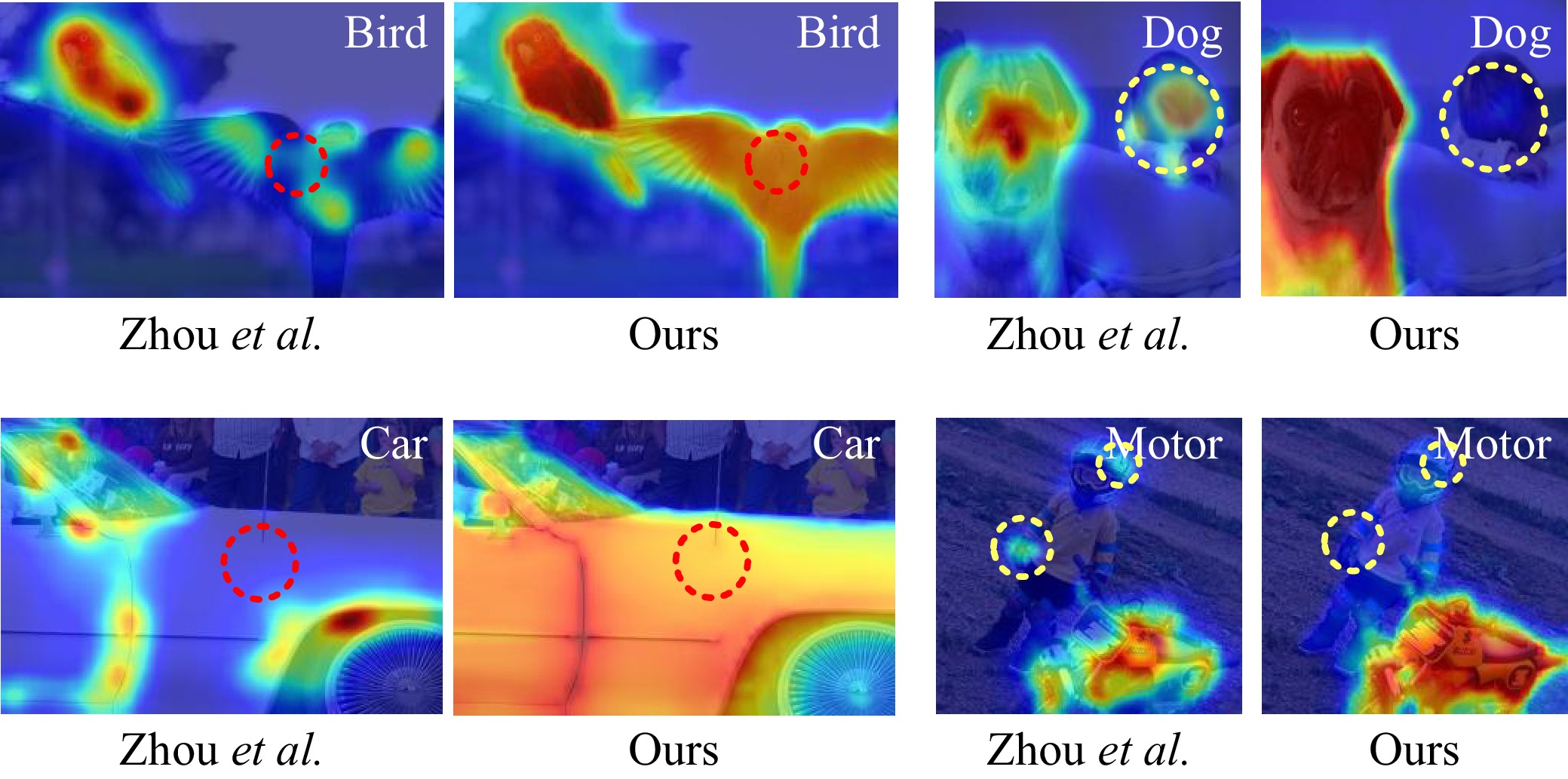
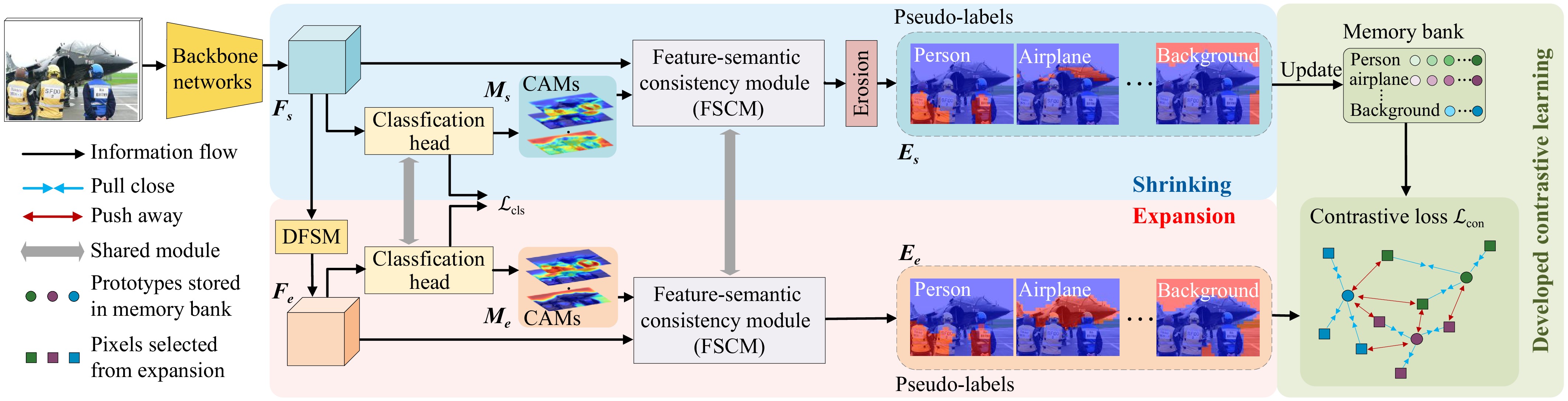
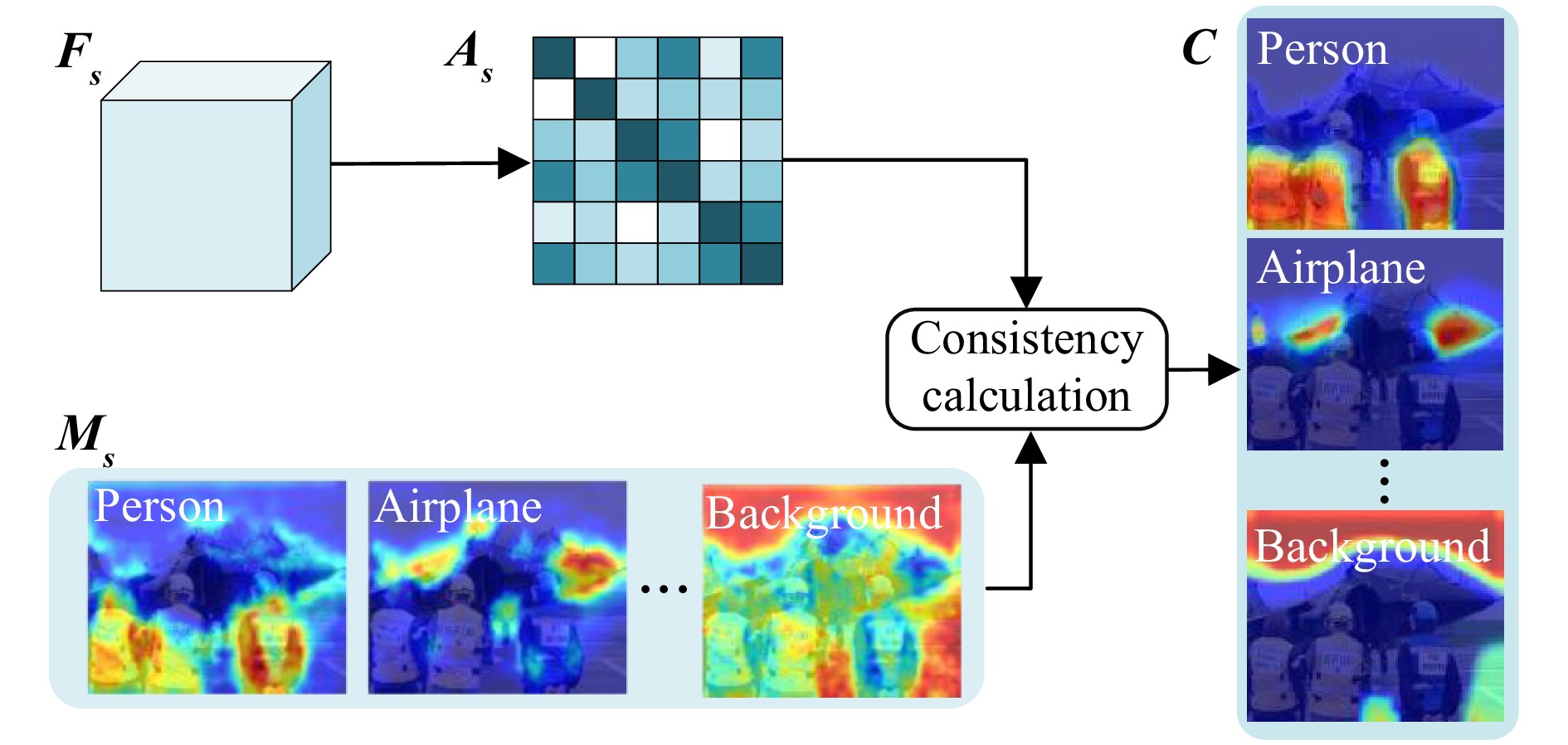
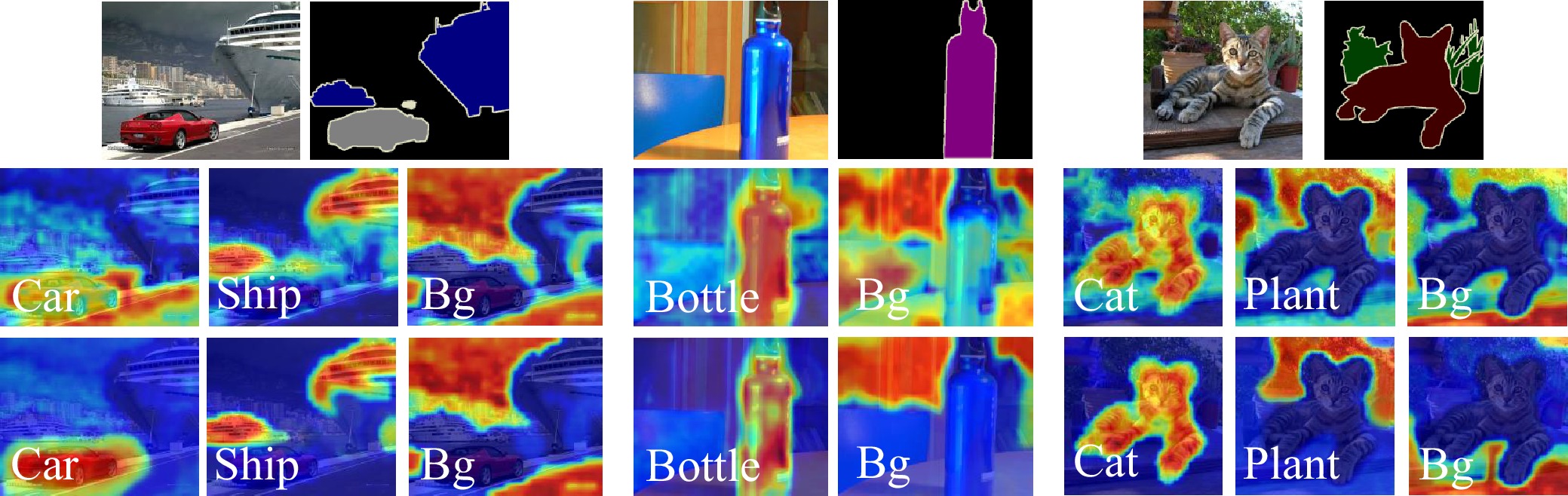
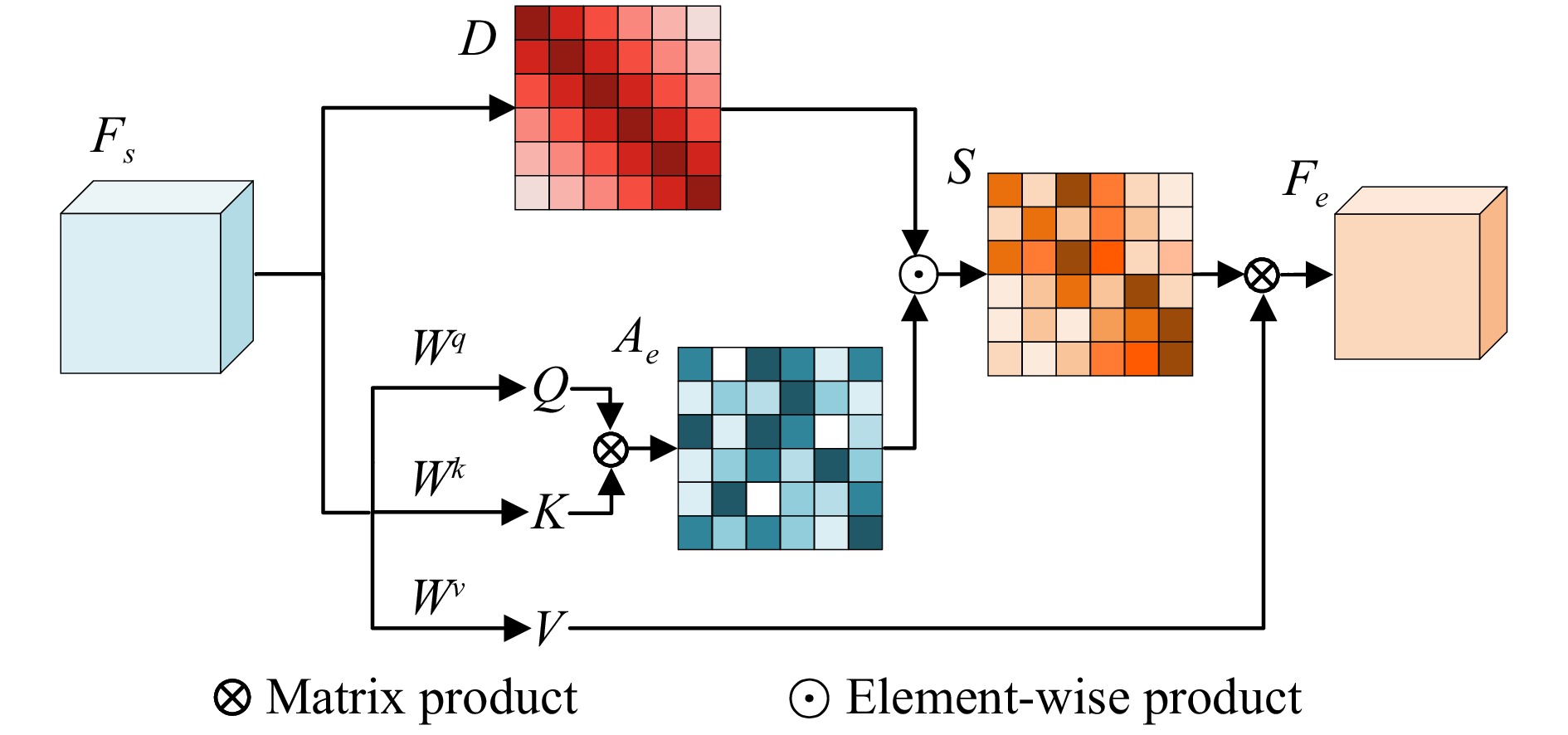
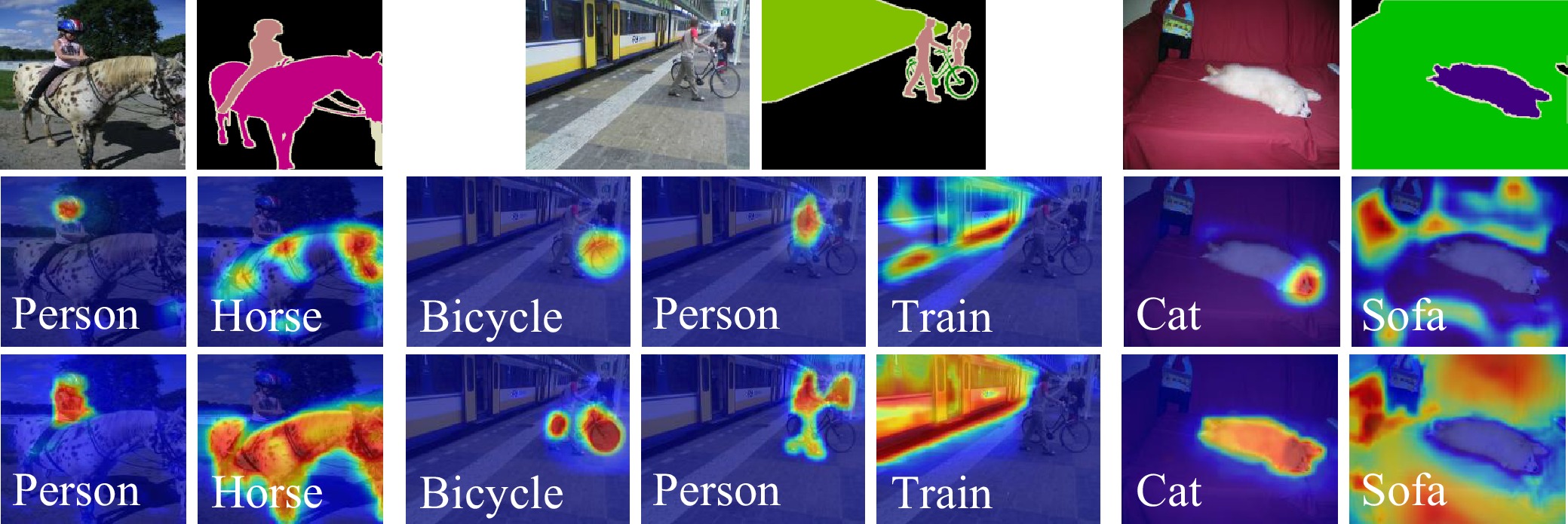
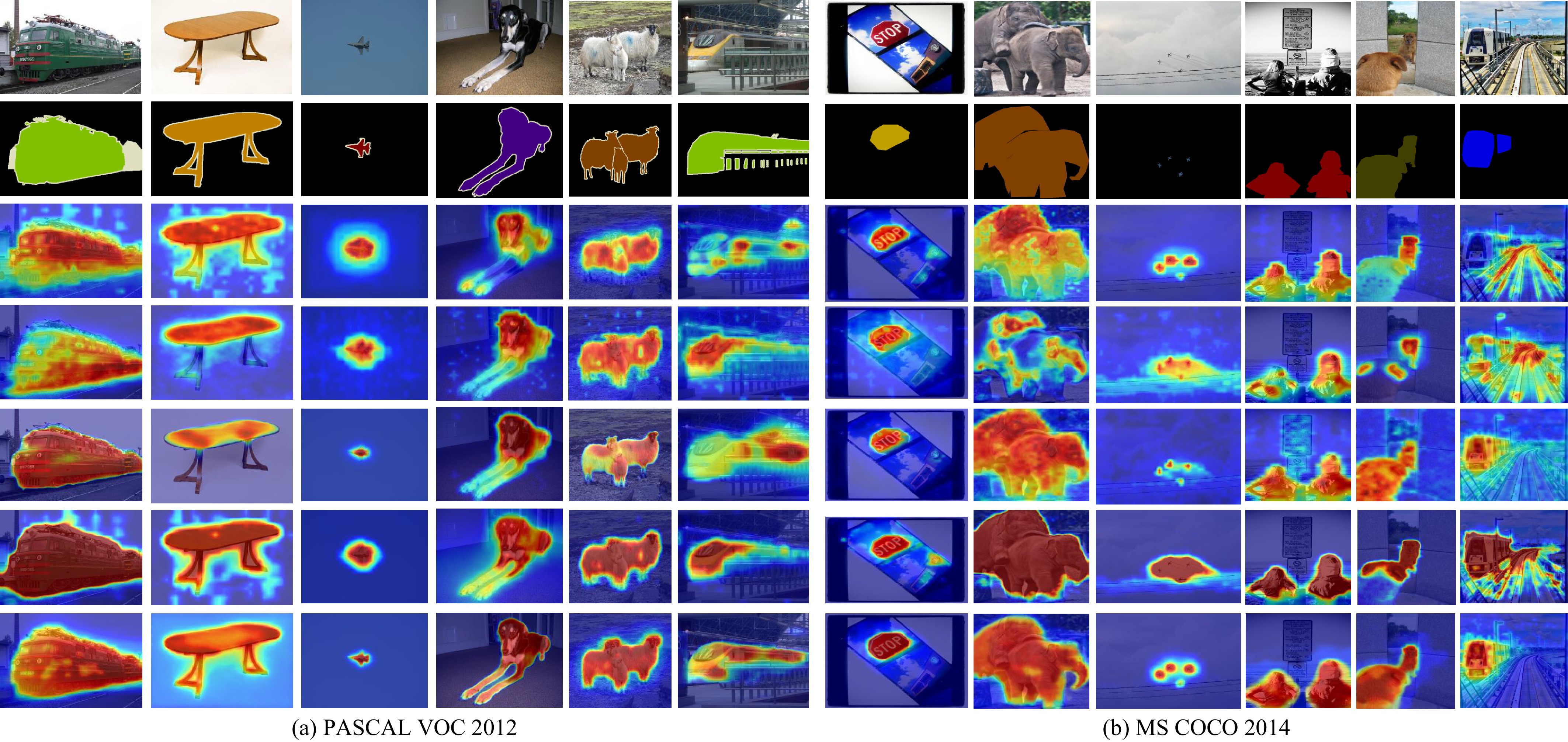
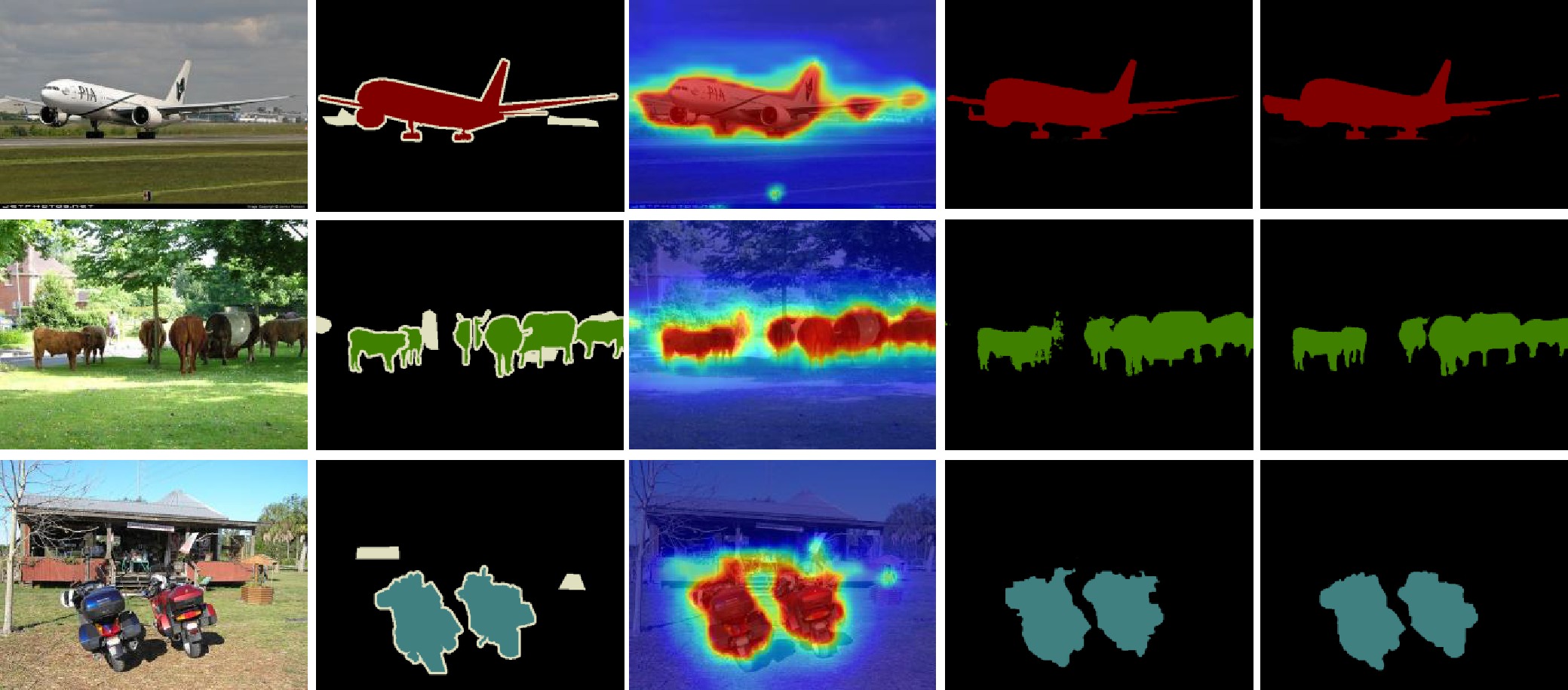
The recent advances of weakly-supervised semantic segmentation (WSSS) have witnessed remarkable progress using image-level labels. However, many existing approaches always suffer from inaccurate class activation maps (CAMs), which arise from translating category information into object localization. This paper approaches WSSS from a novel perspective, treating incomplete and incorrect activations as pixel-level noisy labels that can be effectively calibrated within a developed contrastive learning framework. Unlike prior efforts that mainly relied on data augmentation to generate supervised signals, we create positive and negative training pairs by jointly capturing pixel-level context in both embedding and semantic spaces. To accomplish this, we employ shrinking and expansion operations to produce pixel-level pseudo-labels that supervise the contrastive learning process. Specifically, during the shrinking operation, a series of robust seeds are produced under the constraints of feature and semantic consistency. In contrast, the expansion operation designs a distance-constrained feature similarity module to propagate categorical semantics based on the principle that pixels belonging to the same object should exhibit similar feature embeddings and close spatial locations. This approach helps the classifier in identifying more under-activated pixels while suppressing incorrectly activated ones. In addition to enhancing the accuracy of CAMs, our method allows for the utilization of more positive training pairs to learn robust feature representations, thus ultimately improving noisy label calibration. We conducted exhaustive experiments on the PASCAL VOC 2012, MS COCO 2014, and Cityscapes datasets. The extensive experimental results demonstrate the effectiveness of our method, achieving 79.5%, 51.9%, and 53.4% mIoU on three datasets, respectively.
W. Xiang, A. Yang, Q. Zhou, X. Sun, J. Cheng, and H. Lu, “Learning from pixel-level noisy labels: A new perspective for weakly-supervised semantic segmentation,” IEEE/CAA J. Autom. Sinica, vol. 13, no. 11, pp. 2594–2610, Nov. 2026. doi: 10.1109/JAS.2026.126005.














 E-mail Alert